2027 Best Online Public Administration Degrees for Housing and Urban Policy Careers

Co-Founder and Chief Data Scientist
Many professionals with unrelated undergraduate degrees struggle to enter public administration roles focused on housing and urban policy due to limited access to flexible, accredited graduate programs. Without targeted education, advancing in this field or pivoting careers proves challenging in a rapidly evolving urban landscape. Online degree programs can bridge this gap by offering adaptable learning schedules and specialized curricula tailored to these sectors.
This article examines the best online public administration degrees designed for those seeking to build expertise and credentials necessary for success in housing and urban policy careers, providing guidance to navigate options effectively and make informed decisions.
Key Things You Should Know
- Online public administration degrees in 2026 increasingly emphasize housing and urban policy, reflecting a 12% projected job growth in urban planning and public policy roles through 2030.
- Programs now integrate data analytics and community engagement skills, crucial for addressing complex housing affordability and urban development challenges in U.S. cities.
- Accredited online degrees offer flexible schedules, with over 60% of graduates reporting improved career advancement opportunities within local government and nonprofit sectors focused on urban issues.
What is an online public administration degree with a focus on housing and urban policy?
An online public administration degree with a housing policy focus equips students to tackle urban development challenges, affordable housing, and community planning using policy and administrative skills. This program blends fundamental public administration coursework with specialized training in housing laws, zoning, urban economics, and social equity. Graduates learn to create and implement policies that enhance housing accessibility and improve urban environments.
Students develop competencies in demographic data analysis, resource management, and collaboration with government agencies and nonprofits. For instance, a graduate may design affordable housing programs that comply with federal and local regulations or develop strategies to reduce homelessness. Variations of this degree often include concentrations in urban planning, community development, or housing policy analysis, catering to diverse career objectives in public administration programs with an urban policy focus.
Online delivery offers flexibility for working professionals while maintaining rigorous academic standards. Graduates with a master's in public administration or public policy earn a median annual wage of $100,000, significantly higher than the $59,000 median for bachelor's degree holders, according to data from the Georgetown University Center on Education and the Workforce. This highlights the value of advanced education for career advancement in public agencies and housing-focused nonprofits. Prospective students should seek accredited programs featuring practical internships or project-based learning in urban and housing policy.
Those interested in integrating business operations skills with public service might explore an operations management MBA to complement their public administration expertise.
Which online public administration degrees best prepare graduates for housing and urban policy careers?
Online public administration degrees for housing policy careers emphasize specialized coursework in urban planning, community development, and housing policy. Programs that offer concentrations or certificates in urban affairs, housing policy, or regional planning provide skills directly applicable to these fields. For example, a Master of Public Administration (MPA) focusing on Urban and Regional Planning prepares students to analyze zoning laws, housing markets, and city infrastructure needs.
The best online public administration programs in housing and urban development combine policy analysis, quantitative methods, and practical GIS (Geographic Information Systems) training. Technical expertise gained is crucial for roles in local government agencies, nonprofit housing organizations, and urban policy research. Programs with internships or practicum experiences in city planning or housing departments enhance career readiness.
Accreditation by NASPAA is important for those pursuing urban and regional planner roles, ensuring rigorous curriculum standards. Social and community service management programs that blend public administration with social policy and program management are well-suited for a sector projected to grow 9% from 2024 to 2034, according to the U.S. Bureau of Labor Statistics.
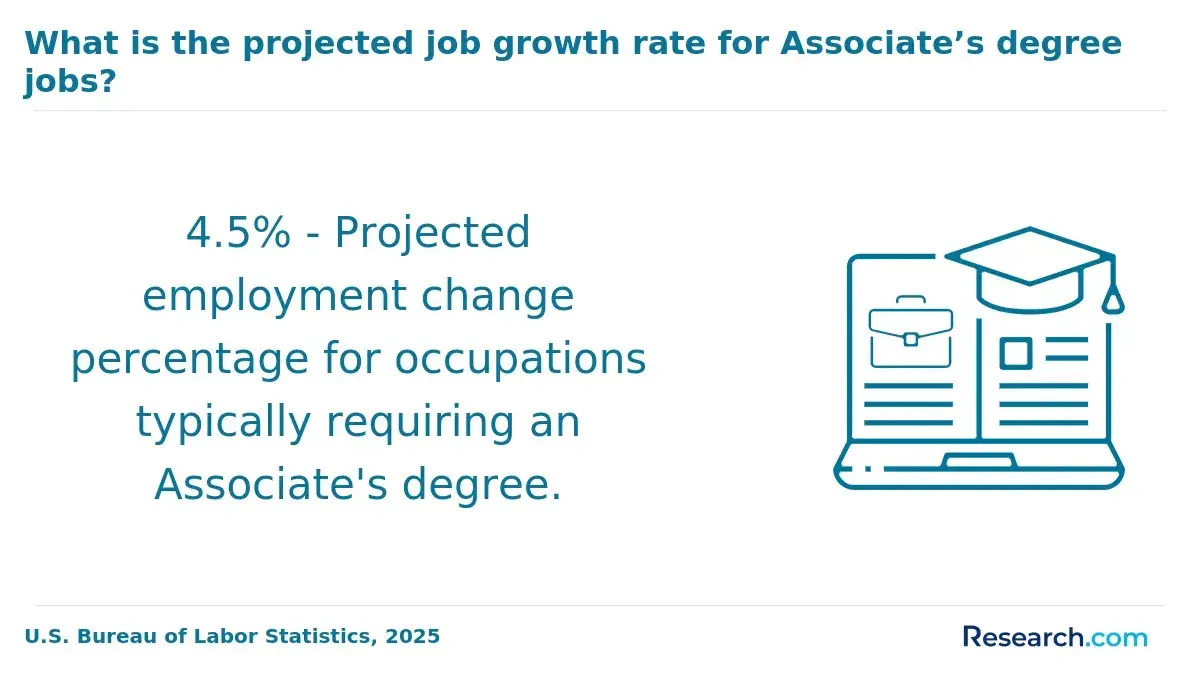
Prospective students should also seek faculty expertise in housing and urban policy, opportunities for applied research, and strong alumni networks. Degrees integrating data analysis, public finance, and stakeholder engagement equip graduates for evolving urban challenges amid a modest 4% job growth outlook. Those interested in expanding their skills might consider options like masters in healthcare management to diversify their qualifications.
How do online and on-campus public administration programs compare for housing and urban policy?
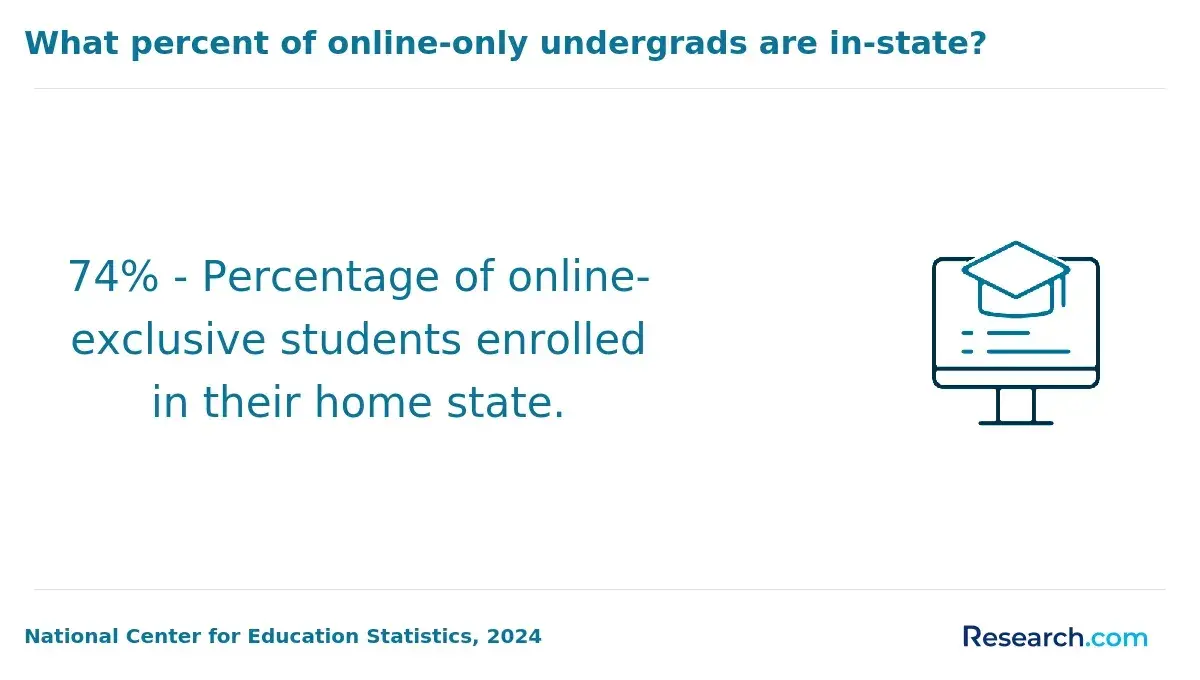
Online and on-campus public administration programs offer different benefits for housing and urban policy careers, and individual needs largely determine the best fit. On-campus degrees provide face-to-face interaction with faculty and peers, enhancing networking opportunities crucial for urban planning. They often include internships and projects with local government agencies and community organizations, giving hands-on experience with urban policy in practice. This direct exposure can be essential for many students.
In contrast, many online options deliver flexibility for working professionals or those balancing other commitments. These programs allow students to study from any location while often featuring live virtual sessions, group assignments, and regional case studies tailored to students' environments. This approach addresses some traditional concerns about distance learning and widens access to top programs nationwide. When comparing how online public administration programs compare for housing and urban policy careers, curriculum content usually remains similar across formats, covering urban economics, housing policy, and community development, though students should confirm the presence of specialized courses and practical components.
Career outcomes generally remain strong for graduates of accredited institutions. The median wage for urban and regional planners reached $81,860, with the top 10% earning over $124,150 according to the U.S. Bureau of Labor Statistics Occupational Employment and Wage Statistics. Students reviewing the differences between on-campus and online public administration degrees in urban policy should consider program reputation and faculty expertise alongside personal learning needs.
Evaluating individual circumstances helps align academic choices with career goals. For those seeking flexibility, reviewing the best online construction management degree options may offer insight into quality online program structures and affordability.
What accreditation and institutional quality standards should these online programs meet?
Online public administration program accreditation standards are crucial for ensuring that degrees in housing and urban policy are credible and aligned with industry demands. Prospective students should focus on programs accredited by the Network of Schools of Public Policy, Affairs, and Administration (NASPAA), which ensures the curriculum covers key areas such as affordable housing policy, urban planning, and community development finance.
Regional accreditation from recognized bodies like the Middle States Commission on Higher Education or the Higher Learning Commission further validates the institution's academic quality, faculty qualifications, and student support, making earned credits widely accepted by employers and other institutions. Quality criteria for online public administration degrees in the US also emphasize practical relevance. Programs that incorporate experiential learning-such as policy simulations, collaborations with housing agencies, or capstone projects-offer students hands-on experience addressing real urban challenges.
Additional factors to consider include faculty expertise in housing policy, urban economics, and public finance, plus flexible scheduling options designed for working professionals. Programs providing robust career services and networking opportunities improve post-graduate job prospects in various public, nonprofit, and private sectors related to affordable housing development.
Students interested in accelerated learning paths might explore the fastest business degree online programs, which can complement public administration knowledge with valuable business skills.
What courses and specializations are included in a housing and urban policy-focused curriculum?
Online programs in public administration that focus on housing and urban policy blend foundational theories with specialized courses addressing urban development challenges. Students explore topics such as urban economics, affordable housing policy, land use planning, zoning regulations, and community development. These courses equip learners with practical skills to analyze housing markets, assess neighborhood revitalization efforts, and design sustainable urban environments.
Specialized coursework often includes housing finance, urban planning law, environmental sustainability, and social equity in urban settings. For example, housing finance courses examine funding strategies for affordable housing projects, while urban planning law covers zoning laws and development regulations. Additionally, students gain quantitative skills in data analytics for program evaluation and budgeting tailored to urban projects.
- Social policy intersections with housing, including homelessness prevention
- Affordable housing access strategies
- Community engagement approaches
Many programs incorporate applied learning such as simulations or capstone projects, often partnering with local governments or nonprofits to address real-world urban issues. Enrollment trends show strong growth in fully online master's programs in public administration and public policy, rising 23% between fall 2019 and fall 2023, compared to only 4% growth for in-person programs, according to the National Center for Education Statistics Integrated Postsecondary Education Data System (IPEDS) 2024 release. This reflects increasing demand for comprehensive curricula preparing students for careers in housing and urban policy.
What are typical admission requirements for online public administration programs in this specialization?
Admission to online public administration programs focused on housing and urban policy generally requires a bachelor's degree from an accredited institution, with a typical minimum GPA around 3.0. Some schools may accept slightly lower GPAs if supported by other strengths. Applicants must provide official transcripts to verify previous academic achievements.
While GRE scores were once common, many programs have made them optional since 2020; however, some still require them. Work experience related to public service, urban development, or housing policy is highly valued-usually a minimum of two years-and can help strengthen applications, particularly when academic credentials are borderline.
Letters of recommendation from supervisors or academic mentors are usually mandatory, attesting to applicants' potential in graduate studies. A statement of purpose or personal essay outlining career goals in housing and urban policy and motivations for pursuing a public administration degree is also expected. Some programs request resumes or CVs to evaluate professional background more thoroughly.
International applicants must demonstrate English proficiency through TOEFL or IELTS exams. Certain public sector programs may require background checks or additional documentation to ensure compliance and ethics.
Cost advantages are a significant factor in choosing online public administration degrees. BestColleges' 2024 Online Master's in Public Administration Programs analysis finds that average annual tuition at public universities is approximately $11,700 for online options, compared to $15,700 for on-campus study, offering more accessibility for working professionals.
How long do these online degrees take to complete, and what do they cost?
Online degrees focused on housing and urban policy within public administration vary in duration, typically lasting 18 to 36 months. Full-time students usually complete their studies in about two years, while part-time learners balancing other responsibilities may take up to three years or more. Accelerated options are available, enabling completion in 12 to 18 months through heavier course loads or intensive summer sessions.
Tuition costs depend on factors such as the institution's type, program length, and residency. Graduate programs generally range from $15,000 to $40,000 in total tuition. Public universities often offer more affordable rates, approximately $400 to $700 per credit hour, whereas private institutions can charge over $1,200 per credit. Additional expenses like technology fees or course materials may add $500 to $1,500.
Financial aid, employer tuition assistance, and scholarships can significantly lower these costs. Considering long-term value is crucial; research from the U.S. Department of Education's College Scorecard shows that graduates in public administration and social services earn about 42% more than those with only a bachelor's degree, based on median earnings ten years after program entry.
- Program duration varies by enrollment status and format
- Tuition ranges widely based on institution type and credits
- Financial support options help offset costs
- Graduate degrees typically lead to higher earnings
What careers can graduates pursue in housing, urban development, and community planning?
Graduates with degrees in public administration focusing on housing, urban development, and community planning can pursue careers that shape the management and growth of communities. Typical roles include urban planners who design land use strategies balancing development with environmental and social needs, and housing policy analysts who evaluate affordable housing programs and develop solutions for homelessness and inequities.
Other career options encompass housing program managers overseeing federal and state housing initiatives, community development specialists partnering with local governments and nonprofits to boost economic growth, and sustainability officers who incorporate green building and resilience in urban projects. These professionals collaborate with architects, engineers, and policymakers to foster inclusive, functional spaces.
Work environments range from municipal planning departments and housing authorities to regional planning agencies and advocacy groups. Specialized positions also focus on historic preservation, transit-oriented development, and housing finance analysis. Essential skills include data analysis, public engagement, and navigating regulatory frameworks.
Women represent about 62% of the urban and regional planning workforce but earn approximately 86% of male planners' median pay, highlighting an ongoing pay disparity highlighted by the American Planning Association's 2024 Planning Salary Survey. Addressing equity remains a key challenge for those entering the field.
What salary ranges and job outlook can applicants expect in housing and urban policy roles?
Applicants pursuing careers in housing and urban policy with degrees in public administration can expect starting salaries typically ranging from $50,000 to $70,000 annually, depending on the region and employer. Mid-career professionals often see salaries between $75,000 and $110,000, while senior roles such as urban policy directors or senior planners can command upwards of $120,000. Salaries vary widely across government agencies, nonprofit organizations, and private consultancies, with federal positions generally offering higher average wages.
The job outlook for housing and urban policy professionals remains strong, driven by rising demand for affordable housing solutions and sustainable urban development. Employment of urban and regional planners is projected to grow 7% from 2024 to 2034, faster than the average for all occupations, according to the U.S. Bureau of Labor Statistics. This growth corresponds with increasing urbanization challenges and initiatives addressing housing shortages and infrastructure improvements.
Cities that implement housing plans led by professionals with graduate degrees in planning or public administration create 35% more affordable housing units per capita over ten years, based on an analysis by the Lincoln Institute of Land Policy. This highlights the importance of skilled policy experts in shaping urban environments.
Job seekers should focus on developing specialized skills in data analysis, community engagement, and housing finance to enhance employability and salary prospects. Graduate education in public administration is especially valuable for navigating complex regulations and collaborating with diverse stakeholders, fostering career advancement in this field.
How can students choose a reputable online program aligned with their housing policy goals?
Students pursuing online public administration programs should prioritize those integrating coursework focused on housing and urban policy, including urban planning, housing affordability, community development, and policy design. Accreditation by recognized organizations like NASPAA ensures that programs maintain high curriculum standards and industry relevance.
Emerging skills such as data analytics and equity-centered policy have become essential. According to a NASPAA survey, 78% of accredited public affairs programs expanded their focus on data-driven policymaking, while 64% introduced content addressing equity and racial justice. These topics are critical for addressing systemic challenges in housing.
Evaluating faculty expertise and program partnerships-such as collaborations with local governments, nonprofits, or urban research institutions-can reveal opportunities for practical learning through capstone projects or internships linked directly to housing issues.
Flexibility in course delivery is vital for working professionals, making asynchronous classes and part-time enrollment attractive options. Access to professional networks and career services focused on urban policy roles also enhances long-term career prospects.
Key questions to consider when selecting a program include:
- Does the program offer courses on affordable housing policy and urban regeneration?
- Are data-driven policy approaches a core part of the curriculum?
- How does the program approach equity and sustainability?
- What practicum or internship opportunities connect theory with housing-sector practice?
Choosing a program aligned with these factors helps students develop in-demand skills and make meaningful contributions to housing and urban policy solutions.
Other Things You Should Know About Public Administration
The U.S. Department of Housing and Urban Development, the Department of Transportation, and the Environmental Protection Agency hire graduates with housing and urban policy training. Local housing authorities and state community development offices also recruit for policy, planning, and grant management roles.
Internships with city planning departments, housing authorities, nonprofit housing organizations, or federal agencies like HUD provide valuable hands-on experience. These opportunities allow students to apply theoretical knowledge to real-world challenges, gain exposure to policy development, and build professional networks essential for future employment in housing and urban policy.
Yes, certifications such as the Certified Public Manager (CPM) or credentials from the American Institute of Certified Planners (AICP) can enhance a graduate's qualifications. These certifications demonstrate expertise and commitment to the field, improving job prospects and professional development within housing and urban policy careers.
References
- Understanding Academic Accreditation for Online Universities https://www.qahe.org/article/understanding-academic-accreditation-for-online-universities/
- Online MPA Programs with a Specialization in Public Policy https://www.onlinempaprograms.com/specializations/public-policy
- Public Administration, City Planning (BAAS) Competency-Based https://www.etamu.edu/public-administration/
- What Does a Public Administrator Do? https://www.allbusinessschools.com/public-administration/career-paths/
- Quality Standards and Accreditation of Distance Education Programs in a Pandemic - OJDLA https://ojdla.com/articles/quality-standards-and-accreditation-of-distance-education-programs-in-a-pandemic
- Online Training - Local Housing Solutions https://www.localhousingsolutions.org/online-training/
- Earning an Online Public Administration Degree: Where You Can Find Work https://sopa.tulane.edu/blog/earning-online-public-administration-degree-where-you-can-find-work
- Master of Public Administration inPublic Administration and Policy Online or On Campus https://www.albany.edu/rockefeller/programs/mpa-public-administration-and-policy
- McMaster University - 'Timely and crucial': Master of Public Policy introduces housing-focused specialization https://educationnewscanada.com/article/education/level/university/1/1119358/-timely-and-crucial-master-of-public-policy-introduces-housing-focused-specialization.html
- What Can You Do with a Degree in Public Administration? Career & Salary Spotlight https://www.degreesforgood.org/what-can-you-do/public-administration-degree/