2027 Psychology - Mental Health Specializations for Youth Mental Health Careers

Co-Founder and Chief Data Scientist
Clinicians and students pursuing specialization in youth mental health frequently confront a fragmented educational landscape that complicates timely credentialing and workforce entry. With the U.S. Bureau of Labor Statistics projecting a 17% employment growth for mental health counselors through 2032, delayed or inflexible program structures risk leaving emergent professionals disconnected from urgent service demands.
Meanwhile, 2024 Department of Education data indicates a 35% uptick in part-time enrollments across psychology and counseling fields, signaling an increasing need for adaptable learning models compatible with working adults. This article examines key youth mental health specializations, evaluating program flexibility, career mobility, and alignment with evolving labor market requirements to guide strategic educational choices for career advancement.
Key Things You Should Know
- Federal labor projections show a 22% growth in youth mental health specialist roles by 2030, intensifying competition; prioritizing clinical licensure versus research expertise poses distinct employability tradeoffs.
- Employers in public health systems favor candidates with trauma-informed care certifications, evidenced by a 35% salary premium reported in a 2024 National Council survey, shifting hiring dynamics.
- Extended education timelines for licensed clinical psychologists-averaging 8 years post-bachelor-constrain rapid workforce entry, with cost burdens rising 12% annually per NCES, influencing candidate accessibility and retention.
What psychology and mental health specializations focus specifically on youth and adolescent care?
Prioritizing pediatric mental health specializations demands confronting distinct training and certification challenges that strongly influence employability and professional scope. For example, child clinical psychologists must complete doctoral programs and postdoctoral residencies to meet licensure requirements, while school psychologists often navigate state-specific certification processes that can delay workforce entry.
These pathways shape where graduates can meaningfully operate; sectors like schools require expertise in individualized education plans (IEPs) and collaboration with families, a skillset integral given that 15% of adolescents worldwide experience mental disorders. Adolescent psychology career paths intersect with developmental psychology, clinical child psychology, school psychology, and pediatric neuropsychology.
Such specialization entails adapting evidence-based interventions for diverse neurodevelopmental presentations and increasingly integrating telehealth platforms-a growing employment expectation following 2024 workforce shifts. Candidates should weigh the intensity of supervised clinical hours, certification hurdles, and multidisciplinary work environments against the expanding demand for professionals skillful in youth care across healthcare, educational, and social service settings.
Practical decision-making involves assessing these tradeoffs against employer preferences for evidence-based competencies. Students evaluating these pathways may also consider broader interdisciplinary online options that align with health and safety standards, such as the best online EHS programs, to complement or pivot their career profile in emerging intersections related to adolescent well-being.
What degree pathways prepare you for youth-focused mental health careers in the U.S.?
Career paths in youth mental health careers in the U.S. demand strategic degree planning that goes beyond a bachelor's. While a bachelor's in psychology, social work, or human development introduces core concepts, advancing to specialized master's or doctoral degrees is essential for roles requiring independent clinical practice or licensure. For instance, many school districts now prioritize counselors with credentials directly focused on youth mental health intervention.
Graduate programs such as Master of Social Work (MSW) or clinical child psychology doctorates combine supervised clinical hours with specialized curricula, aligning with employer requirements for professional autonomy and effectiveness. Without these, candidates typically remain confined to paraprofessional positions with limited scope and lower resilience against growing market demands highlighted by national trends in adolescent depression.
Key considerations include state-specific licensure rules and program accreditation, each shaping eligibility for education, healthcare, or nonprofit roles focused on youth. Combining bachelor's credentials with certifications in areas like youth mental health first aid may offer entry-level exposure, but these do not replace advanced degrees in establishing a sustainable clinical career.
Prospective students weighing educational pathways to become a youth-focused mental health specialist in America must also assess the balance of time and financial investment against workforce entry speed and long-term job security. Importantly, psychology degrees with a developmental or clinical child focus create entry into evolving fields such as digital mental health solutions for adolescents, expanding career trajectory options.
For cost-conscious candidates exploring next steps, programs offering affordable online master's degrees in psychology present practical options to meet licensure requirements while accommodating working professionals' schedules, available through resources like master's in psychology.
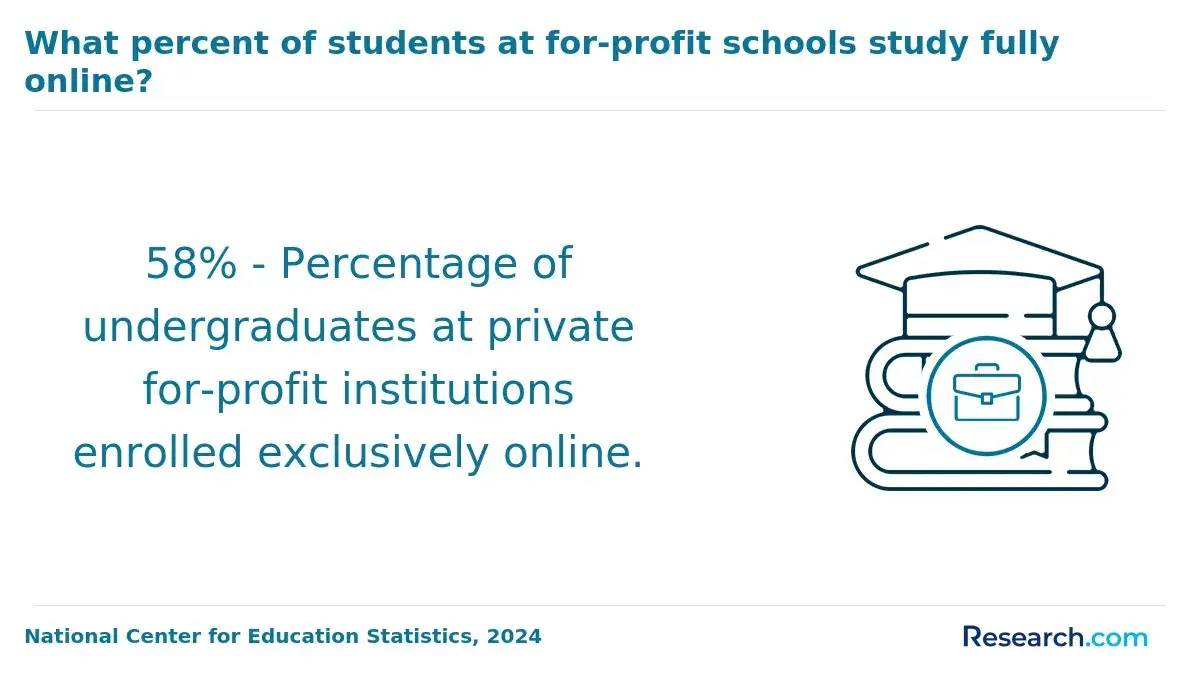
How do online and campus psychology programs for youth mental health compare?
The choice between online and campus psychology programs for youth mental health careers fundamentally shapes clinical preparedness and employability. Campus-based programs typically embed supervised practicums and leveraged community partnerships that are crucial for developing applied skills demanded by employers, especially in complex adolescent cases. For example, graduates targeting school counseling roles benefit from campus-facilitated access to local school districts, which purely online routes rarely provide.
Online vs campus psychology programs for youth mental health careers also differ in structure and self-direction. Online programs offer flexible scheduling and incorporate digital simulation tools, expanding access to specialized content like trauma-informed care or neurodevelopmental disorders from geographically distant faculty. However, the need to independently arrange offsite practicums can result in inconsistent clinical experience.
The widely recognized treatment gap, where about 60% of U.S. youth aged 12-17 experiencing major depressive episodes receive no care, intensifies the demand for practitioners with proven real-world skills. Campus programs systematically integrate supervised clinical hours into curricula, directly addressing this workforce imperative. Meanwhile, online candidates must carefully plan to meet these requirements amid less structured support.
When weighing differences between online and traditional youth mental health psychology degrees, candidates should consider:
- Alignment of program delivery with clinical competence acquisition
- Employer expectations for in-person internship experiences
- Potential financial and logistical tradeoffs between formats
Prospective students seeking clarity on available educational pathways can consult different counseling degrees for a nuanced overview of options and outcomes.
What courses and clinical training are included in youth mental health specialization curricula?
Specialization in youth mental health demands curricula and clinical training that directly respond to employer expectations and field realities, especially given that 43% of U.S. college students considered leaving school due to mental health challenges according to New York Center For Living.
Training programs focus heavily on developmental psychopathology, adolescent neurobiology, trauma-informed care, and culturally responsive interventions to ensure graduates can navigate complex youth mental health environments. The training curriculum for youth mental health professionals integrates:
- Assessment methods tailored to adolescents, including standardized behavioral health screenings
- Evidence-based therapies like Cognitive Behavioral Therapy (CBT) and Dialectical Behavior Therapy (DBT) adapted for youth
- Understanding family systems and community influences on youth mental health
- Knowledge of ethical and legal mandates around confidentiality and mandatory reporting with minors
Clinical training requires a minimum of 600 supervised hours across inpatient and outpatient settings. Graduates must manage challenges such as varying state licensure requirements that impact supervised hour recognition and employment eligibility. Strong field placement networks are critical because securing quality practicum sites is a persistent logistical barrier to licensing and job placement.
Transitioning professionals from adult therapy face practical adjustments due to adolescent cognitive development and crisis dynamics, including self-harm common in academic settings. These nuances shape employability and skill relevance in institutional and community mental health roles.
Prospective students weighing options often ask which counseling degree is easiest to pursue. However, in youth mental health specialization courses and clinical training programs, the priority must be on the depth of practical competence and field exposure rather than perceived simplicity to maximize workforce readiness.
What accreditation and program quality standards matter for youth mental health degrees?
Accreditation is the critical gatekeeper for youth mental health degrees, directly affecting both licensure eligibility and access to federal financial aid. Programs lacking accreditation recognized by the U.S. Department of Education or the Council for Higher Education Accreditation risk delaying graduates' entry into specialized roles.
For instance, clinical and school-based employers nearly always prefer candidates from programs accredited by bodies like the American Psychological Association (APA), as this confirms curriculum rigor and clinical training aligned with evidence-based youth interventions. Beyond accreditation, program relevance depends heavily on clinical practicum placements tailored to youth populations-pediatric or school settings offer exposure to age-specific mental health challenges crucial for effective practice.
Given the nearly 30% rise in anxiety and depression diagnoses among U.S. children ages 6-17, according to Huntington Psych citing JAMA Pediatrics, training that integrates current adolescent psychosocial research significantly improves workforce preparedness. Working professionals pivoting into youth mental health face tradeoffs between program flexibility and quality.
Those prioritizing online or hybrid formats should verify strong employer networks and positive graduate outcomes like licensure pass rates to avoid setbacks. Neglecting these factors often leads to career bottlenecks, with graduates struggling to secure specialized roles or facing protracted licensure processes.
Ultimately, prospective students must critically assess accreditation status, clinical specialization, and outcome metrics upfront to navigate the complex landscape of youth mental health education and safeguard their intended workforce impact.
What are typical admission requirements for youth-focused psychology and counseling programs?
Admission to youth-focused psychology and counseling programs typically requires a bachelor's degree in psychology, counseling, social work, or a closely related area, with GPA thresholds usually between 3.0 and 3.5. Beyond academics, programs emphasize tangible experience-300 to 500 hours of volunteer or paid work in youth mental health settings-often demanding direct interaction with diverse populations such as LGBTQ+ youth.
Applicants should anticipate submitting official transcripts, letters of recommendation, and statements of purpose that concretely demonstrate commitment and resilience, traits valued due to the emotional demands of the field. An increasing number of programs waive standardized tests like the GRE, prioritizing relevant experience and academic records instead.
Clinical programs may add layers of prerequisites, including background checks and immunization verification, reflecting the realities of onsite practicums in sensitive environments such as schools or health centers. International students face additional hurdles, such as credential evaluations and English proficiency testing (TOEFL or IELTS), which can extend time to admission. Balancing full-time employment with prerequisite coursework is a common challenge, often impacting program entry timelines.
Employers prioritize candidates who showcase applied youth mental health skills over purely theoretical knowledge because immediate competency in crisis management and culturally affirming care is essential. Given program competitiveness and limited admission slots, early preparation and diverse clinical experience tailored to youth populations improve admission prospects and workforce readiness.
How long do youth mental health specialization programs take, and what do they cost?
Completing youth mental health specialization programs requires balancing time, cost, and credentialing demands, directly impacting employability and professional scope. Master's degrees in counseling or clinical psychology focusing on youth typically span about two years full-time, while doctoral paths like PsyD or PhD extend between four and six years, with significantly higher tuition and living expenses.
Licensure extends the timeline by 1 to 2 years of supervised clinical experience post-graduation, affecting when clinicians can practice independently. Program costs reflect this variation: public universities charge roughly $10,000 to $30,000 annually for in-state students, whereas private schools may demand $30,000 to $60,000 or more. Shorter certificate or continuing education routes-lasting only months-offer limited clinical depth and seldom satisfy full licensure prerequisites.
Employers increasingly seek specialists adept at addressing youth-specific mental health challenges shaped by digital-age stressors. For example, teenagers averaging 4.5 hours daily on social media face double the anxiety risk compared to peers, demanding clinical skills attentive to these dynamics. Programs integrating internships within community or school settings improve job placements, reinforcing that credential choice directly influences workforce integration.
Prospective students must weigh upfront expenses and program length against expected career flexibility. Opting for shorter certifications may offer immediate entry but risks limited advancement, whereas investing in full licensure pathways entails greater financial and temporal commitments commensurate with broader clinical responsibilities.
What youth mental health careers can you pursue with these psychology specializations?
Careers within psychology - mental health specializing in youth require navigating state licensure, supervised clinical hours, and ongoing education. Roles such as school psychologists directly address the academic stress impacting 83% of teenagers, using interventions designed to alleviate anxiety and enhance learning, often in collaboration with educators and families. These positions typically offer more predictable schedules but less clinical complexity than roles in healthcare settings.
Clinically oriented specializations like developmental and clinical child psychology enable entry into therapeutic roles treating depression, anxiety, or trauma. Behavioral therapists focus on evidence-based modalities such as CBT and DBT, frequently serving at-risk youth in outpatient or community environments. Meanwhile, adolescent substance abuse specialists must understand co-occurring disorders.
Important practical considerations include:
- Meeting licensure and supervised clinical experience mandates.
- Maintaining current knowledge on adolescent mental health trends.
- Gaining experience collaborating across schools, healthcare providers, and social services.
Less clinical paths, such as research or policy, rely heavily on data proficiently to influence youth mental health programming. Selecting a specialization should weigh factors like local labor demand, salary projections, and preferred work environments, balancing clinical depth against schedule stability and scope of impact.
What are salary ranges and job outlook for youth mental health professionals?
Salary outcomes for youth mental health professionals in the U.S. vary substantially based on credentials, specialization, and work environment, with earnings spanning roughly $50,000 to $90,000 annually. Licensed clinical psychologists or psychotherapists holding master's or doctoral degrees typically reach the upper quartile of this range, especially in private practice or hospital settings.
Conversely, entry-level roles such as behavioral health counselors or school-based specialists often start near $45,000 to $55,000, illustrating a sizeable income gap tied directly to certification and experience. The necessity of licensure-such as Licensed Professional Counselor (LPC) or Licensed Clinical Social Worker (LCSW)-cannot be overstated, as employers in specialized clinical environments consistently prioritize these credentials.
Without them, wage growth is limited, and advancement opportunities shrink. For instance, a community health worker focusing on youth mental health might earn considerably less than a clinical psychologist treating adolescent depression in a hospital. The investment in education and time is a critical consideration: advancing toward roles earning $75,000 or more often requires 2 to 7 years of graduate study plus licensure processes.
Candidates should weigh these factors thoughtfully against local job markets and the evolving demand for practitioners fluent in data-driven treatments and cultural competence.
- Employment in this sector is projected to grow 14% from 2024 to 2034, outpacing many professions.
- Adolescent mental health now accounts for approximately 15% of the global disease burden, per the World Health Organization, reinforcing demand for qualified specialists.
- Urban centers and hospitals typically offer higher salaries but demand advanced credentials and skills.
What licenses and certifications are required to work in youth mental health roles?
Licensure requirements for youth mental health roles in 2026 set a clear operational framework that impacts educational and career decisions. Candidates must secure credentials such as licensed clinical social workers (LCSWs), licensed professional counselors (LPCs), licensed marriage and family therapists (LMFTs), or licensed psychologists.
Each demands a master's or doctoral degree, followed by 2,000 to 4,000 supervised clinical hours and passing relevant state exams like the Examination for Professional Practice in Psychology (EPPP) or National Counselor Examination (NCE). Employers prioritize professionals who not only hold these licenses but also specialize through certifications like Certified Child and Adolescent Trauma Professional (CATP) or Registered Play Therapist (RPT).
This reflects the need for expertise in adolescent developmental stages and trauma-informed approaches, particularly since 50% of mental illnesses emerge by age 14 and 75% by 24, according to WHO data. Decision-making around degree level involves tradeoffs: a doctoral path compresses licensure time for psychologists but increases educational costs and length, whereas master's-level tracks offer faster workforce entry but longer supervised experience periods.
Candidates should also assess licensing reciprocity, which varies by state and influences geographic mobility.
- Only licensed psychologists and psychiatrists may prescribe medication; other professionals focus on therapy and psychosocial support.
- Adding specialty credentials often improves employability but delays clinical start dates.
- Strategic credential planning must balance immediate workforce access with long-term career positioning.
Other Things You Should Know About Psychology - Mental Health
Graduate programs in youth mental health psychology require significant time commitment due to intensive coursework, supervised clinical hours, and research components. Students can expect a workload that blends theory with practice, often involving unpredictable hours in placements or internships. Balancing academic requirements with field experience is essential; prioritizing programs with integrated clinical training can improve skill development and employability.
PsyD programs emphasize clinical practice and typically have shorter completion times but may offer fewer research opportunities, which can limit roles in academia or research. PhD programs require more time and a stronger research focus, positioning graduates for diverse roles including leadership and policy influence but with less immediate clinical readiness. For students aiming for direct clinical work with youth, a PsyD offers faster entry into practice, while a PhD suits those seeking dual clinical and research careers.
Employers prioritize hands-on clinical experience as a central hiring criterion, often above academic prestige alone. Quality internships that provide exposure to diverse youth populations enhance practical skills and problem-solving abilities essential in real-world settings. Students should select programs offering robust clinical placements, as this experience directly impacts readiness and competitiveness in the job market.
Prioritizing programs with strong community partnerships in 2027 is important because these connections offer students vital real-world experiences and networking. They allow for more comprehensive training by exposing students to diverse clinical settings and enhancing collaborative skills, which are crucial in effectively addressing youth mental health issues.
References
- How to Become a Community Mental Health Worker in 2026: Essential Skills & Qualifications - Mental Health Degree https://mentalhealthdegree.org/careers/community-mental-health-worker/
- New On-Demand Learning Courses for Youth Mental Health Providers - PracticeWise https://welcome.practicewise.com/new-on-demand-learning-courses-for-youth-mental-health-providers/
- Behavioral Health Career Descriptions | SAMHSA https://www.samhsa.gov/about/careers/behavioral-health-workforce/careers-by-state/descriptions
- Job Outlook and Salary Expectations for Mental Health Technicians in 2024 and Beyond - MedCertify https://medcertify.com/job-outlook-and-salary-expectations-for-mental-health-technicians-in-2024-and-beyond/
- Admission Requirements & Deadlines - Counseling Psychology Concentration https://www.towson.edu/cla/departments/psychology/grad/psychology/counseling/admission.html
- University specialization diploma in Child and Youth Mental Health https://www.blanquerna.edu/en/university-specialization-diploma-child-and-youth-mental-health
- What Can You Do With A Psychology Degree? | Psychology.org https://www.psychology.org/resources/alternative-careers-for-psychology-majors/
- Episode 10: Pathways in Child and Adolescent Mental Health Careers https://paloaltou.edu/resources/talking-mental-health-careers-podcast/ep10-pathways-child-adolescent
- Core skills for specialist practice in infant, child and adolescent… https://www.tepou.co.nz/initiatives/skills-matter/core-skills-for-specialist-practice-in-infant-child-and-adolescent-mental-health-and-addiction
- Behavioral Health Workforce - Career Roadmap - Mayor's Office of Community Mental Health https://mentalhealth.cityofnewyork.us/workforce-career-roadmap