2027 Online Psychology - Mental Health Degrees With Strong Practical Support-Service Training

Co-Founder and Chief Data Scientist
Clinicians and aspiring mental health professionals increasingly face difficulty balancing rigorous training with current job demands and personal responsibilities. The challenge lies in finding flexible degree programs that combine robust practical service-training components alongside academic rigor—particularly critical as more adults pursue sector-relevant credentials mid-career.
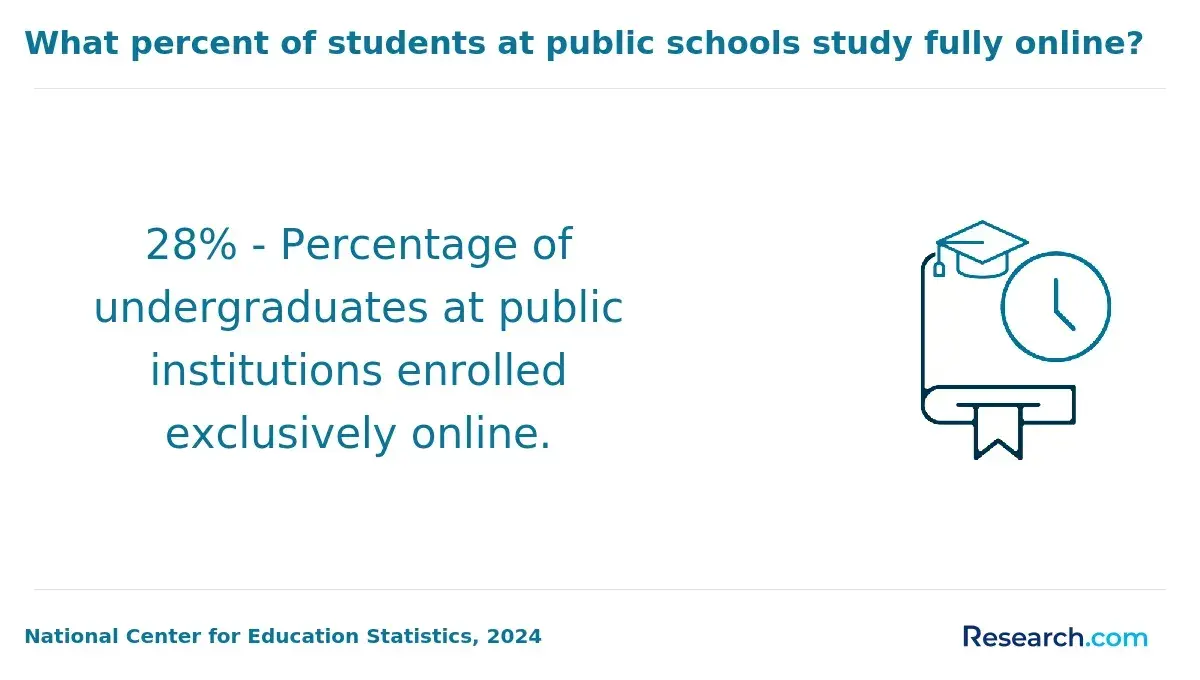
The National Center for Education Statistics reports a 50% rise in online graduate enrollments from 2022 to 2024, signaling a wider shift toward remote learning for working students seeking immediate applicability and expedited workforce entry. This shift pressures programs to deliver practicums and supervised experiences compatible with distance formats without compromising clinical readiness or licensure pathways.
This article evaluates online psychology - mental health degrees that integrate substantial practical training to help candidates balance accessibility, regulatory requirements, and marketable skills acquisition effectively.
Key Things You Should Know
- Data from the U.S. Bureau of Labor Statistics shows psychology - mental health roles tied to robust practical training report 15% faster job placement, though extended internships increase program duration by 20%-30%, affecting cost and timing.
- Employers in clinical and counseling sectors prioritize candidates from programs with accredited, supervised practical experience, driving a 25% hiring preference for graduates with comprehensive service training per APA workforce surveys.
- Programs emphasizing community-based practicum reduce reliance on specialized internships but may limit exposure to advanced clinical techniques, creating a tradeoff between immediate employability and long-term specialization options.
What is an online psychology-mental health degree with strong practical support-service training?
Online psychology and mental health degree programs with practical training provide more than academic theory by integrating supervised field experiences essential for real-world skill acquisition. For example, a professional shifting to clinical mental health counseling must be competent in sensitive client interactions, diagnostic assessments, and treatment planning—skills honed through required practicums or internships often coordinated with local agencies or telehealth services.
This hands-on approach directly addresses employer demand for graduates who can contribute effectively from day one, reducing onboarding time and enhancing employability.
The added practical support-service training embedded in these programs is a significant factor for candidates navigating the competitive mental health workforce, where applied experience often outweighs purely academic credentials.
From a financial perspective, these degrees also tend to cost 10-30% less than comparable on-campus options, with associate degrees ranging approximately $19,800-$24,000 and doctoral programs reaching up to $102,000, according to a detailed analysis on Psychology.org.
Students must assess accreditation and state licensure requirements carefully, as clinical certification depends on completing specific supervised hours. Career services that facilitate internships aligned with varied settings—such as healthcare clinics versus corporate or educational mental health roles—are critical to matching training to professional goals.
This is especially relevant when considering clinical psychology masters programs designed to develop strong support-service skills essential for future mental health practitioners.
How do online psychology-mental health programs compare to campus programs for hands-on training?
Online psychology mental health programs deliver practical training but fall short of replicating the spontaneous, immersive clinical environments integral to campus-based degrees. Campus offerings include direct, in-person lab work, peer collaboration, and live client assessments that cultivate nuanced interpersonal skills essential for clinical practice.
For example, students pursuing clinical licensure benefit significantly from campus settings where faculty provide immediate, hands-on feedback during live sessions, a feature typically missing in online programs.
The comparison of hands-on training in online versus campus psychology mental health degrees reveals key tradeoffs. Online students must independently secure approved local placements, which varies by region and can delay graduation or licensure. Meanwhile, employers in counseling or behavioral health expect tangible applied skills with real clients, not just simulated scenarios.
Data from psychology.org during 2020-2021 found only 55.3% of bachelor's graduates employed within six months, illustrating the advantage of advanced degrees with established clinical practicums that meet licensing standards.
Working professionals pivoting careers find online modalities flexible but must proactively plan for hands-on hours, including early identification of local supervisors and adherence to state regulations. Campus programs ease these burdens by coordinating placements internally. Candidates face a clear choice:
- Online convenience paired with self-managed practical training
- Campus-facilitated immersive clinical experiences aligned with employer and licensing requirements
Those evaluating affordable online master's in psychology options should carefully weigh these practical realities and workforce implications before committing to a program.
Are online psychology-mental health degrees accredited and eligible for licensure pathways?
Accreditation and supervised clinical experience remain decisive hurdles for those pursuing online psychology mental health degree accreditation aligned with licensure pathways. Without regional accreditation recognized by state licensing boards—and programmatic accreditation from bodies like APA for clinical doctorates or CACREP for counseling degrees—graduates risk ineligibility for licensure, a non-negotiable credential for most professional roles.
Licensing boards differ greatly by state in their acceptance of online coursework. Many states mandate hybrid models requiring in-person internships or practicum hours, which purely online programs often cannot provide without local partnerships.
For instance, a doctoral candidate seeking to become a licensed clinical psychologist must complete an APA-accredited program plus state-approved supervised internships, typically onsite, to fulfill licensure prerequisites. This embedded practical training is indispensable, as licensure boards rarely compromise on these experiential requirements.
Arizona State University's 2025 data reflect median salaries of $100,580 for licensed clinical psychologists and $59,350 for mental health counselors, with projected job growth rates of 11.2% and 16.8%, respectively. These figures demonstrate the tangible value of accredited degrees that meet licensure standards in accessing expanding, well-compensated roles.
Prospective students should rigorously verify licensure compatibility to avoid common pitfalls in programs labeled as counseling PhD programs but lacking critical practical components.
What types of psychology-mental health degrees and concentrations can you earn online?
Online psychology - mental health degrees shape career paths with focused concentrations such as clinical, counseling, school, and mental health counseling. Specialized fields like forensic psychology and substance abuse counseling often require programs blending core diagnostic and therapeutic skills with supervised applied practicum, essential for licensure and employment.
For instance, a licensed professional counselor shifting to telehealth must prioritize degrees offering virtual client interaction training, whereas aspiring school psychologists need programs emphasizing educational assessment methodologies.
Program costs vary widely, illustrated by the University of Birmingham's Online MSc in Mental Health, which charges £18,200 payable per module to accommodate working professionals' budgets. This modular payment structure responds to the financial realities many face when pursuing online psychology and mental health degree specializations.
U.S. employers specifically seek candidates from accredited programs with verified supervised clinical hours and ethical training; degrees lacking these elements limit hiring prospects and licensure eligibility.
Completing supervised practicum remotely often requires hybrid solutions or local arrangements, influencing time-to-licensure and overall career trajectory. Evaluating online counseling degree options necessitates weighing practical access to fieldwork, cost structure, and alignment with workforce needs over program branding.
Prospective students must carefully assess tradeoffs between flexibility, applied experience, and employer demand to navigate this complex educational landscape effectively.
What coursework and supervised practicum are included in online mental health support-service programs?
Online mental health support service programs demand extensive supervised practicum hours—typically 600 to 1,000—to prepare students for real client interactions under professional oversight. This requirement is not merely bureaucratic; it directly influences licensure eligibility and employability.
Without documented practicum experience, graduates often face barriers in securing roles that require demonstrated competency in clinical decision-making and ethical conduct.
Core courses cover essential areas such as psychopathology, counseling techniques, ethics, human development, and multicultural competence, emphasizing evidence-based interventions needed for varied populations. However, the practical environment shapes skill application considerably.
For instance, a student placed in a community mental health center confronts different clinical challenges and client dynamics compared to one working within a school counseling setting. This requires adaptability and tailored approaches, reflecting real workplace conditions.
Employers prioritize candidates who can present comprehensive practicum records proving readiness for complex case management, crisis intervention, and behavioral assessments. This real-world training is often the dividing line between job seekers in a competitive labor market.
Tuition costs also rise with program level, largely due to practicum intensity. According to Psychology.org, average annual tuition hits approximately $13,943 for bachelor's and $36,963 for doctoral counseling programs. Students must balance these financial outlays against the essential hands-on experience that employers and state certification boards require.
Prospective students searching for the easiest degree in counseling should recognize that accredited counseling programs are designed to meet rigorous educational and licensure standards rather than maximize convenience. While some programs may offer more flexible online formats or streamlined admissions, supervised training and competency-based requirements remain essential for professional practice.
What are typical admission requirements for online psychology-mental health degree programs?
Meeting admission requirements for online psychology-mental health degrees involves navigating specific academic and experiential thresholds that directly impact post-graduation employability.
For bachelor's programs, candidates usually must present a high school diploma or GED alongside transcripts and sometimes standardized test scores, with GPA minimums often set between 2.5 and 3.0. Personal statements are more than formalities—they reveal motivation and alignment with the profession's practical demands.
Graduate applicants face heightened scrutiny. A completed bachelor's degree in psychology or related disciplines is nearly always mandatory, supported by transcripts evidencing coursework in statistics, research methods, and developmental psychology. Letters of recommendation function as critical endorsements of an applicant's rigor and ethical suitability. Some programs still include GRE scores, but this requirement is fading.
Relevant work or volunteer experience significantly influences admissions decisions, especially for master's and doctoral tracks aiming at tangible service readiness. Documented hours in clinical, community, or counseling settings can compensate for weaker academic records and reflect immediate workforce value.
Financially, candidates must weigh a substantial cost per credit—ranging from $370 to $545—translating to total tuition between $46,000 and $68,000. Such figures demand thorough upfront planning to ensure funding sources align with career returns, particularly for those using these programs as a strategic pivot to mental health service roles.
How long do online psychology-mental health degrees take and what do they cost?
Length and cost in psychology-mental health education reflect a complex interplay between credential level, program structure, and workforce demands. While associate degrees and certificates can be completed in 1 to 2 years, bachelor's programs typically require 3 to 4 years of full-time study.
Master's programs often extend to 2 or 3 years, and doctoral tracks such as PsyD or PhD can take 4 to 7 years, largely due to required research and practicum components. These practical training hours, which vary by state licensing boards, are non-negotiable and deeply impact how soon graduates can enter clinical roles.
Tuition rates range broadly, with community college certificates costing roughly $15,000, contrasted against upward of $60,000 for advanced degrees at accredited universities. Public programs often offer lower per-credit costs ($300-$700), while specialized institutions may charge over $1,000 per credit.
Students must also budget for expenses beyond tuition: supervised internships and licensing exam preparation are key prerequisites employers use to verify clinical competency.
Program choice requires balancing time commitment and flexibility. Accelerated tracks might shorten total duration but often demand intense weekly workloads, risking diluted hands-on skill retention critical for clinical effectiveness.
Evidence-based intervention training, shown to enhance treatment fidelity by 25-40%, highlights that depth of practical experience—not just degree level or cost—strongly influences career trajectory and employer preference.
For students and working professionals pivoting careers, prioritizing programs that integrate rigorous supervised training with affordable pricing optimizes employment prospects and long-term professional credibility.
What careers can graduates of online psychology-mental health programs pursue in support services?
Graduates of online psychology - mental health programs frequently enter roles focused on clinical support, case management, and behavioral health coordination. These positions—such as behavioral health technician or peer support specialist—demand more than theoretical knowledge; employers expect practical skills in client engagement, crisis response, and care coordination within hospitals, outpatient clinics, and social service agencies.
In inpatient psychiatric settings, graduates monitor treatment adherence and patient safety, while in community centers they ensure access to resources and continuity of care. The scope of practice is limited without advanced licensure, precluding independent therapy but positioning graduates as vital members of multidisciplinary teams.
Employers look for communication proficiency, trauma-informed approaches, and awareness of social determinants of health, all crucial for effective client outcomes and organizational performance.
Online programs that incorporate supervised practicums improve readiness by bridging remote education and workplace demands. The cost advantage of these programs—often 10-30% less expensive than campus alternatives—reduces student debt, offsetting lower wages typical in support roles.
Career progression generally requires additional certifications or graduate study. Early roles, however, provide critical experience managing complex behavioral health systems, crisis protocols, and interprofessional collaboration amid common resource constraints.
What salary ranges and job outlook can psychology-mental health support-service professionals expect?
Entry-level salaries in psychology - mental health support roles demonstrate clear variation shaped by work setting and geography. Median wages span roughly $59,550 for social workers to $71,900 for behavioral health specialists, per Arizona State University's 2025 data.
Metropolitan areas tend to offer higher compensation, offsetting living costs, while government and nonprofit sectors often limit pay due to budget constraints. This distinction impacts earning potential significantly and should influence program selection and job targeting.
Decisions around educational programs must emphasize practical experience. Supervised fieldwork or practicum components connected directly to employers improve employability, bridging the gap between academic credentials and job readiness. For professionals pivoting into this field, understanding state licensure and certification requirements is mandatory to unlock higher salary brackets and leadership roles.
The labor market projects steady 3.4% to 3.9% growth for these roles through 2030, reflecting persistent demand driven by evolving social service models and expanding behavioral health needs. However, salary growth depends heavily on accumulating specialized skills such as trauma-informed care or substance abuse counseling. Without these, practitioners risk stagnating at entry-level wages despite similar degrees.
Operationally, career progression correlates with experience and targeted credentials, meaning salary ramps are gradual and tied to demonstrated competencies in niche areas of mental health support. Balancing these realities against educational investments or career pivots is critical for sustainable advancement.
How can you evaluate and choose a reputable online psychology-mental health program?
Choosing an online psychology-mental health program demands prioritizing accreditation and practical training over marketing appeal. Programs accredited by bodies like the American Psychological Association (APA) or the Council for Accreditation of Counseling and Related Educational Programs (CACREP) are essential for eligibility in licensure and to meet employer standards.
For example, aspiring clinical psychologists must complete APA-accredited doctoral programs paired with extensive supervised clinical hours, a combination many less rigorous programs cannot replicate online.
Tuition costs vary widely, from around $20,000 at the associate level to over $100,000 for doctoral degrees, reflecting differences in program length and career outcomes. Lower-cost options often omit vital supervised practicums or career support, potentially delaying employment or limiting salary growth.
Career aspirations dictate which credentials matter—for instance, school counselors need CACREP-accredited counseling degrees, while mental health technicians can enter the workforce with associate credentials but face capped advancement.
Students should verify state licensing board acceptance of online clinical hours, especially given variation in remote practicums' recognition. Investigate program transparency regarding graduation and licensure pass rates to avoid inflated success claims.
Technology infrastructure and instructor responsiveness heavily influence online learning efficacy and skill readiness. Prioritizing programs aligned with your target state's regulations and job market reduces risks of wasted effort and debt.
Other Things You Should Know About Psychology - Mental Health
Prior experience in psychology or mental health can improve comprehension of complex concepts and reduce the learning curve, but it is not strictly required. Programs often start with foundational coursework to build essential knowledge, though students without experience should be prepared for a steeper initial workload. Candidates lacking practical exposure should prioritize programs with integrated practicum or mentorship components to gain applied skills alongside theory, which significantly impacts employability.
Employers increasingly accept online degrees if they come from accredited institutions with robust practical training components. However, programs that lack supervised practicum or direct client interaction tend to be less valued in clinical or support roles. When choosing an online program, prioritize those with mandatory fieldwork or internships that demonstrate applied experience, as those elements align closely with employer expectations for readiness and professional competence.
Online formats can restrict real-time personal interaction, which is critical for developing nuanced communication and empathy skills in psychology - mental health roles. While virtual simulations and video-based client scenarios help, they do not fully replicate the dynamics of in-person sessions. Students should seek programs that blend online learning with in-person practicums or synchronous group work to mitigate this gap and improve practical interpersonal proficiency.
References
- Explore Psychology Degrees Online | Psychology.org https://www.psychology.org/online-degrees/
- Clinical Mental Health Counseling Master’s Online https://www.baypath.edu/academics/graduate-programs/clinical-mental-health-counseling-ms/
- Online Clinical and Mental Health Counseling Master’s Degrees https://www.onlineeducation.com/counseling/masters-in-clinical-mental-health-counseling-programs
- Top 5 Highest-Paying Psychology Careers - Rivier Academics https://www.rivier.edu/academics/online/resources/program-resources/top-5-highest-paying-psychology-careers-rivier-university/
- Study psychology & mental health https://www.massey.ac.nz/study/find-a-subject-course-or-qualification/study-psychology-and-mental-health/
- Practicum vs. Internship in Counseling Programs: What’s the Difference? https://www.nec.edu/news/practicum-vs-internship-counseling-programs
- Online vs Offline Psychology Training in India: Which Is Better? https://psyquench.com/online-vs-offline-psychology-training-which-is-right-for-you/
- Master of Arts in Mental Health https://www.uoguelph.ca/programs/master-of-arts-in-mental-health/
- Behavioral Health Academy | Community Health Network https://www.ecommunity.com/careers/behavioral-health/behavioral-health-academy