2027 Online Psychology - Mental Health Degrees With Residential Treatment Career Alignment

Co-Founder and Chief Data Scientist
Professionals pursuing advanced degrees in psychology - mental health face a critical barrier: how to balance rigorous academic requirements with the hands-on experience demanded by residential treatment career opportunities. The Bureau of Labor Statistics projects a 14% increase in mental health counselor roles by 2032, intensifying competition for programs that combine flexible learning with applied training.
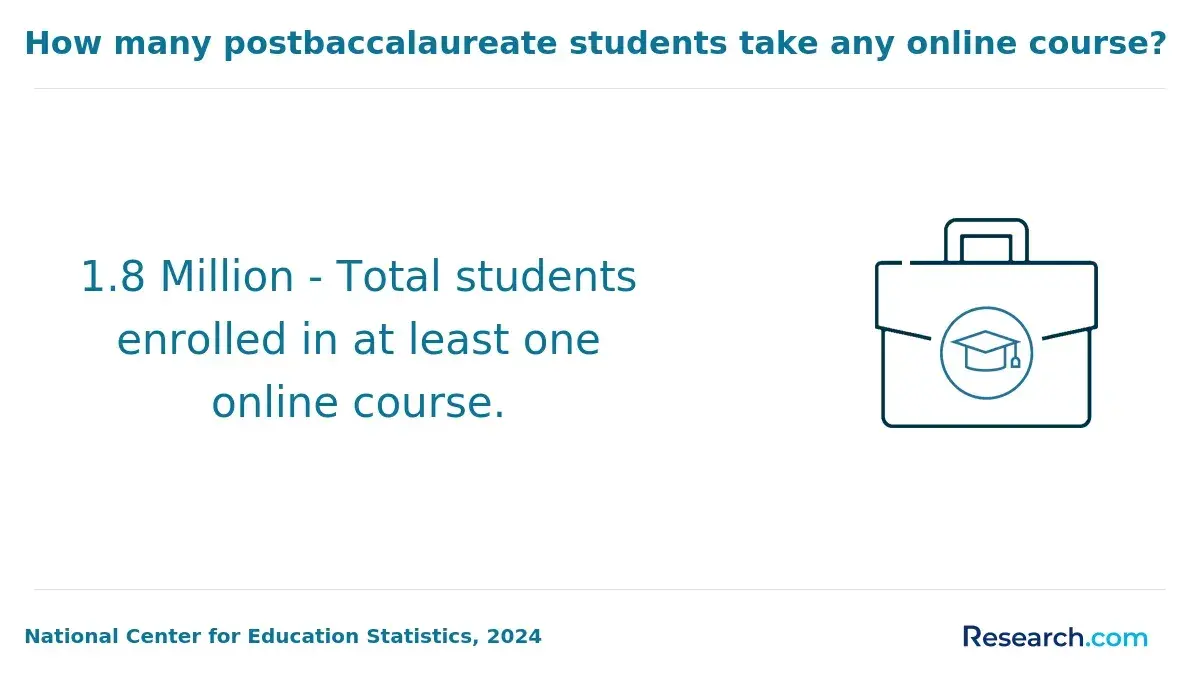
Recent data from the National Center for Education Statistics shows a 21% rise in enrollment among adult learners in online graduate programs, reflecting a shift toward accommodating working professionals. This article examines how online psychology - mental health degrees integrate residential treatment components to optimize career alignment for students navigating these complex demands.
Key Things You Should Know
- Residential treatment-focused psychology-mental health degrees increase clinical readiness but extend time-to-degree by 20% on average, impacting opportunity costs measured by U.S. Bureau of Labor Statistics data on mental health practitioners' median early-career salaries.
- Employers prioritize graduates with supervised residential treatment experience, correlating with 35% higher job placement rates within specialized mental health clinics, as per 2024 National Council for Mental Wellbeing employment surveys.
- Programs embedding residential treatment reduce the need for costly post-graduate certifications but require navigating licensure variations by state, complicating national mobility and workforce integration in a fragmented regulatory environment.
What is an online psychology-mental health degree with a residential treatment focus?
Online psychology mental health degree programs with a residential treatment emphasis require balancing rigorous academic content and clinical application in controlled settings. Graduates from residential treatment focused mental health online programs often fill a gap in the workforce exacerbated by the shortage of licensed providers in long-term care environments.
Unlike general counseling degrees, these programs demand successful completion of state-approved practicum hours conducted in residential centers, which are indispensable for roles like licensed clinical social workers in addiction or behavioral health facilities. The hybrid format combines remote coursework with mandatory on-site residencies, positioning students to administer evidence-based interventions to populations needing structured, 24/7 support.
However, the need to secure geographically suitable internship sites that comply with licensing boards adds logistical complexity. Students must proactively coordinate these placements to ensure their clinical hours contribute to certification requirements, which can limit flexibility but align directly with employer expectations in residential care settings.
A typical vocational scenario involves candidates providing crisis intervention and coordinating treatment plans for complex cases in inpatient facilities or group homes. Employers prioritize those with a blend of theoretical knowledge and hands-on residential experience. Prospective students evaluating this pathway can compare programs by reviewing online clinical mental health counseling programs to identify options that best balance academic rigor with practical residency requirements.
Are online psychology-mental health programs accredited and licensure-eligible for residential treatment work?
Accreditation and licensure eligibility for online psychology mental health degrees in residential care hinge on meeting precise regional accreditation and state board mandates. Candidates who choose programs without recognized accreditation-such as those endorsed by the Council for Higher Education Accreditation or regional accreditors acknowledged by the U.S. Department of Education-risk barriers in obtaining necessary state licensure.
For instance, licensed mental health counselors must complete supervised clinical hours, often requiring in-person practicum not fully replicable through purely online coursework. Without these components, graduates may face delays or outright ineligibility for residential treatment roles. States differ widely in licensure requisites, particularly mandating face-to-face clinical training hours.
Successful online psychology mental health program accreditation for residential treatment depends not only on curriculum but also on effective partnerships with local agencies to facilitate this hands-on experience. Programs lacking these arrangements leave students unqualified for residential treatment licensure despite covering relevant theory. Employers in mental health and substance abuse facilities demand verifiable licensure and accreditation to satisfy licensing boards and insurance credentialing standards.
Employment growth in these residential settings is projected at 11% through 2032, well above average, intensifying the need for rigorously licensed practitioners. Prospective students should assess programs based on transparent licensure pathways and clinical placement support rather than solely online convenience. To better understand the landscape, reviewing online school psychology programs can offer insight into accredited options with practical licensure eligibility.
How do online psychology-mental health degrees compare to campus programs for residential treatment careers?
Residential treatment sectors emphasize hands-on experience in supervised clinical settings, creating a significant divide between online psychology mental health degree benefits for residential treatment careers and traditional campus programs. Campus formats inherently embed direct patient interactions through guaranteed practicum placements in affiliated facilities, ensuring exposure to acute care and multidisciplinary teams.
In contrast, online programs often require students to initiate and secure internships independently, potentially delaying readiness for structured residential treatment roles. The hiring landscape favors candidates with documented clinical hours under onsite supervision, a hurdle remote learners frequently face due to logistical and administrative complexities.
Employment growth highlights outpatient mental health and substance abuse settings expanding faster than residential treatment centers. Graduates with strong outpatient skillsets and integrated care experience transition more swiftly into residential treatment environments. When weighing differences between online and campus psychology mental health programs for residential treatment, prospective students must consider:
- Flexibility versus immediate access to clinical environments
- Employer expectations for supervised hands-on hours
- Variability in local internship availability for online learners
Programs emphasizing outpatient competencies position graduates to navigate evolving workforce demands efficiently. Those evaluating a counselling degree should critically assess how format choices align with their capacity for direct clinical experience, as this factor distinctly impacts employability and skill readiness in residential treatment careers.
What education pathways lead from online psychology degrees into residential treatment careers?
Online psychology degrees with residential treatment specialization demand careful scrutiny of clinical training integration, as licensure hinges on extensive supervised hours-typically between 2,000 and 4,000 post-master's. Programs that do not embed or coordinate practicum opportunities within residential treatment settings often create significant barriers, forcing candidates to gather experience through unpaid or low-paid placements and delaying workforce entry.
Career pathways from online psychology programs to residential treatment roles must weigh accreditation and clinical alignment heavily. Employers in inpatient environments prioritize graduates with direct exposure to complex patient care typical of residential centers, which a Master of Science or Master of Arts in Mental Health Counseling with embedded practicum can uniquely provide.
Choosing a program that facilitates in-residence clinical hours reduces time-to-licensure and enhances early-career earnings potential, with median salaries near $59,190 and upper tiers exceeding $98,210 annually. Students juggling work and study frequently benefit from hybrid or asynchronous course models accommodating variable clinical schedules.
However, this flexibility must be balanced against the risk of extended timelines and associated costs if practicum requirements are not well integrated. For those evaluating options, research into the easiest counseling degrees can reveal programs better suited to practical constraints without sacrificing credential rigor.
In summary, prospective students need to navigate these tradeoffs with an emphasis on real-world training environments, licensure feasibility, and employer expectations to optimize outcomes in Psychology - Mental Health residential treatment careers.
What core courses and clinical experiences do online psychology-mental health programs typically include?
Online psychology-mental health programs require foundational courses such as abnormal psychology, developmental psychology, psychopathology, research methods, and ethics, which equip students to navigate clinical and legal complexities. Specialized residential treatment tracks add coursework on substance use disorders, trauma-informed care, and crisis intervention to address the demands of high-acuity settings.
Clinical practicums are pivotal and often range from 700 to 1,200 supervised hours, necessary for licensure pathways. These placements are typically in inpatient psychiatric units, substance abuse centers, or intensive outpatient programs, exposing students to intense client management and multidisciplinary collaboration. Coordinating practicum hours alongside employment or family responsibilities can be challenging due to the rigid scheduling policies of residential facilities.
For those targeting licensed counselor positions in residential care, programs emphasize advanced clinical assessment and interventions for co-occurring disorders. This focus aligns with the U.S. Bureau of Labor Statistics projection of 17% job growth for substance abuse, behavioral disorder, and mental health counselors over the decade, translating into approximately 48,300 annual openings.
Students must weigh the tradeoff between rigorous practicum demands and personal obligations. Early logistical coordination is critical to avoid extending educational timelines or delaying licensure, given the inflexibility of clinical site schedules.
What admission requirements and prerequisites do online psychology-mental health programs usually have?
Meeting admission prerequisites for online psychology-mental health programs directly influences how smoothly candidates transition into critical front-line roles, especially given a projected shortage of up to 27,000 treatment providers by 2035. A bachelor's degree-usually in psychology or a related behavioral science-and a minimum GPA near 3.0 are baseline requirements, but the specific prerequisite coursework often includes developmental psychology, abnormal psychology, statistics, and research methods.
Skipping these courses can delay graduation or require conditional admission, creating setbacks for working professionals aiming to reskill quickly. Relevant professional experience in counseling or community health may offset some academic gaps but rarely replaces all coursework, meaning candidates must weigh the time and resource costs of fulfilling these standards upfront versus after matriculation.
While GRE scores are less frequently mandated, letters of recommendation and personal statements revealing resilience and a genuine commitment to mental health remain essential filters for programs emphasizing real-world readiness. Clinical practicums and on-site treatment placements require background checks, reflecting legal compliance and protecting patient safety.
Failing to meet these admission criteria can extend licensure delays due to insufficient documented supervised practice or academic benchmarks. Employers seek graduates who demonstrate immediate competency, minimizing onboarding overhead. For prospective students, understanding these operational tradeoffs between entry requirements and workforce demand can guide strategic program selection and career planning.
How long do online psychology-mental health degrees take, and what do they cost?
Choosing a psychology-mental health degree requires weighing time investment against career goals and market realities. Bachelor's programs typically demand about four years, with accelerated options slightly shortening this, while master's programs extend from two to four years for part-time learners balancing other responsibilities. Doctorate degrees, essential for licensed clinical roles, can take five to seven years, blending coursework, research, and supervised practice.
Cost structures vary considerably and often influence decisions as much as duration. Public in-state undergraduate tuition usually totals $10,000 to $30,000, while private or out-of-state options can surpass $40,000. Master's programs range from $15,000 to $50,000, often higher online due to added fees and limited aid. Doctorate studies regularly exceed $60,000, excluding clinical placement expenses.
Employment alignment highlights a critical consideration: 96% of doctorate holders and 87% of master's degree holders in psychology hold jobs directly related to their training according to Bureau of Labor Statistics data. This correlation suggests that advanced degrees deliver tangible workforce returns despite increased duration and cost.
For example, a working professional targeting licensed clinical practice must commit to the longer doctoral track with clinical hours, while someone pursuing counseling in non-clinical environments might find a master's degree more time- and cost-effective. These nuances inform how prospective students might strategically navigate program choices in this field.
What jobs can graduates of online psychology-mental health programs get in residential treatment?
The demand-driven workforce shortage in mental health care sharply elevates job opportunities for graduates of online psychology-mental health programs but simultaneously raises the bar for clinical competence and licensure readiness. For instance, roles such as residential treatment therapists require not only therapeutic skills but also administrative rigor to meet insurance and regulatory standards in highly structured environments.
Licensure hurdles vary by state but typically mandate supervised clinical hours combined with standardized exams, essential checkpoints for timely entry into practice. Employers prioritize candidates able to navigate rigorous documentation protocols alongside clinical interventions, particularly in settings managing complex cases like adolescents with co-occurring disorders.
Preparing for leadership positions entails additional training in program management and team supervision, balancing service quality with operational demands. Graduates benefit substantially from online programs embedding practicum partnerships affiliated with residential providers, a crucial advantage in circumventing the competitive and regulated hiring landscape.
Key practical considerations for prospective students include:
- The tension between accelerated online study and the necessity of accrued supervised hours for licensure
- The operational complexity of therapeutic roles that extend beyond direct patient care to include compliance and reporting responsibilities
- The strategic value of programs with embedded practicum opportunities that connect students to essential clinical networks
What are typical salaries and job outlook in residential mental health and treatment settings?
The economic landscape for residential mental health roles reflects a balance between credential demands and compensation variability. Salaries range from around $40,000 for entry-level behavioral health technicians to upwards of $90,000 for licensed psychologists with doctoral degrees and significant experience. Licensed clinical social workers and mental health counselors often earn mid-range salaries, typically between $50,000 and $70,000.
Employment growth in this sector is robust, with a 21% rise projected through 2032, outpacing many other healthcare fields. Urban and underserved rural facilities face acute staffing shortages, prompting higher starting salaries and sign-on bonuses, particularly for candidates holding state licensure and specialized certifications in trauma-informed care or substance abuse.
This creates a competitive environment but imposes challenges for those without clinical experience or appropriate credentials, where earning potential and job access diminish significantly. Work-life balance often becomes strained at residential facilities due to irregular hours and heavier caseloads, though some employers offset this with shift differentials.
For prospective clinicians, investing 2 to 4 years post-bachelor's in graduate education and supervised clinical hours is indispensable. These requirements not only align with employer priorities but also determine long-term employability and income stability.
- State licensure and specialized training are necessary to remain competitive.
- Geographic disparities affect salary and job availability.
- Educational investments must be weighed against delayed income and workplace demands.
How can students evaluate and choose a reputable online psychology-mental health program?
Securing a role in residential treatment demands selecting programs with recognized accreditation by bodies acknowledged by the U.S. Department of Education, such as the Council for Higher Education Accreditation (CHEA). Accreditation is not merely a formality but a gatekeeper ensuring licensure eligibility and acceptance within clinical settings where credentials are non-negotiable.
Curriculum relevance directly affects employability. Programs that embed evidence-based methodologies, trauma-informed care, and hands-on case management equip students to meet employer expectations in residential settings. Evaluating practicum opportunities is essential: those with partnerships offering direct residential experience confer a practical advantage over purely virtual alternatives.
Employment metrics reveal program value-transparent reporting of graduate placement rates in residential mental health or supervisory tracks highlight which pathways foster immediate workforce entry into leadership. Considering that roughly 12-15% of psychology degree holders transition swiftly into management, program offerings that also emphasize leadership skills provide measurable career leverage.
Balancing coursework with clinical hours requires flexible scheduling and robust support systems. Faculty must hold relevant licensure and demonstrate active engagement in applied research or treatment to maintain instructional relevance. Cost analysis should factor in tuition transparency against long-term placement benefits to avoid hidden financial burdens.
- Accreditation aligned with clinical licensure standards
- Experiential training focused on residential settings
- Documented graduate employment outcomes reflecting leadership entry
- Faculty credentials coupled with flexible academic structures
These elements collectively shape pragmatic decision-making for those pursuing a strategic move into Psychology - Mental Health within residential environments.
Other Things You Should Know About Psychology - Mental Health
Online programs provide theoretical knowledge and case study analysis but often lack immersive exposure to the intense emotional dynamics present in residential treatment settings. Students should verify that programs include comprehensive, supervised practicum components or transfer requirements to in-person clinical experiences. Prioritizing programs with strong fieldwork integration is critical because the practical handling of crisis situations and client interactions cannot be substituted by online coursework alone.
Flexibility often comes at the expense of structured supervision and synchronous learning, which are important for skill development in residential treatment. Rigor in an online program means regular live interactions, structured clinical placements, and evaluation by licensed practitioners. Students aiming for direct-care roles must prioritize programs that enforce these elements, as less rigorous, fully asynchronous options may hinder readiness for employer expectations in high-stakes treatment environments.
Programs with limited clinical practicum hours restrict hands-on experience crucial for licensing and frontline treatment roles. This limitation often delays entry into independent practice and narrows job opportunities to support or administrative positions. For effective career advancement, candidates should seek programs that meet or exceed state-mandated practicum requirements, ensuring eligibility for licensure and better alignment with employer demands for practical competence.
References
- Psychology Grad School Guide & Requirements | Psychology.org https://www.psychology.org/resources/graduate-application-guide/
- How to choose the best online Psychology degree? | ISEP Blog https://universidadisep.com/en/2026/06/como-elegir-la-mejor-licenciatura-en-psicologia-online-en/
- Admission requirements https://www.uni-osnabrueck.de/fb8/en/psychology/prospective-students/master-in-clinical-psychology-and-psychotherapy/admission-requirements
- What can you do with an online master's in clinical psychology? | edX https://www.edx.org/resources/what-can-you-do-with-a-masters-in-clinical-psychology
- 10 Fulfilling Mental Health Careers You Can Train for Now | Palo Alto University https://paloaltou.edu/resources/blog/mental-health-careers-you-can-start-now
- Homepage https://www.onlinepsychologydegrees.com/
- Psychology and Mental Health https://www.ualberta.ca/en/undergraduate-programs/bachelor-of-arts-psychology-and-mental-health.html
- Master of Arts in Mental Health https://www.uoguelph.ca/programs/master-of-arts-in-mental-health/
- M.A. in Clinical Psychology Course Details & Career Options https://indirauniversity.edu.in/blogs/ma-in-clinical-psychology-course-details
- Study psychology & mental health https://www.massey.ac.nz/study/find-a-subject-course-or-qualification/study-psychology-and-mental-health/