2027 Mental Health Roles With the Strongest Promotion Potential

Co-Founder and Chief Data Scientist
Professionals entering the psychology - mental health field often confront a rapid evolution in workplace expectations, where static roles no longer guarantee career progression. With 45% of psychology graduate programs now offering hybrid or fully online formats, according to the National Center for Education Statistics, flexibility in education has shifted enrollment dynamics, enabling adult learners and working professionals to upskill without pausing their careers.
This expansion, however, complicates decisions about which roles genuinely enhance promotion potential versus those that plateau early. Understanding how evolving educational access intersects with workforce demand shapes strategic career moves in this competitive field. This article identifies the psychology - mental health roles with the strongest promotion trajectories and offers actionable insights to navigate upward mobility effectively.
Key Things You Should Know
- Master's-level mental health counselors show a 22% faster promotion rate than bachelor's holders but require 2-3 additional years and up to $40,000 more in education costs, limiting immediate accessibility for workforce pivots.
- Employers prioritize clinical licensure and specialty certifications in trauma or substance abuse, with 67% of hiring managers in 2024 surveys favoring these for leadership tracks, signaling credentialing bottlenecks over experience alone.
- Emerging telehealth roles accelerate advancement but intensify competition, as federal projections estimate a 30% surge in demand through 2028, pressuring candidates to combine digital fluency with traditional psychology - mental health competencies.
Which mental health careers offer the strongest long-term promotion and leadership potential?
Mental health counselors uniquely combine practical field experience with licensure pathways that enable faster access to leadership roles compared to other psychology professions reliant on doctoral credentials or research backgrounds. Their projected 18.8% employment growth through 2033 signals expanding demand, especially for supervisory and administrative positions across community agencies and hospital systems.
Unlike psychiatric nurse practitioners or social workers, whose upward mobility is often constrained by clinical or bureaucratic hierarchies, counselors benefit from versatile roles in diverse settings, including addiction treatment and private practice. This flexibility strengthens mental health career paths with strong leadership opportunities, particularly when professionals pursue certifications in specialty areas like trauma or substance abuse and develop administrative skills such as grant writing and budgeting.
Practically, advancing requires 3 to 5 years of post-licensure experience plus demonstrated team leadership competence, reflecting employer preferences for administrators fluent in daily client management and workforce challenges. A real-world example includes counselors progressing to director positions managing outpatient departments within hospitals, where operational oversight and multidisciplinary coordination are critical.
For those considering an educational pivot, an accelerated online bachelor's degree in psychology can provide foundational knowledge while expediting entry into graduate programs leading to licensure. Planning for promotion entails broadening skills beyond counseling to encompass administrative management and policy fluency, aligning with long-term promotion prospects in mental health professions.
What education and licensing are required for top-promoting mental health roles?
Realistic planning for advancement in mental health roles hinges on state licensure and at least a master's degree, given their demand in employer hiring and promotion criteria. For example, marriage and family therapists (MFTs)-a role with projected 16.2% employment growth through 2033-must complete a master's degree in marriage and family therapy or a related field, secure 2,000 to 4,000 supervised clinical hours, and pass state licensure exams.
Without full licensure, professionals often encounter wage stagnation and limited supervisory opportunities, which directly influences career trajectory in mental health clinics. A prospective counselor balancing work with the rigorous licensure timeline of two to six years must consider how this commitment intersects with ongoing responsibilities.
This balance is integral to understanding the education requirements for mental health counselors in the United States, where doctoral degrees improve advancement prospects but extend the timeline and financial burden. Employers also prioritize continuing education and specialization certificates for managerial roles, though these demand additional time and financial investment.
Licensing and certification for top mental health promotion roles require strategic trade-offs between immediate work, education, and future earnings. Candidates pursuing upward mobility in psychology often evaluate programs that accommodate working professionals, such as a master's in forensic psychology online, which can provide flexibility while meeting credentialing requirements.
Which psychology and mental health degrees best support advancement into higher-level positions?
Master's degrees in clinical psychology, counseling psychology, or social work remain the most effective pathways for advancement into supervisory and administrative roles, largely because their training emphasizes evidence-based interventions and leadership skills. Employers prioritize candidates with these advanced degrees combined with licensure as Licensed Professional Counselors (LPC) or Licensed Clinical Social Workers (LCSW) for higher-level positions.
For instance, a licensed clinical psychologist with a master's degree often moves into program management roles within mental health clinics, overseeing treatment teams and ensuring effective service delivery. This alignment between credentialing and job responsibilities is critical in promotion pipelines. Doctoral degrees (PhD or PsyD) hold substantial value for leadership roles involving research direction, policy influence, or specialized therapeutic modalities.
However, the extended time, financial costs, and lower immediate return on investment make doctoral routes less practical for those seeking faster progression. Workforce data indicates only about 20% of mental health roles require doctoral-level education, underscoring that for many, a master's plus licensure suffices for targeted leadership positions.
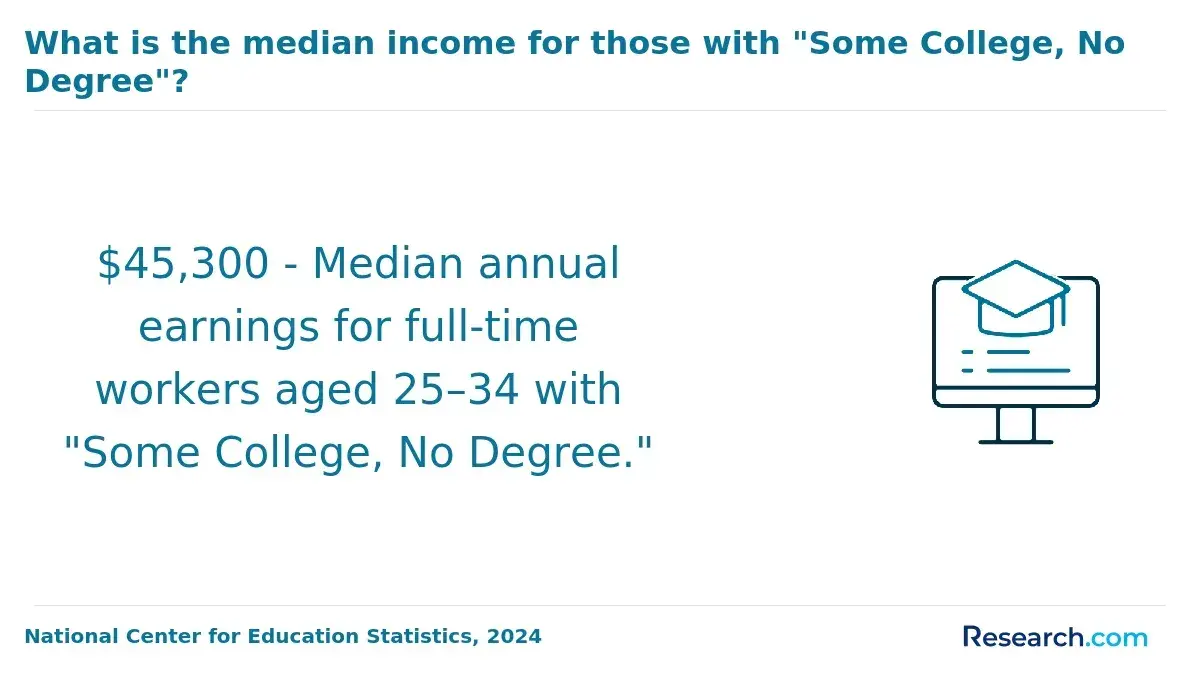
Associate and bachelor's degrees typically support entry-level employment but rarely translate into meaningful promotion without further qualifications. Notably, substance use and behavioral disorder counseling-a field projected to grow 19% over the next decade per the Bureau of Labor Statistics-demonstrates the advantage of advanced certifications layered on a master's degree for ascending specialty roles, especially where evidence-based practice leadership matters most in treatment centers.
Professionals aiming for senior positions need to strategize beyond degree attainment by incorporating supervised clinical hours, state licensure, and ongoing education. These elements often overshadow degree level alone in employer expectations within psychology and mental health degrees for leadership roles.
For those weighing options, exploring the types of therapist degrees provides detailed insight into how various credentials correlate with real-world job demands and promotion potential within advanced psychology and mental health education for career growth.
How do online mental health programs compare to campus options for career progression?
Online mental health programs tend to offer flexibility but fall short of campus-based programs in facilitating practical career advancement, particularly for licensure and clinical experience. Campus programs provide structured practicum placements, supervised internships, and faculty mentorship essential for candidates targeting clinical psychology roles in hospitals, clinics, or schools.
Employers often prefer graduates with documented in-person clinical hours and access to alumni networks associated with these programs, which accelerate job placement and promotion. For example, a hospital psychology position typically requires verified supervised fieldwork and multidisciplinary team exposure, features more reliably found in campus offerings.
Online mental health program career advancement is further limited by the need for students to independently secure practicum sites, which can delay licensure and restrict meaningful professional networking. However, professionals aiming for roles outside traditional clinical settings or needing to update skills may find evidence-based online programs adequate, especially since knowledge acquisition can be comparable to in-person training.
Decisions must weigh the 13.3% growth projected by the U.S. Bureau of Labor Statistics for clinical psychologists against the practical realities of program formats and employer expectations. Prospective students seeking licensure and rapid promotion should consider campus options with more direct paths to supervised experience. Those prioritizing flexibility can explore CACREP schools that support non-clinical roles or research coordination within Psychology - Mental Health education for promotion.
What skills and competencies are most valued for promotion in mental health careers?
Promotion within mental health careers hinges on integrating advanced clinical skills with leadership and operational competencies. For instance, clinicians managing complex caseloads must apply cognitive-behavioral therapy while adapting decisions rapidly under pressure to ensure client safety, illustrating how practical application outweighs theoretical knowledge alone.
Supervisory positions demand expertise in team coordination, interdisciplinary collaboration, and regulatory compliance. Mental health social workers stepping into leadership roles face the dual challenge of administrative oversight and maintaining client care quality amid growing service demands.
Technical fluency with digital health tools and teletherapy platforms is increasingly decisive. The U.S. Bureau of Labor Statistics' projection of 11.6% job growth over a decade highlights that professionals resistant to adopting emerging technologies risk career stagnation at early or mid-level stages.
Advancement also correlates with targeted credentialing beyond licensure-such as specialty certifications or leadership training-not simply adding credentials but focusing on those that enhance measurable outcomes like client retention or program funding.
Key factors influencing promotion include:
- Mastery of evidence-based treatment integrated with flexible clinical judgment
- Operational and team management skills calibrated for rapid service expansion
- Technological adaptability critical to modern service delivery models
- Strategic credential acquisition aligned with institutional priorities and career timelines, often spanning 3-5 years post-licensure
Promotion ultimately depends on balancing clinical excellence with operational and outcome-driven innovation tailored to the employer's context, a perspective essential for those pursuing a Psychology - Mental Health career advance.
How do salaries and earning potential change as you advance in mental health roles?
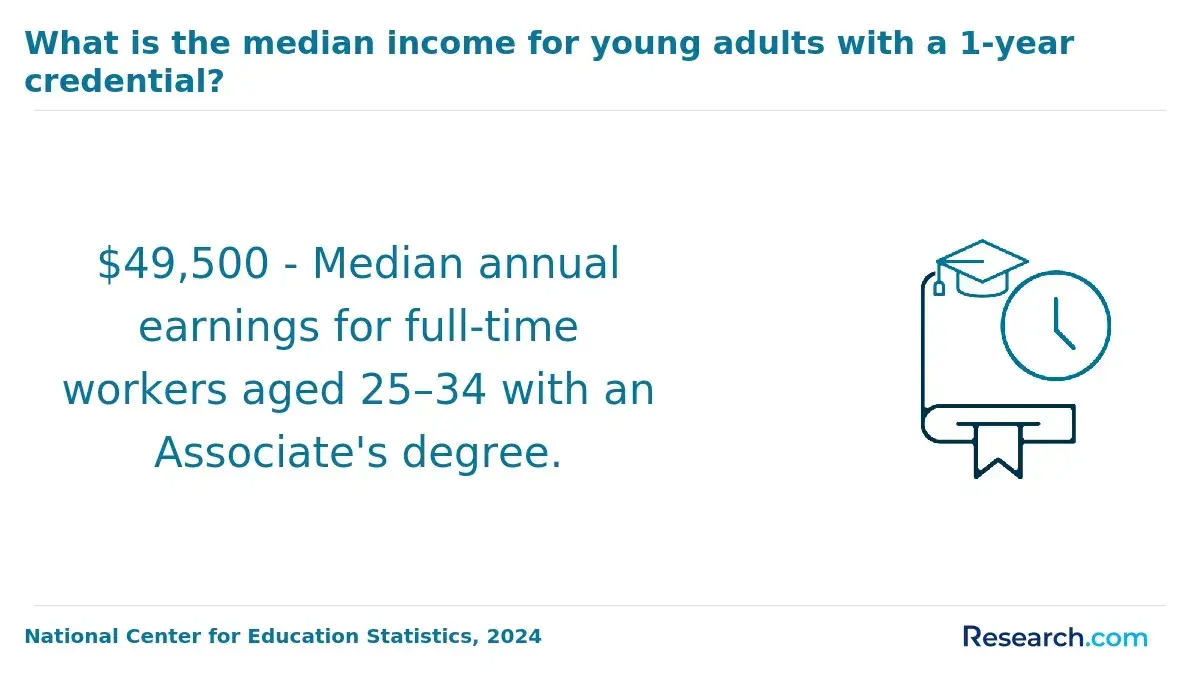
Salaries in mental health roles vary significantly, hinging on qualifications, specialization, and work environment. Psychiatrists command the highest entry salaries-typically between $220,000 and $270,000 annually-due to medical degrees and residency requirements. Their income grows steadily with experience, subspecialty training, or leadership roles, often exceeding $300,000.
In contrast, licensed clinical social workers or counselors start near $50,000 to $65,000, reaching approximately $80,000 with advanced certifications or supervisory positions. These disparities highlight critical career tradeoffs: psychiatrists face longer, costlier training but benefit from higher, more predictable pay growth.
Social workers and counselors may gain quicker workforce entry but face less linear salary progressions often dependent on geographic and setting changes, such as moving from community health centers to private practice, which can boost income by up to 40%. Employers expect increasing clinical sophistication and administrative capacity to justify raises, making further education-like doctorates or specialized certifications-a common step for pay advancement.
However, these require substantial time and financial investment, with uncertain returns if advancement criteria are unmet. Strategic decisions involve balancing upfront education costs against long-term earning potential and targeting employment in systems with clearer promotion pathways. Practical actions include prioritizing graduate programs with robust internships and swiftly obtaining licensure. Pursuing subspecialties with workforce shortages can also yield premium compensation.
What is the job outlook for promotable mental health positions in the U.S.?
Promotion in mental health roles within the U.S. typically hinges on advanced qualifications and the ability to blend clinical expertise with administrative skills. For instance, clinical psychologists who progress to leadership roles in hospitals do so by improving patient outcomes and managing teams, which requires credentials beyond entry-level licensure. The median psychologist wage of $92,740 underscores employers' valuation of such expertise and leadership capacity.
Key career tradeoffs include balancing the significant investment in master's versus doctoral education against the faster advancement doctoral credentials often enable. Employers prioritize candidates with data-driven treatment skills and interdisciplinary collaboration, driven by evolving funding and regulatory landscapes.
Advancement prospects vary by context: large urban healthcare organizations offer more promotions and leadership tracks compared to smaller, rural settings. Targeting educational programs that provide leadership training alongside research and policy knowledge can better prepare professionals for mid-to-upper management roles.
- Promotable roles often involve clinical supervision, program direction, and research leadership.
- Licensing and continuing education remain critical to career mobility.
- Geographic and institutional factors can substantially impact promotion speed.
Which certifications and specializations most effectively boost promotion prospects in mental health?
Credentialing choices directly influence advancement in mental health roles, with licensed clinical social work (LCSW) and board-certified psychiatric nurse practitioners (PMHNP-BC) commanding stronger promotion potential. LCSWs leverage their ability to independently deliver psychotherapy and manage cases, positioning themselves for supervisory or program leadership opportunities. PMHNP-BCs add prescribing authority, meeting urgent needs in integrated care where provider shortages persist.
Certification as a Certified Alcohol and Drug Counselor (CADC) narrows focus to addiction treatment, enhancing candidacy for lead counselor or program coordinator roles in specialized facilities. This contrasts sharply with psychiatric aide positions, which project minimal growth (0.8% through 2033), suggesting that entry-level roles offer limited upward mobility.
Those pursuing master's or doctoral licenses such as Licensed Professional Counselors (LPC) or Licensed Marriage and Family Therapists (LMFT) face longer training timelines and demanding supervised clinical hours. However, these pathways yield greater leadership eligibility and sustained employability. Candidates must weigh upfront time and exam complexity against the strategic advantage of expanded job mobility.
Employers prioritize verified clinical skills and an ability to contribute across interdisciplinary teams. Specializations that align with organizational priorities-trauma-informed care or geriatric mental health, for example-can markedly improve promotion trajectories by addressing evolving patient demographics and workforce demands.
How can you evaluate accredited psychology and mental health schools for career advancement?
Selecting a psychology and mental health program without scrutinizing accreditation, licensure outcomes, and employer linkage can limit both licensure eligibility and job prospects. Accreditation from bodies like the APA or regional commissions ensures adherence to standards necessary for state licensure, a prerequisite in clinical and counseling roles. Programs reporting licensure pass rates below 70% often impose extra financial and temporal burdens due to retakes or supplementary training.
Curricula that incorporate applied internships or practicum hours significantly enhance real-world competence. Without substantial clinical exposure, students face difficulties gaining credibility in specialized fields such as forensic or neuropsychology. Employer preferences, visible through career service data, show that some programs maintain direct relationships with healthcare institutions or community agencies, improving hiring outcomes.
Workforce data also serve as a critical decision factor: for instance, projected growth for school psychologists stands at a mere 0.7% over a decade, suggesting saturated job markets with limited advancement. Prospective candidates should weigh these constraints and consider more rapidly growing specializations like clinical social work or counseling psychology.
Analyzing third-party alumni outcomes reveals whether graduates achieve leadership or advanced roles, highlighting the difference between theory-heavy programs and those embedding telehealth, cultural competence, and interdisciplinary skills increasingly demanded by employers.
What strategic steps help early-career professionals progress into senior mental health roles?
Advancing into senior mental health roles requires deliberate credentialing and experience acquisition aligned with employer expectations. The projected 12% growth in mental health occupations outpaces general job growth, but without strategic steps, progression stalls. Obtaining licenses like Licensed Clinical Social Worker (LCSW) or Licensed Professional Counselor (LPC) is not optional for upward mobility; these serve as baseline qualifications for supervisory roles.
Consider a clinician at a community mental health center who earns these licenses and further specializes in trauma-informed care or substance use disorders-this combination expands eligibility for leadership positions beyond direct service delivery. However, licensing alone is insufficient. Demonstrated capacity in managing caseloads exceeding organizational norms, coordinating team efforts, and implementing outcome-based quality improvements heavily influence promotion decisions.
Proficiency with electronic health record (EHR) systems and data reporting also becomes a practical necessity, especially for behavioral health specialists transitioning to clinical supervisors. Opportunities that foster interdisciplinary collaboration, particularly in integrated care environments, accelerate development of critical coordination competencies valued in senior positions.
Mentorship from established professionals provides necessary guidance and access to high-visibility projects; its absence often delays advancement despite credentials and experience.
Other Things You Should Know About Psychology - Mental Health
Specializing early in a niche area can accelerate promotion within targeted clinical or research settings but narrows job flexibility and may limit leadership roles that require broad oversight. Early broad experience builds diverse skills and systems-level understanding, which employers expect for senior positions, yet it may delay mastery that drives faster raises. For most pursuing advancement, prioritizing foundational competencies across populations and treatment modalities before specializing creates more sustainable promotion trajectories.
High caseloads and administrative demands can reduce time for leadership development, research, or supervision, which are key drivers of promotion. Employers often favor candidates who balance clinical productivity with strategic contributions, such as program development or policy influence. Managing workload to protect career-building activities can weigh heavily in promotion outcomes, making selective job roles and time management critical decisions.
Working while pursuing advanced degrees often extends completion time but provides continuous practical experience employers value for promotion. Full-time study may accelerate credential acquisition but risks detachment from evolving workplace trends and reduces income during that period. Professionals focused on managerial or highly specialized roles should assess whether their current job provides growth opportunities and align the program choice to avoid career stagnation.
References
- A proactive approach to wellbeing can boost career success https://ise.org.uk/knowledge/insights/298/a_proactive_approach_to_wellbeing_can_boost_career_success/
- Social Work Career Pathways https://socialworklicensemap.com/social-work-careers/pathways/
- 9 Mental Health Careers You Can Pursue with a BA https://www.nec.edu/news/9-mental-health-careers-you-can-pursue-with-a-ba
- What is the best way to Enter the Mental Health Field | learndirect https://www.learndirect.com/blog/what-is-the-best-way-to-enter-the-mental-health-field
- How To Switch To A Career In Mental Health Without Starting Over | Psychology.org https://www.psychology.org/resources/switch-to-mental-health-career/
- Exploring Counseling and Psychology Schools: A Guide to Your Educational Journey https://www.qahe.org/article/exploring-counseling-and-psychology-schools-a-guide-to-your-educational-journey/
- Discover pathways to your new mental health job https://www.health.vic.gov.au/workforce-and-training/discover-pathways-to-your-new-mental-health-job
- A Guide to Choosing the Right Mental Health Career Path - The Wellness Society | Self-Help, Therapy and Coaching Tools https://thewellnesssociety.org/a-guide-to-choosing-the-right-mental-health-career-path/
- Certifications to Improve Your Career as a Mental Health Worker https://psychpros.com/certifications-to-improve-your-career-as-a-mental-health-worker/
- Exploring Opportunities and Professional Growth in Mental Health Careers https://www.blueprint.ai/blog/exploring-opportunities-and-professional-growth-in-mental-health-careers