2027 First Mental Health Support Roles for Career Changers Entering Helping Work

Co-Founder and Chief Data Scientist
Mid-career professionals aiming to transition into mental health support roles face the complex challenge of balancing program accessibility with employer expectations. While urgent workforce shortages fuel demand, the fragmented landscape of certification options complicates timing and skill alignment. The National Center for Education Statistics reported a 13% rise in graduate-level enrollment among adult learners since 2023, reflecting growing adult interest but also signaling a need for flexible program structures that accommodate work-life constraints.
This growth signals a shift toward modular, online formats that can accelerate entry without compromising competency. This article evaluates first mental health support roles tailored for career changers, guiding decisions on the most effective training pathways and credentialing strategies to ensure meaningful employment outcomes.
Key Things You Should Know
- The surge in first-time mental health support roles offers quicker entry versus traditional clinician pathways, but this often limits scope and advancement, as 2024 BLS data shows only 22% transition to licensed positions within five years.
- Employers increasingly demand hybrid skill sets blending trauma-informed care with digital literacy, with 67% of 2024 CMHS employer surveys prioritizing telehealth competencies, reshaping training priorities.
- Entry costs average $17,000 over two years for certificate programs per NCES figures, posing significant financial barriers that delay workforce entry, impacting candidates balancing upskilling and lost income.
What are the best entry-level mental health support roles for career changers?
Entry-level mental health support jobs for career changers in the US require balancing rapid workforce entry with realistic expectations about wages, training, and job functions. Roles such as mental health technician, peer support specialist, and behavioral health case manager each offer distinct operational pathways but differ in certification requirements and career trajectories. For example, mental health technicians often provide front-line support in inpatient settings, assisting licensed professionals with patient care and crisis response. This position demands on-the-job learning but typically offers lower compensation compared to fully licensed counselors.
Peer support specialists utilize lived experience to foster authentic client relationships, requiring certification rather than advanced degrees, making them a practical choice for individuals seeking quicker transition into the field. Behavioral health case managers require strong organizational abilities and knowledge of community resources; this role usually necessitates relevant certification or an associate degree, often entailing substantial documentation and client advocacy responsibilities.
The hiring landscape increasingly favors candidates familiar with trauma-informed care and electronic health records, reflecting sector-wide shifts in service delivery. Career changers must weigh state-specific licensing hurdles and access to accredited programs. Selecting education pathways with clinical practicums is critical to securing effective on-the-job preparation.
Considering future advancement, individuals exploring mental health support roles should note that counselor positions are projected to grow by 19% between 2023 and 2033, intensifying demand for foundational support staff. For those interested in further academic progression, reviewing clinical psychology masters programs online can clarify advanced training options.
What education and training do you need to move into mental health support work?
Entering mental health support roles in the US demands careful navigation of educational requirements that vary sharply by job scope and setting. Entry-level positions such as mental health technicians generally require a postsecondary certificate or associate degree in mental health, psychology, or human services. These programs often involve 300-500 supervised clinical hours necessary for credential recognition and skill development. More advanced roles like Licensed Mental Health Counselors or Clinical Social Workers mandate a master's degree, plus 2,000-3,000 supervised clinical hours and successful state licensing exams, reflecting substantive workforce credentialing.
Employers primarily seek candidates with tangible experience and certifications like CPR, crisis intervention, and mental health first aid. Non-degree training can suffice in community environments, but hospital and outpatient clinics increasingly require licensure and formal degrees with supervised practice rights. Career changers pursuing UK education requirements for mental health support roles must also consider state-specific licensing that influences permissible job functions.
Tradeoffs are significant for individuals shifting careers: extended academic commitments delay earnings and may increase debt, yet they enhance eligibility for better-paid clinical roles. A retail worker pivoting to social work, for example, might spend 2-3 years in education plus internships before qualifying to practice clinically. Those seeking specialized knowledge may explore options such as an online master's in forensic psychology, blending focused expertise with practical credentials.
How do licensing and certification work for beginner mental health support positions?
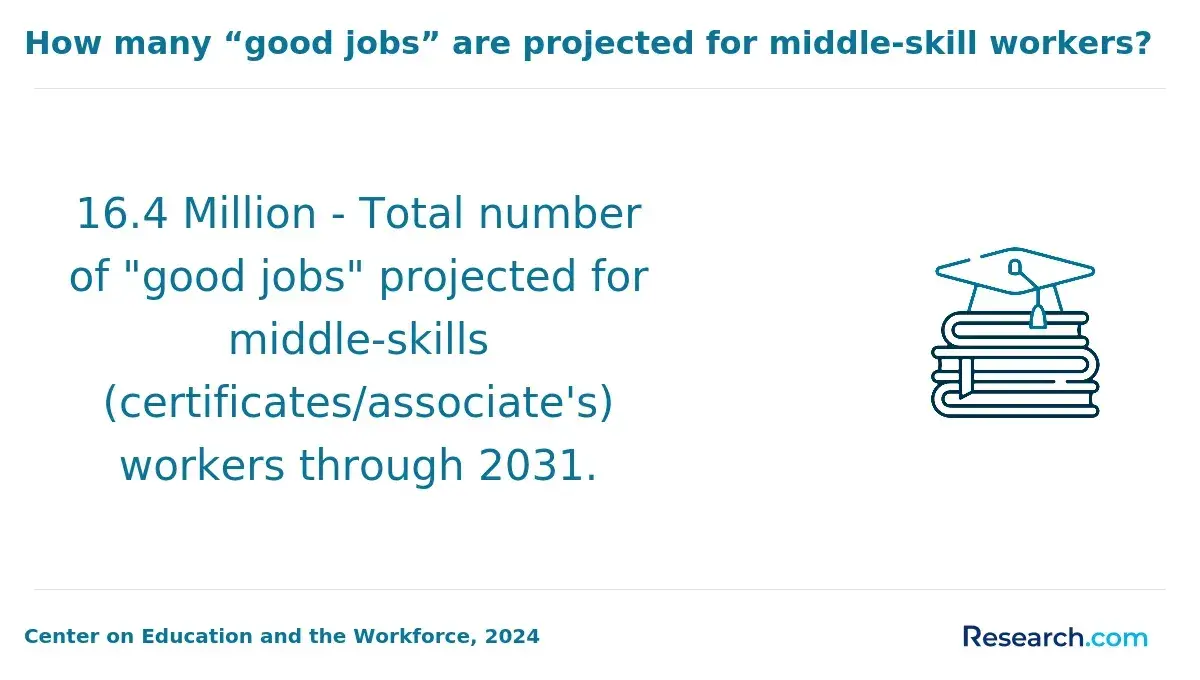
Licensing for entry-level mental health support roles in the United States involves navigating varied state requirements that combine education, supervised clinical hours, and exams. Roles such as substance abuse counselors or behavioral disorder aides typically require a postsecondary certificate or associate degree plus 1,000 to 4,000 hours of supervised experience before applying for licensure or certification. In contrast, entry-level roles like peer support specialists often rely on state-recognized certification programs lasting a few months and include a competency exam. This highlights a significant tradeoff for those aiming at rapid workforce entry versus long-term credentialing.
Obtaining a licensed professional counselor credential immediately after initial education is generally unfeasible; states mandate a master's degree and post-degree supervision. Many beginners pursue certified alcohol and drug counselor (CADC) or licensed addiction counselor credentials as practical interim steps to enhance employability, especially within community health centers or integrated care settings where specialized behavioral health support is critical. Employers typically expect at least provisional or associate-level licenses for client-facing roles, making these credentials strategic points on the path.
The considerable requirement for supervised clinical hours-spanning roughly 1,500 to 4,000 depending on license type-introduces logistical and financial challenges, compounded by limited paid internship availability. Delays related to licensure verifications and exam scheduling also impact time-to-employment. The U.S. Bureau of Labor Statistics reported a median annual wage of $59,190 for substance abuse, behavioral disorder, and mental health counselors as of May 2024, creating a clear incentive to complete licensure or certification rather than remain in unlicensed roles with restricted pay and growth.
State-specific conditions, employer expectations, and licensing restrictions must be carefully weighed when exploring how to obtain mental health support licenses in the United States. For professionals aiming to expand beyond entry-level roles, pursuing a marriage and family therapy master's programs online can offer a pathway toward advanced licensure and broader practice scopes in Psychology - Mental Health.
Which degrees or certificates prepare adults for nonclinical mental health support jobs?
Associate degrees and certificates focused on human services or community health remain the most pragmatic educational routes to nonclinical mental health support roles. These credentials deliver core skills in counseling fundamentals, crisis response, and client advocacy, critical for positions like peer support specialists or community health workers. For example, earning a certificate in peer support develops lived-experience counseling techniques prized by employers emphasizing genuine client engagement, yet such certificates can limit upward mobility without supplementary education.
Demand from employers increasingly favors programs that integrate supervised fieldwork or internships, reflecting practical readiness. Community health workers-a role forecasted to expand 22.1% from 2021 to 2031 by the U.S. Department of Labor-often require state certification or nationally recognized exams tied to certificate credentials. Prospective students must verify their target region's licensing mandates before committing to a program.
Bachelor's degrees in psychology or social work offer broader career flexibility and enhanced client assessment abilities, but they come with greater cost and time commitments, which may not suit individuals pursuing rapid career pivots. Choosing mental health support certificate programs for career changers emphasizes speed and targeted skill acquisition but may restrict advancement potential relative to degree holders.
Practical considerations for candidates include aligning programs with employer expectations, local credential regulations, and measurable employment outcomes. Balancing these factors helps avoid qualifications that fail to translate into job placements. For those prioritizing affordability, evaluating options such as a cheapest online counseling degree can be part of a strategic approach.
How do online mental health programs compare to campus options for career changers?
Online programs for Psychology - mental health offer scheduling flexibility critical for career changers balancing work and family obligations. However, they frequently fall short in providing direct access to hands-on clinical training and supervised practicums that are essential for licensure and employment readiness. Unlike campus-based options, which often leverage established local partnerships to secure these placements, online learners must independently arrange their clinical hours- an added hurdle that can delay entry into the workforce.
For example, a mid-career professional transitioning from retail training online might encounter significant difficulties securing compliant clinical supervisors in their area. This contrasts with campus students who benefit from institutional support in coordinating supervised fieldwork, easing the path to meeting state requirements and employer expectations.
Employers strongly favor candidates with confirmed supervised experience over those holding only academic credentials. Campus programs also tend to provide richer peer networking, live mentorship, and access to simulated counseling environments, enhancing practical skill acquisition early on. Online learners must proactively seek virtual communities and supplemental experiential opportunities, often extending the time needed to achieve competency.
Career changers should rigorously assess program accreditation and the capacity to facilitate clinical placements in their geographic region. These factors weigh heavily in licensure board approvals and employer hiring decisions and should not be overlooked amid the convenience online formats provide.
What coursework and skills are taught in entry-level mental health support programs?
Entry-level programs in psychology - mental health must balance broad theoretical knowledge with immediately applicable skills that align with employer expectations. Graduates face environments demanding crisis intervention, confidentiality adherence, and cultural competence without the luxury of extensive on-the-job training. For instance, a professional transitioning into a university counseling center must grasp both trauma-informed care and rapid crisis de-escalation to meet workplace demands effectively.
Key curricular components include understanding mental health disorders and substance use, recognizing co-occurring conditions, and mastering case documentation compliant with HIPAA. Practical skills, such as role-playing client interactions, prepare students for emotional labor and boundary management-elements often underestimated but vital in reducing burnout risks prevalent in these roles.
Employers value candidates who demonstrate both technical readiness and interpersonal resilience, especially given the projected 91,000 annual job openings across related occupations through 2031. However, tradeoffs exist: program lengths often limit depth, and certain states require additional certifications, increasing candidates' time and financial investment.
- Crisis intervention and confidentiality training tailored to diverse populations
- Documentation and coordination with multidisciplinary teams under regulatory frameworks
- Soft skills to manage personal stress and cultural competence to navigate ethical challenges
Prospective students should critically evaluate how programs balance foundational theory with practical skills, especially if aiming for roles demanding quick adaptation and compliance with varied workplace safety protocols.
What are typical admission requirements and program lengths for these training pathways?
Pursuing a career change into mental health support demands assessing immediate employability against long-term career prospects. Entry-level roles like peer support specialists require a high school diploma plus short-term certificates, often emphasizing practical experience through volunteer work. These credentials allow quicker workforce entry but limit advancement and salary potential.
Healthcare social workers must hold a bachelor's degree related to human services, and stepping into clinical roles requires a Master of Social Work (MSW), generally a two-year full-time commitment. Admission to MSW programs expects relevant undergraduate coursework, personal statements, and recommendations, reflecting a competitive and selective process.
Licensed counselors or therapists face an even more intensive path: master's degrees with 2 to 3 years of study plus 2,000 to 4,000 supervised clinical hours, varying by state. This extended timeline demands careful planning but aligns with higher employer demand and substantially improved earnings.
For example, a registered nurse shifting to social work must compare investing 2+ years in MSW training against working immediately in less credentialed roles that pay less and offer reduced autonomy. The U.S. Department of Labor projects an 11.1% growth rate and 19,700 annual openings through 2031 for healthcare social workers, signaling robust demand but also increasing program competitiveness and employer standards.
What are the salary ranges and working conditions in starter mental health support roles?
Entry-level roles in mental health support come with modest salaries typically ranging from $32,000 to $48,000 annually, heavily influenced by employer type, geographic location, and required certifications. For example, community mental health aides often start near the lower end, while Certified Peer Specialists command higher pay, especially within government agencies or hospital systems. This imbalance underscores a crucial tradeoff for career changers: the demanding schedules-often including nights and weekends-and emotional strain must be weighed against income limitations and job security challenges in early positions.
Work conditions frequently involve crisis intervention responsibilities such as de-escalation, case documentation, and supervised care coordination, with limited decision-making autonomy. The emotional intensity combined with high client interaction stress requires resilience and strong communication, but compensation rarely reflects these demands fully at the start. Those relocating to metropolitan areas with higher living costs may find base salaries insufficient without supplemental earnings or comprehensive benefits.
Credentialing timelines introduce additional friction, as advancement demands months of supervised experience, delaying salary growth and affecting long-term stability. Given the sector's rapid expansion-projected at roughly three times the overall job growth rate-persistent workforce shortages are driving wage pressures upward over time, though not evenly across roles or regions.
- Start salaries vary by certification and setting
- Shift work and emotional demands are standard
- Career progression requires extended supervised practice
- Urban cost-of-living may outstrip early compensation
What is the job outlook and demand for new mental health support professionals?
Growth in mental health support occupations, such as marriage and family therapists expected to expand by 16% by 2033, arises from enduring systemic pressures rather than temporary trends. This growth outpaces average occupational expansion and results from expanded insurance access, rising societal awareness, and the integration of mental health into broader healthcare settings.
Job roles beyond licensed clinicians-like behavioral health technicians and peer support specialists-differ significantly in educational and certification demands, affecting career entry points and long-term prospects. For example, behavioral health technicians may begin with a certificate and close supervision, while clinical counselors require graduate degrees and licensure, which demand substantial time and financial investment.
Employers increasingly value practical competencies in crisis intervention, care coordination, and culturally responsive communication. However, challenges such as emotional burnout and administrative complexity contribute to high turnover rates, pushing organizations toward team-based care and ongoing professional development to sustain workforce stability.
Individuals considering a pivot into psychology - mental health should carefully weigh:
- The tradeoff between quicker entry through support roles versus long-term advancement tied to higher credentials
- State-specific certification requirements and credentialing timelines
- Market variations influenced by telehealth expansion and Medicaid policy changes
These factors illustrate why a strategic approach prioritizing roles with transparent credential pathways and stable demand, like licensed marriage and family therapist or certified peer support specialist, can optimize employability in this evolving field.
How can career changers choose an accredited, reputable mental health education program?
Selecting a mental health education program requires prioritizing accredited curricula and transparent employability metrics over promotional claims. Accreditation by recognized agencies directly impacts eligibility for licensure and access to vital clinical training.
Prospective students should assess programs based on tangible job placement rates within 12 months in relevant roles. Programs linked to healthcare systems or community agencies often provide practicum experiences that translate into stronger employment outcomes through practical exposure and professional connections.
Consider the program's curriculum balance: too theoretical an approach risks leaving graduates unprepared for on-the-ground demands like case management and crisis intervention. Programs integrating evidence-based interventions such as supported employment align more closely with workforce expectations.
Delivery format and flexibility matter significantly for career changers juggling existing jobs. While part-time hybrid models offer schedule adaptability, they may constrain access to in-person clinical rotations essential for state licensure.
Finally, verification of state-specific licensing requirements and clinical site approvals is critical. Cross-check with licensing boards and alumni to avoid post-graduation setbacks caused by evolving regulatory criteria.
Other Things You Should Know About Psychology - Mental Health
Entry-level mental health support programs vary widely in practical training, but most offer between 100 and 300 hours of supervised fieldwork or internships. Programs with minimal or no hands-on experience can limit job readiness, especially when employers expect demonstrated client interaction skills. Prioritize programs with structured practicum components that include direct client contact, as this practical exposure significantly improves employability and workplace confidence.
A specialized certificate often allows faster entry into the workforce but may restrict advancement in clinical settings. An associate degree provides broader foundational knowledge and greater transferability toward advanced degrees, which employers increasingly value. For career changers aiming for long-term growth, investing in an associate degree or a certificate embedded within a degree program offers a better balance of immediate job prospects and future opportunities.
Entry-level mental health support roles often involve high emotional labor, including managing client crises and supporting distressed individuals regularly. Workloads can include irregular hours and high client volumes, which increase stress and require resilience. Beginners need training in stress management and clear employer guidance on supervision to prevent burnout, making program selection with strong support components essential for sustainable success.
References
- learndirect - How to become a Mental Health Support Worker https://www.learndirect.com/blog/how-to-become-a-mental-health-support-worker
- How do I become a Therapist?: A Starter Guide to the Field of Mental Health Part One: Introduction — Coherence Associates https://www.coherenceassociates.com/blog/how-do-i-become-a-therapist-a-starter-guide-to-the-field-of-mental-health-part-one-introduction
- Is a Mental Health Master's Online Worth It for Career Changers? https://healthmanagement.org/c/hospital/guest-post/is-a-mental-health-masters-online-worth-it-for-career-changers
- Alternative Careers for Counselors Who Are Burnt Out [2025 Update] — The Bad Therapist https://www.thebadtherapist.coach/blog/alternative-careers-for-counselors
- Mental health support worker: job description https://targetjobs.co.uk/careers-advice/job-descriptions/mental-health-support-worker-job-description
- How To Switch To A Career In Mental Health Without Starting Over | Psychology.org https://www.psychology.org/resources/switch-to-mental-health-career/
- 8 Tips to Protect Your Mental Health When Starting a New Job https://umo.services/blog-post/8-tips-to-protect-your-mental-health-when-starting-a-new-job/
- Top Careers for Psychology Master’s Graduates https://www.onlinemastersdegrees.org/best-programs/for-career-changers/
- Mental Health Counselor Job Outlook and Salary | Bradley University Online https://onlinedegrees.bradley.edu/blog/mental-health-counselor-job-outlook
- The Emerging Field of Behavioral Health Paraprofessionals https://www.nga.org/publications/the-emerging-field-of-behavioral-health-paraprofessionals/