2027 Best Online Psychology - Mental Health Degrees for Case Management Careers

Co-Founder and Chief Data Scientist
Case managers in psychology - mental health face critical pressure to balance rapid client assessment with thorough trauma-informed care, often hindered by limited access to timely, affordable education that aligns with evolving certification standards. Amid a projected 23% growth in population-adjusted demand for behavioral health services over the next decade, according to the U.S. Bureau of Labor Statistics, professionals must secure credentials flexibly without interrupting ongoing work.
This shift reveals a broader transformation where traditional, on-campus models restrict career mobility and delay workforce entry, especially for adult learners juggling responsibilities.Recognizing these barriers, this article evaluates the best online psychology - mental health degrees tailored for case management careers, spotlighting programs that optimize scheduling, accreditation, and practical training to enable informed decisions toward accelerated upskilling and employment outcomes.
Key Things You Should Know
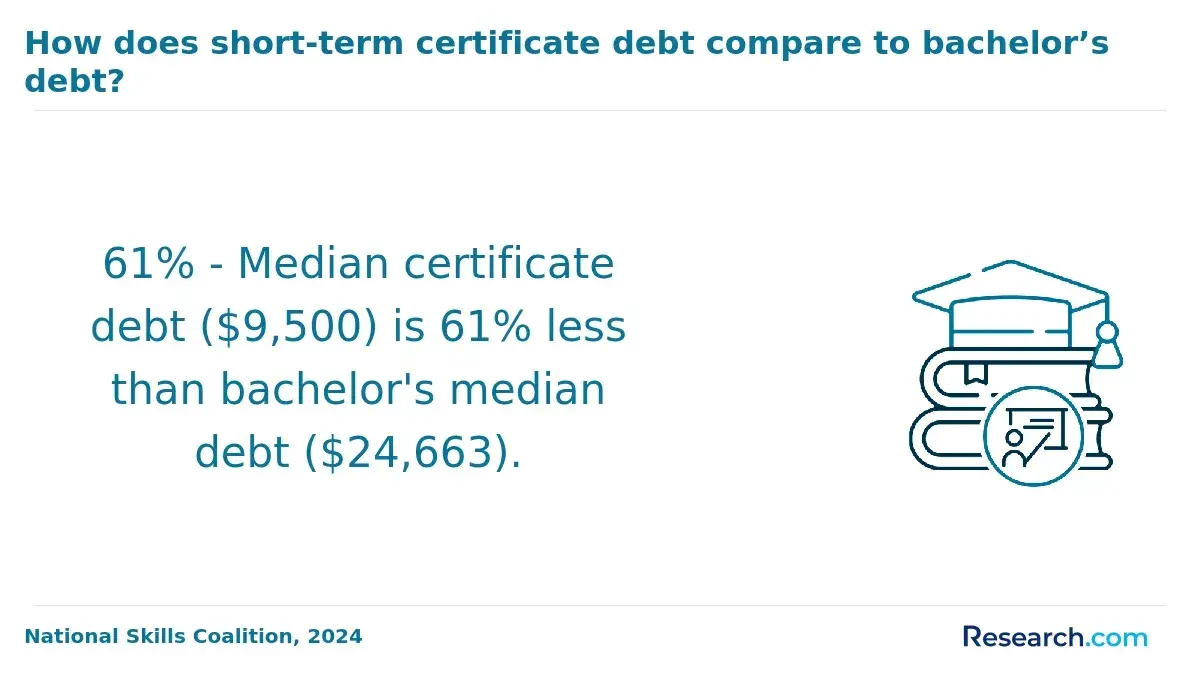
- Median early-career salaries for psychology - mental health case managers vary by credential level, with bachelor's graduates earning $45K versus $62K for master's, impacting time-to-payoff calculations amid $20K-$40K average debt for master's programs, per National Center for Education Statistics 2024.
- Employers in community health agencies prioritize applied practicum experience and licensure pathways over institutional prestige, intensifying pressure on candidates to select programs aligned with state certification standards, influencing job placement rates.
- Accelerated online degree formats reduce time-to-completion by up to 30% but may compromise in-depth clinical supervision quality, presenting a tradeoff between faster workforce entry and comprehensive case management preparedness, according to 2024 workforce readiness studies.
What is an online psychology-mental health degree for case management careers?
Online psychology mental health degree programs for case managers must be judged by their integration of practical skills with labor market relevance, not simply curriculum breadth. The projected 19% job growth in substance abuse, behavioral disorder, and mental health counseling underscores increasing demand but also emphasizes the need for graduates who can navigate complex care coordination across healthcare and social services.
For instance, a case manager might simultaneously engage medical providers, housing authorities, and vocational programs to support clients with co-occurring disorders, requiring proficiency in ethical decisions, crisis interventions, and multiparty collaboration. Curricular elements that combine supervised fieldwork and simulations prepare graduates for these interdisciplinary demands, but candidates should verify that programs offer practicum placements accessible in their locale.
The best online psychology mental health degrees for case management careers balance this with rigorous training in psychopathology, counseling strategies, and privacy compliance such as HIPAA, which often differ by state and influence job readiness inside real-world constraints. Students pursuing this pathway must also consider institutional accreditation and faculty expertise, but flexibility through an online format usually means greater responsibility in securing local clinical experiences.
Such tradeoffs reflect the realities of workforce entry where demonstrated evidence-based treatment coordination and communication skills across multidisciplinary teams become decisive hiring factors. For those evaluating accelerated options that still address these professional complexities, reviewing accelerated psychology programs can provide clarity on balancing speed with comprehensive competency development.
How do online psychology-mental health programs prepare students for case management roles?
Case management roles within online psychology mental health degree programs focus on operational competencies essential for coordinating care across fragmented systems. Students gain targeted skills in client assessment, treatment planning, and navigating healthcare or social service bureaucracies-key for managing diverse caseloads where practical knowledge outweighs theoretical exposure.
For example, success hinges on understanding insurance frameworks and resource access, particularly for clients facing socioeconomic barriers. These programs train case managers through practicums combining simulated client work and telehealth experiences to offset limitations of virtual learning environments.
Employers in community mental health settings consistently prioritize applicants demonstrating verified practicum hours and the ability to document treatment adherence amid competing stakeholder demands. Graduates typically qualify for entry-level case manager positions, while licensed therapists and psychologists generally require master's or doctoral degrees, creating a clear educational advancement tradeoff.
Online psychology mental health programs train case managers who must often navigate regional licensing hurdles and competitive internship markets by leveraging local agencies or virtual platforms. This real-world orientation reflects trends emphasizing interdisciplinary collaboration in healthcare integration models.
Prospective students evaluating this pathway should consider how these programs align with career goals, particularly if targeting specialized areas like substance abuse or clinical psychology that necessitate additional graduate credentials. Information on alternative pathways is available through resources such as child mental health master's.
What accreditation should online psychology-mental health case management programs have?
Selecting accredited online psychology mental health case management programs in the United States is a critical factor that directly influences employment eligibility and career flexibility. In practice, many employers require degrees from institutions accredited by agencies recognized by the U.S. Department of Education or the Council for Higher Education Accreditation (CHEA).
This is not simply bureaucratic-it impacts the candidate pool, as about half of case manager job postings mandate a master's degree from regionally accredited schools like the Higher Learning Commission or Middle States Commission. Additional specialized accreditations, such as those from the Commission on Accreditation of Rehabilitation Facilities (CARF) or the Council on Accreditation (COA), reflect curricula integrated with clinical competencies and ethics essential for state licensing and certification.
For instance, a behavioral health agency may reject candidates without graduation from these accredited programs, limiting access to certain treatment settings. Practicum or supervised fieldwork embedded in the curriculum is another practical requirement often emphasized by accrediting bodies and employers alike. Its absence can be a barrier to gaining necessary skills and licensure eligibility.
Degree choices also affect financial aid eligibility and credit transferability. Programs without recognized accreditation may close doors to federal funding and complicate credentialing exam eligibility, constraining workforce advancement. Prospective students seeking advanced specialization should investigate pathways like the online PhD counseling options, balancing cost, convenience, and accreditation rigor to align with long-term professional standards.
What degree pathways lead to case management careers in mental health settings?
The most practical degree pathways for mental health case management careers require targeted specialization beyond generic graduate psychology programs. A master's in social work (MSW), counseling, or clinical psychology with coursework in case management, community mental health, and healthcare systems integration aligns closely with employer expectations and regulatory standards, especially when accredited by the Council on Social Work Education (CSWE) or the American Psychological Association (APA).
This specialization is critical because employers prioritize candidates with proven skills in crisis intervention, resource navigation, and patient advocacy, competencies often absent in more generalist curricula. Choosing a master's degree program involves weighing cost against practical benefits. Tuition per credit in top-ranked programs ranges from $444 to $935, with many students seeking flexible options via online degrees.
However, candidates should confirm that coursework includes supervised fieldwork or practicum placements in mental health settings-experience strongly correlated with higher employability in case management roles. For those evaluating options, CACREP-accredited online counseling programs are particularly relevant to consider for quality and affordability.
An MSW with clinical licensure eligibility typically gains faster access to managed care organizations or hospital-based case management careers than a master's in psychology without licensure prospects. Given the regulatory complexity of mental health services, programs integrating legal, ethical, and insurance frameworks provide crucial decision-making advantages. Candidates must also recognize that licensure and specialized certifications facilitated by certain degrees translate to higher salary potential.
Overall, best online psychology mental health degrees for case management emphasize applied competencies in navigating mental health systems. Those seeking degree pathways for mental health case management careers should prioritize programs with strong practicum components and recognized accreditation to ensure alignment with evolving employer demand and practical career progression.
How do online and campus psychology-mental health programs compare for case management?
The choice between online and campus-based psychology - mental health degrees hinges on the critical balance between flexibility and hands-on experience. For working professionals targeting case management roles, online programs offer unmatched scalability, as demonstrated by Southern New Hampshire University Online graduating nearly 3,000 students last year.
However, this volume comes with a tradeoff: online degrees often lack the immersive clinical practicums and direct supervision that employers still prioritize for effective patient coordination in community clinics or hospitals. Online students must therefore proactively secure local internships and relevant certifications to compensate for limited synchronous engagement and mentorship.
In contrast, on-campus students gain easier access to real-time networking, interdisciplinary collaboration, and face-to-face clinical training-advantages that significantly enhance practical readiness but reduce schedule flexibility. Employers emphasize graduate proficiency in complex case management over the delivery format.
Consequently, students should align their educational path with realistic access to practicum placements and apply formal learning alongside robust field experience. Both approaches require strategic external engagement to meet credentialing demands in tightly regulated mental health environments approaching 2026.
Key considerations include:
- Online degrees provide access for those balancing work and location constraints but necessitate disciplined self-direction and local clinical exposure.
- Campus programs offer richer clinical immersion and direct supervision at the cost of less adaptable scheduling.
- Practical experience remains paramount; graduates without sufficient hands-on training risk underpreparedness that employers routinely scrutinize.
What courses and field experiences are included in case management-focused curricula?
Psychology - mental health case management programs demand rigorous integration of coursework and clinical exposure to meet employer expectations for licensed care coordinators. Graduates must navigate complex client needs, including psychiatric evaluation and care planning for individuals with co-occurring disorders or chronic illnesses.
These programs emphasize applied skills over theory, reflecting the realities of settings such as hospitals or community agencies where students might coordinate post-discharge plans or develop targeted interventions for underserved populations. Fieldwork intensity is a key differentiator: students typically complete 600 to 1,000 practicum hours under supervision, which directly impacts readiness and employability.
Programs lacking sufficient practicum time risk producing graduates with skill gaps that employers readily identify, potentially limiting job placement and advancement. Training also covers legal and ethical frameworks, documentation standards, and outcome measurement, directly tied to compliance and risk management in professional practice. Current tuition benchmarks, such as the average annual $13,950 reported by the National Center for Education Statistics for online health master's degrees, provide a cost reference.
However, prospective students should weigh tuition against clinical supervision quality and program connections to employers.
- Comprehensive clinical assessment and evidence-based intervention skills aligned with workforce demands
- Substantial supervised fieldwork hours critical for developing interdisciplinary collaboration competencies
- Strategic program selection prioritizing practical experience and employer network access to mitigate market friction
What are typical admission requirements for online psychology-mental health case management degrees?
Admission criteria for online psychology-mental health case management degrees demand more than basic academic credentials; they serve as critical gatekeepers that shape workforce readiness. While entry typically requires a high school diploma or GED for associate or bachelor's programs, and a completed undergraduate degree for master's-level study, the competitive landscape is defined by minimum GPA thresholds between 2.5 and 3.0 and relevant coursework in psychology or related areas.
This selective standard aligns with the substantial output revealed by Franklin University's Lightcast-based data, citing 265,358 completers across case management programs, including 143,660 in psychology alone. Applicants shifting from unrelated fields face the practical challenge of compensating for limited aligned experience, often needing documented volunteer work or certificates in mental health.
Programs commonly require prerequisite courses such as statistics, human development, or abnormal psychology to ensure baseline competencies, alongside background checks and immunization records when clinical practicum is involved. Operationally, students must navigate the burden of assembling diverse records remotely and balancing stringent deadlines against intensive practicum demands.
Additionally, state-specific licensing requirements impose further entry barriers that vary widely, impacting workforce eligibility post-graduation. Understanding these layers up front helps candidates avoid delays and better position themselves amid the rapidly growing psychology-mental health case management field.
How long do these programs take, and what tuition and fees can students expect?
Completing a master's degree in psychology - mental health case management typically demands 2 to 3 years of full-time study. Part-time options, often chosen by working professionals, can extend this timeline to 4 or more years, increasing total costs and delaying entry into clinical roles. Accelerated programs reduce duration but may intensify stress and disrupt work-life balance.
Tuition varies widely depending on institution type and residency status. Public universities charge between $10,000 and $25,000 per year for in-state students, while private institutions usually cost $20,000 to $45,000 annually. Additional fees for practicum placements, clinical supervision, and exam preparation add financial complexity. Online programs can alleviate commuting expenses but generally maintain standard tuition rates.
Financial investment must be weighed against prospective earnings and program duration. For instance, a professional enrolled part-time at $20,000 per year faces roughly $60,000 in direct expenses before living costs. With a median mental health counselor salary near $59,190, minimizing debt while completing degrees promptly is essential for market competitiveness.
Licensure requirements extend time before independent practice, demanding supervised hours and extra expenses. Employers prioritize candidates who finish degrees on schedule with hands-on clinical experience. To maximize employability, prospective students should balance program length, costs, personal responsibilities, and financing strategies carefully.
What salaries, job titles, and advancement opportunities exist in mental health case management?
Salary progression in mental health case management closely links to credentialing and workplace setting. Entry-level case managers often earn between $40,000 and $55,000 annually, below the median for community and social service roles, reflecting the typically limited initial scope of responsibilities. Titles are fluid-ranging from care coordinator to behavioral health specialist-while licensed professionals like LCSWs or LPCs generally command higher wages due to advanced training.
Advancement frequently requires targeted graduate education or certifications in psychology or social work. Supervisory roles, such as clinical supervisor or program manager, push salaries into the $65,000-$85,000 range, but these increments depend heavily on organizational funding and geography. For example, nonprofit case managers in urban settings might see greater income ceilings compared to public sector roles with stricter salary caps.
Beyond wages, role expectations shift with seniority-from direct client care to administrative tasks and inter-agency coordination. Transitioning into private practice involves not only clinical expertise but also entrepreneurial skills, with income variability tied to client base development over multiple years.
Strategic pivots should consider these trade-offs:
- Graduate credentials increase eligibility and earning potential for senior positions.
- Public sector jobs offer stability but often impose salary ceilings.
- Private settings might offer higher income but demand business acumen and tolerate greater uncertainty.
Understanding employer expectations and funding constraints is critical for making informed educational and occupational decisions in Psychology - Mental Health pathways.
Are licenses or certifications required for mental health case managers, and how do degrees help?
Licensing and certification function as gatekeepers within mental health case management, sharply delineating who qualifies for clinical roles and who does not. Without credentials like Licensed Clinical Social Worker (LCSW) or Licensed Professional Counselor (LPC), professionals remain ineligible to deliver therapeutic services in most states.
In contrast, nonclinical case managers rely more heavily on certifications such as Certified Case Manager (CCM) to validate their competence, though they may not require formal licenses. This divide reflects clear employer expectations that blend educational background with regulated credentials.
Consider a mental health case manager at a substance abuse treatment center: state-mandated requirements typically include a master's degree coupled with supervised clinical experience before sitting for licensing exams. These prerequisites serve as both a qualification barrier and a practical framework for managing client care and coordinating treatment effectively.
Employers, especially in hospitals and community agencies, weight these credentials heavily when making hiring decisions and determining salary scales. The anticipated 19% job growth for substance abuse, behavioral disorder, and mental health counselors by 2033 intensifies the importance of aligning education with credentialing pathways.
Programs that integrate hands-on supervised practice create more seamless transitions to licensure and employment. For prospective students or career changers, the tradeoff lies between the upfront investment in accredited degrees and certifications and the tangible benefits of sustained job eligibility and mobility within this tightly regulated sector.
Other Things You Should Know About Psychology - Mental Health
A master's degree is not always mandatory for entry-level case management roles, but it significantly improves prospects for advancement, supervisory positions, and specialized settings in mental health. Employers in clinical or integrated care environments increasingly prefer candidates with graduate education due to complex patient needs and regulatory expectations. Prioritizing programs with strong clinical practicum components maximizes readiness for higher responsibility roles and supports eligibility for advanced certifications.
Choosing a clinical-focused mental health program offers deeper training in assessment, diagnosis, and treatment planning, which aligns with case management in settings requiring clinical decision-making. Non-clinical programs may limit roles to support or administrative functions, reducing long-term career mobility. Prospective students should evaluate if their target employers expect clinical licensure or behavioral health expertise to avoid bottlenecks in career growth.
Field placements integrated into online programs vary widely, from supervised internships at approved sites to sparse or optional experiences, which directly influence skill development and employer valuation. Programs requiring in-person, supervised hours tend to offer better hands-on learning and stronger references, critical in an experience-driven field. Students should prioritize programs with explicit, supported practicum structures over those relying solely on theoretical instruction.
Yes, various scholarships are available for online psychology - mental health degrees in 2027. These include institution-specific scholarships and external scholarships such as the American Psychological Association (APA) scholarships. It's recommended to check eligibility criteria and application deadlines on respective scholarship websites.
References
- Effectiveness of Telebehavioral vs In-Person Counseling - European Society of Medicine https://esmed.org/effectiveness-of-telebehavioral-vs-in-person-counseling/
- Online Psychology vs In-Person Therapy: What’s Right for You in 2026? - The Talk Shop - Counselling and Psychology https://www.thetalkshop.com.au/online-psychology-vs-in-person-therapy-whats-right-for-you-in-2026/
- Virtual Case Manager Role In Mental Health Care https://missionconnectionhealthcare.com/mental-health/legal-rights/role-of-case-managers-in-virtual-mental-health-care/
- Integrated Case Management: Recentering Mental Health https://yourcommission.org/archived-webinars/integrated-case-management-recentering-mental-health
- Poland: Tuition fees & cost of living https://www.study.eu/article/poland-tuition-fees-cost-of-living
- Case Manager Continuing Education Program – AIHCP https://aihcp.net/case-management-ce-courses-program/
- Best Types Of Online Psychology Degrees 2025 https://www.psychology.org/degrees/
- What is Case Management in Mental Health: A Complete Guide https://behavioralenhancementidaho.com/what-is-case-management-in-mental-health-a-complete-guide/
- Professional Development, Certification, and Accreditation in Case Management https://nursekey.com/professional-development-certification-and-accreditation-in-case-management/
- Mental Health Licensure, Certification & Degree Requirements https://www.publichealthonline.org/mental-health/