
2026 Online Library and Information Science Degrees That Help Build Career-Ready Information Skills

Co-Founder and Chief Data Scientist
Professionals pursuing advanced library & information science credentials frequently confront inflexible schedules and limited local options that delay career transitions or diminish competitive edge. Recent federal data shows a 20% surge in online graduate enrollments among working adults from 2022 to 2024, underscoring a decisive shift toward programs accommodating full-time employment and geographic constraints. This trend signals that accessibility and program design critically influence both timely degree completion and the acquisition of marketable skills employers prioritize. This article evaluates online library & information science degrees available today, focusing on how their structures and outcomes address these real-world barriers to help candidates build career-ready information skills efficiently.
Key Things You Should Know
- Online library & information science graduate employment grows 7% annually per U.S. BLS, yet programs with minimal hands-on practicum reduce readiness for evolving IT-heavy roles, underscoring a tradeoff between cost and technical skill depth.
- Employer surveys from 2024 show 62% prioritize candidates with demonstrated data curation and digital archiving experience, challenging purely theoretical online degrees and pressuring programs to integrate applied projects.
- An NCES report reveals median debt for LIS graduates has risen 15% since 2020, with online degrees offering shorter time-to-completion but sometimes at higher credit cost, forcing students to balance affordability against completion speed.
What are online library and information science degrees?
Advanced knowledge in online library and information science degree programs requires evaluating how curricular focus translates into workforce readiness. Programs emphasizing practical skills like cataloging, digital archiving, metadata standards, and information retrieval improve employability in diverse settings-from public libraries to healthcare archives. Balancing this pedagogical approach against the needs of hiring managers reveals clear tradeoffs; graduates must demonstrate both theoretical competence and hands-on experience with evolving digital tools and privacy compliance frameworks.
Working professionals pursuing accredited library and information science online degrees must scrutinize program alignment with industry certifications and opportunities for portfolio development. Choosing courses that integrate project-based learning and remote internships can significantly reduce barriers to gaining experience applicable to real-world challenges, such as adapting automated cataloging systems or managing user services efficiently in digital environments.
Labor market data indicates a 3% growth for librarian and information manager roles through 2033, with a median annual salary of $64,170. Candidates equipped with skills addressing sector-specific demands-whether in academic research institutions or corporate archives-are positioned stronger for career pivots. The availability of flexible, remote learning options must be weighed against the rigor and outcomes of these pathways.
For those evaluating options, critically assess MLIS ALA accredited programs, as accreditation remains a key credential signaling mastery of current information technologies. Selecting the right program ultimately depends on strategic alignment with career goals, practical skill acquisition, and responsiveness to employer expectations in a competitive labor market.
Which accreditation do online library and information science programs need?
Employers in public libraries, academia, and government sectors consistently prefer candidates with degrees from American Library Association (ALA)-accredited programs, a standard that significantly impacts hiring eligibility and career progression. For example, a public library system enforcing state funding requirements may explicitly disqualify applicants from non-ALA-accredited programs, regardless of other qualifications. This requirement reflects a broader reality: certification and licensure for librarian roles often mandate completion of an ALA-accredited degree, making accreditation not just a mark of quality but a functional barrier to entry in the field.
The difference in workforce outcomes is marked. Syracuse University reported that 96% of its graduates from the ALA-accredited online MS in Library and Information Science secured jobs, with 81% employed before graduation. Such statistics illuminate the tangible advantage of rigorous accreditation in aligning educational content with employer expectations and state certification requirements relevant to target job markets.
Programs recognized only by regional accreditation agencies for library and information science degrees may lack the industry recognition needed to satisfy official credentialing bodies or employers. This distinction shapes the landscape for those pursuing flexible educational options but seeking practical employability.
When evaluating online degrees, applicants should verify ALA accreditation in relation to their state's certification standards. Considering the competitive environment, practical advisement often includes comparing options across related fields, such as exercise science degrees online, for a broader perspective on program value and market demand. Resources like exercise science degrees online provide detailed analyses for such cross-disciplinary comparison.
How do online and campus library science programs differ?
Choosing between online vs campus library and information science programs hinges on balancing accessibility, cost, and experiential learning quality. Online formats offer asynchronous courses that fit working professionals' schedules and reduce expenses tied to relocation or commuting. However, they demand significant self-discipline and typically provide fewer immediate, face-to-face interactions, which can affect regional networking opportunities. Campus programs, contrastingly, deliver direct access to specialized archives, faculty mentorship, and in-person practicum placements vital for practical skill acquisition.
Financially, online MLIS degrees generally range from $12,000 to $36,000 in net cost, with median graduate debt falling between $19,000 and $22,500, presenting a more affordable alternative to traditional campus expenses. Yet some employers still favor graduates from traditional programs, particularly for roles requiring teamwork or physical archive handling.
Consider a mid-career public library manager: leadership and technology skills may be comparable from either program, but online training can limit local job networking. Conversely, recent graduates seeking academic or special library roles benefit from campus environments rich with resources and faculty guidance. Practical decisions should factor learning style, career goals, and job flexibility.
Those weighing differences between online and traditional library science degrees can find additional guidance assessing accredited online health information management degree CAHIIM options.
What courses are in an online LIS curriculum?
Effective online library and information science degree courses emphasize adaptable skills that meet diverse employer demands beyond traditional librarian roles. Core subjects in library and information science programs such as cataloging, metadata standards, digital libraries, and information retrieval form the technical foundation. Yet, students must weigh the value of expanding into advanced electives like UX research or data governance, which align with growing sectors demanding expertise in user interfaces or compliance frameworks. These electives increasingly prepare graduates for roles commanding salaries over $100,000 in UX, reflecting a shift in labor market realities.
In practical terms, employers expect graduates to manage searchable digital repositories and apply ethical standards across specialized sectors such as healthcare or legal domains, where information privacy is paramount. Knowledge of database design, programming, and project management rooted in library workflows addresses this operational complexity. A student targeting roles in corporate knowledge management must consider these curriculum components to meet strategic organizational needs.
- Core courses: cataloging, metadata, digital libraries, information retrieval
- Advanced electives: UX research, data governance, AI applications
- Technical training: database management, programming, project management
- Sector-specific studies: information privacy, ethical standards, compliance
Choosing an educational pathway within library and information science requires understanding these tradeoffs and workforce expectations. Those seeking cost-effective options might explore resources highlighting the best online colleges for forensic science, which include transferable insights for program affordability and rigor in information science fields: best online colleges for forensic science.
What admission requirements do online LIS programs usually require?
Applicants to online library and information science programs face a complex decision matrix shaped by degree requirements, admissions barriers, and workforce integration challenges. While most programs accept any bachelor's degree, those with backgrounds in humanities, social sciences, or IT gain an edge in competitive admissions. The optional status of GRE scores reflects a shift aimed at improving access, but highly ranked programs still demand them when undergraduate GPAs dip below 3.0, increasing friction for candidates without strong academic records.
Letters of recommendation and personal statements remain critical, serving as qualitative measures of a candidate's potential in roles that increasingly blend archival, technological, and information management skills. Resume submissions frequently highlight the need for relevant experience, whether in libraries, IT departments, or related sectors, underscoring the importance of practical background for employer and program fit.
With over half of top-ranked LIS master's programs offering fully online or hybrid options, prospective students should weigh the tradeoffs between flexible admissions processes and specific experiential prerequisites, such as mandatory supervised fieldwork. These requirements affect eligibility for certain certifications and have direct implications for employability in specialized niches.
Effectively parsing such requirements enables a strategic alignment with labor market demands, ensuring qualifications remain marketable amidst the evolving digital and information landscapes.
How long do online library science degrees take to finish?
Completing an online master's in library and information science (MLIS) requires weighing time-to-completion against workforce entry and income stability. Full-time students typically finish within two years, meeting employer expectations for timely credentialing, while part-time schedules extend to three years or more, preserving current employment but delaying eligibility for advanced roles.
Accelerated programs condense study into 12-18 months, demanding intense focus that often limits work hours, whereas part-time paths accommodate professionals balancing jobs and family but slow progression toward specialized positions. Employers value graduates who demonstrate mastery in cataloging, digital archiving, and information ethics, fields evolving rapidly enough to render delayed completion a disadvantage in skill relevance.
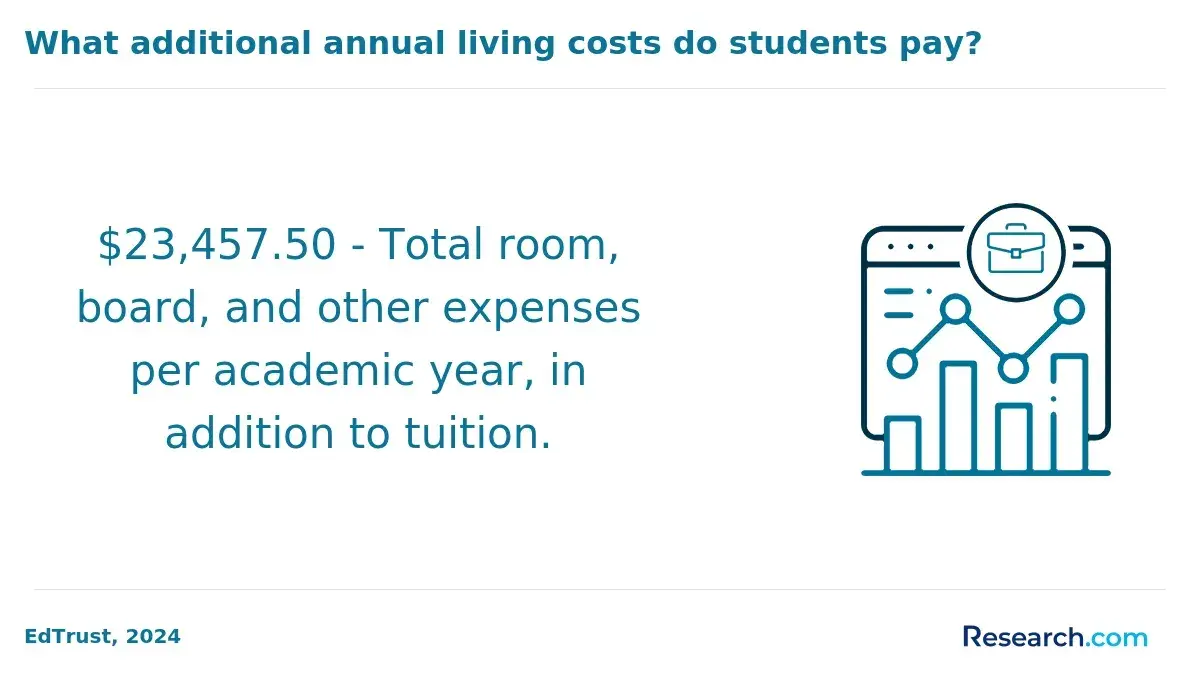
Financially, most online MLIS programs cost under $25,000 with average graduate borrowing near $20,000, below typical U.S. graduate debt levels. Shorter programs reduce debt burden but require rigorous resource management. A mid-career librarian balancing work and study might prioritize part-time pacing despite longer timelines, while a career changer aiming to pivot quickly must consider whether accelerated pacing's demands fit their circumstances.
Decision-makers should assess how program length affects not only immediate costs and workload but also long-term employability and promotion prospects. Graduates who stretch beyond standard pacing risk falling behind technologically and professionally, challenging sustained relevancy in public libraries, archives, and information services.
How much do online LIS degrees cost?
The financial commitment for online library & information science (LIS) graduate programs generally spans $15,000 to $45,000, heavily influenced by institution type, credit load, and residency status. Public universities typically charge $500 to $1,200 per credit for in-state students, whereas out-of-state and private rates often approach $1,500 or higher per credit. This cost structure demands strategic budgeting by working professionals who must also account for additional expenses like technology fees, digital resource access, and exam proctoring costs.
Programs that integrate competencies such as digital librarianship, data analytics, and user experience-skills increasingly sought by employers-often come at a premium. For example, Wisconsin's online MA in LIS exemplifies curricula aligning tightly with market needs, which may yield faster ROI through roles emphasizing UX and data analytics. Such specialization often differentiates candidates within digital information management sectors.
Decision-making around program format and cost must consider opportunity costs. Full-time workers might accept higher per-credit fees in exchange for asynchronous, part-time programs that preserve income continuity. In contrast, those newly entering the field may prefer accelerated schedules requiring upfront investment but enabling quicker credential completion. Federal financial aid and employer tuition support are critical factors but hinge on enrollment status and accreditation recognized by hiring organizations.
What jobs can you get with a library and information science degree?
The evolving demand for library and information science expertise favors graduates with specialized skills in digital curation, metadata, and data governance, especially in government, healthcare, legal, and corporate sectors. A practical consideration for prospective students is that program specialization often determines which roles they can access, as many online MLIS programs now offer focused tracks in archival studies, data science, and digital curation. These niches correspond to job titles such as digital archivist, records manager, and information governance analyst, which command higher median salaries often exceeding $70,000 annually.
Operational roles include research data librarians handling university datasets, digital asset managers controlling media files, and knowledge management specialists aiding consulting firm decisions. In healthcare, graduates apply library science principles to manage patient data compliance and EHR systems. Employers increasingly expect proficiency in technologies like AI-driven indexing and blockchain for data integrity, creating continuous skill renewal demands beyond degree completion.
Students should weigh tradeoffs between traditional librarian entry points, which tend to offer lower initial pay and limited tech integration, against data-centric roles requiring ongoing technical uptake but providing better compensation and growth. Navigating privacy laws and intellectual property issues further complicates these paths.
What is the salary outlook for library and information science graduates?
Salary outcomes for graduates with library and information science degrees increasingly depend on sector and technical skill level rather than traditional benchmarks. For example, entry-level roles in public libraries typically offer $55,000 to $65,000 annually, limited by public budgets and slower advancement paths. In contrast, positions in IT, corporate knowledge management, or international organizations often start above $75,000, reflecting the premium placed on digital literacy, data management, and information architecture expertise.
This disparity requires prospective students to assess their willingness to navigate competitive private or tech-driven environments versus more stable but financially capped public roles. A graduate moving into corporate knowledge centers must demonstrate advanced technical adaptability, balancing higher salary prospects against steeper expectations.
Key factors influencing salary include:
- Competency in analytics and digital tools, which drive significant salary premiums
- Sector-specific demands, with media and international roles offering dynamic growth opportunities starting near $65,000
- The tradeoff between salary growth and job competition or skill requirements
Strategic continuing education targeting technical proficiencies is essential for graduates to achieve higher wage tiers. The evolving job market demands that library and information science degrees be aligned with technology-forward roles outside traditional libraries, underlying the necessity for informed, practical career positioning.
How do you choose a reputable online LIS program?
Accreditation by the American Library Association (ALA) remains a non-negotiable credential for candidates aiming to enter public libraries, archives, or information centers, as hiring managers consistently require it. Still, a program's curriculum alignment with the applicant's targeted role drives practical value. For example, programs incorporating data analytics, digital curation, or UX prepare graduates for technical positions with median salaries exceeding $100,000, compared to roughly $55,000 in traditional public library roles based on 2026 MLIS alumni data.
Deciding where to enroll hinges on nuanced tradeoffs involving curriculum content, format flexibility, and support services. Candidates shifting mid-career into data management roles benefit from programs with applied analytics projects and mentorship in information science technology. Conversely, public librarian aspirants should prioritize community engagement and cataloging-focused coursework, recognizing these emphases directly influence employability and career trajectory.
Beyond coursework, strong career services and active alumni networks correlate with improved hiring outcomes. Prospective students must also evaluate state licensing or certification requirements if planning regulated settings. Finally, comparing tuition costs against financial aid availability and expected income growth is essential, especially when targeting higher-paying data-centric LIS paths.
Other Things You Should Know About Library & Information Science
The value of a library and information science degree depends on your career goals and the specific jobs you target. For roles in public and academic libraries, a degree is often mandatory, and it signals professional credibility to employers. However, in emerging digital information roles, practical experience with data management tools and technology can sometimes outweigh formal education. Prioritize programs that balance theory with applied skills and offer strong practicum or internship options to maximize career returns.
Choosing a specialization can sharpen your expertise and improve employability in competitive subfields like digital archives, data curation, or information technology management. Specializations require additional coursework and may limit flexibility if you later decide to pivot within information science. Select a focus area only if it aligns with clear job market demand and your long-term career plan; otherwise, a broad-based degree offers more adaptability across library and information roles.
Employers in library and information science increasingly accept online degrees if they come from accredited institutions with respected faculty and rigorous curricula. The critical factor is how well your degree prepared you for real-world tasks like cataloging, reference services, or digital resource management. Programs that incorporate hands-on experiences and opportunities to build portfolios or complete internships provide stronger evidence of readiness than purely theoretical online courses.
Online library and information science programs demand significant self-discipline since much of the learning is self-directed with asynchronous schedules. Balancing coursework with work or family requires strong time management, especially when assignments involve complex research projects or practical portfolio development. Prospective students should prioritize programs with well-structured support services and clear deadlines to reduce the risk of falling behind.
References
- Compare the Fastest MLIS Degree Programs | Find a Fast MLIS Program https://www.mastersinlibraryscience.org/resources/fastest/
- Introduction to Library and Information Science | Free Course | Alison https://alison.com/course/introduction-to-library-and-information-science
- 2025's Most Affordable Library Science Degrees (MLIS) Online https://librarysciencedegreesonline.org/affordable-library-science-programs/
- Tuition + Finance https://www.ualberta.ca/en/school-of-library-and-information-studies/admissions/tuition-fees.html
- Salary Expectations and Career Growth in Library Science https://www.librariancertification.com/salary-expectations-and-career-growth-in-library-science/
- 2025 Best Online MLIS Programs that are ALA Accredited https://www.librarysciencedegrees.org/programs/online/best-mlis-ala-accredited
- Explore Librarian Salary, Jobs, and Careers in Library Science https://teach.com/online-ed/education-degrees/online-masters-library-science/librarian-careers/
- 2025 Most Affordable Online Master's Degrees in Library Science https://www.onlineu.com/most-affordable-colleges/library-science-masters-degrees
- Bachelor of Information Science (Library Management) (Hons.) https://unisel.edu.my/program-post/bachelor-of-information-science-library-management-honours/
- Online vs. On-Campus Library and Information Science Programs in India https://lis.somaiya.edu/en/blog/online-vs-on-campus-library-and-information-science-programs-in-india/