2027 Online Marketing Degrees With Strong Paid Media Training

Co-Founder and Chief Data Scientist
Choosing an online marketing degree with strong paid media training often confronts candidates with a critical dilemma: balancing program flexibility against the depth of hands-on experience needed to meet evolving employer expectations. The National Center for Education Statistics reports a 7% rise in adult enrollment in fully online undergraduate and graduate programs since 2023, signaling a shift toward education that accommodates working professionals. Yet, this trend magnifies concerns about programs that prioritize convenience over rigorous training in platforms like Google Ads and programmatic buying, skills crucial for immediate career impact. This article evaluates such degrees, helping prospective students identify programs that optimize both flexibility and practical paid media proficiency.
Key Things You Should Know
- Only 28% of 2024 online marketing degrees with paid media modules require internships, reducing hands-on experience critical for agency readiness, forcing candidates to pursue costly external certifications to meet employer expectations per NACE data.
- Employers prioritize graduates demonstrating advanced data-driven campaign analysis skills; however, just 35% of programs integrate real-time analytics software training, creating a persistent skill gap that delays entry into senior marketing roles.
- Median tuition for online marketing degrees with paid media focus rose 12% between 2022-2024, outpacing industry salary growth, pressuring mid-career pivots who must weigh debt accumulation against uncertain ROI within rapidly evolving ad tech landscapes.
What is an online marketing degree with a paid media focus, and who is it best for?
Paid media specialization in an online marketing degree targets candidates prepared for precise operational roles managing digital ad budgets and campaign analytics. Amid soaring U.S. digital ad spending-nearing $264 billion and about 75% of overall ad investment-employers demand proficiency in tools like Google Ads and expertise in measuring and optimizing ROAS. This focus makes such programs appropriate for professionals pivoting from traditional marketing or unrelated fields who need a sharply defined curriculum emphasizing conversion tracking, audience segmentation, and media buying rather than broad marketing theory.
Unlike generalist marketing degrees, paid media programs confront students with real-world challenges such as rapid platform changes and the necessity to quickly master advanced attribution models and data analytics software. Key practical hurdles include securing internships with actual ad budgets to develop employer-ready portfolios and recognizing that mid- to senior-level roles often require supplemental certifications like Google Ads or Meta Blueprint to meet industry standards.
Working professionals aiming at digital roles in e-commerce, SaaS, or agencies must commit to ongoing skill upgrades to sustain relevance in a fast-evolving field. For those exploring strategic options, comparing specialized pathways remains critical; for instance, a well-structured one year online MBA entrepreneurship might provide broader leadership foundations beyond the paid media niche.
The best online marketing programs for paid media careers balance intensive technical training with practical experience, enabling graduates to transition effectively into data-driven campaign management and strategy roles under competitive labor market conditions.
How do online marketing programs teach paid media differently from traditional campus programs?
Online marketing programs focusing on paid media training techniques offer a distinctly practical approach compared to traditional marketing degrees. They prioritize real-time data analysis, campaign management using platforms like Google Ads and Facebook Business Manager, and rapid adaptation to platform algorithm changes-skills increasingly demanded by employers. For example, e-commerce marketers need to respond instantly to shifting budgets and A/B test outcomes, while B2B sectors require nuanced targeting based on complex data. Such hands-on exposure is difficult to replicate in traditional campus programs, which often emphasize theoretical models over agile, technology-integrated training.
Differences in paid media instruction between online and traditional marketing degrees extend to curriculum flexibility and professional relevance. Online formats support modular updates reflecting current platform changes and privacy regulations, which campus curricula cannot revise as swiftly. Moreover, managing live campaigns with actual budgets prepares students for workforce realities, where demonstrable ROI and platform proficiency directly impact hiring decisions. However, this comes with tradeoffs: online learners must maintain self-discipline without in-person mentorship, a benefit of traditional programs.
Prospective students evaluating their options should consider these operational contrasts alongside workforce projections, as marketing manager employment is expected to grow 6% between 2022 and 2032 with around 34,000 annual openings focused on digital skill sets. Those interested in accelerating their learning may explore specialized pathways like a fast track construction management degree, which shares similar modular, applied learning principles useful across fields.
What paid media skills and tools will you learn in an online marketing degree?
Mastering paid media campaign management skills requires more than theoretical knowledge; success hinges on practical application and navigating real-world dynamics. Students gain experience with platforms like Google Ads, Facebook Ads Manager, and programmatic DSPs-tools critical for campaign strategy, audience targeting, and budget allocation. For example, a retail brand that adjusts bids leveraging geographic and demographic insights acquired through such training can boost return on ad spend (ROAS) by 20% within months.
Training also includes digital advertising tools training focused on analytics platforms like Google Analytics and SEMrush, which enable marketers to refine campaigns by evaluating performance metrics. Instruction on A/B testing is essential, providing a framework for systematically assessing creative assets and landing pages to reduce wasteful spend in live environments.
Curricula cover a range of formats including paid search, native ads, display advertising, and emerging channels like TikTok and connected TV. Students also learn automation and CRM integration to manage lead nurturing and quantify customer lifetime value-skills vital in B2B and e-commerce marketing funnels. Graduates confront ongoing challenges such as algorithm updates and privacy regulations that affect targeting precision, requiring continual adaptation.
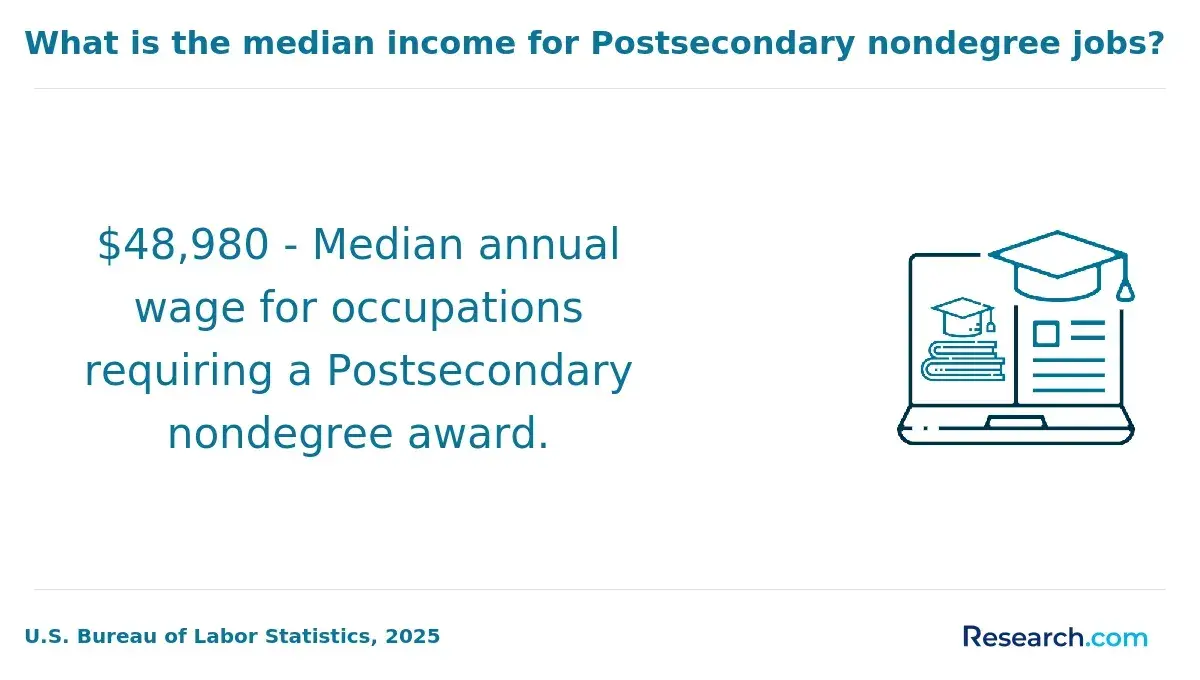
These programs align with workforce realities where median salaries reach $138,730 for advertising and marketing managers and $80,730 for specialists managing digital campaigns, according to Bureau of Labor Statistics data cited by Intelligent.com. For those considering adjacent fields, exploring a construction management degree offers a different operational and strategic skill set worth comparing.
How can you tell if an online marketing program with paid media training is accredited and reputable?
Employer recognition hinges primarily on whether an online program holds regional accreditation recognized by the U.S. Department of Education or the Council for Higher Education Accreditation. For students pursuing accredited online marketing degree programs with paid media training, this distinction affects access to federal financial aid and the value of the credential in recruitment scenarios. Degrees lacking regional accreditation often limit graduates' competitiveness, especially in digital marketing roles where hiring managers prefer candidates from rigorously vetted institutions.
Reputable online marketing courses focusing on paid media skills must balance foundational knowledge with applied expertise. Course content transparency and instructor credentials-such as industry certifications in Google Ads or Facebook Blueprint-are indicators of practical readiness. Without demonstrable proficiencies in paid media tactics like PPC and data analytics, graduates risk falling short in performance-driven job markets.
Programs that disclose graduate placement rates and employer relationships provide more reliable signals of career alignment. This transparency enables candidates to gauge potential return on investment and anticipate workforce realities. Annual tuition averaging about $10,473 online reflects a notable cost saving compared to hybrid or on-campus alternatives, but this advantage diminishes if career support and paid media training are inadequate.
For those comparing pathways, consider institutional credibility alongside curriculum quality and graduate outcomes. This approach aids in avoiding programs that command higher prices without commensurate employability benefits.
More specialized considerations can be found in similar analyses, such as on online health information management degree programs CAHIIM accredited, where accreditation drives both educational and professional standards.
What types of online marketing degrees offer the strongest paid media concentrations?
Degree programs explicitly focused on paid media within marketing offer a tangible advantage for roles requiring mastery of platform-specific ad tools and data-driven budgeting. Students in such tracks engage directly with systems like Google Ads and Facebook Business Manager, building competencies aligned with hiring managers' demands for measurable campaign ROI. In practical terms, this translates to greater readiness for positions such as digital campaign manager or media strategist, where real-time decision-making and analytics are daily tasks.
Business schools or communication colleges embedding internships or project-based assignments replicate actual industry budgeting scenarios, which are indispensable for skill application in retail or B2B paid media contexts. For instance, scenario modeling of budget allocation differences between sectors allows students to understand the nuances that significantly affect campaign outcomes.
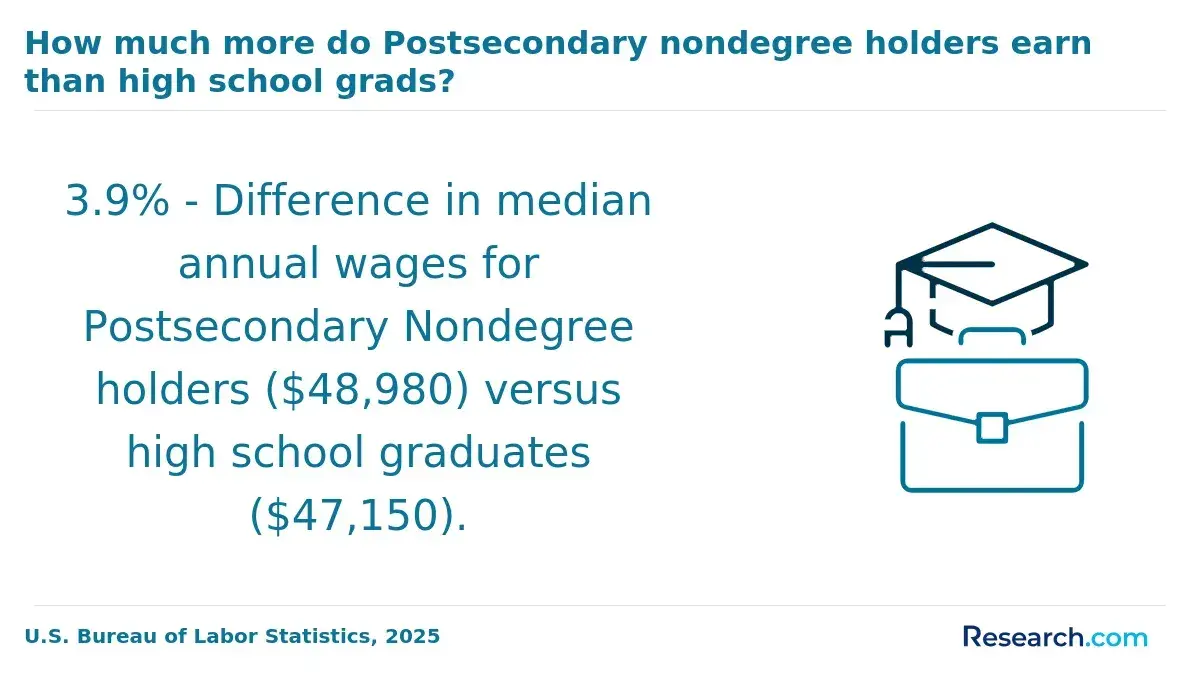
In financial terms, holding a bachelor's degree with an embedded paid media focus correlates with a median annual salary approximately $24,000 higher than individuals without postsecondary credentials, as reported by the Bureau of Labor Statistics via OnlineColleges.net. This wage premium underscores employer preference for verifiable paid media expertise.
However, programs with a wider digital marketing scope might sacrifice depth in paid media to support broader career flexibility in areas like SEO or content marketing. Students must weigh the benefits of specialized paid media immersion against such versatility based on their targeted career paths.
What core courses and specializations in online marketing programs focus on paid media strategy and optimization?
Paid media strategy courses in online marketing degrees emphasize actionable skills in data-driven campaign design, platform-specific ad management, and performance analytics. Students gain practical expertise in audience segmentation, bidding algorithms, and channel budget allocation, notably across Google Ads, Facebook, and programmatic platforms.
Specializations such as paid search marketing and programmatic advertising focus on setting KPIs, running A/B tests, and optimizing click-through rates. For instance, mastering real-time automated bidding in programmatic auctions is essential in fast-moving sectors like e-commerce, where response times directly affect ad spend efficiency.
Employers increasingly expect proficiency in integrated tools like Google Analytics 4 and Facebook Business Manager, alongside skills in marketing automation and data visualization. Programs tailored to working professionals also address regulatory compliance and evolving privacy standards, essential for campaign integrity.
A notable challenge is understanding cross-channel attribution models through industry-specific case studies. This is critical for optimizing campaigns that span devices and sales cycles, impacting customer lifetime value differently in B2B versus direct-to-consumer settings.
The expanding global digital marketing courses market, projected from $1.46 billion in 2025 to $4.85 billion by 2034 at a 14.22% CAGR, pressures programs to continually update curricula with algorithm changes and new ad formats to maintain graduate employability amid intensified competition.
What are the typical admission requirements for online marketing degrees emphasizing paid media?
Admission for online degrees focusing on paid media demands more than basic academic readiness; it hinges on measurable digital proficiency and real-world adaptability. Most undergraduate programs require a high school diploma and a minimum GPA near 2.5 to 3.0. Graduate candidates typically present a bachelor's degree in Marketing, Business, or related fields, along with professional references and statements aligned with paid media strategy objectives. Standardized test scores are increasingly optional for working professionals or transfers.
The hiring landscape reflects heavy investment in digital channels-over 70% of paid marketing budgets at institutions charging above $40,000 annually-raising expectations for applicants to show competence with platforms like Google Ads, Facebook Ads Manager, and analytics tools. Those lacking direct experience or software fluency typically face a steeper learning curve unless they pursue preparatory certifications or practical roles prior to admission.
Admission committees favor applicants who combine theoretical understanding with hands-on execution capabilities. This often means candidates pivoting careers should supplement academic credentials with third-party digital marketing certificates and strengthen quantitative skills to remain competitive against business-background peers.
Practical considerations include:
- Demonstrated digital literacy and data analysis skills are crucial.
- Resumes highlighting relevant marketing work improve prospects.
- Preparatory coursework or certificates compensate for limited platform experience.
Failing to meet these standards increases the risk of delay or rejection, underscoring the importance of strategic preparation when targeting paid media roles through online Marketing degrees.
How long do online paid media-focused marketing degrees take, and what do they cost?
The decision to pursue an online paid media-focused marketing degree must weigh total time investment against tangible career outcomes. Programs typically require 18 to 24 months, though accelerated tracks shorten this to about 12 months with a significantly heavier weekly workload, often impractical for full-time employees. Total tuition costs vary widely-averaging $12,596 annually at public institutions and $28,017 at private universities-resulting in overall expenses ranging roughly from $20,000 to $56,000 depending on credit requirements and institutional prestige.
For example, a marketing manager shifting toward paid media strategy at a public university might allocate close to two years and $25,000 in tuition alone, excluding ancillary fees and materials. The upfront financial and time commitments are high but can be recouped over a few years given that marketing managers earn a median salary of $138,730 annually, especially when transitioning into digital roles with premium pay.
However, prospective students must balance opportunity costs, employer acceptance of online credentials, and the necessity of integrating hands-on paid media practice within their coursework. Employers prioritize candidates with measurable results and tool fluency over purely credentialed applicants.
What careers, job titles, and industries can you pursue with strong paid media training?
Paid media training drives roles that blend technical platform expertise with strategic budget management, typically within digital marketing, advertising, and brand management sectors. Employers in fields like e-commerce, SaaS, healthcare, and consumer packaged goods seek professionals adept at managing significant budgets on tools such as Google Ads and Facebook Ads Manager while delivering measurable ROI. For example, healthcare advertisers must expertly navigate compliance frameworks amid rising patient acquisition campaigns.
Job titles in this space-Paid Media Specialist, PPC Analyst, Media Buyer-reflect demands for cross-channel skills including programmatic buying and geo-targeting. However, entry-level roles can stagnate without continuous skill development in AI-powered bidding and automation, as the technology landscape evolves rapidly. Candidates with short-form paid media certifications often access opportunities faster than those pursuing longer degree paths, underscoring the market shift toward practical, verified competencies.
Industries with complex customer journeys, such as real estate and automotive, emphasize retargeting efficiency to optimize lead funnels, while large agencies require paid media generalists to balance diverse client goals and results metrics. Navigating this environment requires clear decisions about specializing in analytics, creative strategy, or media buying itself, each with distinct career implications and skill maintenance needs.
The digital marketing courses market projects robust growth, reflecting employer preference for specialized certifications over traditional academic credentials in many cases. Professionals should weigh these practical tradeoffs carefully, especially in sectors where rapid adaptation to new ad ecosystems determines long-term employability.
What is the salary potential and job outlook for marketing roles specializing in paid media?
Paid media roles in marketing demonstrate a clear link between specific skills and salary growth, with median incomes between $60,000 and $90,000 depending on seniority, sector, and location. The U.S. Bureau of Labor Statistics projects that positions such as digital advertising managers and PPC specialists will expand by 10% or more through 2032, outsizing many traditional marketing roles. This growth ties directly to increasing reliance on platforms like Google Ads and Facebook Ads alongside programmatic media buying.
Employers consistently emphasize measurable results-candidates must show how their paid media expertise translates to return on investment and strategic ad spend decisions. For example, an entry-level paid media coordinator at a mid-sized retailer might begin near $55,000, but effective campaign management and spend optimization can push this past $80,000 within five years. Freelance roles present income variability based on client load and contract complexity.
Success in paid media also hinges on complementary skills including SEO and content marketing, which enhance job resilience. Prospective students must weigh tuition costs-typically $9,000 to $16,000 annually for accredited online bachelor's marketing programs, or lower-cost alternatives near $5,000 to $7,000-against the practical return on investment from these programs, factoring in employer preferences for certification paired with digital ad experience.
Other Things You Should Know About Marketing
Yes. Many 2027 online marketing programs require a capstone, client simulation, or portfolio review in the final term. These projects usually collect 9 to 12 credits and document skills in Google Ads, Meta Ads, campaign planning, budget allocation, and performance reporting.
Employer acceptance varies greatly by program reputation and curriculum relevance rather than delivery mode alone. Degrees from well-established, accredited institutions that offer hands-on paid media experience and up-to-date tools maintain credibility. Candidates should prioritize programs emphasizing portfolios, case studies, and certifications alongside the degree to enhance practical credibility, as employers increasingly demand demonstrable skills over formal credentials alone.
Yes, certifications from platforms like Google Ads or Facebook Blueprint integrated into the curriculum provide tangible proof of competence valued by employers. Programs that embed certification exam preparation reduce additional time and costs post-graduation, enhancing employability immediately. Prioritizing these offerings aligns academic credentials with industry standards, making graduates more competitive and better prepared for real-world paid media challenges.
References
- Types of Marketing Degree Specialization - Best Marketing Degrees https://www.bestmarketingdegrees.org/types-marketing-degree-specialization/
- How Long Does It Take to Learn Digital Marketing Completely? https://blog.nobledesktop.com/learn/digital-marketing/how-long-do-digital-marketing-courses-take
- CourseCareers https://coursecareers.com/blog-posts/how-digital-marketing-courses-teach-skills
- Digital Marketing Major https://www.kozminski.edu.pl/en/digital-marketing-major
- Online Marketing Courses in 2026: Best Picks & Full Guide https://www.thehorizonsunlimited.com/blog/online-marketing-courses
- Tuition-Free Distance Learning Program in Marketing - UNYBT https://unybt.com/tuition-free-marketing/
- What is a Paid Media Manager? - Career Insights | Teal https://www.tealhq.com/career-paths/paid-media-manager
- Digital Marketing Degree at University of Advancing Technology https://www.uat.edu/digital-marketing-degree
- 10 Best Online Digital Marketing Courses (Free & Paid) https://creativeclicks.com/blog/the-10-best-online-courses-on-digital-marketing-free-and-paid/
- Navigating Online Program Marketing in a Sea of Change | Carnegie https://www.carnegiehighered.com/online-program-marketing-without-opms/