2027 Online Marketing Degrees With Long-Term Career Stability in Marketing

Co-Founder and Chief Data Scientist
Marketing professionals often face the challenge of balancing career advancement with ongoing education, especially when traditional programs demand rigid schedules. A 2024 report from the National Center for Education Statistics shows a 27% increase in adults enrolling in online degree programs, signaling a shift toward flexible learning that accommodates working students. This trend reflects deeper labor market dynamics where employers prioritize skills adaptability and continuous learning over time-intensive credentials. Selecting online marketing degrees with proven long-term career stability requires navigating program quality, accreditation, and alignment with evolving industry demands. This article evaluates current online marketing degrees to help candidates make informed decisions that enhance career resilience and growth.
Key Things You Should Know
- According to the U.S. Bureau of Labor Statistics 2024, marketing degree holders face a 12% employment growth, but saturation in digital marketing specialties inflates competition, forcing candidates to prioritize niche skills over broad curricula, impacting long-term job security.
- Employers increasingly demand proficiency in data analytics and AI-driven campaign tools reviewed in 2024 Deloitte surveys, raising the barrier for degree programs lacking integration of these competencies and influencing hiring outcomes significantly.
- Rising tuition costs averaging 5% annually by the National Center for Education Statistics restrict access to advanced marketing degrees, compelling many to choose shorter certifications, which truncate theoretical foundations critical for career advancement beyond entry-level roles.
What are online marketing degrees?
Online marketing degree programs with career stability often hinge on the practical application of technology-driven marketing tools and strategic analysis. Unlike broader business degrees, these programs equip students with actionable skills such as search engine optimization, campaign analytics, and social media management-tools that directly align with immediate labor market requirements.
For instance, a graduate working in retail marketing might apply data analytics training to fine-tune promotions based on actual customer purchasing behavior, enhancing both engagement and conversion rates.
Employer demand emphasizes a blend of technical proficiency and strategic insight. Marketing roles increasingly require candidates who can not only interpret data but also adjust campaigns dynamically in response to evolving digital environments. This reality shapes the necessity for flexible online programs that accommodate working professionals while maintaining managerial rigor.
Forecasts from the U.S. Bureau of Labor Statistics project a 6% growth in advertising, promotions, and marketing managerial positions over the next decade, with approximately 36,400 openings annually. This underscores the sustained need for individuals who can navigate the accelerating digital transformation influencing marketing priorities.
Students seeking the best online marketing degrees for long-term job security should scrutinize program accreditation, faculty expertise, and curriculum relevance, integrating hands-on tools alongside emerging technologies to avoid credential obsolescence within five years. Career services and alumni networks also play critical roles in competitive sectors like technology and consumer goods.
For a comparative perspective on degree programs, individuals often explore options like a bachelor of business administration online to weigh foundational versus specialized marketing education.
Which marketing programs are properly accredited?
Employers in the marketing field prioritize degrees from regionally accredited institutions, typically recognized by entities like the Middle States Commission on Higher Education or the Higher Learning Commission. This accreditation directly influences hiring decisions by validating curriculum quality and faculty expertise. Candidates holding regionally accredited marketing degrees generally face fewer barriers in recruitment, especially compared to degrees without formal accreditation.
Additional specialized accreditation, such as from the Accreditation Council for Business Schools and Programs (ACBSP), can further differentiate online marketing degrees. Though the Association to Advance Collegiate Schools of Business (AACSB) is prestigious, its stringent standards make it less common for fully online programs. In contrast, ACBSP accreditation offers a practical benchmark for teaching excellence and alignment with industry demands.
For working professionals, such as a mid-career individual shifting to digital marketing analytics, attending a program with both regional and specialized accreditation enhances employability and protects against wasting time and funds on less recognized credentials. The difference in recruitment outcomes between accredited and non-accredited programs is often substantial.
The National Center for Education Statistics notes that tuition for fully online bachelor's marketing programs averages $10,473 annually, about 38% less than on-campus or hybrid alternatives priced near $16,941. This cost advantage improves return on investment but must be weighed alongside accreditation status, as employers critically assess the legitimacy of online degrees.
Prospective students should also explore related fields, including online human resource management masters programs, which may offer complementary skill sets valuable in marketing roles.
Choosing truly accredited online marketing degree programs requires balancing cost savings with proven quality indicators to ensure long-term career stability.
Are online marketing degrees respected by employers?
Employers recognize online marketing degrees from accredited programs when graduates demonstrate relevant, verifiable skills and measurable outcomes. While a 2025 study in the Journal of Education and Human Development reported that holders of online marketing degrees maintained employment 7.1% longer over a decade despite a 3.9% adjusted income gap, hiring managers increasingly judge candidates by practical results rather than degree delivery mode.
This dynamic reflects shifting employer perception of online marketing qualifications, especially in roles focused on digital marketing analytics or content strategy, where remote collaboration and technological proficiency align with distributed team models.
However, biases remain in sectors reliant on in-person networking, such as legacy brand management, where physical campus experience can weigh more heavily. Prospective students must evaluate programs based on specialization options, live project involvement, and alignment with industry tools rather than convenience alone. To mitigate employer skepticism, supplementing an online degree with internships, portfolios, and ongoing certifications is prudent.
Job seekers aiming for adaptability in fast-paced marketing environments should carefully weigh the tradeoff between a modest income gap and longer employment stability. Employers now focus on performance metrics over format, making skill demonstration crucial for success in marketing careers.
Those interested can also explore comparative credentials such as finance degrees to understand divergence in employer valuation across fields.
What courses are included in a marketing degree?
Marketing degree core courses content typically centers on analytical and strategic skills essential for employer readiness, including digital marketing, consumer behavior, market research, and brand management. These core areas enable students to segment markets and tailor campaigns effectively. Practical training in data analytics and marketing technology tools like Google Analytics and CRM platforms is increasingly non-negotiable in aligning academic outcomes with workforce demand.
Long-term career skills in marketing programs benefit from specialized electives that build practical adaptability across sectors such as retail, technology, and healthcare. For instance, mastering B2B technology marketing approaches differs significantly from consumer goods branding tactics, emphasizing the importance of program selection aligned with intended industry outcomes.
Quantitative training in statistics and economics sharpens evidence-based decision-making, while legal and ethical instruction in consumer data privacy addresses essential compliance risks, often overlooked in less rigorous curricula.
Marketing Week's 2025 Career & Salary Survey indicates 71.2% of marketers found their marketing qualification advanced their careers, yet 22.6% reported no impact, typically reflecting insufficient applied skills or technological exposure in their programs.
Prospective students should scrutinize program balance between theory and hands-on learning, including internships or project-based opportunities, to navigate evolving employer expectations effectively. This strategic approach mitigates friction points common in career pivots or advancements within marketing.
For related considerations on practical, accredited online programs, exploring options like the CAHIIM accredited health information management degree online may provide insight into structured, outcome-focused educational pathways.
What are the admission requirements for online marketing programs?
Online marketing degree programs in 2026 commonly require applicants to hold a high school diploma or its equivalent, with many insisting on official transcripts to verify academic credentials. Admission criteria often include demonstrated proficiency in math, English, and introductory business courses, reflecting marketing's analytical demands. While some programs still request SAT or ACT scores, there is a clear trend toward holistic evaluations that emphasize relevant work experience and extracurricular activities over standardized testing.
Applicants with professional marketing experience can leverage credit-for-experience options, particularly at a social media marketing university, significantly shortening program duration and reducing costs—an important consideration for working adults making strategic career shifts. A personal statement outlining career goals is typically required, giving admissions committees insight into applicant motivation and program fit.
Practical submissions, such as digital portfolios of marketing campaigns, may influence admission or advanced placement decisions. International candidates must provide verified English proficiency via tests like TOEFL or IELTS. Unlike traditional on-campus degrees, online marketing programs generally impose fewer geographical constraints but expect reliable internet connectivity and some level of digital competency assessed through readiness surveys.
Given the U.S. Bureau of Labor Statistics reported a median marketing manager salary of $161,030 in 2024, rigorously meeting these criteria is essential for timely and successful enrollment, which directly affects access to higher-earning roles. Overlooking requirements can delay entry and limit program choice, thus impacting long-term career stability in marketing management.
How long does an online marketing degree take?
The decision to pursue an online marketing degree requires weighing the value of program length against the depth of skills acquired and market demands. Associate degrees can expedite entry into roles like social media specialist within about two years, but may limit exposure to strategic competencies expected in expanding digital marketing fields. Bachelor's degrees, generally four years, equip students with broader and deeper expertise suited for positions such as digital marketing strategist, though at the cost of longer time investment.
Part-time or accelerated formats appeal to working professionals but require disciplined time management and may restrict opportunities for networking and hands-on immersion. Employers increasingly prioritize candidates who demonstrate practical skills in areas emphasized by the World Economic Forum, including digital transformation and e-commerce, often gained through internships or capstone projects integrated into programs.
Students with prior relevant credits can shorten completion time through credit transfer or competency-based pathways, while newcomers should realistically allocate the full duration to build essential foundational knowledge. Key tradeoffs include:
- Accelerated paths saving time but potentially reducing experiential learning critical for client-facing roles
- Traditional durations allowing comprehensive skill development but delaying workforce entry
Choosing a program requires balancing these factors with career goals and employer expectations centered on measurable digital proficiencies rather than degree possession alone.
How much do online marketing degrees cost?
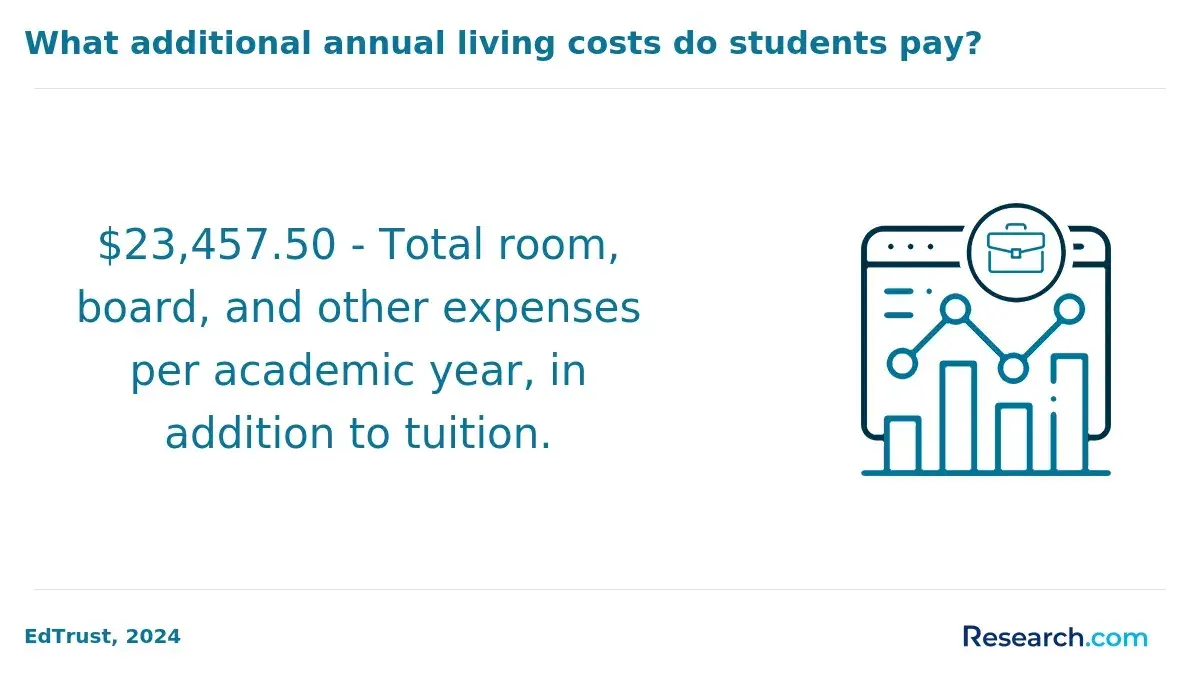
The financial commitment for online marketing degrees varies widely, with accredited associate degrees starting near $10,000 and bachelor's programs at prominent universities often surpassing $60,000. Master's degrees generally exceed $30,000. This cost spread influences not only student debt but also the potential return on investment and long-term stability in marketing careers.
Choosing a program requires assessing more than tuition:
- Technology and course material expenses can add several hundred dollars per term.
- Employer tuition assistance may offset costs but is often limited by company policy and degree type.
- Remote work availability for marketing roles, noted between 10-14% nationally per Q2 2025 Robert Half data, makes online degree options practical for geographic flexibility.
For professionals looking to pivot or advance in mid-career, affordable online bachelor's completion programs from public institutions can bridge skill gaps without excessive debt, particularly when these degrees emphasize career services and strong employer connections.
Conversely, expensive private degrees might offer brand recognition but require careful consideration relative to expected salary increments and job placement success. Candidates are advised to evaluate accreditation, graduation rates, and measurable job outcomes rather than relying on school prestige alone, focusing on alignment with employer expectations and workforce trends favoring tested remote and hybrid marketing roles.
What marketing jobs can you get with this degree?
A bachelor's degree in Marketing opens access to roles requiring a blend of strategic insight and data proficiency, each with distinct operational demands and market expectations. For example, a market research analyst leverages quantitative analysis to shape product development across sectors like retail and pharmaceuticals, directly influencing business outcomes.
Digital marketing specialists engage frequently with live campaign data to optimize SEO, PPC, and social media spend, requiring agility with real-time analytics tools. Leadership roles such as brand or product marketing managers demand cross-functional coordination and creative leadership, especially in technology or consumer goods industries where differentiation is revenue-critical.
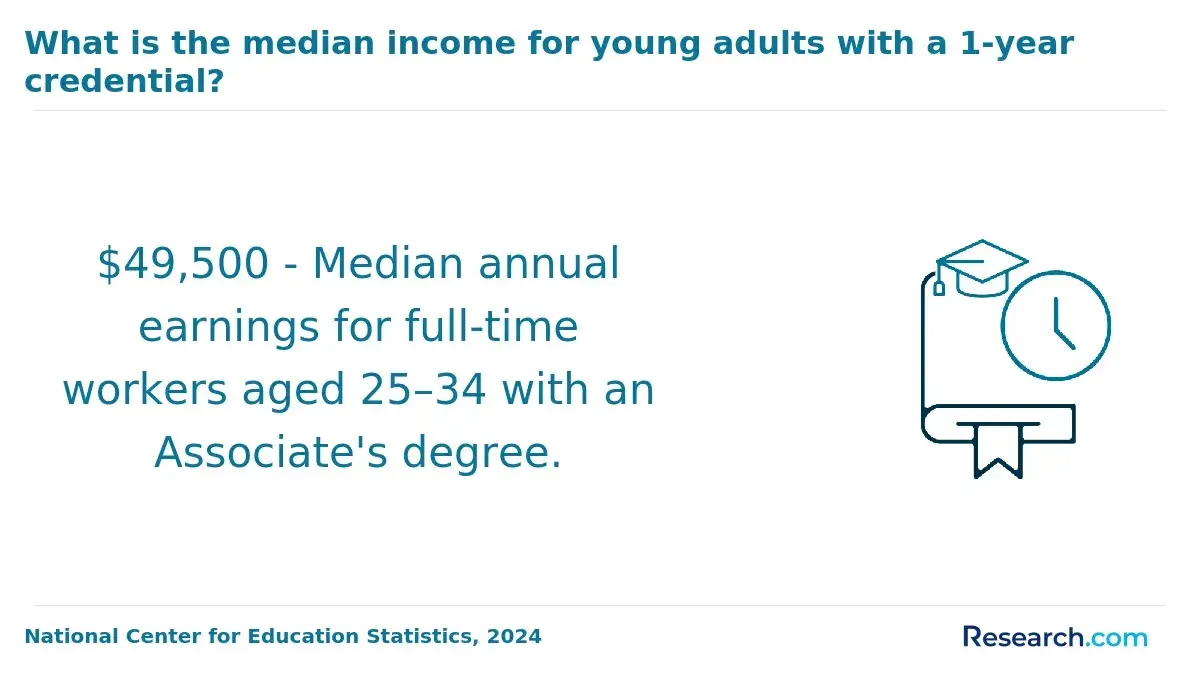
Employers typically expect degree holders to possess foundational strategic skills, though specialized positions (e.g., SEO analyst) may emphasize certifications over formal degrees. Economic data from the U.S. Bureau of Labor Statistics highlights a tangible earnings advantage: bachelor's degree marketers average $1,543 weekly earnings versus $1,099 for associate degree holders and $930 for high school graduates.
- Skill application aligned with employer needs in data analysis, digital competency, and campaign management is critical.
- Graduates should prioritize programs offering clear pathways to immediate employment rather than delayed returns.
- Sector shifts are possible but rely on targeted strategic capabilities encompassing market and regulatory nuances.
However, entry-level salaries often start lower, necessitating continuous credentialing and relevant experience for progression. Healthcare marketing introduces regulatory complexities demanding ongoing education and adaptability.
What salaries do marketing degree graduates earn?
Starting salaries for marketing degree holders in 2026 typically range from $45,000 to $60,000, heavily influenced by industry sector and geographic location. Early-career roles such as advertising and marketing associate positions report median wages near $48,000, climbing to $70,000 within five years when candidates demonstrate quantifiable results and expand technical expertise. A 35% placement rate in these core roles 15 months after graduation signals a competitive entry point but also underscores the necessity of targeted skill development to advance.
Those pursuing sales, public relations, or business development roles may face starting salaries between $40,000 and $55,000, contingent on company size and market segment. Moving into specialized roles-like digital marketing manager or market research analyst-can elevate median salaries beyond $85,000 after several years, but this progression demands continual acquisition of data analytics capabilities, performance marketing tools, and strategic communication proficiency.
Geographic salary disparities present another tradeoff: higher pay in metropolitan areas often accompanies increased living costs, which may offset nominal gains. Graduates should critically assess salary offers against long-term growth potential and company culture to avoid stagnation in positions with limited upward mobility.
Practical strategies to strengthen employability include certifications in SEO, Google Analytics, and CRM platforms, alongside strategic networking and internship experience focused on measurable marketing outcomes. These elements substantially improve hiring prospects and provide leverage in salary negotiations.
What certifications strengthen a marketing degree?
Certifications paired with a marketing degree are not merely credentials but strategic tools that shape employability by validating targeted skills employers require. For instance, Google Analytics and Google Ads certifications demonstrate concrete abilities in data analysis and online advertising, directly impacting campaign performance and hastening measurable outcomes compared to uncertified peers.
Practical selection is critical. Certifications like HubSpot Content Marketing or Hootsuite Social Media Marketing cater specifically to content creation and social strategy roles, whereas the American Marketing Association's Professional Certified Marketer (PCM) addresses broader management and ethical dimensions valued in leadership tracks.
CRM-related certifications such as Salesforce or Adobe Experience Cloud have increasing importance in sectors reliant on sales-marketing integration, notably retail and B2B.
- Certifications require periodic updates, especially in evolving areas like SEO and programmatic advertising, to remain aligned with current platform functionalities.
- Employers increasingly favor candidates demonstrating immediate, actionable capabilities, often reflected in certifications tied to measurable job functions.
The ongoing rise in marketing degree enrollment-as documented by UK Higher Education Statistics Agency figures cited in Marketing Week-intensifies the need for candidates to differentiate themselves not just with theoretical knowledge but with applied credentials. Yet time and cost tradeoffs cannot be ignored.
Professionals must prioritize certifications that deliver verifiable skill advancements relevant to their specific roles rather than pursuing broad or outdated credentials.
Other Things You Should Know About Marketing
A reputable online marketing degree should come from a regionally accredited college, such as one recognized by the Higher Learning Commission or SACSCOC. For added credibility, business programs may also hold AACSB or ACBSP accreditation, which signals standardized quality and stronger employer recognition.
Specializations like digital marketing, analytics, or brand management provide targeted skills that match employer demand and reduce risk of obsolescence. However, overly narrow focus can limit flexibility if market trends shift. Students should weigh programs offering balanced core marketing knowledge combined with adaptable skills, ensuring resilience against rapid industry changes and expanding job opportunities.
Online marketing degrees often involve significant self-directed work, requiring students to manage their own schedules and responsibilities. This fosters skills like time management and independent problem-solving, valuable traits for career stability. Graduates adept in self-directed learning tend to be more adaptable in the evolving marketing field, enhancing long-term career growth.
Reputation can open initial doors, but curriculum relevance to current marketing technologies and practices has greater impact on career progress. Employers often prioritize candidates with hands-on experience in trending tools over pedigree alone. Candidates must balance established programs with those quickly updating content to maintain alignment with evolving industry standards and job requirements.
References
- Marketing https://www.reading.ac.uk/ready-to-study/study/2026/marketing-ug
- Tuition-Free Distance Learning Program in Marketing - UNYBT https://unybt.com/tuition-free-marketing/
- What marketing programs are available? - INSEEC https://www.inseec.com/en/guides/orientation-guide/what-marketing-programs-are-available/
- AMI: Marketing Course Accreditation, Endorsement & Recognition Programs Incl Online & MBA Degree Accreditation https://ami.org.au/training/accreditation-and-endorsement/
- Accredited Digital Marketing Courses https://digitalmarketinginstitute.com/educators/accreditation
- What Certifications Should I Get for Marketing? https://resources.scrumalliance.org/Article/certifications-marketing
- Marketing Manager Salaries State-by-State https://www.allbusinessschools.com/marketing/salary/
- Digital Marketing Major https://www.kozminski.edu.pl/en/digital-marketing-major
- Explore online marketing bachelor’s degrees | edX https://www.edx.org/bachelors/marketing
- 8 Top Marketing Certification Programs That Will Advance Your Career in 2026 | Modern Marketing Institute https://www.modernmarketinginstitute.com/blog/8-top-marketing-certification-programs-that-will-advance-your-career-in-2026