2027 Marketing Specializations That Best Match Data-Driven Marketing Careers

Co-Founder and Chief Data Scientist
Professionals aiming to shift into data-driven marketing face a critical bottleneck: identifying specializations that align tightly with employer demand while accommodating unpredictable work schedules and learning constraints. Nearly 60% of adult learners balance education with full-time jobs or caregiving duties, according to the National Center for Education Statistics 2024 report, signaling a pivot toward flexible online and hybrid programs that still deliver actionable skills. This trend constrains choices for specializations requiring heavy in-person labs or internships, often sidelining candidates despite strong quantitative aptitude.
This article evaluates emerging marketing specializations, emphasizing accessibility, practical skill alignment, and market relevance to guide career-focused decision-making amid evolving education models.
Key Things You Should Know
- Demand for AI analytics specialization rose 42% from 2023 to 2025 per LinkedIn data, but requires costly, ongoing certification updates-challenging long-term cost-efficiency for career entrants.
- Employers increasingly value candidates with hands-on experience in cross-channel attribution models; BLS reports 68% of marketing analytics roles now require proficiency in advanced attribution beyond basic ROI.
- Data governance expertise delivers a salary premium of 12% per PayScale 2024, yet certification access bottlenecks and evolving privacy laws complicate timely credential acquisition for new professionals.
Which marketing specializations are best for data-driven and analytics-focused marketing careers?
Data-driven specializations with an analytics focus, such as marketing analytics and customer insights management, demand rigorous quantitative and technical skills, including programming and statistical modeling. These disciplines equip professionals to evaluate complex datasets, driving operational decisions beyond intuition. For instance, retail marketing analysts leverage real-time sales and customer data to tailor inventory and promotions, directly influencing revenue performance. The applicability of these skills varies across sectors; in finance, marketing analytics supports precise segmentation and risk assessment strategies, emphasizing data-backed cross-selling approaches.
Prospective students must weigh the gap between typical marketing curricula and the intensive math and coding proficiency required, often necessitating supplemental coursework or self-study. Comfort with data governance and ethical standards is also non-negotiable in these roles. According to the U.S. Bureau of Labor Statistics, employment for market research analysts-central to marketing analytics-is projected to grow 13% through 2032, with significant annual openings, underscoring labor market demand.
To navigate this landscape effectively, many turn to programs featuring hands-on projects with live datasets and industry partnerships illustrating analytics' impact on campaign adjustments and market entry. Without such practical immersion, graduates risk underpreparedness for the automation and AI-driven pressures reshaping analytics roles.
The path also aligns with broader marketing analytics career paths and specializations, highlighting the necessity of deliberate skill acquisition. For those reevaluating their educational trajectory, an accelerated business administration degree online can offer a more focused and time-efficient route into these data-driven marketing specialties with analytics focus.
How do data-driven marketing, digital marketing, and marketing analytics degrees differ?
The choice between data-driven marketing degrees, digital marketing degrees, and marketing analytics degrees centers on differential skill sets and applicable roles rather than mere curriculum labels. A comparative analysis of marketing analytics and digital marketing programs reveals that data-driven marketing degrees integrate quantitative analysis and customer segmentation to enable strategic campaign targeting, demanding stronger statistical acumen. Digital marketing degrees emphasize operational competencies in online channels, social media, SEO, and content creation, meeting employer demand for immediate tactical proficiency amid a 22% annual growth in digital marketing job postings since 2020.
For instance, professionals transitioning from traditional sales to retail marketing may find data-driven programs equip them to design predictive cross-selling approaches using diverse customer data. In contrast, aspirants targeting social media strategist roles benefit more from digital marketing training focused on brand presence and paid campaigns. Graduates of marketing analytics programs excel in creating detailed dashboards and predictive models, suiting B2B firms requiring ROI-driven decision support.
Employers typically expect digital marketing candidates to deploy campaigns swiftly, while data-driven marketing grads should provide strategic insights informed by rigorous data analysis. Marketing analytics professionals are tasked with producing actionable business intelligence outputs. This creates a practical tradeoff: digital marketing programs offer breadth for quick entry into expanding roles, whereas data-driven marketing and marketing analytics demand advanced quantitative training, which may delay hiring but deliver superior strategic impact over time.
Students evaluating these options should consider workforce realities and program alignment with their career pivot goals and aptitude for data fluency. For those seeking accelerated access to business-related marketing education, exploring accelerated business programs may also be relevant in determining the right pathway.
What education level is needed for data-driven marketing roles, from certificates to master's degrees?
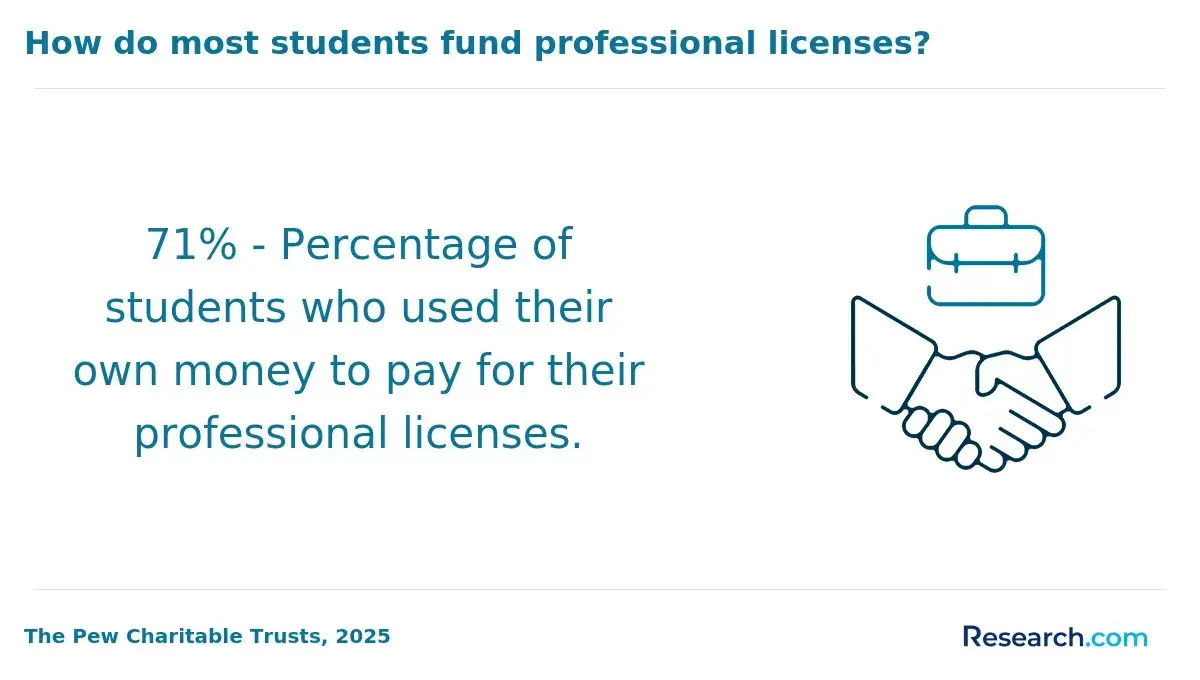
Data-driven marketing roles demand educational qualifications that vary widely by position complexity and sector expectations. Entry-level jobs often prioritize candidates with certificates offering focused training in analytics tools such as SQL, Python, or Google Analytics, suitable for those transitioning from unrelated fields. These certificates can be completed in months, providing accelerated access to roles involving straightforward data interpretation and campaign monitoring. Still, such credentials rarely open doors to strategic data scientist assignments or advanced analytics functions.
Mid-level positions more commonly require bachelor's degrees in marketing analytics, data science, statistics, or computer science, reflecting employer preference for candidates skilled in data handling, visualization, and forecasting. These degrees equip professionals to analyze intricate datasets and weave customer insights into broader marketing initiatives across industries like retail, finance, and technology, aligning with the typical education requirements for data-driven marketing careers.
Leadership or specialized roles, such as marketing data scientists designing proprietary algorithms or steering multi-channel attribution models, typically call for master's degrees in data science, marketing analytics, or business analytics. Advanced degrees impart rigorous training in machine learning and big data, essential for sectors like healthcare or advanced technology marketing where competitive advantage hinges on deep analytical expertise. For those evaluating investments in further education, it is critical to weigh the trade-offs between the faster certificate route and the sustained career benefits of bachelor's or master's degrees.
The U.S. Bureau of Labor Statistics projects a 34% growth in data scientist employment from 2024 to 2034, highlighting the premium on advanced skills within this evolving field. For professionals considering specialized training, exploring online masters programs in human resource management can provide insight into comparable advanced education models applicable across disciplines involving strategic data application and workforce insights. Understanding certificates and advanced degrees for data-driven marketing roles is pivotal when planning a strategic pivot or extension of one's marketing expertise.
What courses and skills do top data-driven marketing specializations typically include?
Data analysis and interpretation skills for marketing profoundly shape the practical demands of advanced data-driven marketing strategies. Product marketing roles, for instance, hinge on interpreting segmentation data to customize launch tactics that directly influence revenue, requiring expertise in SQL, Python, and marketing automation tools. According to the Product Marketing GTM 8020 report, product marketing holds the highest median pay at $160,004 and 9.8% job growth, signaling strong market demand but also requiring a sophisticated skill set.
Curriculums should emphasize targeted competencies such as:
- Data analytics and visualization techniques for actionable insights
- Customer journey mapping to enhance targeting and retention
- Pricing strategy development informed by competitive market data
- Cross-functional leadership and agile project management
- Utilization of CRM and marketing cloud platforms for end-to-end campaign management
Programs lacking live datasets or hands-on labs limit a graduate's ability to contribute effectively from day one. Working professionals must weigh the tradeoff between program length and depth; comprehensive specializations may span six months but provide versatile frameworks applicable across sectors like SaaS and consumer retail, where data signals differ. For those considering a broader educational foundation, an online bachelor's in construction management may offer an alternative model of accelerated, practical training in technical fields.
How do online data-driven marketing programs compare with on-campus options for flexibility and rigor?
Choosing between online and on-campus data-driven marketing programs depends heavily on professional context and learning priorities. Online options offer unmatched flexibility, allowing working professionals to pace their studies around employment and apply new skills immediately, which is essential when mastering dynamic marketing automation platforms. However, this often sacrifices immersive peer interaction and instant faculty feedback, which are significant advantages of on-campus formats.
On-campus programs maintain structured timelines, rigorous collaboration, and hands-on environments like live labs, fostering deeper technical and strategic capabilities. For example, a mid-career marketer aiming for promotion in a tech-driven department may benefit more from the adaptability of online courses, yet risk missing the intensive soft skill development cultivated by in-person workshops. Conversely, recent graduates who can commit the time value in-person mentorship and networking but must endure less flexible schedules.
Employers in roles such as Marketing Automation Architect, with an average salary near $137,000 and projected 29% growth by 2025, increasingly demand tangible technical mastery and strategic insight. Program selection should weigh these workforce realities against personal constraints, prioritizing either practical integration or comprehensive foundational training to support immediate career objectives effectively.
How can students evaluate accreditation and program quality for analytics-focused marketing degrees?
Accreditation is a decisive factor in assessing analytics-focused marketing degrees, affecting both institutional credibility and employer recognition. Regional accreditation recognized by the U.S. Department of Education ensures eligibility for federal aid and foundational quality, while programmatic accreditation from bodies like AACSB or ACBSP signals that the curriculum meets specialized standards in business analytics. Without these accreditations, graduates risk diminished acceptance by employers, which may slow advancement in predictive marketing roles.
Employers increasingly demand practical skills in AI-driven marketing tools, machine learning, and data visualization. Job openings for titles like "AI Marketing Manager" surged 500% in one year according to WifiTalents' 2026 marketing job statistics, reflecting a need for candidates to demonstrate technical fluency beyond theory. For instance, entry-level roles in retail or tech marketing teams require not just familiarity with AI concepts but effective use of proprietary analytics platforms.
Programs that integrate internships or industry partnerships provide tangible advantages, connecting students to real-world applications and enhancing hireability. Assessing graduate outcomes-especially placement rates in analytics-intensive jobs-offers a clearer view of return on investment and future-proof credentials. Online degrees without synchronous project work or qualified faculty expertise in AI marketing analytics often fall short in preparing students despite lower costs.
What are the main career paths and job titles for data-driven marketing graduates?
Data-driven marketing graduates face a job market that demands deep analytical expertise combined with strategic digital execution. Roles such as Digital Marketing Analyst, SEO Specialist, and Performance Marketing Strategist dominate because employers link campaign success directly to measurable business KPIs. For instance, a Performance Marketing Manager in retail must expertly analyze multi-channel ROI and leverage tools like Google Analytics or Tableau to dynamically reallocate budgets, ensuring maximum efficiency.
Success requires more than technical skills; these roles entail translating complex datasets into actionable targeting and bidding strategies. Graduates pursuing marketing analytics paths should be proficient in predictive modeling and A/B testing, preparing for positions like Marketing Data Scientist or Customer Insights Analyst. Conversely, smaller firms favor professionals equipped to blend technical SEO with creative campaign design, increasing the need for functional versatility.
Continuous learning is non-negotiable. Candidates must stay current with evolving advertising algorithms and stringent data privacy regulations. Ignoring regulatory frameworks, especially in sectors like finance or healthcare, risks immediate employability setbacks. Real-time performance tracking further pressures marketers to adapt strategies swiftly or face obsolescence in competitive environments.
What salary ranges and earning potential can data-driven marketing specialists expect?
Data-driven marketing roles exhibit a wide salary range shaped by sector, experience, and skill specialization. Entry-level analysts typically start near $60,000 annually, but those demonstrating expertise in advanced data visualization or machine learning can push compensation beyond $130,000. The technology and finance sectors generally offer higher wages, whereas non-profits and smaller organizations often lag behind, starting salaries sometimes near $55,000.
Long-term earning potential requires balancing immediate income with consistent skill development, particularly in programming languages like SQL, R, and Python. Hands-on project experience and cross-functional collaboration significantly impact salary trajectories and employability in real-world settings.
For instance, a mid-career analyst in healthcare who transitioned from basic data reporting to predictive modeling saw a notable salary jump from $75,000 to $95,000, revealing the concrete payoff of strategic technical growth paired with effective communication skills.
Despite steady demand-projected to grow 19% over a decade-logistical challenges persist, including employer undervaluation of niche data expertise and the budget constraints common in digital marketing agencies, which can cap earnings. Professionals should carefully assess job roles that encourage exposure to diverse data sources and emphasize applied analytics to maximize long-term salary growth and market competitiveness documented by authoritative labor data sources.
Which industry certifications best complement marketing analytics and data-driven marketing specializations?
Certifications in data-driven marketing demand more than credential accumulation; they require strategic sequencing aligned with specific career outcomes. For example, entry-level professionals focusing on real-time consumer behavior tracking benefit most from the Google Analytics Individual Qualification (GAIQ), which directly supports performance measurement and campaign optimization without overwhelming time or cost commitments.
Complementary credentials like Certified Marketing Analyst (CMA) prove essential for roles necessitating statistical modeling and predictive analytics, particularly in sectors with complex customer segmentation such as retail finance or consumer technology.
Practical employer demand also drives the value of certifications in data visualization tools like Tableau and Power BI, which facilitate clearer interdepartmental communication and faster decision-making in dynamic digital marketing settings. Social media marketing professionals face an evolving landscape, where certifications from platforms like Meta or Twitter provide concrete skills in ad optimization and audience targeting that academic analytics certifications may not cover.
High-investment certifications integrating machine learning, such as SAS Certified Data Scientist or Google Cloud Professional Data Engineer, fit niche roles primarily in industries like healthcare and manufacturing where digital transformation is urgent but require a longer-term commitment that often exceeds immediate job market applicability.
- Fundamental analytics certifications for foundational skills
- Platform-specific or niche certifications responding to imminent market trends
- Strategic tradeoffs between certification cost/time and employer expectations
In practical workforce terms, layering certifications from broad analytics to specialized social media skillsets positions professionals for measurable adaptability rather than superficial credentialing.
How should prospective students compare schools to choose the best data-driven marketing program?
Data-driven marketing programs deliver value primarily through verifiable employment outcomes-median marketing manager salaries reached $161,030 in 2024. This signals strong employer demand for candidates skilled in analytics and leadership within evolving market contexts. Prospective students should seek programs offering independently validated placement rates and transparent salary data to assess their return on investment.
Curriculum emphasis must extend beyond marketing theory to include real-world analytics tools, data management, and decision frameworks. For instance, healthcare marketers require fluency in predictive analytics for patient outcomes, while retail professionals benefit more from customer segmentation and behavioral modeling projects. Hands-on experience with industry-standard platforms is non-negotiable, as employers prioritize demonstrable competencies.
Faculty credentials matter when directly tied to data-driven marketing roles or recognized certifications. Schools collaborating with marketing analytics firms can provide access to current case studies and internships, enhancing practical learning and professional networks. Program format and duration also influence accessibility; online or hybrid modalities that balance rigidity with schedule flexibility better serve working professionals, though low-cost options often lack robust career services, risking lower job placement success.
Finally, alumni networks and employer connections remain critical for navigating cross-functional roles blending technical skills and integrated marketing communications. These elements often distinguish programs that genuinely prepare students to meet the complex, collaborative demands of data-informed marketing jobs.
Other Things You Should Know About Marketing
In 2027, top marketing specializations for data-driven careers include digital marketing analytics, social media strategy, search engine optimization (SEO), and customer relationship management (CRM). These fields emphasize using data to refine strategies and engage audiences effectively, aligning well with the evolving landscape of marketing.
The most useful skills are Google Analytics 4, SQL, and Excel, because they support tracking, querying, and reporting campaign performance. Knowledge of Tableau or Power BI is also valuable for dashboarding, while basic familiarity with CRM platforms such as Salesforce helps connect marketing data to sales outcomes.
Career switchers must weigh immediate technical capability gaps against the broader marketing context. Prioritizing data and analytics skills accelerates employability in data-driven roles but risks losing foundational marketing insights critical for integrated campaigns. A balanced approach that builds data proficiency while reinforcing marketing fundamentals leads to better outcomes and adaptability in diverse roles.
Employers vary, but there is a growing preference for professionals who combine deep analytics expertise with cross-functional marketing knowledge. Pure specialists may struggle in smaller teams needing multifunctional skill sets, while versatile marketers with strong data fluency can fill broader strategic and operational roles. Candidates should tailor their skill development based on target employer size and industry demands.
References
- Top 50 Marketing Analytics & Data Analysis Courses https://callminer.com/blog/top-50-marketing-analytics-data-analysis-certifications-courses
- Master Data Analytics Skills as Your Gateway to Marketing Success | Digital Marketing Institute https://digitalmarketinginstitute.com/blog/data-analytics-skills-marketing-success
- Master Degree in Data-Driven Marketing, with a specialization in Digital Marketing and Analytics - Working Hours Format https://novaims.unl.pt/en/education/programs/postgraduate-programs-and-master-degree-programs/master-degree-in-data-driven-marketing-with-a-specialization-in-digital-marketing-and-analytics-working-hours-format/
- Digital Marketing Salary Guide 2026: By Role and City https://www.digitalapplied.com/blog/digital-marketing-salary-guide-2026-role-city
- Digital Marketing Salary 2026 - Intelligent People https://www.intelligentpeople.co.uk/employer-advice/digital-marketing-salary/
- Leveraging Data Analytics for Targeted Marketing in Education: Understanding Prospective Students and Their Families - Shutta Limited https://shutta.co/leveraging-data-analytics-for-targeted-marketing-in-education-understanding-prospective-students-and-their-families/
- Top digital marketing roles growing fast in the U.S. https://www.cartermurray.com/market-insight/digital-marketing-hiring-trends-in-the-us/
- Marketing salaries: The trends you need to know about - EMR | Marketing, Digital & Communications Recruitment Agency https://www.emrrecruitment.co.uk/marketing-salaries-the-trends-you-need-to-know-about/
- The 5 best Digital Marketing Analytics courses https://xd-i.com/en/digital-marketing-en/digital-marketing-analytics/
- Which Online Programs Are You Competing Against? https://encoura.org/resources/wake-up-call/which-online-programs-are-you-competing-against