2027 Brand Management Roles You Can Target With a Marketing Degree

Co-Founder and Chief Data Scientist
Graduates holding a marketing degree face intensifying competition when targeting brand management roles traditionally reserved for candidates with several years of experience or specialized certifications. With nearly 43% of adult learners balancing work and study according to the National Center for Education Statistics 2024 survey, flexible enrollment models and accelerated programs have emerged, yet they complicate decisions about timing and specialization in a crowded job market. Employers increasingly prioritize demonstrated digital competence and cross-functional agility over generalized qualifications, raising stakes for recent graduates strategizing entry points. This article identifies brand management positions accessible to marketing graduates, clarifying pathways that align education choices with evolving employer demands and career advancement goals.
Key Things You Should Know
- Marketing degrees deliver access to brand strategy roles concentrated in digital and analytics, with 67% of employers in 2024 prioritizing candidates skilled in AI-driven consumer insights, creating competitive differentiation but requiring ongoing tech upskilling.
- Graduates face uneven employer expectations: CMOs value cross-functional experience over credentials alone, pressuring candidates to secure internships or rotational programs, which limits opportunities for career changers without prior marketing exposure.
- Average program costs rose 12% since 2022 per Department of Education data, forcing candidates to weigh immediate debt against a 15% median salary premium for brand managers in data-centric firms, impacting timing and financial feasibility.
What is brand management in marketing, and how does a marketing degree prepare you?
Effective brand management roles for marketing graduates demand strategic control over a company's identity and how it resonates with target markets. This extends beyond superficial tactics into rigorous analysis of consumer behavior and competitive dynamics, skills cultivated through a marketing degree. Such programs instill a blend of competencies in data-driven decision-making, marketing communications, and brand equity stewardship, preparing students to take on responsibilities that shape market positioning and messaging across channels.
For instance, a brand manager in a technology firm might apply segmentation data and competitor investment intelligence to craft campaigns emphasizing distinct innovation balances against pricing. Meanwhile, retail apparel brands require managers agile in interpreting trend cycles and measuring engagement on social media, which illustrates the variability within brand management roles for marketing graduates.
Practical workforce implications highlight the necessity of mastering project management, cross-team collaboration, and proficiency with marketing software, all of which are systematically developed in degree programs via internships and applied coursework. Entry-level brand and marketing coordinators typically see salary ranges between $48,000 and $55,000 annually, a data point signaling employer recognition for combined education and hands-on experience.
Graduates must negotiate tradeoffs between specialization, such as digital branding skills, and broader marketing principles to maintain adaptability. Employers increasingly expect measurable impact like improved market share or brand loyalty, outcomes linked directly to marketing analytics and strategic program elements.
Those evaluating pathways may also explore related fields, for example through programs like best online masters degree in human resource management programs, which can complement marketing skills with organizational insight essential for cross-functional leadership.
Which brand management roles can you pursue with a bachelor's in marketing?
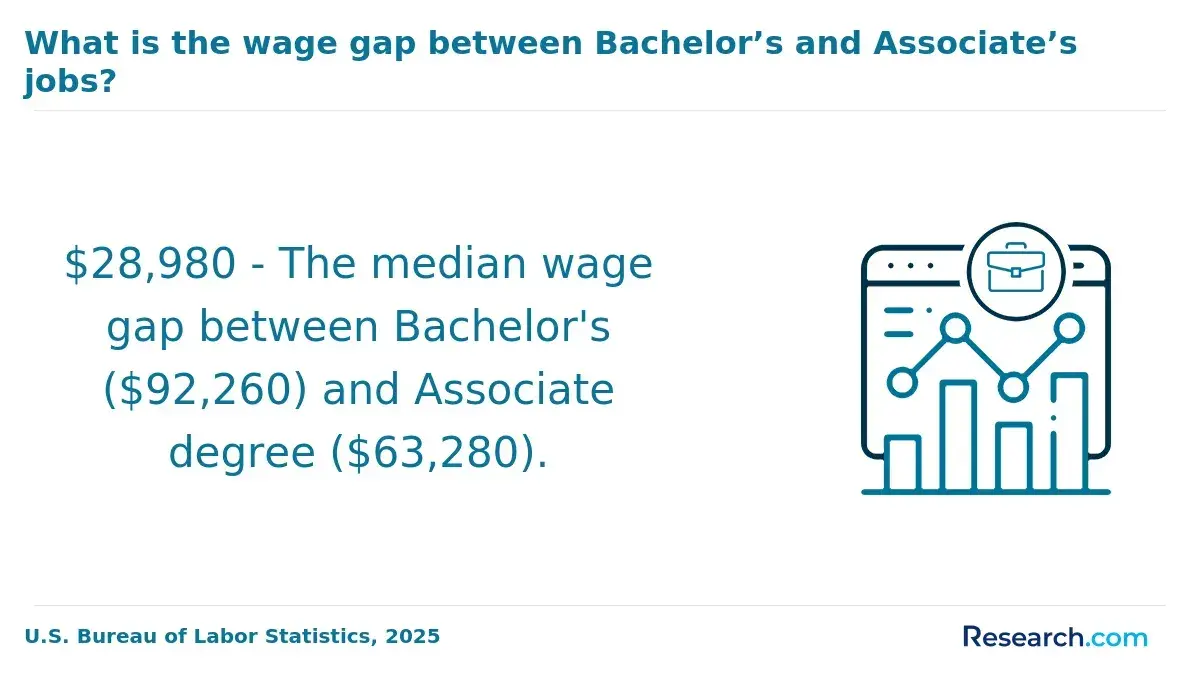
Brand manager positions for marketing graduates come with significant responsibility and corresponding compensation, with median U.S. pay around $127,000 annually. These roles demand ownership of brand strategy, market positioning, and cross-functional leadership, particularly in sectors like FMCG, tech, or pharmaceuticals, where product life cycles and consumer behaviors vary considerably. This complexity requires more than a bachelor's degree, as strategic agility to navigate supply chain issues and shifting market trends is critical.
Entry-level brand management careers with a marketing degree often start as assistant brand managers, focusing on campaign execution, budget oversight, and analytics to support senior leaders. Product marketing managers overlap with brand roles but emphasize translating technical product features into customer messaging, especially in software or healthcare industries. Marketing coordinators with brand duties handle tactical tasks such as content management, event support, and reporting, suiting recent graduates with limited experience.
Employers search for strong skills in consumer insights, competitive analysis, and digital marketing tools right from the start. However, real-world challenges demand continuous professional development-certifications or MBAs often become necessary to escalate leadership capabilities. For those weighing educational paths, exploring an online degree social media marketing can complement foundational business knowledge with digital specialization that aligns with modern brand demands.
What entry-level brand management jobs are available to recent marketing graduates?
Entry-level brand management positions for marketing graduates commonly include assistant brand manager, brand coordinator, and product marketing analyst roles. These jobs require practical skills in market research, campaign execution oversight, and cross-departmental collaboration. For example, assistant brand managers in consumer packaged goods not only manage promotional efforts but also conduct supplier negotiations, demanding both agile communication and analytical capabilities. These roles shape early professional experience by directly involving graduates in both operational and strategic brand tasks.
Brand coordinator positions, prevalent in retail and tech sectors, provide hands-on exposure to marketing deliverables organization and brand performance tracking, building project management acumen. Product marketing analyst roles emphasize quantitative analysis and customer insight application, informing pricing and positioning with digital analytics tools. Real-world hiring trends for brand management career opportunities for recent marketing degree holders show that tangible internship experience or measurable campaign contributions often determine access to these openings. Without such evidence, candidates face limited upward mobility.
California State University Fullerton data indicates an average senior brand management salary of $151,000, illustrating the potential rewards of entry-level roles that accelerate skill development. Graduates must weigh joining smaller firms, which offer broader responsibilities but lower pay, against large corporations with structured development but narrower scope. For those considering further education to pivot or advance, an MBA in entrepreneurship may complement marketing expertise while expanding strategic leadership potential.
How do mid-level and senior brand manager roles differ in responsibilities and skills?
Distinguishing mid-level vs senior brand manager responsibilities hinges on the scale of leadership and strategic influence within an organization. Mid-level brand managers typically drive tactical campaign execution, coordinate cross-functional teams, and leverage analytics to optimize promotions, often within defined market segments or product launches. In contrast, senior brand managers focus on broader brand vision, leading multi-year growth strategies that align with overarching company goals and managing budgets that can exceed millions of dollars.
For example, a mid-level manager at a consumer packaged goods firm might measure ROI on seasonal campaigns and adjust schedules accordingly, emphasizing hands-on campaign management and reporting. Senior managers, however, steer portfolio-wide competitive positioning and forecast market trends that impact company valuation, requiring advanced stakeholder management and the ability to influence C-suite decision-making.
Employer expectations reflect these distinctions: while mid-level roles prioritize demonstrated competence in analytics tools and project coordination, senior brand managers need skills in long-term strategic planning, leadership, and financial oversight, including P&L responsibility. This difference in capability is echoed in compensation, with seasoned professionals often earning over $100,000 annually, according to Extern's 2024 marketing careers report.
A practical consideration for professionals aiming to shift upward involves targeted development in financial acumen and cross-departmental collaboration. Pursuing online business degree programs accredited can provide structured pathways for building these advanced competencies while accommodating workforce demands.
What courses and marketing specializations best support a career in brand management?
Effective brand management education hinges on applying specialized knowledge to concrete business challenges rather than generic marketing theory. Core courses in consumer behavior, brand strategy, and digital marketing set a practical foundation, but mastering data analytics is indispensable for navigating fast-moving sectors. For example, a brand manager in FMCG must rapidly interpret purchasing data and competitor tactics to pivot campaigns, while those in technology emphasize digital ecosystems and innovation timing.
Financial literacy in budgeting and ROI measurement directly impacts a brand manager's capacity to control six- to seven-figure allocations responsibly, aligning with a median marketing manager wage of $161,030 reported by the U.S. Bureau of Labor Statistics in May 2024. Without such skills, moving into senior leadership is significantly hindered.
Success also depends on managing cross-channel campaigns and sustaining coherent brand messaging across regions, skills sharpened through product management and integrated communications coursework. Lacking collaboration experience-often gained through internships or capstone projects-creates friction in coordinating between internal teams and outside agencies.
With brand management jobs projected to grow 6% through 2034, programs offering case studies, simulations, and real-world internships better prepare students for challenges like adapting to rapid market disruption and shifting consumer expectations. Overemphasis on theory alone leaves candidates underprepared for these operational demands.
How do online and on-campus marketing degrees compare for brand management careers?
The choice between online and on-campus marketing degrees significantly impacts practical skill development and employability in brand management roles. On-campus programs leverage face-to-face access to faculty and peers, fostering immediate feedback, collaboration, and local industry relationships often tied to internship opportunities. This direct engagement can be vital for sectors prioritizing interpersonal skills and traditional corporate pathways.
Conversely, online marketing degrees excel in flexibility, accommodating working professionals who need to balance education with employment. Employers increasingly accept accredited online credentials when supplemented by demonstrable work samples or relevant experience. However, students must compensate for limited direct networking by building digital portfolios and pursuing external connections.
For example, a candidate aiming for a marketing director role averaging $98,151 annually benefits differently depending on their educational path: an on-campus graduate might enter through corporate partnerships emphasizing interpersonal networking, whereas an online graduate may appeal more to tech or e-commerce employers valuing remote collaboration and self-direction.
Key tradeoffs include:
- On-campus: stronger access to applied learning and mentoring, but less scheduling flexibility.
- Online: greater flexibility with a higher need for proactive networking and portfolio development.
Prospective students should ground decisions in their industry targets and personal constraints, recognizing both pathways demand strategic effort to surpass employer expectations in competitive marketing environments. They could also evaluate 6 month MBA programs to qualify for higher-level brand management roles.
What salaries and advancement opportunities can brand managers expect across industries?
Brand managers with a marketing degree encounter significant variability in compensation and career trajectory based on sector and company scale. Annual median salaries typically range from $65,000 to $120,000, with consumer goods and technology sectors offering premium pay that corresponds to more demanding product portfolios and faster innovation cycles. Conversely, nonprofit and smaller organizations may present lower wage floors but provide broader, more interdisciplinary roles.
The progression speed varies considerably: in fast-moving consumer goods (FMCG) companies, brand managers often reach senior marketing roles like marketing director or chief marketing officer within 7-10 years, driven by measurable sales successes. Smaller industries might delay advancement but equip professionals with versatile skills applicable across different markets.
Market research analysts-a role closely aligned with brand management-show a median salary of $76,950 and a 7% projected employment growth over ten years, highlighting opportunities for brand managers with strong data analysis proficiency to pivot toward strategic, data-driven leadership positions.
Real-world challenges include balancing short-term sales targets with sustaining long-term brand equity and adapting to industry-specific product lifecycles. Compensation structures differ widely; technology sectors emphasize bonuses and profit-sharing, while government and education roles lean on stable salaries. Mastery of digital tools and global marketing strategies is increasingly non-negotiable for candidates aiming to remain competitive.
What is the job outlook for brand management and related marketing careers?
Brand management roles hinge on the capacity to merge traditional strategy with advanced digital fluency. Employers seek candidates proficient in analytics, social media, and data interpretation, not just textbook knowledge. For example, a mid-career professional in a tech firm may be required to quickly test new branding measures and calculate ROI while collaborating across teams under tight deadlines. This creates a demand for agile decision-making that formal marketing degrees often underprepare graduates for without targeted practical experience.
Salary trajectories reflect a notable gap based on skill depth and industry: digital marketing specialists typically start around $50,000 to $60,000 annually, but those who build domain expertise and measurable campaign success can surpass $100,000. Geographic location further complicates this outlook; metropolitan markets offer more roles but also greater competition and living costs, requiring a strategic weighing of opportunity versus quality of life.
Building a strong portfolio through internships and certifications in digital platforms and data analysis is critical to differentiate oneself. The practical implications are clear:
- Raw academic credentials fall short without cross-functional and data-driven marketing experience.
- Continuous learning post-degree, focusing on integrated marketing communications and performance metrics, drives upward mobility.
- Transitioning from related marketing functions demands sector-specific knowledge such as product lifecycle insight or competitive analysis.
Ultimately, prospective brand managers must assess how their educational investments translate to real-world campaign outcomes and employer expectations amid evolving digital ecosystems.
Which professional certifications and portfolios strengthen your brand management resume?
Professional certifications from bodies like the American Marketing Association's Professional Certified Marketer (PCM), HubSpot's Content Marketing Certification, and Google's Digital Marketing & eCommerce Certificate directly validate critical competencies sought by employers managing multi-channel brand campaigns. For a mid-level marketing professional aiming for senior roles in consumer goods, certifications confirming skills in digital metrics and customer engagement are often prerequisites to demonstrate measurable impact.
However, certifications alone fall short without a portfolio that evidences real-world results. Presenting data-driven case studies and campaign metrics that highlight conversion improvements and brand growth holds greater weight, particularly in sectors like tech or retail. Such portfolios support realistic salary expectations between $55,000 and $75,000 for mid-level specialists, according to MajorMatch's 2024 salary data.
Employers increasingly prioritize analytic proficiency with tools like Google Analytics, Tableau, or Adobe Experience Manager to interpret consumer insights in real time. The tradeoff for candidates involves balancing time and expense invested in obtaining advanced certificates versus developing quantifiable projects that directly influence brand growth. Those who successfully integrate recognized credentials with robust, impact-focused portfolios position themselves for higher-level digital marketing management roles, which report salaries from $90,000 to $130,000 annually.
How can you choose an accredited marketing program that aligns with brand career goals?
Choosing a marketing program without aligning it to specific brand management roles can limit return on educational investment, especially as employers increasingly value measurable expertise in brand analytics and digital strategy. For example, candidates aiming for analytical positions in technology or consumer goods sectors should prioritize programs that emphasize data-driven decision-making and practical market research techniques. These skills are linked to a 9.04% median advertised salary increase for analytical marketing roles between mid-2023 and mid-2024, as reported by the Purdue University Daniels School of Business 2024 marketing industry overview.
Accreditation should extend beyond standard regional recognition to consider industry respect and graduate outcomes. Programs vetted by the Association to Advance Collegiate Schools of Business (AACSB) generally reflect rigorous curricula and stronger employer alignment. Equally important are graduate placement rates in relevant brand management positions and evidence of hands-on learning, such as internships or projects with brand-focused organizations, which solidify competencies in brand positioning and integrated marketing communications.
Practically, flexible delivery formats cater to working professionals balancing current roles with learning demands, but insufficient exposure to real-world case studies or up-to-date digital tools may impede progress in e-commerce brand leadership or social media strategy. Transparency in program outcomes, including salary growth data that aligns with current market trends, is essential for gauging the tangible career impact of the marketing education pursuit.
Other Things You Should Know About Marketing
Employers in brand management prioritize practical experience such as internships, project work, and real-world campaign involvement over purely academic credentials. Marketing degrees that incorporate applied components like case studies, client projects, or co-ops offer a competitive advantage. Without such experience, graduates often face barriers moving beyond entry-level roles, regardless of GPA or the program's prestige.
Marketing analytics skills are increasingly essential as data-driven decision-making dominates brand strategies, but creative branding remains critical for unique brand positioning. Candidates who demonstrate a balanced proficiency in both analytical tools (such as data visualization and customer insights) and creative campaign development are preferred. If forced to prioritize, focus on analytics first to meet measurable performance expectations; creative skills can then differentiate your approach within that framework.
Certifications in Google Analytics 4, Google Ads, and the AMA Professional Certified Marketer credential can strengthen a marketing degree for brand management roles. Employers also value HubSpot, Meta, and Salesforce credentials, especially for roles that involve campaign tracking, consumer data, and cross-channel brand execution.
References
- 11 Best Brand Management Certifications 2025 https://scale.jobs/blog/11-best-brand-management-certifications-2025
- Online Marketing Degrees https://mycollegeguide.org/online-marketing-degrees/
- Brand Manager Career Guide : missions, training, and salary https://www.iscparis.com/en/program/career-guides-brand-manager/
- The best professional certificates in marketing 2026 from MDIT https://mdit.edu.sa/en/blog/the-best-professional-certifications-in-marketing
- 8 Top Marketing Certification Programs That Will Advance Your Career in 2026 | Modern Marketing Institute https://www.modernmarketinginstitute.com/blog/8-top-marketing-certification-programs-that-will-advance-your-career-in-2026
- Five Potential Brand Management Career Pathways - GURULOCITY Brand Management Institute https://gurulocity.com/brand-management-career-pathways/
- Top career choices after a degree in marketing https://www.ibat.ie/blogs/top-career-choices-after-a-degree-in-marketing
- Certified Brand Manager https://aipmm.com/cbm
- 9+ Brand Manager Resume Examples [with Free Templates] https://www.tealhq.com/resume-examples/brand-manager
- When is a Brand Manager Not a Brand Manager? - Seedcamp https://seedcamp.com/views/when-is-a-brand-manager-not-a-brand-manager/