2027 Best Online Marketing Programs for Professionals Moving From Communications Into Marketing

Co-Founder and Chief Data Scientist
Transitioning from communications to marketing often confronts professionals with a gap in specialized skills and practical credentials valued by employers, complicating efforts to secure roles beyond entry-level positions. The challenge intensifies when balancing ongoing work responsibilities and personal commitments, making traditional full-time programs infeasible. According to the National Center for Education Statistics, enrollment by adult learners in online graduate programs rose by over 20% since 2022, illustrating a clear shift toward flexible, competency-driven education designed to accommodate career changers. This growth reflects a need for programs that offer immediate applicability and strategic skill alignment rather than mere theoretical exposure. This article evaluates top online marketing programs tailored for communications professionals seeking an efficient, credible career pivot with transparent outcomes and workforce relevance.
Key Things You Should Know
- Only 38% of professionals transitioning from communications to marketing complete certificate programs within six months, per U.S. Department of Education data, revealing a harsh tradeoff between accelerated credentialing and mastery of evolving digital tools.
- Employers prioritize candidates with hands-on analytics and SEO experience, causing 64% of hires in 2025 to reject theoretical-only marketing programs, intensifying pressure on curriculum relevance in transitional education.
- Average costs for reputable online marketing programs rose 12% in 2024, disproportionately affecting mid-career professionals balancing opportunity costs and wage growth stagnation documented by Bureau of Labor Statistics.
What are the best online marketing degree options for professionals moving from communications?
Communications professionals pursuing a career shift benefit most from online marketing degree programs that prioritize applied skills over broad theory. For instance, a specialist moving into consumer goods marketing gains more from curricula emphasizing data-driven customer insights and omnichannel campaign execution than from generic marketing principles. The best online marketing degree programs for communications professionals balance practical digital marketing tools-like Google Analytics, CRM software, and social media advertising-with foundational concepts aligned to specific industry sectors.
Online bachelor's completion programs target entry-level roles, but mid-career changers typically see greater returns with master's degrees designed for professionals pivoting industries. Employment projections reinforce this strategy: marketing manager roles are expected to grow 7% and market research analyst positions 13% over the next decade. Selecting programs integrating advanced analytics, SEO/SEM methods, and marketing technology platforms can provide a competitive edge. Key decision points include accreditation, real-world capstone or practicum opportunities, and curricular focus on distinct areas such as B2B versus B2C marketing or nonprofit versus corporate contexts.
Practical constraints-like working professional schedules-often favor programs offering stacked credentials such as certificates within the degree, accelerating readiness. Alumni networks and job placement records also influence outcomes in competitive markets. Professionals reviewing accelerated business management degree offerings should scrutinize how well course content aligns with actual employer expectations documented in industry trends to avoid retraining or skill gaps.
From a strategic perspective, top online marketing courses for career changers from communications are those that reduce the friction of transition by integrating data marketing, content strategy certificates, and immediate applicability within target roles rather than rehashing foundational marketing concepts disconnected from professional realities.
How do online marketing programs differ from traditional communications degrees in skills and focus?
Choosing online marketing skills versus traditional communications shapes career trajectories through distinct operational competencies and market expectations. Marketing programs prioritize data-driven strategies, digital platforms, and measurable outcomes, in contrast to communications degrees that concentrate on narrative crafting and corporate messaging. For instance, a communications graduate might be adept at press releases, while a marketing professional is trained to optimize digital ad funnels for e-commerce conversion rates.
The differences between communications degrees and marketing programs become pronounced in their practical skill sets. Marketing education emphasizes fluency in automation tools, web analytics, and social media algorithms, aligning graduates with roles demanding accountability for quantitative ROI metrics. This prepares candidates for leadership positions in sectors like technology and retail, where metrics-driven decision-making is standard. According to U.S. News analysis of BLS data, such roles command median salaries ranging from $78,880 for market research analysts to $158,280 for marketing managers, with growth projected through 2032.
Prospective students should weigh the steeper technological learning curve embedded in marketing programs versus communications curricula, especially if transitioning fields. Employer preference increasingly favors validated digital proficiency over narrative expertise. For those seeking structured career pathways, especially outside traditional communications, examining online health information management programs CAHIIM accredited might also offer comparative insights into specialized program structures and outcomes.
What types of online marketing credentials are available for career changers (certificate, bachelor's, master's)?
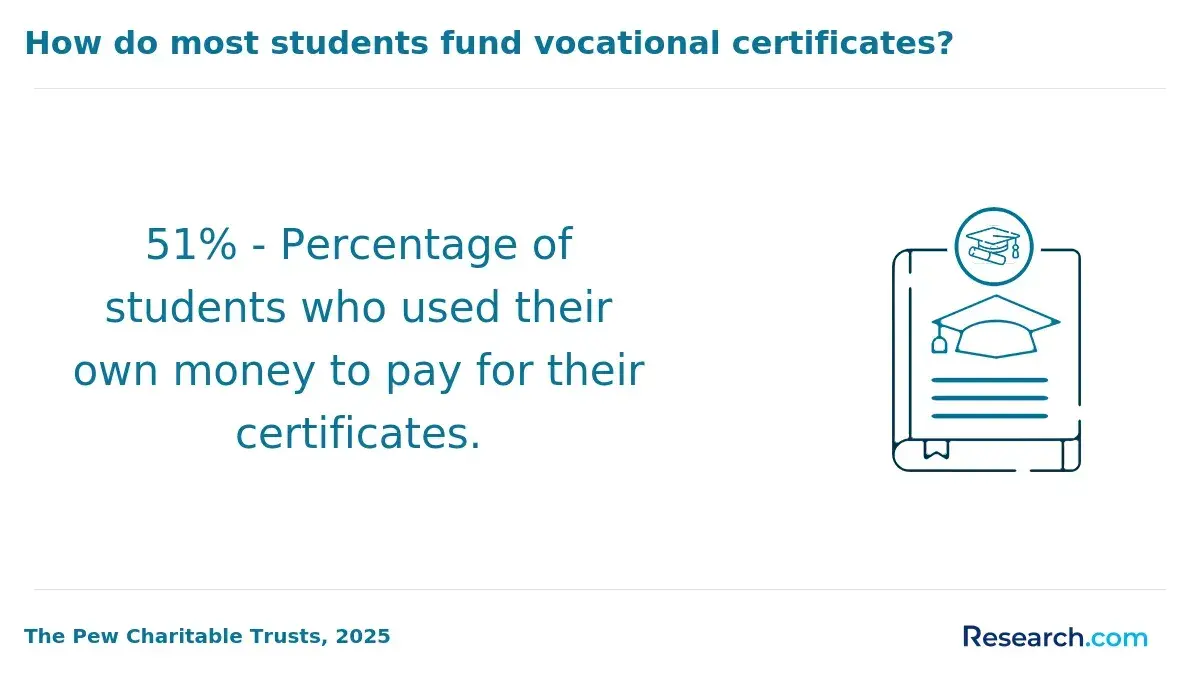
Choosing among online marketing certificate, bachelor's, and master's programs for career changers requires balancing speed, cost, and long-term impact. Certificates provide focused skills for entry-level roles with salaries typically between $50,000 and $70,000, costing $4,900 to $6,900. They enable a quick career pivot but often restrict advancement to senior management positions that demand degrees.
Online bachelor's degrees cover comprehensive marketing principles over 3-4 years and cost upward of $40,000. This pathway suits professionals seeking recognized qualifications to compete for mid-level roles, especially in sectors like tech or retail, where employers prioritize formal degrees. The extended timeline and higher investment are tradeoffs for broader knowledge and better job market credibility.
Master's degrees or MBAs with a marketing focus target career changers aiming for leadership or strategic positions, often required in competitive industries such as finance or healthcare. These programs emphasize data analytics and strategic branding, sometimes offering accelerated options for experienced professionals. The significant investment reflects credential weight employers associate with roles like marketing director or product manager.
Decisions should consider practical outcomes: certificates suit rapid entry, degrees enable sustained progression. Regardless of credential type, employers emphasize demonstrated skills and relevant experience, making internships and applied projects critical supplements.
For those weighing advanced degrees, exploring options like an affordable online MBA healthcare management can provide financial clarity within this complex landscape of online marketing credentials for career changers.
How can professionals verify that an online marketing program is properly accredited and respected?
Employers now prioritize demonstrable digital skills over traditional credentials when assessing online marketing programs. Accreditation alone cannot guarantee employability; instead, programs must align with current industry demands for competencies in SEO, analytics, and social media. Professionals verifying online marketing program accreditation should prioritize those recognized by reputable bodies such as regional accreditors approved by the U.S. Department of Education or specialized agencies like the Accreditation Council for Business Schools and Programs (ACBSP). Certifications from established entities like Google or Meta also carry significant weight due to proven employer acceptance.
Verification steps include:
- Confirming the program's credential appears in accredited databases to establish institutional legitimacy
- Evaluating employment outcomes and skill validation data provided by the program or third-party reports
- Matching the curriculum content with in-demand job market competencies to ensure practical relevance
- Seeking endorsements from respected industry research groups or government labor statistics validating certifications and digital skill frameworks
For those transitioning from communications to marketing, understanding the shift toward skills-focused hiring is critical: certificates lacking measurable outcomes risk being disregarded despite formal accreditation. Selecting programs transparent about their employer partnerships and skills assessment outcomes reduces the risk of non-transferable or undervalued certifications. Prospective students should also consider affordability and return on investment; resources showing how much does it cost to get a business degree online offer insight into balancing educational spend with career goals.
What admissions requirements do online marketing programs typically have for applicants with communications backgrounds?
Applicants with communications backgrounds face a distinct set of challenges entering online marketing programs, where admissions committees prioritize demonstrated analytical ability and quantitative readiness over general academic history alone. While a bachelor's degree or equivalent and a moderate GPA (typically 2.5 to 3.0) remain baseline requirements, evaluators scrutinize relevant coursework in digital media and content strategy to determine fit for marketing roles that increasingly integrate data-driven decision-making.
For example, an applicant shifting from communications to marketing must clearly articulate how skills like audience analysis translate into understanding consumer behavior metrics or supporting market research. Practical experience with statistics or analytics tools-either academic or professional-is often necessary to avoid remedial gaps, especially since roles such as market research analyst and marketing specialist have projected growth rates exceeding twice the national average.
Recommendations that evidence adaptability and analytical thinking strengthen applications, as do portfolios or internships that provide proof of applied marketing knowledge. Candidates lacking digital marketing tool proficiency risk extended time to graduation due to prerequisite courses or the need for certifications in platforms such as Google Analytics or Excel.
Ultimately, bridging the communications-to-marketing transition requires proactive skill-building to meet technical expectations and align with employer demands, limiting potential friction that can slow workforce entry or diminish initial job competitiveness.
What core courses and specializations should a strong online marketing curriculum include today?
A strategic pivot from communications to marketing demands a curriculum that prioritizes advanced digital strategies and measurable impact over foundational theory. Professionals moving into senior marketing roles must master tools such as Google Analytics and Tableau to assess campaign ROI and customer engagement accurately. In B2B technology sectors, skills like account-based marketing and CRM integration become decisive for successfully targeting enterprise clients and justifying budget growth.
Mid-career marketers benefit most from courses that extend beyond basics to include marketing automation, AI-driven personalization, and customer journey mapping-areas directly linked to commanding six-figure salaries. Programs recognized by The CMO Club identify these elements as key differentiators, demonstrating employer preference for candidates who combine communication expertise with data fluency and strategic leadership.
However, programs limited to technical skills risk overlooking operational challenges such as brand positioning, privacy compliance, and collaboration across departments, which influence a marketing manager's effectiveness in complex organizations. Practical learning through real-world case studies aligned with specific industries improves readiness more than theoretical knowledge alone.
Key considerations for prospective students include balancing deep analytics with strategic thinking and confirming that curricula address regulatory and ethical complexities alongside digital tools.
How do online and campus-based marketing programs compare in flexibility, cost, and learning experience?
Flexibility versus immersion defines the divide between campus and online marketing programs, shaping their suitability for different learner profiles. A communications specialist working full time, for instance, can leverage online modular courses during evenings and weekends-an option largely unavailable with rigid campus schedules. However, campus-based programs still hold merit for immersive environments with direct peer interaction and instructor guidance valued for foundational marketing competencies.
Financially, the contrast is striking. Online offerings typically cost from several hundred to a few thousand dollars for micro-credentials, sparing students relocation and transport expenses. Conversely, campus degrees surpass $20,000 per semester, excluding housing and additional fees, which can deter mid-career professionals pivoting into marketing. Employers increasingly emphasize verified digital marketing skills, particularly in SEO, content marketing, and growth strategies, as detailed in research from Marketer Milk and CareerFoundry.
Learning experience further differentiates these pathways. Campus instruction adheres to fixed class times and slower curriculum refreshes, risking lag behind rapid digital marketing trends. Online courses update continually but demand greater self-motivation and often lack peer engagement critical for developing teamwork and communication skills essential in marketing roles.
Decision-makers should consider:
- Need for rapid, affordable upskilling on analytics or social media via online micro-credentials
- Value of comprehensive theory and leadership preparation available in campus settings despite higher cost and inflexibility
Balancing these factors against career stage and industry expectations is essential for an effective educational investment.
How long do online marketing programs take to complete, and what do they usually cost?
Marketing programs vary widely in duration and depth, typically spanning from three to twelve months. Shorter courses, often free or low-cost, focus narrowly on specific skills and are best for supplementing existing roles. In contrast, comprehensive tracks aimed at full career transitions tend to last six to twelve months and include structured modules, mentorship, and job placement support, which can justify their higher tuition costs.
Tuition ranges from free to as high as $6,900, a discrepancy that reflects the value of career services and employer recognition rather than simply content volume. For example, a communications professional pivoting into marketing sectors like technology or healthcare must weigh whether a costly program with strong hiring support will provide enough advantage to offset the expense. In contrast, those targeting roles less dependent on certification may find shorter courses sufficient, though these might not satisfy employers looking for verified skills and practical portfolios.
Financing options, scholarships, and payment plans are common, helping reduce upfront barriers. However, prospective students must critically evaluate the total investment against realistic employment prospects and time commitment to avoid costly mismatches. CareerFoundry's 2025 pricing overview captures this spectrum, clarifying that mentorship and job support often determine a program's true market value within the competitive marketing landscape.
What marketing careers can communications professionals pursue after an online marketing degree or certificate?
Professionals transitioning from communications to online marketing must confront significant skill gaps beyond content creation and narrative expertise. While roles like digital marketing specialist or content strategist rely on strong communication foundations, they increasingly demand fluency with data analytics and campaign management platforms. For instance, applying SEO practices effectively requires understanding quantitative marketing metrics that many communications graduates lack initially.
Employer expectations now prioritize candidates who can synthesize qualitative insights with measurable performance indicators. This evolution compels reskilling in areas such as data interpretation, paid media management, and marketing automation to remain competitive. Practical choice of programs should therefore hinge on flexible formats that accommodate ongoing employment and offer immediate application opportunities, a factor highlighted by recent reports from CareerFoundry and Coursera.
Key tradeoffs include balancing technical fluency against the pace of digital tool changes and job market volatility. Roles like marketing analyst or growth marketer command higher salaries but also require advanced proficiency with Google Analytics, CRM software, and data visualization tools. Communications professionals must weigh these demands against their time, financial resources, and long-term employability prospects. Certification in automation platforms offers strategic advantage but also narrows focus, which may affect versatility if digital ecosystems shift.
What salary ranges and job outlook can communications-to-marketing professionals expect in the U.S.?
Communications professionals moving into marketing face a salary range from roughly $55,000 for entry-level coordinators to between $110,000 and $140,000 for mid-level management, per U.S. Bureau of Labor Statistics 2024 data. However, those with AI and data analytics skills frequently earn upwards of $150,000 in sectors like technology or finance, where proficiency with AI-powered tools and data-driven decision making is highly valued.
Job growth in marketing-related roles is projected at 9% through 2030, outpacing the average for all occupations. Demand increasingly favors candidates adept in digital marketing analytics, AI applications, and content personalization. For instance, a communications specialist transitioning to marketing analytics in retail benefits from mastering AI marketing tools incorporated into current curricula like those highlighted by The CMO Club.
Professionals without AI or data fluency risk stagnation as automation displaces routine marketing tasks, especially at entry levels. Employers prefer candidates completing programs with "AI in Digital Marketing" and "Digital Marketing Trends" modules to remain competitive in evolving workflows.
Those aiming for leadership should integrate strategic communication with advanced marketing data skills to justify salaries above $130,000. Assessing programs for foundational marketing insight alongside current AI and data competencies is critical for practical employability and long-term career advancement.
Other Things You Should Know About Marketing
Most programs accept 6 to 12 graduate credit hours in transfer, but many cap transfers at one-third of the degree. Ask whether communication, public relations, or media courses count toward marketing electives, and confirm that accredited graduate credits are eligible under the school’s registrar rules.
Certificates provide targeted skill upgrades faster, ideal for professionals seeking immediate role shifts or skill enhancement. However, employers in competitive markets often prefer candidates with bachelor's or master's degrees signaling comprehensive knowledge and commitment. For long-term advancement, degree programs offer broader strategic understanding and networking opportunities, which certificates typically lack. Prioritize degrees if expecting leadership roles or significant salary growth over time.
Employers expect online marketing graduates to demonstrate applied skills in digital tools, campaign management, and data interpretation, not just theoretical knowledge. Programs emphasizing hands-on projects, internships, or industry partnerships tend to yield better hiring outcomes. Candidates should assess if a program's curriculum aligns with current marketing technology trends and includes portfolio development. Select programs with proven employer engagement to maximize career transition success.
References
- Are Online Degrees Accredited? How to Identify Quality Distance Learning Programs https://www.umassglobal.edu/blog-news/online-degrees-accredited-identify-quality-distance-learning-programs
- Digital Marketing Major https://www.kozminski.edu.pl/en/digital-marketing-major
- Best Marketing Courses to Level Up Your Career https://cxl.com/blog/best-marketing-courses/
- Is Online Learning Here to Stay? Trends & Insights for 2026 https://www.calmu.edu/is-online-learning-here-to-stay-trends-insights-for-2026
- Thecmoclub https://www.thecmoclub.com
- Pivoting to a Digital Marketing Career in 2025: Your Blueprint for Success - Odeo Academy https://odeoacademy.com/pivoting-to-a-digital-marketing-career-in-2025-your-blueprint-for-success/
- The best digital marketing training programs of 2026 https://www.t-shapedacademy.com/guides/best-digital-marketing-training/
- Digital Marketing: Top Career for Freshers & Switchers https://delphindigital.academy/blog/why-digital-marketing-is-the-hottest-career-choice-for-fresh-graduates-and-career-switchers/
- How long does it take to learn Digital Marketing https://powerful-marketers.com/how-long-does-it-take-to-learn-digital-marketing/
- DMI accreditation https://www.dept.aueb.gr/en/marketing/prima/content/dmi-accreditation