2027 Best Online Marketing Degrees for Paid Media Careers

Co-Founder and Chief Data Scientist
For professionals targeting paid media roles, the complexity lies not only in mastering dynamic ad platforms but in selecting an educational pathway that aligns with evolving employer demands and real-world flexibility constraints. Recent data from the National Center for Education Statistics reveals a 35% surge in online marketing degree enrollments among adult learners since 2022, reflecting a shift toward programs that enable career mobility without sacrificing work commitments. This evolution challenges applicants to discern online degrees that translate into tangible skill acquisition and hiring advantages rather than mere credentials. This article identifies and evaluates the best online marketing degrees designed specifically to equip candidates for success in paid media careers, addressing these critical selection factors.
Key Things You Should Know
- Graduates from programs with integrated paid media labs show 22% higher job placement rates within six months, emphasizing employer preference for hands-on digital ad experience over purely theoretical marketing degrees, per 2024 Labor Dept. data.
- Programs averaging under $25,000 total cost reduce financial barriers but often lack advanced paid media analytics training, forcing a tradeoff between upfront affordability and long-term strategic skill acquisition critical in agency roles.
- Employer surveys reveal 64% of hiring managers prioritize certifications and portfolio work over degree prestige, shifting value toward hybrid degree-plus-microcredential pathways, impacting how candidates allocate study time and investments.
What is an online marketing degree for paid media careers, and who is it best for?
Success in paid media roles hinges on mastering the analytical and technical skills needed to execute data-driven advertising campaigns across platforms like Google Ads and Facebook. An online marketing degree for paid media specialists trains students to navigate audience segmentation, budget optimization, and performance measurement with precision, preparing them for competitive roles such as campaign analysts or media buyers.
Prospective students and professionals must recognize that foundational marketing knowledge alone is insufficient; programs should offer rigorous training in digital analytics and practical ad tech exposure. For instance, retail e-commerce specialists often leverage paid media to boost conversion rates on short sales cycles, while B2B marketers face the challenge of integrating paid ads within longer, account-based sales processes. This distinction impacts how curriculum relevance affects career outcomes.
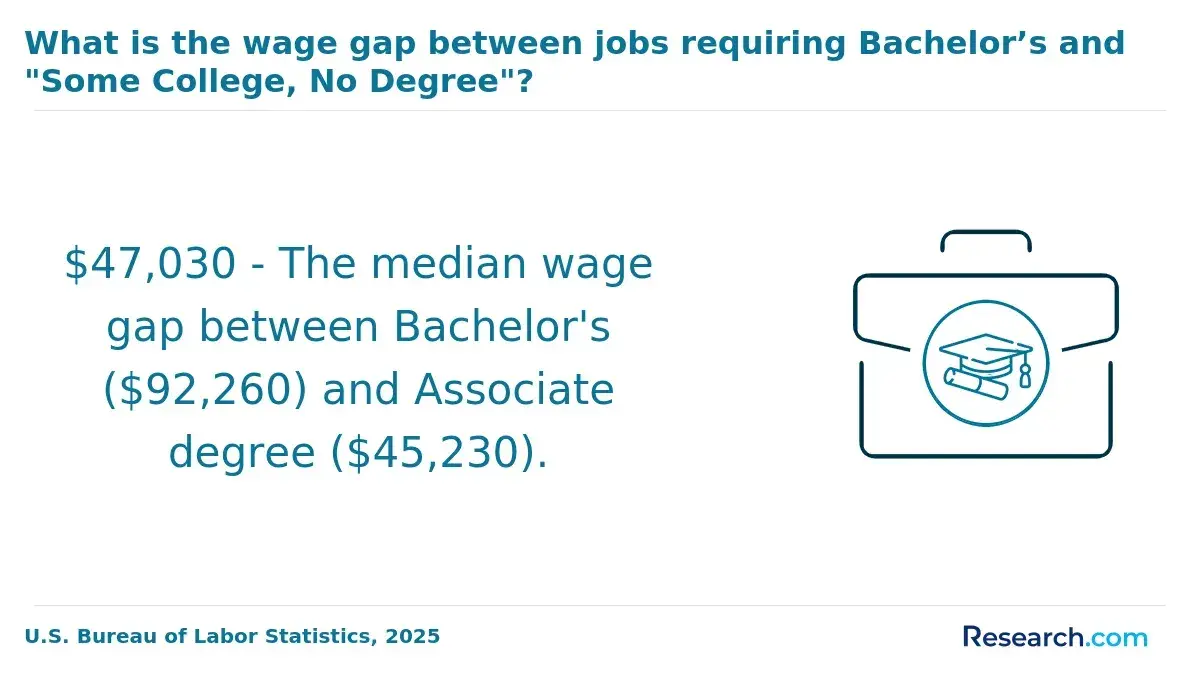
The job market demands at least a bachelor's degree for paid media positions, confirmed by data showing 76% of specialists hold this credential, tied to a median salary of $73,000 (August 2025). Graduates without this qualification risk being overlooked or receiving lower starting salaries, especially if their education lacks internship opportunities and real-world case studies. Ongoing adaptation to evolving ad algorithms and blending paid with organic efforts remain non-negotiable employer expectations.
When evaluating the best online marketing programs for paid media careers, consider those linked closely with employers and certification pathways to shorten job placement timelines. Professionals evaluating degree options might also assess programs like a bachelor's in project management to complement marketing skills with project leadership capabilities.
How do online marketing degrees prepare you specifically for paid media and performance roles?
Online marketing degree benefits for paid media specialists hinge on direct preparation for roles demanding both strategic data interpretation and tactical ad management. Unlike broader marketing programs, online marketing curricula combine analytical rigor with hands-on use of platforms like Google Ads and Facebook Business Manager, reflecting employer insistence on measurable ROI and cost-efficiency. Graduates learn to manage live budgets, optimize bids, and interpret attribution models-a necessity when handling multimillion-dollar campaigns where performance outcomes are constantly scrutinized.
Skills gained from online marketing programs for performance marketing roles cover campaign design that balances creative strategy with quantitative metrics such as cost-per-click and customer lifetime value. For example, a student may simulate managing a seasonal e-commerce sale, adjusting strategies in real time based on campaign data. This practical experience accelerates workforce readiness compared to theoretical or purely conceptual marketing degrees.
Cost remains a pragmatic filter: OnlineU's 2026 data shows annual tuition ranges from $9,000 to $16,000, with some programs as low as $5,000 to $7,000. These figures offer viable career pivot options without excessive debt, especially relevant since employers prioritize demonstrable skill over institutional prestige. Those evaluating educational pathways in related fields might also compare construction management programs to understand different cost-to-outcome ratios and modality options.
Employers expect mastery of tools like Google Analytics and Meta Ads Manager paired with advanced statistical knowledge. This alignment between technical skill and actionable insight is what distinguishes candidates ready to meet immediate performance marketing demands from those prepared only for longer-term theoretical roles.
What types of online marketing degrees lead to paid media careers, and how do they differ?
Paid media career readiness depends heavily on the specific focus within online marketing degree programs for paid media roles, which predominantly include digital marketing, marketing analytics, and advertising. Digital marketing degrees provide hands-on skills in campaign management and multi-platform advertising, yet require ongoing adaptation to evolving technologies. Marketing analytics programs stand out by equipping graduates with quantitative skills that align closely with employer demands for ROI optimization, often leading to higher starting salaries. Advertising degrees, while fostering creative campaign design, typically channel graduates toward agency roles rather than direct paid media buying positions.
Employers prioritize candidates who combine platform-specific expertise with strong data literacy and campaign impact analysis. This expectation reflects outcomes seen in Western Governors University's 2026 ROI comparison, where online marketing degrees integrating practical paid media and analytics training show estimated returns between 166% and 254%. Students seeking strategic pivots must carefully evaluate program rigor, real-world practicum components, and alignment with paid media employer needs.
Practical tradeoffs also arise based on prior experience. For example, a content writer switching fields will find more value in digital marketing programs focused on paid media tools than purely creative advertising degrees. Flexible, modular online programs offering micro-credentials can provide accelerated pathways for working professionals aiming to upskill.
Those exploring advanced credentials for sector-specific management roles might also consider examining MBA healthcare management options for comparative insight on ROI and career advancement structures.
How can you compare online vs on-campus marketing programs for paid media training?
The choice between online and on-campus marketing degree programs for paid media training involves critical tradeoffs tied to practical experience and network development. Employers recruiting for senior digital marketing roles, which ZipRecruiter's 2026 marketing careers report notes can offer salaries up to $225,500, prioritize candidates with proven campaign results and strategic media buying skills. These are often acquired through face-to-face internships and collaborative projects common in traditional on-campus programs.
Online offerings suit professionals balancing work commitments or residing far from urban marketing centers. They adapt quickly to new paid media technologies and provide flexible pacing, but lack in-person client simulations, immediate mentorship, and the peer interaction essential for honing situational problem-solving skills. This slower development in soft skills can impact candidates' readiness for nuanced roles.
In contrast, on-campus degrees embed students within local business ecosystems, allowing for semester-long internships, live campaign involvement, and direct employer engagement. For instance, those focusing on programmatic advertising in retail or B2B sectors gain a competitive edge through client-driven campus projects rather than online self-directed assignments.
When deciding, prospective students should weigh their current workload, geographic location, and the urgency of their career pivot while comparing the superior hands-on experience of on-campus programs against the agility and updated digital content found in online curricula. This balance is essential in evaluating the benefits of online versus traditional marketing education for paid media careers.
To explore more options and program details, consider reviewing accelerated business degree online resources.
What accreditation should online marketing programs have for credible paid media careers?
Accreditation is a decisive factor for paid media professionals seeking credible credentials that employers trust. Programs with regional accreditation endorsed by the U.S. Department of Education or the Council for Higher Education Accreditation (CHEA) consistently meet rigorous academic and transfer standards, a critical consideration in competitive job markets like technology and finance. In contrast, national accreditation may indicate vocational focus but often lacks the same weight for career mobility.
Specialized accreditation from bodies such as the Accreditation Council for Business Schools and Programs (ACBSP) or the Association to Advance Collegiate Schools of Business (AACSB) signals alignment with business education standards preferred by employers managing substantial paid media budgets on platforms like Google Ads and Meta.
Consider a working professional transitioning into paid media from an unrelated discipline. Selecting a program without recognized accreditation may reduce access to federal financial aid and diminish eligibility for key professional certifications, ultimately affecting total cost and salary prospects. Coursera's digital marketing salary guide projects a median $130,000 annual income for digital marketing managers, reflecting the premium placed on verified skills and respected credentials.
Important factors to evaluate include curriculum currency with evolving digital advertising tools and analytics, faculty qualifications, and the ability of a program's outcomes to inspire employer confidence. These elements collectively affect hiring potential and long-term ROI in a field demanding accountability for advertising spend.
What courses and specializations do top online marketing programs offer in paid media?
Paid media pathways in online marketing programs prioritize specialized skills in digital advertising platforms such as Google Ads and Facebook Business Manager, emphasizing direct application and measurable results. Practical competencies include real-time bidding strategies, budget allocation, and conversion tracking-critical tools when managing high-budget campaigns and meeting employer ROI demands.
For example, professionals entering ecommerce roles must balance ad spend across multiple channels while interpreting nuanced performance data to inform daily campaign adjustments. Conversely, B2B marketers require expertise in lead generation through LinkedIn Ads and CRM system integration, underscoring the necessity of customized skill sets aligned with sector-specific needs.
Many programs integrate industry certifications like Google Ads Certification to ensure alignment with workforce standards. However, students face a strategic tradeoff: acquiring deep paid media expertise versus maintaining broad foundational marketing knowledge, as employers expect professionals capable of both tactical execution and strategic insight.
Cost remains a significant factor. According to BestColleges, using NCES data, online marketing degrees average $10,473 annually, which is approximately 38% less than on-campus programs at $16,941. This price difference influences return on investment calculations, especially for career switchers managing tuition debt alongside competitive time-to-hire pressures.
What are typical admission requirements for online marketing degrees focused on paid media?
Admission to online marketing degrees centered on paid media prioritizes quantifiable analytical readiness over broad academic credentials. Candidates with coursework in math or economics and demonstrable experience in digital advertising tools like Google Ads often gain an edge, as the field demands data fluency and budget precision. For example, an applicant with a portfolio evidencing measurable campaign ROI may bypass candidates with purely theoretical knowledge.
Technical independence is a baseline expectation; reliable internet and navigation skills within digital platforms are non-negotiable given minimal program technical support. Personal statements are typically scrutinized for realistic career alignment rather than aspirational generalities.
Financially, public in-state tuition averaging $9,678 annually offers a marked cost advantage compared to out-of-state ($27,091) or private institution enrollments ($38,768), requiring prospective students-especially working professionals-to weigh tuition against anticipated salary trajectories rigorously. The premium of private programs demands accelerated compensation growth or specialized outcomes within paid media roles to justify investment.
Admission often assesses professional portfolios or documented marketing impact, reflecting employer priorities for strategic thinking and measurable results. This emphasis signals that hands-on experience with platforms like Facebook Business Manager not only enhances admission prospects but is essential for practical career readiness.
How long do online marketing degrees take, and what do they cost for paid media students?
Paid media professionals face a pivotal choice between accelerated and longer online marketing degrees, balancing time, cost, and work integration impacts. Graduate programs typically span 12 to 24 months, with accelerated options compressing curriculum into as little as 16 months. For example, a 16-month MA in Mass Communication - Social Media from a state flagship university totals 36 credits and costs nearly $30,000, reflecting a focused, expedited pathway for those maintaining full-time employment.
While shorter marketing graduate programs enable faster reentry into the workforce, they often intensify coursework, limiting opportunities for hands-on practice such as internships or freelance projects, which are crucial for mastering campaign analytics and ad platform skills employers demand. Longer programs, though slower, may embed more theoretical depth but risk delaying critical skill application and income progression.
Decisions should consider:
- Whether the student can sustain intensive study while working
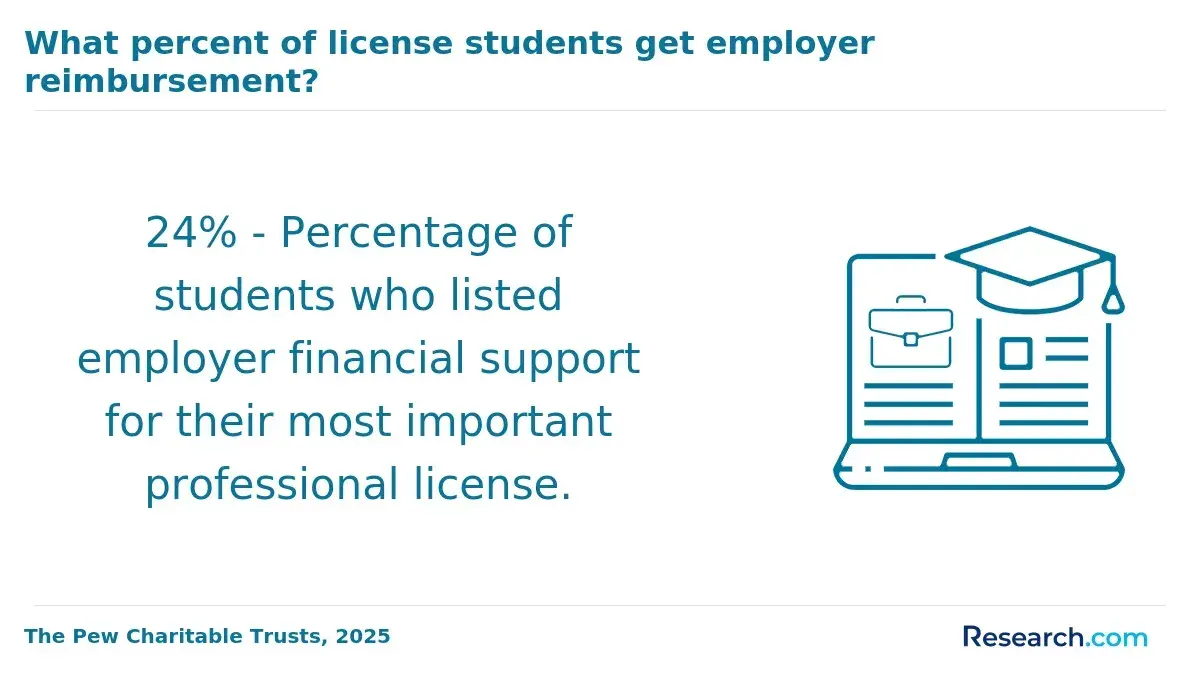
- Access to employer tuition assistance and the eligibility rules around part-time enrollment
- The value of project-based learning or internship components that enhance practical competence
Ultimately, matching program pacing and structure with specific career timelines and skill gaps leads to better alignment with industry demands in digital marketing roles within fast-moving sectors like technology or e-commerce.
What jobs, titles, and career paths can an online marketing degree unlock in paid media?
An online marketing degree primarily functions as a baseline credential for accessing paid media roles where strategic campaign oversight and data-driven decision-making matter most. Employers in fields like eCommerce and B2B technology routinely require a bachelor's degree. According to Coursera's 2026 research, 76% of digital marketing specialists hold this level, balancing theoretical knowledge with quantitative competency. Without this, candidates often struggle to meet hiring thresholds, especially for mid-level positions that demand integrated, cross-channel expertise.
Typical career trajectories start at campaign analyst or coordinator roles, advancing toward senior positions such as paid media manager or digital marketing strategist. In retail, creativity in brand alignment weighs more heavily than in tech sectors, where analytics and platform fluency become critical. The evolving ad tech environment imposes a hidden cost on degree holders who neglect continuous upskilling, particularly in tools like Google Ads and Facebook Business Manager. Experience with these platforms markedly boosts employability compared to certificate holders focused on narrowly specialized software.
Graduates must reconcile the static nature of a formal degree with the dynamic demands of real-world advertising platforms, demonstrating ROI with strong media analytics skills. Failure to adapt risks being outpaced by certificate-trained peers who often develop sharper technical agility faster. As such, an online marketing degree alone does not guarantee career momentum without deliberate platform-specific mastery and ongoing professional development.
What salary ranges and job outlook can paid media marketing graduates reasonably expect?
Starting salaries for paid media marketing graduates in 2026 vary widely, typically ranging from $45,000 to $65,000 for entry-level roles, while mid-level positions offer between $70,000 and $95,000. More senior roles, such as strategist or manager in established companies, often exceed $100,000, but reaching those roles generally requires 3-5 years of relevant experience. Immediate employment usually involves campaign execution or analyst tasks closer to the lower salary range, reinforcing the importance of gaining practical skills early.
Salary disparities reflect factors such as employer size, sector, and location. Graduates entering digital marketing at national retailers or tech firms may earn 15-25% more than those at smaller agencies or nonprofits. Paid social specialists working in e-commerce often see faster wage growth due to higher digital ad ROI compared to other industries, creating a compelling case to specialize accordingly.
Considering tuition costs from institutions like Western Governors University, which range from $26,000 to $70,000 for a bachelor's degree, students should weigh program affordability against realistic salary trajectories and the speed of achieving six-figure incomes. Investing in programs that emphasize hands-on experience with tools such as Google Ads and Facebook Business Manager can accelerate employability and justify tuition expenses.
Other Things You Should Know About Marketing
While specialized paid media certificates offer focused skills and quicker completion, they lack the broad foundation employers expect from a degree. Employers prioritize candidates with a well-rounded marketing education because paid media roles often require understanding strategic context and data interpretation. A degree provides greater long-term flexibility, while certificates serve best as supplemental credentials rather than substitutes for a degree.
Practical experience is essential. Programs that integrate real-world projects, internships, or use industry-standard tools better prepare graduates for job readiness than purely theoretical curricula. Candidates without hands-on exposure face steeper learning curves on the job, reducing their immediate value to employers. Prioritize programs with embedded experiential components to match employer expectations and smooth transition into paid media careers.
In 2027, reputable online marketing degree programs focusing on paid media are offered by institutions like The Wharton School's Online Digital Marketing Certificate, the University of Illinois' Online MBA with a Digital Marketing Specialization, and the University of Southern California's Online Master of Science in Digital Social Media. These programs are distinguished for their comprehensive curricula and strong industry connections.
Choose a program accredited by the Higher Learning Commission, Southern Association of Colleges and Schools Commission on Colleges, or another regional accreditor recognized by the U.S. Department of Education. For marketing-specific quality, AACSB accreditation is a strong signal, especially for degrees that include digital advertising and analytics coursework.
References
- Marketing vs Digital Marketing Courses https://www.oakfieldscollege.co.za/blog/marketing-courses-vs-digital-marketing-courses-whats-the-difference
- Marketing Jobs: Career Paths and How to Secure One https://www.uniccm.com/blog/marketing-jobs-career-paths-and-how-to-secure-one
- Degree in Online Marketing - Updated 2026 https://uniscopio.com/en/bachelors-degrees/online-racing/online-marketing/
- Can You Get a Marketing Job Without a Degree? Here’s How ODEO Makes It Real - Odeo Academy https://odeoacademy.com/can-you-get-a-marketing-job-without-a-degree-heres-how-odeo-makes-it-real/
- CourseCareers https://coursecareers.com/blog-posts/how-digital-marketing-courses-teach-skills
- Online Bachelor’s in Marketing & Digital Marketing Programs - Marketing Majors https://www.mastersincommunications.com/related-degrees/bachelors-in-marketing
- A Guide to Digital Marketing Career Paths in 2025 | Digital Marketing Institute https://digitalmarketinginstitute.com/blog/a-guide-to-digital-marketing-career-paths
- Advertising and Paid Media jobs and careers https://www.adlib-recruitment.co.uk/advertising-and-paid-media-jobs-and-careers
- 10 Best Online Digital Marketing Courses (Free & Paid) https://creativeclicks.com/blog/the-10-best-online-courses-on-digital-marketing-free-and-paid/
- All 6 Types of Marketing Degrees: What Works Best for You | Brafton https://www.brafton.com/blog/content-marketing/types-of-marketing-degrees/