2027 Online Legal Studies Degrees With the Best Support for Career Changers

Co-Founder and Chief Data Scientist
Transitioning to a legal studies career often collides with rigid admissions criteria and inflexible scheduling, especially for those juggling full-time work or family commitments. The National Center for Education Statistics recently reported a 12% surge in adult learners enrolling in fully online degree programs, signaling a shift toward more accessible education formats that accommodate nontraditional students. Yet, not all online legal studies degrees provide the same level of career services or customizable pacing crucial for career changers needing targeted professional support.
Choosing a program requires careful evaluation of how well it adapts to these constraints while fostering tangible job market advancement. This article examines the top online legal studies degrees designed to support career changers effectively by balancing accessibility, expert guidance, and employability outcomes to facilitate informed decision-making.
Key Things You Should Know
- Employers prioritize candidates with paralegal certification post-degree, as BLS 2024 data shows 35% of legal studies grads lack direct qualification, reducing immediate job market competitiveness and delaying career entry.
- High tuition in accelerated programs-averaging 22% more per credit hour per NCES 2024-creates a cost-access tension, forcing career changers to balance speed against financial strain and debt risk.
- Midcareer switchers face skill gaps in emerging legal tech, with 48% of legal services firms citing insufficient tech proficiency from graduates per American Bar Association 2024, mandating supplemental training to meet employer expectations.
What is an online legal studies degree and how does it support career changers?
Online legal studies degree benefits for career changers lie chiefly in their targeted skill acquisition and scheduling flexibility, which address critical workforce realities. These programs distill complex legal frameworks into actionable competencies like case analysis, legal writing, and procedural compliance, enabling professionals to enter mid-level legal roles with practical, job-ready skills rather than theoretical overload.
Consider a registered nurse transitioning to a paralegal position: coursework tailored to health law or insurance disputes leverages clinical experience, shortening the adaptation period and enhancing employability. Employers consistently prioritize this intersection of domain-specific expertise and foundational legal knowledge, particularly in competitive markets.
Effective transitions also depend on career support services embedded within these degrees-resume workshops focused on the legal sector, job placement aid, and networking with practicing attorneys help overcome common hurdles such as establishing legal credibility and competing against traditional law graduates.
Challenges remain, including balancing coursework with employment and managing tuition costs. Prospective students should weigh program accreditation and alignment with paralegal certification standards to maximize return on investment and job market relevance. According to the U.S. Bureau of Labor Statistics, paralegals earned a median annual wage of $61,010 as of May 2024, indicating solid financial prospects for those completing legal studies pathways.
Individuals evaluating pathway options may find comparative insights and program details in an accelerated paralegal program online to further support career transitions and reduce time-to-employment.
Are online legal studies degrees as credible and accredited as campus programs?
Online legal studies degree accreditation comparison directly affects employability and program credibility. Regionally accredited institutions offering these degrees maintain parity with campus programs in employer acceptance and bar eligibility. However, some state bar associations or advanced certifications require traditional degrees or in-person components, restricting the scope of online degree applicability in certain legal careers.
Prospective students should scrutinize program accreditation closely, especially if aiming for law school or specialized licensure. Employers in legal support roles, such as paralegal firms, typically value completion of an ABA-approved online program on equal footing with on-campus programs, provided transcripts confirm equivalent coursework. For career changers, the key tradeoff involves balancing the flexibility of asynchronous online study against the need for disciplined time management to avoid falling behind traditional students.
To strengthen credentials beyond coursework, students should pursue practical experience through internships, remote externships, or virtual legal clinics-opportunities commonly supported by accredited online programs. Before enrolling, confirm the following:
- Regional accreditation of the institution.
- ABA or specialized approval aligned with career goals.
- Availability of experiential learning options.
- State-specific credentialing requirements for legal assistants or paralegals.
Students evaluating the credibility of online legal studies programs must weigh these factors against local employment markets and credential acceptance nuances. For those navigating additional barriers, examining the best associate degrees for felons can provide alternative pathways that maintain workforce relevance.

How do online and on-campus legal studies programs compare for working adults?
For working adults pursuing legal studies, online programs offer a pragmatic solution to balance study with ongoing employment and family responsibilities. The asynchronous course delivery typical of many online legal studies programs for working adults eliminates rigid scheduling conflicts, reducing disruptions to income and minimizing the need for workplace leave. This flexibility is especially advantageous for professionals navigating career changes who cannot afford extended downtime.
Career changers evaluating a comparison of on-campus and online legal studies for career changers should consider admission barriers: numerous online master's programs, such as American University's Master of Legal Studies, waive GRE or LSAT requirements, accelerating access and lowering upfront costs. This creates an expedited path for those shifting into legal-adjacent roles without traditional legal backgrounds.
However, this convenience entails tradeoffs. On-campus programs retain unique advantages in network building and offering in-person internships, which remain valued by employers in sectors like corporate law or government. These experiential elements can influence hiring outcomes in elite legal environments, especially for candidates lacking prior legal experience.
Decision-making should align with long-term objectives: online study suits roles focused on compliance or policy where workforce integration is paramount, while traditional legal practice paths may demand the immersive environment found only on campus. Those seeking cost-effective, flexible credentialing might also evaluate forensic degree online options, which share similar flexibility and professional applicability. More information on these pathways can be found at forensic degree online.
What types of online legal studies degrees are best for transitioning careers?
Accelerated postgraduate diplomas in legal studies, like the University of Law's online PGDL completed in nine months full-time, provide a clear timeline advantage for career changers balancing employment and study. Short-term programs reduce opportunity costs and skill atrophy compared to traditional three-year degrees, making them a pragmatic choice for professionals transitioning to legal roles.
Transitioning from fields such as finance or healthcare, candidates gain foundational legal principles without excess general education credits. However, online legal studies degrees for career changers demand self-discipline, access to robust digital infrastructure, and may limit on-campus networking opportunities. Programs integrating virtual career support and live sessions help mitigate this deficit, impacting employability in a competitive market.
Specialized certificates in areas like regulatory compliance, contract law, or intellectual property often align better with sector-specific demands in tech, pharmaceuticals, or corporate compliance. For example, a finance professional pivoting to compliance will gain more precise expertise from such focused credentials than a general law degree.
This approach reflects employer preferences for niche skills over broad-based credentials, consistent with government labor data showing increased demand for legal support roles with specialized knowledge. Assessing program accreditation and bar eligibility is crucial, especially for those aiming to practice law later. Intensive, under-one-year online formats enhance upskilling speed while minimizing workforce disruption. Understanding these tradeoffs is essential before commitment.
For context on legal and related job market considerations, professionals may also evaluate details like how much do autopsy techs make as part of broader career research.
What courses and skills do online legal studies programs typically teach?
Legal studies programs tailored for career changers must balance foundational knowledge with immediate workplace applicability. Core competencies include contracts, torts, criminal law, and procedural skills like litigation support and discovery, areas employers expect candidates to handle with minimal onboarding. For instance, paralegals or compliance officers in financial or healthcare sectors benefit from targeted coursework on regulatory compliance and technology tools such as e-discovery software.
Students face tradeoffs in selecting programs: affordability often dictates feasibility for working adults, yet lower tuition rates, such as Purdue Global's $420 per credit, do not guarantee a straightforward return on investment. Legal studies credentials augment roles adjacent to law, but rarely substitute for licensed attorneys; thus, assessing curriculum alignment with specific legal-adjacent jobs is essential.
Graduates frequently transition into roles within law firms, corporate legal departments, or regulatory compliance functions where the blend of legal reasoning and practical skills determines employability. Effective programs also allow for specialization in areas like intellectual property or business law, aiding professionals targeting niche markets.
Success hinges on verifying that program content matches not just broad legal knowledge but precise employer expectations, ensuring graduates can contribute immediately to organizational workflows while mitigating common barriers faced by career changers.
What admission requirements do online legal studies programs have for mid-career adults?
Mid-career adults pursuing online legal studies must navigate specific admission requirements that prioritize prior academic achievements and relevant professional experience. Programs typically demand at least a bachelor's degree from an accredited institution, while often waiving standardized tests like the GRE or LSAT to account for demonstrated career competencies. Admissions packages commonly include official transcripts, a current resume, and a personal statement detailing motivation and career objectives.
Applicants from nontraditional backgrounds face additional challenges, such as addressing gaps in foundational legal knowledge through remedial coursework. Admission reviews often assess an applicant's capacity to manage competing demands-work, study, and family-sometimes requiring time management statements or proof of continuing education success.
This scrutiny reflects the competitive nature of legal occupations, which the U.S. Bureau of Labor Statistics projects to grow 9% over a decade, emphasizing sustained demand balanced by intense entry-level competition. For instance, a paralegal shifting from finance must demonstrate transferable skills in research and compliance and satisfy baseline academic criteria.
Failure to do so frequently results in conditional admission with mandated bridge courses, extending program duration, and increasing costs. Awareness of these criteria is vital to avoid delays that could disrupt timing and financial planning during career transitions.
How long do online legal studies degrees take and what do they cost?
Choosing an online legal studies degree requires weighing time, cost, and real employment outcomes. Associate degrees typically take about two years full-time and offer a faster, lower-cost route suited for career changers targeting roles like law clerks, where median wages reach $66,940 annually according to the U.S. Bureau of Labor Statistics.
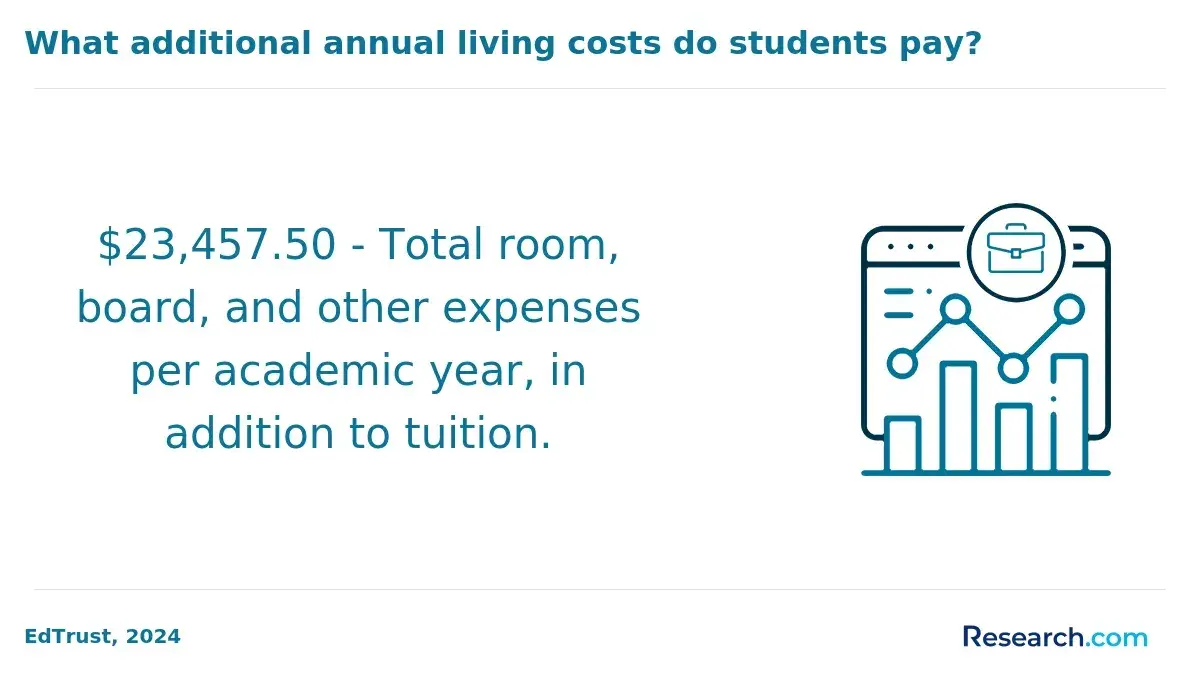
Bachelor's degrees extend to four years, though acceleration is sometimes possible, and may open doors to broader legal or paralegal opportunities, but come with significantly higher tuition, ranging from $10,000 to $30,000 per year at four-year institutions. Part-time options add flexibility but often extend completion timelines, demanding strong time management.
Total costs can vary dramatically-community colleges may charge as low as $3,000 to $6,000 annually for associate programs, while private institutions can push costs near $120,000. Financing through employer tuition assistance, financial aid, or grants can mitigate this, but requires careful planning.
Importantly, an online degree alone rarely ensures immediate employment. Success hinges on earning practical experience through internships, certifications, and networking. For students balancing work and study, flexible online programs can accommodate jobs but may complicate scheduling and delay graduation. Prospective students must realistically assess how program structure impacts both their financial and career timelines.
A practical approach considers:
- Shorter, affordable associate degrees aligned with roles offering competitive salaries
- The tradeoff of higher-cost bachelor's degrees for expanded career pathways
- The necessity of supplementing education with hands-on experience to improve hiring prospects
What legal and law-adjacent careers can you pursue with an online legal studies degree?
Graduates with an online legal studies degree frequently assume paralegal or legal assistant roles where mastery of legal terminology and procedures is critical for accurate case management and client interaction. These practical roles typically require less formal certification but demand precise knowledge to align with employer expectations in fast-paced legal environments.
The degree also opens pathways into compliance specialist positions across finance, healthcare, and corporate sectors, where regulatory expertise mitigates organizational risk and ensures legal standards compliance. For mid-career professionals, supplementing legal studies with industry-specific certifications or apprenticeships significantly improves employability, especially in emerging areas like cybersecurity regulation.
Addressing jurisdictional licensing requirements often requires dual-track strategies combining academic studies with structured practical training. For example, paralegals pursuing solicitor qualification face mandatory work-based learning alongside coursework to satisfy regulatory standards, which can extend timelines and add complexity to career pivots.
Key operational insights for prospective students include:
- Legal support jobs are growing at a rate of 7% through 2028, surpassing average job market growth and indicating sector resilience.
- Flexibility of online programs suits working professionals seeking nontraditional entry points, but must be paired with credentials or apprenticeships for roles demanding higher licensing.
- Clear tradeoffs exist between immediate entry-level legal support positions and longer-term solicitor or licensed roles requiring additional qualifications.
Supplementation with recognized pathways, such as those noted by Brightlink Learning's analysis of CILEX qualifications and work-based learning, offers a more strategic route to sustained career progression than relying on academic credentials alone.
What salary ranges and job outlook can legal studies graduates realistically expect?
Legal studies graduates entering the workforce face starting salaries typically between $45,000 and $62,000, with roles like legal assistants and administrators on the lower end, predominantly influenced by geographic and employer variations. For example, legal assistants have a median annual wage of $48,500, though administrative positions span from $40,000 to $55,000 depending on experience and organizational size.
This wage range reflects the practical reality that many entry-level legal support roles remain geographically clustered in metropolitan areas where demand is higher. Job growth in legal and regulatory support fields is projected between 5% and 10% annually in various states, but candidates who rely solely on an online legal studies degree may find competition steep without complementary credentials.
Internships, paralegal certifications, or specialized compliance and criminal justice training often distinguish applicants and broaden employment pathways. For those pivoting careers, initial salary constraints are a tradeoff, particularly outside major hubs. Advancement to roles such as compliance officer or legal administrator within 3 to 5 years can push earnings beyond $70,000 but requires focused skill development and networking within local legal communities.
- Starting salaries generally range from $45,000 to $62,000, depending on role and location
- Supplementary certifications and hands-on experience improve job prospects amid competition
- Mid-level positions offer salary increases, but demand targeted career strategies and mobility
How can career changers evaluate support services and choose a reputable online program?
Career changers pursuing legal studies often face critical choices about the support structures that enable a successful transition. Programs offering targeted career advising tailored to fields such as compliance, contract management, or paralegal work provide advantages beyond generic guidance. This includes personalized resume reviews, employer networking, and access to verified employment outcomes, such as graduate placement rates within six months of completion.
For example, a professional moving from finance to legal compliance benefits significantly from programs that integrate micro-credentials or internships focused on regulatory affairs to close knowledge gaps and build relevant experience. Adult learners balancing work and study must evaluate a program's student support infrastructure carefully.
Smaller cohort sizes can enhance faculty access and mentorship, which translates into stronger skill acquisition and job readiness. Additionally, programs recognized in The Princeton Review's 2026 rankings for online Master of Studies in Law indicate institutional commitment and employer familiarity, factors that reduce hiring friction.
Financial transparency is equally important. Prospective students should scrutinize total program costs against realistic salary increases achievable in their target sectors to avoid excessive debt. Accreditation from recognized bodies further ensures credit transferability and employer recognition, helping to mitigate long-term career risks.
Other Things You Should Know About Legal Studies
Many online legal studies programs allow students to maintain full-time employment, but the workload can be significant due to case studies, research papers, and exam preparation. Students should prioritize programs with flexible scheduling and asynchronous coursework to manage job responsibilities effectively. Without strong time management skills, balancing both can delay graduation or reduce learning quality, which affects career readiness.
Most online legal studies bachelor’s programs require a minimum 2.0 GPA for transfer admission, and many accept up to 60 to 90 semester credits from accredited colleges. Some schools also require official transcripts and a grade of C or better in major-related courses.
A bachelor's in legal studies opens entry-level roles but often stalls mid-career without further specialization, certifications, or graduate education. Career changers should evaluate whether the program offers pathways to paralegal certification or graduate degrees if advancement or specialization is a goal. Prioritizing degrees that align with these credentials optimizes long-term career growth beyond initial job placement.
References
- What Can You Do With a Master of Legal Studies (MLS)? https://mls.uclawsf.edu/articles/what-can-you-do-with-master-of-legal-studies/
- Top 10 Skills You Gain from Online Law Courses - https://lexmatter.org/blog/
- Top Strategies for Career Changers to Find Their Ideal Job Fast https://ccitraining.edu/blog/top-strategies-for-career-changers/
- 10 jobs you can do with a law degree https://www.lawsociety.com.au/resources/resources/career-hub/10-jobs-you-can-do-law-degree
- What to Expect from a Master of Legal Studies Program https://onlinemasteroflegalstudies.com/mls-degrees/knowledge-and-skills-expected-from-master-of-legal-studies/
- Switching Careers Into Law with an Online Paralegal Certificate https://www.paralegalinst.com/switch-careers-into-law-with-online-paralegal-certificate
- Paralegal Master's Degree https://www.paralegal411.org/degrees/masters/
- Best Online Master of Studies in Law Programs for 2025 https://www.princetonreview.com/law-school-rankings/best-online-master-studies-in-law-programs
- The Complete Guide to Choosing the Right Online Courses in 2025 https://www.mylearningonline.com.au/blog/the-complete-guide-to-choosing-the-right-online-courses-for-career-change/