2027 Online Legal Studies Degrees for Students Who Want Compliance Specialist Roles

Co-Founder and Chief Data Scientist
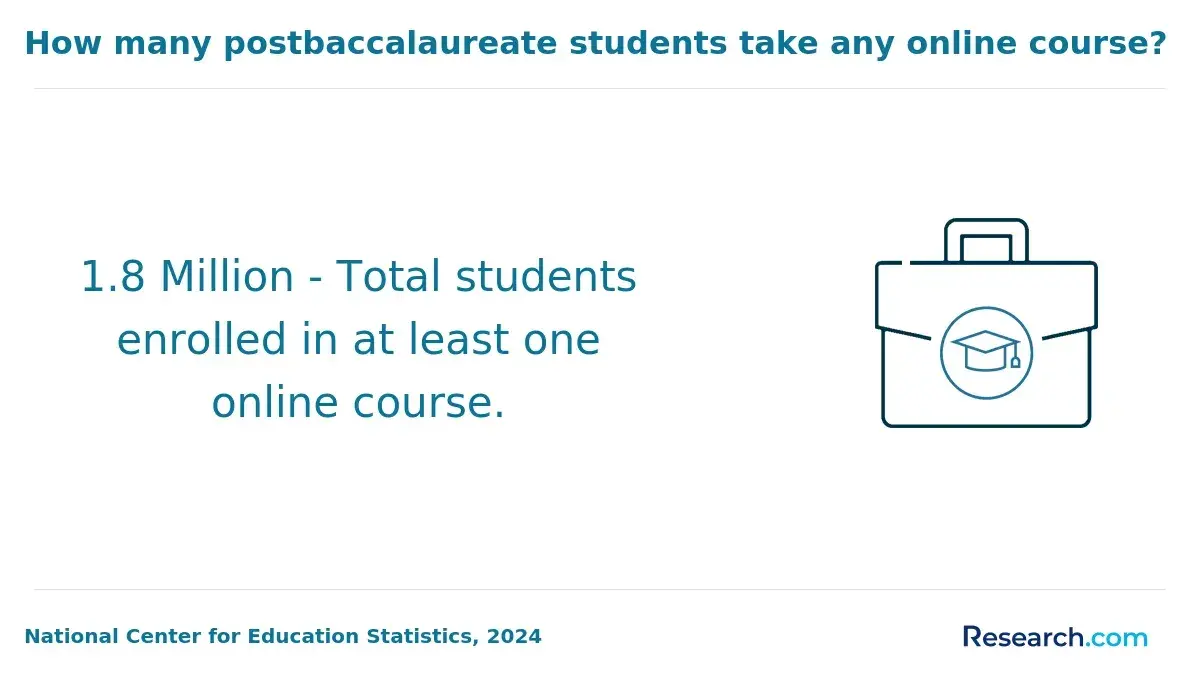
Professionals aiming for compliance specialist roles often confront a critical obstacle: balancing full-time work with acquiring relevant legal knowledge that meets evolving industry standards. The workforce now demands nimble credentials accessed without sacrificing current employment. According to the National Center for Education Statistics 2024 data, online enrollments for adult learners have surged by 18%, underscoring a broader shift toward flexible, career-integrated learning.
This pattern highlights the necessity for legal studies programs that align with practical scheduling needs while delivering substantive regulatory and compliance expertise. This article examines online legal studies degrees tailored to those constraints and how they directly inform strategic career moves into compliance roles.
Key Things You Should Know
- Compliance specialist entry-level roles post-online legal studies show a median salary near $65K, but 2024 data from the Bureau of Labor Statistics reveals 15% higher employer preference for candidates with hybrid or in-person accreditation, impacting return on investment.
- Completion rates for fully online legal studies programs average 45% nationally, per NCES 2024, increasing timelines and tuition costs; accelerated cohorts can offset this but reduce depth in regulatory nuances critical for compliance roles.
- Industry reports from the Society of Corporate Compliance and Ethics indicate 70% of compliance specialists prioritize candidates with practical internship experience-often scarce in remote programs-posing a key workforce readiness hurdle for online-only graduates.
What is an online legal studies degree for compliance specialist careers?
Online legal studies programs focused on compliance careers must deliver more than theoretical knowledge; they require a rigorous linkage to sector-specific regulatory mastery and practical application. Compliance specialists, depending on their industry-whether financial services or healthcare-need tailored expertise such as anti-money laundering protocols or patient privacy rules under HIPAA to be operationally effective. This specialized focus is essential because regulatory environments vary widely, and the role demands nuanced interpretation and enforcement capabilities.
The structure of an online legal studies degree supporting compliance specialist roles often includes coursework on ethics, administrative law, and investigative techniques designed for regulatory contexts. These programs tend to blend synchronous and asynchronous formats to accommodate working professionals, demanding proficiency in interpreting complex laws like Sarbanes-Oxley and internal audit procedures. Employers consistently prioritize candidates who demonstrate analytical skills and familiarity with documentation, audit compliance, and reporting frameworks, often linking degree completion to certification pathways.
Employment projections from the U.S. Bureau of Labor Statistics estimate a 3% growth for compliance officers, translating to roughly 33,300 annual job openings. However, success in this field increasingly depends on integrating practical experience through targeted internships or certifications beyond the degree itself. Students evaluating this pathway should also consider programs recognized in the domain of online interdisciplinary studies bachelor programs low cost to balance affordability with career relevance.
Which legal studies credentials qualify for compliance specialist jobs?
For aspiring compliance specialists, a bachelor's degree in legal studies, paralegal studies, or compliance and regulatory affairs remains the foundational credential employers expect. However, the value of such degrees hinges on targeted coursework in corporate governance, risk management, and financial regulations, combined with practical certifications like Certified Compliance & Ethics Professional (CCEP). A notable workforce implication is that sectors such as aerospace manufacturing demand additional expertise in federal acquisition regulations and export controls, illustrating the nuanced tradeoffs candidates face based on industry requirements.
Associate degrees or certificates in legal studies generally restrict candidates to entry-level roles or compliance support, especially in heavily regulated fields like natural gas or computer manufacturing, where comprehensive regulatory understanding is essential. Those seeking leadership roles in compliance increasingly lean on master's degrees in legal studies or business law, reflecting the strategic decision-making and policy development skills required at higher levels. According to U.S. Bureau of Labor Statistics data, compliance officers in "other information services" earn average salaries exceeding $126,000, emphasizing the salary premium for advanced credentials.
Many professionals pursuing online legal studies degrees for compliance specialist roles must carefully evaluate program accreditation, curriculum relevance, and opportunities for internships or applied projects. Such practical experiences critically improve sector-specific insights and employer desirability, which are decisive for breaking into regulated industries. Prospective students can explore options through resources such as 2 year criminal justice degree online programs to understand flexible pathways that accommodate mid-career pivots.
Without recognized certification or in-depth legal studies credentials, candidates risk diminished competitiveness, as regulatory environments grow more complex. Ultimately, the integration of formal education, specialized credentials, and hands-on experience shapes competitive candidates prepared for compliance roles in 2026 and beyond.
How do online and campus legal studies programs compare?
Choosing between online legal studies vs campus programs hinges on critical tradeoffs in flexibility, employer expectations, and networking capacity. Online formats cater to working professionals seeking adaptable schedules without relocation, a significant practical advantage for those balancing current roles or family responsibilities. Conversely, campus programs provide direct faculty interaction, in-person workshops, and access to local legal communities-a vital distinction where professional networks influence opportunities in compliance sectors.
Industry alignment shapes the impact of delivery mode on career outcomes. For example, candidates targeting healthcare compliance or remote financial services roles can leverage online legal studies programs that integrate timely regulatory developments suited to decentralized work. In contrast, government and law firm compliance positions often prioritize applicants with campus experiences reflecting perceived rigor and facilitating internships that boost employment prospects.
Salary comparisons underscore the tangible returns of advanced legal studies education. Pepperdine Law data reveals master's degree holders earn about $15,496 more annually than bachelor's graduates. This differential validates investment in graduate programs for serious compliance specialists, irrespective of delivery format.
Key operational considerations include balancing commute and scheduling constraints with mentorship and network-building potential. Prospective students should also weigh employer preference patterns in their target sectors, which can critically affect job placement. Additionally, understanding the criminal justice degree price landscape provides clarity on financial commitment within online legal studies vs campus programs choices.
Is accreditation important for online legal studies programs?
Employers in compliance sectors prioritize candidates from accredited online legal studies programs because accreditation verifies adherence to rigorous academic and professional standards. For instance, candidates pursuing compliance roles in healthcare must demonstrate knowledge aligned with HIPAA and other regulations, which programs accredited by recognized regional or national bodies ensure. This accreditation signals practical readiness to manage risk assessment, regulatory reporting, and internal audits across sectors such as finance and technology.
Choosing programs without accreditation might reduce initial expenses but often leads to limitations in securing advanced positions or certifications, especially in regulated industries where formal validation of expertise is mandatory. Accreditation also facilitates smoother credit transfers and licensing, crucial for professionals considering further education or credentialing. Accreditation's importance extends beyond verifying quality; it substantially influences employability and salary trajectories in legal compliance fields.
Among the 22 dedicated compliance degree pathways and 27 legal compliance master's programs cataloged by Educations.com for 2025, accredited online legal studies programs stand out for their alignment with evolving professional compliance demands. Prospective students should verify the accreditation status recognized by the U.S. Department of Education or CHEA to ensure their credential maintains utility over time.
Balancing program quality with completion time is also critical. Those interested may consider an accelerated architecture degree as an example of how program structure impacts career timelines, a relevant factor in compliance specialist education where timely entry into the workforce is often essential.
What courses are included in a compliance-focused legal studies curriculum?
Legal studies programs focused on compliance offer a concentrated skill set tailored to regulatory and risk management realities influencing business sectors. The curriculum equips students to navigate complex statutes through courses in corporate law, administrative law, and specialized regulatory compliance tailored to industries like healthcare, finance, and environmental sectors.
The practical demands of compliance roles extend beyond theoretical knowledge. Training in due diligence, internal controls, and ethics prepares students to design effective risk mitigation policies and uphold professional accountability, essential when dealing with ambiguous legal frameworks and high-stakes enforcement scenarios. For example, noncompliance in healthcare can trigger substantial penalties, illustrating why experiential case analyses are integrated into the curriculum to connect academic content with real-world consequences.
Data privacy and cybersecurity law are increasingly prioritized, responding to employer needs for safeguarding sensitive information amid evolving regulatory landscapes. Contract law and negotiation skills prepare students to identify risks and engage with regulatory bodies or corporate leaders effectively.
From a workforce perspective, California's employment of nearly 50,000 compliance officers combined with a steady job growth rate creates a competitive yet opportunity-rich market that demands graduates with both solid regulatory insight and sector-specific competence. Prospective students should weigh the balance between broad legal principles and the necessity of applied knowledge within their target industry to optimize their career trajectory.
What admission requirements do online legal studies programs usually have?
A bachelor's degree remains the foundational admission requirement for online legal studies programs targeting compliance specialist roles, with many institutions enforcing a minimum GPA threshold of 2.5 to 3.0. Candidates often need to demonstrate relevant background through coursework or professional experience in criminal justice, business, or risk management, as these contexts deepen comprehension of regulatory complexities. Practical experience in corporate settings or legal aid environments significantly strengthens applications, with some programs requesting letters of recommendation as verification.
Standardized exams like the GRE or LSAT are seldom required but may appear in selective admissions aiming to evaluate analytical aptitude. International applicants typically must provide TOEFL or IELTS scores to confirm English proficiency. A notable workforce implication is salary differentiation: William & Mary Law's data shows compliance officers holding an MLS earn a median of $148,000, distinctly higher than the $99,000 median for risk analysts, highlighting how educational alignment impacts compensation outcomes.
Applicants must also consider technical capacities-consistent internet, computer literacy, and the ability to manage asynchronous and synchronous online demands-which affect program completion feasibility. Admission committees expect clear articulation of how studies translate to compliance roles with significant responsibility, aligning educational commitment with tangible career results rather than general legal knowledge.
How long does an online legal studies degree usually take?
Completing an online legal studies degree requires navigating a balance between duration, workload, and career objectives. Full-time associate degrees typically take around two years, offering a faster transition into entry-level compliance roles, while bachelor's degrees usually span four years but can be shortened with transfer credits or intensive study. For working adults, part-time enrollment can extend completion to six years, which impacts timing for workforce re-entry and income stability amid a projected 33,300 annual job openings in compliance sectors like finance and government.
Programs incorporating internships or capstone projects extend timelines but notably enhance employability by providing direct experience with compliance challenges employers value. Accelerated and competency-based tracks cater to those with prior related knowledge, allowing quicker degree completion while maintaining market relevance.
However, delays due to prerequisite requirements or limited course availability frequently disrupt graduation plans. Prospective students should carefully assess curriculum flexibility and credit transfer policies to avoid prolonged timelines that could stall career pivot strategies.
- Full-time associate degree: about 2 years
- Bachelor's degree: typically 4 years, customizable
- Part-time enrollment: up to 6 years, affecting employment timeline
How much do online legal studies degrees cost?
Investing $15,000 to $40,000 in an online legal studies master's program demands careful assessment beyond sticker price. Public institutions typically offer more affordable rates, especially for in-state students, while private schools lean toward the higher end. However, these tuition figures alone don't reflect real-world returns. For instance, University of Pittsburgh School of Law graduates moving into compliance manager roles earn a markedly higher salary-averaging $115,045-compared to $78,551 for non-managerial compliance specialists. This gap highlights the importance of selecting programs that cultivate management-level qualifications rather than entry-level credentials.
Time investment adds another variable. Some candidates complete programs in two years part-time, while accelerated options may truncate study periods but often require heavier workloads. Employers in regulated sectors like finance, healthcare, and energy value comprehensive graduate training that integrates federal regulations and risk frameworks. Opting for lower tuition might reduce debt but can restrict access to advanced specialization or vital professional networks, which influence future employability and advancement.
Key tradeoffs to consider include:
- Program cost versus depth and currency of curriculum
- Residency-based tuition savings balanced against program accessibility
- Duration of study against opportunity cost of delayed workforce reentry
- Choosing a program aligned with long-term regulatory industry demands maximizes the value of advanced legal studies education.
What jobs can you get with a legal studies degree in compliance?
The increasing regulatory complexity across industries has driven a measurable surge in demand for compliance professionals with legal studies backgrounds. Positions such as corporate compliance officers and risk analysts now require integrating in-depth legal understanding with sector-specific operational controls-an approach that varies substantially between fields like finance and healthcare. For example, a compliance officer in finance navigates anti-money laundering statutes requiring analytical rigor and technical legal expertise, whereas healthcare roles focus on patient privacy regulations and medical billing compliance, demanding specialized knowledge and continuous monitoring.
Employers typically expect junior candidates to demonstrate familiarity with legal frameworks, coupled with strong research abilities and competence in compliance software. More advanced roles entail conducting audits, interpreting evolving regulations, and designing training programs that effectively communicate complex legal mandates to operational staff. The variance in organizational size also influences job scope; smaller firms may combine compliance duties with general risk management, while larger entities often split these responsibilities into specialized roles within legal departments.
To enter this field pragmatically, candidates should pursue targeted internships, relevant certifications such as Certified Compliance & Ethics Professional, and active engagement with industry associations, balancing legal acumen with applied business skills to meet rising employer standards. Navigating this hiring landscape requires realistic appraisal of these qualifications and sustained professional development.
What salary and job outlook do compliance specialists have?
Compliance specialist salaries vary significantly by industry and location, with mean annual earnings exceeding $110,000 in sectors such as natural gas, aerospace, and advanced manufacturing. This wage disparity reflects the necessity for compliance professionals to master complex regulatory environments prevalent in these fields. For example, a compliance specialist working in aerospace within California or Virginia tends to earn notably more than counterparts in smaller, less regulated markets.
Job growth projections through 2034 align with the national average, suggesting steady but competitive demand. Employers increasingly expect compliance officers to maintain advanced certifications and acquire expertise in emerging areas like cybersecurity compliance and ESG (environmental, social, and governance) standards.
Professionals who pivot into compliance with an online legal studies degree must consider that the degree alone may not suffice. Hiring managers prioritize candidates with targeted industry knowledge and relevant credentials over generic legal studies backgrounds. To stay employable, ongoing education and practical experience remain critical.
Key workforce implications include:
- Sector and geography substantially influence salary potential and job availability.
- Advanced training beyond a baseline legal studies curriculum is often a prerequisite.
- Long-term career progression is more accessible in industries benefiting from sustained economic investment.
- Continuous upskilling is necessary to navigate evolving regulation and employer expectations.
Other Things You Should Know About Legal Studies
Most compliance employers prefer at least one internship or practicum in a regulated setting, such as banking, healthcare, or corporate compliance. A 120-hour placement is a common benchmark, and some programs require a supervised capstone tied to policy review, risk assessment, or internal controls.
Choosing a legal studies degree that includes a specialized compliance track offers clearer alignment with compliance specialist roles and usually features relevant regulatory frameworks and industry-specific guidance. However, more general programs may provide broader foundational knowledge that supports lateral career movement later. For those certain about compliance careers, a specialized program minimizes skill mismatch risk and better matches current employer requirements.
Employers increasingly accept online legal studies degrees but focus on the program's reputation, curriculum relevance, and demonstrated practical skills. Degrees from institutions that emphasize compliance law, include internships or practicums, or partner with industry groups carry more weight. Candidates who can show applied legal analysis, understanding of regulatory environments, and problem-solving in compliance start with a clear advantage, regardless of delivery mode.
References
- Career Paths in Compliance and Regulatory Law: Navigating Legal Responsibilities | EuroBrussels https://www.eurobrussels.com/article/908/career-paths-in-compliance-and-regulatory-law-navigating-legal-responsibilities
- compliance officer https://www.randstad.com.au/job-profiles/compliance-officer/
- Law School Blog | Articles on Lawyers, Degree Programs & Careers https://www.collegesoflaw.edu/blog/
- Online Bachelor in Legal Studies (BSLS) Degree https://www.southuniversity.edu/online/degrees-programs/criminal-justice-and-legal-studies/legal-studies-bs
- Admission Requirements - Paralegal College | Center for Advanced Legal Studies https://paralegal.edu/admission-requirements/
- How to Find Work in Compliance: A Practical Guide to Starting a Career in Compliance https://amlincubator.com/blog/how-to-find-work-in-compliance-a-practical-guide-to-starting-a-career-in-compliance
- Online Master of Legal Studies in Compliance Degree Programs https://teach.com/online-ed/law-degrees/online-master-legal-studies-compliance/
- Online Legal Studies Degrees https://www.affordablecollegesonline.org/degrees/best-online-bachelors-in-legal-studies-programs/
- Study Law to Advance Compliance Career? - Radical Compliance https://www.radicalcompliance.com/2019/09/05/study-law-advance-compliance-career/
- Online Law School: Accreditation, Learning Design, And Outcomes https://professioneleidentiteit.nl/online-law-school-accreditation-learning-design-and-outcomes