2027 Online Kinesiology Degrees With Strong Motor Learning Training

Co-Founder and Chief Data Scientist
Professionals seeking advancement in kinesiology often confront a paradox: acquiring specialized motor learning expertise without disrupting ongoing employment or personal commitments. While motor learning skills drive effective rehabilitation and athletic training, many traditional programs lack flexible delivery modes that accommodate adult learners juggling work and family.
According to the National Center for Education Statistics, online enrollment among graduate students surged over 15% in recent years. This trend underscores a demand for programs marrying rigorous kinesiology curricula with adaptable formats that support career mobility. This article evaluates online kinesiology degrees with robust motor learning training, guiding readers through options that optimize flexibility, content quality, and real-world applicability to resolve these pressing professional challenges.
Key Things You Should Know
- Recent Labor Dept. data shows kinesiology roles with strong motor learning skills yield 14% higher median wages but often require cross-disciplinary internships, creating access barriers for fully online students.
- Employers prioritize candidates with demonstrable neuroplasticity training, found in only 38% of current online kinesiology degrees, intensifying competition among graduates lacking this specialization.
- Program costs for motor learning-focused online kinesiology degrees average 20% above standard offerings, disproportionately impacting working professionals balancing tuition investment against delayed career advancement.
What is an online kinesiology degree with a motor learning focus, and who is it best for?
An online kinesiology degree with a motor learning specialization sharpens expertise in how individuals acquire and refine movement skills, a focus critical for roles in rehabilitation, sports coaching, and occupational therapy support. This specialization differs significantly from broader kinesiology tracks by concentrating on neural mechanisms, feedback loops, and practice design-skills central to optimizing motor function recovery or athletic skill acquisition.
Graduates of such programs often find their practical value hinging on hands-on experience, highlighting the importance of securing internships or practicums, which can be a significant obstacle due to limited availability or geographic constraints. The best online kinesiology programs for motor learning development blend biomechanics, neuroscience, and behavioral science, preparing professionals to analyze and meet complex client needs in both clinical rehabilitation and sports performance contexts.
For example, a physical therapist assistant using motor learning principles can craft targeted exercise regimens that enhance neural plasticity in stroke patients, while a sports performance specialist might design drills to improve reaction time and movement efficiency. Employment outcomes also influence the pathway's appeal.
In 2026, graduates from Oregon State University's online Bachelor of Science in Kinesiology reported a median salary of $60,964, ranking them in the top 25% nationally, indicating growing market demand for these specialized skills. Nonetheless, prospective students must evaluate program accreditation, clinical placement support, and flexible pacing options carefully to align with their career goals and life circumstances.
Understanding these realities is essential when considering kinesiology's motor learning track as a foundation for roles such as athletic director, a position requiring a strategic blend of skills and education. For guidance on this career path, see how to become an athletic director.
How do online kinesiology programs teach and assess motor learning compared to campus programs?
Online kinesiology motor learning instruction methods diverge significantly from campus-based programs by relying heavily on technology to replace hands-on interaction. Interactive video demonstrations, motion capture software, and virtual simulations enable detailed biomechanical analysis and remote critique of motor patterns. This approach emphasizes recorded student submissions assessed against normative movement models.
Such online modalities offer greater scheduling flexibility and lower costs, appealing to working professionals pivoting careers. However, the absence of immediate tactile cues and live group activities slows the acquisition of complex motor skills, particularly proprioceptive and manual techniques essential for physical therapy or sports coaching roles.
Employers may perceive graduates of purely online programs as initially less adept in hands-on abilities but more proficient in technology-assisted motor learning methods relevant to telehealth and remote rehabilitation. Students should consider supplementing online kinesiology programs with in-person workshops or internships to build tactile proficiency where needed.
This strategic combination aligns with workforce projections by the U.S. Bureau of Labor Statistics, which highlight a 10% employment growth in kinesiology-related fields through 2032. An informed decision-making process benefits from examining a comparison of motor learning assessment in online versus campus kinesiology programs to match educational modality with career objectives and practical constraints.
For those exploring interdisciplinary options, reviewing a comprehensive healthcare administration degree can offer additional pathways in allied health sectors.

Which accreditation and quality standards should online kinesiology degrees in motor learning meet?
Employers and graduate programs prioritize candidates with accredited online kinesiology degrees with motor learning specialization because such credentials verify curriculum rigor and faculty expertise. For example, a physical therapy clinic recruiting a motor control specialist will favor graduates whose degrees include applied motor learning modules aligned with American Kinesiology Association (AKA) standards, ensuring graduates possess practically relevant skills.
Accreditation from regional authorities like the Higher Learning Commission or the Southern Association of Colleges and Schools remains essential. It guarantees recognized educational quality and eligibility for federal aid, but also impacts credit transferability and professional certification prospects. Programs lacking this accreditation often pose barriers to career mobility.
The presence of supervised practical components or quality virtual simulations is critical since motor behavior expertise requires more than theory. Online kinesiology programs that disregard these aspects can leave students ill-equipped for workplace demands.
When examining quality standards for motor learning training in online kinesiology programs, the total cost of attendance deserves scrutiny alongside academic credentials. Avila University's online M.S. in Kinesiology, for instance, offers a notable balance of affordability ($20,150 total at $650 per credit) and accreditation.
However, some lower-cost programs may sacrifice depth in motor learning specialization or fail to meet recognized professional standards. Prospective students should also consider resources like the healthcare administration degree listings on research.com to benchmark program expenses and value in similar health sciences fields.
What core courses and lab experiences emphasize motor learning in online kinesiology curricula?
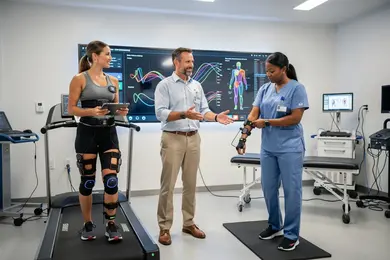
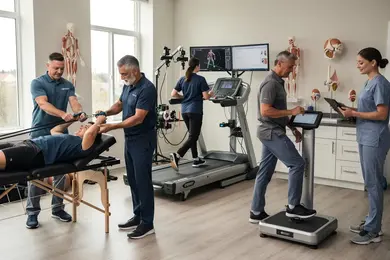
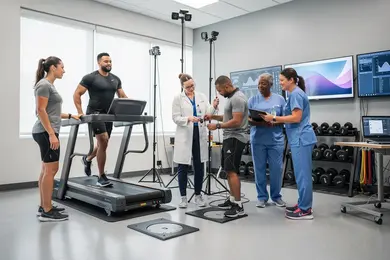
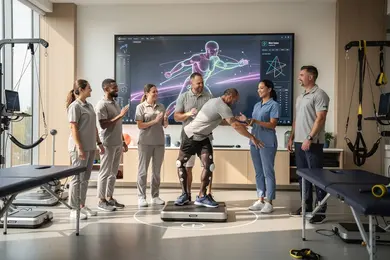
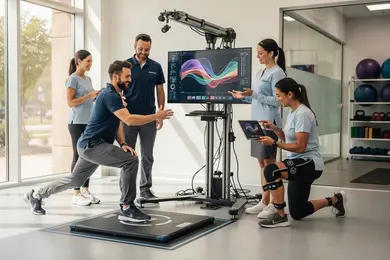
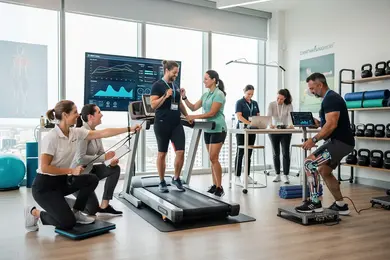
Online kinesiology degree motor learning coursework requires a nuanced understanding of motor control, biomechanics, and neuromuscular physiology to dissect skill acquisition and adaptation. Unlike generic descriptions, programs emphasize applied labs using wearable sensors and motion-capture technology, ensuring students gain quantitative movement analysis skills despite remote delivery.
These motor learning lab experiences in online kinesiology programs extend to experiments manipulating practice schedules and feedback types, which is critical for professionals crafting targeted rehabilitation or performance programs. Graduates with this expertise often face employer expectations that go beyond theoretical knowledge.
For instance, movement assessment protocols incorporating electromyography and kinematic data are indispensable in careers involving prosthetics, robotics, or ergonomics. However, practical limitations remain; remote learners must proactively seek internships or local lab access to demonstrate hands-on competence valued in clinical and industrial settings.
Data from OnlineU's 2026 report on Oregon State University's online B.S. in Kinesiology reflects the payoff of this blend of rigorous coursework and practical application, with median salaries reaching $60,964 and positioning graduates in the national top quartile. Students evaluating this pathway should weigh the integration of advanced motor learning theory with practical skill development against the challenges of remote learning environments.
For those also considering healthcare-related transitions, comparing with online BSN programs for non-nurses can clarify the tradeoffs between kinesiology and nursing-based career pivots.
What are the typical admission requirements for online kinesiology degrees with motor learning training?
Admission to online kinesiology degrees with motor learning specialization depends heavily on proven academic readiness and relevant experience, reflecting workforce demands for candidates who can integrate science fundamentals with applied practice. A typical baseline includes a high school diploma or equivalent, with a minimum GPA of 2.5 to 3.0, and completion of foundational courses in biology, anatomy, and physiology.
These prerequisites are critical because motor learning theory requires a solid grasp of human biology to inform evidence-based interventions. Applicants possessing work experience in health or rehabilitation fields often benefit, as employers value practical knowledge alongside academic credentials. For instance, a physical therapy aide transitioning careers can leverage certifications and on-the-job training to meet program expectations faster.
However, applicants should note that programs may require personal statements demonstrating clear motivation and alignment with motor learning principles, signaling preparedness for specialized study. Transfer pathways, such as those in extensive online student bodies like Arizona State University's, impose additional scrutiny on credit transferability and consistent academic performance.
These logistical aspects-especially securing remote lab or clinical placements-can cause delays or require regional adjustments, which may extend the time before graduation and workforce entry. Competitive kinesiology programs prioritize candidates with quantitative skills and familiarity with research methods that support clinical decision-making. Delays in prerequisites or experiential verification can increase opportunity costs and postpone credential advancement.
How long do online kinesiology programs take, and what do they cost students?
Opting for an online kinesiology program requires weighing the impact of program length and curricular focus on career readiness and cost efficiency. Associate degrees typically complete in two years full-time, while bachelor's programs extend to four years, often including required clinical practice or internships that may add travel and placement expenses.
For professionals seeking rapid skill enhancement without full credentialing, certificate or diploma options focused on motor learning offer a condensed timeline of six months to one year, though they may limit employer recognition and advancement potential compared to degree programs.
Tuition varies significantly: public universities charge $10,000 to $15,000 annually for in-state students, whereas private institutions can exceed $25,000 per year, pushing total bachelor's degree costs beyond $40,000 exclusive of fees and materials.
Given the 10% employment growth projected by the University of North Dakota for kinesiology-related fields through 2032, candidates benefit from programs that integrate applied motor learning to meet employer preferences for practical expertise. However, choosing longer or more expensive routes without substantial hands-on components risks misalignment with market demands.
- Accelerated and part-time tracks offer timeline flexibility but may increase overall costs and delay labor market entry.
- Local internship requirements introduce logistical and financial challenges that must be anticipated.
- Programs embedding comprehensive motor learning experiences provide stronger pathways for career pivots relying on timely completion and relevant skills.
What careers can a kinesiology degree with strong motor learning training prepare you for?
A kinesiology degree with focused motor learning expertise directly equips graduates for roles where precise neuromuscular retraining is essential, such as exercise physiology, athletic training, and rehabilitation support. For instance, exercise physiologists develop highly individualized recovery protocols for stroke or sports injury patients, requiring fine-tuned adjustments based on each patient's motor learning capacity and deficits.
Employers across healthcare, government, and fitness sectors prioritize candidates whose kinesiology backgrounds include motor learning because this specialization supports targeted motor skill recovery and improved patient outcomes. According to U.S. Bureau of Labor Statistics data, annual earnings for exercise physiologists range from $36,070 to $78,170, with government positions typically offering a median salary near $75,740, reflecting a distinct financial advantage in public health environments.
Professionals must develop strong interdisciplinary communication skills and familiarity with rehabilitation technologies like biofeedback and motion capture to remain competitive. Geographic location intensely influences job availability, requiring a willingness to relocate or engage in telehealth models for underserved areas. The most effective kinesiology graduates strategically integrate evidence-based motor learning methods to enhance functional recovery and athletic performance.
What salary ranges and advancement opportunities exist for kinesiology professionals specializing in motor learning?
Motor learning specialists within kinesiology experience salary variations largely influenced by their sector and expertise depth. Entry-level roles in clinical rehab or sports performance typically offer $55,000 to $65,000, while those who integrate research or academic competencies can earn between $85,000 and $95,000 annually.
These differences reflect employer demand for advanced assessment and data-driven interventions, particularly in rehabilitation centers where demonstrating measurable patient improvements correlates with faster advancement and increased funding opportunities. Professional growth usually depends on acquiring graduate-level credentials and applied research skills.
For instance, completing a master's program like the University of Florida's online MS in Applied Physiology and Kinesiology (priced at $17,572.50 for 30 credits) can bridge access to supervisory or faculty roles. However, regional licensing requirements and continuing education obligations must be factored into career planning.
Candidates balancing tuition costs against program quality often find that affordable accredited options reduce debt burdens without sacrificing core competencies necessary for motor learning expertise. This pragmatism enables earlier labor market re-entry and a quicker return on investment. Employers consistently prioritize candidates who combine technical mastery with practical experience in motor behavior modification.
Are licenses or professional certifications required for motor learning-related kinesiology roles, and how do you qualify?
Licenses and certifications in motor learning-related kinesiology roles vary sharply based on job functions, creating distinct paths and barriers for candidates. Clinical and rehabilitation positions typically mandate state licensure or certifications such as physical therapy licenses or Certified Strength and Conditioning Specialist (CSCS) credentials. These require accredited degrees combined with supervised clinical hours, imposing a heavier upfront investment in both education and practical experience.
Conversely, roles centered on research, coaching, or applied physiology often accept a graduate degree alone, such as an M.S. in kinesiology, without additional licensure-though certifications like those from the National Strength and Conditioning Association remain valuable for athletic performance contexts. Key considerations for prospective students include the necessity of completing an accredited program with focused coursework in motor control, neurophysiology, and biomechanics, plus hands-on internships or practicum components that align with licensure criteria.
For example, the University of Florida's online M.S. in Applied Physiology and Kinesiology and Avila University's online M.S. in Kinesiology do not require GRE scores, easing entry barriers without diluting academic rigor. However, candidates aiming for clinical roles must verify state-specific licensure requirements early to avoid costly delays or misaligned program choices.
Employers expect a combination of theoretical knowledge, documented clinical hours, and formal certification exams for candidates seeking regulated roles. Without these credentials, career opportunities narrow primarily to research or general fitness sectors, limiting progression within more regulated clinical domains.
How can prospective students evaluate and choose a reputable online kinesiology program in motor learning?
Choosing an online kinesiology degree with a strong motor learning focus requires scrutinizing program accreditation and faculty expertise to ensure alignment with evolving employer and research standards. For example, programs that incorporate applied labs or virtual simulations better equip students for hands-on roles in rehabilitation or sports performance analysis.
Those connected to established research centers offer clearer pathways to experiential learning and industry networks that matter for job placement. Curricula must be evaluated for depth in motor learning theories, neurophysiology, and movement assessment while balancing schedule demands. Full-time study accelerates skill acquisition but may limit current employment options; part-time formats provide income stability but extend completion times.
Overly broad kinesiology programs with a limited motor learning focus risk leaving graduates underprepared for specialized roles such as movement analyst or neurorehabilitation specialist. Assessing program outcomes requires attention to graduation rates, licensure passage if applicable, and labor market performance-data from the Bureau of Labor Statistics projects roughly 10% growth in kinesiology-related fields through 2032.
Real-world impact appears in programs like the University of Georgia's M.S. in Kinesiology, where focused training correlates with advanced study and applied careers. Reliability of remote learning platforms and alumni feedback on skill transfer into the workforce should influence decisions, particularly for those pursuing specialized motor control roles. Prioritizing these concrete factors over generic program marketing improves strategic educational investment.
Other Things You Should Know About Kinesiology
Yes, hands-on experience remains critical despite the online format. Programs that lack sufficient practical components risk leaving students underprepared for employer expectations in clinical or applied settings. When evaluating online kinesiology degrees, prioritize those integrating supervised labs, internships, or local practicum options to achieve competency in motor learning techniques that cannot be fully mastered through virtual study alone.
Online kinesiology programs often demand greater self-discipline due to less structured class times and independent study requirements. The motor learning focus adds complexity, requiring additional time for practice and applied projects. Students should expect similar overall credit requirements as campus programs but must allocate more effort toward organizing hands-on practice and managing deadlines without immediate in-person support.
Employer perceptions vary widely but tend to emphasize accreditation and demonstrable skills over delivery format. Graduates from programs that provide robust motor learning internships or practicum experiences register higher employer confidence. Choosing an online kinesiology degree with verified experiential components and reputable accreditation improves employment prospects more than relying solely on the online credential.
References
- Online Kinesiology Degree Programs: Review Top Schools https://www.edumed.org/online-schools/kinesiology-degrees/
- What Is a Kinesiology Degree? https://www.nec.edu/news/what-is-a-kinesiology-degree
- How to Become a Kinesiologist (Degree & Salary) - Natural Healers https://www.naturalhealers.com/blog/applied-kinesiology/
- Central College Course Catalog | KIN – Kinesiology https://catalog.central.edu/kin-kinesiology/
- Exercise Science Degree Programs, Online Included for 2026 https://www.kinesiologydegrees.org/programs/exercise-science
- Bachelor's in Kinesiology Program Online | Montreat College https://www.montreat.edu/online/kinesiology/
- Master of Science in Kinesiology https://online.avila.edu/degrees/healthcare/masters-kinesiology/
- What Can You Do With a Kinesiology Major? | USAHS https://www.usa.edu/blog/what-can-you-do-with-a-kinesiology-major/
- Kinesiology Accreditation Process https://www.ccupeka.org/accreditation/kinesiology-accreditation-process/