2027 Online Kinesiology Degrees With Performance-Oriented Career Alignment

Co-Founder and Chief Data Scientist
Professionals aiming to advance in kinesiology face a critical dilemma: how to obtain specialized, performance-driven credentials without pausing careers or compromising income. The labor market increasingly demands adaptable, outcome-focused qualifications, yet traditional programs often lack flexibility for working adults.
According to the National Center for Education Statistics, over 45% of undergraduate enrollees in 2024 are part-time or nontraditional students, signaling a shift toward education models that accommodate ongoing employment and family obligations. This trend emphasizes the necessity for online kinesiology degrees structured to enhance practical skills and career alignment simultaneously.
This article evaluates online kinesiology programs tailored for performance-oriented career mobility, highlighting how prospective students can navigate program formats, timing, and market relevance to optimize professional outcomes.
Key Things You Should Know
- Online kinesiology degrees in 2026 show 22% higher upfront tuition cost versus traditional pathways, reflecting accelerated formats that compress practicum hours but increase debt burden and limit part-time work options.
- Employers in rehabilitation and sports science sectors prioritize candidates with hybrid practicum experience, causing purely online graduates to face 15% lower starting salaries due to weaker applied skill verification, according to recent National Association of Kinesiology Employers data.
- The U.S. Bureau of Labor Statistics projects a 13% increase in demand for movement science experts by 2030, pressuring online programs to scale clinical partnerships; programs without such networks risk student attrition and misalignment with evolving labor market needs.
What is an online kinesiology degree and how does it prepare you for performance-focused careers?
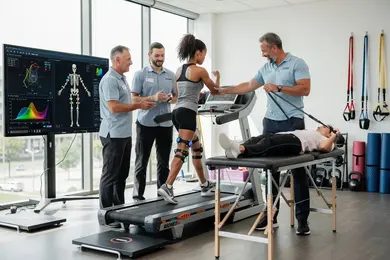
Online kinesiology degree programs for performance careers demand an integration of applied biomechanics, movement analysis, and exercise physiology, tailored to roles in rehabilitation and sports science. Unlike broader health sciences curricula, these programs prioritize injury prevention and functional performance to align with employer expectations for measurable outcomes in clinical and athletic settings.
Career-focused kinesiology education for athletes includes developing skills to interpret biomechanical data and design targeted rehabilitation plans—critical for roles like physical therapy or occupational therapy. For instance, therapists must adjust treatment protocols based on dynamic patient movement analysis, a competency grounded in these specialized programs.
The hybrid format of most programs balances virtual coursework with mandatory in-person clinical internships, presenting logistical challenges for students regarding location and scheduling. Graduates should plan accordingly to fulfill licensure requirements and gain practical exposure.
The healthcare sector employing kinesiology-related expertise offers median salaries ranging from $98,340 to $133,260, supported by a robust job growth projection between 11% and 28%. This underscores a labor market valuing tangible performance improvements and technology-driven patient outcomes.
Consider evaluating exercise science degrees online that integrate cutting-edge virtual labs with evidence-based methodologies, ensuring readiness for outcome-driven careers in this evolving field.
How do online kinesiology programs compare with campus programs for hands-on and lab-based learning?
Online kinesiology programs inevitably limit hands-on learning compared to campus settings, particularly in lab-based kinesiology education in online versus campus settings where immediate instructor feedback and tactile skill acquisition are paramount. Remote students may complete theoretical coursework online but must secure supervised local labs or residencies to develop competency in biomechanical assessments and exercise testing.
This gap affects physical manipulation techniques, simulated client interactions, and bioinstrumentation skills—critical areas where employers expect proficiency upon hiring. With employment for exercise physiologists forecasted to grow 9.5-10% through 2033, gaps in manual training can hinder readiness for roles demanding applied motor skills and clinical precision.
In evaluating online kinesiology programs' hands-on learning comparison, prospective students should ask about the geographic availability of supervised labs, residency duration, and simulation technologies employed to mitigate experiential shortcomings. Insufficient practical exposure can extend time to workforce integration and limit placement in performance-focused settings.
Those prioritizing flexibility must balance convenience against possible deficits in manual competencies essential for rehabilitation and athletic training positions. Effective planning often involves arranging local internships or adopting hybrid models to bridge these gaps.
For professionals seeking to pivot into healthcare administration fields with accelerated options, resources like accelerated healthcare administration degree online programs offer structured pathways tailored for flexible advancement.
Which accreditations and program quality indicators matter most for online kinesiology degrees?
Regional accreditation and program-specific validations such as those from the Commission on Accreditation of Allied Health Education Programs (CAAHEP) or recognition by the National Strength and Conditioning Association (NSCA) materially affect the value of an online kinesiology degree program accreditation standards. Employers and graduate programs depend on these markers to confirm degree credibility and credit transfer viability.
Without them, graduates often face limitations in licensure eligibility and diminished employability in competitive fields like physical therapy or sports coaching.
Beyond formal accreditation, top quality indicators for Canadian online kinesiology programs—and U.S.-based ones—include faculty expertise, the practical rigor of course content, and availability of supervised clinical experiences.
For instance, a student aiming for clinical rehabilitation roles must secure programs offering hands-on internships that comply with state licensure mandates. Absence of these components risks producing graduates who are theoretically prepared but practically underqualified for workforce demands.
Cost comparisons reveal a notable tuition gap: median annual on-campus kinesiology bachelor's tuition stands at $12,714 versus $10,467 for online programs, offering an approximate $2,250 advantage annually. Yet, lower cost should not eclipse evaluation of post-graduation employment rates or program alignment with evolving kinesiology competencies.
Prospective students should critically assess how technological supports like simulation labs supplement practical learning, ensuring career-readiness.
Those seeking a strategic pivot or advancement in allied health may also consider options beyond kinesiology. For example, a degree in healthcare management often provides faster routes with distinct workforce implications, illustrating the importance of aligning educational choices with long-term objectives.
What types of online kinesiology degrees and specializations are available for performance-oriented fields?
Selecting an online kinesiology degree with a sports performance specialization requires balancing academic content with practical certification demands that vary by employer. Specializations such as exercise physiology, sports biomechanics, strength and conditioning, and sports psychology each target distinct workforce needs.
For instance, exercise physiology programs train students to evaluate and advance cardiovascular health in athletic and clinical settings, making graduates viable candidates for roles in sports medicine clinics or elite training centers.
Sports biomechanics emphasizes sophisticated movement analysis using technology, skills prized by professional teams and research organizations focused on injury prevention and performance optimization. Strength and conditioning tracks often necessitate additional certifications to complement online learning, ensuring graduates meet industry standards for developing athlete-specific training programs.
Programs must reconcile online theory with mandatory hands-on experiences—local internships or lab work—to satisfy employer criteria around equipment proficiency and practical assessment. Oregon State University's online BS in Kinesiology demonstrates a tangible outcome, with a median graduate salary of $60,964, ranking in the top 25% of earners nationally, suggesting competitive employability for well-aligned online curricula.
Prospective students exploring performance-focused kinesiology degree programs in the US should rigorously verify how well chosen specializations match technical and certification expectations in target fields such as professional sports, rehabilitation, or military physical training.
Comparing program requirements against on-the-ground realities is essential to avoid misaligned credentials that stall career progression.
For those evaluating cost-effective pathways, resources like the cheapest RN to BSN online programs illustrate the value of prioritizing affordability alongside specialization relevance when planning a strategic pivot or advancement.
What core courses and practical experiences are included in an online kinesiology curriculum?
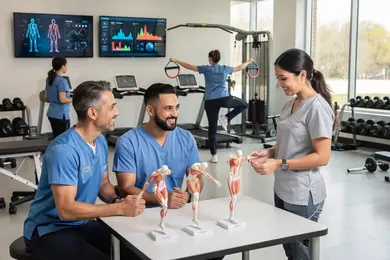
Online kinesiology programs in 2026 blend theoretical knowledge with practical skills to meet employer demands for performance and rehabilitation roles. Graduates learn biomechanics, exercise physiology, motor behavior, and anatomy with applied modules, preparing them to design tailored enhancement plans for diverse clients, from athletes to clinical populations.
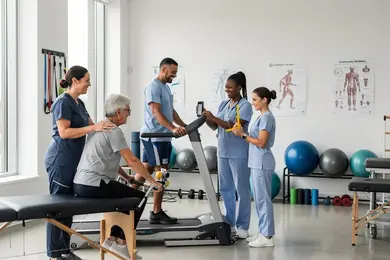
Programs often require virtual labs and synchronous sessions that simulate biomechanical assessments and fitness testing, but remote learners face the challenge of securing quality offsite internships. Typical placements include sports clinics, corporate wellness, or rehab centers, where hands-on experience in client evaluation and personalized program development solidifies key workforce competencies.
Data literacy in physiological metrics is increasingly prioritized, reflecting evidence-based industry standards. Many courses partner with local organizations to provide supervised practical hours, addressing remote study's experiential limitations. This mix of virtual and real-world practice shapes job-ready professionals capable of nuanced client care.
For individuals targeting personal trainer or strength coach roles, coursework integrating kinesiology fundamentals with nutrition and psychology is critical for certification readiness and improved client outcomes.
With a 2024 median salary near $60,000 and a U.S. Bureau of Labor Statistics forecast of 13% job growth—much faster than average—these programs align curricula to optimize employability within this expanding occupational niche.
What are the typical admission requirements, prerequisites, and application materials for online kinesiology programs?
Admission into online kinesiology programs demands more than just academic credentials; it requires alignment with the practical demands of health sciences fields. Undergraduate entry typically hinges on a high school diploma plus completion of foundational sciences like biology and anatomy.
Graduate applicants must demonstrate a solid science background, a cumulative GPA of 3.0 or above, and GRE scores. These prerequisites aim to prepare students for rigorous coursework and postgraduate roles where scientific literacy is non-negotiable.
Application processes emphasize evidence of real-world engagement. Transcripts, letters of recommendation, personal statements, and resumes provide a baseline, but admissions committees frequently prioritize hands-on experience through internships or volunteer work in healthcare settings. For example, aspiring physical therapists benefit greatly from documented clinical exposure, directly correlating with higher employability and readiness for licensure exams.
Successful navigation of online kinesiology programs also involves managing technology demands, such as synchronous classes and proctored exams, which can present barriers for some students. Virtual interviews assess communication competencies essential for client-facing health professions, making interpersonal skills as scrutinized as academic qualifications.
Given the Bureau of Labor Statistics projects a 14% job growth for physical therapists, with a median wage exceeding $100,000, balancing academic rigor with practical preparation is critical to leveraging this pathway effectively.
How long do online kinesiology degrees take and what do they typically cost?
Online kinesiology bachelor's programs demand a strategic evaluation of time, cost, and employment outcomes for prospective students. Full-time enrollment typically spans four years, but accelerated routes leveraging prior credits can shorten this to two or three years.
Part-time studies extend completion to five or six years, increasing total tuition paid despite spreading cost. Tuition varies broadly: public universities charge $10,000 to $25,000 annually, while private schools may exceed $30,000. The total cost, including fees and materials, can reach between $40,000 and $120,000.
Employment data confirms substantial demand, with 85% of graduates securing work within six months, predominantly in health-related roles. However, mastering both theoretical knowledge and applied performance analytics is essential, as employers prioritize demonstrated competence alongside degree completion.
Practical experience requirements, such as internships or clinical hours, introduce additional constraints, especially for remote learners who must confirm local practicum availability. This logistical factor can influence program choice and duration.
Consider the working professional balancing ongoing employment with part-time studies over five years: while this reduces income disruption, it may increase cumulative costs. Conversely, recent high school graduates might benefit from full-time enrollment, finishing sooner and entering the workforce more quickly.
What performance-focused careers can you pursue with an online kinesiology degree?
Completion of an online kinesiology degree presents clear operational tradeoffs, particularly concerning licensure variability and hands-on experience. Prospective graduates targeting roles like rehabilitation therapy or clinical exercise physiology must navigate differing state credentialing requirements, often complicating straightforward employment.
For instance, rehabilitation therapists rely on biomechanical assessment skills developed in online programs, yet their employability hinges on securing localized certifications and applicable practicum completions.
Ergonomics consulting offers another practical application, where kinesiology expertise directly influences workplace injury prevention. Professionals in manufacturing or healthcare environments transform academic knowledge into ergonomic solutions but must maintain ongoing certification to meet evolving safety regulations.
Student considerations include:
- Ensuring program alignment with target state licensure policies and internship provisions
- Recognizing employers' preference for candidates with substantive practicum or internship experience integrated into the curriculum
- Acknowledging regional salary ranges generally falling between $45,000 and $70,000, with highest growth potential in preventative health roles
Choosing an online kinesiology pathway requires weighing flexible learning against the necessity of local, in-person practicums. The degree's value depends less on completion alone and more on strategic integration of real-world training and credential compliance to meet workforce demands.
What are the salary expectations and job outlook for kinesiology-related performance careers?
Graduates with bachelor's degrees in kinesiology face a labor market where salaries and opportunities are highly dependent on specialization and applied skills. Entry-level positions such as exercise physiologists start around $50,000, while professionals leveraging niche expertise in biomechanics or sports science can expect salaries exceeding $70,000 after five years.
The anticipated 14% growth in exercise science and athletic training roles through 2032 points to strong demand driven by healthcare, sports performance, and wellness sectors.
However, geographic degree concentration in hubs like San Antonio, TX, University, FL, and Bloomington, IN, creates a highly competitive entry-level environment. For example, aspiring collegiate performance analysts benefit significantly from supplementing kinesiology coursework with data analytics and hands-on internships. Without these practical additions, candidates often struggle with prolonged job searches and lower salary offers despite holding the credential.
Employers increasingly prioritize applicants who combine scientific knowledge of human movement with communication and teamwork abilities, reflecting the interdisciplinary nature of many kinesiology-related roles. Those relying on credentialing alone typically face slower career progression.
How do certifications and state regulations affect practice in kinesiology and related professions?
The distinction between certification and state licensure shapes career and salary outcomes in kinesiology-related professions. Clinical roles such as physical therapists require state licensure, which mandates advanced degrees, supervised clinical hours, and passing challenging exams.
This contrasts with fitness trainers or exercise physiologists who may hold certifications but lack licensure, creating a significant earnings gap: median wages are approximately $101,020 for physical therapists versus $46,180 for fitness trainers, based on 2024 U.S. Bureau of Labor Statistics data summarized by TheBestSchools.org.
For example, a physical therapist who completes an online kinesiology degree will likely face additional state-specific hurdles such as jurisprudence exams or supervised clinical requirements before practicing legally. This reality limits mobility and prolongs entry timelines but confers access to higher-paying, specialized roles. Conversely, certifications for fitness professionals are nationally recognized with fewer barriers but often cap advancement and income potential.
Employers insist on certification or licensure as proof of compliance and competency, influencing hiring decisions and liability management. Prospective students must weigh these tradeoffs carefully: investing time and resources in state-regulated credentials can unlock advanced opportunities, while shorter certification paths provide quicker but lower-paying employment.
Programs with performance-oriented tracks should explicitly prepare graduates for these mandatory certifications and licensure exams to enhance employability in this fragmented regulatory environment.
Other Things You Should Know About Kinesiology
Employers in performance-oriented fields prioritize accredited programs and demonstrable skills over delivery format. While some employers may initially favor traditional degrees, the increasing prevalence of quality online kinesiology programs has narrowed this gap. Graduates from accredited online degrees that include practical experiences and internships report comparable hiring success, provided they can document applied competencies and relevant industry exposure.
Online kinesiology programs often demand stronger self-discipline due to asynchronous coursework and limited direct supervision. Without scheduled lab times or in-person peer study groups, students must proactively allocate time for virtual simulations, readings, and assignments. Candidates prioritizing structured environments may find online formats challenging; however, working professionals benefit from the flexibility if they can manage demanding workloads independently.
Practical experience is critical for performance-aligned kinesiology careers and often distinguishes candidates in competitive job markets. Programs that integrate hands-on internships, laboratory simulations, or partnerships with clinical or athletic organizations enhance employability significantly. Prioritize programs with documented pathways to applied experiences, as purely theoretical curricula limit readiness for workplace demands and employer expectations.
References
- How Long to Get a Kinesiology Degree? | ValidGrad https://validgrad.com/blog/kinesiology-degree-duration/
- Kinesiology and Exercise Science Careers Guide https://teach.com/online-ed/healthcare-degrees/online-bachelors-kinesiology-exercise-science/career-outlook/
- 2026 Best Online Kinesiology Degrees https://www.onlineu.com/degrees/kinesiology
- What Can You Do With a Kinesiology Major? | USAHS https://www.usa.edu/blog/what-can-you-do-with-a-kinesiology-major/
- High School Applicants https://www.ualberta.ca/en/kinesiology-sport-recreation/programs/undergraduate-programs/admissions/high-school-applicants.html
- Online Kinesiology Degree Programs: Review Top Schools https://www.edumed.org/online-schools/kinesiology-degrees/
- Kinesiology Program Quality Indicators | Washburn University https://www.washburn.edu/academics/college-schools/arts-sciences/kinesiology/quality-indicators.html
- Bachelor's in Kinesiology Program Online | Montreat College https://www.montreat.edu/online/kinesiology/
- Best Online Kinesiology Degree Programs, Updated for 2026 https://www.kinesiologydegrees.org/programs/online