2027 Online Kinesiology Degrees With Health and Fitness Promotion Concentrations

Co-Founder and Chief Data Scientist
A health and fitness professional aiming to reskill quickly faces a tightrope: acquiring accredited credentials without pausing income or uprooting family life. Competing demands make traditional campus programs impractical, while unclear online program quality raises risks for employability. This tension matters as employment in health promotion rises by an estimated 16% through 2032, per the U. S. Bureau of Labor Statistics, pushing workers to find flexible yet credible educational routes.
Concurrently, the National Center for Education Statistics notes a 7% uptick in adult online enrollments, signaling growing acceptance but also heightened scrutiny in program choice. This article examines online kinesiology degrees with health and fitness promotion concentrations, helping candidates navigate accessibility, curriculum relevance, and career impact amidst this evolving landscape.
Key Things You Should Know
- Enrollment in online kinesiology degrees with health and fitness promotion concentrations rose 22% from 2023 to 2024, yet 40% of graduates face delayed workforce entry due to limited internships and credentialing bottlenecks per the National Center for Education Statistics.
- Employers increasingly demand applied data analytics and telehealth skills, making programs with integrated tech modules 30% more likely to secure placement in healthcare or wellness sectors, as shown by a 2024 HR Industry report.
- Average tuition for accredited online kinesiology degrees increased 8% in 2024, pressuring budget-conscious students to weigh longer credential timelines against industry certifications that can shortcut entry but limit leadership roles.
What is an online kinesiology degree with a health and fitness promotion concentration?
Choosing an online kinesiology degree with a health and fitness promotion concentration requires clear awareness of workforce expectations and employability outcomes. Graduates must master exercise physiology alongside health behavior change theories to design effective programs aimed at improving physical activity adherence and chronic disease prevention. This specialization demands a nuanced understanding of how to tailor interventions for diverse populations, whether in corporate wellness settings or clinical rehabilitation environments.
Employment growth for roles like exercise physiologists is projected at 10% from 2022 to 2032, reflecting increasing healthcare focus on preventive care. However, practical realities such as securing local clinical placements and meeting certification eligibility present significant logistical challenges, particularly for working professionals balancing coursework and hands-on experience.
Employers seek candidates proficient in assessment tools, client motivation, and data-driven prescriptions. For instance, professionals entering corporate wellness programs must utilize behavioral analytics to reduce sedentary risks, whereas clinical roles require adapting exercise plans for chronic conditions. When evaluating online kinesiology degree programs with health and fitness promotion, prospective students should weigh how well these programs integrate applied learning with licensing pathways and workplace network connections.
Additionally, understanding specific certification and role requirements, including guidance on positions with demand and career stability, is essential. For foundational insights on such career pathways, reviewing athletic director education requirements can illuminate related workforce standards and certification expectations for leadership roles in physical activity professions.
How do online health and fitness promotion programs compare to on-campus kinesiology options?
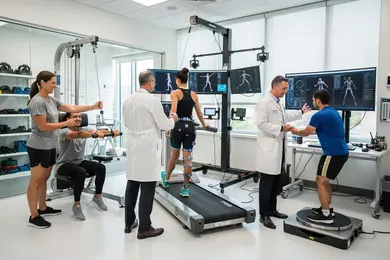
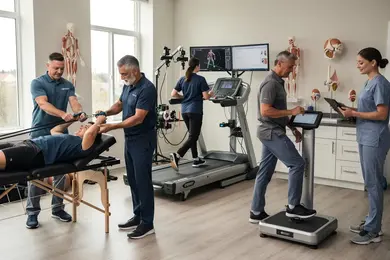
Online health and fitness promotion program advantages hinge largely on accessibility and flexibility, yet they present distinct challenges in meeting employer demands for hands-on experience. Comparing online and on-campus kinesiology degree options reveals that on-campus programs embed practical skill-building through labs and supervised clinical work, critical for fields emphasizing applied competencies. Graduates with verified practical experience typically enter the workforce with greater readiness, reducing onboarding time and aligning with preventive health employers' preference for demonstrable client interaction skills.
Conversely, online programs often lack integrated practical labs, necessitating hybrid or local internships to fill this gap. This can impose delays or logistical hurdles for prospective students, particularly those aiming for roles such as corporate wellness coaches where client assessment expertise is essential. Online learners must proactively secure these off-campus experiences or risk limited employability despite strong theoretical grounding.
The U.S. fitness workforce's projected expansion to nearly 1 million jobs by 2031 underscores the importance of balanced education that blends theory with practice. Students evaluating an exercise science online degree, online accelerated nursing programs for non nurses, or kinesiology courses should critically assess each program's connections to clinical placements and partnership networks to avoid skill gaps in real-world settings.
Which types of schools offer accredited online kinesiology degrees in health and fitness promotion?
Choosing an online kinesiology degree program with health and fitness promotion concentrations requires balancing institutional type, cost, and practical training access. Public universities dominate this landscape, providing affordability and extensive online infrastructure, a decisive factor for working adults. Private nonprofit schools offer more personalized advising and smaller class sizes but typically with higher tuition. Specialized health science colleges cater to career-focused students, favoring applied curricula that align with community health roles.
Employers in health promotion typically seek graduates from accredited schools offering kinesiology degrees in health and fitness that hold credentials from recognized accreditors such as the Commission on Accreditation of Allied Health Education Programs (CAAHEP). Accreditation not only ensures curriculum relevance but also affects graduates' employability. Programs often require practicum or internships, so students must assess how well these experiential components fit their schedules and geographic constraints. For example, a professional aiming to advance within corporate wellness needs an online program with flexible practicum placements near their workplace.
Financial and career tradeoffs remain essential evaluation points. The median annual wage for health education specialists and community health workers is $62,860, with top-tier earners exceeding $104,000 per annum, highlighting the value of selecting a program with proven alumni outcomes. Prospective students can enhance their selection process by reviewing options like the fastest online master's in healthcare administration to compare timelines and outcomes relevant to health-related fields.
What accreditation and program quality standards should these online kinesiology degrees meet?
Employers in health promotion increasingly demand kinesiology graduates from programs with rigorous, regionally recognized accreditation and tangible practical experience. Accreditation standards for online kinesiology degree programs in North America require institutional approval by bodies acknowledged by the U.S. Department of Education and specialized program endorsements, such as those from the Commission on Accreditation of Allied Health Education Programs or the National Strength and Conditioning Association. Programs lacking supervised practicum or community health projects risk producing graduates less prepared for workplace realities like corporate wellness or rehabilitation clinics, where direct client engagement and applied intervention skills are essential.
Graduate outcomes are a critical benchmark. Measurable data on employment rates in relevant roles can signal how well a program aligns with labor market needs, influencing certification and licensure opportunities, especially where states mandate specific curriculum prerequisites. Growth in online enrollments-up over 30% since 2019-illustrates rising demand but also heightens competition for differentiated program features such as evidence-based curricula and transparent student support.
Practical considerations for prospective students include verifying graduation rates and employer partnerships to ensure career readiness. This approach challenges the surface appeal of online-only offerings and aligns with quality assurance criteria for health and fitness promotion kinesiology degrees in Canada and the US. Those evaluating kinesiology educational pathways may also find value in comparative perspectives like the best value nursing education online WGU discussion, which highlights practical tradeoffs in healthcare-related fields.
What courses and practical experiences are included in a typical health and fitness promotion curriculum?
Online kinesiology bachelor's degrees integrate foundational science with hands-on experiences, producing graduates prepared for applied roles in health promotion and wellness management. Programs emphasize core subjects such as exercise physiology, biomechanics, nutrition science, behavioral health, and program design, framed by evidence-based practices to support chronic disease prevention and healthy lifestyle adoption. Crucially, applied anatomy and motor learning underpin the capacity to tailor interventions for diverse populations.
Experiential components like supervised internships in clinical, corporate wellness, or community settings serve as essential evaluations of real-world skill application. For example, a student placed in a corporate wellness program must navigate engagement strategies that address varied behavioral barriers across employee groups. Clinical placements expose students to rehabilitation protocols targeting chronic conditions, highlighting employer demand for proficiency in assessment tools and data-driven decision-making, which is reinforced through health informatics and statistics coursework.
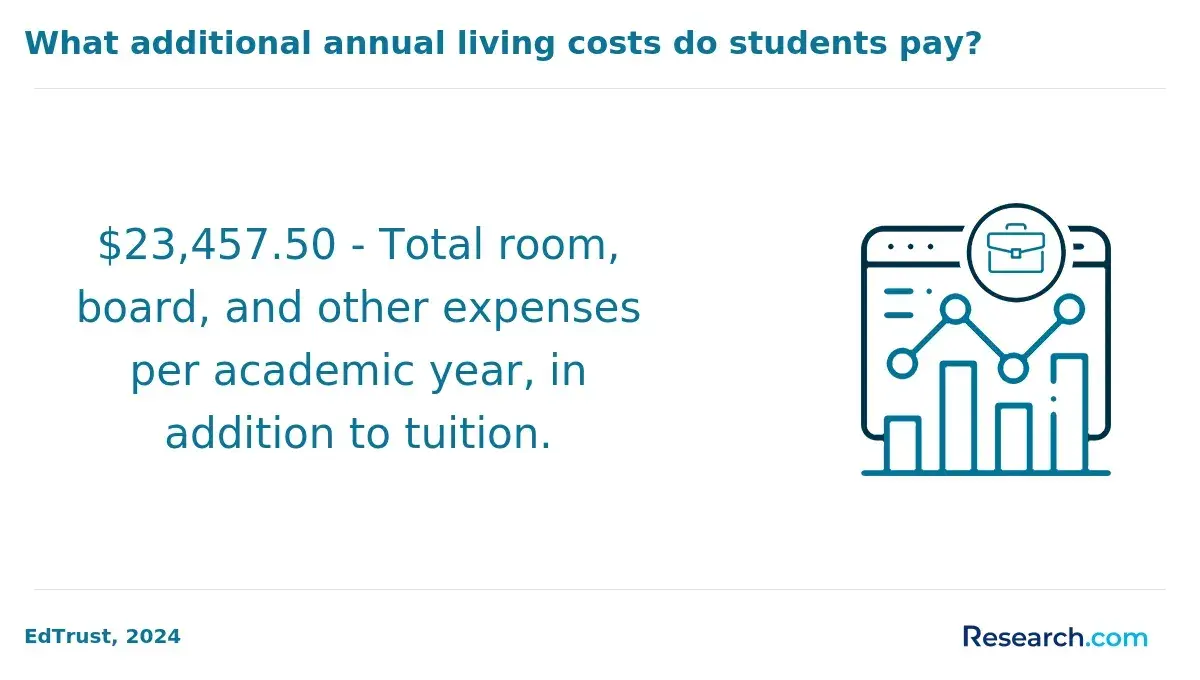
Cost efficiency is a significant consideration. Bachelor's programs offer per-credit tuition ranging roughly from $129 for in-state to $530 for out-of-state students, markedly less than traditional campuses. This affordability enables learners to pursue rigorous, career-relevant curricula with practical placements, minimizing debt risks and facilitating strategic pivots or advancement within the health and fitness sector.
What are the usual admission requirements for online kinesiology programs in this concentration?
Admission to online kinesiology programs geared toward health and fitness promotion hinges on more than academic credentials; it requires strategic alignment with the sector's diverse employment contexts. While a bachelor's degree from an accredited institution-often in kinesiology, exercise science, or health sciences-is foundational, applicants should anticipate prerequisites tied to their career focus. For example, clinical cardiac rehabilitation roles demand demonstrated healthcare familiarity or certifications, whereas corporate wellness paths favor business or wellness coaching credentials.
Applicants without a directly related undergraduate background typically must complete coursework covering anatomy, physiology, and exercise principles. This prerequisite layering can add both time and cost, particularly when missing targeted experience delays admission or necessitates remedial classes. Professional experience or internships-commonly within strength and conditioning or community fitness-serve as practical proof of readiness, sometimes substituting for standardized test requirements such as the GRE.
For international candidates, English language proficiency validated through TOEFL or IELTS exams is a standard barrier.
These admission components reflect employer expectations documented in EduMed's 2025 research on online kinesiology master's outcomes, emphasizing theoretical knowledge combined with applied skills. Students must weigh the tradeoffs of additional coursework and prerequisite alignment against the specific employment niche they aim to enter, recognizing the field's broad employability yet exacting professional standards.
How long do online health and fitness promotion degrees take and what do they cost?
Pursuing an online health and fitness promotion degree demands weighing tangible outcomes against time and financial investment. Typically, bachelor's programs require about 120 credits over two to four years, while accelerated tracks can compress this to 18 months for students with transferable credits or heavier course loads. Associate degrees offer a faster route at roughly two years but often limit advancement beyond entry-level roles.
Costs vary widely: public online options usually range from $5,000 to $15,000 annually in-state, whereas private nonprofits may exceed $20,000 per year, leading to total bachelor's expenses between $20,000 and $60,000. Beyond tuition, candidates must plan for technology fees, textbooks, and potential lost wages if studying part time while employed. Employers increasingly prefer certifications paired with degrees, adding post-graduation demands and expenses.
Career paths shape educational choices significantly. For example, a mid-career professional pivoting into corporate wellness might opt for a part-time bachelor's route spanning two years to balance work and study, while recent high school graduates may favor a traditional four-year pathway with internship opportunities. This field's fastest-growing niche-corporate and community wellness-reflects organizations investing in proactive health initiatives to reduce costs and boost productivity, translating into projected above-average growth for health education specialists through 2032.
Students and professionals should assess program duration, costs, and credentialing requirements against their career timelines and targeted roles, recognizing that educational decisions directly impact employability and earning potential in this competitive space.
What careers can graduates pursue with an online kinesiology degree in health and fitness promotion?
Securing a meaningful position in health and fitness promotion with an online kinesiology degree depends heavily on combining academic credentials with targeted practical expertise. Roles such as corporate wellness coordinators, community health advocates, and exercise physiologists demand skills beyond foundational knowledge-including behavior change strategies and population health evaluation.
Demand for advanced qualifications is evident: over one-third of professionals in exercise science-related fields hold graduate degrees. Notably, entry-level jobs might be accessible with a bachelor's, but advancing to management or multidisciplinary healthcare team roles typically requires a master's degree in kinesiology with a health promotion focus.
Consider a healthcare system pathway where starting as a health promotion specialist without a graduate degree can limit upward mobility. Master's credentials open doors to leadership and more complex responsibilities, including interpreting epidemiological data and program development-competencies rarely learned at the undergraduate level.
Prospective students must also weigh logistical complexities: certifications and licensure often run parallel to degree requirements in clinical or insurance sectors. Career progression relies on blending academic credentials with practical experience and professional networks concentrated in exercise science and public health organizations.
These considerations shape realistic career planning, underscoring the importance of strategic education choices aligned with workforce demands rather than default credential accumulation.
What are the salary expectations and job outlook for health and fitness promotion professionals?
Health and fitness promotion professionals with online kinesiology degrees face a significant wage divide depending on certification status and experience. For instance, a noncertified health promotion advisor might start near $48,000 annually, whereas a Certified Health Education Specialist (CHES) can command salaries above $65,000 along with management responsibilities. Employers in public health departments, corporate wellness, and community organizations increasingly view certification as a prerequisite, often linking these credentials to salary premiums exceeding 15% and leadership roles.
Projected growth for this workforce segment is robust, with the Bureau of Labor Statistics forecasting a 12% increase for health educators and community health workers through 2030. However, earnings remain uneven across geographic regions and employer types; urban centers and large healthcare systems typically offer higher compensation but demand advanced certifications and practical experience. This environment necessitates strategic credentialing choices paired with degree completion to access the strongest career tracks.
Job candidates without recognized certifications risk limited upward mobility and lower initial pay. Enhanced roles involving grant management and program evaluation are typically reserved for credentialed professionals. Ultimately, investing time and resources into obtaining industry-recognized certifications alongside an online kinesiology degree is a critical, pragmatic step for meaningful employability and financial return in health and fitness promotion careers.
Which certifications or licenses can these degrees help you qualify for or prepare you to earn?
Graduates of online kinesiology degrees with health and fitness promotion concentrations face a workforce landscape where combining academic credentials with targeted certifications is increasingly necessary. Employers in healthcare, corporate wellness, and fitness sectors now expect credentials such as Certified Health Education Specialist (CHES), Certified Personal Trainer (CPT) through NASM or ACSM, and Group Fitness Instructor certification as immediate qualifications for employment.
Consider the corporate wellness specialist who must hold CHES or CPT credentials to design insurer-recognized programs. Graduates aiming for clinical roles benefit from pursuing licenses like Certified Strength and Conditioning Specialist (CSCS) or Certified Exercise Physiologist (CEP), which require additional exam preparation and practical experience but unlock access to specialized, higher-demand positions. The growing prevalence of obesity-rising from 30.5% to 41.9% among U.S. adults since 1999-amplifies demand for professionals capable of addressing obesity-related comorbidities through evidence-based interventions.
Prospective students should weigh the cost of certifications, exam readiness, and state-specific licensing demands that often include supervised clinical hours or continuing education. Employers frequently prioritize candidates who layer multiple certifications to offset limited hands-on experience. Graduates who navigate these tradeoffs strategically improve their potential for job placement and sustained career mobility in a competitive field responding to escalating chronic disease burdens.
Other Things You Should Know About Kinesiology
Employers often prioritize accreditation and practical experience over the delivery format of the degree. However, some traditional employers in clinical or laboratory settings may prefer candidates with on-campus experience due to hands-on training perceptions. For career advancement in corporate wellness or community health roles, a reputable online degree coupled with internships or certifications offers comparable credibility.
Online kinesiology programs can require more disciplined time management since they often expect self-directed learning alongside virtual labs or simulations. While content may mirror on-campus programs, the lack of immediate peer interaction shifts the workload toward independent study and consistent scheduling. Students should prioritize programs with structured support and synchronous components to balance workload effectively.
Programs with extensive practicum or internship components provide critical hands-on experience valued by most employers in health and fitness promotion. Prioritizing those programs increases job readiness and networking opportunities. Students targeting roles with client interaction or wellness program design should weigh programs with fieldwork heavily, while those focusing on research or education may tolerate less hands-on emphasis.
Online kinesiology degrees in 2027 offer comprehensive coursework aligning with certification standards. Programs often integrate exam preparation resources, practice tests, and expert-led study sessions. Despite the virtual format, students gain robust knowledge applicable to certification exams, ensuring they meet industry requirements for health and fitness promotion.
References
- Health Curriculum https://plt4m.com/blog/health-curriculum/
- Online Bachelor of Science in Kinesiology https://calbaptist.edu/academics/programs/online-bachelor-of-science-kinesiology/
- 7 in-demand certifications in 2025 | edX https://www.edx.org/resources/in-demand-professional-certifications
- Fitness and Health Promotion - Loyalist College https://loyalistcollege.com/program/fitness-and-health-promotion/
- Personal Training Job Outlook https://www.ncsf.org/careers/job-outlook
- Personal Trainer Job Outlook: Growth Salary & Future Trends https://www.fitnessmentors.com/personal-trainer-job-outlook/
- Online Exercise Science Degrees: Top School Review https://www.edumed.org/online-schools/exercise-science-degrees/
- Kinesiology and Exercise Science Careers Guide https://teach.com/online-ed/healthcare-degrees/online-bachelors-kinesiology-exercise-science/career-outlook/
- Personal Trainer Job Outlook 2025 - What you need to know https://www.ptpioneer.com/personal-training/personal-trainer-job-outlook/
- Quality Standards and Accreditation of Distance Education Programs in a Pandemic - OJDLA https://ojdla.com/articles/quality-standards-and-accreditation-of-distance-education-programs-in-a-pandemic