2027 Online Kinesiology Degrees With Coaching and Performance Career Alignment

Co-Founder and Chief Data Scientist
Many aspiring kinesiologists face a high-stakes dilemma: how to balance advancing their credentials with maintaining current employment or personal commitments. The rigid structure of traditional programs often clashes with professionals' schedules, limiting upward mobility in coaching or performance-related roles.
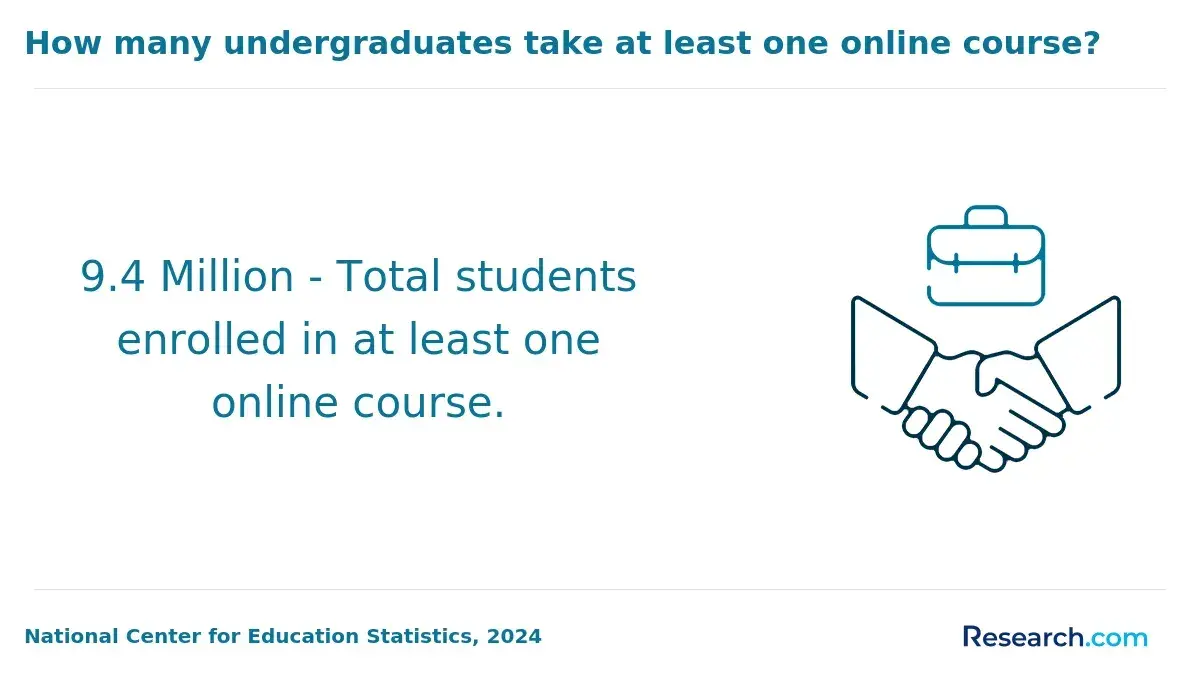
Meanwhile, the National Center for Education Statistics reported a 21% increase in adult online degree enrollment over the past two years, signaling a clear shift toward flexible learning models.
This trend reflects growing demand for accessible credentials that align with evolving career paths, especially in highly specialized fields requiring targeted expertise. This article examines available online kinesiology degrees designed to integrate coaching and performance career goals, helping readers navigate program features that optimize timing, career relevance, and practical application.
Key Things You Should Know
- Graduates with online kinesiology degrees integrating coaching and performance report 15% higher job placement in sports science roles, yet face 20% lower entry salaries versus in-person peers, per 2024 Bureau of Labor Statistics data.
- Employers prioritize candidates with hands-on certifications alongside online degrees, creating a skills gap that delays full workforce entry by up to 12 months, increasing opportunity costs.
- Program affordability varies widely; median debt for online kinesiology graduates is $28K, 25% higher than traditional programs, disproportionately affecting nontraditional students balancing upskilling timelines and financial risk.
What is an online kinesiology degree and how does it prepare you for coaching careers?
Online kinesiology degree programs for coaching careers require navigating the balance between theoretical rigor and essential hands-on experience, a challenge intensified by remote delivery. Graduates must demonstrate applied competence, not just academic knowledge, to meet employer standards in diverse settings like youth sports and corporate wellness.
For instance, those entering sports coaching leverage training in injury prevention and motor skill development acquired through labs and virtual simulations to deliver practical, evidence-based guidance.
Employers expect candidates trained in adaptable coaching strategies tailored to individual physical needs, often necessitating supplementary internships or practica despite program format. This need to secure supervised fieldwork is a critical tradeoff candidates should anticipate when choosing an online modality.
Workforce data indicates sustained growth in kinesiology-related fields, with 60,001 degrees awarded in the U.S. and a 7.4% annual increase, signaling opportunities especially in physical therapy support and performance coaching.
Students evaluating how online kinesiology prepares students for performance coaching must consider program accreditation, practicum availability, and integration of performance analytics tools, as these directly affect job-readiness.
Those seeking informed guidance on selecting credible credentials will find comparative insights among online exercise science degrees valuable for assessing how programs stack up in delivering industry-relevant competencies alongside flexible study options.
How do online kinesiology programs compare with on-campus options for performance and coaching?
Online kinesiology degree programs for coaching and performance provide core theoretical knowledge comparable to on-campus options but fall short in delivering the practical, hands-on training critical for careers like athletic training or personal coaching.
For instance, prospective athletic trainers must complete supervised clinical hours, which online programs cannot fully facilitate without local internships. This reliance on virtual simulations introduces logistical challenges that can delay credentialing and complicate compliance with state licensure requirements.
Employers in athletic coaching and performance fields consistently prioritize candidates with verifiable practical experience, not just academic credentials.
The projected 10-14% growth in exercise physiologist and fitness trainer roles intensifies competition, pushing hiring managers to seek measurable competencies developed through direct client interaction. Students pursuing online kinesiology degrees must therefore proactively identify local practicum settings to avoid falling behind graduates of on-campus programs.
Comparing online and on-campus kinesiology programs for athletic coaching reveals additional disparities beyond hands-on training. On-campus students benefit from immediate faculty mentorship, professional networking, and access to targeted career services-advantages that often lead to higher placement rates in specialized sectors like collegiate sports and rehabilitation.
Online students typically need to independently cultivate these connections, often leveraging affiliations with professional associations or regional certifications to bridge the gap.
Given these considerations, online kinesiology programs offer amplified flexibility but demand deliberate planning to meet practical training and employability standards. Prospective students evaluating this pathway should also consider parallel educational routes; for example, the best RN to BSN programs might align better with certain clinical career goals.
Which accreditation and program quality standards matter for online kinesiology and coaching degrees?
Accreditation from regionally recognized agencies such as the Higher Learning Commission or WASC profoundly affects graduate outcomes in online kinesiology degree accreditation standards in North America. Without these accreditations, students risk losing access to federal financial aid and face significant challenges convincing employers of their qualifications.
Specialized standards from bodies like the Commission on Accreditation of Allied Health Education Programs (CAAHEP) and the Council on Accreditation of Exercise Science (CoAES) further signal the rigor necessary for clinical, sports, and wellness career paths.
Quality assurance criteria for coaching and performance programs emphasize alignment with evidence-based practices, hands-on learning, and faculty with relevant certifications in exercise physiology or sport psychology.
Programs that integrate case studies or hybrid practicum components produce graduates better prepared for interdisciplinary teamwork and real-world client coaching scenarios. For example, those aiming for roles in corporate wellness should confirm that their curriculum addresses health behavior change models, ensuring skills that translate beyond theory.
Data on salary and ROI indicate starting wages around $45,000 with payback on tuition in three to five years. Median salaries near $71,000 reflect employer preference for accredited credentials, essential for upward mobility and certification eligibility. Graduates from nonaccredited programs often struggle to demonstrate competency or advance within the field.
Prospective students must evaluate accreditation, experiential learning opportunities, and curriculum depth simultaneously. This approach prevents costly missteps and aligns expectations with workforce realities described in Concordia University Chicago's 2025 salary and ROI analysis. For those also considering management pathways, exploring a masters degree in healthcare management may provide complementary strategic value.
What concentrations and coursework align an online kinesiology degree with coaching and performance roles?
A kinesiology degree focusing on coaching career pathways demands applied expertise in biomechanics, exercise physiology, sports psychology, and motor learning to meet employer expectations for data-driven training design.
For instance, strength and conditioning coaches working with collegiate athletes must interpret physiological metrics to create injury-conscious conditioning plans, a skill sharpened by targeted coursework. These programs emphasize practical elements like injury prevention and therapeutic modalities necessary to minimize setbacks in athlete development.
Performance and coaching coursework in kinesiology programs often extend beyond physical training to include sports nutrition and leadership, reflecting the multifaceted responsibilities athletes face. Incorporating performance analytics and wearable technology use in training schemes is increasingly essential, preparing graduates for technology-integrated sports environments.
However, students pursuing an online kinesiology degree coaching career pathways face challenges in accessing hands-on clinical experiences, critical for roles requiring physical assessment. Programs that offer virtual labs combined with local internship options provide a viable workaround. Arizona State University Online notably enrolls a large population in kinesiology programs but potential students must verify the availability of experiential learning.
Concentrations center on:
- Biomechanics for movement analysis and technique refinement.
- Exercise physiology for conditioning and recovery planning.
- Sports psychology to enhance motivation and mental toughness.
- Injury prevention and athletic training protocols.
- Performance nutrition and athlete wellness.
- Leadership and team dynamics in sports settings.
- Use of analytics and wearable technology to track progress.
For professionals weighing educational options, comparing pathways with other health-related degrees, such as online ABSN programs, is prudent to evaluate fit based on clinical access, career trajectory, and workforce demand.
What admission requirements and prerequisite background do online kinesiology programs typically expect?
Admission to online kinesiology programs demands more than a related bachelor's degree; it often requires demonstrated competency in anatomy, physiology, biomechanics, and exercise physiology.
Candidates lacking a directly relevant degree face additional hurdles, such as completing prerequisite courses or proving relevant professional experience, which impacts time to degree and workforce entry. For applicants focused on coaching or athletic performance roles, practical experience in strength and conditioning or athlete rehabilitation is often valued as highly as academic achievement.
Typical application components include official transcripts, a resume detailing applicable coaching or therapy work, and recommendation letters assessing graduate-level readiness.
A minimum undergraduate GPA of 3.0 is a common baseline, though competitive programs targeting performance careers may demand higher standards. Although GRE requirements are waning, programs with research emphases still often expect standardized test scores.
Cost also significantly affects candidates' decisions. Tuition varies widely, from about $230 per credit at Augusta University to $475 at Concordia University Chicago, reflecting tradeoffs between affordability and institutional resources or network strength. These disparities can influence student debt burdens and limit options for those aiming to leverage advanced kinesiology credentials for employment in specific sectors.
Prospective students must weigh foundational knowledge, practical exposure, and financial investment against their targeted career outcomes and employer expectations.
How long do online kinesiology degrees take and what do they typically cost?
Completing an online kinesiology degree typically requires four years at the bachelor's level, matching traditional undergraduate timelines, though accelerated options cut this to 2.5-3 years if students maintain year-round enrollment and bring prior credits. Graduate programs focusing on coaching or performance generally take about two years.
Tuition costs vary widely: public universities charge $9,000-$12,000 annually for in-state students, while private institutions often exceed $30,000 per year. Total program costs can range from $40,000 to $80,000 when factoring in fees and technology surcharges inherent in online delivery.
Students targeting strength and conditioning roles in competitive markets like San Antonio or Bloomington must recognize that employers prioritize hands-on experience alongside degrees. This elevates the importance of internships integrated into online programs as a means to gain practical skills and improve employability.
Decision-making involves balancing costs against time-to-completion and workforce entry delays. Financial aid, employer assistance, and regional scholarships can mitigate upfront expenses but may require juggling work and study, which often prolongs degree timelines and increases total costs.
Program specialization influences cost-effectiveness; coaching-focused kinesiology degrees with embedded performance training may cost more but typically yield stronger job placement in sports-related positions. Investigating credit transfer policies and internship availability is critical to reducing time investment and maximizing return.
What coaching, strength and conditioning, and performance careers can you pursue with this degree?
Graduates of online kinesiology programs enter competitive roles such as strength and conditioning coaching, athletic training, and performance analysis, with salary prospects that improve notably with experience.
For instance, strength and conditioning coaches commonly start near $68,000 but can exceed $98,000 mid-career based on 2025 data from Concordia University Chicago's ROI salary tracking. This financial trajectory aligns with broader industry data from the Bureau of Labor Statistics and signals viable returns on education investment in this field.
The choice of workplace profoundly impacts job demands and compensation. A strength coach in a Division I NCAA setting faces rigorous performance pressures and long hours but benefits from higher salaries. Conversely, roles in corporate wellness or rehabilitation emphasize lifestyle coaching and ergonomics, trading salary scale for better work-life balance and client diversity.
Certification is often a more decisive factor than the degree itself. Credentials from organizations such as NSCA or ACSM strongly influence employability and salary progression. Online kinesiology programs that embed these certifications can shorten time-to-employment and improve job readiness by aligning academic content with industry expectations.
Practical considerations for prospective students include:
- Understanding the performance environment and typical hours involved in collegiate or professional sports settings.
- Evaluating the tradeoffs between salary potential and lifestyle priorities in corporate wellness or private practice roles.
- Prioritizing programs with integrated certification pathways to meet employer credential standards efficiently.
What are typical salaries and earning potential for kinesiology graduates in coaching and performance?
Salaries for kinesiology graduates vary significantly by sector and experience, with entry-level positions in professional or collegiate sports typically offering salaries above $55,000, while community fitness and rehabilitation roles hover closer to $40,000. Geographic location also plays a critical role; markets with large sports industries such as California or Texas provide comparatively higher compensation than rural areas.
Mid-career professionals who acquire advanced certifications in strength and conditioning or performance coaching can expect earnings between $65,000 and $85,000. Senior roles focused on elite athlete development or corporate wellness often exceed $100,000 annually, though smaller private practices generally offer less due to budget and local market limits.
Jobs in this field reward demonstrable impact and networking. For instance, a collegiate strength and conditioning coach can see rapid salary progression by improving athlete outcomes and building relationships within sports organizations. Conversely, general fitness coaches without specialization face slower growth and more instability.
Employers increasingly prioritize hands-on experience and advanced credentials, making internships and credentialing essential. A Concordia University Chicago study found kinesiology graduates have an unemployment rate of about 3%, lower than that of less applied majors, reducing career gaps and fostering steady income advancement.
Practical career planning should weigh the tradeoff between specialization and location to optimize earning potential and job security in kinesiology roles.
What certifications and licenses support coaching and performance careers after a kinesiology degree?
Licenses like Certified Strength and Conditioning Specialist (CSCS) and Performance Enhancement Specialist (PES) are non-negotiable for kinesiology graduates targeting collegiate or professional coaching roles.
For instance, a candidate seeking a university strength coach position must hold CSCS certification to satisfy NCAA requirements and institutional standards. These credentials convey practical skills employers prioritize beyond academic transcripts, directly shaping hiring outcomes.
In clinical or rehab environments, credentials such as the Licensed Exercise Physiologist (EP-C) or Certified Personal Trainer (CPT) from bodies like the American College of Sports Medicine (ACSM) demonstrate adherence to evidence-based exercise protocols.
Employers in wellness and preventive health sectors increasingly mandate such certifications to meet liability and insurance standards. This reflects a shift toward credential-driven hiring where kinesiology theory must be paired with verified applied competencies.
Specialized certifications-like Certified Sport Nutritionist or Functional Movement Screen Provider-may enhance marketability for niche roles but seldom replace core licenses. Pursuing physical or occupational therapy requires distinct graduate education, posing a significant crossroads for kinesiology graduates weighing clinical versus coaching career paths.
Projected kinesiology-related job growth of 10-14% by 2025 underlines the value of dual credentials to mitigate underemployment risks amid employer preferences for multifaceted skill sets integrating preventive health and performance expertise.
How can you evaluate and choose the best online kinesiology program for your career goals?
Selecting an online kinesiology program demands prioritizing curriculum relevance to specific careers such as strength and conditioning, rehabilitation, or performance enhancement rather than generalized coursework.
For example, someone aiming to become a strength coach should ensure the program includes advanced exercise physiology, biomechanics, and industry-recognized certification prep. This focus affects employability and salary potential directly.
Employment outcomes reveal practical returns: graduates from Oregon State University's online BS in kinesiology report a median salary of $60,964-well above average for online bachelor's degree holders. Such figures highlight the value of programs with transparent career data and meaningful experiential components like virtual labs or internships tied to real-world roles.
Program evaluation should extend to faculty expertise, integration of current research, and institutional accreditation aligned with regional and professional standards. Job placement rates in coaching or therapy fields and support for professional certifications are critical metrics often overlooked. Asynchronous scheduling and flexible transfer credit policies are important for working professionals balancing study and employment.
State authorization remains a practical concern, especially for licensure eligibility across state lines. Confirming this can prevent credentialing delays that impede career pivots. Overall, alignment between program structure and specific employment pathways strongly influences the return on investment in kinesiology education.
Other Things You Should Know About Kinesiology
Online kinesiology programs demand disciplined time management more than many in-person degrees, especially since practical coaching and performance components require self-coordinated internships or fieldwork. Students must proactively integrate these experiences, often securing their own placements, which can extend completion time. Recognizing this upfront is essential because balancing coursework with applied practice can be more complex remotely and may affect how quickly you transition into a coaching career.
Online kinesiology programs often have limited face-to-face mentorship, which reduces direct hands-on feedback critical for refining coaching techniques and performance assessments. This can delay skill mastery or require additional external practical experience post-graduation. Candidates should prioritize programs that offer virtual mentorship or hybrid components to ensure practical skills are developed alongside theory, as employers expect applied competencies, not just academic knowledge.
Yes, selecting an online kinesiology program that includes embedded certification prep for credentials like CSCS or NASM can significantly shorten your path to employability. Programs that require or strongly facilitate these certifications align closely with employer expectations, reducing time and expense after graduation. Prioritizing programs with integrated certification support is a strategic move to improve your job market relevance immediately.
References
- American Kinesiology Association | Careers in Kinesiology https://americankinesiology.org/careers-in-kinesiology/
- What Can You Do With a Kinesiology Major? | USAHS https://www.usa.edu/blog/what-can-you-do-with-a-kinesiology-major/
- Strength & Conditioning Degree Accreditation | IUSCA https://www.iusca.org/degree-accreditation
- Kinesiology Accreditation Process https://www.ccupeka.org/accreditation/kinesiology-accreditation-process/
- Bachelors in Kinesiology Degrees, Online Included, Updated 2026 https://www.kinesiologydegrees.org/programs/degree/bachelors
- Kinesiology Degree: Is It Right for You? · PrepScholar https://blog.prepscholar.com/what-is-kinesiology-major
- Master of Science in Kinesiology – Coaching | Southern Arkansas University https://web.saumag.edu/academics/program/master-of-science-in-kinesiology-coaching/
- Bachelor's in Kinesiology Program Online | Montreat College https://www.montreat.edu/online/kinesiology/
- Naturalistico https://naturalistico.com/en/learn/blog/7-kinesiology-career-paths-youll-actually-enjoy
- Online Bachelor’s in Kinesiology and Exercise Science Programs https://teach.com/online-ed/healthcare-degrees/online-bachelors-kinesiology-exercise-science/