2027 Kinesiology Specializations for Exercise Science Careers

Co-Founder and Chief Data Scientist
Professionals pursuing specializations in kinesiology face a pressing challenge: aligning their education with rapidly evolving workforce demands amid limited program flexibility. Recent data from the National Center for Education Statistics shows that over 45% of adult learners now prioritize online or hybrid options, signaling a shift in how kinesiology education must adapt for career mobility and timely credentialing.
This trend directly impacts students balancing work, family, and ongoing professional development, forcing critical choices about specialization tracks that offer practical skills without sacrificing accessibility. This article explores the most relevant kinesiology specializations for exercise science careers, focusing on program formats, labor market alignment, and strategic pathways that optimize employability and progression.
Key Things You Should Know
- Specializing in biomechanics demands access to advanced lab equipment; however, only 42% of U.S. programs report full integration, pressuring students to seek costly external internships to remain competitive.
- Exercise physiology specialists face workforce shifts as 38% of employers prioritize certifications linked to medical rehabilitation, reshaping hiring criteria away from broad kinesiology degrees.
- Sports psychology tracks require graduate-level study which extends time-to-employment by 2+ years, increasing student debt burdens by an average $18,000, a critical financial tradeoff for career pivoters.
What is kinesiology, and how do kinesiology specializations support exercise science careers?
Kinesiology specializations for exercise science careers function as targeted skill gateways, shaping employability by aligning educational outcomes with market realities.
Specializing in exercise physiology offers practical readiness to develop programs for chronic condition patients, correlating with a median annual wage of $58,160 for exercise physiologists and a projected employment growth of 9% from 2024 to 2034. However, these paths often require prerequisites like human anatomy or exercise prescription, increasing program length and cost.
Practical advantages include reduced on-the-job training and acquisition of employer-valued competencies such as metabolic testing and functional movement analysis.
Students focusing on cardiovascular rehabilitation, for example, must master interpreting diagnostic exercise data and quickly modifying interventions-skills developed through targeted coursework and internships. By contrast, strength and conditioning emphases demand access to specialized biomechanics labs and sport-specific methodologies.
Understanding how kinesiology supports exercise science professions involves a nuanced evaluation of curriculum relevance to certification standards and labor market demands. Graduates must weigh tradeoffs between program rigor and credential eligibility that impact long-term career trajectories.
Additionally, those considering roles like an athletic director should examine overlapping competencies regarding leadership and operational management within sport contexts.
In sum, specializations are strategic tools when decisively matched to employer hiring criteria and individual career objectives, avoiding generic training in favor of precise, market-driven expertise.
Which kinesiology specializations are most in demand for exercise science and fitness jobs?
Demand for specific kinesiology specializations reveals distinct employment landscapes with varying entry barriers and job stability. Strength and conditioning specialists command annual salaries between $68,089 and $98,564, earning preference in athletic and performance environments focused on measurable gains and injury prevention.
These roles depend heavily on certification and practical experience with athletes, which can accelerate employment but limit accessibility for those without such credentials.
Clinical exercise physiologists are integral within healthcare and rehabilitation sectors, supporting chronic disease management and post-surgical recovery. Their deployment often requires advanced certifications and familiarity with patient monitoring technologies.
While the path to enter these roles involves navigating licensure and medical protocols, it offers higher job stability due to healthcare demand. This makes clinical exercise physiology increasingly relevant among kinesiology specializations for exercise science careers in North America.
Sports biomechanics specialists operate at the intersection of technology and athletic performance, employing motion capture and data analysis to tailor training and minimize injury. This specialization suits candidates with strong technical skills but can be niche, reflecting a tighter hiring pool driven by investments in sports science.
Each specialization carries tradeoffs related to educational demands, technical skills, and sector stability. For students examining options beyond traditional paths, cross-disciplinary qualifications, such as those in healthcare administration, can broaden employability in healthcare-adjacent roles.
Selecting a field within the top kinesiology fields for fitness and exercise professionals requires balancing salary expectations against long-term career viability and entry complexity.
What degree levels are available for kinesiology specializations in exercise science?
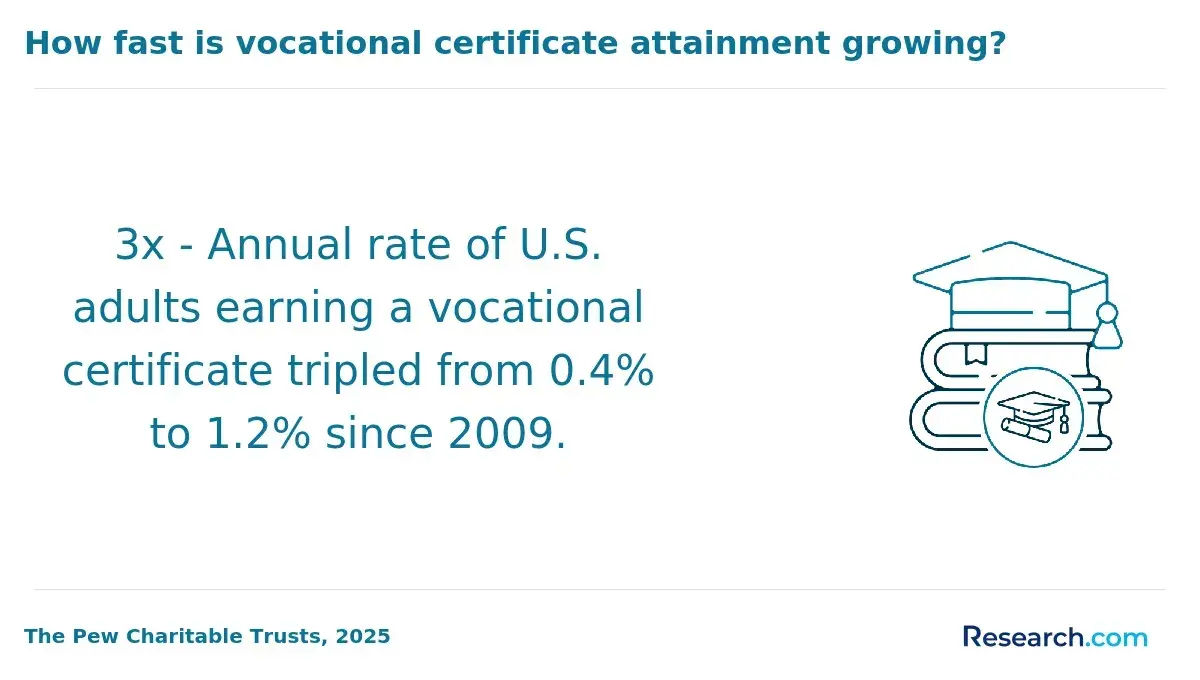
Entry-level positions in exercise science often accept an associate degree, but its value is constrained by limited advancement and salary potential. Bachelor's degrees constitute the primary qualification for clinical roles such as certified athletic trainers, which command a median salary of $60,250 and 10% job growth through 2033, per Concordia University Chicago kinesiology career data referencing BLS trends.
Employers commonly mandate a bachelor's degree for healthcare-focused roles due to essential knowledge in anatomy, physiology, and biomechanics. This illustrates a critical decision point for those weighing foundational exercise science and kinesiology academic programs.
Master's degrees intensify specialization opportunities in clinical exercise physiology or sports performance, enhancing employability within healthcare and rehabilitation sectors. These programs frequently integrate internships or practicum placements, reflecting employer preferences for practical proficiency.
Doctorate-level degrees (PhD or DPT) are typically necessary for research careers, faculty positions, or advanced clinical roles such as physical therapy licensure. Such doctoral pathways demand substantial investment but open doors to leadership and scientific study seldom accessible otherwise.
Choosing among kinesiology degree options for exercise science careers requires balancing time, cost, and labor market realities. For example, a working professional seeking a quicker pivot into athletic training may find a bachelor's degree sufficient, whereas those targeting research or specialized clinical practice should consider graduate study.
Additionally, considering parallel credentials, like online MBA programs healthcare management, can complement clinical expertise for leadership in sports and healthcare organizations.
How do kinesiology programs differ by specialization in curriculum and core coursework?
Variations in core coursework shape kinesiology specialization curriculum differences in ways that directly influence employability and job function. For instance, an exercise science track incorporates biomechanics, physiology, and motor learning alongside lab work and clinical internships, aligning with roles in rehabilitation or athletic training.
By contrast, a corporate wellness specialization provides a foundation in health promotion, workplace safety, and program management with business and behavioral health courses tailored to organizational settings.
This differentiation has practical consequences for professional readiness. Corporate wellness coordinators often start near $40,000 annually, benefiting from epidemiology and health policy education that is rare in standard kinesiology programs. Such expertise enables these graduates to design interventions that reduce employer healthcare costs, making them valuable in HR or insurance-related wellness roles.
Students evaluating core coursework variations in kinesiology programs must weigh whether a more extended curriculum with prerequisites like chemistry or anatomy, common in clinical exercise physiology tracks, fits their timeline given these programs prepare students for medical oversight positions and advanced certifications.
Advisors should highlight operational tradeoffs: research-focused specializations restrict immediate employment flexibility but favor graduate study, while corporate wellness often offers steadier entry points.
As employer demands concentrate on specialization-related skills, candidates lacking aligned coursework face hurdles securing jobs suited to their ambitions. Prospective students seeking to pivot or advance strategically may also explore comparable routes in health professions, such as online accelerated nursing programs.
How should students compare online and campus-based kinesiology programs for exercise science?
Choosing between online and campus-based kinesiology programs hinges on the practical tradeoffs between hands-on clinical experience and scheduling flexibility.
Campus programs provide essential access to cardiopulmonary rehabilitation labs and supervised clinical practicums, critical for mastering skills demanded in roughly 1,700 annual cardiac rehab openings from 2024 to 2034, as reported by the U.S. Bureau of Labor Statistics. Employers in healthcare settings expect graduates to demonstrate real-world proficiency managing complex cardiovascular cases.
Online programs appeal to working adults by offering adaptable schedules but often lack structured practical training unless paired with hybrid formats or local internships. This gap can diminish readiness for employment in hospitals or rehabilitation centers emphasizing direct patient care.
Students targeting specialized roles should verify the program mandates clinical hours in relevant settings rather than relying solely on virtual simulations.
Program faculty expertise and curriculum focus must also be weighed. Campus-based instruction frequently involves faculty actively engaged in clinical research and practice, ensuring education aligns with current evidence-based standards.
Conversely, online programs vary widely in clinical faculty involvement, impacting preparedness for chronic disease management roles. For example, those pursuing foundational administrative roles might tolerate practical limitations, but clinical career aspirants face higher stakes in program selection. Evaluating graduate employment outcomes and employer reputation remains vital.
What accreditation and program quality standards matter for kinesiology and exercise science majors?
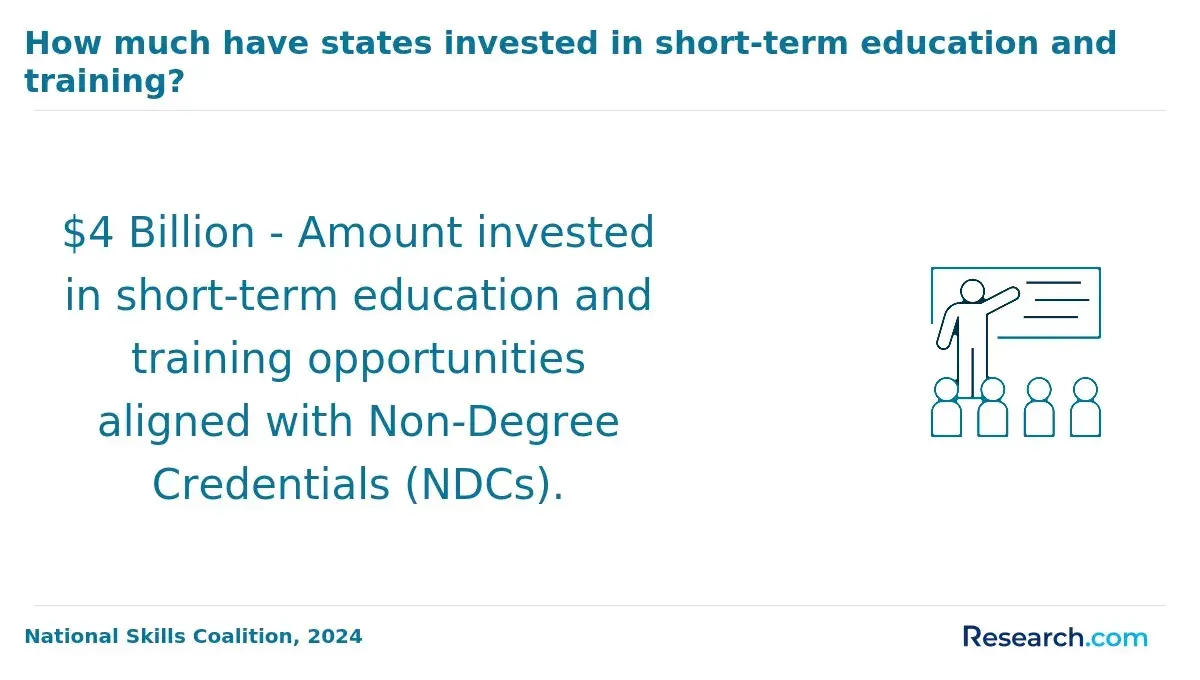
Employers in rehabilitation, performance training, and wellness prioritize graduates from kinesiology programs accredited by bodies such as the Commission on Accreditation of Allied Health Education Programs (CAAHEP) and aligned with standards from SHAPE America.
Accreditation validates core competencies including anatomy, biomechanics, physiology, and clinical experience-elements directly impacting workforce readiness and reducing employer training investments.
For candidates pursuing roles like physical therapy assistants or occupational therapy aides, enrolling in accredited programs simplifies licensure and certification processes, enabling faster transitions into higher-paying positions. In contrast, programs lacking such validation often leave graduates facing limited employment opportunities or the necessity of costly additional certifications post-hire.
Employers emphasize practical, hands-on training integrated into curricula more than institutional prestige. Programs that incorporate internships and up-to-date lab equipment yield graduates with applied skills, which correlates to smoother workforce integration despite varied degree titles.
Data from the Government of Canada Job Bank documents that kinesiology graduates with CIP 31.0505 credentials in Canada experience consistent median wage growth at intervals of 2, 5, and 10 years after graduation, demonstrating how quality education translates into measurable career gains over time.
Prospective students must weigh factors such as program cost, duration, accreditation status, and experiential learning opportunities. Investigating clinical affiliations and curriculum comprehensiveness before enrollment safeguards alignment with both immediate employability and long-term professional development goals.
What admission requirements and prerequisites are common for kinesiology specializations?
Entry into kinesiology specializations demands more than a diploma; it requires targeted scientific preparation that directly impacts employability and practical readiness.
Competitive programs typically require a minimum 3.0 GPA, emphasizing foundational coursework in biology, chemistry, physics, and mathematics up to algebra or pre-calculus. Completion of anatomy and physiology before enrollment is often mandatory, reflecting employer expectations for baseline scientific competency in biomechanics and rehabilitation sciences.
Applicants aiming for research-heavy roles-such as biomechanics analysis or human performance evaluation-face further scrutiny. Standardized test scores (ACT or SAT), letters of recommendation attesting to analytical aptitude, and documented hands-on experience in labs or health settings increasingly influence admission decisions. This reflects real-world workforce demands where practical exposure complements classroom learning.
Students omitting these prerequisites limit their trajectories toward laboratory or clinical careers, where deep molecular and physiological knowledge is non-negotiable. Insufficient academic groundwork also creates barriers to certification and post-baccalaureate opportunities, causing delays in professional advancement.
The alignment of admissions criteria with labor market demands ensures graduates enter the workforce with applicable skills rather than theoretical knowledge alone. As Data USA data highlight, kinesiology and exercise science remain among the most awarded degrees and form a critical pipeline for specialists in applied research and rehabilitation.
What are typical program length and tuition costs for specialized kinesiology degrees?
Choosing between an associate, bachelor's, or graduate credential in kinesiology requires weighing speed of entry against long-term career prospects and earning potential. Associate degrees typically take two years and serve as an accessible launching pad into fitness or support roles, yet they often limit advancement in clinical or specialized sectors where employers increasingly expect a bachelor's degree.
Bachelor's programs demand around four years of full-time study, delivering deeper science and applied knowledge that employers prioritize for management or rehabilitative positions.
Tuition costs vary significantly: public institutions charge roughly $8,000 to $15,000 annually for in-state students, while private programs often exceed $30,000 per year. Students must budget beyond tuition, considering fees, supplies, and potential income loss during study.
Graduate certificates or master's degrees add one to two years and can run between $15,000 and $40,000 total, focusing on clinical exercise physiology, rehabilitation, or research specialization.
Such investments align with employer expectations in healthcare and performance science but should be matched to practical benefits like internships and certification opportunities offered by hybrid or practicum-based programs.
With the personal training and fitness instructor field projected to grow 19-20% through 2031, kinesiology credentials offer clear pathways. However, the choice of credential influences employer access and role scope-shorter programs deliver faster workforce entry but fewer options for upward mobility, while advanced degrees demand more time and cost but broaden applicable career trajectories and potential income.
What exercise science careers, salaries, and advancement paths follow each kinesiology specialization?
Specializations within kinesiology shape salary trajectories and employer expectations sharply, requiring early clarity on tradeoffs between entry-level accessibility and long-term upward mobility.
For example, biomechanics or motor control paths predominantly funnel graduates into research or clinical support roles, starting around $55,000 to $65,000 but demanding incremental expertise to reach $90,000+ positions like senior research analyst.
Exercise physiology graduates often encounter more structured certification requirements to progress from approximately $50,000 into clinical leadership or wellness administration roles exceeding $75,000.
Strength and conditioning specialists, by contrast, face intense performance-based evaluation, with entry salaries near $45,000 to $60,000 but potential to surpass $100,000-realized mostly through advanced certifications and graduate studies aligned with professional sports team demands.
In sport psychology and athletic training, the barrier of graduate credentials is non-negotiable, with starting salaries about $48,000 climbing over $80,000 once incumbents prove measurable impact within multidisciplinary teams. Practical experience through internships remains a critical filter.
Performance analytics roles illustrate the field's pivot toward data fluency; starting near $60,000, growth depends on mastery of analytics tools and programming, benefitting those with advanced kinesiology or sport science degrees aligned with industry evolution.
What certifications or licenses align with specific kinesiology specializations in exercise science?
Employers in exercise science increasingly require combinations of certifications and licenses tailored to specialization, directly shaping professional opportunities and legal scope.
For example, clinical exercise physiologists must secure the Certified Clinical Exercise Physiologist (CEP) credential from the American College of Sports Medicine (ACSM) to design patient-centered programs addressing chronic disease, while strength and conditioning coaches rely on the Certified Strength and Conditioning Specialist (CSCS) certification, which remains a non-negotiable baseline in collegiate and professional sports hiring.
Specialists in sports nutrition or wellness coaching often pursue Certified Sports Nutritionist (CISSN) or National Academy of Sports Medicine (NASM) certifications; however, these credentials do not substitute for licensure requirements essential to dietitians or physical therapists.
In rehabilitation contexts, holding a state physical therapy license or certifications such as the Board of Certification (BOC) for athletic trainers is mandatory for legal practice and client safety. The distinction between certification and licensing is substantive: licenses govern regulated practices with legal liability, whereas certifications validate expertise but may not permit independent practice.
Job candidates frequently need multiple credentials to meet interdisciplinary demands. For instance, professionals in geriatric rehabilitation may require both physical therapy licensure and CEP certification to provide comprehensive care.
Geographic concentrations of kinesiology graduates, such as in San Antonio, TX; University, FL; and Bloomington, IN, intensify competition for credentialed roles, accentuating the necessity of strategically aligning certifications with career focus.
Prospective students should factor in the recurring costs of maintaining certifications and licenses, including state-specific reciprocity challenges. Programs integrating exam preparation for ACSM, CSCS, or related credentials often accelerate employment outcomes and enhance return on educational investment.
Other Things You Should Know About Kinesiology
In 2027, kinesiology specializations such as biomechanics, sports psychology, and strength conditioning offer distinct career paths. Graduates can pursue roles in rehabilitation centers, professional sports teams, or fitness consulting, tailored to their specific expertise, enhancing employability and career satisfaction.
Programs with substantial practical components, like internships, labs, or clinical placements, better prepare students for workforce demands by developing applied skills. Coursework alone rarely equips graduates for complex assessment or intervention tasks employers require in healthcare or athletic environments. Choose kinesiology programs that integrate real-world training early and across the curriculum rather than isolated capstones. Without consistent hands-on experience, expect significant on-the-job training or delayed advancement potential.
Deep specialization enhances employability in niche, technical roles but may limit flexibility if career goals shift or job markets contract. A broad foundation with select emphases fosters adaptability and eases pivoting across exercise science disciplines, including emerging fields. For those uncertain about exact career paths or intending to pursue graduate education, prioritizing breadth with elective specialization is advisable. Direct specialization is more efficient only if career targets and licensing requirements are clearly established early on.
Entering the workforce immediately offers quicker income but often limits roles to entry-level or less technical positions, especially in healthcare settings that require advanced credentials. Graduate education expands access to clinical, research, or management roles but requires additional time and expense without immediate earnings. Students must weigh their financial situation and career goals: invest in graduate degrees if targeting specialized jobs with clear credential barriers; choose employment first if gaining practical experience and confirming career direction is a priority.
References
- Top 5 Kinesiology Programs in 2026 https://bold.org/blog/best-kinesiology-programs/
- How Long to Get a Kinesiology Degree? | ValidGrad https://validgrad.com/blog/kinesiology-degree-duration/
- What Can You Do with an Exercise Science Degree? https://www.cune.edu/news/what-can-you-do-exercise-science-degree
- Kinesiology and Exercise Science Careers Guide https://teach.com/online-ed/healthcare-degrees/online-bachelors-kinesiology-exercise-science/career-outlook/
- Bachelor of Kinesiology degree https://www.ufv.ca/calendar/current/programsf-l/KPE_DEG.htm
- Exercise Physiologist https://acsm.org/certification/get-certified/exercise-physiologist/
- Kinesiology, Bachelor's Degree https://camosun.ca/programs-courses/kinesiology-bachelors-degree
- Exercise Science Degree Programs & Career Guide 2025 https://www.nutritioned.org/exercise-science-degree/
- Top 20 Careers With a Master’s in Exercise Science | PLNU https://www.pointloma.edu/resources/health-sciences/top-20-careers-masters-exercise-science
- A Comparison of Physical Activity Levels between On-Line and Campus University Students https://clinmedjournals.org/articles/ijsem/international-journal-of-sports-and-exercise-medicine-ijsem-5-141.php