2027 Best Online Kinesiology Programs for Movement-Focused Professionals

Co-Founder and Chief Data Scientist
Professionals juggling demanding schedules often struggle to find kinesiology programs that offer both rigorous curricula and genuine flexibility, a gap increasingly urgent given the sector's rapid evolution.
According to the National Center for Education Statistics, over 60% of adult learners in health-related fields now prefer online formats to balance work and study, reflecting a fundamental shift in how career-focused students engage with education. Traditional in-person programs rarely accommodate such complexity, limiting progression for practitioners aiming to pivot or advance without sacrificing income or responsibilities.
This article evaluates top online kinesiology programs designed for movement-focused professionals, highlighting attributes that address these practical constraints and optimize career outcomes.
Key Things You Should Know
- The average total cost for accredited online kinesiology programs peaked at $24,000 in 2024, pressuring candidates to balance program duration against debt load amid wage growth in fitness and rehab sectors lagging 2.5% below inflation, per National Center for Education Statistics.
- Employer demand increasingly favors candidates with applied biomechanics and digital health integration skills, areas underrepresented in 45% of online curricula, complicating hiring where practical lab experience is limited, according to a 2025 Workforce Skills Analysis by the Bureau of Labor Statistics.
- Completion rates drop by 18% for students lacking synchronous clinical components; this tradeoff between flexible asynchronous models and hands-on proficiency creates critical timing constraints for career switchers seeking licensure within two years, as reported by the Council on Accreditation in Kinesiology Education.
What are the best online kinesiology programs?
Choosing the best online kinesiology degree programs for movement professionals involves more than curriculum scrutiny; it demands evaluating clinical access and real-world applicability. For example, a professional shifting toward physical therapy must find programs offering local practicums rather than relying solely on remote simulations. This practical element is essential for transitioning careers and fulfilling employer expectations in rehabilitation and sports science fields.
Graduates from Oregon State University's online BS in kinesiology earned a median salary of $60,964 in 2026, positioning them in the top 25% nationally. Such data illustrates the tangible return on investment when programs integrate updated biomechanics, exercise physiology, and movement analysis technologies into their coursework. Candidates lacking applied exposure and access to current digital labs often face barriers competing in health promotion and allied health roles.
Flexibility also shapes program viability. High-quality options balance asynchronous learning with scheduled practicals, accommodating full-time workers. Conversely, programs lacking accredited hands-on components may prolong licensure timelines and add hidden costs. This tradeoff is critical for prospective students to weigh alongside financial and scheduling constraints.
Decision-makers should also consult comprehensive resources on exercise science degrees online to compare curricula and outcomes effectively.
How do online kinesiology degrees compare with campus programs?
Online kinesiology degree benefits compared to traditional campus programs hinge largely on the challenge of replicating hands-on training and practicum access. While campus programs integrate direct partnerships offering 300+ hours of supervised clinical practice, online students typically must independently secure approved local placements. This difference often slows workforce entry and affects initial salary negotiations in movement-focused roles such as exercise physiology.
Employers prioritize demonstrable applied skills alongside theoretical knowledge, amplifying the advantage for campus graduates who benefit from streamlined internship placement. Online programs striving to address this use synchronous labs, virtual simulations, and externships, but these introduce added logistical complexity and extended timelines.
Students considering an online kinesiology degree must realistically assess access to local practicum sites and self-management ability. For those targeting clinical or athletic rehabilitation careers, the hybrid or on-campus route typically yields faster, more robust market readiness. Conversely, graduates pursuing roles in research or health promotion, where field-based experience is less stringent, may find online routes equally valid.
Growth projections from the U.S. Bureau of Labor Statistics suggest a 10% increase in exercise physiologist roles from 2022 to 2032, reinforcing demand but also employer emphasis on practical experience. For those exploring healthcare education pathways, comparable evaluation of program structure can be seen in related fields such as healthcare administration.
What accreditation should an online kinesiology program have?
Regional accreditation recognized by the U.S. Department of Education or the Council for Higher Education Accreditation is non-negotiable for an online kinesiology program to hold practical value. This baseline accreditation ensures credits transfer smoothly, financial aid eligibility, and broader acceptance by employers and certification bodies.
Specialized accreditations like those from CAAHEP or the National Strength and Conditioning Association provide targeted credibility, especially for concentrations in exercise science or athletic training.
Employers within rehabilitation, sports, and wellness sectors typically require graduates from accredited institutions to meet job qualifications. For example, physical therapy assistant roles generally demand completion of a CAAHEP-accredited program to qualify for state licensure. Bypassing accreditation risks graduates facing restricted employment options in regulated professions, directly impacting mobility and earnings potential.
Those researching the best accredited kinesiology courses for professionals must weigh program rigor against career outcomes. A regionally accredited program like Concordia University Chicago's online bachelor's in exercise science illustrates a balance with median graduate pay near $50,705 and annual tuition of $15,150, factors indicating useful return on investment amid industry demands.
Students should thoroughly verify institutional and programmatic accreditation before committing time and finances to avoid diminished job prospects or wasted educational expenses in competitive fields focused on movement science. Professionals navigating this pathway might also consider the advantages of the fastest online MHA for a strategic pivot or advancement in healthcare management adjacent to kinesiology.
What classes are in an online kinesiology curriculum?
Online kinesiology programs focus tightly on foundational sciences such as anatomy, physiology, and biomechanics, vital for analyzing human movement with precision aligned to medical and athletic contexts.
Movement science classes in kinesiology programs often include exercise physiology and motor control, which equip students with applied knowledge for roles in physical therapy, coaching, or occupational health. Specialized offerings like sports nutrition and injury prevention reflect workforce demands for evidence-based athlete care.
Research methodology and statistics are integral to these curricula, enabling graduates to interpret health data critically, a necessity for clinical or academic career pathways.
However, internships or practicums require in-person arrangements, a logistics hurdle that distance learners must anticipate to meet accreditation and employer expectations. This often represents a practical friction point in transitioning to hands-on roles.
Employers expect kinesiology graduates to master both technology-driven movement analysis and intervention strategies, with courses in ergonomics and health promotion supporting applied skill sets needed in corporate wellness and rehabilitation. From a financial perspective, tuition rates like Oregon State University's $409 per credit with no nonresident surcharge offer a cost-effective alternative to traditional campus programs.
For those weighing program options, comparative data, such as the Capella vs Chamberlain RN to BSN analysis, can provide insight into online degree value propositions. Understanding the interaction between curriculum rigor, logistical demands, and workforce applicability is essential for making informed decisions about online kinesiology course curriculum.
What admission requirements do online kinesiology programs usually ask for?
Admission to online kinesiology programs hinges on more than meeting baseline academic criteria; it demands clear evidence of readiness for specialized, scientifically rigorous study. Most programs require a high school diploma or equivalent with at least a 2.5 GPA, but practical considerations often shape the application process just as much as grades.
Official transcripts and standardized test scores may be necessary, though the increasing adoption of test-optional policies accommodates working adults balancing education with other responsibilities.
Letters of recommendation and personal statements function as critical evaluative tools, allowing admission committees to assess applicant commitment and relevant experience within fields such as rehabilitation or performance training.
Foundational coursework, typically in biology, anatomy, or physiology, is essential for transfer students, as these prerequisites prepare learners for advanced topics like biomechanics, where a gap in scientific knowledge can significantly extend degree completion time.
Program scale and technological infrastructure materially influence accessibility and success rates. Large, well-resourced institutions with robust online delivery systems tend to have shorter waitlists and better support, making a tangible difference in student persistence and learning quality.
Reliable internet and proficiency with learning platforms are non-negotiable requirements, given the interactive and video-based assessments integral to kinesiology curricula.
How long does an online kinesiology degree take to finish?
Completing an online kinesiology master's degree within 18 to 24 months as a full-time student offers a balance between speed and manageable workload, whereas part-time study extending close to three years suits professionals juggling employment but delays market entry. Accelerated programs reduce duration but require intensive weekly study hours, often unfeasible for those maintaining full-time jobs.
The program typically demands 30 to 40 graduate credits, with enrollment intensity, usually between 6 and 9 credits per term, directly shaping completion time. Asynchronous formats, allowing flexible pacing, can shorten timelines, unlike synchronous or cohort models that impose rigid schedules impacting career planning and employer sponsorship opportunities.
Tuition costs vary notably, with per-credit rates ranging from $556 at University of Southern Mississippi to $753 at University of Kentucky, potentially increasing the total financial burden for extended completion beyond three years. This can erode employer tuition assistance benefits and inflate opportunity costs.
Delays in completion affect eligibility for advanced certifications and specialized roles such as clinical exercise physiologist or sports performance consultant, limiting timely career progression in healthcare or fitness industries. Prospective students ought to consider credit load capacity, program structure, and employer support when choosing between accelerated or part-time pathways.
How much do online kinesiology programs cost?
Choosing an online kinesiology program requires balancing tuition costs against tangible career outcomes and workforce demands. Bachelor's degrees generally range from $15,000 to $48,000, with in-state public institutions offering cost efficiencies, while private or out-of-state options often double the price.
For professionals targeting master's credentials, expect fees between $20,000 and $60,000, excluding ancillary expenses like technology or clinical practicum fees that can add thousands more.
Graduates aiming for clinical rehabilitation roles should anticipate additional licensure exam costs of $2,000 to $4,000, crucial for employment eligibility but frequently overlooked in budgeting.
Those pursuing less regulated fields, such as wellness coaching or fitness programming, might find microcredentials or certificate programs under $5,000 a more pragmatic entry point, especially for working professionals constrained by time or finances.
Given the sports medicine sector's expected 7-8% compound annual growth rate through 2030, demand for kinesiology competencies will rise, yet job placement depends heavily on a program's employer recognition and experiential learning opportunities rather than tuition alone. Prospective students should verify financial aid availability alongside employer tuition reimbursement or GI Bill eligibility as cost mitigators.
Ultimately, evaluating kinesiology pathways involves weighing upfront expenses against program outcomes and employability in a competitive market where practical skills and industry connections often outweigh sticker price.
What careers can you pursue with a kinesiology degree?
Choosing a kinesiology degree involves navigating significant variations in career outcomes and credential demands across health and wellness sectors. For instance, physical therapists must pursue graduate education plus state licensure, which delays labor market entry but grants access to higher compensation brackets.
In contrast, personal trainers or wellness coordinators can rely primarily on a bachelor's combined with certifications, enabling quicker workforce entry but with comparatively lower salary ceilings.
Only about 12% of U.S. personal trainers had a bachelor's in exercise science or kinesiology in 2023, yet those degree holders saw 10-15% higher average earnings-indicating that while not mandatory, formal education provides measurable financial benefit.
Employers in hospital rehab units, elite sports teams, and corporate wellness increasingly demand formal kinesiology knowledge for roles emphasizing injury prevention and advanced movement science, though additional certifications or clinical experience often remain prerequisites.
Key tradeoffs include higher upfront educational investment and extended timelines if targeting healthcare professions versus more immediate but limited advancement potential in wellness management roles. Prospective students should assess sector-specific hiring standards, balancing scope of practice, credentialing time, and salary trajectories to align education choices with strategic career pivots.
How much can kinesiology graduates earn?
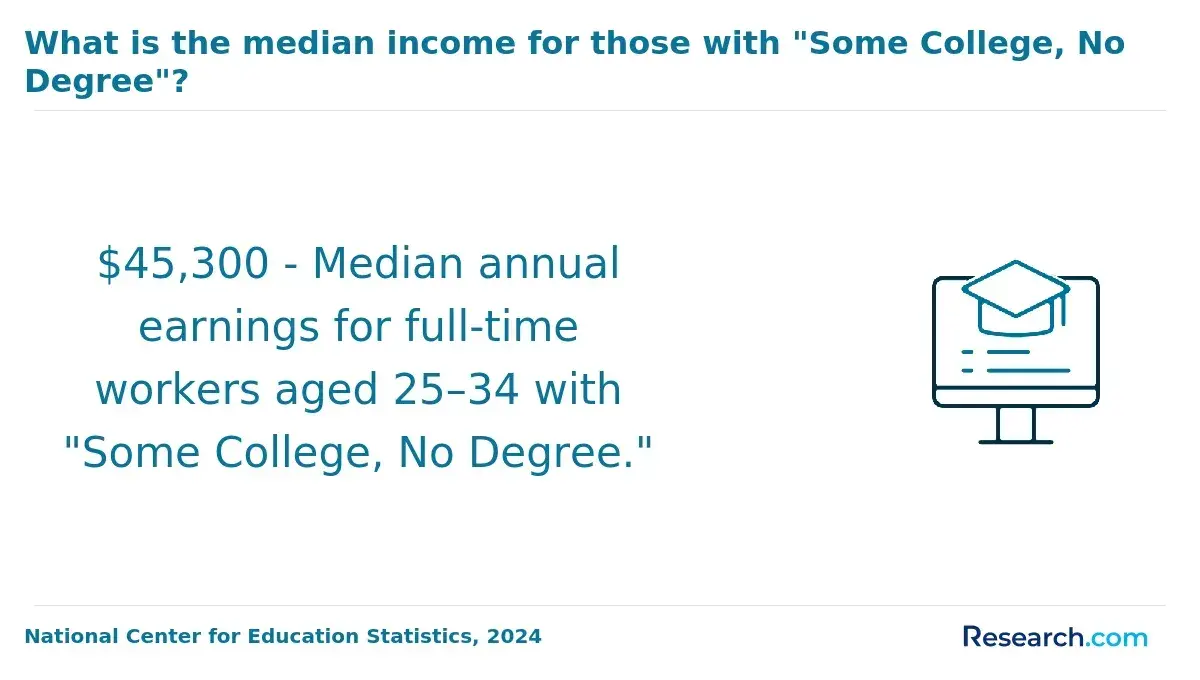
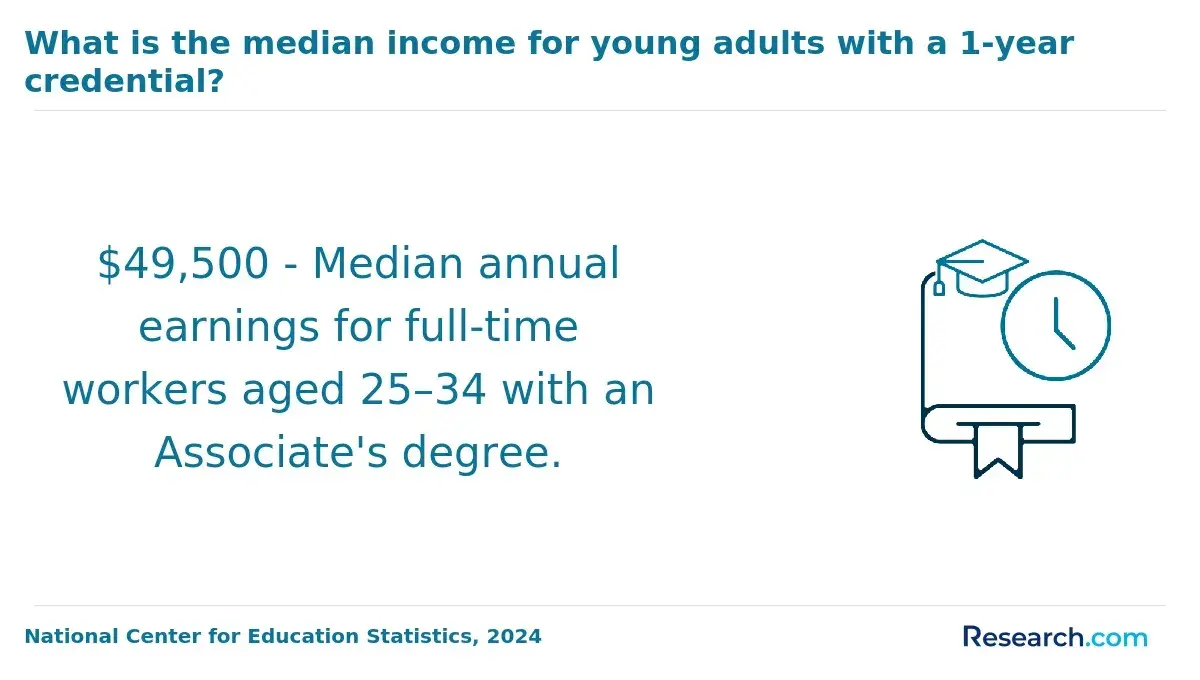
Graduates holding a bachelor's degree in kinesiology can expect an average annual earnings increase of about $18,000 compared to those with some college but no degree, based on data from the U.S. Department of Education College Scorecard analysis from 2024. However, this median figure masks significant variance tied to employment setting and region.
For example, entry-level roles such as physical therapy aides in public hospitals often start near $40,000 annually. In contrast, positions in corporate wellness or ergonomics consulting typically surpass $55,000 within five years, reflecting sector-specific demand and employer valuation. Exercise physiologists and clinical researchers generally experience gradual income growth tied to advanced certifications and hands-on experience.
Prospective students should weigh the return on investment (ROI) carefully, considering that private or lesser-known online kinesiology programs may yield lower initial earnings, as many employers prefer regionally accredited credentials with substantial clinical exposure. Limited access to clinical placements or professional networks can reduce negotiating leverage on salaries and slow early career progression.
Financial planning must incorporate not only tuition but also certification fees and ancillary costs. Scholarship and financial aid options can mitigate upfront expenses, but realistic salary expectations aligned with geographic and industry context are essential to avoid underemployment and support sustainable career development.
What certifications or licenses may kinesiology graduates need?
Licensing and certification decisions for kinesiology graduates fundamentally shape employability and professional scope. For example, clinical roles such as physical therapy assistants require strict adherence to accreditation standards, most notably CAPTE accreditation and passing the NPTE exam, since without these, employment or insurance reimbursement is often blocked.
In contrast, fitness-related careers generally prioritize certifications from organizations like the ACSM or NSCA, which, while not legally mandated, significantly influence hiring and salary potential.
Employers in healthcare sectors tend to demand credentials reflecting both practical competence and regulatory compliance, especially under state medical board oversight. Conversely, those targeting less regulated areas like corporate wellness or ergonomics may benefit from certifications such as CHES or CEAS, though these credentials often serve market differentiation rather than legal necessity.
Additionally, the 25% rise in enrollment in fully online bachelor's programs for health fields from 2019 to 2023 reflects a growing pathway for working adults, yet not all online degrees align with state-specific licensure criteria. Prospective students must verify program compatibility with licensing boards since a degree lacking this alignment can disqualify candidates from certification exams or regulated practice.
Strategic selection of programs with integrated licensure preparation or formal partnerships with certifying bodies mitigates these risks and eases transition into credential-dependent kinesiology careers.
Other Things You Should Know About Kinesiology
Yes, but the level of hands-on practice varies significantly between programs. Programs that partner with local clinics, gyms, or rehab centers provide more opportunities for real-world application, which employers value highly. When choosing an online program, prioritize those that integrate internships or supervised practicums to build practical skills, as purely theoretical coursework often limits immediate job readiness in movement-focused professions.
Many online kinesiology programs expect 15-20 hours weekly for coursework and assignments, which can strain full-time workers managing additional responsibilities. Programs with flexible pacing and asynchronous lectures ease time management but may extend total completion time. Working professionals should select programs explicitly designed for adult learners, balancing rigor with realistic workload expectations to avoid burnout and ensure steady progress.
In 2027, many top online kinesiology programs offer specialized tracks that focus on movement science. These programs often provide targeted skills in biomechanics and motor behavior, crucial for those aiming for niche roles in sports science or rehabilitation, while general degrees offer a broader foundation.
General kinesiology degrees offer broader foundational knowledge but can dilute skill depth in specific areas like exercise physiology or motor control. Specialized credentials or certificates enhance employability in niche movement-focused fields but may limit career flexibility. Students aiming for specific roles such as rehabilitation specialist or athletic trainer should prioritize targeted programs with applied training over more general kinesiology tracks.
References
- Kinesiology, B.S. - NCCU Online https://nccuonline.nccu.edu/programs/bachelor-of-science-b-s-in-kinesiology/
- Online Kinesiology Course | Accredited Diploma Course https://naturalhealthcourses.com/courses/kinesiology/
- How to Become a Kinesiologist - Education & Certification https://www.medicaltechnologyschools.com/kinesiologist/how-to-become-a-kinesiologist
- 2026 Best Online Kinesiology Degrees https://www.onlineu.com/degrees/kinesiology
- Kinesiology (Online), B.S. https://www.nccu.edu/academics/undergraduate-programs/kinesiology-online-bs
- Online Bachelor’s in Kinesiology and Exercise Science Programs https://teach.com/online-ed/healthcare-degrees/online-bachelors-kinesiology-exercise-science/
- Online Kinesiology Degree Programs: Review Top Schools https://www.edumed.org/online-schools/kinesiology-degrees/
- Bachelor's in Kinesiology Program Online | Montreat College https://www.montreat.edu/online/kinesiology/
- American Kinesiology Association | Careers in Kinesiology https://americankinesiology.org/careers-in-kinesiology/
- What Can You Do With a Kinesiology Major? | USAHS https://www.usa.edu/blog/what-can-you-do-with-a-kinesiology-major/