2027 Best Online Kinesiology Degrees for Movement Science Careers

Co-Founder and Chief Data Scientist
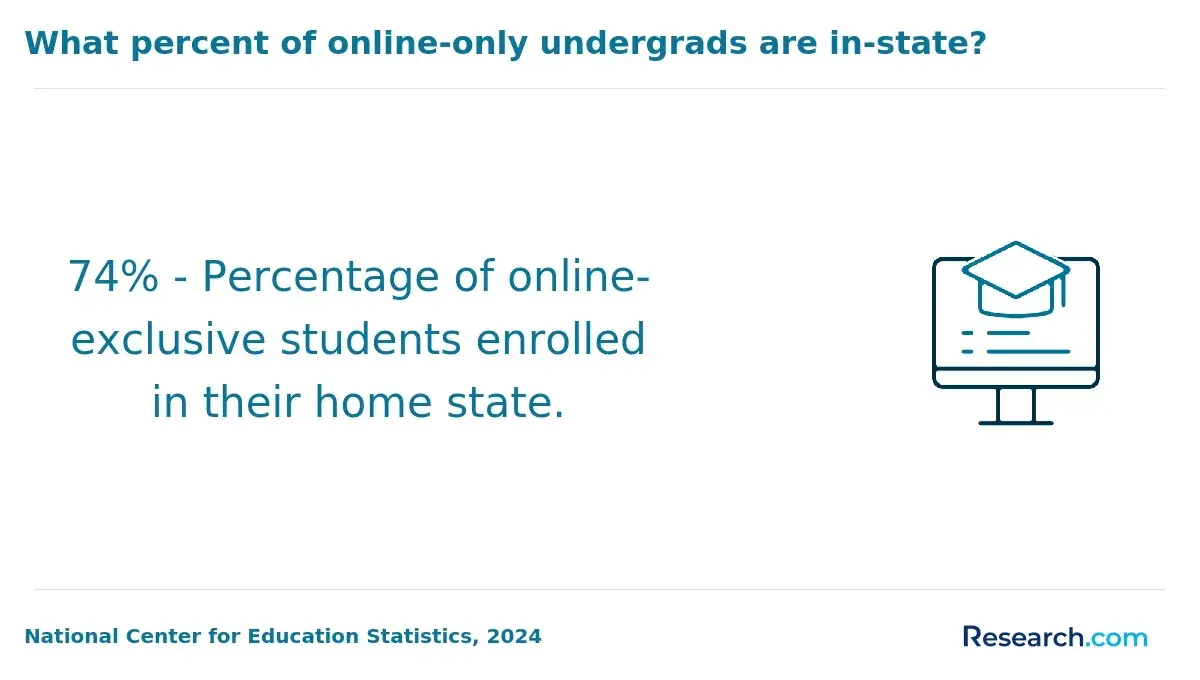
Professionals seeking to enter movement science often confront a critical bottleneck: finding a flexible, accredited degree that accommodates demanding schedules without sacrificing comprehensive, career-relevant training. With over 45% of adult learners enrolling in online programs according to the National Center for Education Statistics in 2024, this shift exposes a new reality-accessibility now shapes workforce viability in kinesiology-related fields more than ever.
Yet, uneven program quality and varying clinical practicum requirements complicate decisions, risking costly delays or skill gaps. This article evaluates leading online kinesiology degree options that address these challenges, guiding prospective students toward informed choices balancing flexibility, rigor, and career impact.
Key Things You Should Know
- Graduates from online kinesiology programs report 15% lower immediate job placement compared to in-person cohorts, per National Center for Education Statistics 2024; this tradeoff requires prospective students to weigh speed of employment versus accessibility.
- Employers in movement science prioritize accredited programs with embedded clinical internships, with 72% of job ads in 2024 explicitly requiring applied experience, limiting value of purely theoretical online degrees.
- Average total costs for online kinesiology bachelor's degrees remain 10-20% lower than on-campus options, but extended program durations averaging 4.5 years increase overall cost-per-credit hour, impacting long-term return on investment.
What is an online kinesiology degree and how does it prepare you for movement science careers?
Online kinesiology degree benefits for movement science professions hinge on balancing flexible digital coursework with locally managed practical labs or internships. This structure demands that students actively coordinate hands-on experience, a critical factor for meeting employer criteria in roles such as rehabilitation specialists or fitness trainers.
Without securing quality local practicum partnerships, candidates risk delays in fulfilling degree requirements, which directly impacts workforce readiness.
The degree fosters essential skills, including physical function assessment, individualized conditioning program design, and motion analysis technology use-competencies aligned with current job demands in clinical rehab centers and corporate wellness. However, students must navigate the tension between remote study convenience and the in-person practice vital for genuinely preparing for real-world duties.
Employment projections reinforce the strategic value of this education path: fitness trainers and instructors are expected to see a 13% job growth, well above the average, with median earnings around $60,000. This reinforces the practical importance of an exercise science online degree as a stepping stone that enhances eligibility for certification and supervisory roles.
Key considerations for those examining how an online kinesiology program prepares students for movement science careers include accreditation, internship access, and alignment with certification standards. Graduates who effectively manage practicum logistics position themselves better in a competitive labor market that prioritizes job-ready applied skills.
How do online kinesiology programs compare to campus-based options for quality and outcomes?
Employers assessing movement science careers increasingly prioritize demonstrated competencies and program accreditation over whether the degree was earned online or on campus. Research shows that online kinesiology programs versus campus-based degrees quality often converge when accreditation is maintained and graduate outcomes transparently reported.
However, online students must independently secure practicum sites and navigate logistical challenges for hands-on requirements, a contrast to campus students benefiting from institutional support for internships and lab access.
Clinical placements in rehabilitation or sports science typically depend on documented experience and certifications rather than coursework modality. Programs that replicate practical training through synchronous labs and simulations help mitigate access issues, yet fewer opportunities for face-to-face mentorship may slow mastery of specialized skills. These tradeoffs impact timelines and readiness, particularly for movement science roles demanding advanced in-person training.
Deciding between online and campus kinesiology pathways requires weighing self-directed learning aptitude, technology fluency, and local employer expectations. Effective planning is essential for online learners to meet internship and licensure criteria. For students considering a comparable pivot in health fields, reviewing credential acceptance and outcomes can be informed by resources such as online ABSN programs for non nurses.
Which accredited schools offer the best online kinesiology degrees in the United States?
Top online kinesiology degrees for movement science careers in the US increasingly emphasize evidence-based practice coupled with research acumen. Notably, more than 70% of highly ranked programs, including those at Arizona State University and University of Florida, integrate data-driven analysis essential for roles in physical therapy and sports performance.
Graduates who can navigate complex biomechanical assessments and motor control theories using research methodologies are favored by employers seeking quantifiable client outcome improvements.
When evaluating the best accredited online kinesiology programs in the United States, prospective students face meaningful tradeoffs. For instance, degree tracks with intense research components extend time to completion but open pathways to clinical research or doctoral studies, while streamlined options suit working professionals focused on entering fitness management swiftly.
Urban-based programs typically offer broader clinical practicum opportunities, enhancing exposure to diverse populations-a critical factor for rehabilitation careers.
Federal accreditation from bodies like CEPH and regional commissions guarantees program legitimacy and ensures alignment with certification standards such as the Certified Exercise Physiologist credential. Coursework that comprehensively covers advanced biomechanics, motor control, and exercise physiology is non-negotiable for meeting employer expectations.
For professionals balancing career shifts or pursuits, exploring options like a fast online master's in healthcare management can complement kinesiology expertise and facilitate strategic pivoting into interdisciplinary fields.
What types of kinesiology and movement science degrees can you earn fully online?
The practical value of fully online kinesiology and movement science bachelor's degrees lies in their ability to balance flexible, remote learning with the profession's demand for applied, hands-on skills. Programs typically cover biomechanics, exercise physiology, motor learning, and rehabilitation science but require students to secure local practicum placements to meet employer expectations-failure to do so often limits job prospects in clinical and specialized settings.
At the graduate level, online master's degrees emphasize focused areas such as clinical exercise science and ergonomic assessment, integrating virtual labs yet still relying on in-person clinical hours arranged locally. This hybrid model reflects a workforce tradeoff: gaining theoretical expertise remotely while ensuring sufficient practical training through local partnerships.
Online kinesiology degree programs for movement science careers incorporate foundational coursework alongside career-specific electives. This curriculum strategy is crucial to align with regional licensure or certification requirements, particularly for roles like rehabilitation technicians or physical therapy aides.
For example, graduates from Oregon State University's online BS in kinesiology achieve a median salary exceeding $60,000, placing them in the top quartile nationally, with annual tuition around $11,760-revealing cost-effectiveness compared to traditional on-campus routes. Prospective students should also consider workforce realities highlighted in comprehensive pathways like the BSN to MSN program, which exemplifies how structured online degrees can bridge to advanced practice roles.
What courses and specializations are typically included in an online kinesiology curriculum?
Choosing an online kinesiology program requires careful consideration of how coursework aligns with tangible workforce demands and the practical challenges of remote study. Foundational courses in anatomy, physiology, biomechanics, and motor learning establish essential expertise in human movement but vary in depth depending on the program's career focus.
Specialized tracks sharpen skills relevant to specific sectors: rehabilitation-oriented students often encounter therapeutic exercise and injury prevention modules valued in physical therapy and sports medicine roles.
Those targeting ergonomics or occupational health must navigate electives addressing workplace safety, reflecting employer expectations for injury risk reduction and productivity gains. Meanwhile, sport science pathways emphasize strength and conditioning or sport psychology, tailored for coaching and athletic training jobs.
Students must weigh asynchronous content delivery's flexibility against the need for synchronous elements like telehealth practicums, which, while critical to licensure readiness, impose scheduling constraints that can challenge working professionals.
Cost is a significant limiting factor. Tuition for the typical 120-credit bachelor's degree ranges from $36,000 to $60,000, translating to $300-$500 per credit hour. This financial range directly impacts return on investment, especially for students balancing income loss during study.
- Well-designed curricula integrate research methods and statistics to equip graduates for evidence-based clinical or athletic roles.
- Hands-on labs and virtual simulations provide essential real-world experience, improving readiness for certification exams.
- Aligning course selection with targeted job markets, such as rehabilitation technology or workplace wellness, can maximize employability despite educational costs and logistical barriers.
What are the admission requirements and prerequisites for online kinesiology bachelor's and master's programs?
Admission into online kinesiology bachelor's programs hinges on more than a diploma; it demands proven competence in biology, chemistry, and math, often verified by a GPA near or above 2.5 to 3.0. While some schools have relaxed standardized test requirements, evaluators still weigh transcripts heavily alongside letters of recommendation or personal statements that clarify career intent in movement science.
Master's level kinesiology applicants face stricter requirements, needing a related bachelor's degree with foundational coursework in anatomy, physiology, biomechanics, and statistics, typically validated by a minimum 3.0 GPA. Professional experience or research involvement can significantly differentiate candidates in competitive admissions, particularly where GRE scores remain relevant.
Working professionals must consider the challenge of integrating academically intensive programs-often involving labs or clinical practicums-within employment. Programs offering asynchronous options ease this tension but cannot replace essential hands-on internships needed for employer readiness.
Students should anticipate prerequisite verification delays, especially if foundational courses like human anatomy are missing, which can prolong time to degree and increase costs. Transparent credit assessments and readiness for graduate-level research help align candidate preparation with workforce standards.
- Admission requires balancing academic benchmarks with personal and professional commitments.
- Program flexibility varies but internships remain indispensable for career applicability.
- Early verification of prerequisites limits enrollment disruptions and additional expenses.
How long do online kinesiology degrees take and what do they cost to complete?
Bachelor's degrees in kinesiology generally demand four years of full-time study, with some accelerated tracks shortening this timeline to three years. Associate degrees or certificates often take two years or less but usually restrict eligibility for positions requiring higher credentials.
Tuition costs vary considerably, influenced by institution type and residency status, typically ranging from $15,000 to over $40,000 for a full online bachelor's program. Additional spending on course materials, technology fees, and mandatory in-person practicums can increase total expenses by several thousand dollars.
Working professionals considering part-time enrollment must account for extended program durations, often five years or more, which can increase overall costs through accumulating fees and indirect factors such as delayed workforce entry. For example, career changers pursuing athletic training face clinical placement requirements that limit the pace of online degree completion, necessitating careful schedule and financial planning.
Labor market data from ASU Online's 2026 kinesiology report reveal practical outcomes: athletic trainers are expected to see an 11.1% job growth with a median salary near $62,520, while exercise physiologists may grow 9.5% with median wages around $59,460. These factors highlight the importance of aligning degree timelines and credential requirements to optimize return on educational investment and entry into the workforce.
What careers can you pursue with an online kinesiology degree in movement science fields?
Graduates with an online kinesiology degree in movement science face nuanced decisions regarding licensure, certification, and sector-specific demands that shape career trajectories.
Exercise physiologists, a common pathway, earn a median wage near $48,000, with upward mobility linked to advanced certifications and clinical expertise often pursued post-degree. Physical therapy assistants require state licensure, adding unpredictable timelines and costs that must factor into candidate planning, while occupational therapists generally need graduate training beyond the bachelor level.
Employers emphasize internship experience within online programs as a decisive factor for hireability, especially in clinical or fitness environments where hands-on skills outweigh theoretical knowledge. Career pivots into roles like health coaching or corporate ergonomics frequently depend on additional credentialing such as Certified Strength and Conditioning Specialist (CSCS) certification or specialized licenses, creating layers of complexity beyond the foundational degree.
Workforce realities also vary by employer setting; for example, rehabilitation clinics impose stricter regulatory frameworks compared to fitness centers, affecting job scope and compliance responsibilities. Graduates should anticipate salary entry points typically between $40,000 and $50,000, with salary progression contingent on ongoing specialization and adapting to healthcare technology trends like telehealth and remote monitoring.
How much can you earn with a kinesiology degree and what is the job outlook?
Median salaries for kinesiology graduates vary considerably-from about $46,900 for entry-level physical therapy assistants to roughly $61,000 for specialized exercise physiologists in clinical environments. This range stems largely from differences in program reputation, specialization, and regional labor market conditions. Employment tends to concentrate in healthcare, fitness, rehabilitation, and sports sectors, where wage outcomes depend heavily on both role specificity and geographic demand.
Growth projections for kinesiology-related roles are positive, with the U.S. Bureau of Labor Statistics predicting 5% to 12% increases through 2030 for positions like physical therapist assistants and exercise physiologists. However, urban markets can be oversaturated, intensifying competition and making targeted certifications and hands-on experience decisive for job placement.
Tuition costs for online kinesiology programs range significantly-from approximately $9,480 up to $24,780 annually. Higher tuition often correlates with greater access to clinical practicums, internships, and industry networks that can boost post-graduation salary and employment speed. Conversely, lower-cost programs may require students to invest more effort into building professional connections independently.
- Clinical rehabilitation careers benefit from programs emphasizing practicum experience, aligning with employer demands for demonstrated expertise.
- Fitness and wellness roles often value certifications affiliated with recognized organizations over advanced clinical training.
Prospective students should weigh tuition fees against expected return on investment, considering both market demand and program components that enhance employability rather than relying solely on price or prestige.
How do licensing, certifications, and professional credentials work for kinesiology and movement science graduates?
Licensing and certification requirements for kinesiology graduates diverge sharply depending on career focus and state mandates, influencing the practical value of various educational paths. Clinical roles such as physical therapist assistants demand state licensure, which requires more than a general kinesiology degree-it mandates graduation from accredited programs and passing national exams like the National Physical Therapy Exam.
This concretely limits the utility of broad kinesiology degrees for direct clinical employment without further credentialing.
Conversely, roles like movement analysts or exercise physiologists benefit primarily from voluntary certifications offered by organizations such as the American College of Sports Medicine (ACSM) or the National Strength and Conditioning Association (NSCA).
While these certifications are not state licenses, employers-especially in hospitals or rehab clinics-frequently require them for hiring or advancement. Community or wellness programs may accept these industry credentials as sufficient without mandating licensure.
Deciding on an online kinesiology program entails tradeoffs tied to these distinctions: programs focusing on licensure exam preparation offer clearer professional pathways but may have narrower academic breadth, while more general degrees can hinder clinical employability without supplementary certifications.
Financially, programs like Concordia University Chicago's online BS in kinesiology, with a $15,150 annual tuition and median graduate salary near $50,700, show practical mid-level earning potential when paired with the correct credentialing strategy. Students must factor in exam fees, continuing education costs, and the credential renewal cycles that characterize many certifications into their total investment assessment.
Other Things You Should Know About Kinesiology
Online kinesiology programs vary widely in how they integrate practical training with theory. Students should prioritize programs offering structured internships, lab work, or partnerships with healthcare providers, as kinesiology careers demand applied skills. Without sufficient practical exposure, graduates may face challenges meeting employer expectations and licensure requirements.
Online kinesiology degrees require significant self-motivation due to asynchronous learning formats and independent study demands. Students lacking strong time-management skills may struggle to complete courses timely, impacting readiness for licensure exams and job entry. Choosing programs with built-in student support and clear progress milestones improves completion rates and preparedness.
Starting with a general kinesiology bachelor's degree provides foundational knowledge and flexibility to pivot across movement science careers. Early specialization can narrow opportunities and risk obsolescence as industry demands evolve. For strategic career advancement, students should prioritize broad-based programs initially, adding specializations through graduate certificates or master's degrees after gaining practical experience.
References
- Online Kinesiology Degree Programs: Review Top Schools https://www.edumed.org/online-schools/kinesiology-degrees/
- Best Online Kinesiology Degree Programs, Updated for 2026 https://www.kinesiologydegrees.org/programs/online
- 2026 Best Online Kinesiology Degrees https://www.onlineu.com/degrees/kinesiology
- How to Become a Kinesiologist - Education & Certification https://www.medicaltechnologyschools.com/kinesiologist/how-to-become-a-kinesiologist
- Kinesiology and Exercise Science Careers Guide https://teach.com/online-ed/healthcare-degrees/online-bachelors-kinesiology-exercise-science/career-outlook/
- Online Degree vs. Traditional: Choosing the Right Path https://beal.edu/online-degree-vs-traditional/
- A Comparison of Physical Activity Levels between On-Line and Campus University Students https://clinmedjournals.org/articles/ijsem/international-journal-of-sports-and-exercise-medicine-ijsem-5-141.php
- Master of Science in Kinesiology https://online.avila.edu/degrees/healthcare/masters-kinesiology/