2027 Best Online Kinesiology Degrees for Exercise Physiology Careers

Co-Founder and Chief Data Scientist
Professionals aiming to transition into exercise physiology careers often face a critical timing conflict: full-time work obligations collide with the need for flexible education. This scheduling barrier is not trivial. Recent data from the National Center for Education Statistics reveals that over 40% of undergraduate enrollments are adults balancing employment, emphasizing the pressing demand for accessible, asynchronous programs.
The challenge intensifies when clinical accreditation and employer expectations require hands-on training alongside theoretical study, forcing candidates to weigh mobility and program rigor against immediate career advancement.
This article examines top online kinesiology degrees designed to navigate these constraints and optimize career outcomes for working students.
Key Things You Should Know
- Online kinesiology degrees typically require over 1,200 clinical hours for exercise physiology certification; accelerated programs cut duration but risk limiting practical exposure, impacting readiness for clinical employer expectations.
- Employers value programs with integrated internships and cutting-edge biometrics training; degrees without applied learning show 15% lower job placement rates per 2024 National Kinesiology Workforce Report.
- Public university online kinesiology programs average $8,400 annually, contrasted with $18,000 for private options, creating access disparities that delay professional licensure and affect workforce diversity per 2023 NCES data.
What are online kinesiology degrees for exercise physiology careers?
Online kinesiology degrees for exercise physiology careers must be evaluated through the lens of practical outcomes rather than theoretical curriculum alone. Employers in healthcare, sports, and rehabilitation sectors demand candidates with not only foundational scientific knowledge but also verified clinical experience.
Programs that integrate remote labs with supervised clinical practicums, often in partnership with local providers, significantly enhance graduates' eligibility for certification and job placement.
Consider a working nurse who pursues one of the best online kinesiology programs for exercise physiology to apply fresh expertise directly in patient care without halting professional responsibilities. While these programs offer flexibility, the requirement for on-site clinical hours forces students to navigate scheduling and travel logistics, which can create tangible tradeoffs between convenience, cost, and program quality.
Bachelor's degree holders in exercise physiology earn a median wage of $51,480, with top earners surpassing $82,530, according to U.S. Bureau of Labor Statistics data. Variations in salary reflect credentials, experience, and specific workplace settings such as public health agencies or private sports organizations.
Students assessing an online exercise physiology degree should prioritize programs accredited for state licensure and offering comprehensive practicum access to meet market demands and certification standards.
Which accreditation should an online kinesiology program have?
Regional accreditation recognized by the U.S. Department of Education or the Council for Higher Education Accreditation (CHEA) remains the non-negotiable baseline for any accredited online kinesiology programs in the United States aiming to lead to exercise physiology careers. This ensures federal financial aid eligibility, credit transfer options, and acceptance by employers and advanced academic programs.
Hospital rehabilitation and clinical employers frequently screen out candidates lacking credentials from such accredited programs due to liability and insurance compliance.
Programs with specialized accreditation by the Commission on Accreditation of Allied Health Education Programs (CAAHEP) through the Exercise Science Accreditation Council provide an added market advantage, as this certification targets competencies specific to clinical and applied exercise physiology roles.
Graduates of non-accredited or poorly accredited programs may find their access to professional certifications, such as the ACSM Certified Clinical Exercise Physiologist, severely restricted.
Demand for exercise physiologists is projected to grow 10% over the coming decade, reflecting healthcare and wellness industry needs. However, students balancing career transitions or work commitments must weigh program flexibility alongside accreditation status to avoid costly credential and licensure setbacks.
For professionals comparing pathways, the best regional accreditation for online kinesiology degrees ensures both workforce readiness and academic rigor. Those exploring alternatives might also consider a healthcare administration degree online as a complementary or fallback option within health services.
Is an online kinesiology degree respected by employers?
Employers view an online kinesiology degree as valuable primarily when the program integrates accredited, hands-on clinical experience and aligns with licensure requirements. Degrees lacking supervised internships or practical competencies risk leaving candidates at a disadvantage compared to peers with traditional or hybrid educational backgrounds.
For example, candidates combining an online kinesiology degree with verified clinical hours or internships more effectively qualify for roles in government health agencies and rehabilitation centers.
Employer perception of kinesiology degrees online tends to favor applicants who demonstrate applied skills and evidence-based practice knowledge rather than purely academic credentials. The U.S. Bureau of Labor Statistics states that exercise physiologists in government roles earn a median annual wage of $75,740, markedly higher than the $51,480 median overall, reflecting the premium placed on experience and recognized qualifications.
The value to employers extends beyond coursework to include state licensure compatibility and program accreditation, factors that directly influence eligibility for regulated positions. Many public health and sports medicine employers require proof of clinical competency, which prospective students must verify before enrollment to avoid future employability barriers.
Students evaluating an online kinesiology degree should also consider alternatives in adjacent healthcare fields. For those interested in management roles, programs like an online MBA healthcare offer pathways emphasizing strategic leadership and administration rather than clinical practice.
What courses are in an online exercise physiology degree?
Online exercise physiology degree courses emphasize practical knowledge that directly impacts employability across clinical and corporate sectors. This curriculum blends anatomy, physiology, and biomechanics to assess and improve movement efficiency, critical for roles ranging from rehabilitation specialists to wellness coordinators.
A distinctive feature is training in exercise testing and prescription, equipping learners to tailor fitness plans within diverse populations, including chronic disease management patients.
Unlike traditional formats, online programs rely heavily on virtual simulations complemented by supervised internships or residencies, which can pose scheduling conflicts for working students. Advanced courses in pathology and pharmacology prepare graduates to address conditions like diabetes and cardiovascular disorders that influence exercise prescription in outpatient and healthcare settings.
Integrating research methods and statistics responds to workforce demand for data-driven clinical decisions, a necessity in today's evidence-based health environments.
Students pursuing an exercise physiology curriculum for kinesiology careers must factor in licensing and certifications beyond the degree to meet employer criteria in regulated settings. Tuition varies, with top options ranging from about $9,480 to $15,150 annually, reflecting a balance between program rigor and affordability.
For those comparing options, programs like accelerated BSN programs for non nurses California illustrate how financial considerations influence educational choices across health disciplines.
What are the admission requirements for online kinesiology programs?
Admission into online kinesiology programs often requires balancing academic benchmarks with relevant professional experience, reflecting workforce demands where applied competence matters as much as grades.
Many programs expect a high school diploma or GED and enforce a 2.5 to 3.0 minimum GPA on a 4.0 scale, but standardized test requirements are increasingly waived for candidates who demonstrate practical relevance through prior college credits or healthcare-related work experience.
Successful applicants typically must provide transcripts confirming foundational science coursework, including biology, chemistry, and anatomy, ensuring preparedness for specialized topics like exercise physiology. Transfer students face additional hurdles, such as completing 24-30 college credits with satisfactory GPA thresholds.
Candidates with active experience as fitness trainers, physical therapy aides, or sports coaches strengthen their applications by evidencing real-world skills aligned with job expectations.
Programs often integrate on-site clinical or lab components, complicating remote learning and requiring proximity to approved locations or partnerships. This hybrid structure can limit fully remote options and affects licensure paths, so candidates must factor in these logistical realities when evaluating online options.
As an example, Oregon State University's online bachelor's program yields a median graduate salary near $61,000, reflecting the positive correlation between selective admissions meeting these criteria and market-relevant outcomes.
How long does an online kinesiology degree take?
Completing an online kinesiology degree requires careful consideration of time investment relative to career goals, particularly for those targeting exercise physiology roles.
While a traditional bachelor's degree demands about four years of full-time study, accelerated tracks can reduce this to two or three years by increasing course loads and accepting transfer credits. Part-time pathways, common among working adults, often extend to five or six years, which can delay entry into certification and professional practice.
This length of study directly affects eligibility for certifications like ACSM or NSCA, credentials that hiring managers frequently require for advanced roles and higher salary tiers. For example, professionals certified through these bodies generally earn salaries near the upper bound of the Bureau of Labor Statistics' $78,170 annual median wage for exercise physiologists, demonstrating the financial impact of timely certification attainment.
A working professional shifting careers must weigh accelerated or hybrid program options against traditional pathways, balancing work demands with academic progression to avoid gaps in employment or credentialing. Clinical practicum or internship requirements may add additional semesters if not integrated concurrently, further extending completion time.
Students should also realistically allocate study hours for licensure exam preparation, as rushing degree completion often compromises readiness, which in turn delays entry into the field and affects long-term earning potential.
How much do online kinesiology degrees cost?
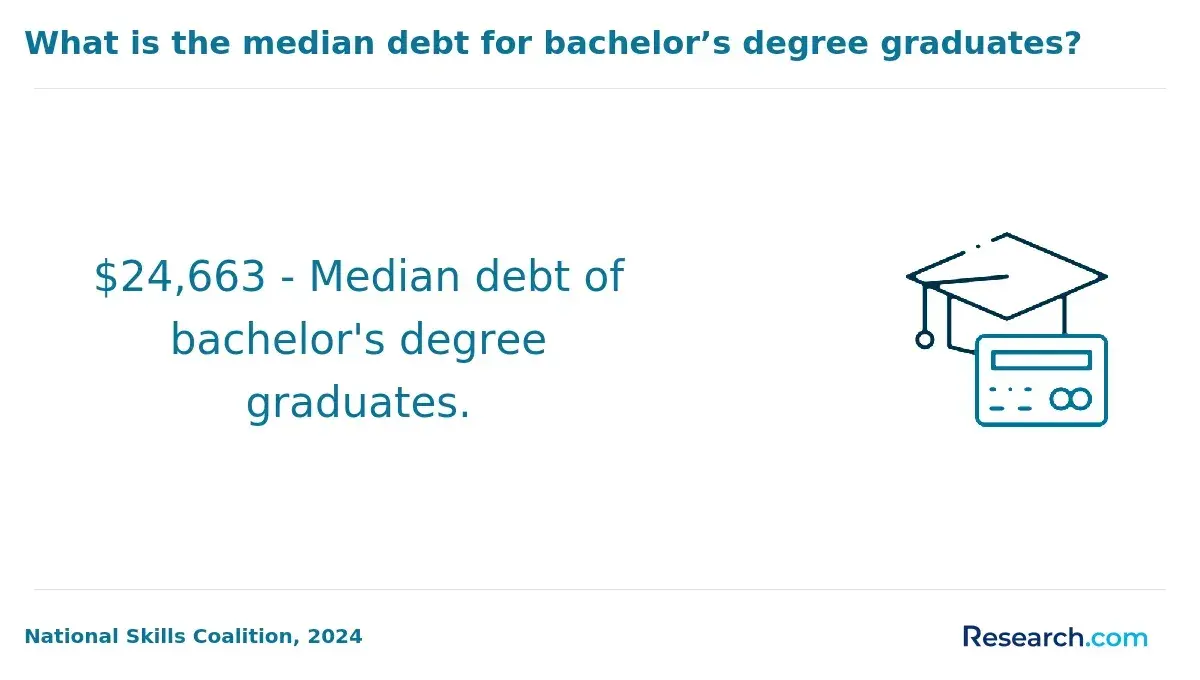
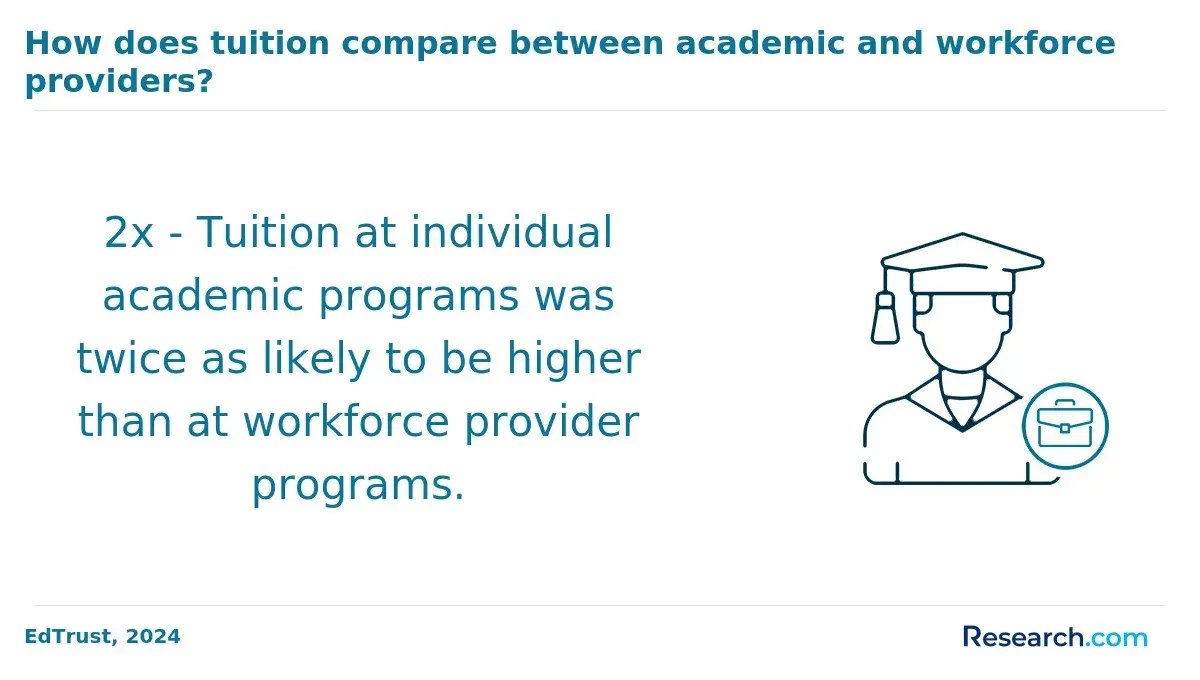
Tuition costs for online kinesiology bachelor's programs vary widely, from around $15,000 to $45,000 total, with public institutions generally more affordable for in-state students. Annual expenses can exceed $20,000 at private or out-of-state schools, while additional fees for materials and technology add several hundred dollars or more each year.
Prospective students must weigh these costs against career realities. For instance, entry-level positions in exercise physiology or fitness instruction often offer salaries starting near $45,000, which may not offset heavy educational debt from costly programs. Conversely, higher wages exceeding $75,000 typically require demonstrated practical competencies beyond theoretical knowledge.
Employers in health coaching and strength and conditioning prioritize hands-on skills, which many online programs may lack unless supplemented by internships or certifications. This factor can extend time and financial investment beyond basic tuition. Students should evaluate program accreditation, clinical placement support, and credit transfer policies to better understand long-term employability impact.
Key considerations when comparing kinesiology degrees include:
- Tuition differences based on residency and institution type
- Availability and quality of practical training or internships
- Graduation and certification pathways aligned with workforce demands
- Financial planning accounting for indirect costs and potential debt burden
Assessing these practical tradeoffs enables students and working professionals to strategically select programs that balance cost, time, and meaningful career outcomes within the kinesiology field.
What jobs can you get with an exercise physiology degree?
Exercise physiology graduates face distinct employment pathways with varying barriers linked to setting and credentials. Clinical roles in hospitals demand more than a degree; proficiency with diagnostic equipment and navigating insurance protocols typically requires internships or hands-on healthcare experience.
In contrast, corporate wellness positions offer easier entry points but expect skills in behavioral coaching and data-driven health plan development. Sports performance coaching, meanwhile, is highly specialized, often necessitating advanced biomechanics knowledge and athlete monitoring technology expertise, which can require graduate education or targeted certifications.
The median wage of $47,940 is modestly above the national occupational average but must be weighed against certification prerequisites such as the ACSM Certified Exercise Physiologist credential, a common gatekeeper that can influence hiring more than academic qualifications alone.
Geographic variation also shapes opportunity: urban centers predominantly offer clinical and corporate roles, while college towns concentrate sports-related jobs. Graduates should prioritize relevant internships in physical therapy or fitness settings, since direct experience often outweighs degree prestige by aligning candidate capabilities with employer expectations.
How much do exercise physiology careers pay?
Salary variation in exercise physiology careers stems largely from employer type, location, and credentials rather than generalized degree attainment. Entry-level roles in clinical or rehabilitation settings frequently start near $48,000, yet advanced positions, especially in specialized medical centers or research, can surpass $80,000 annually.
For instance, a kinesiology graduate with board certification entering a hospital environment may secure up to 20% higher initial pay compared to uncertified peers, illustrating how targeted credentials influence employer valuation.
Industry segments differ in compensation structure: private fitness sectors generally offer $55,000 to $65,000, reflecting smaller budgets and diverse client models. Geographic disparities are also pronounced; metropolitan centers like New York and San Francisco routinely report salaries above $70,000, whereas rural areas fall below $50,000, requiring students to weigh location against cost of living and opportunity.
Beyond base pay, positions in community health or corporate wellness often supplement income with bonuses or flexible schedules, showing that total compensation involves tradeoffs between salary and work-life considerations. Sustained investment in advanced skills such as metabolic testing and cardiac rehabilitation enhances promotion potential and income stability.
Demand steadily grows, evidenced by Arizona State University Online enrolling over 52,000 kinesiology students, signaling competitive market dynamics. Candidates must strategically pursue accredited degrees combined with certifications to realistically maximize employability and salary trajectory in this evolving field.
What certifications help exercise physiology graduates?
Exercise physiology graduates face a critical choice: pursuing certifications aligned with clinical or allied health roles significantly impacts employability and income. Clinical credentials like the American College of Sports Medicine's Certified Clinical Exercise Physiologist (CEP) command 20-30% higher salaries in settings such as cardiac rehab and chronic disease management compared to general fitness positions.
Employers in hospitals and specialized clinics heavily favor certifications with national recognition and clear clinical relevance. For example, the National Strength and Conditioning Association's Certified Strength and Conditioning Specialist (CSCS) is valued for sports performance roles, while Board of Certification (BOC) credentials are required for athletic trainers, incorporating accredited degrees and supervised clinical experience.
These certification pathways demand tradeoffs between upfront time and expense and long-term job security and salary gains.
Graduates should strategically select certifications based on targeted career paths: clinical credentials for healthcare environments, CSCS for collegiate or professional strength coaching, or occupational licenses for rehab technologies. Failure to certify often results in underemployment or stagnant wages, as federal and industry data confirm.
Aligning educational planning with credential requirements can directly influence access to higher-wage roles identified in BLS health-professions wage tables.
Other Things You Should Know About Kinesiology
Employers increasingly accept online kinesiology degrees, but they still scrutinize practical experience and program rigor. Traditional programs often offer more extensive lab work, which some employers view as a significant advantage. When choosing an online program, confirm it includes comprehensive applied components and has a history of graduates meeting industry competencies to avoid disadvantages in competitive job markets.
The flexibility of fully online kinesiology degrees supports working professionals but demands high self-discipline and strong time management. The lack of in-person interaction can limit networking opportunities and immediate access to mentorship, which affect career advancement. Prioritize programs offering virtual labs, synchronous sessions, or local internship placements to mitigate isolation and maintain practical skill development.
Top online kinesiology programs update curricula to reflect emerging technologies and expanded roles in wellness and chronic disease management. However, programs vary widely in their responsiveness to industry shifts. Select programs that integrate current clinical guidelines, technology use, and interdisciplinary collaboration training, since stagnant curricula reduce readiness for adaptable, long-term career success.
References
- Exercise Physiology https://www.learndirect.com/course/exercise-physiology
- Kinesiology, B.S. - NCCU Online https://nccuonline.nccu.edu/programs/bachelor-of-science-b-s-in-kinesiology/t College https://www.montreat.edu/online/kinesiology/
- Exercise Physiology https://www.algonquincollege.com/online/courses/exercise-physiology/
- Exercise Physiologist https://acsm.org/certification/get-certified/exercise-physiologist/
- Kinesiology and Exercise Science Careers Guide https://teach.com/online-ed/healthcare-degrees/online-bachelors-kinesiology-exercise-science/career-outlook/
- Online Kinesiology Degree Programs: Review Top Schools https://www.edumed.org/online-schools/kinesiology-degrees/
- Exercise Physiology jobs https://www.healthworkforce.com.au/jobs/exercise-physiology/physiotherapy