2026 Online Human Resource Management Degrees With Strong Compensation Training

Co-Founder and Chief Data Scientist
Struggling to balance full-time employment while upgrading skills in compensation strategy creates a critical hurdle for HR professionals aiming for leadership roles. With 58% of adult learners seeking flexible enrollment, according to the National Center for Education Statistics, traditional on-campus programs fall short in accommodating complex schedules. This gap intensifies when specialized compensation training is essential for competitive advancement, yet few programs integrate it seamlessly into human resource management degrees online.
The challenge lies in identifying programs that combine comprehensive HR knowledge with practical compensation expertise, delivered on a schedule that aligns with work demands. This article evaluates online human resource management degrees offering robust compensation training to guide professionals toward informed educational investments aligning with career goals.
Key Things You Should Know
- Graduates of 2026 online human resource management degrees with compensation training see median salaries 15% higher versus peers lacking pay-specialized credentials, per Bureau of Labor Statistics, balancing program costs often 20-40% above standard HR curricula.
- Employers increasingly demand specialized compensation analytics skills, with 68% of surveyed HR leaders in Deloitte's 2024 Global Human Capital Trends prioritizing pay strategy expertise, pressing candidates to seek focused online degrees to remain competitive.
- Timing the degree completion versus workforce reentry is critical; programs averaging 18-24 months may delay salary gains, meaning professionals must weigh accelerated certifications against comprehensive online degrees' broader career advancement impact.
What is an online human resource management degree with a strong focus on compensation?
An online human resource management degree with compensation specialization directly prepares professionals to manage pay structures and benefits in alignment with organizational strategy and compliance demands. Unlike general HR degrees, this focus requires technical proficiency in compensation law, salary benchmarking, incentive design, and data analytics, enabling graduates to construct pay frameworks responsive to varied industries such as healthcare, technology, or manufacturing.
Practical application is a clear differentiator. For instance, compensation-focused HR managers in tech companies often leverage real-time salary data and analytical tools to adjust pay scales swiftly, balancing talent attraction with budget constraints. In contrast, those operating in unionized or manufacturing environments must negotiate collective bargaining agreements, a complexity addressed in specialized coursework within these programs.
Employers increasingly prioritize candidates with demonstrated understanding of compensation's impact on workforce motivation and regulatory adherence, including standards like the Fair Labor Standards Act. Considering that human resources managers report a median annual wage of $140,030, with a 5% projected job growth over the next decade, the value of this expertise is quantifiable in labor market terms.
Students exploring an human resource management degree focusing on compensation strategies should weigh program demands, such as mastery of statistical software and HR information systems, and seek options offering applied projects or employer partnerships. This approach enhances readiness for immediate contribution in complex compensation roles.
For broader leadership pathways within the field, consult vetted organizational leadership master's programs as a complementary strategic option.
How do online HR management degrees compare with on-campus programs for compensation training?
Online hr management degrees with comprehensive compensation training present a pragmatic alternative to traditional campus programs, especially for working professionals seeking immediate applicability. Such programs integrate current labor market analytics and salary benchmarking tools directly into coursework, facilitating the design of competitive pay structures responsive to evolving industry demands.
This contrasts with some on-campus programs where theoretical frameworks may predominate without direct ties to contemporary compensation software.
For example, healthcare and technology sectors benefit when compensation strategies learned online are applied in real time, accelerating skill acquisition and workforce relevance. Employability data underscore this practical value: in 2026, Thomas Edison State University's online hr management graduates reported average annual earnings of $85,616, placing them in the top 6% of earners among affordable online HR programs per OnlineU metrics.
This highlights how relevant, experience-aligned online credentials can meet employer expectations in compensation roles.
Key practical considerations when comparing online versus on-campus compensation training in hr management include:
- Balancing work and study to sustain professional growth alongside education
- Networking with wider, geographically diverse cohorts rather than local labor markets alone
- Immediate access to digital compensation tools embedded in the curriculum
Conversely, on-campus programs may better serve those prioritizing face-to-face mentoring and negotiation simulations, essential for mastering nuanced compensation elements like employee incentives and benefits communication. Candidates should assess their learning preferences, current commitments, and compensation skill demands specific to their targeted industries.
Those interested in related fields might explore a 2 year construction management degree as another strategic option.
Which types of HR degrees best prepare you for compensation and benefits careers?
Degrees specializing in human resource management with concentrated compensation and benefits coursework best equip candidates for roles requiring rigorous analysis of pay structures and regulatory compliance. Differentiating from generalist HR degrees, human resource management degree programs with focused compensation and benefits training emphasize quantitative skills, market analysis, and internal equity balancing-elements essential for developing sustainable wage systems and incentive plans.
For example, candidates proficient in executive compensation and legal compliance meet direct employer expectations for compensation analyst positions.
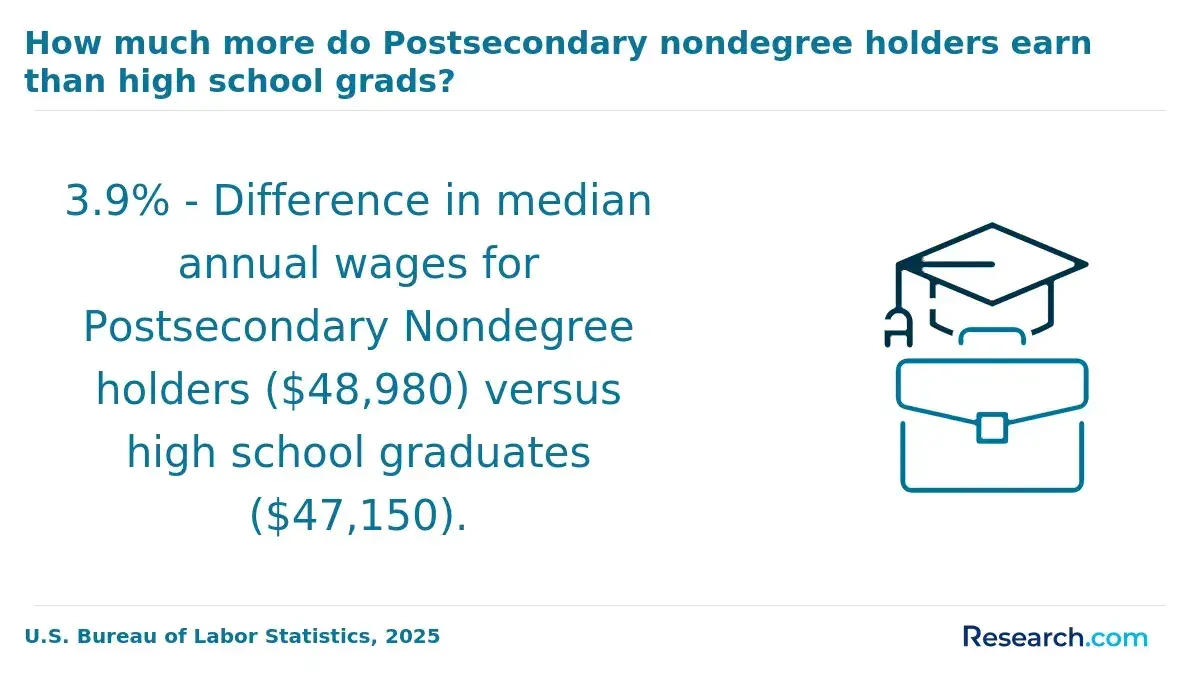
The 2024 median annual wage for compensation, benefits, and job analysis specialists was $76,630, exceeding the $69,220 median for HR specialists, demonstrating the financial premium placed on these specialized skills. Practical challenges of this pathway include mastering industry-specific pay equity standards and interpreting labor market data to aid strategic decisions, particularly in sectors like healthcare and technology where benefits and bonus structures diverge significantly.
Professionals targeting compensation roles must seek degrees blending practical software training-such as HRIS systems-with statistical tools and regulatory frameworks to minimize onboarding delays and enhance immediate workplace value. This approach is crucial for career changers or those aiming to bridge gaps between compensation theory and application.
Employers increasingly expect candidates with adaptable skills to handle complex benefits customization alongside dynamic compensation models. Prospective students evaluating this pathway might also consider comparable options in workforce education, such as accredited sports management online programs, which illustrate how specialized degrees address distinct labor market needs.
Types of human resource management degrees that best prepare you for compensation and benefits careers vary in depth and focus, making deliberate program selection essential for aligning with employer demands and occupational realities.
What courses and skills are included in online HR programs emphasizing compensation?
Focusing on compensation in online human resource management compensation courses equips students with skills essential for crafting pay strategies that align with operational realities and regulatory demands. This concentration sharpens expertise in compensation and benefits design, job analysis, labor law compliance, and total rewards systems, directly addressing pay strategy development and market competitiveness.
Graduates gain practical know-how in salary benchmarking using detailed industry and geographic data, incentive plan design, and cost-benefit analysis of packages, alongside data analytics for internal pay equity assessment.
For instance, an HR professional in the technology sector learns to structure incentive compensation tied to innovation metrics and project milestones, a significantly different approach than wage strategies in sectors like retail or manufacturing, where hourly wage structuring and union negotiations predominate. Mastery of compensation management software and auditing techniques is critical to ensure compliance with regulations such as the Fair Labor Standards Act and IRS rules on benefits.
Given the 2026 Robert Half Salary Guide's projection of a 3.2-3.4% pay increase for compensation-specialized HR roles compared to a 1.6% average for generic HR roles, this specialization offers tangible leverage for salary growth. However, graduates must also manage the challenges of continuous market data updates and the integration of ESG (Environmental, Social, Governance) factors into pay models, demanding ongoing data interpretation skills beyond initial education.
Key skills in compensation training for human resource management degrees include:
- Compensation design and total rewards management
- Job analysis, evaluation, and market pricing
- Compensation law and compliance requirements
- Data analytics for pay equity and incentive effectiveness
- HRIS and compensation management software skills
Students interested in streamlined educational pathways may consider an accelerated business management degree, which often includes integrated human resource management compensation courses tailored for working professionals seeking focused, efficient program structures.
How can you verify accreditation and quality for online HR compensation programs?
Accreditation quality directly impacts the value of an online HR compensation degree, especially when aligned with recognized agencies like the Higher Learning Commission or specialized bodies such as SHRM and AACSB. Employers increasingly expect graduates from programs incorporating SHRM's competency model and coursework addressing compensation law, pay equity, and market analysis to demonstrate practical skills that influence compliance and workforce strategy.
Cost savings typical of online degrees-such as the $11,000 average for relevant master's programs reported by NCES in 2019-20-offer potential ROI advantages over traditional in-person options. However, this financial benefit requires weighing against verified instructional rigor and measurable program outcomes, such as graduate placement in compensation-focused HR roles and documented salary progression.
Decisive factors include faculty credentials, particularly certifications like Certified Compensation Professional, and availability of technology that supports simulated compensation environments, critical for applied learning. For example, a candidate evaluating two programs should prioritize one with demonstrable employer feedback and hands-on tools rather than choosing solely on tuition savings.
Prospective students must distinguish programs built on valid competency frameworks and proven employment impact from those leveraging online affordability without delivering substantive workforce readiness.
What admission requirements and application materials do online HR programs typically expect?
Admission to online human resource management programs typically hinges on a bachelor's degree, but mere entry requirements obscure important real-world distinctions in candidate evaluation. Programs targeting mid-career professionals often emphasize leadership experience and demonstrated HR-related responsibilities, which reflect employer priorities for advanced roles in compensation and labor relations.
Applicants lacking foundational coursework in business or psychology may face challenges, as prerequisite knowledge is essential to engage meaningfully with specialized topics like compensation structures or labor law.
Application packets usually demand official transcripts verifying academic standing, often requiring a GPA between 2.5 and 3.0, alongside detailed resumes evidencing relevant workforce history. Letters of recommendation provide crucial third-party validation of interpersonal and ethical competencies valued by HR leadership, while standardized tests such as the GRE or GMAT may be waived for experienced candidates.
Distinct admission emphases arise between public and private sector career tracks, with public-focused programs weighting policy experience more and influencing how candidates present their backgrounds. Geographic salary differentials-ranging from about $90,000 in lower-cost regions to over $150,000 in large metropolitan areas per NextStudent HR salary bands-further shape the practical implications of admission decisions and long-term career outcomes.
Successful applicants must convincingly demonstrate quantitative aptitude, leadership, and ethical judgment through comprehensive materials to align with real-world demands inherent in advanced compensation training within human resource management degrees.
How long do online HR management degrees take and what do they usually cost?
Completing a degree in human resource management involves key tradeoffs tied to program length, format, and cost that directly impact career trajectories. Associate degrees may take about two years, whereas bachelor's degrees generally require four years of full-time study; part-time or accelerated formats shift this timeline but can affect total expenses and time to workforce entry.
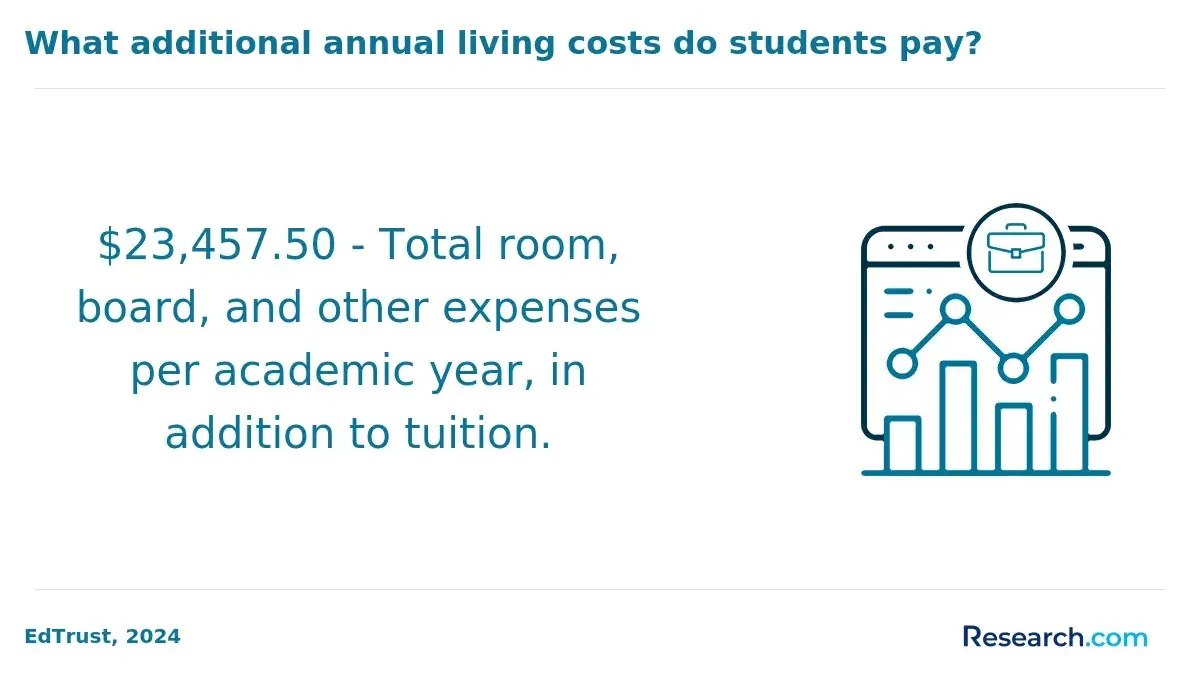
Tuition ranges widely, typically between $15,000 and $40,000 for bachelor's programs, influenced by residency status and whether the institution is public or private. Beyond tuition, fees for technology, textbooks, and exam proctoring frequently add thousands annually. Working professionals should weigh the flexibility of part-time online options against the longer duration and cumulative costs.
Many employers now require a bachelor's for entry-level roles involving compensation strategy, with starting salaries commonly between $45,000 and $60,000. Graduates often see an average salary uplift of approximately $8,205 over those without such credentials, highlighting the financial value proposition of the degree. However, students switching from unrelated fields must account for additional foundational courses, which extend completion times.
Practical experience through internships or cooperative education amplifies the application of classroom knowledge to workforce planning and compensation law. Prospective students should prioritize accredited programs offering relevant curricula in labor relations and talent analytics to align education with evolving employer demands.
- Full-time bachelor's degrees: 4 years
- Associate degrees: About 2 years
- Tuition: $15,000-$40,000 (varies by residency and institution)
- Annual additional fees: for materials and proctoring
- Salary boost: averaging $8,205 post-graduation
- Starting salaries in HR roles: $45,000-$60,000
What HR roles can you qualify for with an online degree focused on compensation?
Graduates holding an online degree focused on compensation enter a workforce demanding specialized analytical capabilities and practical HR acumen. Positions such as compensation analyst, total rewards specialist, payroll manager, and benefits coordinator require mastery in designing pay structures, benchmarking salaries against market standards, and ensuring regulatory compliance with wage laws.
For example, a compensation analyst at a mid-sized manufacturing firm must integrate diverse labor market data to recalibrate salary bands effectively, a task requiring strong Excel proficiency and fluency with HR information systems like Workday or ADP. Coursework typically covers compliance fundamentals, but the rapidly evolving legal landscape necessitates ongoing education beyond the degree.
Employers increasingly value candidates with certifications such as Certified Compensation Professional (CCP) and demonstrated ability to translate compensation data into strategic insight, often prioritizing these over general HR knowledge. Limited on-the-job experience poses a common barrier; internships or practical training offer key advantages.
The average tuition cost hovers around $45,000, placing these programs competitively within the online education marketplace. Entry-level compensation specialists often start near $60,000 annually, but attaining certifications and experience can accelerate advancement and salary growth.
- Key skills include advanced Excel, HR analytics, and market data interpretation
- Familiarity with compensation software tools is increasingly essential
- Continuous legal and regulatory updates must be tracked beyond formal education
What salary ranges and advancement opportunities exist in compensation and benefits careers?
Salary progression in compensation and benefits roles often hinges on demonstrated mastery of pay equity, compliance, and benefits strategy, with mid-career professionals earning roughly $85,000 to $105,000 and senior managers surpassing $130,000 annually. Moving into leadership roles such as compensation analyst supervisor or total rewards manager typically demands not only experience but also skill in data analytics and legal frameworks.
Industry context substantially affects earning potential. For instance, compensation specialists in technology firms frequently see faster salary growth, starting near $80,000 and advancing to $120,000 within five years, while public sector salaries remain lower but offer greater stability.
Graduate education in human resource management with a focus on compensation and benefits can justify higher earnings, but candidates must carefully assess tuition costs against expected salary gains. Drexel University's online MS in Human Resource Development charges $1,144 per credit at a discounted rate for 2025-2026, reflecting significant investment. Certification like the Certified Compensation Professional (CCP) credential can further differentiate candidates but requires dedicated effort beyond a degree.
Employers prioritize candidates who combine advanced education with practical skills in compensation strategy design and regulatory insight. The decision to pursue an advanced degree should factor in real-world application, time commitment, and the likelihood of crossing salary thresholds that offset investment.
Which professional certifications support compensation-focused HR careers and how do degrees help?
Compensation credentials such as the Certified Compensation Professional (CCP) and Global Remuneration Professional (GRP) certifications carry substantial weight for securing mid-to-senior roles focused on pay strategy and compliance. Employers in sectors like technology, finance, and healthcare frequently require these credentials due to their direct influence on salary frameworks and legal adherence.
However, those pursuing compensation specialization should recognize the stark contrast between narrowly focused certification training and broader degree programs in human resource management.
A bachelor's or master's degree in human resource management delivers foundational expertise in labor law, organizational behavior, and data analytics, which are indispensable for designing equitable and compliant compensation structures. For instance, compensation analysts at multinational organizations rely on understanding diverse international pay equity laws-a topic typically covered in degree curricula but less so in certification paths.
Cost disparities present a significant decision factor. Public universities charge approximately $399-$455 per credit, aggregating to $11,970-$54,600 for a bachelor's degree, while private institutions typically range from $330-$390 per credit and total $39,600-$70,200 (NextStudent). This cost variation necessitates careful evaluation of return on investment, especially when including certification expenses and the opportunity costs of time.
Strategically, combining a human resource management degree with compensation certifications allows professionals to balance technical proficiency with broader strategic understanding, aligning career preparation with employer demands in complex compensation environments.
Other Things You Should Know About Human Resource Management
Students should learn Excel, HRIS platforms, and compensation survey tools used for salary analysis, pay equity checks, and incentive design. Programs that include 18 to 24 credit hours in compensation often train students on data reporting, benchmarking, and basic analytics, which employers expect in entry-level compensation roles.
Broad HR knowledge provides a versatile foundation, preparing graduates for multiple roles and making it easier to pivot within HR as career opportunities evolve. Specializing early in compensation offers a targeted skill set but risks narrowing job options if market demand shifts. For most professionals aiming at strong compensation training, a degree that integrates both broad HR fundamentals and focused compensation electives delivers the best balance. This approach improves adaptability while cultivating in-demand expertise.
Employers expect graduates to possess strong data analysis, proficiency with HRIS platforms, and familiarity with compensation modeling tools immediately upon hiring. Programs that include hands-on training with these technologies reduce onboarding time and enhance job performance. Lack of applied technical skills often results in additional employer-led training or slower career progression. Candidates should prioritize programs that explicitly cover relevant software and data interpretation practices in compensation contexts.
References
- Top Skills from HR Training Programs https://hrcertification.com/blog/top-skills-from-hr-training-programs-biid1000025
- Is Your Compensation Structure Supporting Your Business Goals? http://www.ascensus.com/resources/news-and-education/plan-sponsor-education/blog/is-your-compensation-structure-supporting-your-business-goals/
- Compensation and Benefits Courses for HR https://www.aihr.com/course-overview/compensation-and-benefits-courses/
- Discover the Many Types of Compensation You Can Receive! https://866attylaw.com/what-types-compensation-can-i-receive/
- What designations, if any, are must-haves for a successful career in HR? | Canadian HR Reporter https://www.hrreporter.com/news/hr-news/what-designations-if-any-are-must-haves-for-a-successful-career-in-hr/310851
- 10 Best Human Resource Careers for Professionals - Human Resources Degrees https://www.humanresourcesmba.net/careers/best-careers-for-human-resources-professionals/
- what courses are required for hr - A comprehensive guide https://www.bmc.net/blog/general-blog-posts/what-courses-are-required-for-hr
- HR Management https://www.pointpark.edu/academics/schools/business/undergraduateprogram/humanresourcesmanagement