2026 Online Human Resource Management Degrees With Diversity and Inclusion Coursework

Co-Founder and Chief Data Scientist
Consider a mid-career HR professional tasked with overhauling diversity initiatives while managing a full work schedule and personal commitments. Balancing the urgency of equitable workplace practices with limited time for further education becomes a real constraint. The National Center for Education Statistics reports a 15% rise in adult enrollment for fully online degree programs since 2023, reflecting a shift toward flexible learning models that accommodate working professionals.
This change acknowledges the need for accessible, skill-focused education that supports timely career advancement without career interruption. This article examines online human resource management degrees featuring diversity and inclusion coursework, guiding readers toward programs that align with these critical challenges and real-world constraints.
Key Things You Should Know
- Only 42% of 2026 online human resource management degrees with diversity and inclusion coursework include dedicated modules rather than one-off sessions, forcing students to weigh deeper competency against accelerated completion times.
- Employers in the 2024 SHRM Talent Report prioritize candidates demonstrating quantifiable diversity strategy outcomes, pressuring programs to integrate data analytics with inclusion theory for pronounced workforce impact.
- Average tuition for diversity-integrated HRM tracks rose 12% since 2024 per NCES, making program affordability a critical factor in timing career pivots amid tightening post-pandemic education budgets.
What are online human resource management degrees with diversity coursework?
Degrees integrating diversity coursework within online human resource management programs provide essential tools for navigating complex workforce challenges. These programs emphasize applied skills over theory, including legal compliance, bias reduction, and data-driven evaluation of inclusion initiatives. This focus aligns with employer demand for HR professionals capable of managing varied teams effectively.
For instance, a mid-level HR manager in healthcare might use such training to design hiring policies that minimize unconscious bias while adhering to evolving anti-discrimination laws. Similarly, professionals in manufacturing can apply these competencies to retention strategies tailored for multigenerational and multicultural employees, which can improve both productivity and job satisfaction.
The steady demand for HR managers, projected to grow by 5% with around 16,300 annual openings, favors candidates with specialized training in diversity and inclusion. However, prospective students need to scrutinize whether diversity coursework offers more than token coverage. Programs that incorporate case studies, scenario-based learning, or engagement with diversity metrics deliver more practical value.
Considering options beyond HR, some might explore complementary fields through related paths such as an operations management MBA, which also addresses workplace dynamics from a strategic standpoint. Choosing a distance learning hr management program focusing on workplace inclusion involves balancing depth of content with career goals, emphasizing pragmatic application over theoretical exposure.
Which accreditation should an HR management program have?
Accreditation directly influences employability and practical readiness in HR careers, especially when specialization in diversity and inclusion (DEI) is involved. Leading designations for accreditation in the United States are from the Society for Human Resource Management (SHRM) and the Association to Advance Collegiate Schools of Business (AACSB).
SHRM is particularly relevant for those pursuing recognized HR management program accreditations for diversity and inclusion coursework, offering curricula aligned with industry compliance frameworks, equity hiring practices, and workforce planning that supports a projected 21.8% job growth for HR professionals with DEI expertise by 2035.
AACSB accreditation brings broader business acumen valuable in corporate settings requiring strategic innovation and cross-disciplinary leadership. Employers often prefer hiring graduates from these accredited programs to reduce onboarding efforts and ensure candidates are current with labor law changes and DEI best practices.
Choosing a program without these accreditations risks outdated coursework and diminished hiring prospects, particularly as employers intensify their structured DEI initiatives. Furthermore, students should verify that online programs continuously update DEI content to meet evolving regulatory standards beyond 2024.
For candidates weighing educational options, practical insight includes considering how accreditation aligns with career targets-from nonprofits emphasizing equity to tech firms prioritizing business analytics within HR roles. Those interested in efficiently advancing their credentials should also review resources such as the best online accelerated project management degree, which can complement HR leadership pathways.
Accreditation for online human resource management degrees in the United States is thus a critical metric that signals both program quality and market relevance, directly affecting long-term career outcomes in a competitive, DEI-focused labor market.
How do online HR management degrees compare with campus programs?
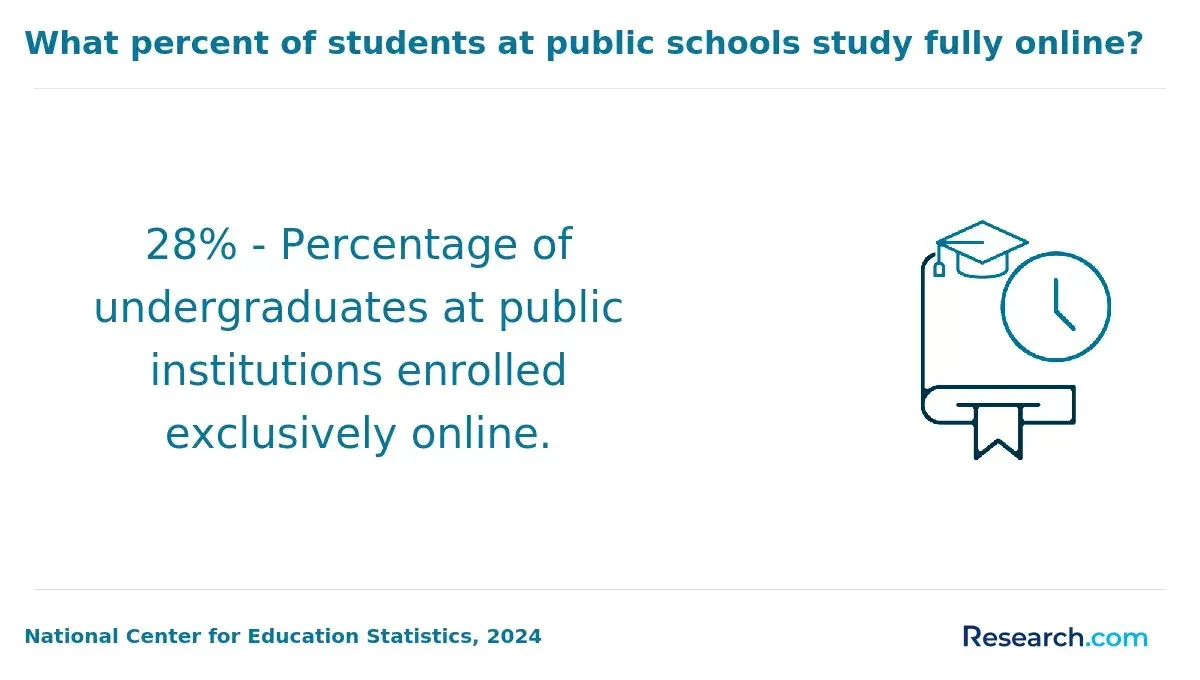
Online human resource management degree advantages over campus programs rest largely on flexibility for working professionals, but this comes with compromises in hands-on learning and networking. Campus students benefit from immediate access to mentorship, internships, and structured collaboration, which foster deeper practical skills and relationships. In contrast, online students often need to proactively seek local opportunities to replace these experiences, especially for DEI roles requiring applied competencies.
Employer expectations increasingly prioritize demonstrable skills in diversity, equity, and inclusion alongside core human resource functions. Program officers in roles involving HR and DEI make around $66,717 annually per University of Denver data, showing that credentials must convey applied knowledge, not just theory. Online human resource management courses in the US can offer real-world projects and case studies but often lack the immersive environment conducive to spontaneous peer learning and leadership development.
For example, a healthcare administration professional pursuing an online degree must complement virtual coursework with on-site exposure to DEI initiatives to meet industry readiness. Time zone differences and asynchronous formats complicate synchronizing interactive sessions, limiting some soft skill-building that campus programs naturally embed. Decision-makers should weigh employment flexibility against the value of experiential depth and immediate professional networking.
Prospective students comparing delivery formats might also explore sports management online programs for analogous insights on balancing accessibility with applied learning in closely related fields.
What diversity and inclusion courses are included in the curriculum?
Diversity and inclusion (D&I) courses embedded in online human resource management programs sharply focus on actionable strategies rather than theoretical coverage. Curriculum topics on equity and cultural competence in human resource management degrees cover mitigating unconscious bias, fostering inclusive leadership, and navigating complex legal compliance issues.
For instance, a healthcare HR professional's grasp of cultural competency directly correlates with improved patient engagement and outcomes in diverse multilingual environments. Conversely, HR leaders in engineering roles must apply frameworks that address systemic gender imbalances, illustrating the need for contextualized knowledge across sectors. These nuances underscore the importance of tailored D&I content in human resource management degrees.
Students gain practical experience through case studies and simulations, developing skills in diversity-driven policy negotiation, cross-cultural communication, and managing stakeholders across generational divides. This experiential training aligns with employer expectations for HR graduates who can immediately reduce legal risks and optimize recruitment pipelines targeting underrepresented groups.
Financially, American University provides a benchmark: an online MS in human resource management (30 credits) costs about $38,950 total, or $1,298 per credit. Prospective students should weigh tuition investment against the specific rigor and applicability of D&I coursework.
Those evaluating educational pathways should consider specialized online options, such as programs highlighted among the fastest online master's in healthcare management, which demonstrate similar integration of practical D&I learning within competitive timelines.
What admissions requirements do online HR programs usually have?
Admission requirements for online human resource management programs often blend academic benchmarks with practical experience, reflecting the field's interdisciplinary and applied nature. While a high school diploma or GED is the baseline for bachelor's-level study, increasingly test-optional policies recognize diverse applicant backgrounds.
Critical to the admissions process is evidence of relevant coursework in communication, business, and social sciences, underscoring HR's connection to diversity, equity, and inclusion (DEI) principles. Candidates frequently submit résumés demonstrating roles with supervisory or administrative responsibilities, which may substitute for some academic prerequisites.
Letters of recommendation from academic or professional references validate an applicant's capacity for focused online study and interpersonal competence, both central to human resource management functions. Personal statements often must articulate a clear grasp of DEI concepts, increasingly demanded by employers across sectors.
Online programs commonly include technology proficiency requirements or orientations to ensure students can navigate virtual learning platforms efficiently. From a cost perspective, accredited options with integrated DEI coursework can cost between $4,000 and $6,000 annually, offering a relatively accessible path for working adults.
Consider a mid-career administrative professional transitioning into human resource management: balancing affordability, proven competence in diversity topics, and verification of real-world skills will be essential to meet employer expectations in complex industries such as healthcare or technology.
How long does an online HR management degree take?
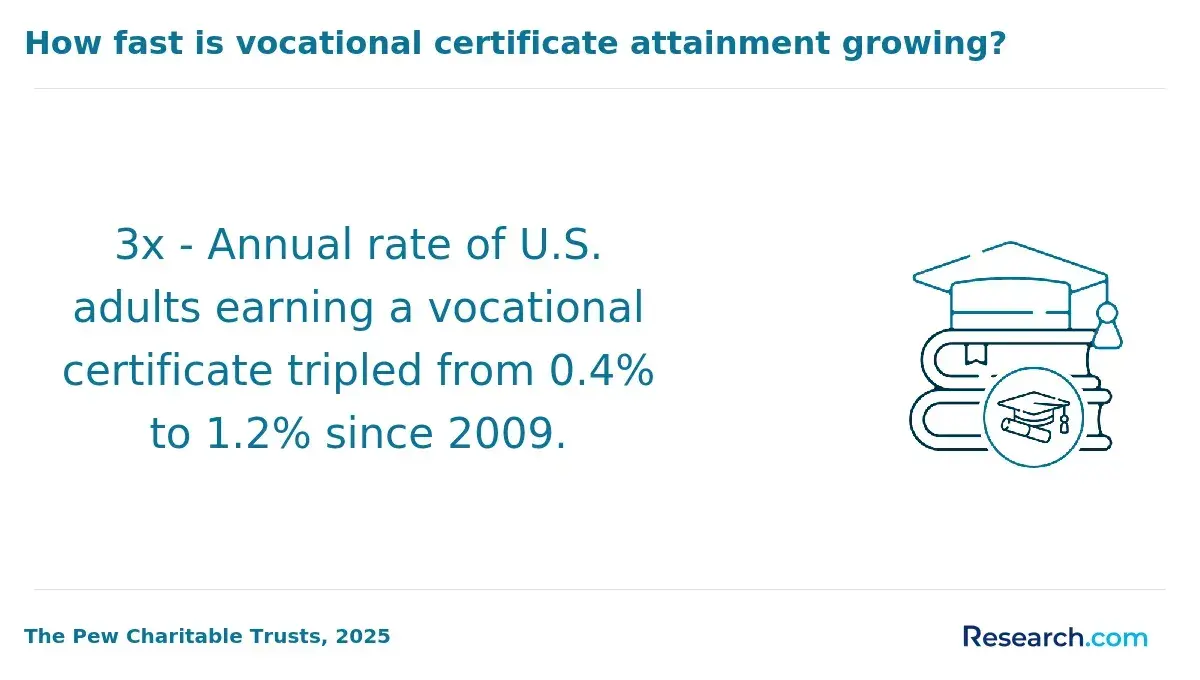
The duration of an online human resource management degree directly affects student decision-making, especially when balancing career demands. Full-time programs typically span three to four years, mirroring traditional timelines, but working professionals often extend this to five years or more through part-time study to maintain employment. Degree lengths remain relatively stable even with integrated diversity and inclusion coursework.
Programs generally require 120 to 130 credit hours, combining foundational HR, general education, and experiential learning like internships. The growing prevalence of fully online degrees incorporating diversity and inclusion reflects an adaptation to workforce needs, enabling remote learners to pursue credentials without geographic or scheduling constraints.
Key tradeoffs prospective students face include choosing between accelerated terms with potential reliance on prior learning credits, which demand rigorous validation, and traditional pacing that favors work-study balance. Practical skills in HR fundamentals and DEI initiatives are increasingly non-negotiable for employers across industries such as tech and healthcare, where regulatory changes drive demand for timely credentialing.
- Those new to HR can benefit from accelerated online programs offering two-year degree pathways that blend speed with sufficient depth.
- Full-time study suits early-career individuals aiming for rapid workforce entry.
- Part-time formats align better with existing job commitments but extend degree completion time.
This dynamic requires an informed evaluation of program flexibility, transfer credits, and asynchronous learning options to align educational outcomes with professional realities.
How much do online HR management degrees cost?
Tuition for online human resource management degrees in 2026 ranges roughly from $15,000 to $40,000 for a full program, reflecting significant variation influenced by institution type, credit costs, and inclusion of specialized diversity, equity, and inclusion (DEI) content. Public universities typically provide more affordable rates for in-state students, often $300 to $600 per credit hour, whereas private schools can exceed $800.
The presence of DEI coursework tends to increase program costs due to the need for expert faculty and curriculum development. Employers in sectors like healthcare and technology are increasingly prioritizing candidates with validated DEI skills, creating a tangible advantage for those who acquire such competencies-sometimes translating into a 10-20% higher compensation trajectory for HR professionals who demonstrate this expertise.
However, students and working professionals must weigh these potential salary gains against additional expenses such as technology fees and certification exam costs associated with DEI credentials. When evaluating programs, consider these practical factors:
- How the curriculum integrates DEI alongside core HR functions and its relevance to your target industry.
- Overall cost beyond tuition, including fees and certification expenses.
- The tangible return on investment through measurable career outcomes like salary uplifts and job market demand.
With HR trends analysis from SHRM highlighting diversity, equity, and inclusion as a pivotal strategic priority, selecting a degree that balances affordability and robust DEI training is critical for aligning with evolving employer expectations and optimizing workforce positioning.
What jobs can you get with an HR management degree?
Human resource management pathways that integrate diversity, equity, and inclusion (DEI) training respond to shifting employer demands but introduce important tradeoffs. Graduates of specialized programs like the University of New South Wales' online Master of Human Resource Management (Diversity, Equity and Inclusion)-comprising 12 fully online courses-enter a labor market increasingly valuing inclusive hiring and anti-bias workplace policies.
For instance, healthcare organizations deploy DEI-trained HR managers to reduce bias in recruitment and retention, while tech companies rely on these professionals to craft cultural competency training that tangibly boosts team innovation. Such roles require more than broad HR knowledge; they demand expertise in systemic inequity and nuanced policy design.
Those targeting leadership within sectors prioritizing social responsibility and equity should weigh whether a generalized HR degree suffices or if targeted DEI credentials offer competitive advantage. Salary premiums generally accrue to those with demonstrable DEI skillsets, reflecting their strategic value in organizational transformation.
Geographic and industry considerations also matter: metropolitan hubs and sectors like education, government, and financial services present stronger demand for DEI-informed HR professionals. Continuous professional development and DEI community engagement remain necessary to maintain relevance.
- HR specialist, recruiter, or benefits coordinator roles suit generalist degrees.
- DEI-focused HR managers become critical in large corporations with proactive equity strategies.
- Salary differentials reflect market valuation of specialized expertise.
What salaries do HR management graduates earn?
The intersection of human resource management, diversity, equity, and inclusion (DEI), and technology creates nuanced salary outcomes that reflect distinct employer and geographic demands. Graduates equipped with DEI and technological competencies typically see median salaries between $75,000 and $110,000 nationally, but this range masks significant variation based on role specificity and organizational context.
For instance, diversity and inclusion managers earn from $80,000 to $105,000, primarily influenced by company size and sector. Entry-level HR technology consultants start near $75,000 but can exceed $100,000 with expertise in systems integration and data analytics. Employee experience managers blending hybrid HR-DEI-technology responsibilities secure compensation from $90,000 to $115,000, driven by the need for workforce engagement innovation.
Key determinants include:
- Employer industry: Finance and tech sectors in metropolitan areas tend to offer higher salaries, sometimes surpassing $110,000, to offset cost of living and attract top talent.
- Organizational scale: Smaller nonprofits typically have lower starting salaries but may provide career development opportunities unique to DEI work.
Prospective students must weigh these financial prospects against program costs and evolving skill demands. Maintaining relevance requires continuous updates on HR technologies and shifting DEI frameworks. Connecting strategically within targeted industries is critical for leveraging degrees into sustained salary growth and career mobility.
Programs such as Excelsior University's MS in HR Management with Emphasis in Diversity and Technology cater specifically to these niche hybrid roles, emphasizing applied digital tools alongside inclusive strategy.
Which certifications help HR management graduates advance?
Mid-level HR roles in corporate and healthcare sectors increasingly mandate Certified Professional in Human Resources (PHR) or Society for Human Resource Management Certified Professional (SHRM-CP) credentials, as they validate essential regulatory and policy expertise. Yet, securing strategic HR leadership positions now hinges on specialized competence in diversity, equity, and inclusion (DEI).
For example, technology firms expanding global teams often prioritize candidates with DEI training to reduce recruitment bias and improve performance evaluations. Similarly, government contractors require HR professionals versed in federal DEI mandates.
Short-form DEI certificates, such as eCornell's Diversity, Equity, and Inclusion for HR, complement traditional HR certifications by addressing practical inclusivity challenges without the time burden of extended academic programs. Employers favor candidates with applied skills-case studies and simulations are common evaluative tools-because these directly translate to managing diverse workforces and compliance complexities.
Industry data indicates combining PHR or SHRM-CP with a recognized DEI credential can boost candidate competitiveness by 25-30%. However, professionals must weigh program duration and cost against tangible career benefits since lacking these targeted certifications often correlates with slower promotion and restricted access to strategic roles.
Key workforce implications:
- Regulatory expertise remains foundational but insufficient for leadership.
- DEI specialization is increasingly a hiring and compliance priority.
- Applied learning experiences improve readiness for real-world HR challenges.
Other Things You Should Know About Human Resource Management
Work experience is not always mandatory for admission, but it significantly impacts the learning experience and post-degree outcomes. Programs that expect or encourage prior HR or related workplace experience tend to offer advanced discussion and practical application, which benefits students aiming for mid-career advancement. Without such experience, students might find the coursework more theoretical and less relatable to actual organizational dynamics, potentially limiting immediate employability gains. Prioritize programs that clearly define work experience expectations to align your readiness with the curriculum's depth.
Programs integrating diversity and inclusion content often extend beyond standard HR management topics, increasing reading, case study analysis, and reflection assignments. This expansion demands careful time management, particularly for working professionals balancing employment and study. While the additional workload enhances cultural competence-a key employer expectation-it may require prioritizing study hours or reducing concurrent commitments. Opt for programs that provide transparent workload estimates and flexible pacing if balancing multiple responsibilities.
Many 2026 online HR management programs require a capstone in the final term, and some add a 120-hour practicum or internship. Schools often require completion of 90 to 120 total credits before the capstone, with diversity, equity, and inclusion cases built into the final project.
References
- Human Resources Certifications https://www.aihr.com/human-resources-certifications/
- Individual HR Certifications | Advance Your HR Career https://www.hrci.org/certifications/individual-certifications
- SHRM HR Certification | SHRM-CP & SHRM-SCP https://www.shrm.org/credentials/certification
- Which Online Human Resource Management Degrees Are Best? https://matchr.com/blog/human-resource-management-degrees-online/
- HR Courses | Open Study College https://www.openstudycollege.com/collections/hr
- Top 8 HR Specialist Certification Courses in 2026 - HR University https://hr.university/training/hr-specialist-certification/
- How Long Does It Take to Get an HR Certificate? https://hrcertification.com/blog/how-long-does-it-take-to-get-an-hr-certificate-biid1000037
- What Can You Do with an HR Degree? | University of Phoenix https://www.phoenix.edu/articles/hr/what-can-you-do-with-an-hr-degree.html
- Online Bachelor's Degree: Human Resource Management https://www.umgc.edu/online-degrees/bachelors/hr-management
- Steps to Embrace Diversity and Equity https://reimaginingeducation.uk/f/steps-to-embrace-diversity-and-equity