2026 HR Roles That Often Lead to Executive Positions

Co-Founder and Chief Data Scientist
Securing an executive role from within human resource management demands strategic navigation through complex career junctures where professionals face limited clarity on which positions most effectively build the requisite leadership competencies. Recent data from the Bureau of Labor Statistics highlights a 10% growth in senior HR roles over the next decade, reflecting intensifying demand for versatile executives who balance operational expertise with strategic vision.
Yet, many emerging professionals struggle to chart a path through intermediate roles that develop such skills, particularly as workforce expectations evolve and HR functions expand beyond traditional boundaries. This article identifies key HR roles proven to accelerate advancement into executive leadership and offers targeted insights to optimize career trajectory decisions.
Key Things You Should Know
- Advanced Human resource management roles demonstrate a 27% higher likelihood of executive promotion, but acquiring specialized certifications delays entry by an average of 18 months, affecting early career income opportunities.
- Employers prioritize HR professionals with cross-functional analytics and strategic workforce planning due to a 15% workforce restructuring surge reported by the U.S. Bureau of Labor Statistics in 2024, intensifying leadership expectations.
- The 2024 National Center for Education Statistics data reveals disproportionate access barriers for underrepresented groups in executive-track HR programs, impacting workforce diversity and long-term organizational innovation potential.
Which human resources roles most commonly lead to C-suite and executive leadership positions?
Executive pathways from HR leadership roles depend heavily on strategic scope and organizational influence rather than transactional duties. The top human resource management careers for C-suite advancement typically involve positions like chief human resources officer (CHRO), HR director, or talent management leader, where the ability to align workforce strategy with business objectives is critical. For example, an HR director responsible for leadership programs in a large manufacturing firm gains executive exposure that compliance-focused roles in smaller companies rarely provide.
Research shows 72% of CHROs report directly to CEOs, a reporting line associated with better financial outcomes. This reflects employer expectations for HR professionals to understand broad business drivers and develop capabilities in areas such as labor market forecasting, diversity strategy, and organizational design. Progressing to HR executive roles means managing high-impact initiatives, including mergers or culture transformation.
Practical career pivots require targeting roles that emphasize cross-functional collaboration and measurable organizational impact. Limiting oneself to operational functions like payroll constrains upward mobility, while strategic leadership roles foster direct partnerships with CEOs or COOs. Learners evaluating pathways should weigh the benefit of programs enhancing business acumen-such as an online MBA operations management-to support transitions into senior roles within human resource management.
Successful advancement entails visible contributions to enterprise performance and navigating complexities beyond traditional HR tasks.
What education and HR degrees best position professionals for future executive roles?
Securing executive roles in HR requires more than professional experience; it demands strategic mastery of talent development integrated with leadership and business acumen. A master's degree in human resource management degrees for executive leadership, organizational leadership, or dual concentrations with an MBA or data analytics aligns best with current employer expectations. This approach addresses a critical gap identified by Gartner's 2025 survey, where 70% of HR leaders report that leadership development programs inadequately prepare future managers.
Tradeoffs exist between purely academic degrees and professional certifications. Certifications can supplement but rarely replace the comprehensive scope of graduate programs, which often include compliance and regulatory training essential in complex urban HR environments. In contrast, small-to-mid-sized enterprises may value experiential learning embedded in degree curricula, emphasizing real-world leadership projects.
The operational relevance of programs that incorporate applied consulting projects or industry partnerships increases executive readiness and employability. Such hands-on elements help HR professionals navigate challenges like the managerial overwhelm faced by 75% of leaders in fast-evolving sectors such as technology and healthcare.
Prospective students should evaluate options beyond traditional routes, including hybrid paths integrating technical and leadership skills, to optimize long-term impact. For those seeking alternatives outside HR, construction management degrees illustrate another strategic educational pathway.
The best education pathways in human resource management for future executives balance advanced theory, strategic leadership, and practical workforce analytics to meet the nuanced demands of modern organizations.
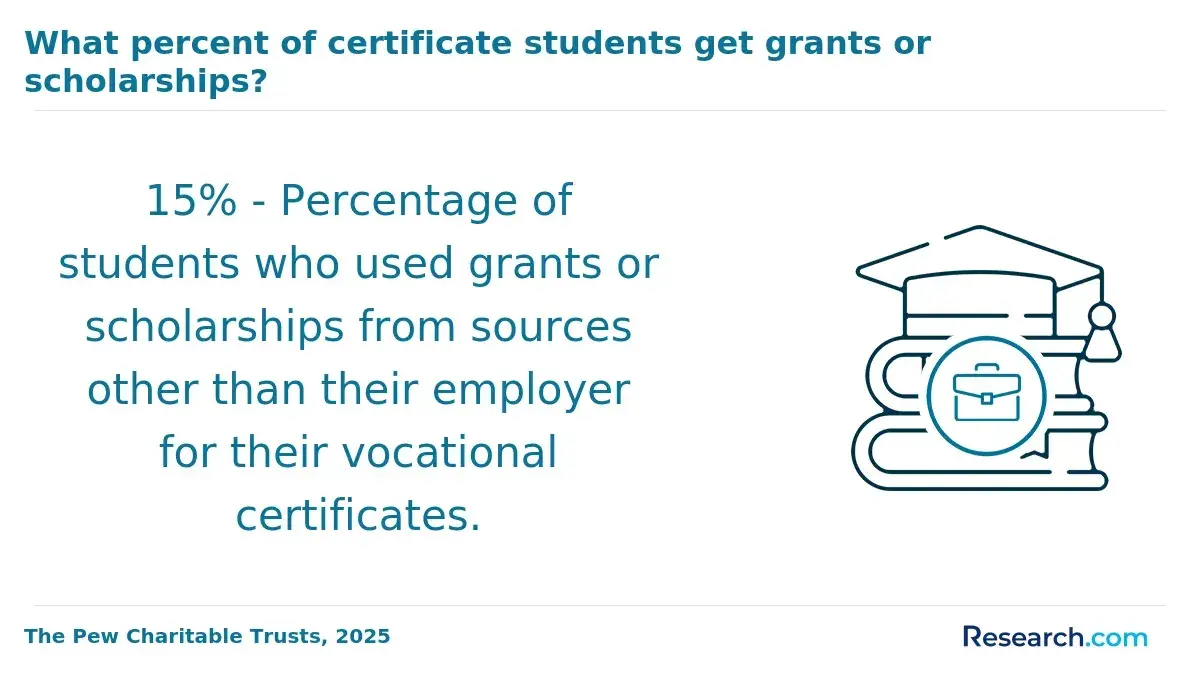
How do early- and mid-career HR job titles typically progress toward executive-level positions?
Early-career human resource management job progression often involves roles focused on operational tasks such as HR coordinator or recruiter, which emphasize employee relations rather than strategic influence. As professionals advance into mid-level human resource management roles to executive track positions, responsibilities shift toward aligning HR initiatives with broader business goals, notably in strategic workforce planning and talent management. This transition requires developing skills in data-driven decision-making, as organizations with advanced workforce planning capabilities outperform competitors financially by a factor of 2.4, yet only 15% have reached this maturity level.
Tradeoffs emerge depending on industry context: technology firms demand precise talent forecasting linked to product cycles, while manufacturing prioritizes compliance and labor relations expertise. Mid-career HR professionals must balance routine tactical duties with demonstrating measurable impact on metrics like retention and workforce efficiency to be considered for senior roles. Early specialization in talent analytics or organizational development combined with cross-functional exposure accelerates progress toward executive titles such as chief human resource officer.
Developing competencies in predictive analytics, change management, and collaborative leadership is essential for upward mobility. Professionals evaluating their pathway should consider whether acquiring additional skills-potentially including those explored in project management, as discussed in is project management a good degree-enhances their strategic value. Navigating these complexities realistically prepares aspiring leaders for advancement beyond mid-career roles.
Which HR leadership roles (HR director, HR business partner, CHRO) are key executive pipelines?
Securing an executive role in human resource management demands more than traditional HR experience; it requires strategic acumen in AI-driven workforce transformation and a measurable impact on organizational agility. HR directors act as pivotal bridges for mid-to-senior leadership by balancing operational efficiency with leadership development but often lack the strategic scope seen in HR business partners and CHROs. HR business partners excel in aligning talent strategy with shifting business objectives, a capability essential in complex or matrixed enterprises. CHROs hold full accountability for integrating AI ethics, workforce reskilling, and digital governance-skills increasingly prioritized by boards navigating automation's ripple effects.
Career progression from HR director to executive leadership varies by sector. For example, manufacturing favors HR directors skilled in managing blue-collar workforce transitions, while technology firms require CHROs fluent in ethical AI integration and digital upskilling. Service industries rely heavily on HR business partners to translate fluctuating client needs into agile talent strategies, underscoring different operational demands across roles.
Over 40% of companies plan to replace roles with AI, elevating candidates who govern AI-driven change and upskill initiatives. Advanced certifications or degrees specializing in People Analytics or AI applications have become key differentiators. Prospective students pursuing a strategic pivot or advancement in human resource management should explore the fastest online business degree options, balancing program intensity with practical outcomes to navigate evolving employer expectations.
Understanding these distinctions provides a nuanced view of HR leadership roles that are key executive pipelines and helps identify when investing in education aligns with real-world advancement potential.
What HR skills and competencies do executives and chief human resource officers need most?
Success in senior human resource management hinges on analytical precision and operational flexibility, particularly in navigating complex workforce transitions. For instance, implementing a new electronic health record system in healthcare demands HR leaders who can reskill staff rapidly without compromising compliance or patient care. This real-world task illustrates how cross-functional expertise-combining digital literacy with regulatory knowledge-supersedes traditional talent management alone.
Data fluency remains essential as leaders must interpret workforce analytics to optimize engagement and retention, balancing diverse stakeholder interests amid shifting organizational priorities. Legal proficiency in varying state labor laws is another critical factor, especially during restructuring or remote work adaptations, where missteps can escalate risk.
Developing robust competencies in diversity, equity, and inclusion (DEI) further distinguishes effective HR executives. Integrating DEI metrics into broader analytics frameworks challenges resource allocation and program prioritization but directly impacts employer branding and talent acquisition quality.
Outcomes-focused leaders continuously update their skills to incorporate emerging technologies and adaptable workforce models. Companies adopting skills-based strategies demonstrate notable gains: a 63% boost in internal mobility and a 57% increase in leadership pipeline velocity, according to HiBob's 2025 Future of Work analysis. This data-driven emphasis on skill alignment offers measurable improvement over conventional succession planning approaches.
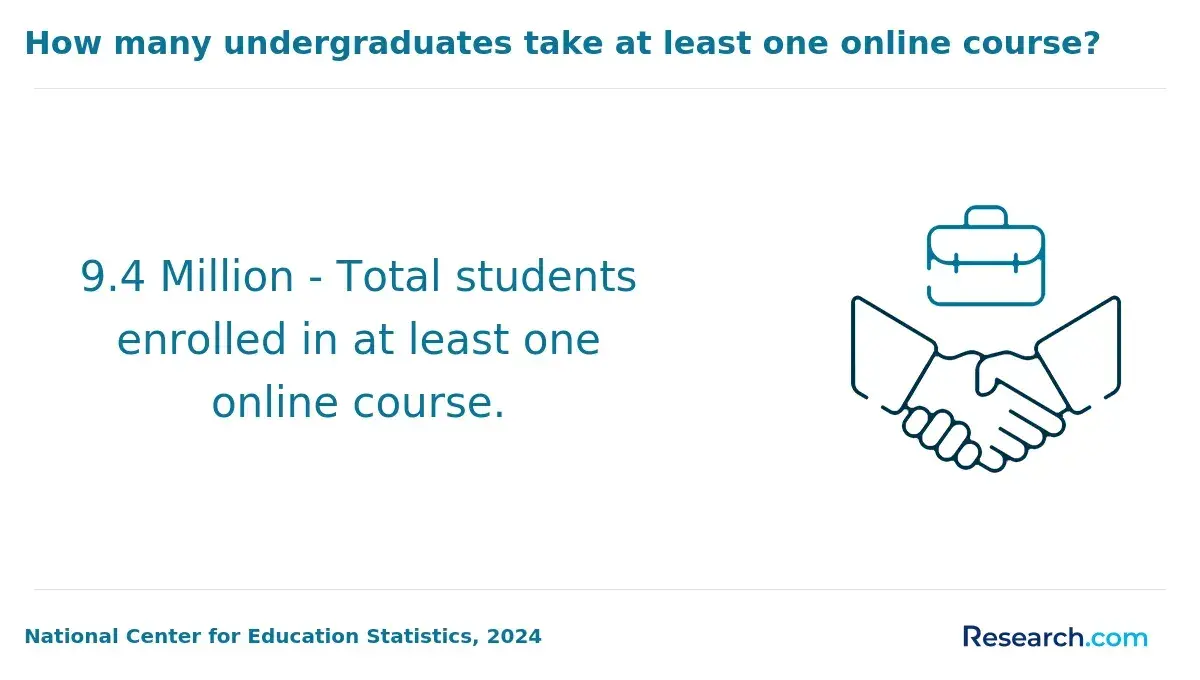
How do online human resource management programs compare with campus-based options for leadership preparation?
Opting for online human resource management programs offers flexibility but introduces meaningful tradeoffs when targeting senior executive roles. Working professionals benefit from uninterrupted employment and accessible coursework; however, online formats often lack immersive leadership simulations and the face-to-face negotiation experience crucial for roles like Compensation and Benefits Director. These positions command median total cash compensation 25-30% higher than generalist HR director roles, emphasizing the premium on strategic capabilities more effectively honed through campus-based experiential learning.
Industries adopting rapid HR technology integration find online programs useful when combined with active leadership roles at work. In contrast, sectors such as finance or manufacturing-where compensation strategy impacts organizational performance directly-favor candidates trained via hands-on case studies and in-person interaction, better preparing them for complex cost and equity decisions.
Decision-making demands consideration of factors including employer support for paid leave, local networking opportunities, and individual learning preferences. Hybrid approaches that mix rigorous online study with targeted on-campus residencies or leadership labs can bridge gaps in interpersonal skill development. Ultimately, aspiring HR leaders must evaluate how their educational path aligns with market expectations for strategic insight and executive presence within their target industry.
Which HR certifications most strongly support advancement into senior and executive positions?
Advancement to senior and executive roles in human resource management increasingly depends on certifications that demonstrate both strategic insight and analytic capability. Certifications such as Strategic HR Business Partner, People Analytics, and Senior Professional in Human Resource Management (SPHR) reflect distinct priorities employers value when hiring leaders who must align talent strategy with broader organizational goals.
Strategic HR Business Partner credentials prepare professionals to influence C-suite decisions by integrating workforce planning with business outcomes-a necessity in sectors like technology and finance where agility impacts growth trajectories.
People Analytics certifications hold particular relevance as organizations intensify their reliance on data-driven decision-making. According to AIHR's 2026 HR statistics, companies advanced in people analytics are over three times likelier to enhance decision quality and nearly three times likelier to improve leadership effectiveness. In industries such as healthcare, these skills translate directly to improved staffing efficiencies and retention strategies, enhancing competitive positioning.
The SPHR credential commands respect for comprehensive policy and compliance knowledge but faces competition from more specialized certifications that address strategic impact and digital transformation demands. Selecting between these certifications entails weighing the breadth of expertise versus domain-specific relevance and cost-time investment.
- Strategic influence combined with analytic rigor best positions HR professionals for executive roles focused on measurable business impact.
- Real-world application of certifications varies by industry; healthcare and finance exemplify divergent emphases on analytics versus broad HR leadership skills.
- Decision-makers seek evidence-based leadership that drives organizational performance, not just credential accumulation.
What salaries, bonuses, and equity packages can senior HR leaders and CHROs expect?
Compensation for senior HR leaders in 2026 varies significantly with company scale, industry, and strategic responsibility, often exceeding six figures but demanding nuanced expectations. Base salary ranges from $190,000 to $320,000, augmented by bonuses of 20% to 50% and equity grants that can represent 30% to 60% of cash compensation over several years. In large public firms or high-growth sectors, equity often becomes the critical differentiator, rewarding longer-term value creation rather than immediate cash payouts.
Consider a Chief Human Resource Officer at a Fortune 500 technology company: base pay near $300,000, a $90,000 bonus, plus $150,000 in equity, yields a total compensation above $540,000. Conversely, senior HR roles in mid-size manufacturing show more modest packages, reflecting narrower scopes for strategic culture and talent influence.
Research from Deloitte's 2025 human capital study directly links senior HR accountability for culture and employee experience to measurable business outcomes-companies excelling here are over twice as likely to surpass customer satisfaction and profit benchmarks. This elevates roles like Heads of Employee Experience as key feeders to executive leadership, often commanding premium pay.
Practical negotiation and career planning require attention to regional pay variances and industry-specific compensation surveys (Mercer, Willis Towers Watson, government labor data). Prioritizing roles tied to measurable culture strategies enhances both earning potential and long-term executive trajectory in human resource management.
What is the job outlook and employer demand for senior HR leaders and CHRO roles?
Senior HR leaders, particularly Chief Human Resource Officers (CHROs), operate within a labor market demanding accelerated placement of executives who align tightly with strategic business objectives. Data from SHRM's 2025 executive recruiting study shows that 84% of organizations emphasize speed and precision in executive hiring, with companies excelling in this area achieving revenue outcomes more than double those of peers. This environment favors candidates adept at integrating advanced analytics and cross-functional leadership, especially within sectors undergoing rapid transformation like technology, healthcare, and financial services.
The shift from recruitment-focused roles to CHRO positions requires addressing significant tradeoffs. Candidates must extend beyond traditional talent acquisition expertise, developing operational insights and capabilities in strategic workforce planning, global compliance, and executive stakeholder engagement. For instance, a talent acquisition leader pivoting into a CHRO role must demonstrate measurable impact on business metrics to meet evolving employer expectations.
Practical challenges also include navigating complex labor regulations and managing increasingly diverse, hybrid workforces. These realities demand hands-on experience and upskilling rather than reliance on foundational HR administration skills alone. Successful candidates balance specialized recruitment knowledge with broader leadership competencies, positioning themselves as essential drivers of organizational agility and revenue performance.
How can prospective HR students evaluate accredited programs that align with executive career goals?
Accreditation from bodies like the Society for Human Resource Management (SHRM) or AACSB directly influences curriculum quality and employer recognition, particularly for those targeting senior HR roles with strategic leadership and compensation management competencies. These credentials correlate with reported median salaries near $140,000 for HR Managers and Compensation & Benefits Managers according to BLS-based 2024 compensation data summarized by HRDegree.org, anchoring financial outcomes to specific program emphases.
Prospects must scrutinize graduate outcomes through executive placement rates and industry alignment, as sector-specific HR challenges vary widely. For instance, healthcare HR executives face distinct compliance and workforce issues that require tailored coursework. Programs offering experiential learning-internships or capstones-within leadership modules better prepare candidates for the complexity of senior functions than purely academic study.
Flexible scheduling and access to advanced electives in labor relations or compensation analysis often determine a program's suitability for working professionals aiming at top-tier HR roles. Additionally, robust alumni networks providing executive mentorship contribute valuable insights into evolving industry expectations. Students should verify that career services produce transparent metrics on salary progression, not just first-job placement, to assess long-term ROI alongside shifting compensation trends documented in recent labor reports.
Other Things You Should Know About Human Resource Management
In 2027, HR Business Partners, Talent Acquisition Directors, and Diversity & Inclusion Managers are among the roles often leading to executive positions. These roles require strategic oversight, leadership skills, and the ability to align HR objectives with organizational goals.
Specializing in areas like talent acquisition or compensation can create depth but may limit prospects for executive roles that require cross-functional understanding. Broad generalist experience across recruitment, employee relations, compliance, and organizational development better prepares candidates for senior leadership by providing a holistic view of workforce dynamics. Candidates should prioritize rotational assignments or projects that expose them to diverse HR domains to build the versatility expected at the executive level.
Advanced certifications can signal technical expertise and commitment to the field, but employers often weigh practical leadership and decision-making experience more heavily when filling senior HR positions. Investing time in certifications should not come at the expense of managing complex projects or leading teams, which develop critical skills like stakeholder management and strategic thinking. For career advancement, hands-on leadership responsibilities typically have a stronger influence on executive readiness than credentials alone.
Boards most often value HR business partners, total rewards leaders, talent acquisition heads, and labor relations executives because each role links directly to workforce strategy and risk. In many Fortune 500 firms, CHRO candidates are expected to show experience across at least two of these areas before moving into enterprise leadership.
References
- Top 10+ HR Certifications for Career Growth and Success https://www.oakwoodinternational.com/blog/top-hr-certifications
- HR Leadership in 2026: A Guide for CHROs & Aspirants https://taggd.in/blogs/hr-leadership/
- Which Degree is Right for You? https://www.shrm.org/membership/students/degree-right
- 9 Best HR Certifications To Elevate Your Career in 2026 https://www.aihr.com/blog/best-hr-certifications/
- HR Business Partner roles | CIPD https://www.cipd.org/en/the-people-profession/careers/roles/hr-business-partner/
- US Chief Human Resources Officer Salary | CHRO Compensation https://hr-recruit.com/chief-human-resources-officer-salary-guide/
- What is a Chief Human Resources Officer (CHRO)? https://www.frazerjones.com/career-advice/what-is-a-chief-human-resources-officer-chro/
- Individual HR Certifications | Advance Your HR Career https://www.hrci.org/certifications/individual-certifications
- An HR Leader’s Guide to C-suite Succession https://www.russellreynolds.com/en/expertise/functions/human-resources/c-suite-succession
- CourseCareers https://coursecareers.com/blog-posts/3-hr-job-titles-for-beginners