2026 Compensation Analyst Roles You Can Target With a Human Resource Management Degree

Co-Founder and Chief Data Scientist
Securing a compensation analyst role with a human resource management degree means navigating a job market where 67% of employers now prefer candidates with specialized analytics skills, according to recent industry data. This raises immediate challenges for students focused solely on traditional HR coursework without targeted compensation analytics exposure.
Meanwhile, the surge in flexible online programs accommodating adult learners creates decision fatigue around program selection and timing, risking costly delays in entry-level role qualification.
Understanding how specific educational pathways align with evolving employer expectations and labor market demands is vital for effective career planning. This article identifies actionable compensation analyst roles suited to human resource management graduates and clarifies pathways to optimize career entry and growth.
Key Things You Should Know
- Compensation analyst roles tied to a human resource management degree show a 15% wage premium over unrelated fields, but 40% of employers seek candidates with 3+ years specialized compensation experience, presenting a catch-22 for recent graduates.
- Shrinking HR budgets reported by 62% of firms in 2024 force analysts to prioritize automation skills over traditional compensation modeling, shifting workforce demand toward tech-savvy practitioners rather than purely analytical backgrounds.
- Median program costs for human resource management degrees rose 8% from 2022 to 2024, delaying entry into compensation analyst roles by an average of 6 months and impacting early-career salary trajectories regionally.
What does a compensation analyst do with an HR degree?
Compensation analysts with an HR management degree navigate complex pay structures shaped by legal compliance, market benchmarks, and sector-specific priorities. Their responsibilities encompass analyzing industry data and tailoring compensation frameworks to organizational goals, balancing direct pay and benefits differently in sectors such as healthcare-where paid time off and shift differentials weigh heavily-and technology, which often values stock options and performance bonuses more.
This role demands fluency in labor laws like the Fair Labor Standards Act and the Equal Pay Act to reduce discrimination risk and sustain workforce equity.
Career paths for compensation analysts in human resource management often require both quantitative rigor and communication skills, as they must interpret intricate compensation models to HR leaders and non-expert managers alike.
Collaborations with HRIS teams enhance salary administration through software implementation, reducing errors and improving reporting speed. Analysts also anticipate pay trends using economic and labor market data, supporting competitive and compliant pay strategies that affect employee retention and engagement.
The U.S. Bureau of Labor Statistics projects a 5% employment growth for this role over the decade ending in 2033, reflecting steady demand amid evolving compensation challenges. For individuals evaluating educational routes, programs like an operations management MBA can supplement their skill set by strengthening strategic decision-making and operational insights relevant to compensation functions.
Which compensation analyst jobs can HR graduates target?
Compensation analyst roles for human resource management graduates in 2026 require navigating nuanced industry demands, where proficiency in specialized pay structures directly impacts organizational outcomes. For instance, healthcare compensation analysts must integrate union contract stipulations and compliance mandates, while finance sector roles lean heavily on incentive-oriented pay connected to performance metrics.
This variation illustrates how career paths for human resource management degree holders in compensation analysis hinge on mastering distinct regulatory and market dynamics rather than generic HR knowledge.
Graduates typically enter titles like compensation analyst, total rewards analyst, or salary survey analyst, demanding robust data analysis capabilities and labor market insight.
Advancing beyond these roles often involves overseeing benefits administration or strategic total rewards planning, blending HR strategy with analytics. Without developing interdisciplinary skills-such as legal expertise on FLSA and EEO standards and fluency in compensation software-professionals risk stagnation, especially as AI tools increasingly shape workforce analytics.
The median annual salary for compensation and benefits managers of $140,760 as reported by U.S. Bureau of Labor Statistics in May 2024 highlights the demand for combined compensation and HR expertise. Employers emphasize clear communication of complex compensation policies to varied audiences, underscoring the need for both technical and interpersonal skills.
Those considering an educational pivot should also evaluate flexible options like an affordable online MBA healthcare management to align specialized compensation knowledge with managerial competence and improve long-term marketability in this evolving discipline.
What education is required for compensation analyst careers?
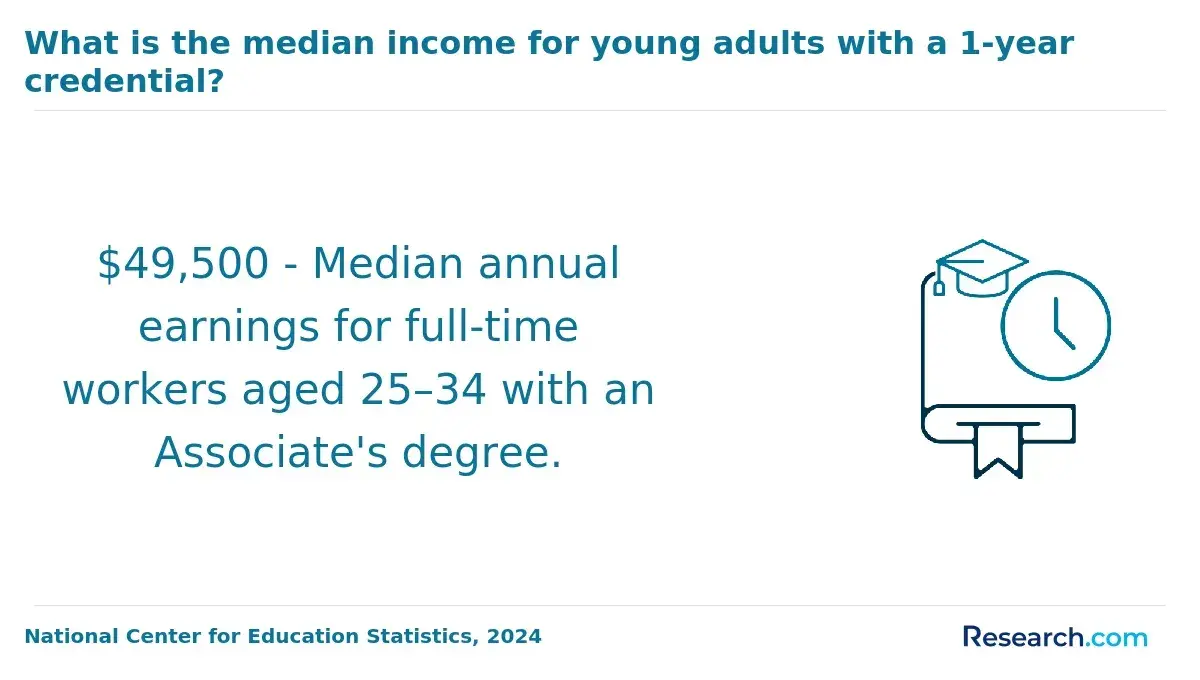
Compensation analyst roles in 2026 emphasize a bachelor's degree in human resource management or related fields paired with strong quantitative abilities. Employers seek candidates proficient in compensation frameworks and data analysis, with specialized coursework in statistics, labor economics, and data analytics enhancing their capacity to evaluate pay structures effectively.
For example, the Sugar Land Company highlights the necessity of experience interpreting compensation surveys to assess market positioning, illustrating the practical demands behind theoretical knowledge.
Prospective candidates targeting technical or financial sectors must often supplement their human resource management degree qualifications for compensation analyst positions with advanced Excel skills, statistical software expertise (SAS, SPSS), and familiarity with emerging compensation technologies.
In contrast, professionals in manufacturing or unionized workplaces face different requirements, including understanding collective bargaining and acquiring certifications related to labor relations alongside their degree.
While a master's degree can accelerate access to senior analytical or consulting roles requiring in-depth modeling and strategic planning, many employers prioritize real-world experience and certifications such as Certified Compensation Professional (CCP) over graduate education. This tradeoff reflects a workforce preference for applied skills rather than extended academic credentials.
Balancing foundational education with hands-on data interpretation aligns closely with employer expectations. Prospective students may also consider alternative routes such as a human services online program for additional flexibility, depending on their career focus within the broader field of human resource management.
Which HR courses help prepare you for compensation analysis?
Mastering compensation analysis requires targeted coursework that integrates quantitative skills, legal frameworks, and strategic compensation design. Compensation analysis courses for human resource management degrees emphasize data analytics and labor economics, enabling analysts to interpret wage trends and tailor pay structures effectively.
For example, an understanding of complex regression techniques helps professionals benchmark salaries against market data like ZipRecruiter's average hourly pay of $38.97 for U.S. compensation analysts as of May 20, 2026. This precision is critical for maintaining competitive and compliant compensation packages.
Human resource management classes supporting compensation analyst roles cover employment law essentials, which address pay equity nuances and minimize litigation risks within varied state and industry contexts. Total rewards management courses further refine the ability to integrate benefits with base pay, an increasingly important skill in sectors such as healthcare and technology where non-salary incentives retain critical talent.
Proficiency with human resource information systems (HRIS) is also integral, as automation tools streamline salary surveys and budgeting-daily tasks for compensation analysts. Employers explicitly seek candidates with this blend of quantitative fluency, regulatory understanding, and strategic mindset that together enable data-driven, equitable compensation strategies.
Because real-world applicability is vital, students evaluating this path should also consider programs offering practical HR technology experience. For professionals pursuing relevant credentials, exploring options such as the HIM degree online may complement human resource management coursework effectively, broadening their analytical and operational toolkit.
How do online and campus HR programs compare?
The choice between campus and online programs for compensation analyst roles hinges on practical tradeoffs in employer connectivity and skill application. Campus HR programs facilitate direct access to faculty, immersive networking, and immediate engagement with job architecture concepts like salary range structuring, evident in companies such as Jabil.
These settings often provide essential real-world experience through internships or co-op placements, aligning closely with employer expectations for demonstrated competencies in salary market analysis.
Conversely, online programs offer flexibility for employed professionals but require heightened self-motivation to secure equivalent experiential learning. Without on-site immersion, students must proactively pursue external mentorship or projects to replicate hands-on exposure.
This distinction is critical when navigating industries like technology or manufacturing, where up-to-date compensation data integration demands ongoing curriculum responsiveness that campus programs typically achieve through local industry partnerships.
Employers expect candidates fluent in evolving compensation standards; campus students benefit from peer networks and accessible exam environments supporting certification attainment. Online learners face greater self-directed discipline to remain current with market shifts and credentialing.
Key considerations include:
- Campus programs' advantage in tangible employer connections and real-time practical engagement.
- Online programs' adaptability for working professionals but dependence on self-driven real world experience.
- The imperative to verify currency of compensation research content, especially in rapidly changing sectors.
- Certification and training access differences impacting readiness.
What accreditation should an HR management program have?
Selecting a human resource management program without proper accreditation introduces significant risks in mastering compliance with wage laws, tax codes, and equal opportunity mandates.
Employers increasingly favor candidates from accredited programs-68% of HR employers surveyed by the Society for Human Resource Management prioritized this-in part because accredited curricula embed practical legal training that non-accredited courses often omit. For example, Sugar Land Company's compensation analysts must stay current on pay equity and regulatory changes, a standard rarely met without formal accreditation.
This accreditation gap is more than academic; it translates directly into workforce readiness and employability. Programs accredited by bodies such as the Accreditation Council for Business Schools and Programs (ACBSP) or the Association to Advance Collegiate Schools of Business (AACSB) integrate case studies and compliance frameworks aligned with evolving federal mandates, critical for sectors like healthcare and finance where regulatory scrutiny is intense.
Graduates from accredited programs can accurately interpret complex wage and hour laws, reducing employer training time and mitigating legal risk. Failing to detect pay inequities or remain compliant can lead to expensive lawsuits or penalties, underscoring the practical consequence of choosing a non-accredited program.
Key evaluation points when selecting a program include:
- Whether coursework addresses compensation strategy linked to compliance frameworks
- Validation that learning outcomes support recognized certifications such as Certified Compensation Professional (CCP)
- Inclusion of up-to-date legal modules reflecting 2023 federal labor law changes
Choosing accreditation strategically aligns educational investment with employer expectations and field realities, improving long-term career resilience in the human resource management domain.
How long does an HR management degree usually take?
Completing a human resource management degree is often less about the raw duration and more about integrating practical analytics skills essential for compensation analyst roles. While a traditional bachelor's degree typically requires four years of full-time study, actual timelines vary widely; working professionals studying part-time may take up to six years but gain critical hands-on experience concurrently. This tradeoff between time and relevance demands careful consideration.
Core competencies extend beyond theory, emphasizing proficiency in spreadsheets, statistics, and data analytics-skills employers explicitly seek in job postings. Programs that incorporate real employee pay data analysis, market benchmarking, and compensation modeling projects offer significant advantages, even if they extend study time. Such experiential learning is often more determinative of employability than the degree's nominal length.
Choosing between degree levels presents strategic implications:
- Associate degrees (typically two years) provide limited analytical training and often restrict access to higher-level compensation analyst positions.
- Bachelor's degrees balance foundational HR knowledge with applied analytics, forming the most common credential for entry and mid-level roles.
- Graduate degrees add two years post-bachelor's, focusing on specialized analytics and leadership skills for senior HR roles, but require a further time and financial investment.
In practice, candidates must weigh extended academic commitments against the value of immediate workforce integration. Part-time study linked with relevant HR support roles can accelerate skill acquisition and make a degree's time investment more strategic. Ultimately, the chosen pathway should align with individual professional realities and the technical demands of evolving compensation analyst responsibilities.
What skills do compensation analysts need most?
Compensation analysts face the complex task of balancing equitable pay with organizational strategy and budget limitations. For instance, technology companies require rapid adaptation of compensation models to keep pace with evolving roles, whereas manufacturing firms rely on fixed wage scales demanding precise industry benchmarking.
This contrast illustrates the operational tradeoffs analysts navigate daily, where failure to integrate market data and regulatory compliance can lead to costly organizational risks.
Advanced analytical skills and proficiency with Excel and specialized compensation software are baseline requirements, complemented by an ability to communicate nuanced data insights clearly to diverse stakeholders. Mastery of employment laws such as the Fair Labor Standards Act and Equal Pay Act is indispensable, as missteps can expose companies to penalties.
Experience remains a significant gatekeeper; a senior compensation analyst role at Jabil typically requires six or more years in the field. This threshold reflects the need for seasoned judgment when interpreting volatile market trends and internal equity data. Early-career professionals are advised to develop expertise in strategic compensation planning, job evaluation, and HRIS systems to bridge this gap.
Day-to-day responsibilities also include managing large datasets, negotiating with salary survey vendors, and linking performance data with pay outcomes, demanding project management and technical fluency. Without these capabilities, graduates in human resource management risk limited upward mobility in compensation-related roles.
How much do compensation analysts earn in the United States?
Compensation analyst salaries vary widely depending on geography, industry, and skill set, making regional and sectoral context critical for candidates. Median annual pay in the U.S. hovers around $72,000, but compensation analysts in financial or technology centers like New York or San Francisco can earn 15-25% more than the national median due to higher competition and living costs.
Employers such as Toyota Material Handling accept degrees beyond human resource management, including business, economics, statistics, and analytics. This broad acceptance signals a competitive tension between traditional HRM and quantitatively oriented disciplines, where strong data interpretation skills can distinctly influence employability and salary potential.
Practical preparation involves mastering analytics tools and staying abreast of compensation laws; relying solely on HRM coursework without quantitative proficiency limits advancement in data-heavy environments. Entry-level positions start near $52,000, while seasoned analysts can exceed $95,000, particularly where compensation systems are complex.
Tradeoffs include balancing geographic salary premiums against cost of living and work-life quality, and the need for ongoing skill development to maintain relevance. Candidates should weigh:
- Whether their educational background sufficiently integrates data analytics with compensation strategy
- Regional demand and pay scales reflecting industry concentration
- Long-term prospects shaped by ability to translate compensation data into strategic decisions
What job outlook do compensation analysts have?
The compensation analyst role in 2026 demands more than technical expertise; it requires strategic judgment to navigate evolving pay structures and compliance complexities. The U.S. Bureau of Labor Statistics projects a 7% growth rate through 2031, driven by employer efforts to maintain competitive and equitable compensation systems. However, this growth masks significant variability dependent on industry and regulatory environments.
For instance, senior compensation analysts at companies like CNH earn between $84,375 and $123,750, illustrating how advanced skills and experience directly correlate with higher compensation. This wage premium reflects the critical nature of developing nuanced pay models aligned with shifting labor markets and organizational priorities.
Challenges in this field include adapting to frequent legislative changes and heightened demands for transparency in pay practices. Analysts in tech or finance often must reconcile aggressive talent recruitment with strict regulatory frameworks, whereas those in manufacturing prioritize union negotiations and compliance with collective bargaining agreements.
Human resource management degree holders entering compensation analysis should combine analytical proficiency with practical knowledge of labor law and compensation technologies. Competitive candidates enhance their prospects by obtaining relevant certifications and focusing on sectors with dynamic pay structures, such as healthcare or technology firms.
Other Things You Should Know About Human Resource Management
A Human Resource Management degree equips you with essential skills like data analysis, understanding of labor laws, and strategic compensation planning, which are crucial for success in 2027 compensation analyst roles. These skills enable you to effectively navigate the complex compensation structures and policies in diverse industries.
The most relevant credentials are WorldatWork’s Certified Compensation Professional (CCP) and, for broader HR roles, SHRM-CP or PHR. CCP is the strongest fit for compensation work and usually requires several years of related experience plus passing multiple exams.
Industries such as finance and technology demand advanced data analytics proficiency and familiarity with market-driven compensation models, while government and nonprofit sectors prioritize regulatory compliance and equity assessments.
When selecting a human resource management degree or elective courses, align your program with the sector you intend to enter-favoring analytics-heavy curricula for private sector targets and compliance-focused offerings for public or nonprofit sectors. This specificity enhances your competitiveness by directly addressing employer priorities.
Securing several years of relevant compensation experience before pursuing graduate education yields stronger career returns. Work experience sharpens your understanding of real-world complexities, allowing you to select graduate courses that target your knowledge gaps and leadership goals.
Immediate graduate study can risk theory-heavy learning detached from practice. Prioritize employment opportunities that build your analytical abilities and industry insight, then advance to graduate programs to credentialize and deepen your expertise strategically.
References
- Compensation and Benefits Courses for HR https://www.aihr.com/course-overview/compensation-and-benefits-courses/
- Online MBA in HR vs. Regular MBA: Which One Is More Affordable? https://www.dypatilonline.com/blogs/online-mba-hr-vs-regular-mba-affordability
- What is a Compensation Analyst? - Career Insights | Teal https://www.tealhq.com/career-paths/compensation-analyst
- 2025 Most Popular HR Degrees Online https://www.onlineu.com/degrees/human-resources
- Compensation & Benefits Training for HR Professionals UK https://www.bmc.net/blog/uncategorized/compensation-courses-for-hr-professionals
- SHRM HR Certification | SHRM-CP & SHRM-SCP https://www.shrm.org/credentials/certification
- How Long Does It Take to Get an HR Certificate? https://hrcertification.com/blog/how-long-does-it-take-to-get-an-hr-certificate-biid1000037
- Top 8 HR Specialist Certification Courses in 2026 - HR University https://hr.university/training/hr-specialist-certification/
- Compensation specialists: Salary, career path, job outlook, education and more - RaiseMe https://www.raise.me/careers/business-and-financial/compensation-benefits-and-job-analysis-specialists/compensation-specialists/