2026 Best Online Human Resource Management Programs for Professionals Seeking Long-Term HR Stability

Co-Founder and Chief Data Scientist
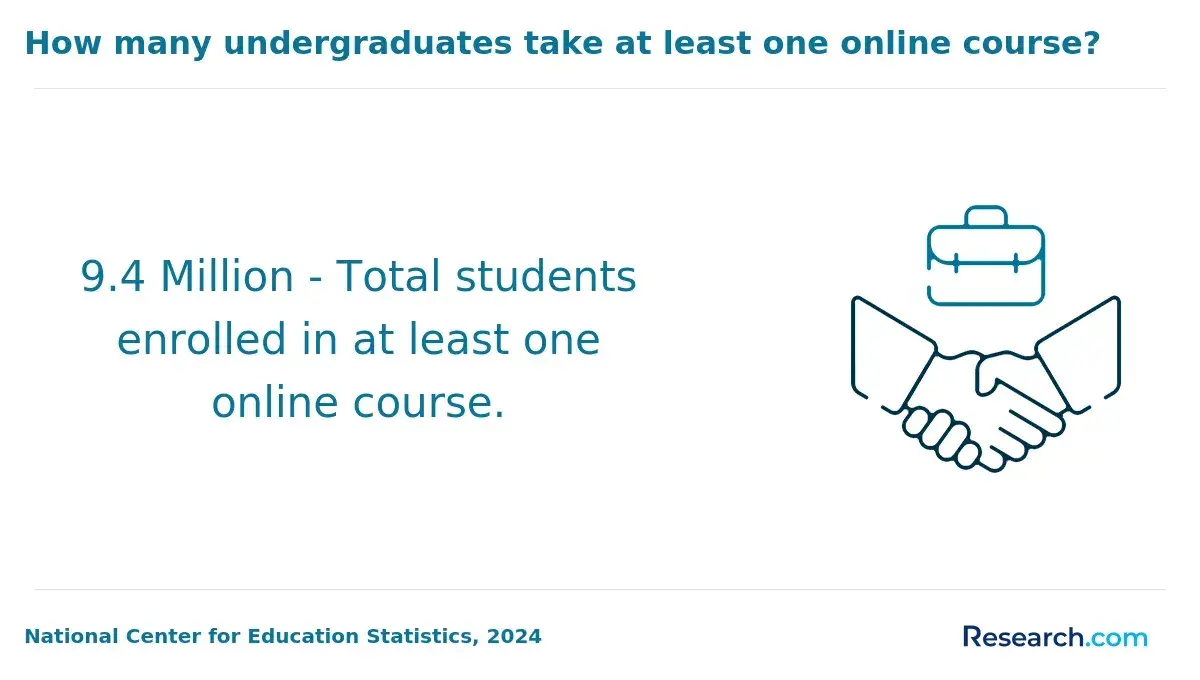
Mid-career professionals aiming to shift into human resource management often confront rigid program schedules conflicting with job demands and family responsibilities. This friction delays critical credentialing, impeding upward mobility in a sector where strategic HR roles now require both advanced knowledge and demonstrated adaptability. The National Center for Education Statistics recently reported a 14% rise in adult enrollment in fully online degree programs, signaling a broad shift toward flexible learning but also intensifying competition for programs that combine rigor with accessibility. Navigating these trade-offs shapes long-term career stability by influencing timing, skill relevance, and employer perception.
This article evaluates the best online human resource management programs designed for professionals balancing these challenges, providing actionable insights to inform enrollment decisions tailored to sustainable career growth.
Key Things You Should Know
- Data from the U.S. Bureau of Labor Statistics shows HR management roles growing 9% by 2032, but only candidates with SHRM or HRCI certifications from accredited programs have 20% higher hiring rates, highlighting credential tradeoffs.
- Employers increasingly prefer programs with integrated AI and people analytics training, reflecting 38% workforce digital upskilling demands per McKinsey's 2024 report, shifting hiring criteria toward tech-savvy HR professionals.
- Programs averaging $30,000 to $45,000 in tuition create a timing-cost tension, as accelerated 12-month tracks improve job market entry speed but often sacrifice depth in labor law specialization.
What makes an online human resource management degree credible and respected by employers?
Credibility in an online human resource management degree depends on alignment with employer expectations, notably institutional accreditation and curriculum tailored to recognized HR certifications. Employers typically favor graduates from programs accredited by regional bodies and specialized HR entities like SHRM or HRCI, as these ensure coverage of competencies fundamental to labor law, compensation, and organizational behavior.
This intersection of academic rigor and accreditation standards is crucial for candidates aiming at roles demanding applied expertise rather than solely theoretical knowledge.
Programs that align course content with employer-recognized human resource management certifications in the US enhance graduates' immediate job market viability by facilitating credential attainment. For example, HR professionals targeting healthcare administration need curriculum emphasizing regulatory compliance, while those entering tech sectors benefit from training in diversity management and digital HR platforms.
The U.S. Bureau of Labor Statistics projects a 5% increase in HR manager roles through 2032, yielding approximately 16,300 annual openings. Yet, candidates lacking experiential learning or industry partnerships may struggle against peers who demonstrate problem-solving and real-world adaptability. Prospective students should scrutinize whether programs offer internships, mentorships, or career services that correspond with their specific industry goals, as manufacturing and nonprofit HR functions often require distinct strategic competencies.
Careful evaluation of curriculum rigor and accreditation prevents pursuing generic credentials that underdeliver on workforce expectations. For those exploring broader business education pathways, consider how an online MBA operations management compares in addressing organizational leadership demands versus specialized HR instruction.
How do online human resource management programs compare with on-campus options for working adults?
Choosing between online human resource management programs for working adults and traditional on-campus options often hinges on a balance between flexibility and employer expectations. While online programs offer the benefit of self-paced learning and direct application of coursework to current roles, they demand strong discipline and provide fewer opportunities for in-person networking-an element some sectors still prioritize.
For example, graduates entering healthcare administration can leverage remote program credentials paired with hands-on experience effectively, but candidates targeting leadership roles in manufacturing or government may encounter biases favoring campus engagement.
Employer hiring data and workforce studies show that when online programs are accredited and integrate experiential components such as internships or capstone projects, graduates perform on par with their on-campus peers. The field is projected to grow by 6% from 2022 to 2032, with about 78,700 annual job openings for human resources specialists, placing emphasis on practical skills over institutional prestige.
Practical considerations also influence the decision: campus-based programs often require relocation or schedule changes, while online options reduce commuting and allow continued employment but may isolate learners from mentorship opportunities essential to career progression. Students should strategically combine their online studies with local professional networking to mitigate these challenges.
Those evaluating pathways should review program alignment with certifications and hands-on learning and might explore accelerated formats, such as the project management degree online fast, for comparable time-efficient models in related disciplines.
Which accreditation and program quality standards should online HR students look for?
Choosing an online human resource management program requires a focus on recognized accreditation bodies like the Council for Higher Education Accreditation (CHEA) and the Accreditation Council for Business Schools and Programs (ACBSP). These accreditations ensure programs adhere to quality standards for online HR management degrees, aligning curricula with employer expectations. Specialized certifications, such as those from the Society for Human Resource Management (SHRM) and the HR Certification Institute (HRCI), enhance a graduate's industry relevance and earning potential by providing current, practical knowledge.
Programs without these accreditations often deliver outdated content, limiting a graduate's ability to compete effectively in the labor market. Evaluating program quality also means looking beyond accreditation to employment outcomes, alignment with SHRM Body of Competency and Knowledge (SHRM BoCK), and faculty with proven industry experience-a mixture that improves readiness for complex HR roles in sectors like healthcare, manufacturing, or technology, each demanding distinct expertise such as compliance or talent analytics.
For example, a mid-career professional transitioning into tech HR should target programs combining ACBSP accreditation with SHRM-aligned coursework to maximize higher salary prospects and faster placement. According to the U.S. Bureau of Labor Statistics, HR managers earn more than twice the median wage of general occupations, underscoring the financial impact of informed choices. Students managing logistical constraints must assess program flexibility, asynchronous delivery, and career support to mitigate risks while planning long-term growth.
Prospective students may also explore fields related to human resource management options, such as a sports management online degree, for specialized pathways connected to workforce dynamics.
What types of online human resource management degrees are available and who are they for?
Choosing an online human resource management degree program requires aligning education level with realistic career trajectories and workforce expectations. Associate degrees typically serve entry-level roles or those needing quick credential updates, while bachelor's degrees equip students for HR generalist positions or mid-level management, with rigorous training in recruiting, labor law, and employee relations.
For professionals seeking specialization or leadership roles, master's programs introduce strategic planning and organizational development, often with part-time options to accommodate working students. Doctoral studies focus squarely on research and academic careers, a path less suited for direct workforce entry.
Employers tend to require bachelor's or higher degrees for mid- and senior-level HR roles, with certifications supplementing practical capabilities. Sector-specific expertise-such as healthcare compliance or tech recruiting-usually arises at graduate levels, making program selection a strategic decision based on both timelines and financial resources.
For instance, a manufacturing professional transitioning into HR generalist duties benefits from online bachelor's-level training combined with flexible scheduling.
Cost factors heavily into choice: tuition for a 120-credit online bachelor's typically ranges from $36,000 to $72,000, often less expensive than on-campus alternatives when considering housing and commute. Even so, balancing price against expected career impact and program rigor is essential to avoid underqualification or overcommitment. Those evaluating online human resource management degree programs for professionals should be mindful of aligning credentials with market demands without compromising advancement potential.
Resources like CAHIIM accredited health information management programs online offer benchmarks for selecting credible online pathways within specialized tracks.
What core courses and HR competencies do top online programs typically include?
Choosing an online human resource management program demands careful consideration of curriculum relevance to evolving labor market needs and workplace complexities. Core courses in talent acquisition, employee relations, compensation, and employment law lay the groundwork for practical HR functions such as recruitment and compliance.
However, the growing emphasis on HR analytics represents a critical shift-roles in people analytics have expanded over three times faster than traditional HR positions, requiring proficiency in workforce data interpretation for decision-making.
The practical impact varies by industry. For instance, financial services professionals apply human capital metrics to quantify turnover risks and refine employee retention strategies, while manufacturing HR specialists must navigate union relations and multi-state compliance challenges, often benefiting from experiential learning embedded in case studies and simulations.
Essential components extend beyond technical knowledge to strategic talent management, including workforce planning and succession development, directly influencing an organization's capacity to adapt and grow. Benefits administration remains a necessary focus, given regulatory complexity and diverse employee needs, particularly in sectors with extensive contingent labor.
- Programs integrating analytics, compliance, and benefits coursework align most closely with current employer expectations.
- Experiential elements support skill translation to remote or multi-jurisdictional contexts.
- Understanding industry-specific applications clarifies which curricular emphases best serve long-term career stability.
What are typical admission requirements for online human resource management programs?
Admission to online human resource management programs frequently hinges on nuanced criteria that directly affect a candidate's market readiness rather than mere academic completion. While a high school diploma or GED may suffice for bachelor's entry, many programs prefer applicants with associate degrees or transferable college credits, reflecting an expectation of foundational academic skills.
Graduate programs typically require a relevant bachelor's degree with minimum GPAs between 2.5 and 3.0, but the real differentiator is often the candidate's work history and certifications such as SHRM-CP, which can compensate for or waive standardized testing requirements like the GRE or GMAT.
Professional references and statements of purpose focusing on practical HR experience serve as critical decision factors, especially for career changers aiming to pivot into HR. International candidates must demonstrate language proficiency via TOEFL or IELTS scores, adding a layer of complexity to admission planning. A 2024 survey reveals that 56% of employers regard online education quality on par with in-person, underscoring the strategic importance of regional accreditation when selecting programs.
Students should anticipate logistical challenges including reliable technology access and managing asynchronous learning schedules, which can hinder progress if underestimated. This operational readiness-and the ability to translate theoretical knowledge into hands-on HR skills-remains essential in a job market increasingly sensitive to practical competency over credentials alone.
How long do online HR degrees take and what do they usually cost?
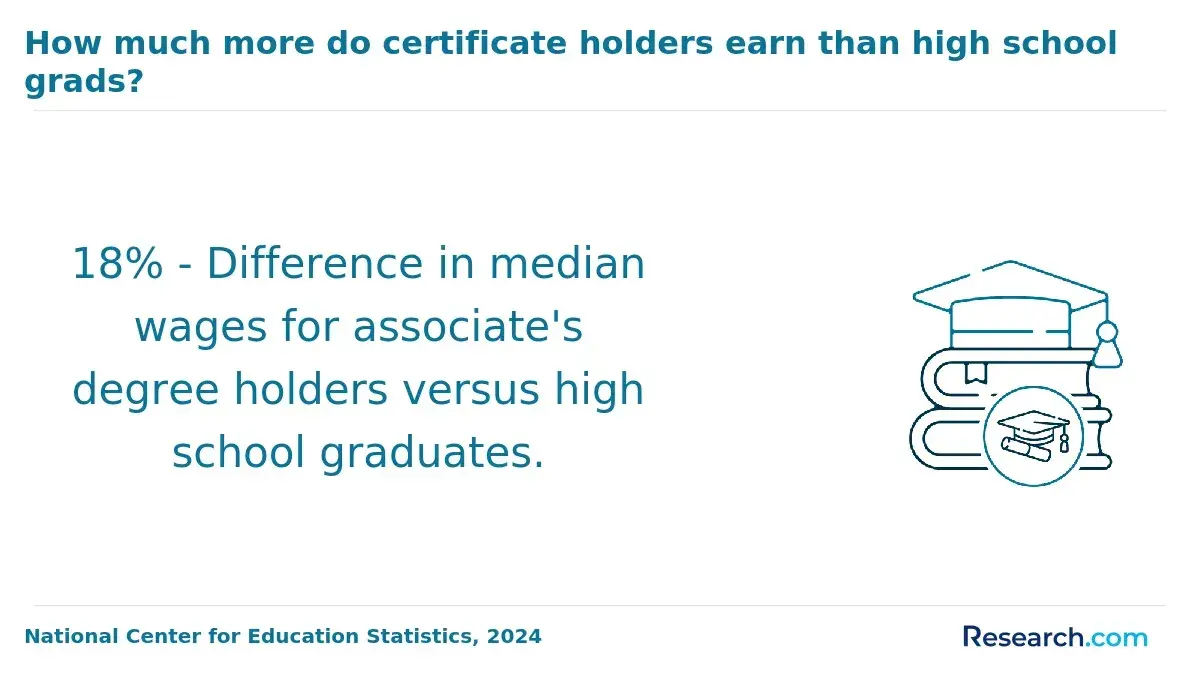
Completing a bachelor's degree in human resource management online typically demands four years of full-time study, though part-time or accelerated formats can significantly shift this timeline. For many working adults, stretching the program to five or six years provides necessary flexibility to manage job responsibilities alongside coursework. Associate degrees may offer faster completion but generally lack sufficient weight for competitive HR roles or meaningful salary improvements.
Graduate programs, such as master's degrees in HR management, tend to concentrate on advanced leadership and strategic skills and usually require 18 to 24 months. This further specialization addresses employer preferences for candidates who can navigate complex organizational dynamics beyond operational tasks.
The cost landscape is pivotal: the average annual tuition for affordable online bachelor's programs ranges approximately from $9,000 to $11,000, well below the national average for traditional institutions, which exceeds $26,000. However, these savings often come with tradeoffs in faculty expertise, institutional resources, and alumni networking strength-factors that employers may consider when evaluating credentials.
Additional expenses, including textbooks, software, and testing fees, can increase overall costs by 10-20%. Prospective students should also evaluate benefits like employer tuition assistance and federal aid to mitigate financial burdens.
When prioritizing pathways, candidates focused on sectors like healthcare or technology must weigh curriculum specialization, certification alignment, and practical networking opportunities, which influence time-to-employment and promotion prospects.
What HR roles and advancement paths can an online HR degree support?
An online human resource management degree often positions graduates for foundational roles such as HR specialists, who manage recruitment, compliance, and employee relations within regulated industries like healthcare or manufacturing. However, progression into HR business partner roles typically demands a deeper proficiency in integrating workforce strategies with organizational objectives-skills that adaptive online curricula can help develop.
Advancing into senior leadership, including roles like Chief Human Resources Officer or training and development manager, requires demonstrated operational leadership and a broad HR functional background. According to BLS data, training and development managers earned a median annual wage of $125,040 with projected 6% employment growth through 2032, signaling steady demand for such expertise. Yet, practical experience and certifications often complement the degree to secure these senior positions.
Tradeoffs include the challenge of balancing theoretical online coursework with on-the-ground experience to understand company culture and specialized tools. Smaller organizations may expect HR professionals to cover multiple operational areas beyond traditional HR functions, demanding agility that online study alone may not fully foster.
Professionals must plan continuous skill development and targeted specialization to navigate evolving employer expectations and sector-specific requirements, making the online degree a component-not a guarantee-of strategic career advancement.
What salary ranges and job outlook can HR graduates realistically expect?
Starting salaries for graduates with online human resource management degrees in 2026 generally range from $55,000 to $75,000, but sector and skill variations significantly affect earning potential. Mid-career professionals often earn $85,000 to $110,000 annually, with technology and finance sectors offering the highest compensation, frequently exceeding $100,000, while nonprofits and public entities fall lower.
The U.S. Bureau of Labor Statistics projects a 12% growth rate in HR specialist roles through 2032, signaling steady demand but fluctuating opportunity depending on industry alignment.
AI proficiency now shapes market value for HR professionals. LinkedIn data reveals a 21-fold increase in job postings requiring AI skills since 2016, particularly in HR roles. Graduates lacking competencies in AI-driven analytics and digital tools risk stagnating wages and limited upward mobility. For example, an HR generalist in retail might start at about $52,000, with modest growth, whereas an analyst equipped with AI expertise in a tech firm can surpass $95,000 within five years.
Employers expect more than traditional HR functions; data literacy, workforce analytics, and automated compliance are becoming baseline requirements. This intensifies the necessity for ongoing, focused skill development beyond degree completion to remain relevant and competitive. Curriculum choices emphasizing these proficiencies critically influence both immediate income and long-term career resilience.
How do professional HR certifications align with online degree programs?
Professional certifications in human resource management serve as essential practical validations of skills that an online degree alone cannot fully demonstrate. For example, an HR professional moving from education into corporate settings may gain foundational knowledge through an accredited online bachelor's program but typically requires certifications like SHRM-CP or PHR to meet employer expectations tied to compliance, ethics, and talent management.
Completion rates reveal important distinctions in program effectiveness. Data from BestColleges shows that top online hr bachelor's programs maintain median graduation rates of 60-70%, exceeding the overall online degree average of 50%. This suggests that well-designed hr programs support student persistence, a key factor affecting readiness for certification exams and employability.
Employers increasingly expect candidates to combine academic credentials with professional certifications, reflecting an ability to navigate complex workplace challenges. However, working professionals face real tradeoffs when balancing online coursework and certification preparation, often requiring disciplined time management. Choosing programs aligned with certification requirements reduces delays and enhances career trajectory by smoothing credential acquisition.
- Certification signals mastery of current HR standards beyond theoretical knowledge
- Graduation rates indicate student support and program relevance
- Misalignment between degree curriculum and certification negatively impacts career progress
Other Things You Should Know About Human Resource Management
Work experience is not always mandatory for enrollment, but it substantially impacts the value gained from the program. Candidates with prior HR or related business experience tend to contextualize theoretical concepts better, which improves practical application and employability. Programs emphasizing case studies or experiential learning favor students with some background, so if you lack experience, choose programs offering strong mentorship or internship opportunities to bridge this gap.
Employers typically scrutinize the rigor and reputation of accelerated programs given their condensed format, which can result in less time for deep skills development or networking. Traditional-paced programs allow more thorough mastery and often provide more opportunities for project-based learning and professional connections. When selecting, weigh the urgency to finish against potential gaps in experience and integration of HR practices that employers value.
Many online human resource management programs require a supervised internship, practicum, or capstone with at least 120–240 hours of applied work. Some schools waive this for professionals with prior HR employment, but they still require documented HR-related experience and faculty approval before graduation.
References
- Are Online HR Certifications Legit? What You Should Know https://hrcertification.com/blog/are-online-hr-certifications-legit-biid1000050
- Human Resources Courses Online: Training, Qualifications & Career Guide https://www.oxfordhomestudy.com/human-resources-courses
- Online Master's in Human Resources https://onlinecounselingprograms.com/online-counseling-degrees/online-masters-in-human-resources/
- HR Management Training Program: Complete 2026 Guide https://learnerring.com/blog/hr-management-training-program-complete-guide/
- HR Career Path: Everything You Need to Know https://www.aihr.com/blog/hr-career-path/
- Top 20 Online Courses for Human Resource Managers https://zoetalentsolutions.com/top-20-online-courses-for-human-resource-managers/
- Accreditation processes for technical programs https://edquip.co/blog/accreditation-processes-for-technical-programs
- Study Human Resource Management: All you need to know https://www.study.eu/article/study-human-resource-management-hrm
- HR Courses Online: Master HR Skills & Get Certified 2025 https://www.bmc.net/blog/general-blog-posts/hr-courses-online