2027 Best Online Bachelor's in Health Informatics With Practice-Focused Informatics Projects

Co-Founder and Chief Data Scientist
Transitioning into health informatics without prior experience can be daunting, especially when employers seek candidates with practical skills in data management and system optimization. Many degree programs focus heavily on theory, leaving graduates underprepared for real-world challenges. This gap complicates entry into a growing, technology-driven healthcare industry that demands proficiency in electronic health records and data analysis.
Selecting an online bachelor's program with hands-on informatics projects can bridge this divide, offering applied learning essential for career success. This article examines top online degrees that integrate practice-focused projects, guiding prospective students toward flexible, accredited pathways to enter health informatics confidently.
Key Things You Should Know
- Online bachelor's programs in health informatics increasingly integrate practice-focused projects, enhancing hands-on skills aligned with healthcare data management and analysis demands in 2026.
- Employers prioritize practical experience, making programs with real-world informatics projects critical; the U.S. Bureau of Labor Statistics projects 9% job growth for health informatics specialists through 2031.
- Most top-ranked curricula incorporate emerging technologies like AI and telehealth data systems, preparing graduates for evolving roles in health informatics leadership and innovation.
What is an online bachelor's in health informatics with practice-focused informatics projects?
An online bachelor's in health informatics with applied projects blends theoretical learning with real-world experience, focusing on creating practical solutions for healthcare data and technology challenges. Students develop skills in database management, coding languages, health data standards, and compliance through hands-on projects like designing electronic health record interfaces or building telehealth tools.
This approach defines a practice-oriented health informatics bachelor's degree online by emphasizing applied scenarios that simulate professional environments. Typical projects might include integrating patient information across platforms to improve interoperability or optimizing workflows for better health information exchange.
These experiences prepare graduates for roles requiring both technical knowledge and an understanding of healthcare systems, such as clinical informatics specialists, health data analysts, or medical and health services managers. According to the U.S. Bureau of Labor Statistics, medical and health services managers earn a median annual salary of $117,960, reflecting the financial advantages of this education path.
Online formats cater well to working adults by offering flexibility and remote access to practical projects, enabling students to demonstrate job-ready skills upon graduation. For those interested in related pathways, exploring online medical billing and coding programs can broaden healthcare technology career options.
How do online health informatics bachelor's programs compare with campus programs for hands-on learning?
Online health informatics bachelor's hands-on experience often matches or even surpasses that of campus programs through the use of virtual simulations, remote labs, and integrated practicum work. Many online programs collaborate with healthcare organizations to offer students opportunities to work on real-world data analysis projects and supervised internships. This practical exposure includes remote access to electronic health record (EHR) systems.
Campus vs online health informatics practical learning also differs in terms of direct clinical exposure and face-to-face mentorship, which can benefit networking and immediate feedback. However, online offerings frequently include synchronous instructor-led sessions and peer collaboration, maintaining a high level of interactive learning. Prospective students should check if local internship placement support is available for in-person experience alongside virtual coursework.
When selecting a program, focus on its emphasis on current health informatics software, analytics tools, and compliance with regulatory standards, all crucial for workforce readiness. With medical and health services managers expected to see 23% employment growth over a decade, acquiring practical skills through rigorous programs is essential.
For budgeting purposes, exploring medical billing and coding classes cost can provide insight into affordable educational options suitable for many students.
Which accredited schools offer the best online bachelor's in health informatics programs?
Several accredited universities offer exemplary online bachelor's in health informatics programs designed to develop practice-focused informatics skills. The University of Illinois at Chicago features a curriculum blending data analytics, consumer health information management, and compliance training through real-world projects. Arizona State University emphasizes practical applications in risk management and healthcare data systems, preparing graduates for immediate employment.
West Coast University's online health informatics degree includes hands-on case studies and collaborative projects with healthcare partners, combining data science with information management. Purdue University Global provides a comprehensive curriculum with capstone projects simulating real healthcare technology environments, equipping students to fill critical job vacancies effectively. These top online bachelor degrees in health informatics with hands-on projects ensure relevant workforce preparation.
Demand is high, an October 2024 report from the American Health Information Management Association found 83% of health information professionals identified unfilled job vacancies, especially in consumer health information, data analytics, and risk and compliance. Accredited online health informatics bachelor's programs respond with targeted training and feature:
- Accreditation from recognized bodies such as CAHIIM or regional accreditors
- Curricula focused on practical and applied informatics projects
- Capstone or internship opportunities supporting experiential learning
- Flexible online formats suited for working adults
Select a program that emphasizes accredited quality and experiential learning to meet industry demands. For those exploring healthcare education options, consider also the best online medical assistant programs that blend practical skills and employment prospects.
What accreditation and program quality standards should online health informatics degrees meet?
Accreditation from recognized bodies like the Commission on Accreditation for Health Informatics and Information Management Education (CAHIIM) is essential for online health informatics degrees. Such accreditation confirms adherence to rigorous quality assurance benchmarks for health informatics degrees, ensuring curriculum relevance, faculty expertise, and practical clinical practicum opportunities. This validation enhances professional certification eligibility and employer recognition.
Programs must offer a curriculum integrating core topics such as health data management, clinical coding, informatics systems, and healthcare analytics. Students benefit from coursework designed to build practical skills in software tools, data security, and healthcare-specific project management. Programs that embed practice-focused informatics projects promote real-world problem-solving abilities and applied learning.
Experiential components like internships or capstone projects with healthcare organizations are critical for hands-on experience and networking. Faculty with strong industry backgrounds and active research engagement also improve program quality. Prospective students should confirm the preparation for certifications like Registered Health Information Administrator (RHIA) or Certified Health Data Analyst (CHDA), which boost career opportunities.
Salary data from U.S. News, citing BLS figures, shows data scientists-a prominent role for health informatics graduates specializing in analytics-earn an average annual salary of $115,240, with a 35% job growth projected through 2032. For students comparing programs, resources such as WGU vs Chamberlain offer valuable insights into online health informatics program accreditation standards and quality benchmarks.
What courses and practice-focused informatics projects are typically included in these programs?
Online bachelor's programs in health informatics cover essential subjects such as medical terminology, health data management, clinical informatics, and health information systems. Coursework also includes healthcare laws, data analytics, electronic health records (EHR) management, and cybersecurity tailored to healthcare settings. These topics equip students with a strong foundation in both healthcare operations and IT systems.
Students typically undertake practice-oriented projects involving real-world scenarios, like optimizing EHR systems, conducting data quality reviews, and improving patient care documentation workflows. Examples include analyzing health data to detect treatment outcome trends, designing clinical decision support interfaces, and performing HIPAA compliance audits or risk assessments to secure patient information.
Many programs offer internships or capstone projects partnering students with healthcare facilities, providing hands-on experience with informatics tools and databases. These opportunities expose students to challenges such as integrating new software with existing hospital systems and enhancing interoperability across diverse health IT platforms.
The strong demand for these skills is reflected in The University of Central Florida's report of a 31.50% job growth rate and roughly 47,000 annual openings in health information management jobs through 2029, per 2026 Lightcast labor market analytics. This growth emphasizes the value of combining healthcare expertise with technological proficiency through applied projects and practical training.
What are the typical admission requirements for an online bachelor's in health informatics?
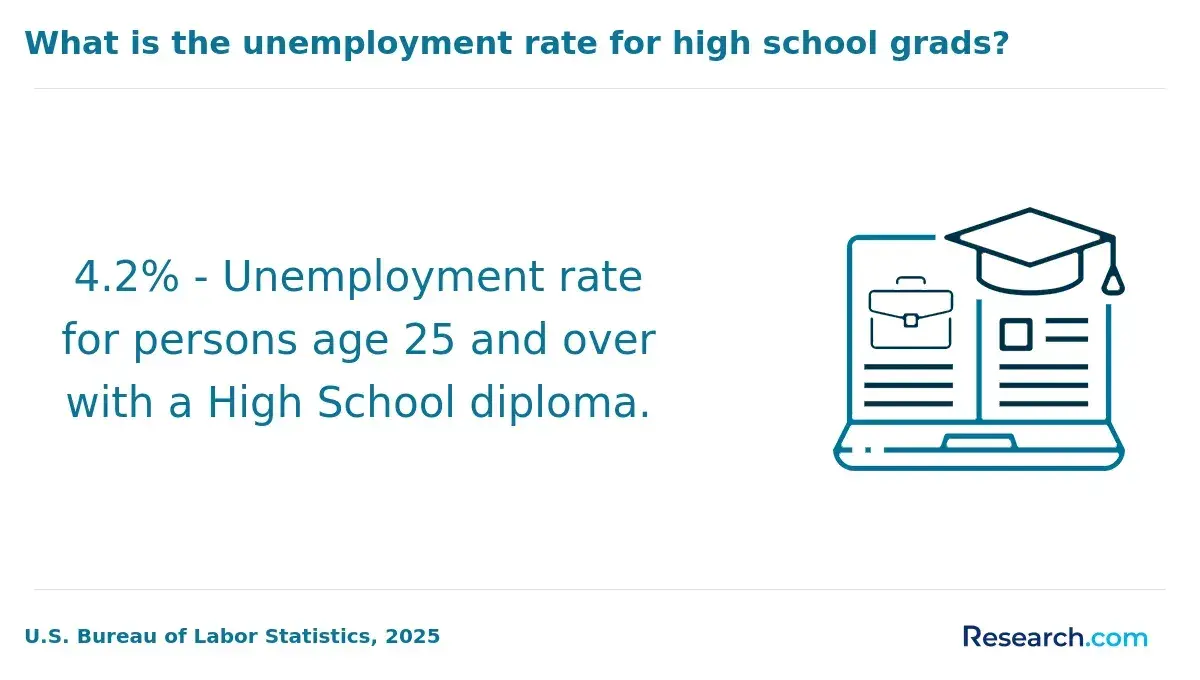
Admission to an online bachelor's in health informatics typically requires a high school diploma or equivalent and a competitive GPA, often between 2.5 and 3.0 on a 4.0 scale. While some programs have made submitting SAT or ACT scores optional, others may still request standardized test results. Applicants should have a foundation in mathematics and science, with prerequisites such as biology, statistics, or introductory programming and database courses sometimes required.
Relevant experience or prior coursework in healthcare or IT can enhance applications but is not always mandatory. Most programs ask for letters of recommendation and personal statements to evaluate motivation and communication skills. Transfer admission options are available for students with associate degrees or prior college credits, potentially shortening degree completion time.
International applicants generally need to prove English proficiency and provide credential evaluations. Health informatics professionals with added experience may advance to management roles, including computer and information systems managers, who earn an average salary of $173,670 with a 15% projected job growth through 2032, according to U.S. News' analysis of BLS data.
How long does an online health informatics bachelor's take and what does it cost?
An online health informatics bachelor's degree typically requires 3 to 4 years of full-time study, with some programs offering accelerated or part-time options. Students may shorten their timelines by transferring credits or qualifying through prior learning assessments. Many degrees incorporate hands-on informatics projects across multiple semesters, allowing practical experience with real-world healthcare data and systems.
Tuition costs vary widely by institution, generally ranging from $6,000 to $20,000 annually for online programs. Public universities usually offer more affordable tuition, especially for in-state students, while private and specialized programs with extensive practicum components may charge higher fees. Additional expenses might include technology, course materials, and specialized software. Optional certifications relevant to informatics can add to overall costs but may enhance job prospects.
Demand for health informatics professionals is growing rapidly, driven by technological advances and regulatory changes. According to Mercer University, referencing Lightcast and O*NET data, the healthcare sector is expanding at over twice the rate of other sectors, with an estimated 2.3 million new healthcare jobs anticipated by 2024. This growth increases the need for skilled professionals able to manage complex health data and AI-powered systems.
What careers can you pursue with a bachelor's in health informatics and what do they pay?
A bachelor's degree in health informatics prepares graduates for careers that combine healthcare knowledge with IT expertise. Common roles include health information technologists, clinical data analysts, electronic health records (EHR) specialists, and medical registrars. These professionals manage and analyze healthcare data to enhance patient care and support healthcare operations.
As these fields evolve, experienced individuals may advance to positions such as health informatics specialists, healthcare IT project managers, or health data administrators. Salaries for these roles are competitive; for instance, health information technologists and medical registrars earn an average of $65,280 according to U.S. News. The Bureau of Labor Statistics projects a strong employment growth rate of 16% through 2032.
Examples of job functions include clinical data analysts interpreting medical trends to improve decision-making and EHR specialists ensuring the accuracy and security of electronic patient records. Health informatics experts may also support software training or regulatory compliance efforts.
Degree programs often incorporate practice-focused informatics projects that build job-ready skills. Key competencies gained include understanding data privacy laws, mastering health IT systems, and developing analytical abilities, all essential for success in this growing field.
What is the job outlook for health informatics professionals in the United States?
The job outlook for health informatics professionals in the United States is strong, with an expected growth rate of 11% for medical and health services managers, including informatics specialists, from 2024 to 2034 according to the U.S. Bureau of Labor Statistics. This growth stems from expanding healthcare services, evolving regulatory requirements, and the increasing use of data-driven methods to improve patient care.
Opportunities are available across hospitals, outpatient centers, insurance companies, and government agencies. Candidates who bring hands-on experience, such as practice-focused informatics projects, are better positioned for roles like clinical informatics specialists, health information managers, and data analysts. The rise of telehealth and personalized medicine further fuels demand for professionals skilled in navigating complex healthcare technologies.
Program affordability and flexibility are important factors for prospective students. For instance, West Virginia University offers an online B.S. in Health Informatics and Information Management at approximately $545 per credit hour, aligning with typical tuition rates at public research universities for similar degrees. Online programs can provide accessible pathways for balancing education with career growth.
Key skills and experiences that improve employability include:
- Strong knowledge of healthcare systems and data standards
- Proficiency with electronic health record (EHR) systems
- Expertise in data analysis, security, and regulatory compliance
- Practical project experience replicating real-world informatics challenges
How can you choose a reputable online health informatics program aligned with your career goals?
Choosing a reputable online health informatics program involves evaluating several key factors to align with your career goals. Ensure the program holds accreditation from recognized agencies like CAHIIM or regional accreditors, which guarantees the curriculum meets industry standards and boosts employability. Look for programs emphasizing practical, hands-on projects that reflect real healthcare challenges.
Partnerships with healthcare providers or simulated environments offer valuable experience. Faculty expertise is crucial; instructors involved in research or industry work bring current insights and networking opportunities. Consider program flexibility and delivery formats to fit your schedule, especially if you are working. Additional benefits such as career services, internships, or mentorship can significantly improve job placement prospects.
Assess alumni outcomes, focusing on job placement rates and the relevance of degrees to roles like medical and health services managers. According to U.S. News, this role ranks No. 6 on the "100 Best Jobs" list, with an average salary of $127,980 and a projected 28% job growth through 2032 based on BLS data. Understanding these trends highlights the value of selecting a program preparing students for high-demand careers.
Ask about technical support and software tools offered, as proficiency with industry platforms increases workforce readiness. Align your choice with long-term goals by selecting programs offering electives or certifications in data analytics, clinical informatics, or healthcare administration.
Other Things You Should Know About Health Informatics
In 2027, top online Bachelor's programs in Health Informatics offer projects emphasizing real-world applications, including data analytics, electronic health record management, and telehealth solutions. These projects aim to equip students with skills directly applicable to contemporary healthcare technology challenges.
Health informatics improves patient care by enabling better data management and facilitating timely access to medical information. It supports clinical decision-making through data analytics and helps reduce errors by streamlining the sharing of accurate patient records. Overall, it promotes more efficient and personalized healthcare delivery.
Health informatics professionals work with electronic health record (EHR) systems, health information exchanges (HIE), clinical decision support systems (CDSS), and data analytics tools. Familiarity with programming languages like SQL and data visualization software can also be beneficial in managing and interpreting healthcare data.
Certifications can enhance career prospects by validating expertise in specific areas of health informatics. Common credentials include Certified Health Informatics Systems Professional (CHISP) and Certified Professional in Health Informatics (CPHI). These certifications often require passing an exam and demonstrate commitment to the field.
References
- Career Benefits of a Master's in Health Informatics https://www.usfhealthonline.com/resources/health-informatics/online-health-informatics-training-benefits/
- Best Online Health Informatics Bachelor's Degree Programs, Jobs, and Salaries https://careerkarma.com/blog/best-online-health-informatics-bachelors-degrees/
- 11 Health Informatics Careers for Master’s Graduates to Consider https://www.nec.edu/news/health-informatics-careers
- Bachelor of Science in Health Informatics (BSc.HI) - AFROHUN Academy https://academy.afrohun.org/courses/bachelor-of-science-in-health-informatics-bsc-hi/
- Usnews https://www.usnews.com/
- Health Informatics Careers and Jobs https://www.publichealthdegrees.org/careers/health-informatics/
- 100 Percent Online Master's in Health Informatics - MSHI Degrees https://www.mhaonline.com/faq/fully-online-ms-health-informatics-programs
- Bachelor of Science in Health Informatics (BHI) - Ernest Cook University https://ecu.ac.ug/kidscourses/bachelor-of-science-in-health-informatics-bhi/
- Online Health Informatics Degree | Programs And Career Options https://www.learnhowtobecome.org/best-online-bachelors-in-health-informatics-degree-programs/