2027 Online Exercise Science Degrees With Sports Performance Concentrations

Co-Founder and Chief Data Scientist
Balancing full-time work with advancing a specialized career in sports performance creates an acute challenge for many adult learners seeking exercise science degrees. Traditional campus programs often demand rigid schedules, limiting access for professionals aiming to pivot or climb within a competitive field driven by evolving employer expectations for practical expertise.
Recent data from the National Center for Education Statistics shows a 12% increase in online degree enrollment among working adults since 2023, indicating a systemic shift toward flexible learning formats that accommodate career mobility. This article evaluates online exercise science degree options with sports performance concentrations to guide informed choices that align with workforce demands and personal constraints.
Key Things You Should Know
- The 18% projected growth in sports performance roles through 2032, per BLS 2024, intensifies employer preference for candidates with hands-on internships often limited in online exercise science programs, affecting skill readiness.
- Employers increasingly seek graduates with integrated biomechanical data analytics skills, yet 64% of online concentrations lag behind campus-based curricula, creating workforce entry barriers in performance tech roles.
- Online degree costs average 25% less but often exclude clinical timing and facility access, extending time-to-credential by 6-12 months compared to hybrid formats, influencing return-on-investment for career pivots.
What is an online exercise science degree with a sports performance concentration?
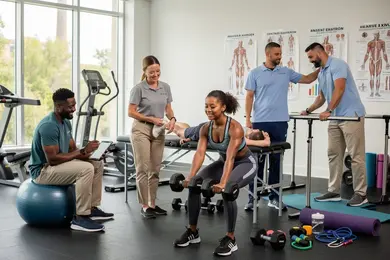
Choosing an online exercise science degree with a sports performance focus requires scrutinizing how programs balance theoretical knowledge with essential hands-on experience. Employers in strength and conditioning, rehabilitation, or athletic training prioritize candidates who have secured practical hours through internships or clinical placements, a significant hurdle for many distance learning exercise science programs in sports performance. Programs that lack local internship access or robust practicum arrangements risk graduates facing delays in job market integration and diminished employer confidence.
A strategic evaluation should consider whether a program provides:
- Opportunities for supervised fieldwork in sports or clinical settings near the student's location
- Preparation aligned with industry certifications like the CSCS credential
- Faculty with current professional engagement in sports performance research or practice
Curricula often emphasize human physiology, biomechanics, and nutrition tailored to athletic outcomes, yet the online format challenges maintaining exposure to real-world training demands. For example, prospective collegiate athletic trainers must exceed basic coursework with verified practical experience, which can limit purely remote program effectiveness.
Data from Educations.com's database shows 188 sports science degree programs nationwide, signifying broad options but varying quality and market relevance. Prospective students weighing this path should also review competitive hiring practices that favor candidates demonstrating applied competencies and local network ties.
The full scope of programs serving working professionals seeking a distance learning exercise science degree in sports performance can be explored in detail at exercise science degree online.
How do online sports performance programs compare to campus-based exercise science degrees?
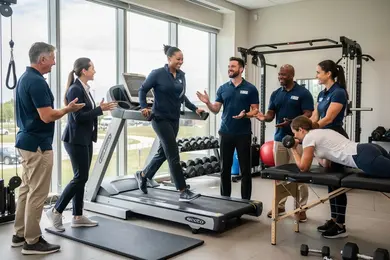
Online sports performance degrees versus campus exercise science programs present a clear tradeoff: while online formats deliver theoretical foundations efficiently, they rarely integrate the supervised, experiential learning that employers in client-facing roles demand. Students pursuing online exercise science with sports performance concentrations often must independently secure local internships or practicums to demonstrate applied skills. Conversely, campus-based degrees embed hands-on labs and direct access to training facilities, fostering consistent applied experience crucial for positions involving real-time performance analysis or equipment use.
The labor market outlook amplifies this divide. The demand for fitness trainers and instructors is projected to grow 14% from 2023 to 2033, far exceeding average occupational growth, according to Bureau of Labor Statistics data cited by Eastern Oregon University. This growth favors candidates who pair academic competence with validated practical skills, a combination more reliably attained through campus programs.
For working professionals, online degrees offer flexibility to update credentials without disrupting employment, yet they require strong self-direction to meet certification requirements through external fieldwork. Employers in niches like collegiate sports or clinical rehabilitation tend to prefer campus-trained graduates for entry-level roles due to verifiable hands-on readiness.
Strategically, those aiming for research or managerial careers in exercise science might find online options sufficient, while individuals targeting athletic training or therapy should consider the immersive training of campus programs essential for immediate employability. Evaluating programs through this prism aligns educational choices with both short-term workforce entry and long-term career trajectories. For broader context on practical educational paths, see the insights on an environmental science degree.
Are online exercise science degrees with sports performance concentrations properly accredited?
Employers in sports performance roles consistently prioritize candidates holding degrees from accredited programs because accreditation validates educational quality and readiness for national certifications. Online exercise science degree accreditation standards are not uniform; programs accredited regionally by agencies like the Higher Learning Commission or Southern Association of Colleges and Schools ensure graduates meet institutional rigor that supports credentialing opportunities in roles such as strength and conditioning coach. Without such accreditation, graduates risk encountering barriers to certification and lower wage prospects, given salaries ranging from $46,480 for strength and conditioning coaches to $57,120 for recreational therapists, based on government labor data.
Accreditation critically influences federal financial aid eligibility and employer perceptions, which can vary even within the same institution's offerings depending on specialized sports performance approval. Students should carefully assess accredited online exercise science sports performance programs to avoid investments in questionable degrees that may lack practical training aligned with industry standards.
For those considering a career pivot or advancement in exercise science, confirming program accreditation and course rigor can directly impact employability and certification success. This practical vigilance contrasts with general online degree choices, as it mitigates risks of wasted time and financial resources.
Those interested in parallel advanced studies might reference data science PhD online pathways to evaluate interdisciplinary options supporting long-term career versatility.
What admission requirements do online exercise science programs with sports performance tracks have?
Admission to online exercise science programs with a sports performance concentration hinges on meeting specific academic and experiential thresholds that directly impact employability. Undergraduate entry typically requires a high school diploma or equivalent, alongside standardized test submissions, although some programs are shifting toward holistic reviews emphasizing prior academic and professional experience rather than only SAT or ACT scores. Graduate-level admission demands a related bachelor's degree with a 3.0 GPA minimum, often supplemented by professional experience in athletic training or coaching to offset academic constraints.
Programs enforcing prerequisite coursework in biology, anatomy, or kinesiology reflect employer expectations for proficiency in human physiology, crucial for careers in strength and conditioning or as exercise physiologists. Candidates lacking these foundational credits must complete them before advancing, leading to extended timelines and added financial considerations.
Letters of recommendation and personal statements remain vital for assessing applicants' capacity to manage rigorous science coursework and align career goals with the sports performance concentration entry criteria. Prospective students should anticipate a multi-step admission process, including application review, prerequisite verification, and financial planning-all subject to regional workforce licensing requirements that shape employment eligibility.
Financial stability in tuition is significant; for example, Liberty University's online graduate tuition increased less than 5% over the past decade, placing it in the top 35% for affordability among competitors by 2025. Such predictability matters for working professionals managing income during transition periods.
For individuals exploring advanced specialization, consider comparing related paths such as masters in data science online to evaluate tradeoffs in cost, market demand, and skills applicability.
What core courses and concentrations are included in online sports performance curricula?
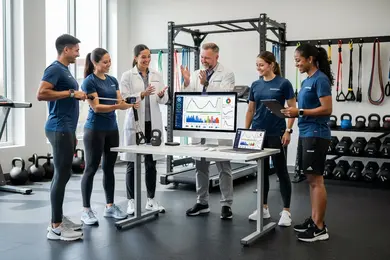
Advanced knowledge in exercise science demands more than theoretical coursework; it requires integrating biomechanics, physiology, nutrition, and motor learning into evidence-based practice. Graduates must be proficient in translating lab data-such as GPS tracking or force plate analyses-into actionable training modifications that reduce injury risk and enhance performance across varied athlete populations. For example, a collegiate strength and conditioning coach applying these multidisciplinary insights improves program effectiveness while minimizing downtime due to injury.
Programs often emphasize sport coaching concentrations to refine leadership and athlete monitoring skills within current industry expectations. However, a key tradeoff is balancing rigorous scientific foundations with sufficient hands-on experience, as many curricula fall short in practical exposure critical for real-world coaching roles. Cost considerations also influence decisions; Texas State University's online M.S. in Exercise Science - Sport Coaching offers a 36-credit program at $18,017, notably below national tuition averages, which may appeal to working professionals prioritizing return on investment.
Beyond coaching, concentrations such as performance analytics or rehabilitation sciences target specialized roles requiring data interpretation or collaboration with medical teams. Selecting a focus aligned with specific career objectives is essential because the applied skill sets differ substantially:
- Performance analytics suits professional sports settings demanding advanced data analysis.
- Rehabilitation sciences fits strength coaches supporting injury recovery within multidisciplinary care.
How long do online exercise science programs focused on sports performance typically take to complete?
Time-to-completion in online exercise science programs materially shapes career trajectories by influencing when graduates can meet employer expectations and licensure requirements. Bachelor's degrees typically require four years full-time, integrating foundational sciences, kinesiology, and sports-specific coursework. Professionals balancing employment often extend this to three-to-five years part-time, accommodating work but delaying credentialing and practical experience accumulation.
Associate degrees usually last about two years full-time, offering a faster pathway to entry-level roles or transfer options but limiting immediate advancement potential without further study. Graduate certificates and master's degrees focused on sports performance generally span one to two years but are less frequently available as fully online options designed explicitly for this niche.
These program durations directly affect workforce alignment. The Bureau of Labor Statistics projects 7% employment growth in community health-related roles, with over 4,000 new positions by 2033. However, longer programs with embedded internships or practicums better prepare graduates for clinical or athletic environments demanding applied skills.
Deciding between these formats hinges on one's current professional status, financial flexibility, and long-term goals in a labor market where both practical experience and timely qualification influence employability and advancement prospects.
How much do online sports performance exercise science degrees cost, and what financial aid is available?
Online sports performance exercise science degrees range widely in cost, from about $15,000 to over $40,000 for bachelor's programs, influenced primarily by public versus private institution status and residency. For example, an in-state student at a public university may pay less than half of what an out-of-state or private student incurs. Graduate concentrations often exceed $30,000, significantly increasing the investment, especially when factoring in additional expenses like textbooks and practicum placements.
Financial aid strategies demand careful navigation. Federal Pell Grants reduce upfront costs for eligible undergraduates, but many students rely heavily on federal loans that carry long-term repayment responsibilities tied to income. Scholarships are limited and competitive, making early and thorough applications essential. Employer tuition reimbursement can mitigate expenses for working professionals but usually requires the program to align directly with job duties and sustained employment.
Options like installment plans or GI Bill benefits for military-affiliated students may help, but the crucial tradeoff often lies in lost income during full-time study. Given that exercise physiologists earn a median wage near $50,000 with projected employment growth of 13% by 2030, borrowers must balance debt levels with expected earnings. This is particularly critical where specialized certifications or clinical roles add post-degree costs. Budgeting realistically prevents unsustainable debt and supports viable career transitions in the highly competitive sports medicine sector.
What jobs can you get with an online exercise science degree specializing in sports performance?
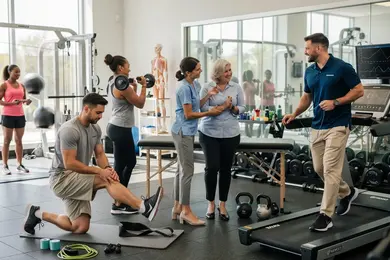
Graduates with an online exercise science degree focused on sports performance often face a bifurcated job market demanding specialized skills beyond general academic credentials. For instance, strength and conditioning coaches at collegiate programs must apply biomechanical analysis and individualized training strategies, positioning themselves differently from athletic trainers or rehabilitation specialists in the same field.
Employment opportunities extend beyond sports teams to corporate wellness and rehabilitation sectors, where professionals craft tailored enhancement programs for populations like first responders or military personnel. These roles typically require additional certifications to satisfy clinical standards and employer expectations, emphasizing the degree alone is seldom sufficient.
The financial burden of advanced sport science education-averaging $30,780 annually in graduate tuition as of 2025-requires candidates to weigh costs against realistic salary prospects and tangible career outcomes. Networking within programs that offer internships or employer connectivity can significantly improve job placement, offsetting the investment.
Disparities in facility resources and technology use are notable: high-level programs prioritize expertise with data analytics and wearable tech, while community or secondary education roles demand broader adaptability but usually come with lower compensation. Geographic mobility, credentialing challenges, and alignment of program rigor with labor market demand remain critical variables for prospective students balancing cost, practicality, and long-term employability.
What are the salary expectations and job outlook for sports performance and exercise science careers?
Specialized roles in sports performance and analytics command wages notably above general fitness training, with median annual pay around $46,180 according to the Bureau of Labor Statistics and Eastern Oregon University. This reflects employers' increasing demand for candidates skilled in biomechanical assessment, workload management, and recovery protocols within professional and collegiate sports environments.
Graduates focused on general fitness face limited growth and wage ceilings near median levels, while those integrating sport-specific conditioning, data analytics, or rehabilitation science can secure positions exceeding $60,000 annually. For example, an exercise science graduate emphasizing injury prevention analytics stands a better chance of entering a professional team's support staff compared to someone targeting community gym roles.
The tradeoff lies in educational investment and geographic flexibility. Entry-level roles in public wellness centers are geographically broad but offer modest salaries and require intense client acquisition effort. Conversely, high-performance jobs demand advanced certifications or graduate education and often require relocation to competitive sports hubs.
Working professionals pivoting into sports performance increase employability by supplementing degrees with applied internships, sport-specific credentials, and data-focused training. Employers prioritize tangible outcome improvements in athlete health and performance, so aligning skills to these priorities is essential for upward mobility within the field.
Which certifications or licenses align with an online sports performance exercise science degree?
Obtaining certifications aligned with an online sports performance exercise science degree is essential for accessing competitive roles in collegiate athletics and professional sports. The Certified Strength and Conditioning Specialist (CSCS) and the Certified Exercise Physiologist (ACSM-EP) stand out as industry benchmarks, particularly since employers require them to validate specialized expertise in program design and athlete supervision. For example, strength coaches working with Division I athletes must secure CSCS certification to comply with NCAA hiring requirements and improve job prospects.
Licenses like Certified Personal Trainer or Physical Therapy Assistant may complement an exercise science degree but often demand additional clinical experience or education, limiting their immediate accessibility for many graduates. Online programs typically facilitate certification prep, yet they cannot replace licensing prerequisites, especially clinical hours critical to physical therapy roles.
The cost structures for non-traditional and military-affiliated students notably affect enrollment decisions. Concordia-St. Paul offers a military tuition rate of $250 per credit versus $420 standard, reflecting the financial barriers posed by certification readiness, which often requires dedicated training credits or supervised practice hours.
Graduates must also account for ongoing recertification costs and continuing education demands, which vary significantly by credential and sector. Without these certifications, an exercise science degree is frequently seen as foundational but insufficient for advanced employment in sports performance fields.
Other Things You Should Know About Exercise Science
Many 2027 online exercise science degrees require a supervised practicum or internship of 120 to 300 hours, often completed in a local fitness, athletic, or rehabilitation setting. Programs usually expect students to document competencies and work under a preapproved site supervisor, even when coursework is fully online.
Specializing early with a sports performance concentration narrows your expertise but can limit versatility for other exercise science roles. Broad programs offer flexibility across rehabilitation, wellness, and fitness careers but may weaken your candidacy for sports-specific positions. For career advancement in athletics or strength and conditioning, prioritize specialization, but if you seek diverse employment options, maintain a broader focus.
Online programs often require more self-discipline, as students must independently manage study schedules alongside practical tasks without immediate campus support. The workload timing can flex around professional or personal obligations, but asynchronous learning demands strong time management. Students balancing jobs or training should favor programs with clear structure and robust academic support to mitigate dropout risks and maintain skill acquisition consistency.
References
- Top 50 On-Campus Bachelor’s in Sports Science Degree Programs https://www.sports-management-degrees.com/best-sports-science-bachelors/
- Home https://www.scienceforsport.com/
- Sports Performance Course https://trainkilo.com/products/sports-performance-course
- New Online M.A. in Exercise and Sports Science Concentrations https://www.uws.edu/blog/uws-offers-new-online-masters-exercise-sports-science-concentrations/
- Academy’s Bachelor’s Degree in Strength and Conditioning Recognized by Learn.org | United States Sports University https://restore-ussa-edu.mystagingwebsite.com/news/academys-bachelors-degree-in-strength-and-conditioning-recognized-by-learn-org/
- Kinesiology vs. Exercise Science vs. Sport Performance https://www.pointloma.edu/resources/health-sciences/kinesiology-vs-exercise-science-vs-sport-performance
- Exercise Physiologist https://acsm.org/certification/get-certified/exercise-physiologist/
- Exercise Science Degree Programs & Career Guide 2025 https://www.nutritioned.org/exercise-science-degree/
- Sports Performance - Forest Lawn High School https://forestlawn.cbe.ab.ca/sports-performance
- Online Exercise Science Program https://stmary.edu/online-programs/exercise-science.html