2027 DNP Clinical Placement Tips

Co-Founder and Chief Data Scientist
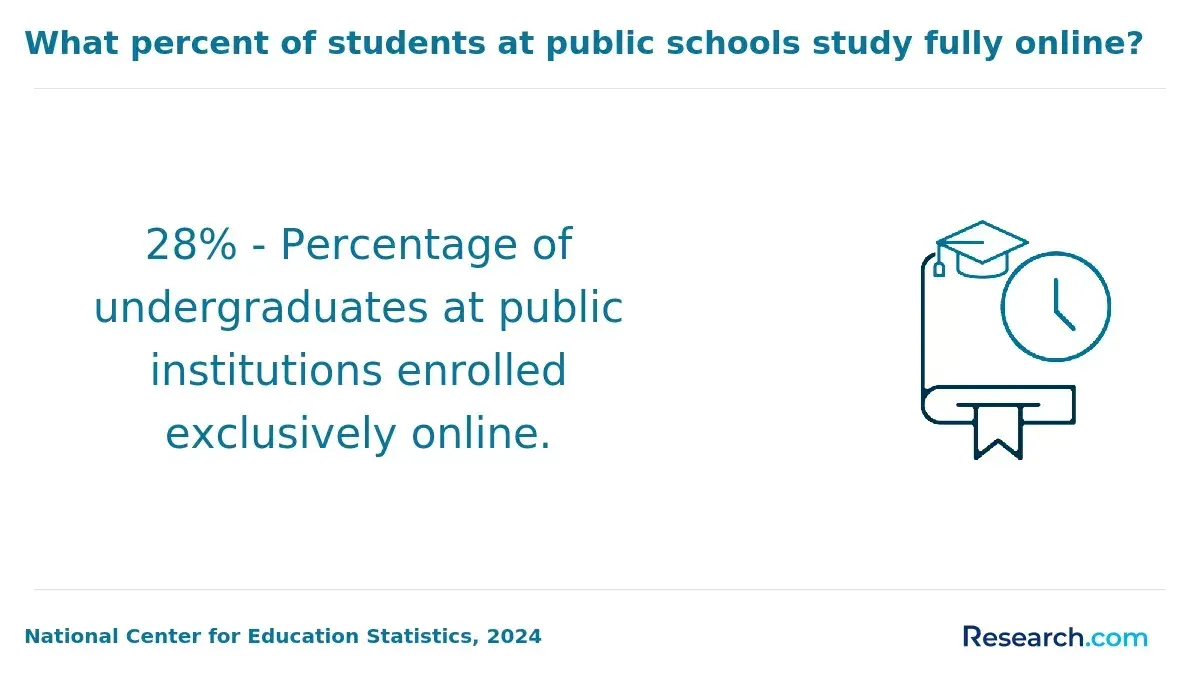
Striking a balance between a demanding clinical placement and full-time employment challenges many DNP students navigating today's healthcare education landscape. With 62% of advanced nursing students pursuing online or hybrid programs, according to the National Center for Education Statistics, the need for flexible placement options grows, yet clinical sites often remain rigid and overbooked.
These bottlenecks slow progress and complicate timely graduation, limiting career mobility in a field increasingly driven by workforce shortages. This article breaks down actionable strategies to secure, optimize, and succeed in clinical placements, addressing scheduling conflicts, site selection, and preceptor alignment that directly impact educational trajectory and employment outcomes.
Key Things You Should Know
- Over 40% of DNP students face placement delays linked to clinical site saturation, per 2024 AANP workforce data, forcing costly program extensions or specialization compromises that extend graduation timelines.
- Employers increasingly require placements involving telehealth competencies; missing this reduces hireability by 25%, according to 2024 AACN employer surveys, pressuring students to prioritize certain clinical environments.
- Programs charging additional fees for out-of-network clinical sites raise total costs by an average 15%, straining budgets and often limiting site selection options, as revealed in 2024 NCES higher education expenditure reports.
What are the most important factors in securing strong DNP clinical placements?
Securing clinical placements for DNP students requires initiating site negotiations at least six months ahead to avoid poor preparedness - a notable concern as one in four nursing students report low readiness for initial placements. Early engagement enables precise alignment of clinical goals with site specialties, ensuring relevant practical exposure. This careful site matching, paired with strong clinical site partnerships for DNP students, improves both skill acquisition and employability.
Placement quality depends heavily on affiliations with recognized health systems or academic medical centers. Urban hospitals offering complex caseloads suit candidates targeting leadership in acute care, while community clinics provide critical experience in population health management. These distinctions reveal operational tradeoffs related to career focus and workforce demand.
Logistics impact clinical success: proximity to residence, availability of qualified clinical supervisors, and site capacity to support advanced practice prevent delays in meeting clinical hours and graduation timelines. Effective communication strategies with clinical preceptors are essential for resolving scheduling conflicts and managing required documentation like background checks and immunizations.
Employers increasingly seek documented contributions to quality improvement or leadership during placements, best captured through formal evaluation tools. Students targeting optimized clinical experiences may also investigate MSN to DNP online programs for integrated coursework and site coordination options, balancing academic demands with clinical exposure.
How do DNP clinical placements work in online versus campus-based programs?
The operational dynamics of how DNP clinical placements differ between online and campus programs present clear practical tradeoffs affecting student experiences and career trajectories. Online DNP candidates must independently secure clinical sites that satisfy program standards, often near their residence or workplace. This autonomy enables alignment with specific employer settings or regional health systems but demands rigorous validation of site quality, supervisor credentials, and program compatibility.
In contrast, campus-based programs typically manage clinical placements through established partner networks, reducing logistical burdens and ensuring standardized supervision, though potentially limiting site diversity. Key factors affecting DNP clinical placement experiences in online versus traditional programs include site selection control, supervisory consistency, and feedback mechanisms.
A 2024 analysis by a healthcare education research consortium revealed significant variability in clinical placement quality, tied mainly to supervisor expertise and patient populations. Online students face prolonged placement timelines balancing site proximity with qualified supervision, which may delay degree progress. Employers increasingly emphasize verifiable clinical rigor, posing documentation challenges for online graduates compared to those from campus-based pathways offering standardized clinical oversight.
This context makes weighing placement realities critical when selecting program formats, especially for leadership roles requiring documented advanced practice competencies. Prospective students aiming to minimize tuition costs may explore the cheapest online nursing PhD programs as part of their broader educational strategy.
How can DNP students find and evaluate quality preceptors and clinical sites?
Securing high-quality clinical preceptors for DNP students demands early, targeted engagement due to widespread constraints on preceptor availability-most accept only one student, which narrows options significantly. The strategic value of networking through professional associations, healthcare organizations, and academic faculty cannot be overstated; such connections often dictate placement viability and pace of approval.
Evaluating clinical site options for DNP placements involves more than location convenience. Prioritize preceptors with clinical expertise aligned to your specialty and a demonstrable history mentoring doctoral nursing candidates. Their current certification status and ongoing education participation are key quality indicators that affect both mentorship rigor and clinical exposure depth.
Site selection should weigh patient population diversity and the degree of technology integration. For example, a DNP candidate focusing on primary care gains far more from an outpatient clinic with robust electronic health records than from a site with limited patient volume or outdated infrastructure. These factors impact skill development and long-term employability.
Logistical considerations such as proximity and scheduling flexibility also influence practical feasibility, particularly for working professionals balancing responsibilities. Sites affiliated with large hospital systems offering formal placement agreements can reduce administrative delays.
- Network intensively through professional groups and faculty to access scarce preceptor opportunities.
- Vet preceptors based on specialty relevance, credentials, and mentoring record.
- Choose clinical sites offering diverse caseloads and up-to-date technology for practical skill development.
- Consider site location, scheduling flexibility, and institutional partnerships to mitigate logistical challenges.
Those exploring an easiest FNP program might note that preceptor availability and clinical site quality significantly differentiate programs beyond nominal curriculum simplicity, reinforcing the importance of deliberate clinical placement evaluation strategies.
What clinical hour and placement requirements should DNP programs help students meet?
Effective DNP programs require students to complete at least 1,000 post-baccalaureate clinical hours that focus on direct patient care and demonstrable skills in evidence-based practice, healthcare policy, leadership, and interprofessional collaboration. Meeting these clinical hour requirements for DNP programs is essential to ensuring graduates are job-ready, particularly within their chosen specialties. For example, a cardiology-focused student must accumulate clinical hours specifically in cardiology settings rather than generic units to avoid prolonged onboarding or limited roles upon employment.
Placement site criteria for DNP students demand access to diverse clinical environments tailored to specialty tracks such as primary care, acute care, or psychiatric-mental health. This specificity aligns training with workforce demands and employer expectations, mitigating common hiring barriers related to inadequate clinical preparation.
Programs face logistical challenges including securing qualified preceptors and adhering to state licensing requirements. The American Association of Nurse Practitioners' nationwide network of 385,000 licensed nurse practitioners offers valuable support by expanding placement options and mentorship, crucial in underserved areas.
Accurate documentation of clinical hours combined with structured reflective practice prepares students for board certification and employer validation of skills. Failure to meet rigorous clinical hour thresholds or placement diversity can delay graduation and restrict employability, especially in specialized care institutions.
Students exploring specialized pathways may consider shortest post master's PMHNP online programs when seeking accelerated options with targeted clinical experiences.
How does nursing program accreditation affect DNP clinical placement options and licensing?
Accreditation status critically shapes clinical placement opportunities and licensure eligibility in nursing programs by ensuring alignment with state and federal regulatory expectations. Students enrolled in unaccredited Doctor of Nursing Practice (DNP) programs frequently encounter restricted access to clinical sites, as many healthcare providers mandate affiliation with accredited institutions to validate clinical hours. This barrier can delay or even prevent licensure because boards often reject clinical experience documentation lacking recognized accreditation.
Consider a typical scenario where a DNP student at a non-accredited program faces delayed clinical placement due to absent institutional agreements. Unlike programs with recognized accreditation, the student must navigate limited options and may endure prolonged timelines to meet clinical hour requirements. This delay poses tangible risks to timely graduation and workforce entry.
Key operational realities include:
- State-specific licensure rules that often demand clinical experience from regionally or specialized accredited programs.
- Institutional clinical placement protocols necessitating early submission and thorough documentation, such as the University of Arizona's 2025 procedure requiring advance placement approval.
- Employer verification of accreditation, which directly influences hiring decisions and long-term employment prospects.
Prospective DNP candidates should rigorously verify program accreditation compatibility with their target state's Nurse Practice Act and workforce demands before enrollment. This forethought reduces risks of costly re-education or rejection of licensure applications post-graduation.
What strategies help DNP students balance clinical rotations with work and family?
Securing clinical placements early is essential for DNP students balancing full-time healthcare work and family obligations, as delays in affiliation agreements can stall approvals for 2 to 4 weeks or longer. This uncertainty requires parallel planning to identify alternate clinical sites to maintain consistent scheduling and reduce the risk of disruption.
Consider a nurse practitioner working 36 hours per week who negotiates a temporary 24-hour schedule during clinical rotations, allowing necessary clinical hours without risking burnout or compromising family care. Such arrangements depend on transparent communication with employers and clear understanding of leave policies and pay adjustments to align workforce availability with academic demands.
Block scheduling of clinical rotations concentrates time commitments, mitigating prolonged juggling of professional and caregiving roles. Telehealth clinical opportunities further enhance flexibility by cutting commute time and allowing more concentrated focus during clinical intervals.
Effective time management also involves integrating all work, clinical, and family commitments into digital calendars, enabling early conflict detection. Support networks-family assistance or hired help-are critical to manage household responsibilities during peak clinical phases.
These strategies reflect the operational realities faced by students pursuing DNP who must navigate employer expectations, clinical placement unpredictability, and personal obligations simultaneously for sustainable success.
How do DNP students navigate affiliation agreements and site onboarding processes?
Delays in securing clinical placements frequently cause setbacks for DNP students, impacting not only graduation timelines but also employment readiness. Administrative hurdles-such as legal reviews, liability insurance verification, and credentialing-create bottlenecks that cannot be bypassed by students alone. Research from 2024 indicates that site-finding delays contribute to nearly 30% of placement issues, emphasizing the need for early engagement and comprehensive preparation.
Effective strategies include:
- Starting site discussions at least three months before planned clinical dates to accommodate contract negotiations and compliance checks.
- Maintaining current immunizations, malpractice insurance, and background checks to avoid onboarding delays.
- Clarifying onboarding requirements upfront, since hospitals, specialty clinics, and outpatient centers each impose unique protocols.
- Utilizing the clinical coordinator's network to find sites with existing university affiliations, reducing administrative complexity.
For example, acute care hospitals require additional electronic health record training and security clearances that extend onboarding by four weeks or more, while smaller affiliated clinics may complete onboarding within two weeks. This variation affects how students balance clinical hours with coursework and influences strategic site selection.
Failing to synchronize with these processes risks delayed placements and slower workforce entry. Approaching affiliation agreements with the same rigor as academic responsibilities better positions DNP students to meet employer expectations for timely credentialing and clinical competence validation.
What should DNP students know about securing placements in specialized practice areas?
Securing clinical placements in specialized DNP practice demands initiating requests three to six months ahead due to limited slots and rigorous credentialing, as shown by the University of Arizona's 2025 placement protocols. Students targeting areas like pediatric oncology or rural telehealth must navigate capacity constraints and submit comprehensive documentation early, including immunization records and malpractice insurance, which can extend processing times and disrupt timelines.
Employers in niche fields expect candidates to demonstrate hands-on skills closely aligned with specific protocols rather than generic clinical exposure. For example, anesthesia-focused students need access to accredited simulation-based training sites separate from general hospital rotations. This specificity affects placement success and subsequent employability, illustrating the importance of strategic site selection.
Tradeoffs become evident when balancing location preferences against specialty availability. Rural primary care placements often offer fewer options but integrate telemedicine, a skill set rising in workforce demand. Maintaining detailed communication logs with clinical sites and meeting institutional deadlines is vital; falling behind can result in lost opportunities to better-prepared peers, directly impacting access to competitive fellowships and employment pipelines.
- Specialized placements require early application and thorough documentation.
- Hands-on skills aligned with employer protocols trump broad clinical exposure.
- Location versus specialty availability presents strategic tradeoffs.
- Rigid adherence to timelines influences placement and fellowship prospects.
How do clinical placements influence DNP career pathways, roles, and salary potential?
Clinical placements directly influence the professional trajectory and market viability of DNP graduates by defining the experiential scope essential to entry-level and advanced roles. For example, a student embedded in a large hospital system with interdisciplinary mentorship gains competencies positioning them for higher-paying advanced practice roles compared to peers limited to smaller clinics with minimal supervision.
Post-graduation roles such as nurse practitioner or healthcare policy advisor depend heavily on competencies acquired during supervised clinical hours. Data from Show Up Ready to Learn demonstrate that placements offering structured, high-quality supervision improve clinical readiness and student confidence, thus aligning with employer expectations for workplace performance.
Salary differentials-often a 10% to 20% premium-reflect employers' preference for candidates validated through measurable competency evaluations and practical readiness. These employers mitigate training risk by selecting graduates proven in environments prioritizing mentoring and collaborative practice.
To strategically optimize career outcomes, prospective DNP students should:
- Seek placements in institutions with rigorous, evidence-based supervision frameworks.
- Engage diverse clinical environments to develop adaptable skill sets tailored to targeted roles.
- Prioritize clinical sites providing clear metrics of competency aligned with real-world employer standards.
Choosing placements with this operational awareness helps avoid underemployment risks and misaligned specialty decisions, ensuring that investment in graduate education translates into sustainable labor market advantages.
What questions should applicants ask schools about DNP clinical placement support?
Clinical placement availability directly influences a student's ability to complete a DNP program on schedule, especially in locations where hospital partnerships and preceptor capacity fluctuate rapidly. Programs that only assist rather than guarantee placements introduce risks of delayed graduation or additional costs when alternatives must be sought last-minute. For example, urban hospital systems may have limited slots, meaning without reserved student placements, competition intensifies and timelines extend.
Key operational details include the number of active clinical sites partnered with and how many seats are secured exclusively for enrolled students. This data clarifies placement probability and aligns expectations. Students focusing on specialized tracks such as oncology or critical care require programs with targeted negotiation support, since these niches experience more intense placement competition than general primary care pathways.
Effective programs establish clear timelines and early notification about clinical site assignments to help students coordinate personal and professional commitments. The current placement guidance recommends maintaining at least one backup site to avoid gaps caused by preceptor withdrawals, a common disruption in competitive systems. Whether students must identify backups themselves or receive institutional support is a significant differentiator.
Transparent reporting on recent placement success-such as rates of first-choice site assignment and reassignment frequencies-indicates program reliability. Beyond completion, alignment with employer expectations for meaningful, career-relevant clinical experiences strongly impacts employability postgraduation in specialized DNP roles.
Other Things You Should Know About DNP
Completing clinical placements outside a student's home state is possible but often requires navigating state-specific licensing regulations and institutional agreements. Students must verify that their program's affiliation agreements cover the intended clinical site and that supervisors meet state board qualifications. Prioritizing placements within states aligned with intended practice ensures smoother licensure transfer and employer recognition after graduation.
In 2027, DNP students can manage clinical workload by prioritizing time management, utilizing organizational tools, and seeking mentorship. Balancing these tasks with academic responsibilities is crucial for maintaining performance and achieving professional goals during clinical placements.
Yes, choosing clinical sites within healthcare systems or specialties that match career objectives improves familiarity with relevant protocols and networking opportunities. This alignment increases employability post-graduation and accelerates skill acquisition in targeted practice areas. DNP students should evaluate clinical options strategically based on where they intend to practice rather than convenience alone.
A preceptor with advanced credentials but limited availability may provide less hands-on mentorship, while a highly engaged preceptor without top-tier qualifications might offer deeper guidance and feedback. For best outcomes, students should prioritize preceptors who balance recognized expertise with active teaching commitment, as engagement directly impacts clinical learning and professional development.
References
- 8 Ways to Optimize School/Life Balance for Nursing Students | Bolivar Technical College https://www.bolivarcollege.edu/8-ways-to-optimize-school-life-balance-for-nursing-students/
- Should I Get My DNP? 5 Key Considerations for Nursing Professionals https://www.nphub.com/blog/dnp-vs-msn-guide
- How Much Can You Earn With a Doctor of Nursing Practice (DNP)? https://www.allnursingschools.com/dnp/salary/
- Strategies for Achieving Work-Life Balance for Nursing Students - LNA Health Careers https://lnahealthcareers.com/strategies-for-achieving-work-life-balance-for-nursing-students/
- How Online Clinical Placements Actually Work for Nursing Students https://www.collegetransitions.com/blog/how-online-clinical-placements-actually-work-for-nursing-students/
- Online FNP Programs vs. Campus-based FNP Programs https://www.nursepractitionerlicense.com/aprn-guide/online-fnp-programs-vs-campus-based-fnp-programs/
- The Complete Guide to DNP Programs: Online, Campus, and Hybrid https://www.onlinefnpprograms.com/guides/guide-to-dnp-programs/
- Nursing Career Paths: 5 Job Opportunities for DNP Graduates https://onlinedegrees.bradley.edu/blog/nursing-career-paths-for-dnp-graduates
- Key Questions to Ask in Your NP or PA Interview https://psdconnect.org/journal/interview-questions-np-pa
- Advancing Your Nursing Career With a DNP https://www.saintmarys.edu/graduate-studies/nursing/nursing-practice/dnp-article