2027 Best Online DNP Programs for Healthcare Systems Leadership

Co-Founder and Chief Data Scientist
Healthcare executives seeking a doctorate in nursing practice must often navigate rigid scheduling conflicts while maintaining leadership roles in complex systems. Over 60% of graduate nursing students now select programs with flexible online components, according to the National Center for Education Statistics. This shift exposes a critical tension: balancing advancing education without pausing career momentum or relocating for campus attendance.
Employers increasingly demand credentials that demonstrate operational leadership and innovative system management, making program delivery methods pivotal to career timelines. This article evaluates top online DNP programs tailored for healthcare systems leadership, focusing on accessibility, curriculum rigor, and career impact to guide strategic enrollment decisions.
Key Things You Should Know
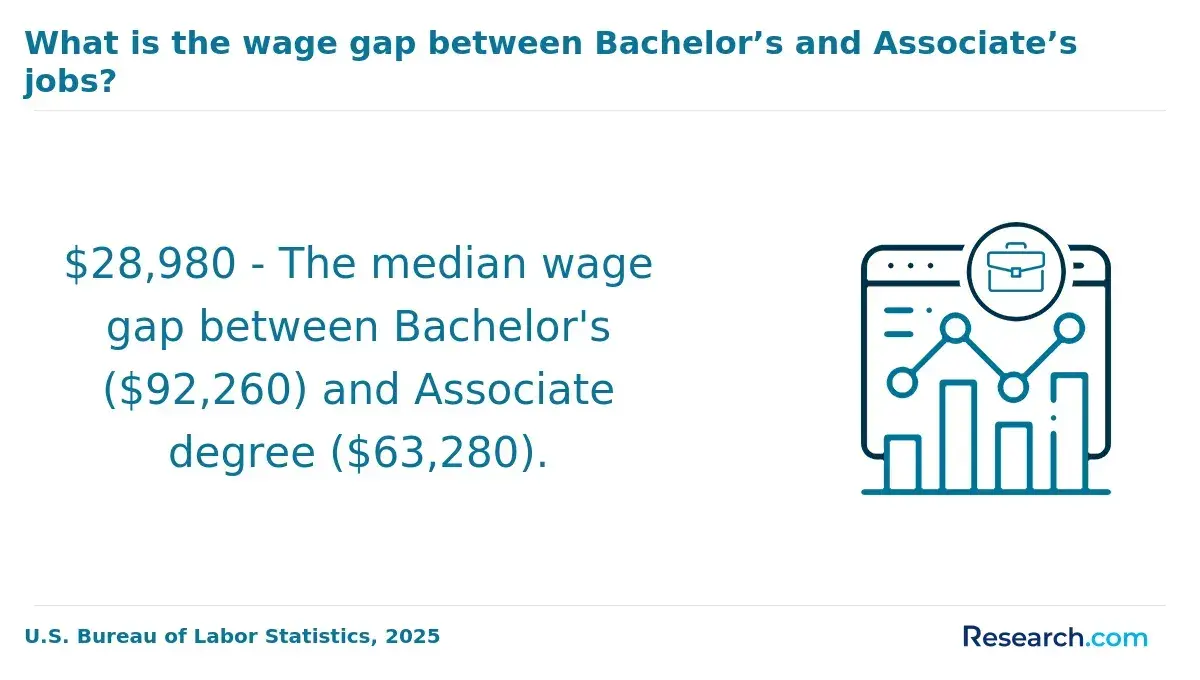
- Post-2024 labor data from the Bureau of Labor Statistics shows healthcare systems leadership roles favored candidates with DNP credentials by 28% higher median salaries, pressuring applicants to weigh accelerated programs against deeper specialization tradeoffs.
- Employer surveys from the American Organization for Nursing Leadership reveal 65% prioritize experiential healthcare system management over pure clinical training, mandating strategic program selections that embed operational competencies.
- State licensure and certification boards increasingly require DNP curricula with 1,000+ practice hours, adding timing and cost burdens that reshape candidate access and prolong educational ROI for working professionals.
What is a DNP in Healthcare Systems Leadership and who is it designed for?
Pursuing a Doctor of Nursing Practice programs for healthcare leadership requires confronting the complex operational and strategic challenges of large healthcare organizations. These programs refine a nurse's capability to manage system-wide reform, combining clinical expertise with organizational leadership, financial acuity, and regulatory compliance. For instance, a nurse overseeing a hospital unit might leverage an online DNP degrees in healthcare systems management to spearhead cross-departmental initiatives that enhance patient outcomes while streamlining operational costs.
The financial burden varies significantly, with tuition per credit in 2025 ranging from $560 to $2,652, underscoring the need to weigh cost against program relevance, reputation, and practical applicability to leadership roles. Employers increasingly expect graduates to demonstrate competence in implementing health informatics solutions, policy guidance amid regulatory shifts, and leading change at scale.
Workload demands often necessitate balancing rigorous coursework, including leadership projects tied directly to workplace improvements, with ongoing roles. This situational tension highlights the importance of workplace support and time management in successful degree completion.
For candidates seeking expedited pathways, a 1 year MSN to DNP program online can mitigate time-to-credential but requires precise alignment with career goals and employer expectations.
How do online DNP in Healthcare Systems Leadership programs work compared to campus options?
Online DNP healthcare systems leadership programs replicate the academic rigor of campus versions but shift critical logistical responsibilities onto students, especially regarding practicum arrangements. Unlike campus programs with built-in clinical placements, online students must proactively coordinate local residencies or practicums to fulfill leadership immersion requirements.
For instance, a nurse executive in a rural hospital might complete practicum hours at their facility while attending virtual seminars-a flexibility rarely feasible in campus-only options given geographic constraints. This highlights a notable operational tradeoff between flexibility and hands-on local supervision.
Employers emphasize evidence-based decision-making and operational expertise demonstrated through applied leadership projects, a standard maintained across online and campus formats. However, differences between online and campus DNP programs in healthcare systems leadership extend to networking opportunities: online formats demand intentional engagement in professional associations or structured cohorts to offset diminished spontaneous interactions, which can impact mentorship and influence building.
Effective time management and self-motivation are non-negotiable in online programs, where lack of fixed schedules risks procrastination. Prospective students should verify program accreditation and confirm the availability of on-site clinical support nearby to avoid delays in clinical completion that can extend graduation. The nationally recognized average annual salary for DNP-prepared healthcare leaders is $165,380, maintaining a $9,000 premium over master's-prepared nurses, a practical consideration when weighing best online BSN programs for non nurses as stepping stones in nursing leadership paths.
What are the key accreditation and state authorization requirements for online DNP leadership programs?
Accreditation and state authorization are decisive factors in evaluating online DNP leadership programs because they directly affect licensure eligibility and clinical placement opportunities. Employers prioritize candidates from programs accredited by the Commission on Collegiate Nursing Education (CCNE) or the Accreditation Commission for Education in Nursing (ACEN), as these accreditations validate adherence to rigorous clinical and educational standards. Without these, graduates often encounter barriers to employment in leadership roles within healthcare systems.
State authorization requirements for online DNP leadership degrees add another layer of complexity. For instance, a nurse residing in California enrolling in a New York-based online DNP program must verify California's authorization to avoid ineligibility for mandatory clinical practicums. Many institutions pursue multi-state authorization under frameworks such as the Nurse Licensure Compact, but these can lapse, delaying graduation and licensure. Students should therefore factor in authorization timelines when planning, especially if their career trajectory involves working across different states or navigating varying nurse practice acts.
The job market for DNP-prepared nurse executives is projected to increase by 20% through 2026, a rate much faster than average compared to other sectors. This growth heightens the emphasis on selecting programs that meet key accreditation criteria for online DNP healthcare leadership programs, since employers are increasingly scrutinizing program legitimacy in operational governance and clinical management roles.
A practical point for prospective students assessing educational pathways is to consider program accessibility alongside credential recognition. For those researching options, exploring what is the easiest NP program might offer insights into streamlined routes, but must be balanced against the operational demands of accreditation and state authorization.
What admission requirements and prior nursing experience are needed for a healthcare systems leadership DNP?
Admission to healthcare systems leadership DNP programs typically demands documented prior nursing experience requirements for DNP programs, reflecting employer expectations for candidates who combine clinical expertise with administrative skills. Most require an active registered nurse license plus a master's degree in nursing or a closely related field, along with 1 to 3 years of direct patient care or leadership experience before enrollment. This prerequisite ensures candidates can manage complex healthcare environments from day one.
Applicants must provide professional portfolios demonstrating leadership, such as managing interprofessional teams or leading quality improvement projects. Minimum GPAs are generally set around 3.0, and while GRE scores are frequently optional or waived, some institutions may request them for competitive admissions. Many accelerated tracks also expect applicants to show advanced project management capabilities.
Tuition variability is significant and impacts decision-making notably. For instance, Baylor University charges roughly $1,250 per credit hour for a 36-credit program (about $45,000 total), whereas programs at Vanderbilt and Johns Hopkins exceed $2,000 per credit. Balancing cost against program reputation and financial aid opportunities is essential, especially for working nurses targeting executive roles. Employer support for clinical hours and practicum placements aligned with healthcare systems management is a practical factor influencing graduation timelines and workplace relevance.
Those lacking a formal nursing graduate degree can opt for BSN-to-DNP leadership programs, though these often require longer completion periods. For nurses interested in alternative entry routes, researching nursing schools without TEAS exams requirement may be useful to strategize initial licensing paths within this competitive landscape.
How long do online healthcare systems leadership DNP programs take and what schedules are common?
Choosing an online healthcare systems leadership DNP program requires balancing time commitment, tuition costs, and employment status, each with tangible effects on career trajectory and financial return. Full-time enrollment often condenses degree completion into roughly three years but may necessitate reduced work hours or temporary leave, impacting income flow. Conversely, part-time paths extend programs to four years, preserving employment but delaying full credential acquisition and potential salary gains.
Programs typically mandate 40 to 43 credit hours, blending coursework, leadership practicums, and a capstone or immersive project. Delivery models favor asynchronous learning to accommodate professionals' schedules, supplemented by occasional synchronous sessions. Hybrid options exist but are less common, and accelerated tracks are rare and generally restricted to candidates with advanced nursing credits or prior leadership experience.
Financially, the wide range in tuition directly shapes decisions. For example, University of Pittsburgh and Johns Hopkins programs charge between $1,595 and $2,057 per credit, culminating in total costs above $70,000. In contrast, Boise State offers a comparable credit load for about $30,000. This cost variance influences whether students opt for shorter, costlier programs or extended, more affordable schedules.
Employers value the practical leadership competencies that come from efficiently progressing through programs without sacrificing ongoing work experience. Therefore, students must weigh:
- Time-to-degree versus impact on current employment
- Tuition investment relative to long-term salary uplift
- Flexibility to maintain professional responsibilities alongside academic demands
What core courses, practicum experiences, and leadership competencies are taught in these DNP programs?
Healthcare systems leadership within 2026 online DNP programs prioritizes skills that directly address the increasing complexity of managing large-scale patient care networks under fiscal constraints. Coursework integrates advanced health policy analysis with practical financial management and data analytics, equipping students to handle real-world challenges like balancing population health outcomes against budget limitations in hospital systems or multi-clinic organizations.
Clinical practicums demand over 1,000 hours focused on leadership interventions that tangibly improve system-wide performance. Examples include redesigning discharge protocols to curb readmissions or coordinating interprofessional teams to enhance care continuity, both of which impact quality metrics that employers scrutinize during hiring and evaluation.
Core leadership competencies cover transformational change strategies, health informatics, ethical decision-making in resource-limited settings, and regulatory navigation. The rise in Arkansas State University's minimum graduate GPA to 3.25 for its DNP leadership program signals a shift toward tighter academic standards reflecting employer preference for candidates who demonstrate both clinical acumen and administrative capability. Graduates positioned to lead evolving healthcare environments must therefore reconcile rigorous academic demands with the need for operational effectiveness.
- Emphasis on translating evidence-based practices into strategic organizational improvements
- Practicum experience as a critical differentiator in competitive job markets
- Leadership education aligned with the regulatory and workforce diversity challenges prevalent in modern healthcare
How much do online healthcare systems leadership DNP programs cost and what financial aid is available?
Tuition for online healthcare systems leadership DNP programs can exceed expectations, with per-credit costs ranging from $1,250 at Baylor University to $2,057 at Vanderbilt University. This disparity means candidates must weigh program prestige and curriculum relevance against financial exposure. For example, a 35-credit program at $2,000 per credit requires $70,000 in tuition, significantly more than $43,750 for the same credits at $1,250 each-an important consideration for students balancing tight budgets.
Working professionals should approach these costs with a focus on total program investment versus expected employer recognition and salary uplift after graduation. Many institutions offer multiple financial aid options including federal loans, grants, and employer tuition reimbursement. In particular, employer support often defines accessibility for full-time healthcare leaders who simultaneously manage family and work responsibilities.
Scholarships tied to organizational sponsorship or demonstrated leadership potential provide targeted relief but are limited and competitive. The financial modeling of such programs must account for:
- Per-credit tuition variability
- Total credits required (generally 30-40)
- Availability and complexity of federal and employer aid
- Potential salary increments linked to the institution's reputation
Prioritizing employer partnerships and exhaustive exploration of aid reduces debt risk. Aligning educational costs with career trajectory demands clarifies whether a higher upfront investment offers a meaningful long-term return within healthcare systems leadership.
What executive and advanced leadership roles can graduates pursue in healthcare systems and hospitals?
Pursuing a Doctor of Nursing Practice focused on healthcare systems leadership positions graduates for roles that combine clinical expertise with complex operational oversight. Positions such as chief nursing officer or system-level executive require managing multifaceted responsibilities including regulatory compliance, staffing budgets, and strategic integration across multiple healthcare settings. A chief nursing officer, for instance, must simultaneously advance quality initiatives while balancing financial constraints-often reporting directly to top administrative leaders, which underscores the leadership gravity demanded in these roles.
These roles typically necessitate completing 36-43 credits, with tuition ranging roughly from $1,595 to $2,057 per credit, culminating in $60,000 to $90,000 in program costs, as indicated by Baylor University data. This investment should be evaluated against the expected workload and decision-making complexity these positions entail, as well as the requirement to manage diverse multidisciplinary teams under stringent regulatory environments.
Critical leadership skills-such as financial acumen, health policy expertise, and organizational behavior understanding-are often embedded in these programs to prepare students for real-world pressures. Prospective students must assess whether the return on investment justifies these costs given that many employer expectations include extensive prior experience alongside graduate credentials.
- Graduates assume responsibility for advancing integrated care models across hospitals and community programs
- Leadership roles demand practical skills in resource allocation and quality improvement
- Balancing program affordability and relevance to local job markets is essential before enrollment
What salary ranges and advancement potential can DNP-prepared healthcare systems leaders expect?
Healthcare systems leadership salaries for DNP-prepared professionals vary notably with experience, employer type, and region. Mid-level management roles in hospital or integrated health systems generally range from $120,000 to $140,000, whereas senior executives in large, complex organizations can earn upwards of $160,000 annually. Federal healthcare agencies and extensive health networks typically provide the most competitive compensation due to operational scale and regulatory demands.
Progression beyond initial leadership often depends on the ability to navigate cross-functional responsibilities, such as managing extensive teams, budgets, and compliance frameworks. For example, a DNP graduate transitioning from clinical leadership to positions like chief nursing officer or chief operations officer can anticipate salary growth of 20% or more within three to five years. Fields like managed care and health informatics particularly value DNP leaders who combine clinical expertise with systems management skills.
Cost considerations remain paramount for candidates balancing work and study. Arkansas State University's online DNP - leadership program charges a flat rate of $560 per credit, totaling $20,160 for all U.S. residents, inclusive of fees. This fixed tuition reduces reliance on loans or employer funding, potentially mitigating financial burden during career shifts.
Employers increasingly demand measurable ROI from healthcare leaders through enhanced operational efficiency and patient outcomes. Prospective students should weigh tuition costs against certification prospects and postgraduation salary data to ensure their chosen program aligns with realistic financial and career advancement goals.
How can prospective students evaluate and choose a reputable online DNP systems leadership program?
Choosing an online DNP systems leadership program requires balancing accreditation, curriculum rigor, and credit load against real-world career needs. Accreditation by agencies like CCNE or ACEN is non-negotiable for ensuring education meets licensure and employer standards. Programs with integrated BSN-to-DNP pathways that offer 66-75 credits over about three years full-time, such as the University of North Carolina's online Health Care Leadership Administration track, align more realistically with the schedules of working nurses targeting leadership roles.
Key considerations include how well the curriculum addresses applied leadership challenges in healthcare systems, incorporating topics like health policy, informatics, finance, and organizational management. Employers increasingly expect graduates to manage complex systemic issues and lead quality improvement initiatives, which demands hands-on project experience or residencies focused on hospital administration or population health.
Working nurses face tradeoffs between program intensity and flexibility. Part-time options may extend completion beyond three years, potentially delaying access to executive roles. Without sufficient credit depth and leadership exposure, graduates may find limited upward mobility despite completing a DNP.
For example, a full-time nurse in a large health system needs a balance of flexible pacing and a robust leadership curriculum to pivot into executive positions without sacrificing their current job. Examining completion rates and alumni employment outcomes provides insight into which programs realistically deliver this balance.
Other Things You Should Know About DNP
Online DNP programs often demand the same academic rigor but require more self-discipline due to limited real-time interaction. Coursework, leadership projects, and practicum hours remain intensive, making time management critical. Students should prioritize programs with structured schedules and accessible faculty support to avoid extension or burnout during a full-time job.
While a DNP can enable entry into higher-level executive roles that typically pay more, salary gains vary widely by region and employer. Unlike specialized clinical doctorates, the DNP in leadership may not guarantee immediate salary increases without demonstrated leadership impact. Candidates should target employers with explicit salary ladders for DNP-prepared leaders to ensure financial advancement aligns with degree investment.
Choosing a DNP in healthcare systems leadership means focusing on administrative competencies rather than direct patient care expertise. This narrows clinical practice options but broadens opportunities in healthcare administration, policy, and system redesign. Prospective students must weigh their career goals carefully; those seeking hands-on clinical roles should prioritize clinical DNP programs, while system leadership graduates must prepare for roles emphasizing strategic and operational functions.
References
- How to Advance Your Career in Healthcare: Leadership Positions to Pursue | GHR Healthcare https://www.ghrhealthcare.com/blog/advance-healthcare-career-leadership-positions
- The Value of the DNP; Job Market Outlook/Compensation https://doctorsofnursingpractice.org/forums/topic/the-value-of-the-dnp-job-market-outlook-compensation/
- Transformative Leadership: Systems DNP https://www.rushu.rush.edu/college-nursing/programs-admissions/transformative-leadership-systems
- 50 Best DNP Programs by State https://www.doctorofnursingpracticednp.org/state-by-state-guide-top-picks-for-the-50-best-dnp-programs/
- How Much Can You Earn With a Doctor of Nursing Practice (DNP)? https://www.allnursingschools.com/dnp/salary/
- What is the average DNP salary? | Bradley University Online https://onlinedegrees.bradley.edu/blog/what-is-the-average-dnp-salary
- Online DNP Program https://www.chamberlain.edu/academics/nursing-school/doctor-of-nursing-practice
- Topics in Healthcare Systems Leadership - DNP Program (remote/part-time) | Remote Nursing Jobs https://remotenursingjobs.com/job/topics-in-healthcare-systems-leadership-dnp-program-remote-part-time/
- CCNE DNP Programs & Accreditation FAQs https://www.aacnnursing.org/CCNE-Accreditation/Accreditation-Resources/FAQs/DNP-FAQs