2027 Best Affordable Online DNP Programs

Co-Founder and Chief Data Scientist
Balancing a demanding healthcare career while advancing to a Doctor of Nursing Practice degree presents a unique challenge, particularly when traditional programs require relocation or rigid schedules. As the National Center for Education Statistics reports, over 40% of graduate students enroll part-time or via distance education-a trend revealing a growing necessity for flexible delivery. This shift reflects professionals' priorities around maintaining employment and managing personal commitments without sacrificing educational quality.
For working nurses strategizing career advancement, program structure and cost-effectiveness weigh heavily alongside accreditation and clinical opportunities. This article evaluates affordable online DNP programs that align accessibility, rigor, and affordability to inform precise, outcome-focused enrollment decisions.
Key Things You Should Know
- Median debt for affordable online DNP graduates reached $65,000 in 2024 (National Student Clearinghouse), pressuring candidates to weigh accelerated 1.5-2 year tracks against longer, costlier programs balancing debt burden and credential currency.
- Employer demand for online DNP graduates rose 22% since 2023 per Bureau of Labor Statistics projections, yet hiring biases persist favoring institutional reputation over purely online attainment, complicating workforce integration.
- Completion rates dip below 60% in programs exceeding three years (NCES data), illustrating access constraints where part-time schedules and clinical placement shortages disproportionately delay under-resourced and working nurses seeking affordable pathways.
What makes an online DNP program affordable, and how much can students expect to pay?
Cost per credit in an affordable online DNP program typically ranges from $700 to $2,300, but assessing value requires deeper analysis of total financial outlay, timeline, and program structure. Average student expenses for online DNP programs extend beyond tuition to include technology fees, clinical practicum costs, and graduation charges, often adding thousands to the sticker price. For instance, a 35-credit curriculum at $1,200 per credit may cost $42,000 in tuition alone, but mandatory fees can push total expenses higher.
Employer tuition reimbursement can substantially lower net costs but generally applies only to regionally accredited programs, which influences both financial planning and postgraduation employability. Non-accredited or for-profit options might appear cheaper upfront yet can limit eligibility for financial aid and reduce competitiveness in hiring, especially in specialties emphasizing clinical experience.
From a workforce perspective, practical outcomes hinge on program design with strong clinical placement and employment support, aligning tuition spend with tangible career gains. Shorter, accelerated programs (see shortest DNP program) may charge more per credit but reduce opportunity cost by enabling faster workforce entry, while longer, less expensive paths may inflate total debt and time away from income generation.
When choosing an affordable online DNP program tuition costs must be weighed against these tradeoffs to ensure alignment with career goals and employer expectations in a competitive nursing landscape.
Which online DNP programs offer the best balance of quality, reputation, and low tuition?
Selecting online DNP programs requires weighing program quality, clinical relevance, and financial impact with an eye toward workforce demands. Missouri State University offers a regionally accredited online DNP program priced just under $9,000 total, reflecting a rare combination of affordability and institutional rigor identified by GetEducated among 235 programs at 163 accredited institutions. This best affordable online DNP program with strong clinical reputation enables working nurses to pursue leadership roles while mitigating debt, an increasingly critical factor as healthcare employers scrutinize both credentials and practical experience.
Employers seek graduates who have completed clinically robust programs aligned with current healthcare standards, typically found in state university settings with active faculty involvement in research or clinical practice. For example, a nurse manager transitioning to healthcare administration benefits most from programs offering accelerated yet comprehensive clinical hours coupled with flexible scheduling to maintain employment.
In addition to tuition, candidates must consider total costs including fees and potential travel for residencies, juxtaposed with data on employment rates and salary gains. Public institutions often provide the best value when these factors are balanced. Missouri State's cost-effective online DNP offering leaves nurses the fiscal latitude to pursue supplementary certifications or technology tools essential in digital health environments.
Those seeking quality online DNP programs with low tuition costs can explore detailed comparative data, including broader doctorate pathways such as PhD nursing, to understand how program choices influence long-term career trajectories and market positioning.
How do online DNP programs compare with campus-based options in flexibility, cost, and outcomes?
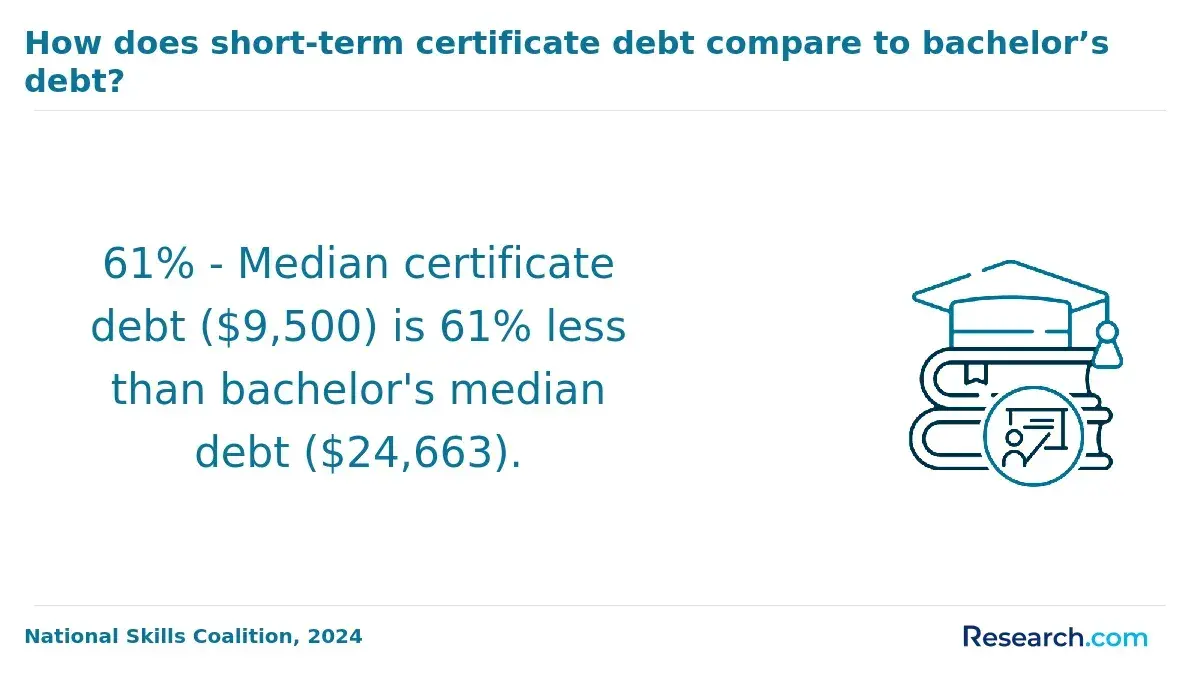
Flexibility in online DNP programs notably surpasses that of campus-based options, allowing working nurses to juggle clinical responsibilities with coursework via asynchronous learning and limited on-site commitments. This flexibility effectively reduces opportunity costs such as unpaid time off or commuting challenges, crucial for those managing irregular shifts or balancing family obligations. Such programs cater especially well to professionals targeting leadership roles in underserved or rural healthcare settings, where immediate skill application is often necessary.
The cost comparison of online and campus DNP programs reveals stark differences. For example, OnlineU ranks the University of Alabama in Huntsville as the most affordable online DNP program at $916 per year-a figure uncommon in traditional campus programs, which can exceed $20,000 annually. This financial advantage, combined with the elimination of relocation or commuting expenses, makes online options strategically valuable for career pivoters or nurses in lower-paying roles seeking advancement.
Outcomes between online and campus options remain comparable when accreditation and clinical training standards are met. However, campus programs often provide stronger faculty interaction and networking opportunities, which may benefit applicants pursuing academic or specialized clinical tracks. Conversely, online candidates must embrace greater self-direction and technology use.
Decision-makers weighing online DNP programs flexibility versus campus-based models should consider tradeoffs including learning style, career goals, and employer expectations. The growing acceptance of online credentials by employers hinges on institutional accreditation and demonstrable competencies. For further insights on cost-effective nurse practitioner pathways, consult FNP online programs.
What accreditation and approval should an online DNP program have for advanced nursing practice?
Without accreditation from the Commission on Collegiate Nursing Education (CCNE) or the Accreditation Commission for Education in Nursing (ACEN), an online DNP program will be ineffective for advanced nursing practice. Such lack of accreditation often leads to licensing roadblocks and employer rejection, as these are primary criteria for vetting credentials. State nursing boards and the American Association of Colleges of Nursing largely recognize CCNE accreditation, which confirms that curriculum content and clinical hours satisfy established national standards for nurse practitioners and other advanced roles. This emphasis on accreditation standards for online DNP programs reflects practical workforce expectations rather than academic formality.
Beyond national accreditation, the program must have state board approval where the graduate intends to practice. For example, a nurse aiming for a California nurse practitioner license must graduate from a program approved by the California Board of Registered Nursing. This approval affects licensure eligibility and delineates the scope of practice. Many applicants overlook this, only to find their degree insufficient for their target state, a critical misstep when evaluating approval requirements for online DNP programs in the United States. Employer hiring panels routinely require these validations to mitigate legal and reimbursement risks.
Affordability is another practical consideration tied to these credentials. NPSchools defines acceptable tuition for a DNP-NP program as up to $57,118 for the 2025-26 academic year; programs above this benchmark may not justify their cost given accreditation and state approval challenges. Prospective students should verify these elements carefully to avoid wasted time and tuition on credentials that won't translate into licensure or employment in their specialty or location.
For those exploring how to be a nurse practitioner, understanding these accreditation and approval requirements offers a clearer path to a viable and recognized career transition.
What are the typical admission requirements for affordable online DNP programs?
The practical realities of affordable online DNP programs reveal critical tradeoffs that candidates must consider against their professional trajectory. Holding a current, unencumbered RN license alongside a master's degree is non-negotiable, but employers typically expect evidence of substantial post-bachelor's clinical experience-often between 500 and 1,000 hours-before advancing to doctoral-level practice. This threshold ensures candidates bring validated, hands-on competence rather than purely academic credentials.
Applicants face documentation demands beyond transcripts: two to three recommendations from supervisors or academic mentors are standard, alongside a personal statement articulating how the DNP aligns with concrete leadership roles or healthcare innovations, not just theoretical interest. Some programs may still require GRE scores, a factor that adds complexity for working professionals balancing time and employer support.
Financially, tuition can range significantly, with reported costs between $327 and $955 per credit and an average program fee around $44,510. This variance necessitates careful cost-benefit analysis, particularly when assessing tuition reimbursement and projected salary uplifts post-completion. Early verification of eligibility and timely material submission is essential to navigate rolling admissions or fixed deadlines without jeopardizing enrollment plans.
- Minimum 3.0 GPA and verified clinical hours establish readiness
- Letters of recommendation and goals essays function as gatekeepers for leadership potential
- Flexible pacing options demand strategic application preparation
- Tuition costs must be weighed against long-term salary impacts and employer aid
How long do affordable online DNP programs take to complete, and what study formats are offered?
Completing an online DNP program typically takes 2 to 4 years, but the timeframe depends heavily on enrollment status and program structure. For working nurses maintaining clinical or administrative roles, part-time study offers necessary flexibility, though it extends completion time. Programs generally require 30 to 40 post-master's credit hours to fulfill accreditation and clinical practice standards set by the American Association of Colleges of Nursing, balancing depth of expertise with practical time demands.
Choosing between fully asynchronous, blended, or hybrid study models involves tradeoffs tied to professional and personal constraints. For example, rural clinicians working night shifts may benefit from fully asynchronous formats that remove scheduling conflicts, while those aiming for leadership roles might prefer cohort-based seminars embedded in hybrid programs to build networks crucial for complex problem-solving.
Financial aid profoundly affects affordability and pacing. At Fort Hays State University, where 96% of students receive aid, maintaining eligibility often requires continuous enrollment and minimum credit loads, influencing overall cost and timeline. Prospective students should weigh how these aid conditions intersect with their capacity to balance work, study, and life demands.
- 2-4 years typical completion time based on enrollment intensity
- 30-40 credit hours post-master's for accreditation compliance
- Study formats cater to varying schedules and professional goals
- Financial aid availability often contingent on enrollment and progression requirements
What core courses, specializations, and clinical requirements do students complete in an online DNP?
Online DNP programs demand a rigorous balance of advanced clinical expertise, healthcare systems knowledge, and leadership capabilities, yet the practical weight of clinical hours often shapes graduates' readiness and market positioning more than coursework alone. Programs require between 1,000 and 1,200 direct patient care hours, typically completed in healthcare settings with limited flexibility for those managing full-time work or family responsibilities. This commitment impacts how realistically working professionals can accelerate or even maintain steady progress.
Specialization tracks-ranging from family nurse practitioner to psychiatric mental health or nurse anesthesia-determine the clinical focus and influence employability within distinct healthcare sectors. For instance, the family nurse practitioner path centers on primary care diagnostics across all ages, while psychiatric tracks prioritize behavioral intervention skills. These curricular differences dictate not only classroom and practicum content but also future job scope and licensure preparation.
Employers prioritize candidates who demonstrate clinical versatility and leadership through diverse patient interaction and evidence-driven decision-making. With over 2,400 online DNP graduates at Fort Hays State alone, the demand for programs that blend flexible delivery with robust clinical site support is evident. Prospective students should weigh how clinical placement assistance, specialization fit, and workload management affect both program completion feasibility and post-graduate job readiness.
Unlike purely theoretical degrees, online DNP clinical components integrate systematic evaluation and project implementation that translate learning into healthcare outcomes, but navigating these practical components often defines student success more than academic rigor.
What advanced nursing roles and practice settings can graduates pursue with an online DNP?
Holding a Doctor of Nursing Practice (DNP) degree positions graduates for varied advanced roles, from nurse practitioners managing chronic care programs to clinical nurse specialists spearheading quality improvements in intensive care units. Each role operates within distinct settings-hospitals prioritize DNP-prepared nurses for executive leadership and complex clinical coordination, while outpatient and community health centers focus on population health and prevention.
Employers increasingly seek DNP credentials due to graduates' expertise in systems thinking and healthcare informatics, skills essential for optimizing clinical outcomes and operational efficiency. However, workforce realities include uneven recognition of the DNP across states and employers, with some limiting clinical autonomy relative to master's-prepared nurses. Candidates must verify state licensure regulations and employer expectations, especially when pursuing leadership or specialized practice within managed care or acute care environments.
The financial dimension is significant: programs like the fully online option from Missouri State University, priced below $9,000 total, are notably more affordable than the national average. This cost differential can make an accelerated or part-time format viable for working professionals but may affect access to clinical practicum experiences and employer sponsorship eligibility.
- Advanced nursing roles vary by setting, demanding specialized clinical and leadership skills.
- Employer recognition of the DNP credential differs significantly, influencing clinical scope and job prospects.
- Cost-effective online programs exist but require careful evaluation of practicum logistics and funding.
What salary ranges and earning potential can nurses expect after completing an online DNP?
Nurses pursuing an online DNP often face a critical balance between upfront educational costs and significant salary gains post-graduation. Salary ranges typically span from about $90,000 to over $140,000 annually, varying by specialization, geography, and employer type. For example, nurse anesthetists frequently earn more than $150,000, indicating that specialization within the DNP field can substantially impact earning potential.
Employment settings heavily influence compensation variability: urban healthcare systems and specialized clinical roles tend to pay more than academic or administrative positions, which trade higher salaries for greater stability. Those focused on population health or policy might initially earn $90,000 to $110,000 but gain leadership interests and income growth over time.
Tuition costs for online DNP programs range between $4,478 and $5,520 annually, a relatively manageable expense for working nurses given the potential salary increase-sometimes $30,000 or more-after obtaining the degree. This aligns with workforce expectations that weigh the return on investment through experience and impact rather than tuition alone.
Technical certifications, licensure expenses, and clinical hours add layers of complexity. Balancing administrative duties with direct patient care can lead to differing income and job satisfaction outcomes. Strategic program choices that emphasize high-demand specialties improve long-term job security and financial returns while acknowledging that not all DNP pathways deliver equal market advantages.
How can prospective students evaluate and choose a credible, affordable online DNP program?
Choosing a DNP program hinges on balancing affordability with tangible career impact, where accreditation by CCNE or ACEN is non-negotiable for employer recognition. Tuition, often between $700 and $2,300 per credit, forms the financial backbone of these programs, typically spanning 30 to 40 credits. Professionals targeting specialized roles, such as acute care or health systems leadership, must weigh program cost against the quality of clinical placements and established healthcare partnerships, as employers heavily weigh hands-on practicum experience linked to reputable networks.
Decision-making should factor in faculty expertise-programs led by faculty active in research and clinical leadership deliver coursework that mirrors evolving evidence-based practice, a crucial asset for navigating complex health systems. Even fully online options tied to institutions with expansive regional clinical alliances provide superior internship and networking opportunities, expanding pathways beyond generic leadership roles to system-level administration or policy influence.
Graduation rates and job placement data matter greatly; low completion or employment outcomes signal risks in return on investment. Flexible schedules with asynchronous formats mitigate opportunity costs for working professionals but must accompany robust technical support and clear library and student services access to prevent setbacks.
Considering total expenses, including fees and employer tuition reimbursement, against expected salary gains ensures financial viability over a career trajectory.
Other Things You Should Know About DNP
Yes, most online DNP programs mandate significant clinical practice hours, typically between 1,000 and 1,200, to meet certification and licensing standards. This requirement limits fully remote study since students must arrange supervised onsite clinical placements, which can be challenging depending on location and employer support. When choosing a program, prioritize those with strong partnerships or flexible clinical placement assistance in your area to ensure a smoother integration with your work schedule.
DNP programs are notably demanding, especially because they combine rigorous coursework with intensive clinical hours and project or capstone requirements. Compared to master's degrees like the MSN, the DNP requires more sustained time commitment and self-directed study. Students juggling full-time jobs should select programs with part-time or asynchronous formats to maintain manageable workload, but must be prepared for an extended timeline and higher overall effort.
Cost alone should not dictate program choice. Emphasize program accreditation, the ability to complete required clinical hours locally, faculty expertise linked to your specialty, and graduation rates. Additionally, evaluate how well the curriculum aligns with your target role, such as leadership versus advanced practice. Prioritizing programs that balance affordability with these criteria ensures your investment translates into meaningful professional leverage.
References
- Most Affordable DNP Online Programs in CA https://dnpcaliforniaedu.org/most-affordable-dnp-programs-in-california/
- Most Affordable Online DNP Programs https://www.phds.me/online-programs/doctor-nursing-practice-dnp/most-affordable/
- The Complete Guide to DNP Programs: Online, Campus, and Hybrid https://www.onlinefnpprograms.com/guides/guide-to-dnp-programs/
- The Best Value DNP Degree Programs for 2025 https://www.doctorofnursingpracticednp.org/the-best-value-dnp-degree-programs/
- AACN Fact Sheet - DNP https://www.aacnnursing.org/news-data/fact-sheets/dnp-fact-sheet
- Online DNP Program https://www.chamberlain.edu/academics/nursing-school/doctor-of-nursing-practice
- Can You Earn a DNP Online? | All Nursing Schools https://www.allnursingschools.com/dnp/online-or-on-campus/
- Affordable Online Doctor of Nursing Practice Programs for Career https://www.duny.edu/the-rise-of-doctor-of-nursing-practice-programs/
- 30 Most Affordable Online Doctor of Nursing Practice (DNP) Degree Programs https://www.bestmasterofscienceinnursing.com/best/affordable-online-doctor-of-nursing-practice/
- Best Online Doctor Of Nursing Practice (DNP) Programs | Grad School Hub https://www.gradschoolhub.com/best/online-dnp-doctor-nursing-practice/