2027 Best DNP Paths for Travel Nurses Returning to Long-Term Leadership Roles

Co-Founder and Chief Data Scientist
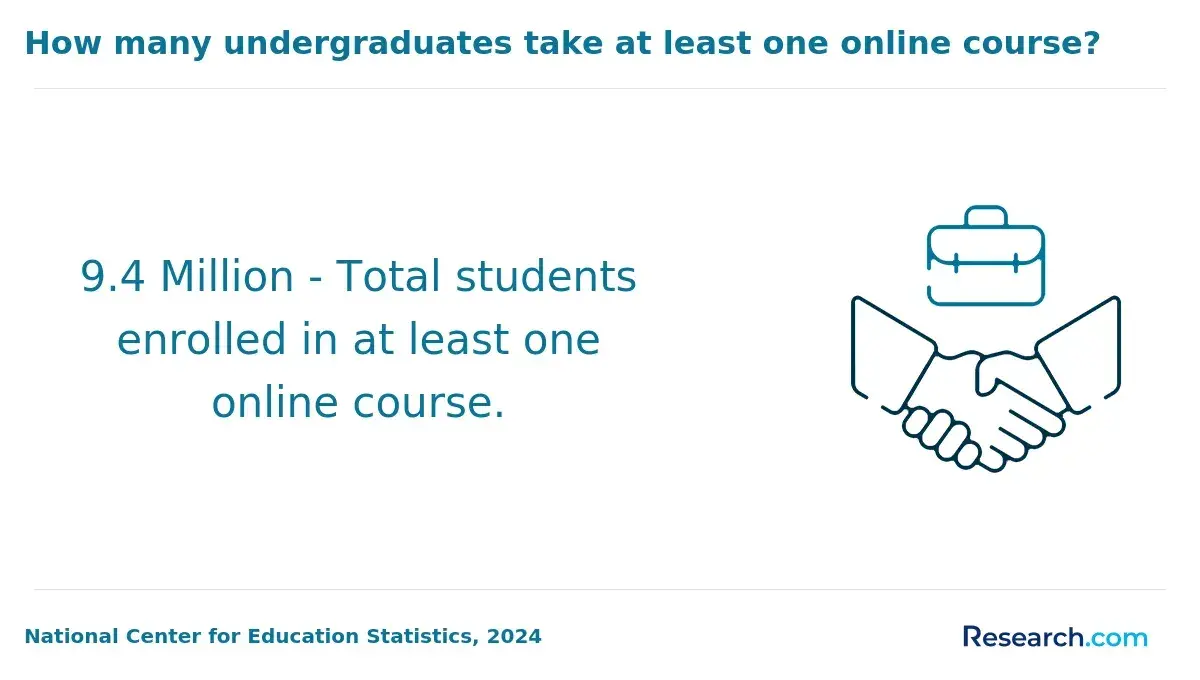
Transitioning from travel nursing back into long-term leadership roles requires more than clinical skill; it demands an advanced practice degree that aligns with shifting workforce expectations and operational complexities. Yet, professionals often face a bottleneck when selecting doctor of nursing practice paths that accommodate their nomadic schedules and leadership ambitions simultaneously. Recent data from the National Center for Education Statistics reveals a 23% surge in online graduate nursing enrollment since 2022, signaling broader acceptance of flexible, asynchronous program models.
This shift indicates growing opportunities but also highlights the challenge of maintaining rigorous leadership preparation within adaptable formats. This article examines the most viable DNP pathways designed to integrate career mobility, leadership readiness, and educational accessibility for travel nurses aiming to reclaim sustained leadership positions efficiently.
Key Things You Should Know
- Post-pandemic long-term care employers prioritize DNP candidates with demonstrated leadership in telehealth integration, but 62% of returning travel nurses report limited access to such specialized training, constraining immediate role fit.
- Current workforce data from the Bureau of Labor Statistics show a 14% leadership vacancy increase in geriatric facilities, pressuring returning travel nurses to pursue leadership-focused DNP tracks versus clinical specialization for rapid employability.
- Cost analysis from the National Nursing Education Database reveals DNP bridge programs reduce time-to-degree by 30%, yet often cut clinical immersion hours, forcing a tradeoff between expedited ROI and comprehensive leadership skill mastery.
What are the best DNP pathways for travel nurses seeking long-term leadership roles?
Travel nurses aiming for long-term nursing leadership careers need DNP pathways that balance executive skills, healthcare system fluency, and flexibility. Programs emphasizing leadership and evidence-based practice better position candidates to shift from transient clinical roles into sustained leadership roles such as chief nursing officer or clinical operations director. Coursework typically includes financial oversight, policy formulation, and organizational behavior, offering practical tools for strategic decision-making.
Given the 22% decline in travel nurse pay since its pandemic peak and a 25% drop in hospital reliance on travel RNs, credentialing through leadership-focused DNP tracks becomes critical. For example, a traveling ICU nurse targeting hospital system management should seek programs integrating immersive leadership residencies and capstone projects solving real operational issues. These experiences enhance employability in permanent leadership pipelines rebuilding post-pandemic staffing.
Tradeoffs exist: DNP pathways centered solely on clinical specialization without leadership modules limit administrative versatility. Travel nurses also must weigh program logistics, prioritizing accredited offerings with flexibility for clinical hours, often through hybrid or online models with local preceptors. Aligning DNP specializations with evolving healthcare demands-population health or informatics-can further improve leadership prospects.
Those considering compact options might explore a 12 month DNP program online to expedite transition into leadership roles without sacrificing quality or recognition.
How does a DNP prepare former travel nurses for nurse executive and leadership careers?
Transitioning from frontline nursing to executive leadership requires a distinct skill set that a doctor of nursing practice (DNP) cultivates by blending clinical insights with strategic acumen. Former travel nurses aiming for nurse executive career paths with a DNP must navigate significant shifts, such as moving from patient-centered tasks to overseeing organizational fiscal and regulatory complexities. For instance, a travel nurse stepping into a chief nursing officer role must balance budgeting pressures, compliance mandates, and workforce stability simultaneously-challenges that DNP programs address through focused training in healthcare economics, policy, and law.
The long-term leadership skills for travel nurses developed in DNP curricula often include data analytics and informatics, enabling evidence-driven decisions in fast-evolving healthcare settings. Employer expectations increasingly prioritize candidates with doctoral-level leadership preparation, especially as the advanced practice nursing workforce is projected to grow 35% through 2034 with over 32,700 annual openings. This demand highlights the practical value of a DNP in bridging clinical practice with executive strategy.
DNP graduates benefit from leadership practicums and quality improvement projects, which provide real-world experience crucial for permanent leadership roles versus episodic travel assignments. Prospective nurses should also consider educational pathways carefully, weighing institutional offerings like affordability and modality options-resources such as online nursing school listings can inform these decisions.

What admission requirements do DNP programs have for experienced travel nurses?
Eligibility criteria for DNP leadership programs targeting experienced travel nurses demand a strategic alignment of clinical tenure and demonstrated leadership competence rather than continuous employment. Candidates typically need a current RN license with at least one to two years in advanced practice or leadership roles and either a BSN or MSN from an accredited institution. Admissions committees emphasize proven management of teams or clinical projects, which may be fragmented due to travel assignments but must collectively show sustained leadership impact.
Practical admission hurdles include balancing prerequisite coursework, such as advanced statistics, with irregular schedules, and securing consistent recommendation letters from temporary clinical supervisors. Evaluation often extends beyond transcripts and GPA (usually around 3.0) to leadership-focused interviews or scenario-based assessments assessing decision-making agility in fluctuating healthcare environments. Professional certifications and health systems knowledge frequently augment candidate competitiveness.
Travel nurse eligibility criteria for DNP leadership programs thus reflect an employer-driven demand for project management and systems-level understanding. This focus aligns with labor market data indicating a 29% employment growth forecast in health services management roles, with median salaries around $110,680 and top tiers exceeding $216,750, according to the U.S. Bureau of Labor Statistics and Duke University School of Nursing.
For nurses evaluating the balance between program rigidity and professional variability, selecting from the cheapest PMHNP programs online may offer flexible pathways that accommodate complex work histories while meeting rigorous admission expectations.
How should travel nurses choose between online and campus-based DNP programs?
Travel nurses deciding between online and campus DNP programs must weigh how each format affects their professional trajectory and day-to-day logistics. Online programs excel in scheduling flexibility, making them suitable for nurses moving frequently or managing variable shifts, but they often shift clinical placement responsibilities onto students, complicating clinical experience acquisition. Campus-based programs, by contrast, offer structured clinical rotations and direct faculty interaction, which are critical for developing leadership networks and securing mentorship essential for administrative roles - a tradeoff favoring candidates focused on long-term management positions over immediate convenience.
For example, a travel nurse maintaining clinical hours may find online DNP tracks challenging due to the need to independently arrange residencies amid transitions across state lines, while campus programs typically facilitate consistent, high-quality clinical opportunities tailored to leadership practice. This operational difference relates closely to how travel nurses decide between online and campus DNP programs based on their clinical experience needs and work-life balance demands.
Employers increasingly seek DNP graduates with proven clinical leadership and integrated professional networks, factors where campus cohorts often have an advantage. Given advanced practice registered nurses earn a median wage of $132,050, balancing academic progress with relevant clinical exposure affects both employability and earning potential.
State licensing reciprocity and clinical requirements further complicate choices. Online programs with broad accreditation can ease cross-state mobility, but campus options may deliver deeper, state-specific guidance. Candidates should assess how each program structure aligns with their geographic flexibility and leadership ambitions.
Travel nurses exploring options must also examine pathways through resources like the nursing school that doesn't require TEAS test, which can impact admissions and scheduling flexibility.
Which accreditation and state licensure factors matter most when selecting a DNP program?
Selecting a DNP program without considering accreditation and state licensure compatibility risks significant career setbacks for travel nurses targeting leadership roles. Accreditation from recognized bodies like CCNE or ACEN directly affects eligibility for state licensure and employer credibility, while unaccredited programs often cause delays or denial of licensing, complicating movement across state lines.
State licensure requirements vary widely, and many travel nurses overlook the impact of Nurse Practice Acts and the Nurse Licensure Compact (NLC). For instance, a nurse licensed in a compact state who completes a DNP program not aligned with non-compact state regulations may face delayed credentialing, barring them from administrative roles in targeted regions.
Employers expect DNP graduates to hold credentials and leadership practicum hours that match their state's regulations. Without this, even advanced degrees fail to open doors, especially when seeking strategic roles requiring immediate board approval. Programs that assist with direct state board applications and have partnerships in states with robust healthcare systems offer a tangible advantage.
From a workforce perspective, executive-level DNP holders earn median salaries near $118,000, with top executives surpassing $219,000 annually, reflecting the premium placed on properly credentialed candidates. Prospective students must weigh the risk of re-education or credentialing gaps if they choose programs lacking clear pathways to state licensure reciprocity or administrative support.
What DNP specializations align best with leadership roles after travel nursing?
Choosing DNP specializations in policy, quality, and systems improvement often positions travel nurses for leadership roles that directly influence healthcare operations and patient outcomes. Roles focused on healthcare management within quality and systems improvement are projected to grow 23% through 2034, a rate well above average, which reflects increased demand for expertise in organizational effectiveness across hospitals, long-term care, and community health settings.
Specializing in health policy enables nurses returning from travel assignments to navigate evolving regulations, reimbursement policies, and compliance structures-critical assets for leadership amid shifting federal and state mandates. Meanwhile, quality improvement tracks emphasize developing evidence-based protocols that reduce errors and enhance patient safety, skills valued in supervising complex or large clinical environments.
Systems improvement expertise is practical for managing workflow coordination and technological integration, especially in settings adopting electronic health records or telehealth. For example, a travel nurse transitioning to a long-term care executive role might use systems improvement training to direct interdisciplinary teams efficiently, balancing cost containment with care quality.
These leadership-focused DNP pathways often require longer, more intensive study compared to clinical specialties, presenting a tradeoff between immediate workforce reentry and strategic positioning for higher-impact roles. Employers tend to prioritize candidates with demonstrable project outcomes tied to quality metrics and policy impact. Prior clinical experience as a travel nurse enhances competitiveness when paired with these leadership and systems-focused DNP tracks.
What coursework and clinical experiences do leadership-focused DNP programs typically include?
Leadership-focused DNP programs equip nurses to manage complex healthcare systems but require balancing advanced theory with operational realities. Coursework in organizational leadership, health policy, financial management, and quality improvement prepares candidates to lead diverse care teams and drive systemic change within settings such as hospitals or long-term care. For travel nurses transitioning to leadership, these programs offer actionable skills rather than abstract leadership models.
Clinical placements embed students in executive or administrative roles where they apply budgeting, workforce management, and regulatory compliance frameworks. For instance, a travel nurse applying DNP leadership skills in a large urban hospital might coordinate performance improvement across multiple units while adapting to changing healthcare regulations-experiences critical to effective executive function.
Additionally, informatics training is integrated to leverage electronic health records and data analytics, a necessary skill set as healthcare demands transparency and operational efficiency. This blend of clinical insight and strategic acumen positions DNP graduates for roles that intersect direct care with organizational leadership.
Distinctly, academic and education-focused DNP paths can offer strong returns, with nurse educators at this level earning approximately $125,930 nationally. For travel nurses, this pathway represents a strategic pivot to leadership in academia, albeit with tradeoffs in clinical practice intensity and operational immediacy.
How long do DNP programs take and what costs should travel nurses expect?
Completing a DNP requires balancing extended timelines and financial strain, especially for travel nurses continuing leadership roles. Full-time students without a master's in nursing leadership may finish in as little as two years, but part-time online formats-preferred by nurses maintaining travel assignments-often extend program duration to three or four years, impacting income consistency and contract flexibility.
Tuition costs range broadly from $30,000 to $70,000 excluding additional expenses for books, technology, and clinical placements. These ancillary costs, combined with potential lost income during leadership practicums or residencies requiring local clinical presence, demand careful upfront budgeting. Employers' tuition reimbursement programs or federal loans often offset these expenses but require navigation.
The financial tradeoff has tangible merit: DNP-prepared nursing leaders generally earn about $9,000 more annually than their master's-level counterparts. This differential typically offsets tuition within 3 to 7 years depending on geographic and institutional salary norms. Yet, this premium must be weighed against opportunity cost, especially for nurses whose income depends heavily on travel assignments.
- Part-time study extends program length but maintains geographic mobility vital for travel nurses.
- Leadership practicums can restrict travel options due to required local clinical presence.
- Budgeting must include tuition, living expenses during practicum, and potentially lost travel income.
- Post-DNP wage premiums accrue over time but hinge on stable leadership employment.
Decisions around DNP enrollment require an informed appraisal of scheduling constraints, financial outlay, and career trajectory within the fluctuating travel nurse labor market.
What salaries and advancement opportunities can DNP-prepared leaders expect after travel nursing?
Leaders with a DNP returning from travel nursing typically see salaries between $110,000 and $140,000, influenced by healthcare settings and geographic regions. Transitioning into leadership roles like nursing director or clinical manager can boost pay by 15% to 25% over standard travel nurse earnings, but these positions demand strategic decision-making and staff management skills that are often tied to advanced degree credentials.
Employers in urban areas tend to offer higher salaries but expect quick adaptation and measurable operational improvements. In contrast, rural or community health systems might provide lower pay but offer leadership roles with more gradual advancement opportunities. This creates a notable financial tradeoff, especially when considering tuition expenses. For instance, a DNP program costing around $30,000 without out-of-state fees can shorten the time needed to recover educational investments through increased salaries.
Success in leveraging a DNP for advancement requires more than the degree itself. Candidates should seek leadership tracks that emphasize finance and policy skills aligned with budgetary oversight and plan transitional roles such as assistant director to position themselves effectively. Survey data indicate that 65% of DNP-prepared leaders move up within 18 months post-completion, reflecting workforce mobility but also the necessity of deliberate career planning to convert educational gains into tangible leadership roles.
What is the job outlook for DNP-trained nurse leaders transitioning from travel roles?
The shift from travel nursing to leadership roles with a doctor of nursing practice (DNP) credential demands adapting to fundamentally different job expectations. While travel nurses focus primarily on direct patient care across diverse settings, nurse leaders must manage organizational complexity, quality initiatives, and strategic planning. Despite these challenges, DNP-trained professionals benefit from an average annual salary of around $117,000, which is notably higher than typical staff nurse wages and many travel nurse pay scales, according to data compiled by St. Thomas University Online from PayScale.
However, transitioning successfully requires overcoming hurdles in hiring practices that emphasize prior leadership experience and administrative acumen. Candidates often need to secure interim roles, such as internships or mentorship opportunities, to build a competitive profile. Active engagement in professional networks is critical for accessing leadership pathways.
Key employment sectors absorbing this talent include post-acute care administration, rural health system leadership, and multisite clinical program management. Employers in these areas value the combination of clinical versatility gained through travel nursing and the advanced analytical and systems leadership expertise taught in DNP curricula. Specialty choices within the DNP, such as informatics versus executive leadership, significantly affect long-term earning potential and workplace stability.
Prospective candidates should weigh the tradeoff between immediate clinical familiarity and the need to acquire administrative experience. Navigating this balance determines how effectively they capitalize on the DNP credential for sustainable leadership roles beyond the transitional travel nursing phase.
Other Things You Should Know About DNP
Yes, a DNP degree can enhance leadership prospects even for nurses with limited research backgrounds because many programs emphasize applied leadership and executive decision-making over traditional research. Employers in healthcare systems increasingly value DNP graduates for their ability to implement evidence-based practice and lead quality improvement initiatives rather than purely academic research. However, candidates should select programs with strong clinical leadership components rather than research-heavy curricula to maximize employability in administrative roles.
Balancing full-time work, DNP coursework, and family demands poses significant time-management challenges that require proactive planning. Many DNP programs expect a substantial weekly commitment, often 15-20 hours outside of clinical or work obligations, which can lead to burnout if underestimated. Prospective students should prioritize programs offering flexible scheduling or credit for prior clinical experience and prepare to adjust work hours or seek employer support to sustain performance across responsibilities.
For travel nurses transitioning to long-term leadership, DNP programs with local practicums provide opportunities to build a supportive network and gain region-specific insights, beneficial for understanding community health and management practices.
Yes, prioritizing DNP programs that provide practicum placements close to home or current employment location improves continuity of mentorship and alignment with career goals. Local practicum sites enable stronger professional networking within the desired leadership market and reduce logistical complications. Programs with distant or uncoordinated clinical placements often extend timelines and increase indirect costs, which can be detrimental to travel nurses transitioning to stable leadership roles.
References
- Advancing Your Nursing Career With a DNP https://www.saintmarys.edu/graduate-studies/nursing/nursing-practice/dnp-article
- About the Doctor of Nursing Practice (DNP) https://www.aacnnursing.org/our-initiatives/education-practice/doctor-of-nursing-practice/about-the-dnp
- What Are the Best Specialties for Travel Nurses? | NursingEducation https://nursingeducation.org/insights/best-specialties-for-travel-nurses/
- The Complete Guide to DNP Programs: Online, Campus, and Hybrid https://www.onlinefnpprograms.com/guides/guide-to-dnp-programs/
- Career Paths for Nurses With a DNP https://www.allnursingschools.com/dnp/career-paths/
- Online BSN to DNP Programs: Finding the Right School https://www.edumed.org/online-schools/nursing-rn-programs/bsn-to-dnp/
- DNPs in Clinical Education, Nursing Informatics, Executive Leadership, Public Policy, Public Health and Administration https://www.doctorofnursingpracticednp.org/dnp-programs-with-an-organizational-leadership-focus/
- Nursing Career Paths: From Entry-Level to Leadership (Complete Guide) https://www.bosmedicalstaffing.com/2025/05/12/nursing-career-paths-from-entry-level-to-leadership-complete-guide/
- Doctor of Nursing Practice (DNP) vs. Nurse Practitioner (NP) https://www.chamberlain.edu/blog/dnp-vs-np-whats-the-difference
- Transitioning from Travel Nursing to Permanent Nursing: A Personal Journey https://www.crosscountrysearch.com/blogs/transitioning-from-travel-nursing-to-permanent-nursing