2027 Business Administration Specializations That Build the Most Transferable Business Skills

Co-Founder and Chief Data Scientist
Facing a rapidly evolving job market, many business administration students and professionals must choose specializations that neither confine them to narrow skill sets nor impede career mobility. A 2024 report from the National Center for Education Statistics reveals that over 40% of adult learners switch fields within five years of initial program enrollment, signaling a demand for versatile, transferable skills. This trend reflects growing workforce volatility and highlights the need to balance specialization with adaptability in educational choices.
Understanding which business administration specializations cultivate broad competencies can empower decision-makers to select programs that maximize both immediate employability and long-term career resilience. This article identifies the specializations within business administration that develop the most transferable skills and explains how to leverage them to navigate career transitions effectively.
Key Things You Should Know
- Data from the U.S. Bureau of Labor Statistics in 2024 shows supply chain management specialization boosts employability by 18% due to growing global logistics complexity but requires significant upskilling in tech-driven analytics.
- Employers increasingly prioritize candidates with financial analytics expertise, as McKinsey reports a 24% wage premium in 2025, yet graduates risk over-specialization, limiting pivot options in broader business roles.
- Health care administration tracks demand a median 15% shorter program length, per the National Center for Education Statistics, offering cost-effective entry but facing constraints from industry-specific certification bottlenecks.
What are the most versatile business administration specializations for building transferable business skills?
General management, strategic management, and supply chain management represent the most versatile business administration specializations with transferable skills that align closely with labor market demands. For example, general management anticipates roughly 942,500 annual openings in business and financial occupations through 2034, reflecting ongoing employer need for leadership skills that translate across sectors.
Strategic management offers valuable expertise in competitive analysis and organizational adaptability, enabling graduates to navigate roles in varied contexts such as tech startups or public agencies without needing extensive retraining. Supply chain management, meanwhile, equips students with process optimization and problem-solving capabilities critical to maintaining efficient operations in industries ranging from retail to pharmaceuticals.
Those evaluating versatile business administration majors for career growth should weigh these distinctions: executive track aspirants often prioritize general or strategic management for leadership and flexibility, whereas operationally oriented candidates benefit from the technical depth of supply chain management.
Employers increasingly seek candidates who synthesize financial insight, organizational behavior, and analytical reasoning. Programs that integrate case studies, simulations, and experiential learning reduce the frustration of skill gaps that slow transitions to new industries or roles. Prospective students should also explore opportunities such as an accelerated business degree online to balance learning intensity with practical outcomes.
How do core business administration specializations differ in skills, focus, and career paths?
Choosing a core business administration specialization requires weighing sharply divergent skill sets against labor market realities and personal capacity for certification or technical rigor. Finance specialization demands advanced quantitative abilities and mastery of regulatory frameworks, aligning with faster-than-average job growth—financial examiners are projected to grow 20% between 2022 and 2032—and typically higher compensation. This track is suited for students prepared to navigate complex financial systems through data interpretation and accounting principles.
By contrast, marketing specialization emphasizes creative problem-solving and consumer behavior analytics, equipping professionals for dynamic roles in brand strategy, advertising, or product management. These skills prioritize adaptability and communication over heavy quantitative focus, which can suit candidates seeking broad sector applicability despite slower overall job growth compared to finance.
Management specialization targets leadership and organizational strategy, developing competencies in team coordination and operational oversight, with career trajectories often leading to mid- and upper-level supervisory positions.
Tradeoffs manifest in certification demands and entry barriers: finance may require specialized credentialing but delivers faster growth and pay; marketing and management offer wider industry access yet face greater competition and flatter advancement curves. For those evaluating educational pathways from a practical lens, aligning specialization choice with long-term career agility and market demand is crucial.
Prospective students should also consider flexible options such as the best online accelerated project management degree programs to complement or pivot their specialization effectively within changing workforce landscapes.
Core business administration specialization skills comparison involves understanding these divergent emphases and career implications, while differences in business administration career paths and focus shape the realistic outcomes of each educational investment.
Which business administration specializations offer the best long-term salary growth and job security?
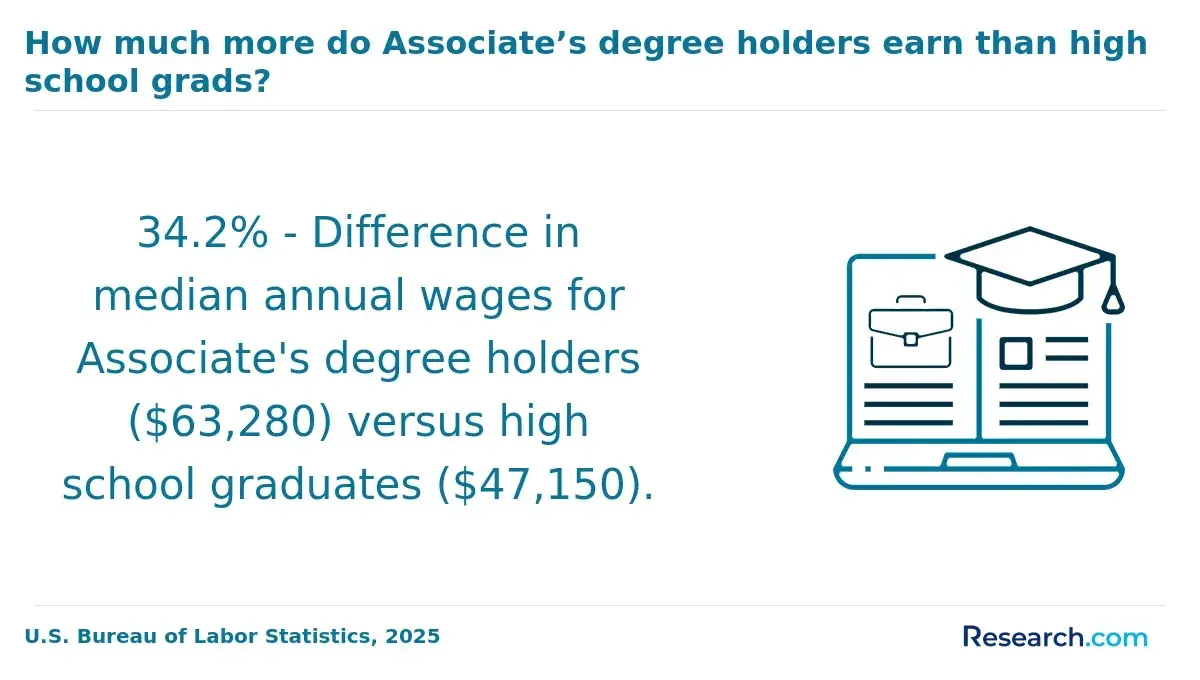
Choosing a specialization in business administration is a decision that carries real consequences for salary growth and job stability over time. Marketing management, with a median annual wage of $161,030 according to the U.S. Bureau of Labor Statistics, demands continuous mastery of digital and consumer analytics—skills transferable across sectors from healthcare to technology. This specialization aligns well with those seeking robust salary potential but requires staying abreast of rapidly evolving marketing technologies.
Finance roles command steady demand due to their essential function in corporate valuation, investment, and risk management. Financial analysts earning median wages above $90,000 typically accelerate their progression through advanced credentials or an MBA, highlighting credentials as a key gating factor. This path offers notable stability since financial expertise remains critical regardless of economic cycles, reflecting one of the best business administration specializations for salary growth.
Supply chain management has expanded its relevance amid globalization and increasing e-commerce operations. Professionals capable of innovating logistics and sourcing strategies sustain higher job security, especially as automation reshapes production workflows. However, these roles necessitate ongoing technological adaptability to maintain competitive advantage.
Prospective students must weigh industry stability, credential requirements, and skills transferability carefully. Roles in marketing require frequent digital upskilling, finance demands rigorous credentialing, and supply chain professionals face pressure to innovate continuously.
For those planning strategic pivots or advancement in business administration, exploring options like an MBA for entrepreneurs can provide versatile foundations combining these areas for broader applicability within fields with the highest job stability.
How do marketing, management, and finance specializations compare for broad, transferable skills?
Management specialization offers the most adaptable skill set within business education, particularly for those weighing marketing versus management transferable skills. Leadership, organizational behavior, and conflict resolution translate effectively across industries, enabling professionals to pivot with minimal retraining. For example, a project manager with expertise in healthcare administration can transition to manufacturing supply chain roles, reflecting the practical flexibility management imparts.
Employment data from the U.S. Bureau of Labor Statistics supports this, projecting a 6% growth in human resources management through 2032, signaling consistent demand for these competencies.
By comparison, marketing centers on communication, consumer insight, and data-driven approaches suited to client-facing industries. Its emphasis on fast-evolving digital platforms requires continuous adaptation, which can restrict transferability in more traditional or non-consumer sectors. This distinction is critical when considering the real-world value of marketing versus management transferable skills.
Finance emphasizes financial modeling, regulatory knowledge, and quantitative analysis, prized in banking and investment but constrained by the need for specific credentials. Although finance skills can branch into consulting or risk management, such moves often require extended reskilling, making a finance and management business administration skills comparison sharply focused on operational versatility versus technical depth.
Students seeking resilience in dynamic job markets should consider program emphases alongside industry demands. Those interested in healthcare-related leadership roles might explore CAHIIM accredited health information management degree online options to enhance management career adaptability.
Which business administration specializations best prepare students for entrepreneurship or starting a business?
Among business administration specializations, operations and supply chain management offer the most direct leverage for entrepreneurs seeking to control costs, streamline efficiency, and ensure timely delivery—factors that decisively affect startup viability.
For instance, logisticians face projected employment growth of 18% from 2022 to 2032, far outpacing average occupational growth. This signals strong market demand for skills in designing supply chains resilient to global disruptions, a critical advantage for manufacturing or retail startups navigating complex sourcing.
Strategic management emphasizes market analysis and competitive positioning, equipping founders to respond to shifting conditions and stakeholder expectations with evidence-based decisions. This specialization cultivates scenario planning and communication skills vital for managing investor relations and uncertain markets.
Finance knowledge is indispensable for managing cash flow, capital acquisition, and budgeting throughout the venture's lifecycle, yet without operational or strategic competence, finance alone may fall short in addressing day-to-day business realities.
Choosing a specialization should reflect the specific industry context and resource constraints. For example:
- A tech entrepreneur might prioritize strategic management and finance to attract investment and scale rapidly.
- A manufacturing founder benefits from focusing on operations and supply chain management to optimize production and logistics.
Balancing these three areas aligns educational outcomes with practical demands, helping prospective students make prudent choices grounded in workforce realities rather than abstract curricula.
How do online business administration specialization programs compare with campus-based options for quality?
Online business administration specialization programs can rival campus-based options in delivering essential skills if they effectively integrate synchronous collaboration, real-world simulations, and direct access to practical industry tools. The critical challenge is replicating face-to-face networking and hands-on experiences that campus environments naturally offer.
Employers prioritize verified skills and tangible outcomes over how training is delivered, making active participation and applied projects non-negotiable in online formats.
For instance, a data analyst transitioning into business analytics must engage with platforms like Tableau or SQL databases during training to stay competitive. Campus programs typically excel at fostering immediate peer interaction, structured mentorship, and experiential learning labs where communication and leadership are honed under pressure.
Conversely, online programs provide flexible pacing and often faster access to updated content, a vital advantage for working professionals managing complex schedules. This flexibility supports rapid reskilling in dynamic fields such as Business Analytics & Information Systems, which the U.S. Bureau of Labor Statistics forecasts growth of 35% for data scientists by 2032.
Deciding between campus and online modalities demands weight on individual learning preferences, local access, and career objectives. Key factors include accreditation status, curriculum alignment with industry standards, and availability of internships or capstone projects. Candidates without local campus options should seek online programs offering peer collaboration tools and substantial applied assignments to approximate on-campus practical environments.
What accreditation and program quality indicators matter most when choosing a specialization?
Accreditation from bodies like AACSB, ACBSP, or IACBE remains the most reliable benchmark of quality in business administration specializations. Employers value AACSB accreditation particularly because it enforces stringent faculty credentials, curriculum relevance, and clear learning outcomes.
For instance, graduates from AACSB-accredited programs typically show stronger proficiency in finance, management, and entrepreneurship—skills that align with hiring trends captured by the National Association of Colleges and Employers, which lists six of the top 10 most demanded bachelor's degrees as business-related.
Programs integrating experiential learning—such as internships, co-op placements, or venture planning labs—offer a clear advantage by developing applied skills and agile problem-solving. Contrast this with theory-heavy tracks, which often fail to connect knowledge with actual industry challenges, limiting graduates' readiness for dynamic roles like product development or strategic consulting.
Career pivoters should scrutinize reported graduate employment rates and institutional partnerships with local businesses or incubators. These connections tangibly improve networking options and practical experience, which strongly influence return on investment.
Meanwhile, cost and program speed should not overshadow accreditation and verified outcomes; cheaper or accelerated programs lacking credible quality assurances often lead to diminished employment prospects in competitive markets.
Prospective students must prioritize transparency: institutions providing independent outcome audits better position graduates to meet evolving employer expectations and avoid common pitfalls in the business administration field.
How do curriculum and coursework differ across high-demand business administration specializations?
Choosing a specialization within business administration fundamentally shapes a graduate's employability and career agility by aligning skills with distinct industry demands. For example, an international business curriculum prioritizes global trade laws, supply chain complexities, and intercultural communication—crucial for candidates targeting multinational corporations. The U.S. Bureau of Labor Statistics projects approximately 942,500 new business and financial operations jobs annually through 2034, emphasizing the sustained need for such expertise.
On the other hand, finance tracks emphasize quantitative analysis, risk assessment, and regulatory frameworks, preparing students for roles where numerical precision and compliance are paramount. Marketing programs center on consumer data analytics and digital engagement strategies, mirroring shifts in marketplace behavior, while operations management hones skills in process efficiency and quality control to drive cost reductions and productivity gains.
Students must weigh these curricular focuses against their career goals and the expectations of employers in evolving sectors. For instance, aspiring fintech professionals gain more advantage from data analytics and financial modeling than from broad international regulations.
Employers increasingly value multidisciplinary training that integrates real-world challenges, so embedding practical projects can differentiate graduates in unpredictable labor markets.
What are typical admission requirements, program length, and costs for specialized business degrees?
Specialized business degrees balance academic requirements with relevant experience, reflecting distinct workforce expectations. Undergraduate candidates typically need a high school diploma and a GPA around 2.5 to 3.0, sometimes supported by standardized test scores, while graduate programs expect a bachelor's degree with a minimum 3.0 GPA and relevant work experience often between one and five years.
This experience range varies according to program focus and employer valuation, especially in sectors like healthcare administration where rapid employment growth influences candidate readiness.
Program duration varies notably: bachelor's specializations generally span four years full-time but can flex between two and six years through accelerated or part-time formats. Master's degrees in these niches usually take 1.5 to 2 years of full-time study, extending to three years for part-time paths tailored to working professionals. Such flexibility impacts cost and time-to-market, a critical tradeoff for those pivoting careers or balancing ongoing employment.
Tuition varies widely, from roughly $10,000 annually at public institutions to over $40,000 at private ones, with online options potentially limiting expenses by cutting relocation and commuting costs. Additional fees for materials and licensure components should also be anticipated.
Consider a professional with three years' experience aiming for healthcare administration-choosing a 1.5-year master's focused on healthcare systems can optimize rapid employability while maintaining manageable program costs and duration, exemplifying how aligning admission criteria, program length, and funding to labor market demands guides more effective educational decisions.
How can professionals pivot careers by adding a business administration specialization or certificate?
Earning a business administration specialization or certificate strategically addresses skill gaps that enable targeted career pivots or lateral moves within the corporate landscape. A mid-career engineer obtaining project management certification, for example, leverages a credential aligned with a 7% employment growth projection for project management specialists from 2023 to 2033, according to the U.S. Bureau of Labor Statistics. This demonstrates how certifications can improve job market positioning by meeting employer demand for specific competencies.
Specializations in finance, marketing analytics, or supply chain management cultivate essential quantitative and decision-making skills valued across industries. The value lies in transferable skills such as budgeting, data analysis, or vendor negotiation, all critical to strategic roles in consulting or corporate strategy.
While certificates offer foundational expertise, they seldom replace extensive experience necessary for senior leadership roles. However, they facilitate swift reorientation into high-demand fields such as project management or business analytics by filling critical skill gaps employers prioritize for hiring and performance metrics.
Other Things You Should Know About Business Administration
In 2027, specialization in business administration enhances employment opportunities by providing graduates with targeted skills valued in specific industries. Specializations such as data analytics, healthcare management, and digital marketing are highly sought after, equipping individuals with applicable strategies that appeal to specialized roles demanding transferable and adaptable skills.
Employers in mid-to-large organizations tend to favor candidates with interdisciplinary specializations because these align with cross-functional roles and increasing demands for adaptable problem solvers. Deep technical specializations, such as in quantitative finance or information systems, are valued primarily in specialized sectors with specific technical requirements. Selecting a specialization should depend on the targeted industry: prioritize interdisciplinary skills for leadership or consulting careers and deep technical knowledge when entering highly specialized fields where advanced expertise is a hiring prerequisite.
Choosing broad skill specializations like management or marketing enhances flexibility across various roles but may result in slower career progression in competitive sectors. Specializations aimed at high-demand industries such as healthcare administration or data analytics offer faster job placement and above-average salary growth but risk narrower mobility if industry conditions change. For students unsure about their long-term industry, selecting broader specializations reduces risk, while those certain of their sector benefit by committing to high-demand specializations despite the potential limitation on lateral moves.
Part-time programs reduce short-term workload but extend the duration, which can delay realization of career benefits from the specialization. Employers expect tangible skills and applicable knowledge, so prioritizing interactive or cohort-based programs that emphasize real-world projects delivers better outcomes, even with a heavier workload. Working professionals should assess whether their current job can accommodate incremental learning demands and consider employer support before committing; otherwise, intensity tradeoffs may limit skill application and immediate impact on career advancement.
References
- Types of Business Degrees: Expand Your Global Career https://europe.ceibs.edu/article/types-of-business-degrees
- Online MBA Specializations Comparison: Key Differences https://www.onlinecu.in/blog/cu/how-do-online-mba-specializations-compare.php
- Transferable Skills in Business Administration Across Industries https://www.cw.edu/blog/how-business-administration-courses-build-transferable-skills-across-multiple-industries/
- Top 15 Highest Paying Business Degree Jobs in 2025 UK & Global Guide https://apexlearning.org.uk/highest-paying-business-degree-jobs-2025-2026/
- Top Skills Gained from a Business Administration Program - Cyprus West University https://www.cwu.edu.tr/top-skills-gained-from-a-business-administration-program/
- Best MBA Specialisation for 2026 | Which MBA Specialisation is Most in Demand? https://lsmt.org.uk/blog/most-in-demand-and-best-mba-specialisation
- Top MBA Specialisations in India: Marketing, Finance, Entrepreneurship & Big Data Analytics https://www.mzuonline.in/blog/mba-specialisations-marketing-finance-entrepreneurship-analytics.html
- Undergraduate Business Major Prerequisites | OnlineMBA.com https://www.onlinemba.com/resources/undergraduate-business-major-prerequisites/
- Qualities to Look for in a Nursing Program https://mariacollege.edu/blog/qualities-to-look-for-in-a-nursing-program