2027 Is Academy of Art University Good for Transfer Students?

Co-Founder and Chief Data Scientist
Choosing a transfer-friendly college can be a complex task, especially for students balancing cost, credit acceptance, and program fit. Many transfer students face challenges in how many of their previously earned credits will apply toward degree requirements at a new institution. For those considering Academy of Art University, questions about credit evaluation, transfer admissions difficulty, and program flexibility are crucial. This is especially relevant as national trends show a rebound in transfer enrollments, driven largely by returning adult learners who paused their studies and now seek pathways to completion.
The cost implications for transfers at Academy of Art University are another critical factor. Knowing the potential total cost to finish and understanding available online or flexible learning options can help manage both time and resources effectively. Additionally, academic support and student culture for transfer students who join with prior college experience affect outcomes and engagement. This article examines these practical considerations to clarify whether Academy of Art University aligns with typical transfer student needs and expectations.
Key Points to Know About Academy of Art University for Transfer Students
- Academy of Art University accepts transfer students with an open admission policy but evaluates transcripts carefully; interviews and high school records are optional, enabling access but requiring proactive academic preparation to ensure alignment with program expectations.
- Transfer credits tend to apply mostly to elective requirements, not core majors, which can extend degree completion time and necessitate strategic course planning to minimize additional terms and costs.
- Total cost of attendance is $47,195, a relatively high figure; transfer students should rigorously compare financial aid and consider this expense against return on investment and alternative institutions with similar curricula.
Is Academy of Art University a Transfer-Friendly College for New Students?
Academy of Art University does not prioritize transfer-friendliness to the degree that many transfer students expect today. Its process requires submitting college transcripts and an interview, but lacks clear, dedicated transfer services or specialized credit evaluation offices. This absence complicates credit applicability and academic advising alignment, which are crucial for timely degree progress.
A recent study shows institutions with explicit transfer support see 15% higher retention, underscoring the gap here. For example, a transfer student uncertain about how previous art credits apply may face delays in graduation without transparent policies or tailored advising.
Prospective transfers should carefully assess credit transferability, institutional flexibility, and affordability against their academic goals. Since Academy of Art University handles a moderate student population with limited transfer resources, navigating degree completion risks requires diligence. Nontraditional learners especially must gauge whether institutional support offsets this upfront complexity and cost.
How Easy Is It to Transfer Credits to Academy of Art University?
Academy of Art University evaluates transfer credits through a formal review by the registrar's office and academic advisors. They assess course content, syllabi, and grades to establish equivalency. While the university does not impose strict credit limits, accepted credits often cover electives more easily than major-specific courses, which must closely match curriculum requirements.
Transfer students should weigh potential credit loss carefully. A 2024 study on credit transfer trends noted approximately 30% credit reduction for vertical transfers in art and design fields. This gap largely stems from the specialized nature of artistic or technical coursework diverging from Academy of Art's programming, affecting time-to-degree and tuition costs.
Academy of Art offers credit equivalency databases and individualized advising to ease the transfer process. However, the risk of losing significant credits means some students may face longer degree completion times and added expenses. Those tightly budgeting or prioritizing on-time graduation must consider these tradeoffs closely.
For example, an art major transferring with three years of coursework may find a substantial portion reclassified as electives rather than counting toward their degree. This scenario increases both remaining course requirements and tuition fees, despite flexible admission policies and advising support designed to maximize transferable credits.
What Transfer Admission Requirements Does Academy of Art University Have?
Academy of Art University offers an accessible transfer admission process with minimal formal barriers, but this ease masks important nuances that transfer applicants must consider. The university does not enforce minimum GPA thresholds, prerequisite course demands, or standardized test score requirements for transfer students.
However, students must carefully assess how their completed credits will transfer, since credit loss is common among community college transfers nationwide. Understanding specific transfer admission requirements and eligibility criteria is essential to avoid extended study periods and unexpected costs. Below are key factors transfer students should understand when applying to Academy of Art University.
- GPA Considerations: Academy of Art University does not impose a minimum GPA for transfer admission. This policy simplifies eligibility but requires students to focus on other elements like course content and credit relevance for their intended major. Transfer applicants from varied academic backgrounds, including returning and adult learners, benefit from this flexibility, but should still maintain strong academic records to enhance transfer credit acceptance and program fit.
- Completed College Credits: Students must submit official transcripts from all prior colleges to verify completed coursework. While open admission reduces screening, not all credits automatically apply toward degree requirements. Transfers from community colleges should closely review equivalency policies to minimize credit loss and prevent prolonging time-to-degree. This evaluation is vital especially for technical or art-focused programs where course content can vary widely.
- Prerequisite Coursework: No strict prerequisite courses are mandated for transfer applicants, enhancing accessibility for nontraditional students. However, students aiming for specialized majors should confirm any informal prerequisites that might affect course sequencing. Failure to meet such unofficial expectations can result in delayed graduation or additional course loads.
- Standardized Testing: The university does not require SAT or ACT scores for transfers, supporting those without recent or available test results. This aligns with national trends that reduce standardized testing as a barrier. Applicants entering via nontraditional routes or online study particularly benefit from this policy.
- Program-Specific Requirements and Deadlines: Transfer admission is generally open, but students should verify any program-specific deadlines or supplemental materials. Art majors might need to prepare portfolios or attend interviews, which affect application timelines. Missing these requirements can delay admittance or course enrollment, impacting degree progression.
Prospective students must weigh these transfer admission factors alongside practical implications, including common issues such as credit loss experienced by 45% of community college transfers entering four-year institutions.
Academy of Art University's open admission provides a workable path for many, but the complexities of credit articulation and program suitability mean transfer applicants should prepare strategically. For those interested in aligning their chosen field with labor market trends, consulting resources on top degrees in demand for the future can inform better planning and improve long-term outcomes.
How Many Credits Can Transfer Students Bring to Academy of Art University?
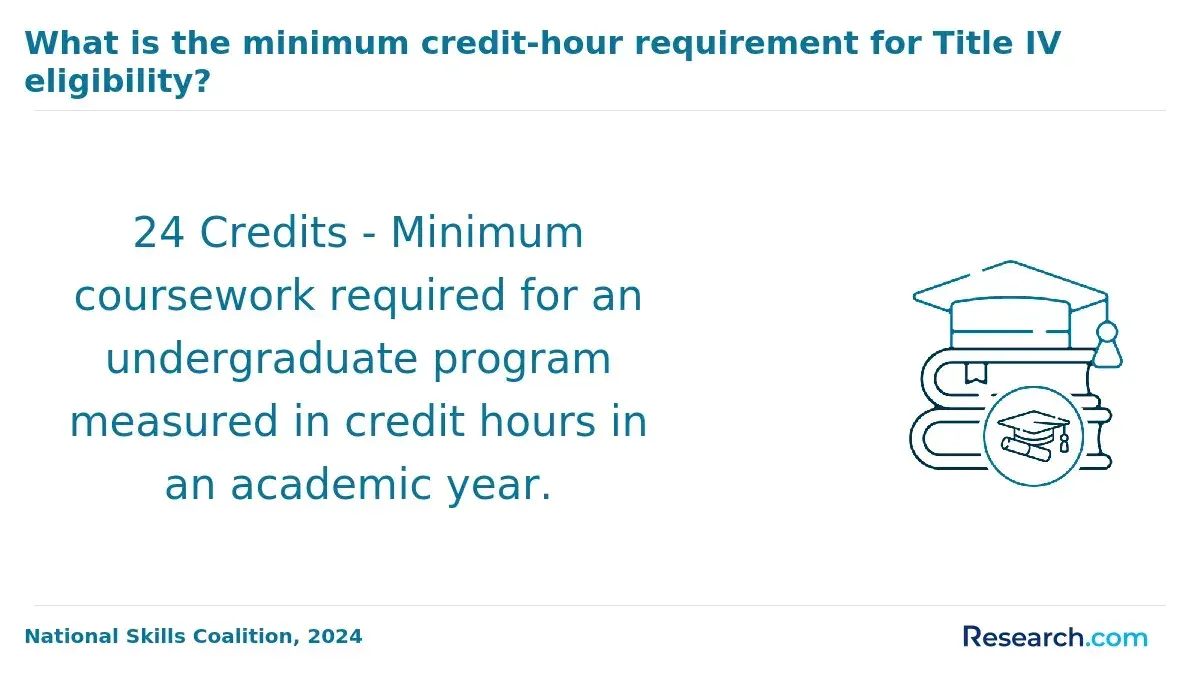
Transfer students at Academy of Art University face concrete restrictions on credit transfers, directly influencing degree timelines and planning. The maximum transferable credits allowed is 90 semester credits from accredited institutions, setting a firm ceiling for incoming students. However, only 30 of these may be upper-division credits from the previous institution, ensuring students complete substantial advanced coursework in residence.
This policy affects students transferring from community colleges or non-regionally accredited schools, where about 40% of credits typically do not apply, often prolonging graduation time and increasing costs. Transfer credit applicability at Academy of Art University is more generous for general education and elective courses but restrictive for core major requirements. This means students aiming to complete specialized majors must plan for extended in-residence study periods.
Nationwide, nearly 20% of transfer students face degree delays of over an academic year due to excess or non-transferable credits, underscoring the importance of evaluating the practical impact of transfer credit policies. Below are key points about transfer credit limits and degree completion rules that transfer students should consider carefully.
- Maximum transferable credits allowed: Up to 90 semester credits may be transferred from accredited postsecondary institutions, providing a substantial but capped contribution toward degree progress.
- Upper-division credit cap: No more than 30 semester credits of upper-division courses transfer, requiring students to complete most advanced coursework at Academy of Art University to ensure program rigor.
- Credit evaluation for core majors: Credits for major-specific courses undergo stricter scrutiny, which often means students must complete critical courses within the university, affecting graduation timing.
- Community college credit acceptance: Credits from community colleges are frequently limited, reflecting the national trend where roughly 40% of such credits may not apply directly to a student's major.
- Residency and degree completion: The residency policy mandates a significant portion of coursework be completed on campus, prolonging attendance duration and potentially increasing total educational costs for transfer students.
Prospective transfer students must weigh these factors carefully to align transfer decisions with their educational goals and financial realities. Understanding credit transfer limits helps prevent unexpected delays. Transfer policies at Academy of Art University influence how quickly students can complete degrees in their chosen fields, especially when pursuing most lucrative college majors. This analysis reveals that while the university offers pathways for transfer students, these come with constraints impacting degree progression and cost efficiency.
Does Academy of Art University Have Transfer Pathways or Community College Agreements?
Academy of Art University does not offer strong transfer pathways or robust community college articulation agreements. This lack creates practical hurdles for transfer students who depend on clearly defined credit transfer plans. In contrast to institutions with extensive agreements that reduce credit loss and shorten time to degree, Academy's minimal formal structures mean transfers face uncertainty about which courses apply toward their major.
For example, a community college student aiming to transfer art or design credits may find their course equivalencies unclear, resulting in repeating classes and increased tuition. This inefficiency translates to higher costs and delayed graduation. Research shows that structured articulation agreements can improve bachelor's completion rates by up to 20% and cut credit loss by about 30%, a gap Academy currently does not close for incoming transfers.
Below are key factors transfer students should consider regarding the university's credit and transfer framework.
- Limited Articulation Agreements: Academy of Art University has few formal agreements with community colleges. Without these, prospective students must navigate credit transfer on a case-by-case basis, increasing the likelihood of credit loss and extended study time.
- No Guaranteed Transfer Routes: The university lacks guaranteed admission pathways from specific feeder schools. This absence means transfers cannot rely on automatic acceptance or preset credit application, complicating planning and transferring progress.
- Major-Specific Transfer Maps: Transfer credit applicability varies widely by program. Some majors may accept certain art courses while others require foundational credits earned directly at Academy, limiting the benefit of prior coursework.
- Advising Support Constraints: Transfer advising is available but not strongly integrated with external institutions. This limits proactive credit evaluation and strategic transfer planning tailored to individual community college students.
- Unclear Credit Applicability Policies: The university's policies on transferable credits can be opaque, requiring detailed review of course content against degree requirements. This uncertainty may lead to credit denial and increases the total cost and duration of degree completion.
Is Academy of Art University Affordable for Transfer Students?
Affordability at Academy of Art University depends heavily on transfer students' financial aid access and credit acceptance. Tuition is $54,754, but the federal scorecard reports costs around $47,195, reflecting aid and living expenses. Transfer students may reduce expenses through scholarships, military benefits, and employer assistance, but eligibility varies by enrollment status and program.
Online transfer students benefit from nearly the same aid options as campus students, which is valuable for those balancing work or family. However, part-time enrollment or lost transfer credits can extend time to graduate, increasing overall cost. Costs also rise if students require on-campus housing or pay program-specific fees not always transparent upfront.
A 2024 National Student Clearinghouse report highlights a 12% higher risk that transfer students will leave due to unclear net price information and financial aid gaps. This signals the need for careful cost analysis before committing, especially when aid awards fluctuate or credits transfer unevenly.
Proactive steps include confirming transfer credit acceptance early, verifying aid eligibility for your status, meeting all billing deadlines, and comparing program fees. Mapping the shortest path to graduation helps minimize the financial burden and avoid unexpected costs.
What Academic Programs at Academy of Art University Are Best for Transfer Students?
Programs in Graphic Design, Animation & Visual Effects, and Web Design & New Media at Academy of Art University generally suit transfer students best due to their broad acceptance of prior general education and studio art credits. This flexibility allows smoother credit applicability and shorter degree completion timelines for students shifting from community colleges or other institutions.
Choosing a transfer-friendly program can reduce redundant coursework and total cost, which is critical when navigating prerequisites and course sequencing. For example, a student transferring into Animation & Visual Effects may find entry-level salaries comparatively higher, reflecting strong industry demand for digital creative skills.
A 2024 study by the National Student Clearinghouse Research Center notes that bachelor's completion programs with high transfer credit acceptance show a 15% higher on-time graduation rate and better alignment with employment outcomes. This trend supports students selecting practical, workforce-aligned programs at Academy of Art University to maximize both graduation speed and career prospects.
Before enrolling, verify major requirements, transfer equivalencies, and prerequisite gaps. Seek advising support to confirm whether the chosen program fits academic and professional growth goals. Transfer students may also explore options like 5 week college courses online to complement degree progression flexibly.
Does Academy of Art University Offer Online or Flexible Options for Transfer Students?
Evaluating online and flexible options at Academy of Art University as a transfer student involves balancing prior credit acceptance with the realities of scheduling and program demands. Transfer students who juggle work, family, or commuting constraints must consider not only online availability but also hybrid and evening classes while verifying how smoothly their credits apply toward degree requirements.
The sequencing of courses, intensity of enrollment, and major-specific mandates for in-person studio time are critical factors shaping the actual flexibility and cost-effectiveness of this pathway. Practical decisions hinge on how these elements influence time to graduation and overall program manageability compared to traditional full-time, on-campus attendance.
Below are key considerations transfer students should weigh to make informed choices about flexibility at Academy of Art University.
- Online and Hybrid Course Availability: A notable portion of programs offers fully online or hybrid formats, increasing accessibility for transfer students unable to relocate. However, specialized majors like fine arts often require periodic campus presence for studio work, limiting pure remote participation and affecting commute or housing plans.
- Flexible Enrollment Options: Part-time enrollment and evening classes accommodate working adults and caregivers, allowing pacing that can prevent burnout. Students should assess whether course offerings align with their personal schedules and if the slower pace extends graduation timelines significantly.
- Transfer Credit Evaluation: Prior credits must articulate cleanly with degree requirements to avoid redundant coursework that can inflate costs and lengthen study periods. Articulating course equivalencies can be challenging given the program's specialized focus.
- Advising and Academic Support: Transfer students benefit from proactive advising that clarifies online scheduling limits and course availability. Effective guidance is essential to prevent delays caused by unavailable required courses or misunderstanding hybrid attendance policies.
- Course Sequencing Constraints: The order in which courses are offered can restrict flexible enrollment, especially for specialized tracks requiring sequenced studio classes. Transfer students must plan realistically to avoid unintended gaps between required courses.
- Graduation Timeline Impact: While flexible options help balance responsibilities, extending program length due to part-time study or course sequencing can increase overall costs and delay entry into the workforce, an important consideration for those mindful of opportunity costs.
- Asynchronous Learning Demand: Reflecting broader trends where online enrollment among adult learners rose 12.7%, asynchronous courses at Academy of Art University support transfer students managing multiple commitments, though creative coursework still demands some synchronous or hands-on components.
What Support Services Does Academy of Art University Provide for Transfer Students?
Transfer students at Academy of Art University face the critical task of confirming how their previous credits apply, choosing remaining courses wisely, managing affordability, and adapting quickly to a creative academic environment without delaying graduation. The university offers a suite of support services designed to facilitate this transition.
These include transfer advising, credit evaluation assistance, degree planning, orientation, financial aid counseling, tutoring, career services, and resources for online or flexible learners to help maintain momentum toward degree completion. Below are key support aspects that affect transfer student success, especially in credit preservation, cost control, persistence, and timely graduation.
- Transfer Advising Program: Personalized advising helps students understand transfer credit applicability and plan remaining coursework. Compared to other transfer-friendly colleges, this advising is vital to minimize excess credits and avoid repeating courses, which saves time and money.
- Credit Evaluation Support: Dedicated evaluation services assist with interpreting transcripts from varied institutions. This ensures better credit transfer outcomes, limiting credit loss that often happens in less structured environments.
- Academic Planning Tools: Structured academic plans help transfer students map a clear path to degree completion. Effective planning reduces confusion about requirements and supports persistence, echoing findings that such interventions can boost transfer student persistence by up to 15% according to recent research.
- Orientation Programs for Transfers: Orientation introduces transfer students to university culture and resources, which is critical since many face challenges adjusting to new academic and social settings. Proper onboarding can improve student retention and engagement.
- Financial Aid Counseling: With 78% of students receiving some form of financial aid, dedicated counseling helps transfer students access scholarships, grants, and assistance programs. This counseling directly impacts affordability and reduces financial barriers to degree progression.
- Academic Tutoring Services: Tutoring supports transfer students struggling with course material, particularly in specialized art and design subjects. Strong tutoring increases academic success and confidence, which are essential for persistence.
- Career Services and Flexible Learning: Career advising helps transfer students align coursework with creative industry expectations. Online and flexible options cater especially to working or nontraditional students, though such offerings are integrated rather than offered through specialized transfer programs. Prospective students should compare these resources to other institutions emphasizing adaptability and ongoing support.
These combined resources shape the practical experience of transfer students navigating the complexities of Academy of Art University. The availability and quality of support services determine whether students can efficiently progress, minimize credit loss, manage expenses, and position themselves for creative industry success amid evolving higher education demands for self paced online college options.
Is Academy of Art University Worth It for Transfer Students Based on Graduation and Career Outcomes?
Academy of Art University poses notable challenges for transfer students aiming to finish degrees promptly. Its 40% graduation rate signals difficulty, especially as integrating transfer credits into a studio-intensive curriculum often extends time-to-degree. A student transferring with prior credits might face slower progress due to project demands and coursework alignment.
The median alumni salary of $39,008 raises questions about financial return for transfer students. Compared with national data showing transfer students who earn bachelor's degrees after community college frequently see 10% to 20% salary growth, this figure indicates modest career uplift. For those weighing transfer options, this economic outcome is a critical factor.
Cost-conscious and career-focused transfer students should carefully examine credit transfer policies and the trajectory toward completion. The upfront expense and debt burden can be significant. However, students seeking specialized artistic training might find value despite these drawbacks. Considering pathways such as accelerated bachelors degree programs for adults elsewhere might offer a more efficient credit transfer and career return.
Ultimately, transfer student graduation rates and career outcomes at Academy of Art University suggest it is more practical for students who prioritize creative curricula over rapid degree completion or immediate financial gains. Careful cost-benefit analysis is essential before transferring here.
What Do Graduates Say About Academy of Art University for Transfer Students?
- Nicholas: "When I transferred to Academy of Art University, about 60% of my credits transferred, but only a portion counted toward my major requirements, which extended my graduation timeline by nearly a semester. The transfer advising was helpful, though somewhat inconsistent, and I had to plan carefully to fit in mandatory fees and tuition within my budget. Ultimately, the flexibility of online courses helped me maintain part-time enrollment while working, making the degree practical despite the somewhat higher total cost."
- Garrett: "I was cautious going into Academy of Art University because I knew some credits might not apply directly, and indeed, only electives transferred for me, which delayed my degree completion. However, the university's scholarship availability and financial aid packages reduced the burden significantly, making it a financially viable choice. The support from advisors and access to flexible course sequencing proved crucial for me to finish my degree on schedule and enter the workforce with a focused portfolio."
- Blake: "Transferring to Academy of Art University was a calculated decision; I transferred around 75% of my credits due to articulation agreements with my previous school. The credit transfer process was straightforward, and I appreciated the school's part-time and online program options, which enabled me to balance work and study. While tuition and fees are not the cheapest, the university's specialized programs and industry connections made it a worthwhile investment for advancing my career in design."
Other Things You Should Know About Academy of Art University Degrees
Academy of Art University has a highly specialized, art-focused environment that can feel very different from traditional colleges, especially for transfer students coming from more general education campuses. The intensity and pace of programs demand self-motivation and quick adaptation to project-based learning. Transfer students who thrive tend to prioritize immersion in studio work and networking over general college social life, as this aligns more closely with employer expectations in creative fields.
Yes, the nature of art programs often involves additional expenses such as materials, software, or equipment, which can significantly add up. Transfer students should budget carefully for these supplies since they are typically not included in tuition. This practical cost can affect overall affordability and may force students to adjust their course load or financial planning to avoid extended time to graduation.
In 2027, transfer students at Academy of Art University generally face workloads tailored to their program level, often comparable to those of first-year students. Differences arise from prior coursework and advanced placement, necessitating personalized academic planning for optimal adjustment and success.
Yes, transfer students aiming to maximize career opportunities should consider programs known for strong employer ties and internship pipelines. Such connections often translate into more effective portfolio reviews, job placements, and networking events, which are critical in competitive creative industries. Prioritizing these programs can mitigate some risks of transferring, especially given the university's varying reputation depending on the specific discipline.
References
- Academy of Art University https://www.smc.edu/student-support/academic-support/transfer-center/articulation-agreements/private-california-universities/academy-of-art-university.php
- Transfers - Art Academy of Cincinnati https://www.artacademy.edu/admissions/transfers/
- Issues that College Students in the Arts Face When Transferring - ArtsBridge https://artsbridge.com/issues-that-college-students-in-the-arts-face-when-transferring/
- Academy of Art University: 2026 Rankings, Admissions Process & Campus Life https://amberstudent.com/blog/post/academy-of-art-university
- Academy of Art University Launches Teach Out Agreement for Art Institute Students https://www.multivu.com/players/English/8487053-academy-of-art-university-teach-out-agreement-art-institute-students/