2027 How Hard Is It to Get Into Arkansas State University Online Programs?

Co-Founder and Chief Data Scientist
Applicants to Arkansas State University online programs often face uncertainty about how selective the admissions process is compared to other institutions. With online program demand growing by over 20% nationwide, according to recent research, competition has intensified, making it essential to understand what academic and experiential criteria carry weight. Acceptance decisions weigh standardized test scores, prior academic performance, and relevant work experience, but these alone rarely guarantee admission without demonstrating clear fit for specific program goals.
Success in gaining entry depends on aligning application elements with Arkansas State University's emphasis on practical skills and career readiness. This requires beyond-basic credentials and targeted preparation. This article examines the admission difficulty of Arkansas State University online programs, breaks down key requirements, and highlights factors that help applicants strengthen their chances to gain meaningful access to these educational pathways.
Key Points About Admission Difficulty at Arkansas State University Online Programs
- An acceptance rate of 70% shapes Arkansas State University online programs as moderately competitive, requiring applicants to meet standard academic criteria without facing overly selective screening.
- Among 8,019 online applicants, approximately 5,613 are admitted, reflecting stable demand and balanced seat availability that neither guarantees admission nor imposes steep barriers.
- Admission chances improve by aligning qualifications with established requirements, but applicants should anticipate that acceptance hinges on clear demonstration of eligibility rather than highly nuanced or exceptional achievements.
How competitive is admission to Arkansas State University's online programs?
Admission to Arkansas State University online programs is moderately competitive, with a 70% acceptance rate based on 8,019 applicants and 5,587 admissions. This rate positions Arkansas State University in a relatively accessible category compared to many public universities, where online acceptance rates can vary widely. However, a 2024 National Student Clearinghouse report shows that institutions with similar acceptance rates often experience rising application volumes, which can tighten admission selectivity over time.
Applicants should interpret the 70% acceptance figure as an indication that while many candidates gain entry, the process remains selective enough to require a credible academic profile.
Admission standards at Arkansas State University emphasize relevant academic credentials and practical experience tailored to specific online programs. This reflects both institutional criteria and employer expectations for digital learning outcomes. For example, a candidate with related work experience or a competitive GPA may fare better in fields like business administration or nursing, where practical skills are critical.
Prospective students must realistically assess their profiles versus program requirements to submit stronger applications and improve their chances beyond the baseline acceptance rate.
In the real world, applicants often weigh their admission chances by balancing the accessibility of Arkansas State University online programs against the value those credentials hold in their chosen industry. The moderate selectivity signals an opportunity rather than mere eligibility.
Preparing thoughtfully-by aligning prior experience, academic records, and career goals-can enhance both admission success and longer-term employability, especially as employers increasingly scrutinize online credentials for rigor and relevance.
What academic credentials do successful applicants typically have?
Successful applicants to Arkansas State University online programs typically have academic profiles that reflect steady preparation rather than exceptional achievement. The university's moderate selectivity means candidates with solid yet not elite academic records stand a reasonable chance. For example, a student with a high school GPA of 3.0 but average standardized test scores could reasonably expect to meet admission criteria.
However, students must still demonstrate readiness for college-level work, especially in language proficiency. The following bulleted list outlines essential academic credentials to strengthen an applicant's profile.
- High School Diploma or GED: Completion of high school or its equivalent is mandatory, providing a fundamental credential that confirms foundational knowledge required for university-level study.
- High School GPA Above 2.7: Approximately 65% of admitted students maintain a GPA higher than 2.7, indicating a consistent academic performance threshold valued by admissions officials.
- Standardized Test Scores: SAT verbal scores between 510-590 and math scores from 520-590, or ACT scores ranging 19-25, are typical. These ranges suggest applicants have sufficient academic skills to handle coursework.
- TOEFL Scores for Non-Native Speakers: Demonstrating English proficiency through TOEFL is crucial, as Arkansas State prioritizes effective communication skills for online learning success.
- Academic Transcripts: Submission of official records verifies course completion and helps assess applicant readiness beyond GPA and test scores.
- AP Credit Acceptance: Advanced Placement credits are recognized, so students with college-level coursework done in high school can strengthen their application and accelerate progress.
- Recommendations and Competency Demonstrations: While not required, providing recommendations or demonstrating skills can bolster the profile and showcase preparedness, especially for borderline applicants.
These factors define the typical academic credentials for Arkansas State University online program applicants, balancing accessibility with academic preparedness. Prospective students should consider how their qualifications align with these criteria and explore options among cheap online colleges that accept FAFSA to optimize affordability.
What admissions requirements matter most beyond GPA?
A strong GPA alone rarely guarantees admission to Arkansas State University's online programs. Admissions decisions weigh critical educational credentials and proof of language proficiency more heavily, especially for non-native English speakers. For instance, an international applicant with a high GPA but no TOEFL score may struggle more than a peer with slightly lower grades but a verified TOEFL performance.
This approach reflects real-world academic standards where demonstrated competency and foundational milestones compel admissions committees to ensure students' readiness for fully online learning environments.
Below are key factors that significantly affect admissions beyond GPA.
- GED or Equivalent Secondary Record: Arkansas State University requires applicants to present a GED certificate or an equivalent secondary school record, confirming basic academic preparedness. Applicants lacking traditional diplomas must secure these credentials before admission is considered.
- TOEFL Score: English proficiency is vital for success in online coursework. Submitting a strong TOEFL score can improve admission chances, as those scoring in the 90th percentile are 25% more likely to be accepted, showing the university's emphasis on language skills for effective learning.
- Advanced Placement (AP) Credits: While life experience credits or dual credit courses are not accepted, AP credits are acknowledged. These credits allow students with rigorous high school coursework to advance faster, demonstrating mastery of college-level content early.
- Competency Demonstrations and Recommendations: Though not mandatory, formal endorsements and competency evidence can enhance an application. These elements provide insight into an applicant's readiness beyond numeric grades.
- Standardized Cognitive Assessments: Tests like Wonderlic or WISC-III are recommended as additional measures of cognitive ability and online learning suitability. Including these can present a more holistic profile to admissions officers evaluating the applicant's potential.
In the competitive landscape of online admissions, this comprehensive evaluation approach reflects the university's selectivity and commitment to maintaining academic standards while accommodating diverse learner profiles.
Prospective students seeking accelerated study options might also explore the fastest associates degree online alternatives after understanding Arkansas State University online application requirements and criteria.
Are online Arkansas State University programs easier to get into than campus-based programs?
Admissions metrics show only slight differences between Arkansas State University's online and campus-based programs. The overall acceptance rate hovers around 86%, with online programs slightly higher at 88%. Both require comparable GPA thresholds, transcripts, and standardized test scores when applicable, reflecting consistent academic standards across delivery methods.
Admissions standards may vary by program and applicant profile more than by modality. For example, selective fields like nursing or education often have additional requirements regardless of online or in-person enrollment. The online applicant pool tends to be more diverse and includes working adults, which may influence admissions flexibility but not academic rigor.
The marginally higher acceptance rate for online programs primarily reflects institutional efforts to increase accessibility rather than a reduction in selectivity. Prospective students should prioritize program fit and career relevance instead of assuming easier entry online. Employers value Arkansas State degrees similarly from both routes, so choosing based solely on perceived admissions ease risks overlooking long-term academic and professional impact.
How do admissions standards vary across different Arkansas State University online programs?
Admissions standards at Arkansas State University online programs vary due to differences in academic discipline, professional licensure requirements, and applicant demand. Programs with stronger professional licensing ties or specialized technical content often require more rigorous evaluation to ensure candidates meet industry standards. Additionally, the selectivity reflects the anticipated outcomes and employer expectations tied to credential levels.
For example, a nursing leadership master's program needs to filter for candidates with substantial practical experience, unlike more flexible undergraduate degree completions. These distinctions create real-world tradeoffs between accessibility and preparedness for workforce demands.
Key examples of how admissions standards differ across Arkansas State University's online programs include:
- Undergraduate Degree Completion: Admissions emphasize prior college credit and a minimum GPA around 2.0. These programs accommodate working adults aiming to finish degrees, prioritizing experience and foundational knowledge over standardized test scores, which widens access compared to traditional freshmen admissions.
- Online Master of Business Administration (MBA): Requires a bachelor's degree with a GPA near 3.0 and often professional experience. Applicants provide personal statements and recommendation letters to demonstrate leadership potential and readiness to apply advanced business concepts practically in diverse industries.
- Master of Science in Nursing Leadership: Beyond a bachelor's degree and GPA minima, this program demands documented healthcare experience and licensure verification. Admissions stress leadership aptitude and clinical background, reflecting regulatory and workplace standards in nursing environments.
- Online Doctoral Programs in Education: Require undergraduate and graduate transcripts, GRE scores, and evidence of research capabilities. The selectivity ensures candidates can contribute meaningfully to academic discourse and handle rigorous dissertation work linked to educational policy and practice.
- Doctorate in Clinical Psychology (Online): Sets the highest bar, including GRE results, extensive clinical experience documentation, and professional references. Its demanding standards reflect the stakes involved in psychological practice, requiring thorough vetting of applicants' competencies and ethical readiness.
- Online Bachelor of General Studies: Has more lenient admissions, emphasizing transfer credits and a minimum GPA to meet admission. This flexibility serves students seeking interdisciplinary learning without specific licensure constraints, making it one of the more affordable online degrees in Arkansas.
How do transfer credits and prior experience affect admission chances?
Transfer credits and prior professional experience can decisively shape admission outcomes for Arkansas State University's online programs, but not in straightforward ways. The university's policy limits transfer opportunities primarily to the spring semester, which necessitates careful timing from applicants. Moreover, acceptance of credits often depends on program alignment and departmental reviews, rather than automatic approval.
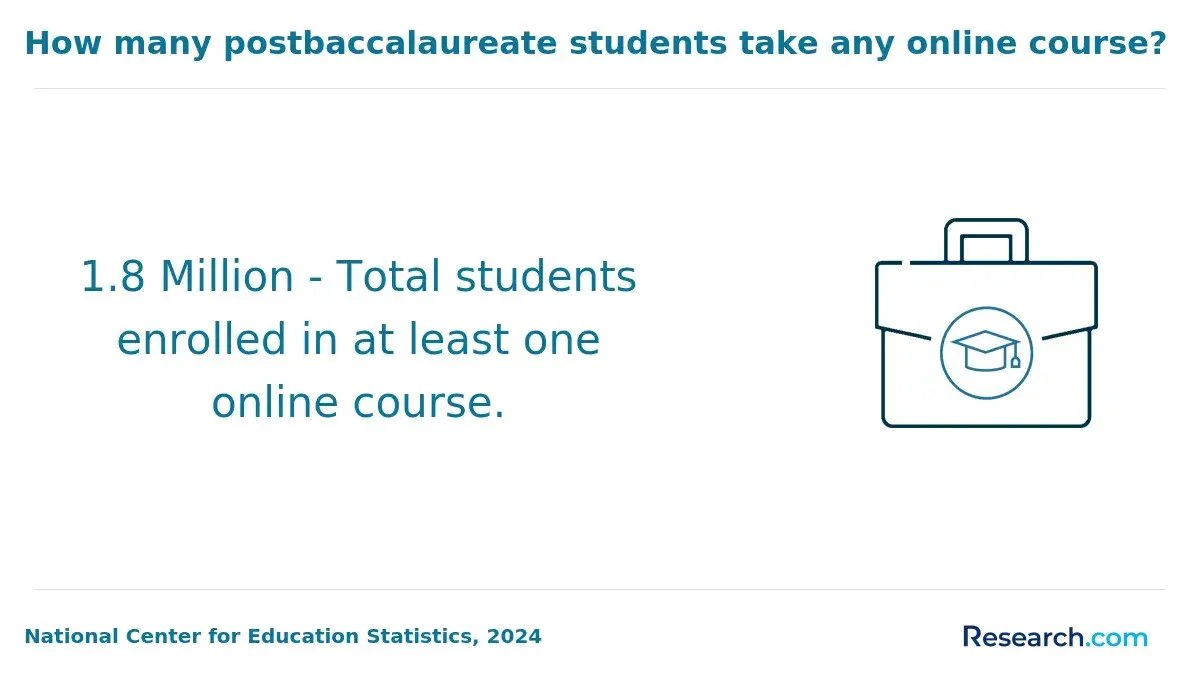
An emerging trend nationwide, supported by a 2024 National Center for Education Statistics report, reveals that over 65% of universities have expanded credit recognition, signaling a growing acceptance of prior learning in admissions. Yet, the value of such credits varies by discipline and employer expectations, meaning students must strategically document and select credits to optimize their admission chances.
Consider these key types of credentials and their impacts:
- Community College Credits: These are commonly transferable credits from accredited two-year colleges. Applicants should provide official transcripts and course descriptions to ensure equivalency. When aligned closely with Arkansas State University's curriculum, these credits can shorten degree duration and positively influence acceptance.
- Military Training and Experience: Military service often provides practical skills that universities may credit through formal prior learning assessments. Students must submit detailed military transcripts or evaluations to demonstrate relevance. This recognition can enhance admissions prospects, especially in technical or leadership-related programs.
- Professional Certifications: Certifications related to the applicant's field demonstrate verified skills but require thorough documentation and departmental approval. While boosting an application's practical value, these credentials influence admissions most when linked to specific academic requirements.
- Prior Degree Credits: Credits earned from previous bachelor's or associate degrees hold strong weight if academic content corresponds with the intended program. Applicants with such credits should highlight course equivalencies to mitigate redundant coursework and expedite degree completion.
- Workplace Learning Portfolio: Some departments may allow applicants to submit portfolios evidencing cumulative job experience and project outcomes. This qualitative evidence requires substantial preparation but may improve chances for adult learners without traditional transcripts.
- Transfer Timing Restrictions: Since Arkansas State University limits transfer admissions to the spring semester, strategic planning is critical. Missing this cycle can delay enrollment by months, affecting both funding and workforce timing.
- Departmental Review Variability: Transfer credit acceptance varies between academic departments. Applicants should engage with advisors early to assess potential credit recognition and tailor submissions accordingly.
What common application mistakes lead to rejection?
Admissions to Arkansas State University's online programs are often determined by application completeness rather than academic qualifications alone. Procedural errors can heavily influence decisions, as they suggest a lack of attention to detail critical for online learners. Nearly 38% of denials result from incomplete or incorrectly submitted applications, a figure that reveals how ignoring application protocols undermines candidates' prospects.
This pattern demonstrates that understanding submission requirements is as essential as meeting academic standards.
Below are common mistakes that can lead to rejection in this context.
- Missing Official Transcripts: Failure to provide official transcripts delays verification of academic credentials. Arkansas State University treats this as an incomplete application, which blocks progress until the proper documents are received. Applicants should ensure transcripts are sent directly from previous institutions.
- Incomplete Prerequisite Documentation: Not submitting evidence of prerequisite course completion prevents assessment of eligibility. This gap suggests unpreparedness, deterring further review. Careful matching of transcript courses with program requirements reduces this risk.
- Errors in Personal Information: Mistakes in name spelling, birthdate, or contact details create discrepancies that complicate background checks. Admissions staff may reject applications that cannot be reliably verified. Double-checking all personal fields avoids such issues.
- Omitted Application Components: Omitting essays, recommendation letters, or required forms signals disregard for application instructions. This behavior indicates poor self-management, a red flag for online study success and employer expectations.
- Late Submission of Materials: Delaying portions of the application can halt the process, causing missed admission deadlines. Timeliness reflects professionalism and readiness in competitive settings.
- Failure to Follow Submission Guidelines: Uploading files in incorrect formats or exceeding size limits leads to incomplete applications. Adhering strictly to stated guidelines ensures materials are reviewed promptly.
- Neglecting to Audit Application Materials: Overlooking a final review against Arkansas State University's official checklist invites avoidable errors. Applying an audit mindset identifies gaps before submission.
Applicants who avoid these pitfalls demonstrate the careful preparation employers value in online learners and reduce the chance of procedural rejection. With demand rising for qualified credentials, particularly in self paced colleges, following application protocols is critical to secure admission and begin workforce credentialing without delay.
How can applicants improve their chances of acceptance?
Applicants aiming to improve Arkansas State University online admission chances must go beyond maintaining a minimum GPA. Arkansas State emphasizes a cumulative GPA of 3.0 or higher combined with professional or volunteer experience as key factors, with such applicants seeing a 42.7% higher likelihood of acceptance. This statistic highlights how practical experience enhances academic credentials, signaling to admissions a candidate's readiness for the program and workforce integration.
Submission of detailed prior coursework and test scores further validates academic preparation, serving as tangible indicators of success potential. Career-focused personal statements are also critical, clearly communicating how the program aligns with long-term goals and professional motivation enhances the application's competitiveness.
In real terms, an applicant who volunteers in community health services and maintains solid grades can distinguish themselves from peers with equivalent transcripts but no relevant experience. This scenario illustrates how combining academic and experiential elements addresses Arkansas State University online application tips for success more effectively.
Candidates should also explore flexible offerings and carefully select their course paths to optimize both admissions and postgraduation employability, possibly leveraging insights from accelerated online degree programs for working adults.
To strengthen an application, applicants should consider the following strategies:
- Highlight Relevant Experience: Showcase volunteer or professional roles that demonstrate applicable skills and commitment. This practical exposure complements GPA and signals readiness for rigorous online study.
- Maintain a Strong GPA: Achieve and clearly document a minimum 3.0 cumulative GPA to meet baseline academic expectations and substantiate capability in prior coursework.
- Craft Personalized Statements: Develop targeted essays that explain how Arkansas State University's online programs fit specific career goals. Clear motivation can set applications apart in competitive pools.
- Submit Comprehensive Academic Records: Provide thorough transcripts and test scores as evidence of academic preparedness. Accurate documentation reduces uncertainty for admissions committees.
Does admission selectivity affect student success and career outcomes?
Admission selectivity at Arkansas State University Online Programs offers some indication of academic preparedness but does not solely determine student success or career outcomes. The university's average graduation rate of 55% underscores that persistence and program fit play critical roles beyond initial admission filters. Selectivity may identify candidates with a baseline likelihood to persist, yet this does not guarantee individual graduation or earnings exceeding the median alumni salary of $42,617.
Research shows that nonselective institutions can produce competitive graduates when programs emphasize relevant skills and provide robust student support. For example, a working adult balancing shifts with coursework may prioritize the flexibility and applied learning opportunities Arkansas State offers rather than the prestige of a highly selective school.
This pragmatism often leads to successful career transitions despite moderate selectivity, reflecting findings that admissions competitiveness is not the sole predictor of long-term earnings or employment stability.
Admissions criteria tend to screen for applicants with the capacity and motivation to complete demanding online programs, filtering out those unlikely to persist. However, factors such as student engagement, program relevance, access to career services, and external responsibilities heavily influence outcomes. Consequently, applicants with strong self-discipline and career focus may outperform peers admitted under similar or more competitive standards.
Ultimately, choosing Arkansas State University's online programs requires weighing the realistic graduation rates and median earnings against personal context. While selectivity signals a measure of academic rigor, the practical value of program offerings and alignment with career objectives have greater impact on success.
Decision-making should prioritize these operational factors rather than rely predominantly on admission competitiveness as an indicator of future returns.
What should students consider before applying to a Arkansas State University online program?
Admissions decisions for Arkansas State University online programs do not exist in a vacuum. Students must consider financial commitments, academic preparedness, and how each program aligns with professional goals. The convenience of online study can mask the demands of self-discipline required to succeed. Evaluating these factors together helps clarify whether this path fits individual circumstances.
The following points highlight critical aspects prospective students should weigh before applying.
- Financial Commitment Beyond Tuition: Arkansas State charges about $345 per credit hour for out-of-state online students, but additional fees and required materials can increase costs significantly. Understanding the total expenses upfront prevents surprises and allows realistic budgeting for the entire program duration.
- Academic Preparedness and Self-Motivation: Online learning demands strong time management and self-discipline. Arkansas State's recommended checklists stress that students must assess their ability to stay engaged without in-person accountability. Lack of these skills often leads to poor performance or withdrawal.
- Alignment With Career Objectives: Consider how the chosen program contributes to career advancement. A 2024 study from the National Center for Education Statistics found 62% of online graduates reported improved employability, though results vary by field. Students should research career outcomes specific to their area of interest to avoid misaligned expectations.
- Technology Access and Reliability: Reliable internet and compatible devices are essential for uninterrupted coursework. Students who underestimate this can face persistent technical disruptions that impact assignment completion and participation, lowering chances of success.
- Recognition of Online Credentials: Employer acceptance of online degrees still differs across industries. Prospective applicants should verify how their target employers view online qualifications from Arkansas State to anticipate potential hurdles in job markets.
- Program Rigor and Competition: Admission thresholds at Arkansas State online programs meet baseline academic standards, but succeeding requires handling rigorous material independently. Realistically assessing one's academic resilience can reduce the risk of overcommitting and subsequent burnout.
- Balancing Personal and Professional Responsibilities: Online study offers flexibility but does not eliminate the need to dedicate focused hours. Students with demanding jobs or family obligations should honestly evaluate available time to maintain consistent progress without sacrificing other critical responsibilities.
What Students Say About Getting Into Arkansas State University Online Programs
- Brandon: "I was hesitant at first about applying to Arkansas State University's online programs because I wasn't sure how competitive the admissions process would be, especially considering my GPA was borderline. After researching the prerequisites and realizing work experience and strong personal statements weighed heavily, I focused on highlighting my relevant job skills and carefully crafting my application. The online degree has been a practical asset in my career advancement, providing a credible credential that employers respect without the stress of relocating or shifting my work schedule."
- Shawn: "Choosing Arkansas State University's online program felt like a strategic decision given its reputation for flexibility and accessible admissions criteria. I compared it to more selective programs that I might not realistically get into and appreciated the clear guidance on required materials and course prerequisites. Completing the program online allowed me to balance family and work, and the degree has already opened doors to mid-level positions in my field that I previously thought were out of reach."
- Chase: "Applying to Arkansas State University's online program was a cautious move since I wasn't entirely sure how my application would be viewed with a non-traditional background and no recent academic record. I took extra time to address my gaps with detailed explanations and leveraged professional references to demonstrate preparedness. Studying online gave me the flexibility to build skills directly applicable to my job, and now, having graduated, I feel my degree has enhanced both my confidence and credibility in a competitive job market."
Other Things You Should Know About Arkansas State University Degrees
Arkansas State University's online programs are designed to mirror the rigor of their on-campus counterparts. This means that admission decisions consider not only applicants' ability to gain entry but also their capacity to handle a demanding workload remotely. Applicants who demonstrate strong time management and self-discipline tend to be favored since the programs require significant independent effort, which can be a barrier for less prepared students. Prospective students should realistically assess their ability to engage fully with a challenging curriculum that expects consistent, self-driven progress.
Yes, the asynchronous format common in Arkansas State University's online programs adds complexity to the admissions evaluation. Since students work independently without live sessions, admission committees look for candidates who can thrive without immediate instructor support. This structure favors applicants with prior experience in self-paced learning or professional environments requiring autonomy. Therefore, demonstrating past success in such settings can reduce perceived admission difficulty by aligning applicant profiles with program demands.
While some may be tempted to choose programs based on easier admission criteria, it is usually wiser to prioritize programs aligned with career goals and labor market demands. Arkansas State University's online programs vary in intensity and reputation, so selecting a program with strong employer recognition often justifies tougher admissions. Prospective students should balance their capacity to meet admission requirements against the value their degree will hold, focusing on long-term outcomes rather than short-term entry barriers.
References
- Arkansas State University SAT Scores and GPA https://www.prepscholar.com/sat/s/colleges/Arkansas-State-University-sat-scores-GPA
- Admission Requirements - Arkansas State University Qatar https://astateqatar.com/admission-requirements/
- Arkansas Colleges and Universities Working Together on Statewide Student Success Goals | UT Dana Center https://www.utdanacenter.org/blog/arkansas-colleges-and-universities-working-together-statewide-student-success-goals
- Transfer from ASUN https://www.asun.edu/student-services/transfer-from.php
- 6 Common Reasons College Applications Get Rejected https://colband.net.br/internacional/6-common-reasons-college-applications-get-rejected/
- Arkansas State University - Top Ten Online Colleges https://www.top10onlinecolleges.org/school-profiles/arkansas-state-university/
- Arkansas State University - Jonesboro Graduation Rate & Demographics | CollegeData https://waf.collegedata.com/college-search/arkansas-state-university-jonesboro/students
- Arkansas State University - Jonesboro Graduation Rate & Demographics | CollegeData https://www.collegedata.com/college-search/Arkansas-State-University-Jonesboro/students
- Arkansas State University Reviews https://www.onlineu.com/online-reviews/arkansas-state-university
- Admissions | Arkansas State University Querétaro https://astate.edu.mx/en/admissions/