2027 International Relations Degree Oversupply or Undersupply? Student Volume vs Employer Demand

Co-Founder and Chief Data Scientist
A recent analysis reveals that U. S. universities awarded over 12,000 international relations degrees in 2023, yet the Department of State and allied agencies report fewer than 3,500 related job openings nationwide in 2024. This disparity creates heightened competition and raises questions about credential inflation and skill alignment.
Employers increasingly seek candidates with specialized regional expertise and proficiency in data analysis, leaving many generalist graduates facing underemployment or roles outside their field. Geographic demand varies sharply, with major diplomatic hubs absorbing most hires while other regions see limited opportunities.
This article compares student enrollment, employer demand, job growth, industry needs, regional factors, and skill gaps to assess whether international relations offers sustainable opportunities or mounting competition.
Key Things to Know About International Relations Graduate Supply and Employer Demand
- Graduate output in international relations programs grew 12% from 2022 to 2024, outpacing entry-level global policy jobs by nearly 4%, signaling a demand-supply mismatch that heightens competition for coveted roles.
- Employers increasingly favor candidates with specialized regional expertise or language skills, reducing opportunities for generalists and skewing workforce absorption toward niche graduates with targetable competencies.
- Rising tuition and lengthening degree pathways delay workforce entry, which disproportionately impacts candidates without robust funding or networks, limiting accessible career progression relative to employer expectations.
- Is There an Oversupply or Undersupply of International Relations Graduates? Graduate Oversupply or Shortage
- How is International Relations Degree Enrollment Changing? Degree Enrollment Trends
- How Many International Relations Graduates Enter the Workforce Each Year? Annual Graduate Workforce Entry
- Does Job Growth Support the Rising Supply of International Relations Graduates? Job Growth Versus Supply
- How Competitive is the Entry-Level Market for International Relations Graduates? Entry-Level Market Competition
- Which Industries Have the Greatest Demand for International Relations Graduates? Top Hiring Industries
- Where are International Relations Graduates Most in Demand? Top Geographic Demand
- Which International Relations Specializations and Degree Levels Face the Strongest Demand? Which International Relations Specializations and Degree Levels Face the Strongest Demand?
- Are Employer Skill Gaps Affecting Demand for International Relations Graduates? Are Employer Skill Gaps Affecting Demand for International Relations Graduates?
- What is the Future Supply-and-Demand Outlook for International Relations Graduates? Future Supply-Demand Outlook
Is There an Oversupply or Undersupply of International Relations Graduates?
While the overall supply of international relations graduates in the United States roughly matches employer demand, this alignment masks significant variation by industry, specialization, and location. Entry-level job competition remains intense in metropolitan areas where many candidates vie for limited openings in consulting or think tank roles, despite steady or growing demand in sectors like international development or intelligence.
This uneven distribution means graduates without advanced technical skills or regional expertise may struggle to secure roles, even as employers emphasize interdisciplinary capabilities including foreign language proficiency and policy implementation experience. For example, federal agencies and multinational corporations often prefer candidates with master's degrees and practical experience, creating a premium on credentials beyond the bachelor's level.
Regional differences substantially influence employment prospects for international relations degree holders, reflecting the geographic concentration of diplomatic missions, NGOs, and government bodies. Areas lacking a dense cluster of such organizations frequently experience surplus qualified applicants relative to openings, complicating straightforward interpretations of market health.
This dynamic underscores the need to evaluate the international relations graduate job market demand trends with specificity rather than broad national averages. Additionally, growth in program enrollment can distort simple supply-to-demand ratios as many new graduates enter with limited hands-on experience, contributing to credential mismatches and heightened entry barriers.
Prospective students might also consider cross-disciplinary skill development or refer to resources such as the cheapest online PhD programs in USA to enhance competitiveness in a nuanced employment landscape.
How is International Relations Degree Enrollment Changing?
Enrollment trends in international relations degrees reveal a complex redistribution rather than straightforward growth, contributing to increased competition at advanced credential levels without clear relief for employer shortages. While bachelor's enrollment appears to plateau or slightly decline in 2024, graduate and certificate programs continue to attract more candidates, reflecting shifting student priorities toward specialization and adaptable career pathways.
The rise of online and hybrid formats has broadened access across diverse demographics but also intensifies competition by reducing geographic barriers, complicating regional labor market assessments and inflating national graduate totals that may not align with locality-specific demand.
According to the National Center for Education Statistics, graduate completions in international relations are outpacing undergraduate growth, which risks saturating employment sectors that require highly specialized policy and analytical skills without proportional job expansion.
This mismatch between graduate supply and employer need underscores the importance of evaluating both degree level and delivery mode in relation to career outcomes, rather than relying solely on enrollment volume as a proxy for opportunity. For example, candidates pursuing master's degrees in international relations must consider that an influx of similarly credentialed applicants may depress wages and availability of roles in government and policy analysis.
Conversely, those seeking certificates or bachelor's credentials might find niches with less direct competition but potentially more limited advancement. Prospective students should critically assess how program accessibility, demographic shifts, and evolving employer expectations intersect in their intended labor market to avoid incongruent investment of time and resources.
A current international relations master's student shared that their cohort has grown noticeably larger over the past two years, largely due to expanded online offerings that attract global applicants. The student observed that while the diversity and flexibility have enriched classroom discussions, the surge in graduate enrollment has also generated uncertainty about job prospects post-graduation.
They noted a rising awareness among peers about the growing pool of similarly qualified graduates, leading many to pursue further credentials or niche specializations to distinguish themselves. This experience illustrates how changing enrollment patterns influence not just program structure but also student decision-making and perceived career feasibility within international relations.
How Many International Relations Graduates Enter the Workforce Each Year?
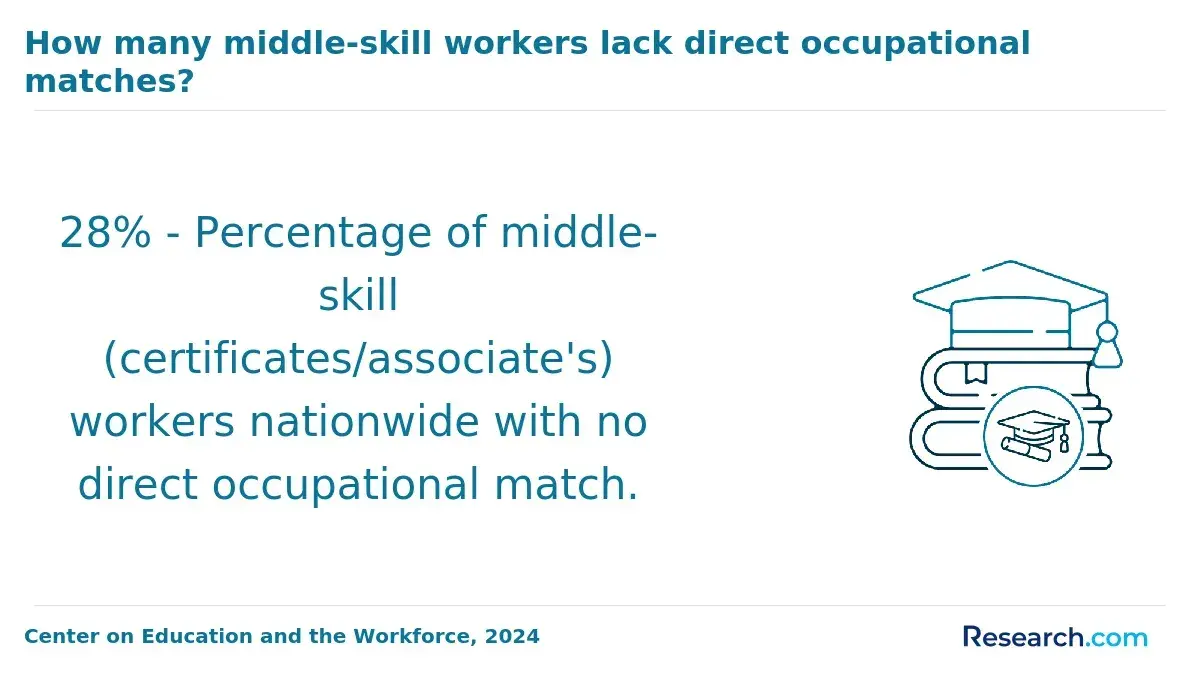
Annual graduate numbers alone do not provide a definitive measure of oversupply or undersupply in international relations careers because the pathway from degree completion to relevant employment is neither direct nor uniform. Data from national education agencies such as NCES and IPEDS indicate roughly 8,000 to 10,000 bachelor's degrees conferred annually in this field, but this total includes students who pursue further education, shift to unrelated industries, or face underemployment.
Thus, the sheer volume of graduates does not equate to immediate competition for the same job openings, especially since many employers seek advanced degrees or specialized skills beyond the undergraduate level.
A nuanced view requires considering employer demand, which is constrained by limited entry-level positions in government, NGOs, and international organizations, where roles often demand expertise in data analysis, regional languages, or prior internships. This results in about half of graduates securing positions directly related to international relations, roughly 4,000 to 6,000 annually, highlighting a gap between academic output and labor-market absorption.
Misinterpreting graduation rates as supply-side saturation risks overlooking structural factors like geographic concentration of jobs and differential employer expectations, which affect labor market fluidity and graduate outcomes over time.
For prospective students and advisors, understanding this dynamic underscores the necessity of aligning curriculum with practical competencies and considering graduate education or multidisciplinary training to improve employability.
The distribution of opportunities suggests that entry-level openings rarely match the annual graduate inflow uniformly across regions or sectors. Reliable workforce analysis must therefore integrate graduation data with occupational projections and skill requirements rather than rely on headline enrollment figures alone, ensuring decisions reflect the complex realities shaping international relations career trajectories.
Does Job Growth Support the Rising Supply of International Relations Graduates?
Projected job growth for international relations graduates does not fully match the rising supply, leading to intensified competition in many traditional roles. Although occupations such as political scientists and foreign service officers are expected to grow between 3% and 7% through 2030 according to the U.S. Bureau of Labor Statistics, these expansions often fall short of absorbing the increasing number of graduates.
The mismatch between job growth and the rising number of graduates is particularly pronounced at the bachelor's level, where completion rates have been on the rise.
Many entry-level positions demand specialized expertise, security clearances, or significant experience, creating barriers that prevent straightforward employment for new graduates and increasing underemployment risks in this field.
Employer demand versus international relations graduate supply reveals important variation across specializations and geography; for example, certain subfields like cybersecurity and international trade compliance show stronger hiring signals, while others face stagnation.
A graduate who focuses solely on conventional international affairs without acquiring hybrid skills or regional expertise may find limited openings, whereas those willing to pursue adjacent sectors or develop quantitative abilities may improve their prospects.
Misreading the market by ignoring these nuances risks prolonged job searches or shifting to unrelated careers. Students might also evaluate interdisciplinary alternatives, such as a game development online degree, if flexibility and labor market responsiveness are priorities in uncertain job landscapes.
How Competitive is the Entry-Level Market for International Relations Graduates?
The entry-level job market for international relations graduates in 2024 reflects a nuanced dynamic of supply exceeding demand but also distinct skill and experience gaps that limit immediate employability. While the annual number of graduates surpasses the new positions explicitly seeking such expertise, competition is intensified by employers' preference for candidates with internships or specialized skills.
This creates a scenario where many recent graduates face underemployment or employment outside the field, particularly without targeted experience or credentials. The sector's hiring activity remains concentrated in government, international organizations, and specific nonprofits, with slower growth rates than the broader labor market. Key factors shaping entry-level competition include:
- Graduate Volume: Annual graduates continue to outnumber available entry-level roles, pressuring applicants to differentiate through experience or niche skills. Labor data shows this imbalance persists nationally.
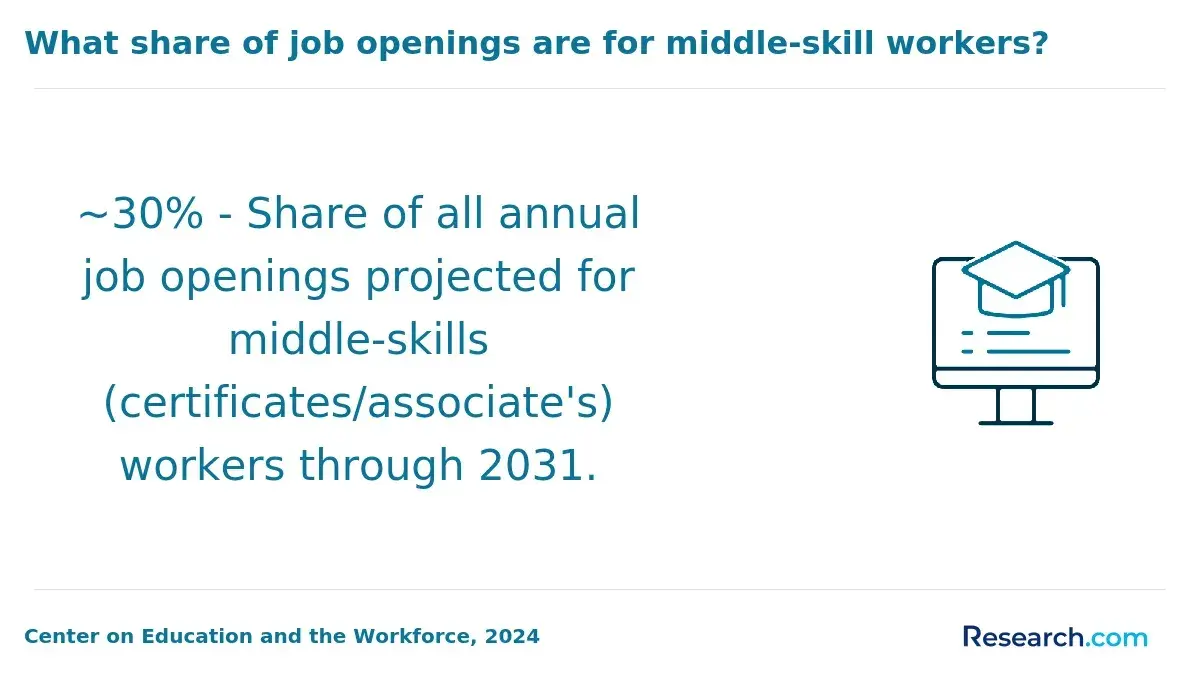
- Experience Requirements: Approximately 70% of job postings demand prior internships or related work, erecting barriers for fresh graduates without hands-on exposure.
- Industry Concentration: Demand clusters significantly within government and international nonprofits, limiting opportunities in private sectors and geographic regions with less institutional presence.
- Skill Specialization: Employers favor candidates with competencies in foreign languages, policy analysis, or data skills, making generalist degrees less competitive.
- Networking Impact: Connections and targeted placement efforts materially improve hiring prospects, underscoring the market's relational aspect.
- Regional Differences: Job availability varies widely by location, with major hubs offering more openings but increased applicant competition.
- Long-Term Pivoting: Career advancement often depends on transitioning toward specialized roles like security or diplomacy rather than general entry-level posts.
One recent graduate shared her early career experience navigating this competitive landscape. Despite holding a relevant degree, she encountered numerous openings requiring internships she had not completed, which significantly narrowed her options in her home region.
After multiple unsuccessful interviews partly attributed to crowded applicant pools, she shifted focus toward smaller nonprofits in less saturated metropolitan areas and invested in developing data analysis skills. While the transition delayed her entry into an ideal role, the strategic pivot eventually led to meaningful positions aligned with her interests-highlighting the practical need for adaptability and targeted preparation in this field.
Which Industries Have the Greatest Demand for International Relations Graduates?
Employer demand for international relations graduates concentrates in sectors where complex global interactions require specialized skills in policy analysis, cultural fluency, and geopolitical insight. Such demand is shaped less by sheer volume and more by nuanced hiring needs that prioritize advanced competencies, relevant internships, and multidisciplinary expertise.
For example, a graduate weighing options must consider not only which industries list the most openings but also where competition is lower, advancement paths clearer, and skills more aligned with employer expectations. Below is an analysis of the industries offering the strongest opportunities for international relations graduates, reflecting the realities of hiring trends and workforce dynamics in top sectors for international relations careers.
- Government and Public Administration: This sector leads demand due to consistent geopolitical challenges requiring diplomacy, intelligence analysis, and foreign service expertise. Entry-level positions often mandate language skills or security clearances, while advanced roles involve policy development and international negotiations, favoring candidates with prior internships or specialized training.
- Multinational Corporations: Companies navigating international markets seek graduates with skills in trade law, risk management, and regulatory compliance. Though volume is significant, competition is intense and favors those who combine business acumen with geopolitical analysis.
- Nonprofit and NGOs: Growing demand stems from global humanitarian and advocacy efforts, particularly in human rights, environmental issues, and health. These roles often require adaptability and grant-writing abilities; nontraditional credentials and regional expertise enhance prospects.
- Academic and Research Institutions: Though hiring is smaller and often requires advanced degrees, this sector values graduates for policy research, teaching, and think tank work. Specialists with quantitative skills or area studies backgrounds have a competitive advantage.
- Finance and Insurance: Firms here employ international relations graduates primarily for geopolitical risk assessments and international regulatory navigation. The niche nature of these roles demands strong analytical skills and familiarity with economic policy impacts on markets.
In addition, students exploring interdisciplinary paths may find comparative value in programs geared toward specialized skills, such as data analysis or regional languages, underscoring why a PsyD online program might attract candidates aiming to supplement their expertise in related areas. Placement success depends heavily on aligning skill sets with sector-specific demands within the broader industries hiring international relations graduates.
Where are International Relations Graduates Most in Demand?
National employment data for international relations graduates often masks significant regional disparities driven by local employer concentration and sector-specific demand. For example, Washington, D.C.'s dense ecosystem of federal agencies, diplomatic missions, and international NGOs creates more targeted openings than the number alone suggests, yet this centralization also means competition remains intense, especially given the city's high cost of living and limited remote work options.
Graduates targeting government or policy-related careers must weigh these factors against relocation costs and lifestyle tradeoffs, since areas like New York or Boston, while offering substantial roles, require specialized networks and often a willingness to navigate corporate or nonprofit international sectors rather than pure diplomacy.
Conversely, broader national trends show that metropolitan areas with diversified economies, such as Chicago and Houston, offer growing but less saturated markets for graduates with expertise in international trade, compliance, and geopolitical risk. These cities' regional employers include multinational corporations and consulting firms where international relations knowledge intersects with business strategy, providing alternative pathways beyond traditional government roles.
However, graduates need to carefully assess alignment between their skills and sector demands, as well as local educational pipelines that influence hiring preferences. Proximity to universities with strong international studies programs can tilt employer favoritism and networking opportunities.
Data from 2024 workforce analytics indicates that while student enrollment in international relations remains high nationwide, clear employer demand is concentrated geographically and by industry segment. This stratification means graduates often face an operational dilemma:
1. Pursue coveted positions in crowded markets requiring specialized credentials and high living expenses. 2. Target emerging regional centers with less competition but corresponding limitations in role variety or career upward mobility.
Understanding these regional and sector-specific dynamics is crucial for informed decision-making about education, job search strategy, and geographic mobility within an evolving global labor landscape.
Which International Relations Specializations and Degree Levels Face the Strongest Demand?
Labor-market signals reveal that employer demand within international relations is unevenly distributed, with strong preference for candidates possessing targeted specializations and advanced degrees. Employers prioritize skill sets that bridge policy insight with quantitative or technical expertise amid evolving global challenges.
For instance, a graduate with a master's degree focusing on cybersecurity policy is more likely to find diverse opportunities in government or multinational sectors compared to a bachelor's graduate with a generalist international relations background, who may face a saturated job market and limited entry-level roles. Data from the U.S. Bureau of Labor Statistics and LinkedIn Workforce Analytics support this nuanced landscape.
Key areas of growth reflect trending geopolitical priorities and regulatory complexities. Below are important specialization and degree-level combinations commanding notable attention from employers.
- Cybersecurity Policy Master's: Demand grows due to rising cyber threats and the need for professionals who understand both international law and technical security frameworks. These graduates often work with federal agencies and private sector firms managing compliance and risk mitigation.
- Global Trade Compliance Specialists: Expertise in navigating complex trade regulations attracts roles in multinational corporations and international organizations, especially those requiring deep understanding of evolving bilateral and multilateral agreements.
- International Development Economics: Candidates with economic analytical skills applied to development challenges are sought by NGOs and government bodies for program evaluation and strategic planning.
- Data Analytics Integration: Specializations emphasizing quantitative analysis, often coupled with foreign language proficiency, are increasingly favored to interpret geopolitical data and support policy decisions.
- Foreign Language Proficiency: Fluency in Mandarin, Arabic, or other strategic languages remains critical for regional expertise roles in intelligence, diplomacy, and international commerce.
- Master's vs. Bachelor's Credentialing: Master's degree holders generally secure better employment outcomes within two years, as reported by the National Center for Education Statistics, particularly for high-responsibility roles in federal service and consulting.
- Environmental Policy and Intelligence Analysis: These niche fields exhibit robust hiring due to specialized regulatory environments and increasing emphasis on security threats related to climate or geopolitical intelligence.
Are Employer Skill Gaps Affecting Demand for International Relations Graduates?
The perceived oversupply of international relations graduates often masks a critical shortage of those with specific technical and professional competencies. Hiring managers prioritize applied experience, mastery of digital diplomacy tools, language certifications, and specialized regional expertise, making many theoretical-only graduates less competitive.
For instance, a multinational firm seeking candidates with data analytics skills combined with international relations knowledge may leave positions vacant despite a high volume of applicants, reflecting a misalignment rather than true undersupply. This dynamic demonstrates how employer skill gaps in the international relations job market can restrict hiring despite apparent graduate abundance.
Labor market analyses reveal that credential mismatches distort demand signals, leading to selective recruitment that values hybrid skill sets over generalized degrees. Candidates with internships, policy acumen blended with technology literacy, and strong communication proficiency in virtual international collaboration consistently attract higher interest.
This phenomenon impacts competition unevenly across regions and sectors, often sidelining graduates lacking tangible skills despite the overall supply. Prospective students and degree holders should consider how targeted practical experiences and certifications can influence employability within this nuanced context of the impact of skill mismatches on international relations graduate demand.
Educational pathways that integrate robust quantitative training, cross-cultural communication, and digital competency-aligned with employer expectations-will yield better workforce outcomes.
Those exploring interdisciplinary tracks, such as pairing international relations with a data scientist degree, position themselves more favorably amid evolving market needs. Understanding these tradeoffs helps clarify the long-term benefits and limitations of the degree in meeting varying employer demands and navigating a specialized, competitive hiring landscape.
What is the Future Supply-and-Demand Outlook for International Relations Graduates?
Targeted job searches significantly outperform indiscriminate application strategies for international relations graduates due to the competitive nature of the labor market and modest employment growth in relevant fields. A common pitfall is indiscriminately applying to numerous positions without aligning qualifications to specific entry-level job titles such as policy analyst or foreign affairs specialist, which often results in low interview conversion rates.
Graduates who prioritize positions within government agencies, think tanks, or international NGOs-especially in geographic hubs like Washington D.C. or New York-better capitalize on regional demand and reduce wasted effort. Tailoring resumes to reflect employer language and emphasizing specialized skills like foreign languages or data analysis, bolstered by practical experiences such as internships, markedly enhance job-readiness perceptions among hiring managers.
Understanding employment projections for international relations degree holders highlights the importance of directing efforts toward roles that exhibit closer alignment with candidate competencies, as oversupply relative to demand persists in many areas. Application timing, market research, and networking are factors that can improve access to openings but do not guarantee placement without demonstrated capabilities.
For example, a graduate fluent in a critical language and equipped with quantitative analysis skills is more likely to secure a role than one relying solely on broad academic credentials. Prospective job seekers should adopt evidence-driven strategies rather than generic tactics, focusing on clear workforce signals and employer expectations, which distinguish successful navigation of a highly competitive labor landscape.
Incorporating diverse skillsets-including insights from related fields like cybersecurity courses-can also broaden employability in interdisciplinary roles, addressing gaps identified in the future supply and demand outlook for international relations graduates. Such cross-sector competencies, coupled with geographic flexibility and strategic application focus, underpin long-term career viability amid evolving employer requirements in policy and international affairs sectors.
References
- Why study international relations? What kind of careers can you get? - Marbella International University Centre https://miuc.org/study-international-relations-careers/
- Essential Skills for a Career in International Relations https://online.norwich.edu/online/about/resource-library/essential-skills-career-international-relations
- A World of Possibilities: Navigating Career Opportunities After... https://www.euruni.edu/blog/a-world-of-possibilities-navigating-career-opportunities-after-studying-international-relations-and-diplomacy/
- Department of International Relations at CEU https://www.ceu.edu/departments/international-relations
- Top 10 Careers in International Relations | University of Aberdeen International Study Centre https://www.aberdeen-isc.ac.uk/blog/top-10-careers-in-international-relations
- 10 Best Jobs for International Relations Graduates https://www.mdbjobs.com/p/10-best-jobs-for-international-relations
- Why Study International Relations in 2026? https://www.unicaf.org/why-study-international-relations-in-2026/
- International Relations and Signals of Change in International Education https://wenr.wes.org/education-policy/international-relations-signals-of-change-in-international-education/
- International Relations Salary and Career Paths https://teach.com/online-ed/government-degrees/online-masters-international-relations-business/salary-and-career-outlook/
- Study International Relations? Everything you need to know https://www.study.eu/article/study-international-relations-everything-you-need-to-know
Other Things You Should Know About International Relations
International relations programs vary widely between institutions, with some emphasizing theory, others prioritizing policy analysis, and some integrating language skills or regional expertise. This variability affects employability because employers often seek candidates with practical skills such as data analysis, negotiation, or foreign language fluency.
Graduates from heavily theoretical programs may face difficulties competing unless they proactively supplement their learning with internships or certifications that build applied competencies.
Yes, students aiming for careers in international relations should prioritize programs offering internships, study abroad, or project-based learning. These experiences provide crucial exposure to real-world diplomatic, governmental, or NGO environments, which many employers consider essential. Programs lacking these components may limit graduates' networks and practical understanding, potentially making initial job placement more challenging and prolonging the path to advancement.
Generalist degrees provide broad knowledge of global systems but may not meet employer demands for niche expertise in areas like cybersecurity, human rights law, or development economics.
Specialized degrees can enhance job prospects in targeted sectors but may narrow career flexibility. Students should weigh whether they prefer versatility in entry-level roles or targeted skills that align with specific career paths, knowing that specialization often requires keeping pace with rapidly evolving global issues.
International relations programs can be intellectually demanding, requiring strong multi-disciplinary analysis and extensive writing. A heavy workload may enhance critical thinking and research skills valued by employers but can also limit time available for networking, internships, or language acquisition. Students must balance academic rigor with practical experiences to avoid graduating well-educated but underprepared for the collaborative and fast-paced nature of most employer environments.