2027 Fine Arts Degree Outlook Through 2030: Enrollment, Salary, and Hiring Projections

Co-Founder and Chief Data Scientist
Choosing to pursue or continue a fine arts degree demands navigating complex realities beyond basic job or enrollment statistics. For example, while national enrollment increased by 4.2% in 2023, this growth masks significant regional disparities and specialization bottlenecks that can limit hiring prospects. Simultaneously, employer demand varies widely across industries, and rising graduate numbers may saturate certain local markets despite steady salary trends.
Additionally, evolving credential expectations and the integration of technology in creative fields further complicate long-term career viability. This article examines fine arts enrollment, salary patterns, hiring projections, industry demand, geographic opportunity, and emerging workforce changes through 2030 to clarify these often-overlooked factors.
Key Things to Know About the Fine Arts Degree Outlook Through 2030
- Fine arts enrollment declined 7% from 2020 to 2024, reflecting rising tuition costs and limited financial aid, which may constrain access and deter potential students despite steady industry demand.
- Employers report a growing preference for fine arts graduates with digital media skills, signaling shifting workforce needs that prioritize technical versatility over traditional specializations.
- Hiring projections through 2030 show modest growth concentrated in metropolitan areas, emphasizing geographic disparities that fine arts graduates must consider when targeting employment opportunities.
- Key Things to Know About the Fine Arts Degree Outlook Through 2030 Key Things to Know About the Fine Arts Degree Outlook Through 2030
- How is Fine Arts Degree Enrollment Expected to Change Through 2030? Enrollment Trends Through 2030
- How Many Fine Arts Graduates Will Enter the Workforce by 2030? Graduate Workforce Entry Projections
- What Are the Hiring Projections for Fine Arts Graduates Through 2030? Hiring Projections Through 2030
- Which Fine Arts Careers Will Experience the Most Job Growth? Fastest-Growing Career Paths
- What Is the Salary Outlook for Fine Arts Graduates Through 2030? Salary Outlook Through 2030
- Which Industries Will Hire the Most Fine Arts Graduates by 2030? Top Hiring Industries
- Where Will Demand for Fine Arts Graduates Be Strongest? Strongest Geographic Demand
- Which Fine Arts Specializations Will Be Most in Demand by 2030? Which Fine Arts Specializations Will Be Most in Demand by 2030?
- How Will AI and Technology Affect Fine Arts Careers Through 2030? How Will AI and Technology Affect Fine Arts Careers Through 2030?
- Is a Fine Arts Degree Worth Pursuing Based on 2030 Projections? Degree Value Through 2030
How is Fine Arts Degree Enrollment Expected to Change Through 2030?
Fine arts degree enrollment trends in the United States through 2030 suggest a landscape of relative stability but with meaningful variation driven by specialization and program structure. Institutions emphasizing interdisciplinary approaches that combine traditional fine arts with digital media and technology are more likely to sustain or modestly grow enrollment.
This shift reflects labor market preferences where employers increasingly value graduates with hybrid skill sets that can navigate both creative and technological demands, a tradeoff that may pressure purely studio-based programs to consolidate or reduce admission slots.
As a consequence, prospective students face a narrower set of specialization options and heightened competition in fields less aligned with emerging media, which can influence both program availability and the risk of workforce oversaturation in certain traditional art disciplines.
Projected growth in fine arts college enrollment nationwide appears constrained by broader demographic shifts and funding limitations, despite a slight uptick in participation from underrepresented groups such as Native American and African American students. These demographic trends partially offset enrollment declines in other segments, preserving overall cohort size but not necessarily expanding it.
In practical terms, this balance may sustain class sizes without generating significant increases in graduate supply, which aligns with employer caution in hiring and observed salary moderation in many creative fields. Educators and administrators should also note that evolving market demands place a premium on programs that mirror employment realities, a dynamic visible across other sectors including healthcare administration, where curriculum responsiveness directly shapes workforce outcomes.
How Many Fine Arts Graduates Will Enter the Workforce by 2030?
Graduate numbers alone provide an incomplete picture of fine arts workforce entry, as multiple factors influence actual labor market participation. Despite roughly 30,000 bachelor's degrees awarded annually in fine arts programs during the early 2020s, evolving enrollment trends and demographic shifts suggest a gradual decline in completions of about 1% to 2% each year. However, not all graduates enter fine arts employment immediately; some pursue additional education, accept roles outside their field, or delay workforce entry, moderating the direct relationship between degree conferrals and hiring demand.
This dynamic means that while cumulative fine arts graduates entering the market by 2030 may total between 200,000 and 220,000, the competitive nature of the industry and shifting employer expectations-including preference for digitally savvy or business-oriented hybrid skill sets-limit the absorption capacity of traditional artistic roles.
The practical implications of these trends underscore tradeoffs for prospective students weighing fine arts degrees. With hiring growth projected as stable or slightly decreasing in core creative occupations, graduates often face a crowded landscape intensified by unpaid internships and freelance contract competition.
Compared to STEM or business fields, where enrollment climbs align more directly with job availability, fine arts programs reflect constrained workforce opportunities relative to graduate output. These conditions highlight the importance of strategic skill diversification and realistic career planning rather than relying on graduate volume as an indicator of job security or upward mobility within the arts sector.
What Are the Hiring Projections for Fine Arts Graduates Through 2030?
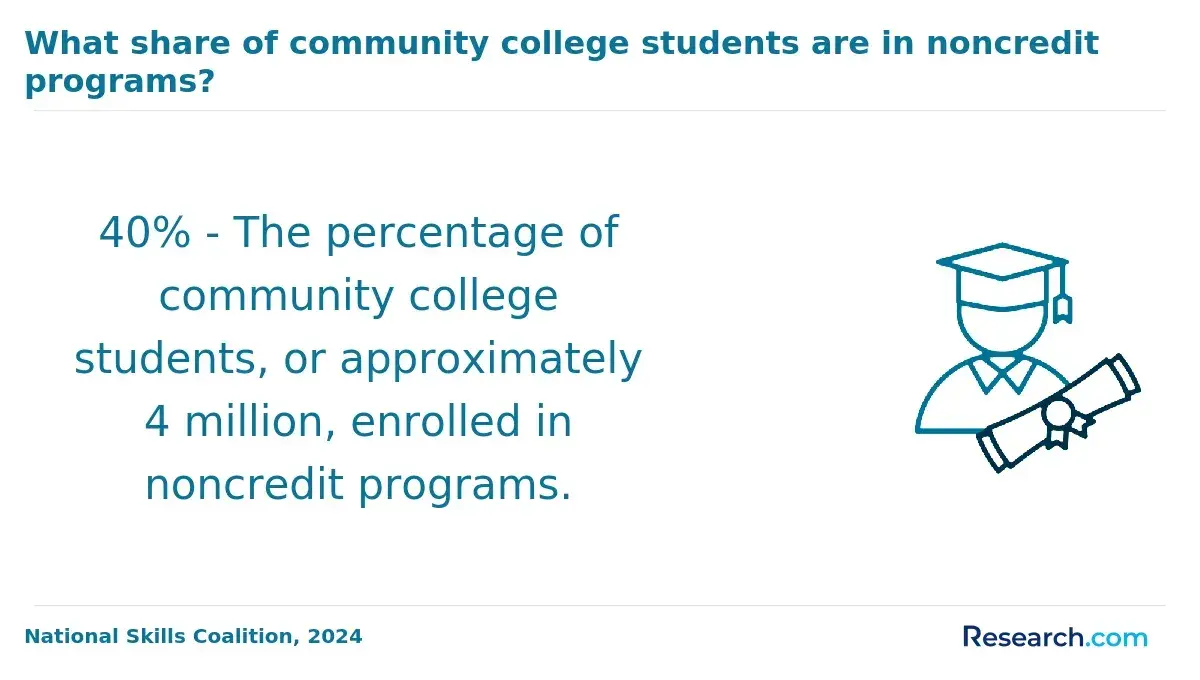
Hiring prospects for fine arts graduates through 2030 reflect a moderate and uneven outlook shaped by shifting industry demands and economic factors. Although the U.S. Bureau of Labor Statistics projects about 6% growth in related occupations, this average masks significant variation: digital artists and multimedia designers benefit from expanding digital content sectors, while traditional roles like painters and sculptors confront limited openings, heavily dependent on regional markets and gallery ecosystems.
For example, an aspiring painter in a smaller metropolitan area may face tougher competition and fewer entry-level opportunities than a graphic designer in a major media hub, highlighting that favorable statewide or national projections do not always translate to accessible local jobs.
Employers increasingly value hybrid skill sets combining artistic creativity with digital proficiency, reflecting a broader trend toward adaptable, portfolio-driven hiring rather than reliance on formal degrees alone. The gig economy further complicates these dynamics, as many fine arts roles are contract-based rather than full-time, requiring graduates to proactively build networks and practical experience to sustain steady employment.
Despite an estimated 10,000 annual job openings nationally that factor in both new positions and replacements, median salaries for fine arts professionals often trail national averages for bachelor's degree holders, underscoring the importance of planning for complementary skills and geographic flexibility when evaluating career sustainability in this field through 2030.
Which Fine Arts Careers Will Experience the Most Job Growth?
Fine arts job growth projections in the United States reveal significant divergence between traditional and technologically integrated roles through 2030. While occupations such as painters and sculptors face slower growth and heightened competition, areas blending creativity with technical skills-like multimedia artists, graphic designers, and web designers-show stronger employment expansion.
This trend is largely driven by increased demand for digital content in entertainment, marketing, and virtual environments, where proficiency in advanced software and cross-disciplinary capabilities strongly influence hiring outcomes. For example, a student pursuing a fine arts degree today must carefully weigh the tradeoff between passion for classical mediums and the labor market realities favoring digital adaptability to ensure stable employment prospects.
According to recent Lightcast and BLS data, multimedia artists and animators are among the fastest-growing fine arts careers, reflecting shifts toward immersive media and gaming industries. However, rapid percentage growth in smaller occupations should not be conflated with total job availability, which tends to be higher for graphic designers and art directors due to bigger market size and consistent replacement demand.
Candidates with multidisciplinary training who can navigate both artistic principles and evolving digital formats are better positioned amid increasing competition and employer expectations. In contrast, traditional fine arts paths often require supplemental income or freelance work, challenging those who prioritize stable salaries and full-time roles.
Students should consider these practical factors alongside their educational choices, acknowledging that successful outcomes increasingly depend on continuous skill development and adaptability.
Prospective learners interested in hybrid arts-technology roles may also evaluate alternatives such as an LPN program no TEAS required for access to other expanding fields. In all cases, understanding how employment trends align with fine arts job growth projections in the United States will better inform long-term career decisions.
What Is the Salary Outlook for Fine Arts Graduates Through 2030?
Salary projections for fine arts graduates through 2030 must be viewed against broader economic trends including inflation rates, evolving labor market demands, and shifting credential standards. Wage growth in creative fields often lags behind average national increases, partly due to slower employment expansion and the prevalence of freelance or contract work. Additionally, expected occupational changes and technological advances are reshaping roles in design, media, and education sectors, making specialized skills increasingly valuable.
The following factors play a crucial role in shaping compensation outcomes for fine arts graduates:
- Specialization Variability: Earnings differ significantly by focus area; graphic designers and digital media artists often command higher salaries than traditional studio artists due to greater market demand and transferable technical skills.
- Employment Sector: Private industry and corporate design roles generally offer more consistent pay compared to nonprofits or freelance positions, where income can fluctuate and benefits may be limited.
- Geographic Location: Urban centers with robust creative economies tend to provide stronger salary opportunities, while rural or less economically diverse regions often yield lower compensation.
- Experience and Portfolio Strength: Mid-career professionals who cultivate diverse portfolios and adapt to digital tools typically see better wage growth than recent graduates stuck in entry-level roles.
- Technological Proficiency: Mastery of digital platforms, coding, or marketing analytics increasingly correlates with higher earnings, enabling fine arts graduates to cross into related tech-driven sectors.
- Labor Market Competition: Limited job growth projected at about 3% through 2030 suggests heightened competition, pressuring salaries especially for those without supplemental skills or business acumen.
- Credential Expectations: Advanced degrees or certifications relevant to design, education, or multimedia can improve earning potential, particularly when combined with demonstrable professional experience.
One recent fine arts graduate encountered a starting salary offer near $35,000 in a large metropolitan area. Although initially disappointed by the modest figure, they pragmatically weighed cost-of-living factors and negotiated modestly for better benefits rather than a significant pay raise.
Understanding the intense competition and slower salary growth common in their specialization, they opted to bolster skills in digital design and marketing while accepting the realistic financial limitations of early-career creative roles.
Which Industries Will Hire the Most Fine Arts Graduates by 2030?
Projected employment trends through 2030 suggest that industries focused on creative and cultural services will dominate hiring for fine arts graduates. These sectors prioritize skills like visual storytelling, digital content creation, and multimedia design, reflecting a blend of artistic talent and technical proficiency. The top hiring sectors for fine arts degree holders 2030 will experience shifts driven by technological advancements, evolving consumer preferences, and cross-disciplinary demands.
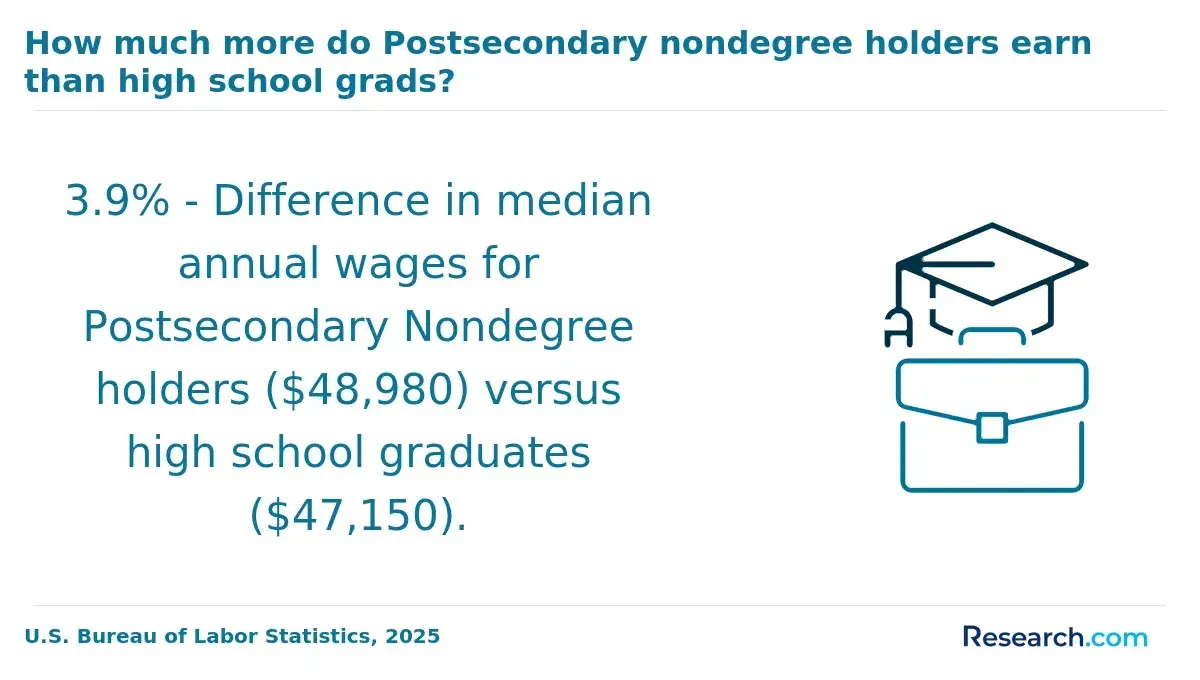
However, graduates must remain aware of the industry's competitive landscape and relatively modest median compensation compared to other fields, often typified by freelance and contract employment. Balancing artistic passion with pragmatic skill augmentation remains essential.
Below are the industries expected to generate the most significant demand for fine arts graduates through 2030:
- Motion Picture and Video Production: Growth fueled by streaming platforms and immersive media demands graduates skilled in animation, illustration, and cinematography. Entry-level roles often require proficiency in digital tools and collaboration across creative and technical teams.
- Graphic Design Services: Steady hiring reflects the need for brand identity and digital asset creation. Graduates with expertise in UX/UI design and multimedia software gain competitive advantages in this evolving space.
- Advertising and Public Relations: Agencies integrate AI and data analytics with creative strategy, increasing demand for fine arts graduates who can blend artistic insight with analytical skills to craft compelling campaigns.
- Specialized Design Consulting: Consulting firms seek individuals who can customize visual solutions for diverse industries, requiring adaptability and often interdisciplinary knowledge including marketing or technology.
- Digital Media Production: The surge of immersive experiences in gaming and virtual reality highlights demand for graduates with both artistic vision and technical literacy, such as 3D modeling and interactive design.
- Multimedia Marketing: Combining fine arts skills with digital marketing tactics enhances job prospects, as businesses prioritize visual engagement to meet shifting consumer behaviors.
Given these trends, fine arts degree holders benefit from complementing traditional artistic training with cross-functional competencies to sustain employability. Prospective students should carefully assess how these sectoral demands align with realistic salary expectations, including factors like contract work prevalence and fluctuating income stability.
For instance, understanding psychiatric nurse practitioner salary data illustrates how professions with strong demand and stability contrast with typical fine arts remuneration, emphasizing the need for strategic career planning in arts-related fields.
Where Will Demand for Fine Arts Graduates Be Strongest?
Demand for fine arts graduates is unevenly distributed with the strongest opportunities concentrated in metropolitan hubs where creative economies intersect with technology sectors. Cities like Los Angeles, New York, San Francisco, and Seattle not only house dense media and entertainment industries but also offer more specialized roles blending artistic skill with digital tools such as UI design and animation.
However, higher living costs and intense applicant competition in these urban centers mean that graduates must carefully weigh the benefits of increased job volume against local economic pressures and credential expectations.
Smaller, fast-growing cities investing in cultural infrastructure-examples include Austin and Denver-present emerging but less saturated markets that may offer more balanced cost-of-living versus opportunity ratios. These regions show potential for steady hiring in commercial creative fields, including branding and content production, often favored for financial stability over more traditional arts sectors.
Graduates who combine fine arts proficiency with technical or business skills are positioned to navigate these diverse markets, though they must be prepared for variation in salary scales and the prevalence of multidisciplinary roles. While education and cultural institutions remain steady employers, their slower growth and limited salary prospects contrast with creative tech industries where entry-level wages tend to be higher but require additional competencies.
National projections from the U.S. Bureau of Labor Statistics highlight a 7% increase in arts-related occupations through 2030, but localized conditions and sector-specific dynamics strongly influence whether graduates can leverage this growth into sustainable careers. Consequently, strategic choices about geographic location and skill development are crucial for aligning graduate outcomes with evolving labor market demands.
Which Fine Arts Specializations Will Be Most in Demand by 2030?
Labor market data and employer demand projections reveal uneven growth across fine arts specializations through 2030, with increasing emphasis on interdisciplinary skills linking creativity and technology. Digital and multimedia arts fields show the most substantial employment gains, largely driven by expanding sectors such as entertainment, advertising, and tech, where proficiency in animation, graphic design, and interactive media is critical.
By contrast, traditional studio arts like painting and sculpture face constrained hiring and slower wage growth, often limited to niche markets or academic roles. Students must weigh these divergences carefully, considering both market demand and their own adaptability in a competitive environment.
A prospective fine arts student, for example, might compare options by factoring in demand, necessary digital skills, and opportunities for cross-industry work to select a path optimized for sustainable employment.
The following specializations are projected to exhibit the strongest employer demand by 2030:
- Digital Animation and Multimedia Arts: Strong growth is expected as entertainment and advertising industries expand; graduates benefit from technical skills in animation software and storytelling, coupled with creative flexibility.
- Graphic Design with Digital Workflow Proficiency: Employers prioritize candidates fluent in digital tools and brand communication; roles span agencies, corporate marketing, and digital platforms requiring adaptability.
- User Experience and Interface Design: Increasing demand reflects the need for artists who merge visual design with human-computer interaction skills, essential across tech-driven sectors.
- Visual Effects and Post-Production: Growth aligns with media production and gaming industries; expertise in specialized software and collaborative project workflows enhances employability.
- Interactive Media and Game Design: This field benefits from gaming industry expansion and emerging platforms; combining coding knowledge with design principles is often vital.
According to recent reports from the U.S. Bureau of Labor Statistics and Lightcast, median wages in these digital-focused fine arts fields consistently surpass those in traditional studio arts tracks. Educators and students should prioritize fine arts programs that offer integrated technological training to improve long-term career flexibility and viability.
How Will AI and Technology Affect Fine Arts Careers Through 2030?
Technology in fine arts careers through 2030 is more likely to augment and redefine traditional tasks rather than wholly automate them. Routine responsibilities such as digital rendering, pattern creation, or basic compositional elements are increasingly handled by AI and automation, shifting the focus of emerging roles toward integrating technical fluency with creative insight.
For example, a digital experience designer may use AI-driven tools to accelerate workflow but must also apply aesthetic judgment and cross-disciplinary communication skills to deliver nuanced outcomes that machines alone cannot replicate. Those who fail to develop hybrid competencies risk being sidelined, especially as employers prioritize candidates capable of leveraging emerging technologies alongside artistic sensibilities.
The impact of emerging technologies on fine arts job prospects through 2030 shows notable differentiation across subfields. Traditional disciplines like painting and sculpture may see stagnant employment growth and limited tech integration, while digital arts, animation, and interactive media experience robust demand.
This results in salary premiums for tech-savvy creatives with applied knowledge of augmented reality, coding, or AI-enhanced design software. Hiring projections emphasize the need for adaptability and continuous learning, with increasing value placed on interdisciplinary skill sets rather than purely classical training.
Students and professionals evaluating fine arts enrollment options should thoughtfully balance foundational artistic development with curricula that reflect this evolving landscape. Practical outcomes depend on navigating roles that merge creativity with technical proficiency, making applied projects and certifications critical for employability.
Understanding how to combine these elements can align career trajectories with market realities, much like learning pathways offered in other fields-see this resource on how to be a nurse practitioner-which underscores the importance of role-specific training and technology fluency in workforce success.
Is a Fine Arts Degree Worth Pursuing Based on 2030 Projections?
Enrollment trends for fine arts degree programs are projected to remain stable through 2030, without significant expansion, reflecting steady but limited demand relative to STEM and business fields. This steady enrollment aligns with the fine arts degree employment outlook United States 2030, where modest job growth of 3% to 5% is expected in related occupations such as art directors and graphic designers.
Graduates should weigh the risk of entering a competitive job market that may have more candidates than openings, especially in metropolitan areas with higher concentrations of creative professionals.
Median salaries for fine arts careers generally fall below the national average for all bachelor's degree holders, with earnings around $45,000 to $50,000 compared to approximately $60,000 overall. This salary disparity, highlighted in 2023 fine arts career salary and hiring trends, underscores the importance for graduates to develop complementary technical skills or business acumen to improve job prospects and income stability.
Moreover, geographic differences and career path choices-such as freelancing versus in-house roles-greatly affect financial outcomes and should factor into the decision to pursue this degree.
Prospective students should consider tuition costs, completion time, and career flexibility when evaluating fine arts programs against projected opportunities. Those aiming to augment their credentials could explore options like speech pathology programs online for veterans or other hybrid skill sets that blend creativity with marketable competencies.
Ultimately, the fine arts degree remains a viable path for individuals with a clear plan for navigating competitive hiring conditions and the evolving demands of creative industries through 2030.
References:
- The Future of AI Art and Automation in Creative Industries - Jingna Zhang Fashion, Fine Art & Beauty Photography https://zhangjingna.com/blog/the-future-of-ai-art-and-automation-in-creative-industries
- The Art World Job Market in 2025 and Looking Ahead to 2026 - Lacey West Art International https://www.laceywestartintl.com/blog/the-art-world-job-market-in-2025-looking-ahead-to-2026-166
- How will Artificial Intelligence Affect Jobs 2025-2030 | Nexford University https://www.nexford.edu/insights/how-will-ai-affect-jobs
- These are the artistic careers with the most job opportunities - TAI ARTS https://taiarts.com/en/blog/artistic-careers-with-job-opportunities/
- Art and Design in 2030: The Future of Us | School of the Art Institute of Chicago https://www.saic.edu/magazine/fall21/art-design-2030
- AI and the Future of Artistic Labor https://techpolicy.press/ai-and-the-future-of-artistic-labor
- 40 Jobs After a BFA Degree: Career Options for Fine Arts Graduates - Artemisia College https://www.artemisiacollege.com/blog/fine-arts-degree-career-opportunities/
- Learn more about a guide to in-demand specializations 2030 https://studyfans.com/en/blogs/789
- NAEA Position Statement on the Impact of Visual Arts Workforce Development - National Art Education Association https://www.arteducators.org/resources/platform-and-position-statements/naea-position-statements-learners/539-naea-position-statement-on-the-impact-of-visual-arts-workforce-development/
- Creative Industry Displacement by 2030 | Early Signals of AI Impact https://jobsdata.ai/predictions/creative-industry-displacement
Other Things You Should Know About Fine Arts
While highly selective programs may add prestige, they often restrict hands-on experience due to limited studio time and individualized mentorship. Programs emphasizing practical training, even if less selective, typically better prepare students for the unpredictable demands of fine arts careers, where a robust portfolio and applied skills matter more than brand recognition. Prospective students should prioritize programs offering substantial real-world projects and employer engagement to enhance employability post-graduation.
Traditional fine arts programs often demand extensive studio hours and mastery of specific mediums, which can be time-intensive but result in deep specialization. Interdisciplinary or digital media tracks may require a broader skill set including technology proficiency and collaborative projects, increasing the cognitive complexity and continuous learning burden. Students should consider their capacity for workload diversity and adaptability; those aiming for versatility and emerging media careers benefit more from interdisciplinary programs despite potentially steeper learning curves.
Employers in creative industries increasingly expect graduates to exhibit both artistic talent and project management skills, such as meeting deadlines and client collaboration. Graduates lacking professional experience or business acumen may struggle to translate artistic ability into income-generating work. Therefore, students should seek programs integrating internships, portfolio development under real client constraints, or entrepreneurial training to align better with hiring realities and improve job prospects.
Fine arts careers often involve fluctuating income streams with early years marked by lower earnings and project-based contracts. Graduates should not rely solely on expected average salaries but rather plan for diversified income sources, including freelance work, teaching, or related creative fields. Prioritizing financial resilience through budgeting and supplemental skills can mitigate income volatility and sustain career longevity in this sector.