2027 Economics Degree Enrollment Trends by Age Group: Traditional Students vs Adult Learners

Co-Founder and Chief Data Scientist
The demand for economics graduates intersects distinctly with industry hiring practices and credential inflation, skewing enrollment across age groups. Traditional students, generally aged 18 to 24, often align their studies with immediate entry into analyst and research roles requiring technical econometrics skills. Meanwhile, adult learners respond to mid-career shifts catalyzed by economic disruptions; their growing presence mirrors a 12% projected employment increase in economic analysis roles through 2030.
This bifurcation reveals differing motivations shaped by workforce needs and program accessibility. The age distribution suggests evolving educational models that must reconcile early specialization with flexible reskilling approaches to sustain the profession's adaptability.
Key Things to Know About Economics Degree Enrollment Trends by Age Group
- Adults 25+ represent 35% of new economics enrollees in 2024, reflecting increased career shifts but often facing longer degree completion times due to balancing work and study.
- Employers increasingly value practical experience over-age-specific credentials, meaning traditional college-age students may need internships to remain competitive compared to mature entrants with work backgrounds.
- Rising tuition inflation disproportionately impacts younger enrollees reliant on loans, creating cost-access tradeoffs that can delay graduation or reduce course load intensity, influencing long-term career progression.
- Key Things to Know About Economics Degree Enrollment Trends by Age Group Key Things to Know About Economics Degree Enrollment Trends by Age Group
- Which Age Groups Represent the Largest Share of Economics Students? Students by Age Group
- Why Do Traditional Students Choose Economics Degree Programs? Traditional Students
- Why Do Adult Learners Return to School for a Economics Degree? Adult Learners
- How Do Academic Goals Vary Between Younger and Older Economics Students? Academic Goals by Age Group
- How Do Financial Concerns Differ Between Traditional Students and Adult Learners? Financial Concerns by Age Group
- What Challenges Do Adult Learners and Traditional Students Face While Earning a Economics Degree? Student Challenges by Age Group
- How Does Age Affect Economics Degree Student Retention? Age and Student Retention
- Which Economics Specializations Are Most Popular Among Adult Learners? Top Specializations for Adult Learners
- How Does Age Affect Job Opportunities for Economics Graduates? Impact of Age in Job Opportunities
- What Do Current Economics Enrollment Trends Reveal About Future Demand? What Do Current Economics Enrollment Trends Reveal About Future Demand?
Which Age Groups Represent the Largest Share of Economics Students?
Economics programs attract students across diverse life stages, but enrollment tends to concentrate in particular age groups due to differing career entry points, financial capacities, and educational routes. The enrollment patterns mirror broader labor market and higher education system forces rather than simple academic preference. Understanding these dynamics helps clarify why certain age brackets dominate the demographic distribution of traditional and adult economics students.
- Ages 18-24: This group comprises the largest share of economics students, largely because their life trajectories align with traditional higher education timelines. Their enrollment is facilitated by streamlined transitions from high school to college, supported by financial aid and institutional frameworks designed for this cohort's needs. The timing also coincides with most employers' expectations for entry-level hires possessing robust analytical skills, reinforcing their dominant presence in economics degree programs.
- Ages 25-34: Adult learners in this age range often pursue economics to bolster career shifts or enhance professional credentials. Although smaller in number, their enrollment reflects practical motivations to increase job security or pivot careers, frequently necessitating flexible formats like part-time or online study. This group's demographic reflects a blend of workforce participation and renewed educational commitments amidst complex life responsibilities.
- Ages 35-44: Participation declines further in this bracket as competing personal and occupational demands limit enrollment. Students here typically focus on targeted skill acquisition directly applicable to current roles, valuing immediate workforce benefits over traditional degree paths. Their presence underscores growing interest in lifelong learning but illustrates the challenges of balancing education with established career and family obligations.
- Ages 45 and older: This segment remains the smallest portion of economics enrollees, constrained by limited program accessibility, financial considerations, and reduced employer emphasis on advanced academic credentials at later career stages. Nonetheless, their enrollment highlights ongoing upskilling trends and the specialized use of economics education to complement accumulated experience, though it rarely influences aggregate enrollment figures significantly.
The largest age groups enrolled in economics degree programs illustrate how workforce timing and education system design shape enrollment more than purely academic interest. For prospective students evaluating economics pathways, recognizing these structural and demographic realities provides crucial context for aligning educational choices with career strategies. Those seeking insight into economic outcomes and employability may also consider exploring the most lucrative degrees to understand how economics compares in the broader landscape of degree value and labor market return.
Why Do Traditional Students Choose Economics Degree Programs?
Traditional students often select economics degree programs driven by a synthesis of academic interest and early career exploration rooted in the degree's signaling value in the labor market. Their choice aligns with perceived versatility in skill acquisition, as economics integrates quantitative analysis and critical thinking applicable across multiple industries. This cohort views economics degrees as strategic foundations enabling flexibility, which correlates strongly with findings from the National Center for Education Statistics revealing that approximately 27% of recent high school graduates prioritize programs promising career adaptability. Engagement with foundational coursework and the perceived linkage to high-demand sectors often catalyze enrollment decisions shaped by clear early professional objectives and the analytical rigor economics programs impart.
Deeper factors shaping traditional student motivation include university recruitment strategies and guidance counseling that emphasize economics as a pathway to stable employment, especially amid heightened awareness of labor market volatility. Exposure to economics-related subjects in secondary education or introductory college courses further reinforces this trajectory by demystifying core concepts and illustrating their real-world application. Peer networks and institutional reputation influence degree program choice, while structured pathways such as specialized advising and internship opportunities contribute to aligning educational experiences with early career goals.
As enrollment motivations reflect these structural dynamics, some students also investigate complementary fields, including the growing prominence of interdisciplinary options that connect economics with policy and data science, while others explore linked fields like the PhD organizational leadership to fortify leadership potential alongside economic expertise.
Why Do Adult Learners Return to School for a Economics Degree?
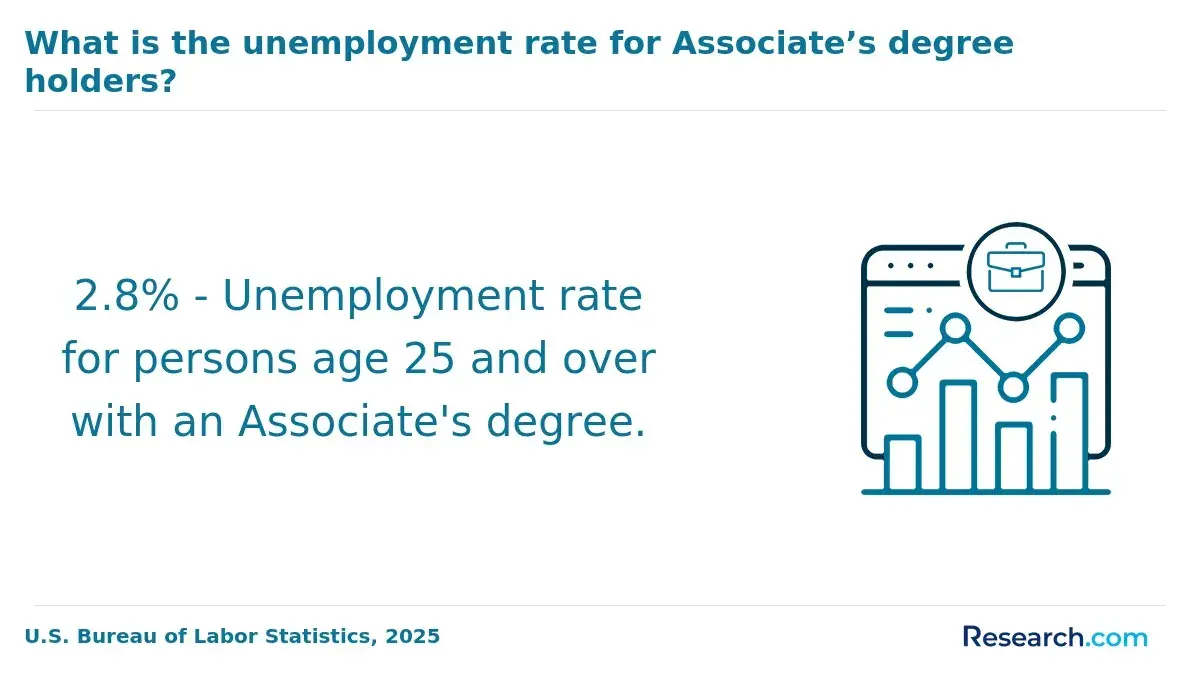
Adult learners returning to pursue an economics degree are often driven by the need to enhance career flexibility, increase earning potential, or pivot into new industries. Unlike traditional students, these individuals typically seek credentials that directly support mid-career mobility or promotion within competitive job markets. A 2024 report from the National Center for Education Statistics reveals that over 60% of adult learners cite career advancement as a key motivator, highlighting the economics degree's value in roles demanding analytical skills and economic literacy such as finance, policy analysis, and strategic planning.
Additional drivers include employer-sponsored tuition assistance programs and the broader availability of flexible, online courses tailored to adult schedules, reducing the tension between education and work or family obligations. Industry shifts and credential inflation increasingly compel adults to update technical competencies and formal qualifications to remain relevant, particularly in data-driven sectors. These factors collectively influence enrollment patterns by emphasizing programs that blend theoretical foundations with pragmatic applications, reflecting evolving employer expectations for candidates with quantifiable analytical and problem-solving capabilities.
How Do Academic Goals Vary Between Younger and Older Economics Students?
Younger economics students often approach their studies with the intent to develop a broad foundation of knowledge, building essential analytical and quantitative skills that prepare them for a range of entry-level opportunities or advanced graduate education. Their academic goals commonly reflect a phase of exploration, seeking exposure to multiple economic disciplines before selecting a career focus. Data from the National Center for Education Statistics in 2024 shows that about 67% of these traditional students emphasize gaining comprehensive economic theory and methodological tools, aligning with employer expectations for versatile, adaptable new entrants to the labor market. This foundational approach facilitates longer-term flexibility but can also prolong decision-making regarding specialization or immediate career application.
By contrast, older economics students tend to pursue more targeted academic objectives driven by clear professional imperatives such as skill enhancement, career pivoting, or credential completion tied directly to workplace demands. Many adult learners integrate their prior work experience into focused coursework that supports immediate performance improvements or strategic role advancement. The NCES reports that 54% of adult economics students prioritize skill acquisition that correlates with current job requirements or entrepreneurial efforts, demonstrating a pragmatic balance between education and existing financial and family responsibilities. Their learning tends to be goal-oriented, condensed, and aligned with precise labor market outcomes, which reflects lifecycle-driven education behavior rather than exploratory study.
One adult learner, navigating the rolling admissions process for an economics program, described a cautious timeline shaped by work commitments and financial planning. Initially hesitant to apply early due to uncertainty over balancing coursework with job responsibilities, this student monitored application deadlines closely, ultimately submitting materials just before a mid-cycle cutoff. The experience underscored the need for strategic timing amid competing priorities, as waiting too long risked losing available spots while applying too early could jeopardize preparation quality. This real-world admission scenario illustrates how adult learners often face nuanced decision points tied to their dual roles as students and professionals.
How Do Financial Concerns Differ Between Traditional Students and Adult Learners?
Traditional students pursuing an economics degree often depend on a mix of parental support, scholarships, and federal student aid to finance their education, reflecting their typical status as dependents or those with limited personal income. With about 58% receiving some form of financial aid according to the National Center for Education Statistics, their primary financial concerns center on tuition costs and avoiding excessive debt that could hinder future financial flexibility. This cohort tends to weigh long-term debt tolerance carefully since many are entering the workforce for the first time, making debt management a strategic priority rather than a short-term affordability issue. These financial challenges reflect broader differences in the financial challenges faced by traditional and adult economics students.
Adult learners, by contrast, face a markedly different financial calculus shaped by existing income, family obligations, and professional responsibilities. Many fund their education through current income or savings, with 72% reportedly self-financing according to Pew Research Center data, which highlights the importance of managing immediate opportunity costs such as lost wages or reduced work hours. The presence of employer tuition assistance or the need to balance work-study commitments introduces complex tradeoffs, with adult learners prioritizing flexible formats or accelerated pathways despite potentially higher tuition fees. These factors combine to create distinctly different differences in tuition funding for economics degree learners by age, influencing how this group approaches risk and investment in their educational trajectory.
These divergent financial profiles significantly shape enrollment decisions and program choices, with traditional students often seeking in-state tuition discounts or grant-supported programs while adult learners tend to value programs with flexible, online options that accommodate their schedules. This dynamic, combined with the increasing focus on credentials that improve employability, underscores the importance of evaluating the total cost-benefit equation, including opportunity costs and long-term income gains. Prospective students may find resources on fast masters degrees valuable when considering accelerated options that factor into these financial and career tradeoffs.
What Challenges Do Adult Learners and Traditional Students Face While Earning a Economics Degree?
Traditional students pursuing an economics degree often confront the dual challenge of adapting to rigorous academic expectations while navigating significant developmental transitions typical of the 18-to-24 age group. They must establish foundational discipline in quantitative analysis and economic theory, frequently with limited practical experience to contextualize their studies. Managing increasingly complex coursework alongside social and extracurricular demands requires refined time management skills, yet many face financial burdens, with over 60% graduating with debt according to the Institute for College Access and Success. These pressures can lead to prioritizing immediate employment over advanced specialization, shaping both academic persistence and career entry trajectories.
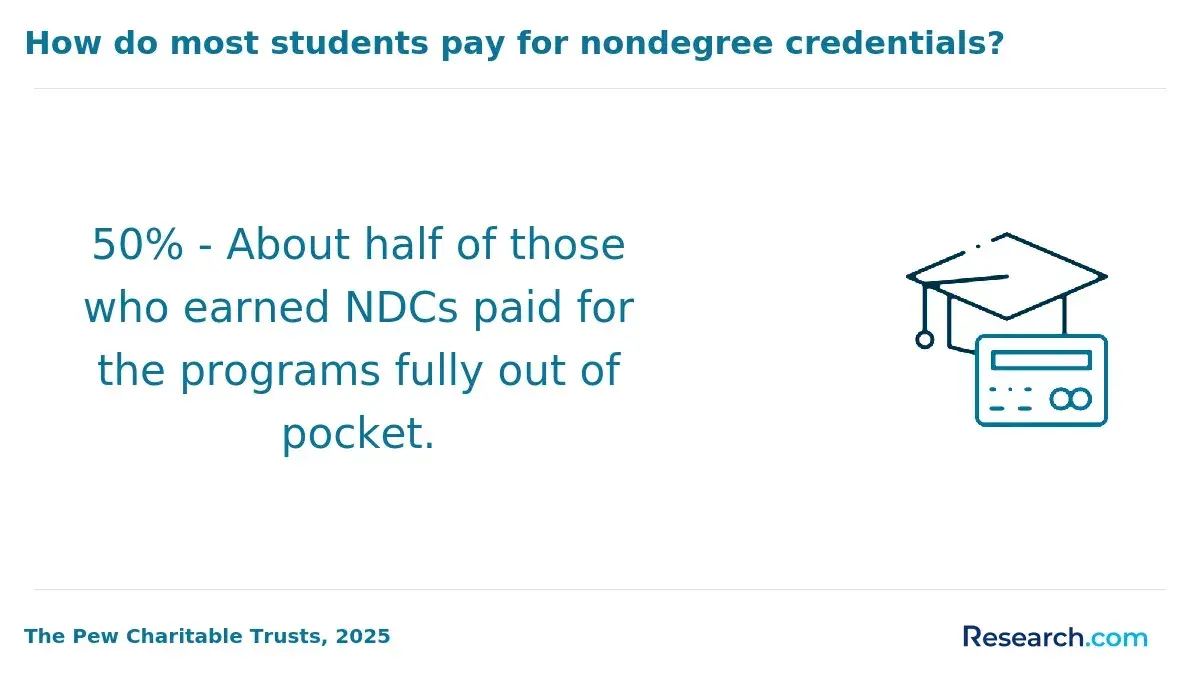
Adult learners in economics confront a different set of constraints shaped heavily by external responsibilities, including full-time employment and caregiving roles. Re-entering academia after a hiatus often involves overcoming gaps in foundational knowledge, necessitating additional preparatory effort and academic support. Time scarcity and fatigue from balancing work and study complicate consistent progress, with financial stress amplified by lost wages when reducing work hours to attend classes-55% of adult economics students cite this as a significant barrier per the Federal Reserve Bank's 2024 report. These factors result in non-linear degree pathways and necessitate flexible scheduling to sustain momentum despite competing personal and professional obligations.
Institutions educating economics students increasingly recognize the divergent needs of these groups, adapting support services and advising to accommodate varied learning styles and life circumstances. Flexible course formats, including evening, weekend, and online options, aim to mitigate time pressures for adult learners, while enhanced academic advising seeks to guide traditional students through demanding curriculum sequences. However, persistent systemic challenges in registration and resource accessibility continue to impact retention and completion rates differently across age cohorts, underscoring the need for tailored institutional strategies that reflect the lifecycle-dependent realities shaping economics degree attainment.
How Does Age Affect Economics Degree Student Retention?
Younger students pursuing an economics degree often face retention challenges that stem from adapting to college-level demands and sustaining motivation during their initial years. These traditional students, typically aged 18 to 24, frequently encounter difficulties balancing academic expectations with social and personal growth, affecting their persistence. Institutional environments usually cater to their developmental and integration needs, with greater access to campus resources and peer support. According to the National Center for Education Statistics in 2024, about 68% of these students continue into their second year, reflecting both the pressures and institutional investment at this stage.
Adult learners in economics navigate retention under different conditions, often displaying stronger clarity of purpose linked to professional or personal goals, yet facing significant constraints from work commitments, family obligations, and limited time flexibility. Their persistence is frequently challenged by the necessity to juggle education alongside external responsibilities and financial pressures, which traditional support systems may inadequately address. With only around 52% returning for a second year, adult students' retention reflects complex tradeoffs between motivation and logistical realities, underscoring the importance of adaptable course structures and institutional support that recognizes their unique barriers.
One economics graduate recalled delaying application submission during a rolling admissions cycle because of concern over work schedule stability and needing to secure childcare arrangements. They hesitated to commit without clear assurance on class formats and timing, which added stress but eventually led to more informed planning. This experience highlighted how adult students often weigh multiple external factors in retention decisions, beyond mere academic readiness, underscoring that timing and institutional responsiveness can influence persistence as much as personal motivation.
Which Economics Specializations Are Most Popular Among Adult Learners?
Adult learners pursuing economics degrees typically select specializations that provide clear, actionable skills aligned with current labor market demands and their existing professional experience. Their choices tend to prioritize practical applications over theoretical focus, reflecting the need for career mobility, salary enhancement, and efficient skill updating. Data from the National Center for Education Statistics in 2024 shows nearly half of adult learners opt for specializations that facilitate immediate workforce impact, distinguishing them from traditional students who incline toward academic or theoretical tracks. This pattern reveals how returning students strategically align their education to meet employment outcomes, balancing studies with ongoing work or family responsibilities.
- Applied economics and public policy: This specialization attracts adult learners aiming to leverage prior experience into roles within government agencies, consulting firms, or non-profits. Its direct connection to regulatory analysis and economic development supports those seeking influence on labor markets or public programs and offers tangible pathways to salary growth and job stability.
- Financial economics: Adults drawn to banking, investment, or corporate finance careers prefer this specialization for its immediate relevance to their industry. It enables professionals to deepen their understanding of financial instruments and market behavior, critical for transitioning into higher-level roles or specialized finance positions.
- Health economics: Increasing demand across healthcare systems for cost analysis and policy evaluation has made this an attractive field for adult learners with healthcare or insurance backgrounds. It offers a focused route to upskilling, distinctly suited for those targeting administrative and policy-oriented positions in a growing sector.
- Data analytics within economics: This specialization aligns with the rising emphasis on big data and predictive modeling in economic forecasting. Adult learners already familiar with quantitative methods often choose it to sharpen analytical skills essential for roles driven by evidence-based decision-making and advanced econometrics.
Such preferences highlight how the most popular economics majors among returning students differ significantly from the more theoretical trajectories typical of younger cohorts. Employers consistently seek economics graduates who combine solid applied expertise with domain-specific knowledge-traits inherent to these specializations. Adult learners' strategic focus on applied courses reflects an awareness of the need to optimize education as a tool for workforce reinvention and to secure a measurable return on investment.
For those exploring degree paths with practical outcomes, resources like DBA programs online can also complement economics studies, offering options for further executive-level advancement tied to real-world leadership challenges.
How Does Age Affect Job Opportunities for Economics Graduates?
For younger economics graduates, typically those aged 18 to 24, job opportunities often hinge on early career positioning and access to structured entry-level roles. Employers commonly value these graduates for their flexibility, longer professional horizons, and willingness to engage in internship pipelines that facilitate smoother transitions into workforce expectations. According to a 2024 report by the U.S. Bureau of Labor Statistics, graduates under 25 have an employment rate approximately 12% higher in their first year than older peers, reflecting the marketplace's preference for candidates who can be molded within traditional career timelines. This dynamic shapes pathways for recent graduates by aligning hiring outcomes closely with age-related workforce segmentation and labor market entry strategies, especially for those leveraging conventional academic timelines in economics graduate job prospects by age group.
Older economics graduates, often adult learners beyond age 25, encounter a distinct set of hiring realities shaped by prior work experience, transferable skills, and career transition objectives. While relevant experience can expedite placement in specialized or analytical roles, age bias remains a persistent factor affecting opportunities, often increasing job search durations compared to younger cohorts. The National Bureau of Economic Research reported in 2024 that workers over 35 with newly earned degrees face nearly 15% longer job searches despite equivalent qualifications.
These realities exemplify how the impact of age on career opportunities for economics degree holders involves navigating employer expectations of tenure, salary, and career trajectory fit. Additionally, adult learners must carefully evaluate program accessibility and relevance, especially considering growth in non-traditional pathways, such as online Spanish degrees for veterans, that broaden options beyond conventional timelines.
What Do Current Economics Enrollment Trends Reveal About Future Demand?
Increasing enrollment among adult learners and sustained interest from traditional college-age students in economics programs reveal evolving perceptions about the degree's practical value. The 12% growth in economics enrollment for learners aged 25 and older between 2022 and 2024, according to the National Center for Education Statistics, reflects more than just rising academic interest-it signals expanding recognition of economics as a tool for workforce mobility and career pivoting. This demographic shift underscores a growing preference for programs that offer applied learning, flexibility, and interdisciplinary skills, aligning with real-world demands rather than purely theoretical study. Traditional students, while still the largest cohort, face growing competition from adults bringing workplace experience, which alters how institutions structure courses and delivery methods.
These enrollment patterns mirror broader labor market signals related to technological advancements, data-driven decision-making, and complex policy environments demanding economics expertise. Employers increasingly seek professionals who combine economics knowledge with skills in data analytics, financial literacy, and policy evaluation, directly influencing program expansion and specialization development. The rise in adult learners pursuing economics degrees also reflects workforce shortages in areas like public policy and finance, encouraging programs to adapt offerings for nontraditional students. This alignment suggests continued growth in economics education tailored to mid-career professionals, indicating sustained future demand linked to evolving industry needs and educational accessibility.
References
- Adult Postsecondary Learners: Reviewing the Data and Evidence https://www.jff.org/idea/adult-learners/
- Which Concentration Should You Choose For Your Master's Degree in Economics? | INOMICS https://inomics.com/advice/which-concentration-should-you-choose-for-your-masters-degree-in-economics-1000434
- Traditional Vs. Non-Traditional Students in Higher Education https://moderncampus.com/blog/traditional-vs-non-traditional-students-in-higher-education.html
- 2026 Higher Education Trends https://www.deloitte.com/us/en/insights/industry/articles-on-higher-education/2026-higher-education-trends.html
- Economics Is a Lucrative Major https://www.richmondfed.org/publications/research/econ_focus/2022/q3_profession
- An Analysis of the Impact of Age, Work Experience, and Gender on Job Search Duration Among Graduates https://jos3journals.id/index.php/jos3/article/view/173
- For Adult Learners, College Means More Than Just Jobs and Wages https://www.higheredtoday.org/2024/11/22/college-means-more-adult-learners/
- Predicting economics student retention in higher education : The effects of students' economic competencies at the end of upper secondary school on their intention to leave their studies in economics https://kops.uni-konstanz.de/entities/publication/5097c9f0-dd6b-4186-bb53-2947414a3fda
- Eight economic facts on higher education - The Hamilton Project https://www.hamiltonproject.org/publication/economic-fact/eight-economic-facts-on-higher-education/
- REACHing for more: How Higher Education Can Better Serve Adult Learners by Addressing Time Poverty - Education Strategy Group https://edstrategy.org/reaching-for-more-how-higher-education-can-better-serve-adult-learners-by-addressing-time-poverty/
Other Things You Should Know About Economics
Adult learners typically benefit more from flexible scheduling and part-time options due to work and family commitments. Programs that lack these accommodations often see higher dropout rates among adult students, which can negatively impact credential completion and subsequent employability. Traditional students, who are more likely to engage in full-time study, may gain from deeper immersion but could lose out on practical work experience. Prioritizing flexible learning models is crucial for adult learners seeking to balance education with other responsibilities.
Cohort diversity can shape both the learning environment and networking opportunities. Traditional student cohorts often have more homogeneous age groups, enabling faster group cohesion but limited exposure to varied life experiences. Adult learner programs frequently foster richer peer-to-peer knowledge exchange but may have less structured social integration. Prospective students should weigh whether they value age-related diversity and real-world insights, as these factors directly influence class discussions and applied understanding of economics concepts.
Traditional students generally face intensive, fixed-semester workloads that suit full-time study but limit flexibility. Adult learners juggling employment and family often confront challenges balancing coursework with external demands, which may extend degree timelines. This tradeoff means adult learners might experience slower academic progress but gain practical application time between courses. Students should realistically assess their capacity to handle workload intensity without compromising academic performance or personal obligations.
In 2027, program flexibility greatly influences enrollment trends. Adult learners prioritize flexible schedules to balance work and studies, leading to increased enrollment in online and part-time programs. Traditional students, however, often prefer in-person sessions with a structured schedule. Economic programs offering diverse delivery modes experience higher overall enrollments.