2027 Shortest Online Adult Gerontology Primary Care Nurse Practitioner Doctorate Programs: Fast PhD, DBA, EdD, DNP, PsyD, and Professional Doctorate Options

Co-Founder and Chief Data Scientist
Choosing the shortest online Adult Gerontology Primary Care Nurse Practitioner doctorate is really a question of fit: clinical practice, leadership, education, or research. The decision matters because the U.S. Bureau of Labor Statistics reports a 2024 median salary of $132,050 for nurse practitioners, nurse anesthetists, and nurse midwives, with much faster-than-average projected demand.
This guide helps working nurses compare accelerated doctoral formats, clinical requirements, dissertations, capstones, cost trade-offs, and career outcomes so they can choose the fastest credible path without sacrificing licensure value or academic quality.
Key Things You Should Know
- The fastest relevant route for most licensed AGPCNPs is usually a post-master's online DNP, often structured around a scholarly practice project rather than a traditional dissertation.
- For nurses who do not already hold AGPCNP preparation, a BSN-to-DNP AGPCNP track is faster than completing a separate MSN and doctorate, but it still includes advanced practice clinical hours and certification preparation.
- Speed should be weighed against accreditation, state APRN rules, faculty support, clinical placement expectations, and cost; federal graduate Direct Unsubsidized Loans carried an 8.08% interest rate for 2024-2025, which makes total time enrolled financially important.
Which Online Adult Gerontology Primary Care Nurse Practitioner Doctorate Programs Can Be Completed the Fastest?
The fastest online Adult Gerontology Primary Care Nurse Practitioner doctorate is typically a post-master's DNP designed for nurses who are already licensed or certification-eligible as AGPCNPs. These programs can be shorter because they do not need to repeat the full NP clinical preparation sequence.
Students comparing online nurse practitioner programs should separate "fastest advertised time" from "fastest realistic completion time." A program may market a short timeline, but the actual finish date depends on transfer credits, DNP project approval, practicum placement, course sequencing, and whether the student can maintain continuous enrollment.
The table below summarizes the doctorate formats that prospective AGPCNP students most often encounter. It focuses on realistic speed and career fit rather than ranking individual schools without verifying each student's starting credential:
| Program format | Best fit | Typical fastest path | Why it may be fast or slow |
| Post-master's DNP for certified or certification-eligible AGPCNPs | Working AGPCNPs seeking practice leadership, quality improvement, or academic-practice roles | Often the shortest doctoral option | Usually builds on prior NP coursework and focuses on evidence-based practice, systems leadership, and a DNP project |
| BSN-to-DNP with AGPCNP concentration | RNs who want AGPCNP preparation and a terminal practice doctorate in one sequence | Faster than completing MSN plus DNP separately | Includes advanced pathophysiology, pharmacology, assessment, population-specific primary care courses, and clinical requirements |
| MSN-to-DNP with new AGPCNP specialization | Master's-prepared nurses who are not yet AGPCNPs | Moderate length | May require both doctoral coursework and new NP population-focus clinical preparation |
| Online PhD in Nursing or Health Sciences | Nurses aiming for research-intensive faculty or scientific roles | Usually longer than a DNP | Research methods, comprehensive exams, and dissertation timelines can extend completion |
| EdD, DBA, PsyD, or other professional doctorate | Nurses pursuing education, administration, consulting, or behavioral health-adjacent leadership | Varies by field | May be accelerated, but usually does not replace AGPCNP clinical preparation or APRN certification requirements |
For the fastest clinically relevant path, already-certified AGPCNPs should start with post-master's DNP programs. Nurses who still need AGPCNP eligibility should look for BSN-to-DNP or MSN-to-DNP AGPCNP tracks that clearly disclose clinical hours, campus visits, certification alignment, and average time to completion.
Which Type of Online Adult Gerontology Primary Care Nurse Practitioner Doctorate Offers the Fastest Path to Graduation?
The DNP is usually the fastest doctorate that directly supports AGPCNP practice because it is a clinical practice doctorate. PhD, EdD, DBA, PsyD, and other professional doctorates can be valuable, but they usually serve different goals and may not prepare a nurse for AGPCNP certification unless the program also includes an accredited NP track.
If speed is the main concern, compare degree type before comparing school names. The table below shows how each doctorate typically aligns with AGPCNP career goals and why some options look fast on paper but may not be the right credential:
| Doctorate type | Fastest AGPCNP-related use case | Primary career direction | Speed caveat |
| DNP | Best option for clinical AGPCNP advancement | Advanced practice, clinical leadership, quality improvement, population health | Clinical hours, practicum logistics, and the DNP project can still slow completion |
| PhD | Best for nurses who want research careers related to aging, primary care, chronic disease, or health systems | Research, tenure-track faculty roles, grants, policy scholarship | Dissertation research is often less predictable than a practice project |
| EdD | Useful for AGPCNPs moving into nursing education, curriculum leadership, or academic administration | Teaching, instructional leadership, academic program design | Does not normally add AGPCNP clinical eligibility by itself |
| DBA | Useful for AGPCNPs moving into executive operations, healthcare entrepreneurship, or consulting | Healthcare business leadership, strategy, operations | Fast business doctorates may have limited relevance to APRN practice requirements |
| PsyD | Rarely the fastest or most relevant route for AGPCNP practice | Clinical psychology or behavioral health practice, depending on licensure pathway | Psychology licensure requirements are separate from nursing licensure |
| Professional doctorate in health administration, public health, or leadership | Useful for experienced AGPCNPs targeting systems-level roles | Population health, administration, health policy, executive leadership | May be fast but may not improve APRN scope of practice |
Students comparing accelerated nurse practitioner programs should remember that "accelerated" has different meanings. In nursing, a genuinely accelerated doctorate usually compresses course scheduling, accepts prior graduate credits, offers year-round enrollment, or integrates MSN and DNP requirements rather than removing essential clinical competencies.
A DNP is the strongest fit if the goal is advanced primary care practice with adult and older adult populations. A PhD is better if the goal is generating original research. An EdD or DBA may be faster for leadership-focused nurses, but it should be chosen only when it matches the intended role.
What Program Features Help Students Finish an Online Adult Gerontology Primary Care Nurse Practitioner Doctorate Faster?
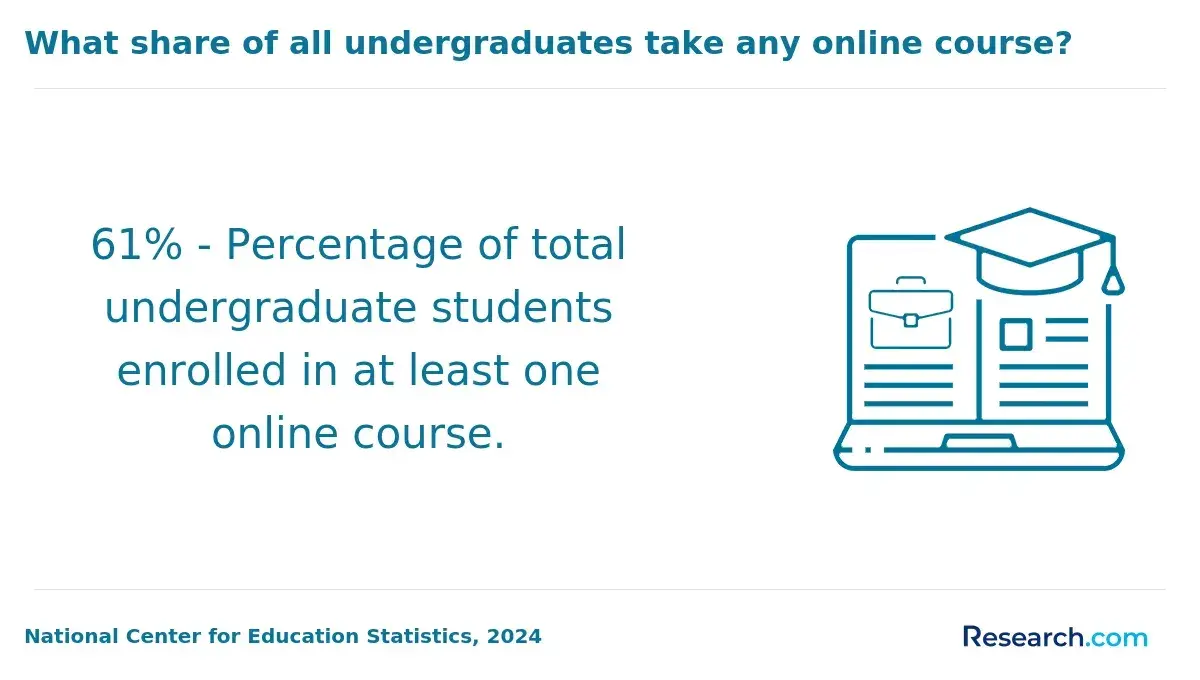
The fastest online AGPCNP doctorate programs are not simply shorter; they are better organized. Program design can remove waiting periods, reduce duplicated coursework, and help students complete practicum and project requirements without unnecessary delays.
Look for features that shorten the path while preserving nursing standards. The following program characteristics are especially important for working nurses who cannot afford unclear sequencing or last-minute clinical barriers:
- Post-master's entry options: These are often the quickest for certified AGPCNPs because the school can build from prior advanced practice coursework instead of requiring a full NP curriculum again.
- Clear credit-transfer or gap-analysis policies: A formal review of prior graduate coursework can prevent students from retaking equivalent advanced pharmacology, pathophysiology, assessment, statistics, or leadership courses.
- Year-round course availability: Programs with summer terms and multiple start dates can reduce idle time between prerequisites, practicum courses, and project milestones.
- Embedded DNP project milestones: Students finish faster when project topic selection, proposal development, implementation, evaluation, and final defense are built into required courses.
- Practicum support: A program that helps verify preceptors, sites, and contracts early can prevent one of the most common delays in online NP education.
- Mostly asynchronous coursework: Flexible lecture access helps working nurses maintain momentum, though some synchronous sessions may still be valuable for clinical reasoning, project advising, or seminar work.
Technology is also changing what "online" means. More programs now use virtual simulation, telehealth casework, remote library consultations, electronic portfolios, and online project-management platforms, but these tools do not eliminate hands-on clinical expectations for NP preparation.
What Requirements Most Commonly Extend the Length of an Online Adult Gerontology Primary Care Nurse Practitioner Doctorate?
The requirements that most often extend completion are not usually the weekly readings or discussion boards. Delays are more often caused by clinical placement, dissertation or project approval, residency scheduling, and mismatches between a student's prior coursework and the new program's curriculum.
The table below highlights the requirements most likely to slow an online AGPCNP doctorate and how students should evaluate them before enrolling:
| Requirement | Why it can extend the timeline | What to verify before applying |
| Clinical or practicum hours | Site contracts, preceptor availability, state authorization, and employer restrictions can create delays | Ask whether the school places students, assists students, or requires students to find all sites independently |
| DNP project | Projects involving clinical sites, data access, stakeholders, or quality-improvement approvals can take longer than expected | Ask when the project begins and whether students receive dedicated faculty advising each term |
| Dissertation | Original research requires proposal approval, data collection, analysis, and defense | Ask for average dissertation completion time, not only minimum program length |
| Campus intensives or residencies | Required visits may be offered only on fixed dates and can conflict with work or family obligations | Ask how many visits are required, where they occur, and whether missed sessions delay progression |
| Certification or population-focus alignment | A student changing NP populations may need additional didactic and clinical preparation | Confirm that the curriculum aligns with AGPCNP certification eligibility and state APRN expectations |
A common mistake is assuming that an online doctorate is fully remote. Many reputable programs are online for coursework but still require in-person clinical experiences, local precepted hours, campus skills intensives, or project implementation in a healthcare setting.
How Do Enrollment Choices Affect Completion Time in an Online Adult Gerontology Primary Care Nurse Practitioner Doctorate?
Enrollment pace can change the completion timeline as much as program design. Full-time students may finish faster, but part-time enrollment can be more realistic for nurses maintaining clinical roles, family responsibilities, or employer tuition-benefit eligibility.
The comparison below shows how common enrollment choices affect speed and risk. Use it to decide whether an accelerated schedule is sustainable rather than simply attractive:
| Enrollment choice | Effect on completion time | Best for | Main risk |
| Full-time, year-round study | Fastest academic pace | Students with flexible work schedules, strong support systems, and predictable practicum access | Higher weekly workload and greater burnout risk |
| Part-time continuous enrollment | Slower but steady | Working NPs who need to maintain income and clinical practice | Longer time paying fees and more exposure to curriculum changes |
| Stop-out or intermittent enrollment | Often much slower than advertised | Students facing temporary life, health, or employment disruption | Re-entry rules, course expiration limits, and project restarts |
| Cohort-based progression | Predictable but less flexible | Students who benefit from structure and peer accountability | Failing or delaying one course may require waiting for the next cohort cycle |
| Self-paced or competency-based elements | Can accelerate non-clinical coursework | Highly independent students with strong writing and time-management skills | Clinical and project components may still follow fixed schedules |
Before choosing full-time enrollment, estimate weekly hours for reading, writing, practicum, project work, synchronous sessions, and commuting to clinical sites. A shorter calendar timeline is not useful if the workload makes it more likely that you will drop a course or pause the program.
Which Online Adult Gerontology Primary Care Nurse Practitioner Doctorate Programs Are Best for Working Professionals?
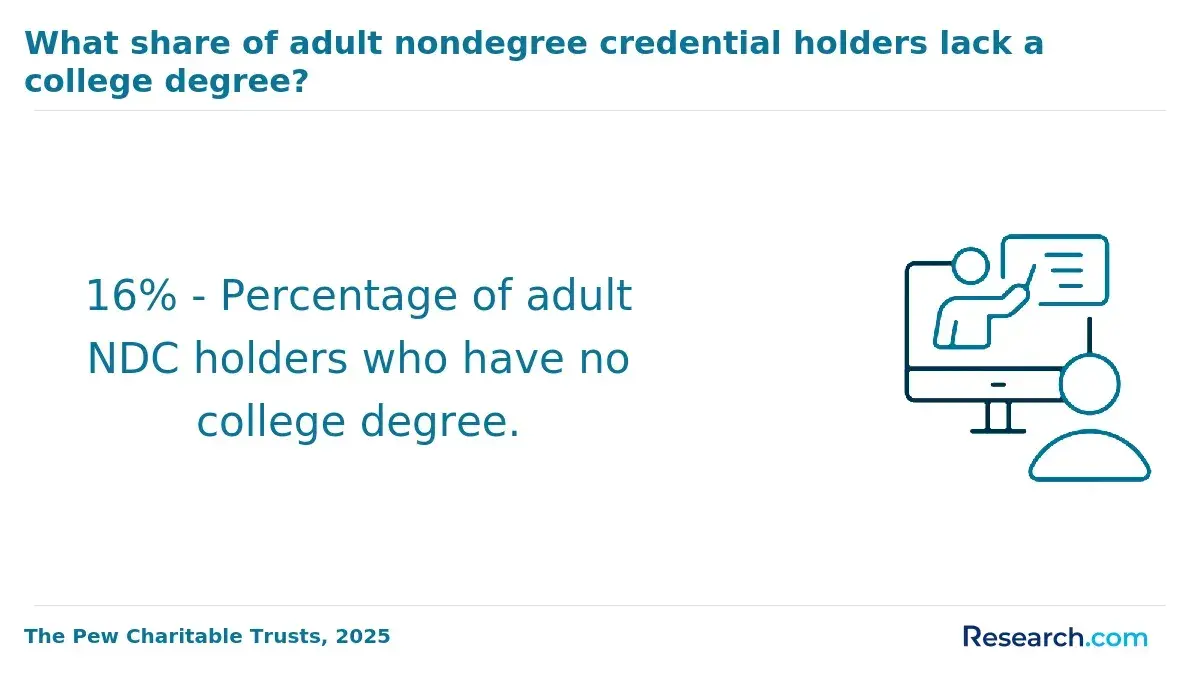
The best online AGPCNP doctorate programs for working professionals are usually not the absolute shortest programs; they are the programs with the best combination of predictable scheduling, clinical flexibility, responsive advising, and realistic workload expectations. For many nurses, a slightly longer but well-supported program is faster in practice than a compressed program with poor project or practicum support.
Working professionals should be cautious when searching for the easiest NP program. In advanced practice nursing, "easier" should never mean weak clinical preparation or unclear certification alignment; it should mean a program is well organized, transparent, and manageable for qualified nurses.
Programs tend to serve working nurses well when they include the following features. These details matter because they determine whether students can keep progressing during demanding clinical schedules:
- Part-time DNP plans with no penalty for slower pacing: These allow working AGPCNPs to maintain employment while completing doctoral work.
- Evening, weekend, or recorded class options: These reduce schedule conflicts for nurses working clinic hours, rotating shifts, or leadership roles.
- Early practicum planning: Strong programs begin site and preceptor conversations before the practicum term begins.
- Advising for DNP project scope: Faculty should help students choose feasible projects that can be completed within the program timeline.
- Transparent residency calendar: If campus visits are required, dates should be available far enough in advance for work scheduling and travel planning.
- Employer-compatible pacing: Some nurses need to stay within annual tuition reimbursement limits, which may make steady part-time enrollment more affordable.
Red flags include vague clinical-placement language, no published curriculum sequence, limited faculty availability, unclear accreditation status, and marketing that emphasizes speed without explaining how students complete practicum or project requirements.
Does Finishing an Online Adult Gerontology Primary Care Nurse Practitioner Doctorate Faster Affect Cost or Academic Quality?
Finishing faster can reduce opportunity costs, but it does not automatically make a doctorate cheaper or better. Accelerated programs may charge higher per-credit tuition, require heavier course loads, or limit a student's ability to work enough hours to maintain income.
Cost should be evaluated as total cost of completion, not just tuition per credit. Federal Student Aid set the graduate Direct Unsubsidized Loan interest rate at 8.08% for 2024-2025, which means an extra term or year can increase the amount repaid if students borrow for tuition and living expenses.
Use the following cost-quality checklist before choosing the shortest program. It helps separate legitimate acceleration from shortcuts that could weaken career value:
- Confirm accreditation: For AGPCNP preparation, verify institutional accreditation and appropriate nursing program accreditation, commonly through CCNE or ACEN, as applicable.
- Ask for total program cost: Include tuition, fees, books, clinical compliance costs, travel for intensives, background checks, certification preparation, and graduation fees.
- Compare average completion time: Minimum time is less useful than the typical time for students with similar credentials and work schedules.
- Evaluate faculty access: Fast programs need strong advising because project delays can erase any acceleration benefit.
- Review certification and licensure alignment: A fast program is not a good value if it does not meet your state's APRN requirements or your intended certification pathway.
- Consider income trade-offs: A full-time accelerated plan may require reducing clinical work hours, which should be included in your ROI calculation.
Academic quality is not determined by speed alone. A rigorous accelerated doctorate can be valuable when it preserves clinical standards, offers strong mentoring, and fits the student's goals. A weak fast program can create problems later if employers, licensing boards, or doctoral committees question preparation quality.
Which Careers Benefit Most From Completing an Online Adult Gerontology Primary Care Nurse Practitioner Doctorate Quickly?
Completing an online AGPCNP doctorate quickly can matter most for nurses whose next career step depends on doctoral preparation, leadership credibility, or eligibility for academic and systems-level roles. The benefit is usually strongest when the doctorate aligns with a specific promotion, role expansion, or scholarly-practice goal.
The BLS 2024 median salary figure of $132,050 for nurse practitioners, nurse anesthetists, and nurse midwives provides useful labor-market context, but it should not be read as a promise for any individual AGPCNP. Pay varies by state, employer, specialty, experience, setting, productivity structure, and leadership responsibilities.
The career paths below often benefit from a faster, well-chosen doctorate. The key is matching the degree type to the role rather than assuming every doctorate has the same market value:
- Adult-gerontology primary care nurse practitioner: A DNP may strengthen evidence-based practice, chronic disease management, preventive care, geriatric care coordination, and quality improvement leadership.
- Primary care clinic leader: A practice-focused doctorate can support roles involving workflow redesign, patient outcomes, care access, and interprofessional team leadership.
- Nursing faculty member: A DNP, PhD, or EdD may support teaching roles, but research universities may prefer or require a PhD for tenure-track positions.
- Quality improvement or population health director: DNP and health leadership doctorates can be relevant when the role emphasizes outcomes, implementation, metrics, and systems change.
- Healthcare executive or consultant: A DBA, DNP, or professional doctorate may fit nurses moving toward operations, strategy, entrepreneurship, or healthcare delivery redesign.
- Research-focused nurse scientist: A PhD is usually the better match for grant-funded research, theory development, and original scientific inquiry.
Some nurses considering a population or setting change may need a different pathway. For example, a nurse evaluating an FNP to acute care NP move should confirm whether a post-graduate certificate, additional clinical hours, or a different doctoral concentration is more appropriate than an AGPCNP-focused doctorate.
What Student Characteristics Lead to Faster Completion of an Online Adult Gerontology Primary Care Nurse Practitioner Doctorate?
Students who finish fastest usually enter with clear goals, relevant prior coursework, strong writing skills, and realistic time management. They also understand that doctoral progress depends on decisions made before the first course begins.
The following student characteristics are strongly associated with smoother completion. They are practical indicators of whether an accelerated doctorate is a good personal fit:
- Existing AGPCNP certification or closely aligned graduate preparation: Students with the right background may need fewer bridge courses and less duplicate clinical preparation.
- A focused career goal: Students who know whether they want clinical leadership, research, education, or administration can choose the correct doctorate and avoid switching tracks.
- Strong academic writing ability: DNP projects, dissertations, literature reviews, and policy papers move faster when students can write clearly and revise efficiently.
- Reliable clinical-site access: Students with supportive employers or professional networks may have an easier time arranging practicum or project sites.
- Consistent weekly study time: Accelerated doctoral programs require protected time for reading, data review, writing, meetings, and practicum documentation.
- Comfort with online learning tools: Students who can manage learning platforms, video meetings, electronic databases, and digital portfolios avoid technology-related delays.
Students should avoid enrolling in the shortest program if they are uncertain about their population focus, cannot identify potential project settings, or need extensive remediation in graduate-level statistics, research appraisal, or scholarly writing. In those cases, a structured traditional pace may actually lead to faster graduation than an overly compressed plan.
How Should Students Compare the Shortest Online Adult Gerontology Primary Care Nurse Practitioner Doctorate Programs?
The best comparison process starts with your end goal and works backward. A nurse who wants to remain in adult-gerontology primary care should compare DNP options first, while a nurse aiming for research, education, or executive leadership may need to compare PhD, EdD, DBA, or professional doctorate programs separately.
Use this step-by-step process to compare the shortest online AGPCNP doctorate programs without being misled by marketing language:
- Define the target outcome: Decide whether you need AGPCNP certification preparation, doctoral practice leadership, faculty qualifications, research training, or executive credentials.
- Verify accreditation and authorization: Confirm institutional accreditation, nursing accreditation where applicable, state authorization for online students, and alignment with your state APRN board.
- Ask for average time to completion: Request data for students entering with your credential level, not only the fastest possible plan.
- Review clinical and project requirements: Identify who secures sites, when project work begins, and whether campus intensives are mandatory.
- Calculate total cost: Include tuition, fees, travel, loan interest, reduced work hours, and any repeated courses not accepted for transfer.
- Check course sequencing: Determine whether required courses are offered every term or only once per year.
- Evaluate support systems: Ask about faculty advising loads, writing support, library support, statistics help, and DNP project mentoring.
- Compare fit, not just speed: Choose the shortest program that still supports licensure, career credibility, and long-term professional goals.
Good questions to ask admissions teams include: "How many students finish in the advertised time?", "What delays students most often?", "Can I speak with a program advisor about my prior graduate credits?", and "What happens if my clinical site or DNP project site falls through?" Clear answers are a sign of a transparent program.
Other Things You Should Know About Adult Gerontology Primary Care Nurse Practitioner
Usually no. Coursework may be online, but AGPCNP preparation and DNP practice work often require clinical hours, local practicum experiences, project implementation, campus intensives, or proctored assessments.
Not universally. Many AGPCNPs enter practice with an MSN, but requirements vary by state, employer, certification body, and program pathway. Students should verify current APRN rules in the state where they plan to practice.
Sometimes, but the doctorate alone may not be enough. You may need population-specific coursework, supervised clinical hours, and eligibility for the AGPCNP certification exam.
The strongest advantage is usually a closely aligned nursing background: an active RN license, graduate nursing coursework, advanced practice experience, strong academic writing, and a clear plan for clinical or project placement.
References
- Most Affordable Adult-Gerontology NP Programs 2026 https://www.healthcaredegree.com/blog/most-affordable-agnp-programs
- Doctor of Nursing Practice (DNP) vs. Nurse Practitioner (NP) https://www.chamberlain.edu/blog/dnp-vs-np-whats-the-difference
- Online Doctor of Nursing Practice (DNP) Degrees for Adult-Gerontology Nurse Practitioners in Acute and Primary Care https://www.doctorofnursingpracticednp.org/doctor-of-nursing-practice-dnp-degrees-for-adult-gerontology-nurse-practitioners-in-acute-and-primary-care/
- Professional Doctorate SOP: How to Write for EdD, DBA, DNP, and PsyD Programs https://gradpilot.com/news/professional-doctorate-sop-edd-dba-dnp-psyd-guide
- Guide to the Most Affordable Online Nurse Practitioner Programs https://www.edumed.org/online-schools/nurse-practitioner-programs/most-affordable/
- Online Adult-Gerontology PCNP Programs https://www.onlinefnpprograms.com/aprn-degrees/online-agnp-programs/
- 2025 Most Affordable Online Nurse Practitioner Programs https://www.onlineu.com/most-affordable-colleges/nurse-practitioner-masters-degrees
- Most Affordable Online NP Programs (2026): Comprehensive https://www.npschools.com/rankings/all-affordable-online-np-programs
- DNP vs Ph.D. in Nursing Degree - What’s the Difference? https://nursinglicensemap.com/nursing-degrees/dnp-degree-programs/dnp-vs-phd-in-nursing/
- 1 Year PhD Programs https://aituedu.org/1-year-phd-programs/