
2027 Return on Investment (ROI) of a Cinematography Degree Program

Co-Founder and Chief Data Scientist
Many prospective students hesitate to pursue a cinematography degree due to uncertain financial returns and intense industry competition. According to the Bureau of Labor Statistics, employment for camera operators and film editors is projected to grow only 1% from 2022 to 2032, highlighting the challenge of securing stable work. This reality often raises questions about whether the investment in tuition and time will yield sufficient income and career advancement. This article explores the return on investment of a cinematography degree, analyzing costs, employment prospects, and industry trends to help readers make informed decisions about their education and career path.
Key Things to Know About Cinematography Degree ROI
- Graduates with a cinematography degree generally see a 15-25% higher starting salary compared to self-taught peers, reflecting industry value on formal training and technical expertise.
- Career advancement is accelerated by a degree, with holders more likely to access specialized roles such as director of photography or film crew leadership positions.
- Job stability improves as cinematographers can work across film, television, advertising, and digital media, sectors that are expected to grow annually by 6% through 2030.
How Is ROI Calculated for a Cinematography Degree Program?
Return on investment (ROI) in higher education represents the financial benefit a student gains relative to the cost and time invested in earning a degree. For those pursuing a cinematography degree, ROI is a valuable metric to compare the degree's worth against tuition and career outcomes.
Several factors contribute to calculating ROI for a cinematography degree program. Key elements include:
- Tuition and Fees: This covers the total education cost, including tuition, fees, and related expenses throughout the program. Accurately assessing these costs is important for comparing cost vs earnings analysis for cinematography graduates.
- Opportunity Cost: Time spent studying reduces potential income since students often forego full-time work or other earning opportunities. Accounting for lost wages during this period provides a clearer financial picture.
- Time to Completion: The program length affects overall expenses and opportunity cost. Shorter programs might lower costs but could impact the depth of cinematography training and skill development.
- Post-Graduation Salary: Expected earnings after graduation heavily influence ROI. This involves starting salaries in cinematography roles and typical career growth over time.
- Career Advancement Potential: The degree's role in enhancing long-term earnings and job prospects through skills and industry networks also factors into ROI assessments.
Students comparing degree programs may also want to review related fields, such as online slp master's programs, to evaluate investment returns across disciplines.
How Much Does a Cinematography Degree Program Cost?
Knowing the full cost of a cinematography degree is vital to accurately assess its return on investment, especially as graduate tuition and fees have risen over 30% nationwide in the past ten years. This increase directly impacts student debt, which now averages nearly $37,000 per borrower, making cost transparency more important than ever.
The following factors significantly influence the overall expense and ROI of a cinematography program:
- Tuition and fees: These represent the bulk of the financial commitment, with prices varying widely depending on whether a school is public or private and whether students qualify for in-state rates.
- Books and materials: Beyond textbooks, students often face costs for specialized gear and software essential for hands-on learning and skill development.
- Living or relocation expenses: Housing, transportation, and day-to-day costs fluctuate by location, often adding a substantial amount to the budget.
- Opportunity cost: Time spent studying limits income potential during the program, a key consideration for professionals balancing financial responsibilities.
- Hidden or indirect costs: These can include fees for film projects, travel for internships, and technology updates necessary to stay competitive in the field.
When I asked a graduate of a cinematography degree about the financial realities behind the number, he shared how budgeting remained a constant challenge throughout his studies. "It's more than just tuition - I was often scrambling to cover unexpected expenses like new memory cards or software updates," he said.
Balancing part-time work with demanding coursework stretched his time thin and made him question the immediate financial payoff of the degree. Yet, despite these hurdles, he appreciates how the experience sharpened his skills and network, which he hopes will translate into better job prospects in the long run.
What Financial Aid Is Available for Cinematography Degree Programs?
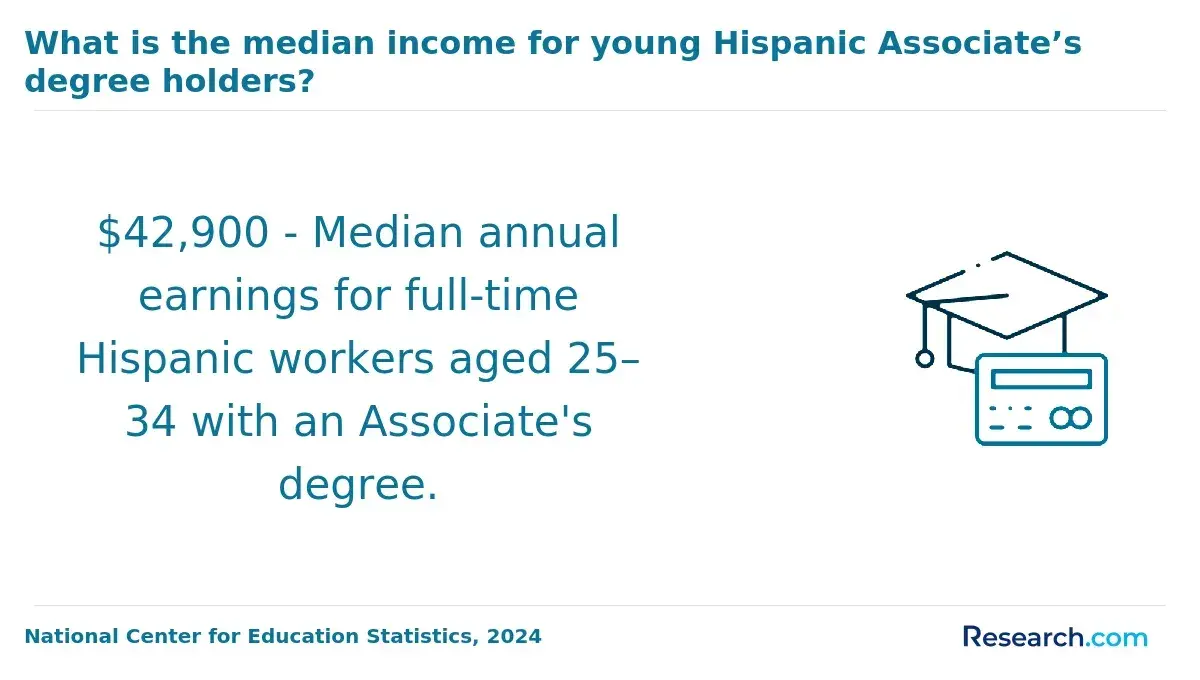
Financial aid significantly reduces initial expenses for students pursuing a cinematography degree, which enhances long-term financial returns by minimizing the need for borrowing. Notably, more than 70% of graduate students in the U.S. rely on financial aid to manage education costs, emphasizing its critical role in lowering debt burdens.
Several key types of financial aid can positively influence the overall return on investment for cinematography students, including:
- Scholarships: These awards, based on merit or financial need, do not require repayment and directly reduce the total cost, helping students graduate with less debt and improving their net financial gain.
- Grants: Provided by governmental or private entities, grants cover tuition and fees without the obligation to repay, easing financial pressures and boosting ROI by cutting education expenses.
- Fellowships: Often granted to graduate-level or project-focused students, fellowships may include stipends, decreasing reliance on loans and enhancing financial outcomes after graduation.
- Employer Tuition Assistance: For professionals working while studying, this benefit reimburses education costs, allowing students to maintain lower out-of-pocket spending and better manage debt.
- Federal Student Loans: These loans typically offer lower interest rates and flexible repayment plans than private alternatives, making borrowing more affordable and sustainable over time.
The length of time required to finish a cinematography degree plays a significant role in its return on investment (ROI) by influencing opportunity costs, the total expenses involved, and how soon graduates can begin earning. Faster completion can reduce upfront costs and accelerate entry into the workforce, while longer programs increase financial commitments but may offer deeper learning experiences.
Several important aspects affect how long it takes to complete a cinematography degree and impact overall ROI:
- Enrollment status: Choosing full-time study generally shortens program duration but may limit working opportunities and immediate income. Part-time enrollment extends study time but allows students to earn while learning.
- Program delivery: Online and accelerated programs often offer more flexible pacing, enabling quicker completion if self-motivation is strong, though they require disciplined time management.
- Transfer credits: Applying previously earned credits can significantly shorten the required time and reduce tuition expenses, easing the financial burden.
- Practical requirements: Internships, thesis projects, or extensive hands-on work can add time but enhance skills and employability, potentially boosting long-term career returns.
- Scheduling flexibility: Programs that provide adaptable course schedules can help balance work and study, sometimes prolonging completion but mitigating income loss during this period.
When I spoke with a graduate of a cinematography degree about her timeline, she highlighted how the combination of part-time studies and mandatory internships shaped her journey. "Balancing night classes with freelance gigs was tough," she recalled, "but it taught me to manage my time and finances more effectively."
Though her path took longer than the standard timeframe, she valued the real-world experience gained through internships and felt that the extended duration ultimately prepared her better for the industry's demands. Her story reflects how varied the completion time can be, depending on personal circumstances and program choices, and how that time investment can translate into practical career benefits.
The format of cinematography degree programs significantly influences return on investment (ROI) due to differences in cost, flexibility, and career outcomes. With online enrollment in higher education surging over 20% in the last five years, many students weigh whether to pursue their studies online or on-campus for better financial and professional returns. Understanding these nuances is essential when considering the return on investment for cinematography programs.
Key factors that differentiate online versus on-campus cinematography degrees include:
- Cost and Tuition: Online programs generally have lower tuition and fees, which decreases initial financial burden significantly for many students.
- Flexibility and Completion Time: Online options offer flexible scheduling, often allowing students to finish their degrees faster while balancing work or personal commitments.
- Access to Resources: On-campus students benefit from direct access to specialized equipment and collaborative hands-on projects, which are critical in cinematography training.
- Networking and Career Services: Stronger networking opportunities and more comprehensive career support tend to be available with on-campus programs, influencing long-term career advancement.
- Employer Perception and Earnings: Some employers place higher value on on-campus experience in hands-on fields, potentially leading to greater long-term earning potential for graduates with traditional training.
Those interested in comparing flexible online options might also explore resources on an accelerated psychology degree for insights on how online programs can balance cost, speed, and career outcomes effectively.
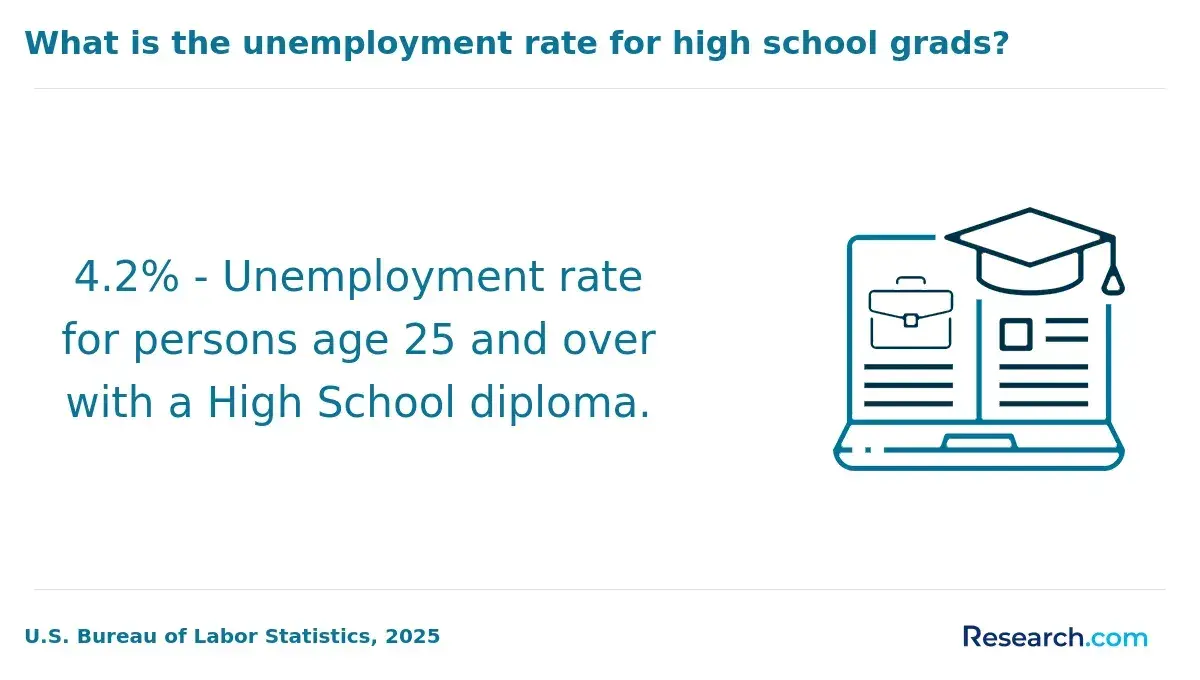
Post-graduation salary is a key driver of return on investment (ROI) for a cinematography degree, as it determines how quickly graduates can recoup their educational expenses. In the United States, average cinematography graduate salary ranges from $40,000 to $90,000 annually, with entry-level roles on the lower end and specialized or senior positions reaching the higher end. These figures are essential for estimating financial rewards over time relative to the degree's cost.
Several factors influence cinematography degree salary outcomes and impact ROI, including:
- Industry: Salaries vary across sectors such as film, television, advertising, and corporate video, with some industries paying more due to demand and budget scale.
- Geographic location: Larger metropolitan areas with robust media markets typically offer higher wages, while rural regions may provide lower salaries.
- Prior experience: Internships, freelance work, or related job roles can boost starting salaries and accelerate career progress.
- Specialization: Expertise in areas like visual effects or aerial cinematography often leads to enhanced earning potential.
- Career level: Advancement from assistant roles to positions such as director of photography significantly increases salary prospects.
This understanding helps prospective students weigh their investment in a cinematography degree against potential financial outcomes. Those interested in related online options might explore programs like a library science degree online for different career pathways.
Promotions contribute significantly to the return on investment (ROI) in cinematography degree programs by providing salary increases, expanded responsibilities, and enhanced career mobility. These factors improve long-term earning potential and overall career advancement with a cinematography degree. A notable workforce trend is the increasing emphasis on credential-based promotion, where formal education is becoming essential for leadership roles in creative industries.
Key ways a cinematography degree may influence promotion opportunities and ROI include:
- Credential Requirements: Many higher-level positions require specific educational credentials, and a cinematography degree can make candidates eligible for these roles that offer greater pay and authority.
- Leadership Preparation: Degree programs often include project management and leadership training, equipping graduates with skills necessary to succeed in supervisory positions and enhancing their readiness for promotion.
- Tuition Support: Employers are more likely to invest in ongoing education for employees with formal credentials, which can lower the cost burden of further professional development and increase ROI.
- Promotion Policies: Organizations may prioritize internal promotions for candidates who hold relevant degrees, recognizing the combination of academic knowledge and practical experience as valuable for advancement.
- Experience & Education Synergy: The blend of hands-on skills and academic understanding gained through a cinematography degree strengthens a candidate's qualification for higher-level roles.
Ultimately, career advancement with a cinematography degree reflects not only financial rewards but also broader professional growth and influence. For those interested in expanding leadership skills in organizational contexts, exploring a phd organizational leadership program may further enhance promotion prospects and ROI.
Return on investment (ROI) for cinematography graduates varies significantly by industry due to differences in salary levels, career advancement opportunities, and demand for specialized skills. These factors impact the financial and professional rewards that graduates can expect throughout their careers.
Industries that commonly offer the best ROI for cinematography graduates include the following:
- Film and Television Production: This sector typically provides high compensation and steady demand for visual storytelling talents. Graduates can benefit from rapid career progression as experience and reputation grow in this competitive industry.
- Advertising and Commercials: Working on branded content often yields lucrative pay and frequent projects, allowing cinematographers to maintain consistent income while refining skills in short-form and dynamic storytelling.
- Streaming and Digital Media: The growth of digital platforms has increased demand for original content, offering good compensation and chances to innovate, which appeals to cinematographers focused on cutting-edge visual techniques.
- Corporate Video Production: Many companies invest heavily in professional video marketing, granting job stability and solid earnings for cinematographers skilled in creating polished, persuasive content.
- Event and Live Production: Cinematographers specializing in live events benefit from steady work and competitive pay, leveraging skills unique to fast-paced, real-time environments.
Individual choices within these sectors impact the overall Cinematography career ROI in entertainment industry contexts. Evaluating these industries can help prospective students and career changers identify paths that align with personal goals and market realities. For those interested in enhancing their qualifications quickly and boosting earning potential, exploring online certificate programs can be an effective strategy when supplementing formal education.
Accreditation in cinematography degree programs signifies that a school or program meets established quality standards set by recognized educational organizations. This endorsement confirms that the curriculum addresses critical skills and knowledge essential for careers in the film industry. Increasingly, employers prefer candidates who graduated from accredited programs, viewing it as evidence of reliable training and preparedness.
Moreover, attending an accredited program often increases eligibility for federal financial aid, which can lower the initial expenses of education and improve the overall return on investment.
Beyond immediate cost savings, accreditation enhances long-term financial and career benefits by fostering employer confidence during hiring and facilitating credit transfer between institutions. It can also determine eligibility for professional certifications or licenses, which may be prerequisites in certain filmmaking roles.
These factors collectively contribute to greater career flexibility and mobility within the media and entertainment sectors, bolstering the overall value gained from the educational investment.
Evaluating the return on investment for a cinematography degree involves weighing tuition costs, time spent earning the credential, and expected earnings after graduation. These programs typically last between two and four years and can incur significant expenses, including tuition, living costs, and equipment fees.
Entry-level salaries commonly range from $35,000 to $50,000 annually, while seasoned professionals may earn considerably more. Industry data indicates that roughly 65% of graduates secure jobs in their field within two years, suggesting reasonable employment prospects for degree holders.
The value of pursuing a cinematography degree depends largely on multiple factors including current industry demand, which has grown due to increased digital content and streaming platforms. Choosing flexible program formats such as part-time or online options can reduce both costs and time to completion. Access to scholarships and financial aid further influences overall affordability.
Ultimately, individuals with strong professional networks and clear long-term goals in film or media production are more likely to achieve a favorable return on their educational investment.
What Graduates Say About The ROI of Their Cinematography Degree
- Otto: "Choosing to pursue a cinematography degree as a traditional student was a big commitment, especially considering the average cost of attendance can be quite steep. However, I firmly believe the investment pays off because the comprehensive hands-on experience and industry connections I gained have been invaluable in advancing my career. Looking back, the degree not only boosted my skills but also opened doors to projects I wouldn't have accessed otherwise. "
- Colsen: "As an online cinematography student, I was initially concerned about balancing costs and quality, knowing that programs typically average around $30,000 to $50,000 in tuition. Despite those worries, completing the degree remotely proved to be worth every penny because it provided flexible learning while maintaining strong professional outcomes, helping me land freelance gigs faster than I expected. The long-term ROI has been positive in terms of both knowledge and career opportunities. "
- Isaiah: "Studying cinematography part-time was a strategic choice to manage expenses and maintain my job, considering the degree cost can impact budgets significantly. Reflecting on the process, investing in the degree was worth it because it enhanced my credibility and technical expertise, which employers value highly. The ability to apply what I learned directly on set transformed my career trajectory, proving the program's value beyond just the tuition fees. "
Other Things You Should Know About Cinematography Degrees
The reputation of the program and its faculty can impact graduate outcomes and salary potential. Schools with strong industry connections and recognized alumni networks often provide better job placement resources. Graduates from reputable programs may find it easier to gain employment or command higher salaries, positively influencing the ROI of their degree.
Membership in the International Cinematographers Guild, Local 600, can improve access to higher-paying union sets and rate structures. Some productions also require a camera department worker to meet union hiring rules, which can raise short-term earnings and strengthen long-term ROI.
- The Economics of Accreditation: Costs, Benefits, ROI - Course Accreditation https://course-accreditation.com/blog/the-economics-of-accreditation-costs-benefits-roi/
- Funding & Financial Support https://lfs.org.uk/full-time-study/financial-support
- The Return On Investment “ROI” of Accreditation: More Than a Badge it’s A Strategic Investment https://aaa-accreditation.org/the-return-on-investment-roi-of-accreditation-more-than-a-badge-its-a-strategic-investment/
- How to Become a Cinematographer | Description & Salary https://www.careersinfilm.com/cinematographer/
- The ROI of Cinematic Quality in Ad Films: Worth the Investment? - Good Fellas Studio https://goodfellas.studio/the-roi-of-cinematic-quality-in-ad-films-worth-the-investment/
- Cinematography - Film Production Degree - The LA Film School https://www.lafilm.edu/programs/film/cinematography/
- Directing-Cinematography https://amafilmacademy.pl/en/kierunek/directing-cinematography-krakow/
- Top 10 Film Scholarships to Apply for in December 2025 https://bold.org/scholarships/by-major/film-scholarships/
- Are Film Degrees Worth it? — aram https://aramatkinson.com/writing/are-film-degrees-worth-it
- 4 Major Factors that Affect Film Investing Revenue | Main Oak Capital https://mainoakcapital.com/blog/4-major-factors-that-affect-film-investing-revenue/


