2027 Questions to Ask About Online Software Development Degree Programs Before You Enroll

Co-Founder and Chief Data Scientist
Choosing the right online software development degree program can be overwhelming, especially with over 600, 000 students enrolling annually in related fields. Many prospective students struggle to assess program quality, career outcomes, and costs before committing. Industry demand for software developers is expected to grow 25% from 2021 to 2031, underscoring the need for effective education that aligns with workforce needs.
This article identifies key questions to ask about program accreditation, curriculum relevance, job placement rates, and financial aid options. Understanding these factors helps students make informed decisions, ensuring their investment leads to successful careers in software development.
Key Benefits of Enrolling in Online Software Development Degree Programs
- Online software development programs offer flexibility, allowing students to access coursework anytime, accommodating different schedules and learning paces essential for balancing personal commitments.
- Cost savings are significant as online degrees often reduce expenses related to commuting, housing, and campus fees, making education more affordable for a wider population.
- These programs support better work-life balance by enabling students to combine education with employment, with studies showing 60% of online learners maintain full-time jobs while studying.
Is the Online Software Development Degree Program Accredited?
Accreditation is a vital factor when evaluating accredited online software development degree programs because it ensures degree recognition, licensure eligibility, and better career outcomes. Programs with proper accreditation have been rigorously reviewed by independent organizations to meet academic and industry standards, which employers and graduate schools rely upon to judge quality. In fact, data from the National Center for Education Statistics shows that graduates of accredited programs tend to have higher employment rates and qualify more easily for professional certifications. For software development specifically, program accreditation influences eligibility for certifications from organizations such as the IEEE Computer Society and ABET's Computing Accreditation Commission.
Key accrediting bodies for software development and related computer science fields include ABET, the Middle States Commission on Higher Education, and the Western Association of Schools and Colleges (WASC). Prospective students should verify a program's accreditation by consulting the U.S. Department of Education's Database of Accredited Postsecondary Institutions and Programs or by visiting the accrediting agency's official website. Choosing a non-accredited program can limit transfer credits, reduce employer acceptance, and compromise licensure opportunities. Carefully assessing accreditation status is essential to protect your financial investment and ensure your degree supports long-term career goals. For those also considering advanced degrees, an edd degree can similarly vary in accreditation quality and should be scrutinized closely.
What Are the Admission Requirements for Online Software Development Programs?
Meeting admission requirements is vital for prospective students when evaluating online software development programs to ensure they qualify and are prepared for the course challenges. These criteria maintain academic standards and verify foundational knowledge crucial for success in the program.
Below are the key admission requirements commonly expected for online software development program admission requirements:
- High school diploma or equivalent: This confirms that applicants have completed basic education and are prepared for college-level study. It's the minimum qualification for software development degree online programs to establish readiness.
- Standardized test scores (optional in some cases): Exams like the SAT or ACT may be requested to assess academic aptitude. Some programs waive these depending on prior academic performance.
- Prerequisite coursework: Classes in mathematics or introductory computer science prove that students possess foundational skills that support mastery of software development concepts.
- Application materials: Personal statements, resumes, or letters of recommendation help admissions better understand applicant motivation and background.
- Technical readiness: Reliable access to a computer and internet is essential for online engagement, ensuring students can participate fully in coursework and meet deadlines.
Reviewing such qualifications closely allows informed decisions before committing to enrollment. For those also exploring other fields, researching affordable online business degree options may provide additional pathways. Resources like online business degree programs highlight varying admission standards and cost considerations.
What Classes Do You Take in an Online Software Development Program?
Choosing the right online software development program requires a clear understanding of its curriculum since this shapes both skills gained and career readiness. Recent studies indicate that 70% of hiring managers prioritize hands-on skills when assessing applicants. Below is an outline of the typical classes offered in such programs to help prospective students evaluate their options effectively.
- Fundamental Programming: These courses introduce essential languages like Java, Python, or C++. Emphasis is placed on writing clean, efficient code and mastering logic, which forms the basis for most software roles.
- Data Structures and Algorithms: Classes focus on organizing and manipulating data efficiently, teaching problem-solving techniques critical for technical interviews and professional tasks.
- Software Engineering Principles: Students learn methodologies for designing, developing, testing, and maintaining software systems. This promotes understanding of the software lifecycle and industry best practices.
- Electives in Emerging Technologies: Options include topics such as mobile application development, cybersecurity, web frameworks, or database management. These allow students to tailor their learning to specific interests and career paths.
When I asked a student currently enrolled in an online software development degree about the classes, he mentioned the challenge of balancing theory-heavy core courses with demanding projects. He noted, "The programming assignments really test your ability to think logically under pressure." He also appreciated electives that let him explore mobile app development, explaining how this variety helped keep the program engaging despite occasional frustration. "It's rewarding once a complex feature finally works after hours of debugging," he said, highlighting the mix of struggle and satisfaction typical in these programs.
Knowing the length of an online software development degree helps students plan their finances and career progression effectively. It also determines when they can enter the job market or pursue advanced opportunities. Various options exist to accommodate different schedules and learning speeds.
Below are typical timelines for completing an online software development degree, highlighting key variations students should consider.
- Full-time: Typically requires about four years to finish, based on completing a full course load each semester without interruption. This path suits those who can dedicate consistent time and want a traditional timeline.
- Part-time: Extends the duration to around six years or more by taking fewer courses per term. This option benefits students balancing work, family, or other commitments needing a flexible pace.
- Accelerated: Finishes in two to three years by increasing course intensity or using year-round enrollment. While time-saving, it demands a higher workload and strong time management skills from students.
- Programs with internships: May prolong completion due to added practical experience requirements. These hands-on components enhance skills but will require extra time beyond coursework.
Many online software development programs include internships or practicums as part of their curriculum, though requirements vary by school. These practical experiences are often designed for remote completion, allowing students to collaborate with industry partners and work on real projects under virtual supervision. Such hands-on training is essential for developing applicable skills and improving job readiness, with surveys showing that around 60% of employers favor applicants who have completed internships. Knowing if and how a program integrates these opportunities helps students gauge the time commitment and the professional support they can expect. One graduate of an online software development program shared that navigating her practicum remotely was challenging at first, particularly balancing project deadlines with communication across different time zones. She reflected, "It really pushed me to become more disciplined and proactive in seeking feedback." This experience ultimately boosted her confidence and prepared her well for her first job in the industry.
Graduates of online software development degree programs generally do not need a professional license to work in most roles within the field. Unlike professions such as engineering or healthcare, software development is typically not a licensed career across the United States. Instead, employers often prioritize practical skills, professional experience, and portfolios over formal licensure. Nevertheless, certain specialized areas like cybersecurity or project management may require certifications such as Certified Information Systems Security Professional (CISSP) or Project Management Professional (PMP). Many online software development programs structure their curriculum to prepare students for these certifications by including relevant coursework and providing exam preparation resources, addressing common questions about online software development degree licensing requirements.
Licensure or certification remains a key consideration for prospective students evaluating online software development programs because it directly impacts career growth and employability. Programs that offer strong support for securing relevant credentials align better with industry standards and can boost a graduate's job prospects. According to recent surveys, about 70% of software professionals hold at least one industry certification, which significantly improves employment opportunities and earning potential. For students comparing options or considering multidisciplinary education paths, resources such as executive online mba programs may also complement a tech career. Understanding how to get licensed with an online software development degree involves looking for programs with integrated certification support and aligning coursework with employer expectations.
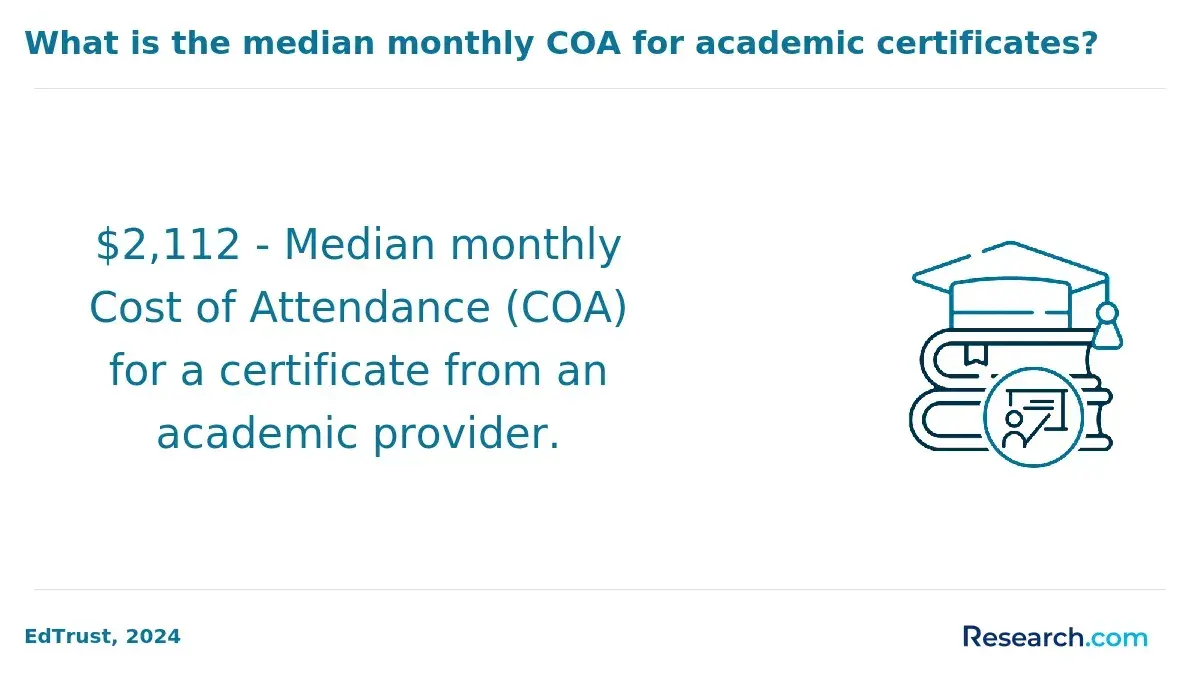
Calculating the costs of online software development programs is essential for prospective students to budget effectively and assess their potential return on investment. Research shows that fees and materials can amount to up to 15% of total program expenses, increasing the overall financial commitment beyond tuition alone. Here is an overview of typical expenses associated with these programs:
- Tuition: Most online software development degree program costs range from $300 to $800 per credit hour. Given that a standard bachelor's degree usually requires about 120 credits, tuition alone may total between $36,000 and $96,000, varying by institution and program structure.
- Fees: Additional charges such as application, registration, and technology fees cover administrative services and online platform access. Some programs impose flat technology fees per semester to maintain consistent access to software tools and support resources.
- Materials and resources: Students should budget for software licenses, textbooks, and potentially hardware upgrades like a powerful computer to run development environments smoothly. These costs differ by program but are necessary for completing coursework effectively.
Trends point to overall expenses rising as ancillary costs add to tuition, even though online options can sometimes be more affordable than traditional on-campus degrees. Comparing all these factors helps students find affordable online software development degrees that meet their financial and educational goals. For those interested in advanced education options beyond software development, there are resources on doctorate organizational leadership online programs that may offer additional career pathways.
Understanding financial aid options is essential for prospective students considering online software development programs because it can substantially lower the overall cost of earning a degree. Nearly 85% of college students use some form of financial assistance, reflecting its key role in enabling access to higher education in this field.
Awareness of available funding opportunities helps students plan effectively and minimize debt. Here are key types of financial aid options for online software development degrees:
- Federal grants: Need-based awards such as the Pell Grant are available to eligible students through the FAFSA application process. These grants do not require repayment and can significantly reduce tuition expenses.
- Scholarships: Offered by organizations, nonprofits, and sometimes academic institutions, scholarships are merit- or need-based funds that do not have to be repaid. Scholarships and grants for online software development students can make obtaining a degree much more affordable.
- Federal student loans: These provide low-interest borrowing options with flexible repayment plans and deferment options. While loans must be repaid, they are commonly used to finance online degrees when other aid is insufficient.
- Work-study programs: These initiatives offer part-time employment opportunities, often related to students' fields of study, helping them earn income while enrolled and gain practical experience.
By familiarizing themselves with these financial aid options, online software development students can enhance their ability to secure funding, cut out-of-pocket costs, and make informed choices. Those exploring financing for such programs may also want to consider the benefits of various online degrees that balance affordability with career outcomes.
Knowing career options is vital for students assessing online software development programs to ensure their education aligns with job market needs. The U.S. Bureau of Labor Statistics forecasts a 22% growth in software developer jobs from 2020 to 2030, indicating strong demand. The following roles highlight common career paths for graduates.
- Software Developer: Develops, tests, and maintains software applications, applying programming skills acquired during the degree. Opportunities exist to advance into senior developer or technical lead positions.
- Quality Assurance Analyst: Focuses on testing software to find and fix bugs, ensuring product reliability. This role often serves as a pathway to project management or specialized testing careers.
- Systems Analyst: Evaluates and improves IT systems to meet organizational goals. Graduates use their analytical skills to design efficient solutions, moving toward business analyst or IT consultant roles.
- Web Developer: Builds and maintains websites and web applications using coding languages learned in coursework. Progression can lead to roles in UI/UX design or full-stack development.
Knowing the salary potential of online software development graduates is essential for prospective students assessing the value of different programs. Salary insights help individuals gauge the financial return on their educational investment and make informed decisions about their career paths. The median annual wage for software developers in the U.S. is around $110,000, with a strong projected job growth rate of 22% through 2030, highlighting robust opportunities in this sector.
Several key factors shape the earning prospects for those graduating from online software development programs:
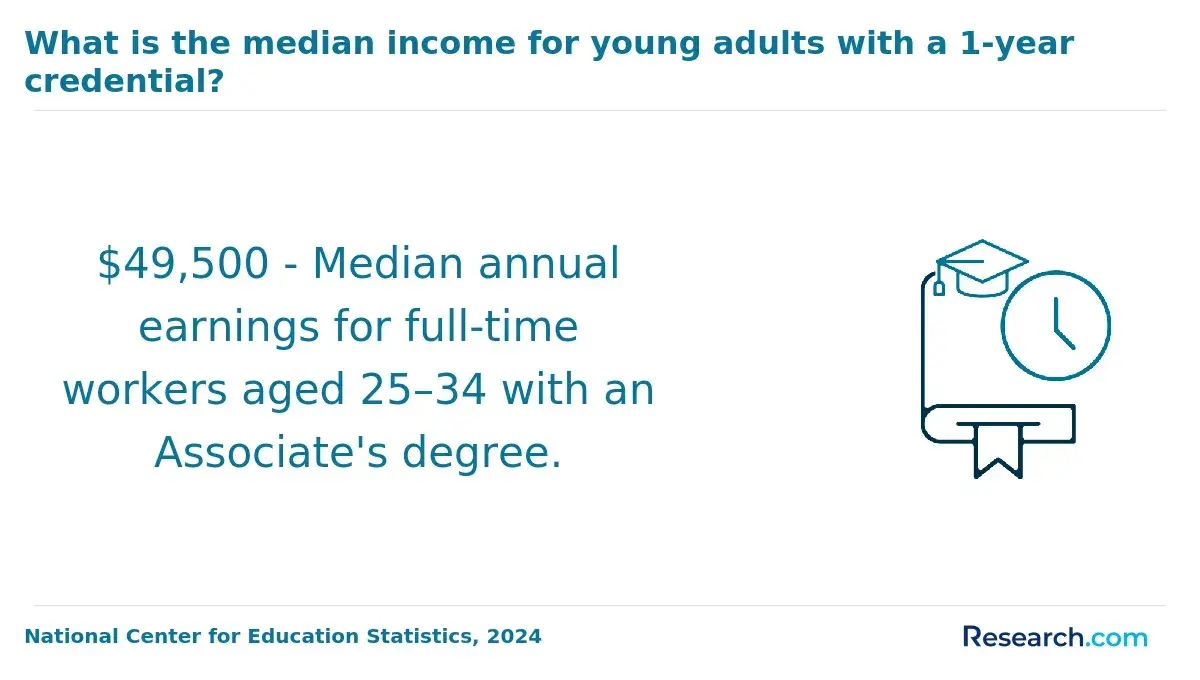
- Level of education: Graduates holding bachelor's degrees generally earn higher salaries than those with associate degrees. Pursuing advanced degrees, like a master's, can open doors to specialized and better-compensated roles within the industry.
- Specialization: Mastery of sought-after technologies such as artificial intelligence, cybersecurity, or mobile app development usually results in increased earnings compared to more general software development skills.
- Experience: Entry-level software developers often start at lower salary ranges. However, consistent work experience and a track record of successful projects typically lead to steady income growth over time.
- Geographic location: Salaries tend to be more competitive in major tech hubs and metropolitan areas where demand for software developers is higher. In contrast, regions with fewer tech employers or rural settings might offer reduced compensation.
- Work setting: Employment in large technology corporations or firms focused on software development often provides better pay and benefits. Smaller companies or industries outside the tech realm may not offer the same level of financial reward.
What Graduates Say About Enrolling in an Online Software Development Degree
- Aries: "I was initially hesitant about the cost, but the online software development degree program was surprisingly affordable compared to traditional routes, averaging around $15,000 in total. The flexibility of the online format allowed me to balance work and study efficiently, and the coursework was very hands-on. Since graduating, I've secured a developer position that pays well above my previous job, proving the value of this investment."
- Massimo: "Reflecting on my experience, the cost of the online software development program was a key factor for me, especially with tuition under $20,000. The program's structure challenged me to develop practical skills through real projects, even though studying from home sometimes tested my discipline. Ultimately, the degree opened doors to new career opportunities, allowing me to transition smoothly into a tech role with a respected company."
- Angel: "From a professional perspective, the cost of the online software development degree was reasonable, particularly considering the comprehensive curriculum and industry-relevant skills provided. I appreciated the ability to learn at my own pace while staying employed full-time, which made the experience manageable and rewarding. The degree has not only boosted my confidence but also significantly advanced my career, leading to promotions and expanded responsibilities."
Other Things You Should Know About Software Development Degrees
In 2027, reputable online software development programs integrate real-world experiences through virtual labs, coding assignments, and collaborative projects. Many also offer internships or partnerships with tech companies, providing students with the opportunity to work on actual industry challenges.
Online software development programs stay current with industry trends by integrating up-to-date software tools and technologies into their curricula. They often partner with tech companies and encourage faculty development to ensure students learn relevant skills, preparing them for the dynamic tech landscape of 2027.
Many online software development programs require a final capstone project or internship, often worth 3 to 6 credit hours. Ask whether the project uses an industry client, whether remote placements qualify, and whether the school provides approval, supervision, and evaluation standards before you enroll.
- Accredited Online Software Engineering Degree Programs https://www.onlineengineeringprograms.com/computer/software
- 7 Career-Boosting Benefits of an IT Associate Degree https://campus.edu/blog/information-technology/7-career-boosting-benefits-of-an-it-associate-degree
- 2025 Software Development Price Guide & Hourly Rate | FullStack Blog https://www.fullstack.com/labs/resources/blog/software-development-price-guide-hourly-rate-comparison
- Software Development https://online.champlain.edu/degrees-certificates/undergraduate-certificate-software-development
- The Average Software Developer Salary: What to Expect | Graph AI https://www.graphapp.ai/blog/the-average-software-developer-salary-what-to-expect
- Admission | MS in Software Development & Engineering | Pace https://online.pace.edu/graduate-programs/ms-in-software-development-engineering/admission-requirements/
- 2025 Most Affordable Online Software Engineering Degrees https://www.onlineu.com/most-affordable-colleges/software-engineering-degrees
- We Work Remotely | Remote Software Developer Jobs https://weworkremotely.com/remote-software-developer-jobs
- Remote Software Engineering Jobs | Join X-Team https://x-team.com/careers
- How Long Does It Take To Learn Software Engineering? https://www.coursera.org/articles/how-long-does-it-take-to-learn-software-engineering