
2027 Online Strategic Management Doctorate Programs with Practicum, Internship, Clinical, or Fieldwork Requirements

Co-Founder and Chief Data Scientist
Choosing an online strategic management doctorate becomes more complicated when the program includes required hands-on experience. Some "online" doctorates still require consulting projects, supervised fieldwork, residencies, or employer-based applied research.
That matters because the U. S. Bureau of Labor Statistics reports 11% projected growth for management analysts from 2023 to 2033, making advanced strategic, organizational, and consulting skills valuable but competitive. This guide helps working professionals, consultants, executives, and aspiring faculty compare requirements, costs, placement logistics, and career fit before enrolling.
Key Things You Should Know
- Most online strategic management doctorates do not include traditional clinical placements, but many applied DBA, DM, and organizational leadership doctorates require field-based consulting, executive practicum, residency, or capstone work with a real organization.
- Hands-on requirements can improve career relevance, but they may add travel, unpaid project time, supervisor approval steps, and placement delays; graduate students may borrow up to $20,500 per year in federal Direct Unsubsidized Loans, so cost planning matters.
- The strongest fit is usually for experienced professionals who can use their workplace or professional network as an approved site; students seeking a fully remote research doctorate should verify whether the program has any in-person, residency, or site-based requirements before applying.
Which Online Strategic Management Doctorate Programs Require Practicum, Internship, Clinical, or Fieldwork Experience?
Online strategic management doctorates usually appear as Doctor of Business Administration, Doctor of Management, PhD in Business Administration, or Doctor of Strategic Leadership programs. The exact requirement depends less on the word "strategic management" and more on whether the doctorate is applied, practitioner-oriented, research-oriented, or leadership-focused.
The table below summarizes the common online doctorate formats a prospective student is likely to encounter. It is useful because many schools market programs as online while embedding required residencies, consulting projects, or workplace-based field experiences inside the curriculum.
| Program format | Common experiential requirement | Typical student fit | Placement risk to verify |
| Online DBA in Strategy, Strategic Management, or Business Administration | Applied consulting project, organizational problem analysis, executive practicum, or dissertation-in-practice | Executives, managers, consultants, entrepreneurs, and senior analysts who want practice-based doctoral training | Whether the student must locate a client organization, employer site, or data source independently |
| Online Doctor of Management or Doctor of Strategic Leadership | Leadership field project, organizational assessment, change initiative, or practicum-style applied project | Professionals moving into executive leadership, organizational transformation, or consulting roles | Whether current employment can count as the field site and whether the supervisor meets school criteria |
| Online PhD in Business Administration with a Strategy focus | Usually research seminars, dissertation research, and sometimes short residencies rather than formal practicum | Students targeting research, teaching, policy, or scholarly consulting | Whether any campus residencies, research intensives, or synchronous milestones are mandatory |
| Online organizational leadership doctorate with strategy-related coursework | Applied leadership project, field-based diagnosis, capstone, or supervised organizational intervention | Professionals interested in leadership systems, change management, and organizational development | Whether the program is closer to leadership development than business strategy, which may affect career alignment |
Traditional clinical requirements are uncommon in strategic management because the field is not a health licensure profession. When schools use terms like practicum, fieldwork, or internship, they usually mean supervised work with an organization, consulting client, employer, nonprofit, government agency, or business unit rather than a hospital-style clinical rotation.
Students comparing strategic management with leadership-focused doctorates may also want to review a doctorate in organizational leadership online, because these programs often include similar applied projects but may emphasize leadership systems, organizational change, and workforce development more than competitive strategy or corporate governance.
What Are the Practicum, Internship, Clinical, and Fieldwork Requirements for Online Strategic Management Doctorates?
The terms practicum, internship, clinical experience, and fieldwork are often used loosely in online doctoral marketing. Before choosing a program, students should ask what the requirement actually involves, how many hours are expected, who approves the site, and whether the work produces academic credit, dissertation data, or a separate portfolio artifact.
The following comparison explains the practical differences among common experiential formats. This matters because a "short residency" and a "field-based consulting practicum" can both be listed as hands-on learning, but they affect a student's schedule very differently.
| Requirement type | What it usually means in strategic management | Common deliverable | Key question to ask |
| Practicum | A supervised applied experience where the student uses strategic analysis, leadership, consulting, or organizational diagnosis in a real setting | Reflection paper, portfolio, supervisor evaluation, consulting report, or practice-based assessment | Can the practicum be completed at my current workplace? |
| Internship | A more structured work placement, less common at the doctoral level, sometimes used for students changing sectors | Hours log, supervisor evaluation, work product, and faculty assessment | Is the internship paid, unpaid, optional, or required? |
| Clinical experience | Rare for strategic management; more common in counseling, education, nursing, psychology, and health administration | Supervised practice documentation tied to professional standards | Is this a true clinical requirement or simply an applied management project? |
| Fieldwork | Research or applied work conducted in an organization, community, agency, or business environment | Case analysis, dissertation data, intervention plan, strategic audit, or field report | Who approves access to the organization and data? |
| Residency | Short in-person or virtual intensive used for doctoral orientation, research design, proposal defense, networking, or dissertation milestones | Workshop participation, research plan, proposal development, or faculty review | Are travel, lodging, and time off work required? |
A strong program should define experiential learning in the catalog, not only in promotional language. If the school cannot explain whether the requirement is credit-bearing, supervised, graded, or tied to dissertation completion, that is a red flag.
Students who already have business coursework but are not ready for doctoral-level fieldwork may benefit from strengthening their foundation through an online business degree first, especially if their previous education did not cover strategy, finance, operations, organizational behavior, or research methods.
How Do Online Strategic Management Doctorate Programs Arrange Practicum and Clinical Placements?
Placement arrangements vary widely. Some schools provide a structured placement process, while others expect doctoral students to identify a suitable organization, secure permission, and submit the site for approval. In business doctorates, student-arranged placements are common because many enrollees are already employed in management or consulting roles.
Before enrolling, students should clarify the placement model in writing. The list below shows the sequence most programs use when approving a practicum, internship, or fieldwork site.
- Review the catalog and doctoral handbook to identify whether the experiential requirement is mandatory, optional, embedded in a capstone, or part of the dissertation.
- Ask admissions or the program director who is responsible for finding the placement site and whether the school maintains approved employer or community partners.
- Confirm site approval criteria, including supervisor qualifications, organizational access, confidentiality rules, and minimum scope of work.
- Determine whether the student's current workplace can be used and whether there are conflict-of-interest limits if the student reports to the proposed supervisor.
- Ask what happens if the first site falls through, including whether the program offers backup sites, deadline extensions, or alternative applied projects.
Programs with strong placement support typically provide templates for site agreements, confidentiality forms, supervisor evaluations, and project scopes. Less supportive programs may simply tell students to "find an organization," which can create delays if the student lacks local executive access or works in a company that restricts research or consulting projects.
A helpful way to evaluate support is to ask for examples of recent approved field projects, without requesting private student or employer information. Strong examples might include a strategic growth assessment for a midsize business, a market-entry analysis, a change management plan, a performance improvement project, or a nonprofit sustainability strategy.
Many students can complete online strategic management fieldwork near home, but they should not assume this is automatic. Local completion depends on state authorization, employer policies, faculty approval, site availability, and whether the project meets the program's doctoral-level expectations.
The table below identifies the location factors that most often determine whether fieldwork can be completed locally. This is especially important for students in rural areas, military families, frequent travelers, and professionals who cannot relocate or take extended time away from work.
| Location factor | Why it matters | What to verify before enrolling |
| State authorization | Online programs may be limited in where they can enroll students or supervise certain activities | Whether the school is authorized to serve students in your state and whether fieldwork is permitted there |
| Employer site approval | Many working professionals want to use their current organization | Whether internal projects, supervisor relationships, and confidential data are allowed |
| Supervisor qualifications | Programs may require a site mentor with specific education, executive experience, or professional standing | Whether a local leader can meet the school's supervisor criteria |
| Data and confidentiality rules | Strategic management projects often involve sensitive business information | Whether the organization will allow data collection, interviews, documents, or performance analysis |
| Campus residency requirements | A program may be online but still require travel for intensives or dissertation milestones | How many trips are required and whether virtual alternatives are available |
The biggest mistake is assuming that "online" means "from home." A program can deliver all coursework online while still requiring in-person residencies, synchronous consulting meetings, site visits, or local organizational access.
Students considering leadership or change-management paths may also compare strategic management doctorates with the best organizational development master's programs online if they want applied training but are not yet ready for the time, cost, and independent field responsibilities of a doctorate.
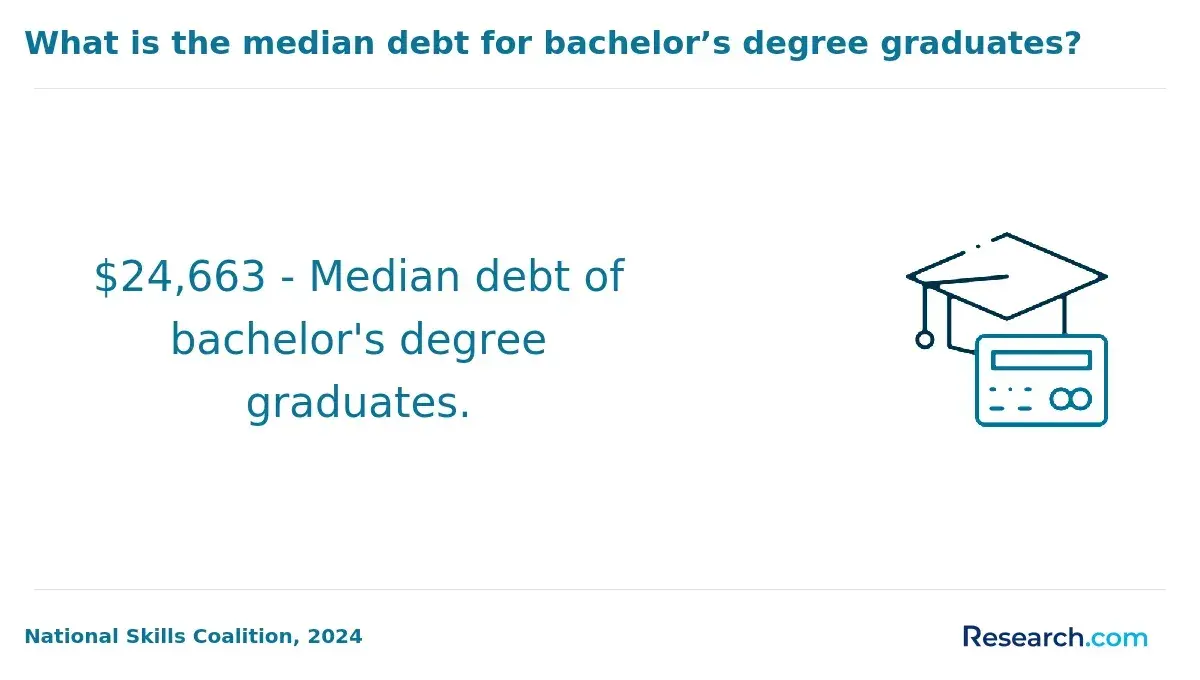
Experiential requirements can affect both direct and indirect costs. Direct costs include tuition, doctoral fees, residency fees, travel, lodging, background checks if required, technology, and project materials. Indirect costs include unpaid field hours, reduced work availability, childcare, transportation, and delayed graduation if a placement or dissertation site is not approved on time.
Federal Student Aid lists the annual Direct Unsubsidized Loan limit for graduate and professional students at $20,500. That figure is useful because it shows why students should compare total program cost, not just per-credit tuition; a doctorate with several extra terms, residencies, or placement delays can exceed what annual federal unsubsidized borrowing comfortably covers.
The table below summarizes cost and timeline pressures that are common in online strategic management doctorates with applied requirements. It helps students separate normal doctoral expenses from fieldwork-related costs that may not be obvious at enrollment.
| Cost or timeline factor | How it affects the student | Planning question |
| Required field hours or project milestones | May require blocks of time during business hours, especially if the project depends on executives or employees | Can I complete the work without reducing income? |
| Residency travel | Can add airfare, lodging, meals, parking, and time away from work or caregiving | How many trips are required before dissertation completion? |
| Site approval delays | Can postpone practicum registration, dissertation data collection, or graduation | What is the average approval timeline and backup process? |
| Unpaid consulting or fieldwork | May create opportunity costs even when tuition does not increase | Is the experience career-building enough to justify the unpaid time? |
| Extra academic terms | Can add tuition, fees, and continued borrowing if the field project or dissertation extends beyond the planned timeline | What happens financially if I need one or two additional terms? |
From a timeline perspective, practice-based doctorates often take about three to five years, though dissertation delays can extend completion. Programs with applied projects may be efficient when students have immediate access to an organization, but slower when students must secure external approvals, data permissions, or a new site after enrolling.
To avoid underestimating total cost, students should request a full cost-of-attendance estimate and then create a separate fieldwork budget. That budget should include travel, local transportation, unpaid hours, professional attire if needed, transcription or research software, and contingency funds for an extra term.
Flexibility is one of the main reasons working professionals choose online doctoral study, but experiential requirements can be the least flexible part of the program. Coursework may be asynchronous, while fieldwork may depend on client availability, executive calendars, supervisor meetings, or faculty approval windows.
Students can evaluate flexibility by asking how the requirement works in real life, not just whether the program is labeled online. The following questions are useful before committing to a program with practicum, internship, or fieldwork expectations.
- Are fieldwork hours completed weekly, in concentrated blocks, or through project milestones?
- Can meetings with the site supervisor, faculty mentor, or consulting client be held virtually?
- Are evening or weekend activities acceptable, or must work occur during standard business hours?
- Can the student complete the experience through remote consulting, data analysis, interviews, or strategic planning instead of physical site visits?
- Does the program allow students to change sites if employment changes, layoffs occur, or an organization withdraws permission?
- Are there blackout periods, residency weeks, or dissertation milestones that require fixed attendance?
Students with demanding jobs should pay special attention to whether fieldwork is outcome-based or hour-based. Outcome-based projects may offer more flexibility because the student completes a strategic deliverable, while hour-based requirements may be harder to manage around executive travel, shift work, or family obligations.
Flexibility also depends on the student's professional network. A senior manager with employer support may complete applied work efficiently, while a career changer without access to organizational data may need more time to identify a suitable site.
Accreditation and licensure work differently in strategic management than in clinical fields. Strategic management doctorates are generally not designed for state licensure, but accreditation still matters for credibility, employer recognition, faculty hiring, federal financial aid eligibility, and transferability of doctoral credits.
Students should first confirm institutional accreditation from an accreditor recognized by the U.S. Department of Education or the Council for Higher Education Accreditation. Then they can consider business-specific accreditation, such as AACSB, ACBSP, or IACBE, depending on career goals and employer expectations.
Experiential requirements may strengthen an applied doctorate, but they do not automatically make a program more legitimate. A poorly supervised practicum at an unapproved site is less valuable than a well-designed applied research project with clear faculty oversight, ethical review, and measurable strategic deliverables.
For students whose career goals overlap with operations, systems improvement, or supply chain leadership, an MBA operations management online may be a more targeted credential than a doctorate if the goal is advancement in operational leadership rather than doctoral research, consulting authority, or executive-level strategy work.
Licensure questions are usually limited unless the program crosses into psychology, counseling, education administration, healthcare, or another regulated field. If a strategic management doctorate includes coaching, leadership assessment, or organizational consulting, students should not assume that field hours qualify for any state license, board credential, or professional certification unless the relevant authority confirms it directly.
Support during practicum and fieldwork can determine whether an online doctorate feels manageable or isolating. Strong programs treat experiential learning as a structured academic requirement, not as an informal side project left entirely to the student.
When speaking with admissions advisors, program directors, or current students, prospective students should look for specific support systems. These supports reduce the risk of delayed approvals, unclear expectations, and weak supervision.
- Written practicum or fieldwork handbook with clear approval steps, deadlines, deliverables, and grading standards
- Faculty mentor or dissertation chair assigned before major fieldwork decisions are due
- Site agreement templates that explain confidentiality, data use, supervisor responsibilities, and student responsibilities
- Supervisor orientation materials so employer or community mentors understand doctoral expectations
- Research ethics guidance, including institutional review board procedures when human participants or organizational data are involved
- Backup planning if a site closes, a supervisor leaves, the student changes jobs, or organizational access is revoked
One current trend affecting support is the growing use of virtual collaboration tools, secure data platforms, and AI-assisted analytics in business education. These tools can make remote consulting and strategic analysis more feasible, but students still need clear policies on data privacy, acceptable AI use, and whether AI-generated analysis can be included in academic work.
A useful red flag is vague language. If a school says students receive "personalized support" but cannot identify who approves the site, who evaluates the supervisor, or what happens when a placement fails, students should ask for documentation before enrolling.
Practicum and field experiences can improve career value when they produce credible, documented evidence of strategic leadership. For example, a dissertation-in-practice or consulting project may help a graduate show experience in market analysis, organizational change, mergers and growth strategy, performance improvement, or executive decision-making.
The U.S. Bureau of Labor Statistics lists the 2024 median pay for management analysts at $101,190. That figure does not represent a guaranteed outcome for doctorate graduates, but it gives useful salary context for consulting and advisory roles where advanced strategic analysis, client communication, and organizational problem-solving are central.
Career outcomes depend heavily on the student's prior experience. A doctorate rarely replaces executive experience, but it can add credibility for professionals who already manage teams, advise organizations, teach business, lead transformation initiatives, or run consulting practices.
Hands-on doctoral work is most valuable when it creates career evidence the student can discuss with employers or clients. Strong deliverables may include a strategic audit, implementation roadmap, executive presentation, organizational assessment, governance analysis, or data-supported growth recommendation.
Students should be realistic about faculty careers. A PhD with strong research training may be preferred for tenure-track roles at research-intensive universities, while a DBA or applied doctorate may fit practitioner faculty, consulting, executive education, corporate leadership, and adjunct teaching. Program accreditation, dissertation quality, publications, teaching experience, and professional background all influence opportunities.
How Should Students Choose an Online Strategic Management Doctorate With Experiential Requirements?
The best online strategic management doctorate is not simply the program with the fewest campus visits or the lowest tuition. It is the program whose experiential requirements match the student's career goals, schedule, geographic reality, employer access, research interests, and financial limits.
Before applying, students should use a structured review process. The steps below help identify whether a program is realistically completable, not just academically attractive.
- Define the career goal first, such as executive leadership, consulting, teaching, organizational development, entrepreneurship, or research.
- Confirm the degree type and curriculum focus, including whether the program emphasizes strategy, leadership, management theory, analytics, organizational behavior, or applied research.
- Request the doctoral handbook and identify every in-person, synchronous, residency, fieldwork, practicum, internship, or capstone requirement.
- Ask who arranges placements and whether the school provides approved sites, employer-site options, virtual consulting alternatives, or backup placements.
- Verify whether your state, employer, industry, or data environment creates restrictions on fieldwork, research access, or supervisor approval.
- Estimate total cost, including tuition, fees, travel, unpaid project time, technology, extra terms, and possible lost income.
- Ask current students or alumni how long site approval took, what support they received, and whether advertised flexibility matched the actual experience.
- Compare the fieldwork requirement with the expected career value; choose the heavier applied requirement only if it builds experience you can use professionally.
Students should be cautious about programs that advertise convenience but provide little placement detail. Other red flags include unclear accreditation, no written practicum policy, no supervisor qualification standards, required travel that is not disclosed upfront, and claims that fieldwork will satisfy professional requirements without naming the relevant authority.
For many experienced professionals, a practice-based online doctorate can be worth the added commitment because it turns doctoral study into a real strategic project. For students who want maximum scheduling control, minimal employer involvement, or a purely scholarly path, a research-focused doctorate with limited field requirements may be a better fit.
Other Things You Should Know About Strategic Management
No. Strategic management focuses on competitive positioning, long-term planning, resource allocation, growth, governance, and organizational performance. Organizational leadership focuses more on leading people, culture, change, motivation, and systems of influence. The fields overlap, but they are not identical.
Most doctoral programs prefer or require a master's degree, often in business, management, leadership, public administration, or a related field. Some programs admit students with a bachelor's degree and substantial professional experience, but they may require additional foundation coursework.
Usually, yes. PhD programs commonly require a traditional research dissertation, while DBA and applied doctorates may require a dissertation-in-practice, doctoral project, or applied research study. Students should verify the final doctoral requirement before enrolling.
Many students do, especially in part-time online programs designed for working professionals. The challenge is not only coursework but also research, residencies, group work, and applied project deadlines. Students should plan for heavier time demands during proposal, fieldwork, and dissertation stages.
- A Doctorate Degree in Management - Strategic Innovation and Change https://www.tuw.edu/school-news/doctorate-degree-management-strategic-innovation-and-change/
- Practicum vs. Internship in Counseling Programs: What’s the Difference? https://www.nec.edu/news/practicum-vs-internship-counseling-programs
- Enhancing Career Advancement with an Online PhD in Management https://dblp.ucnedu.org/blog/career-advance-with-online-phd-in-management/
- Development and Assessment of a Sustainable PhD ... https://elifesciences.org/reviewed-preprints/91011
- 25 Best PhDs In Management - GradSchoolHub.com Rankings https://www.gradschoolhub.com/best/phds-in-management/
- | R3ciprocity Blog https://blog.r3ciprocity.com/why-get-a-phd-in-strategic-management-and-questions-about-strategy-doctorates/
- GRIN - Experiential Learning of Business Practicum Students https://www.grin.com/document/338145
- About MBA Degrees in Strategy and Strategic Management https://www.onlinemba.com/mba-careers/strategy/
- American Music Therapy Association https://www.musictherapy.org/members/edctstan/


