2027 Online ESL & TESOL Doctorate vs Master's Degree: Cost, Salary, Career Outcomes, and ROI

Co-Founder and Chief Data Scientist
Choosing between an online ESL and TESOL doctorate and a master's degree is really a question about value: how much more time, tuition, and opportunity cost is worth it for your target career? The Bureau of Labor Statistics reported a median annual wage of $83,980 for postsecondary teachers in May 2024, but many ESL roles do not require a doctorate.
This guide is for teachers, language-program professionals, and aspiring faculty who want to compare costs, salaries, career outcomes, and ROI before committing to graduate study.
Key Things You Should Know
- A master's in ESL, TESOL, applied linguistics, or a related field is usually the better ROI path for K-12 ESL teaching, adult education, curriculum roles, and many online teaching jobs because it takes less time and often meets employer requirements.
- A doctorate can be worth the added cost when your goal is tenure-track faculty work, senior academic leadership, research, doctoral-level consulting, or specialized program evaluation; however, the salary premium depends heavily on role, institution type, location, and prior experience.
- Opportunity cost matters; a doctorate can add several years of tuition, fees, research time, and delayed earnings, while federal graduate borrowing rules allow up to $20,500 per year in Direct Unsubsidized Loans before Grad PLUS borrowing is considered.
What Are the Key Differences Between an Online ESL & TESOL Doctorate and Master's Degree?
An online ESL and TESOL master's degree is typically a practitioner-focused graduate credential for people who want stronger teaching, curriculum, assessment, and language-acquisition expertise. An online doctorate is a terminal degree designed for advanced leadership, research, teacher education, policy, or university-level academic work.
The biggest difference is not simply "more education." It is the type of work each degree is designed to support. A master's usually helps you qualify for more ESL teaching and curriculum roles faster, while a doctorate is most useful when the job itself requires advanced research capacity, college teaching authority, or senior decision-making responsibility.
This comparison shows how the two credentials differ across the factors that most directly affect value and return on investment:
| Comparison factor | Online ESL & TESOL master's degree | Online ESL & TESOL doctorate |
| Primary purpose | Advanced teaching, curriculum design, assessment, and language-program practice | Research, higher education teaching, leadership, policy, program evaluation, or advanced professional practice |
| Typical credential examples | MA TESOL, MEd TESOL, MS in Education with ESL emphasis, MA Applied Linguistics | PhD in TESOL, PhD in Applied Linguistics, EdD in TESOL, EdD in Language Education |
| Best fit | Working teachers, adult ESL instructors, curriculum specialists, and international educators seeking practical advancement | Experienced educators pursuing professor, researcher, program director, dean-level, or senior consulting roles |
| Admissions emphasis | Bachelor's degree, transcripts, statement of purpose, recommendations, and sometimes teaching experience | Master's degree, strong academic record, professional experience, research interests, writing sample, and faculty fit |
| Academic work | Courses, practicum, capstone, portfolio, or thesis depending on program | Advanced seminars, comprehensive exams, dissertation or doctoral capstone, and original or applied research |
| ROI pattern | Often faster payback when it unlocks required credentials or salary-lane movement | Potentially higher long-term ceiling, but usually slower payback unless the doctorate directly changes the job you can obtain |
A common mistake is assuming the doctorate is automatically better because it is higher. In ESL and TESOL, the better degree is the one that matches the job you actually want. If the role asks for a master's plus teaching experience, a doctorate may add prestige without adding enough financial return to justify the cost.
Online format also matters. A strong online program should offer regular faculty interaction, supervised fieldwork or applied projects, access to research tools, and clear support for dissertation or capstone completion. For licensure-related ESL work, always check whether the program aligns with your state's requirements because online delivery does not make a program automatically license-eligible.
See our list of 1 year EdD programs online for your reference.
How Much Does an Online ESL & TESOL Doctorate Cost Compared With a Master's Degree?
An online ESL and TESOL doctorate usually costs more than a master's because it requires more credits, more years of enrollment, dissertation or capstone fees, and often additional research-related expenses. The cost gap can narrow if the doctorate is employer-funded or institutionally funded, but it widens quickly when students borrow for several years of part-time study.
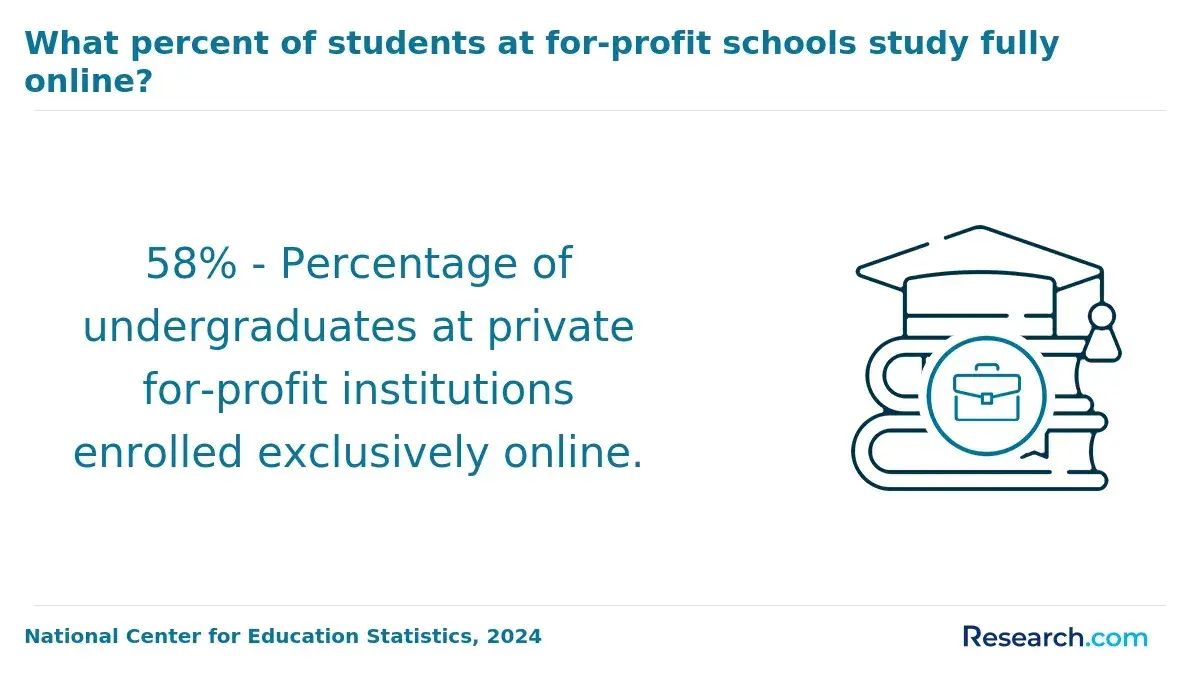
One useful benchmark is the National Center for Education Statistics, which continues to show in its 2024-published higher education data that graduate tuition varies sharply by institution type, with public institutions generally charging less than private nonprofit institutions.
For readers, the takeaway is simple: comparing only the degree name is not enough; school type, residency rules, and per-credit pricing can change the financial outcome substantially.
When comparing programs, look beyond advertised tuition. These are the cost categories that can change the real price of each degree:
- Tuition model: Per-credit pricing, flat-rate terms, dissertation-continuation fees, and technology fees can produce very different total costs.
- Credit load: Master's programs usually require fewer credits, while doctorates often include advanced coursework, research sequences, exams, and dissertation or capstone credits.
- Time-based fees: Doctoral students may pay ongoing registration, dissertation supervision, library, or administrative fees even after coursework ends.
- Residency and travel: Some online doctorates include short residencies, research intensives, or conference expectations that add travel costs.
- Lost or reduced earnings: A student who cuts work hours for doctoral research may face a larger hidden cost than the tuition bill suggests.
This table summarizes the cost logic rather than pretending every program has the same price:
| Cost factor | Master's degree impact | Doctorate impact | What to ask the school |
| Credits and tuition | Usually the largest direct cost, but spread over a shorter curriculum | Higher total exposure because the program is longer and more research-intensive | What is the total tuition estimate from first course through graduation? |
| Fees | Often technology, graduation, assessment, or practicum fees | May include dissertation, continuation, research, residency, or doctoral services fees | Are fees included in the published cost estimate? |
| Transfer or prior credit | May reduce the number of courses if graduate transfer credit is accepted | May be limited; some programs accept a prior master's but still require a full doctoral sequence | How many credits can be transferred, and will that reduce tuition? |
| Employer funding | Can make the degree highly attractive if tuition reimbursement covers required coursework | Can improve ROI if the employer supports leadership or research training | Will reimbursement cover doctoral dissertation credits or only coursework? |
| Borrowing | Lower total borrowing risk if completed efficiently | Higher risk if the dissertation phase extends enrollment | What is the average time to completion for online students? |
The practical step is to build a full-cost worksheet before applying. Multiply credits by tuition, add required fees, estimate books and travel, then add the cost of any reduced work hours. If a school cannot clearly explain the total expected cost, that is a red flag.
Check out our list of online doctoral programs without dissertation if you’re looking to earn a doctorate through a flexible, career-focused program that offers alternative options for completing your degree.
How Long Does a ESL & TESOL Doctorate Take Compared With a Master's Degree?
A master's degree is the faster route. Many online ESL and TESOL master's programs are designed for working educators and can often be completed part time without leaving employment.
A doctorate usually takes longer because it includes advanced research training and a dissertation or doctoral capstone that may not move at the same pace as scheduled coursework.
Time matters because it affects both cost and ROI. The longer you stay enrolled, the more likely you are to pay additional fees, delay career transitions, or reduce earnings while completing research requirements.
This comparison explains the typical pacing differences that students should evaluate before choosing a degree level:
| Timeline factor | Master's degree | Doctorate |
| Common student profile | Working teacher or education professional seeking advancement | Experienced practitioner, researcher, administrator, or aspiring professor |
| Coursework pace | Structured sequence with predictable terms | Structured coursework followed by less predictable research milestones |
| Major completion requirement | Capstone, portfolio, practicum, comprehensive exam, or thesis | Dissertation, applied dissertation, doctoral capstone, or original research project |
| Schedule risk | Usually lower because requirements are more standardized | Higher because committee feedback, data collection, and revisions can extend the timeline |
| ROI implication | Earlier credential completion can lead to faster career or salary movement | Longer completion can be worthwhile if the target role requires a doctorate |
Before enrolling in a doctorate, ask how the program supports dissertation progress for online students. Strong answers include milestone calendars, research-methods support, advisor availability, writing groups, and transparent completion expectations.
Students comparing timelines should follow a simple decision process:
- Identify the job title you want after graduation and verify the minimum credential employers request.
- Estimate the soonest realistic graduation term for each program, using part-time pacing if you plan to keep working.
- Ask whether practicum, residency, research, or dissertation requirements can be completed in your current location.
- Calculate how many years of added earnings or promotion eligibility you may gain by finishing the master's sooner.
- Choose the doctorate only if the extra years support a career outcome the master's cannot reasonably provide.
Here’s a list of the best library science programs for students looking to pursue a career in librarianship, information management, or archival studies.
Employer Confidence in Online vs. In-Person Degree Skills, Global 2024

Salary differences depend more on job category than on degree title alone. A master's may be enough for K-12 ESL teaching, adult education, instructional coordination, and many curriculum jobs.
A doctorate may be expected or strongly preferred for tenure-track higher education, research leadership, and senior academic administration.
BLS May 2024 wage data show why job target matters: the median annual wage for postsecondary teachers overall was $83,980, which is higher than many classroom and adult education roles but does not apply to every TESOL graduate.
If your doctorate does not move you into a higher-paying job category, the salary premium may be too small to offset the extra cost.
The table below compares common ESL and TESOL career directions by typical credential expectations and salary logic:
| Career direction | Master's degree value | Doctorate value | Salary interpretation |
| K-12 ESL or multilingual learner teaching | Often useful for endorsement, specialization, salary-lane movement, or leadership within schools | Usually not required for classroom teaching | ROI depends on district pay schedules, state licensure, and whether graduate credits raise compensation |
| Adult ESL instruction | Often sufficient for teaching, curriculum, and program coordination roles | Helpful mainly for research, administration, or higher education transitions | Pay varies widely by institution, funding source, and full-time versus adjunct status |
| Curriculum and assessment | Strong fit for roles designing materials, assessments, and teacher training | Useful for senior evaluation, policy, or research-heavy positions | The degree should be paired with measurable curriculum, assessment, and data skills |
| Higher education faculty | May qualify for adjunct, lecturer, or some community college roles | Often preferred or required for tenure-track and research-focused faculty roles | The doctorate can improve eligibility, but academic hiring is competitive and not guaranteed |
| Program leadership | Can support coordinator or director roles, especially with experience | Can strengthen candidacy for senior academic, institutional, or policy leadership | Leadership pay depends heavily on scope, institution type, and management responsibility |
Do not compare a master's-level teacher salary against a doctoral-level professor salary unless you are genuinely willing and qualified to pursue the professor path. The more realistic comparison is the salary you are likely to earn with each credential in your region and career lane.
To make the salary comparison practical, gather evidence before you apply:
- Review current job postings for your target titles and note whether they require a master's, doctorate, state license, experience, or publication record.
- Check your employer's salary schedule to see whether a master's, doctorate, or additional graduate credits produce defined pay increases.
- Ask programs for outcome examples by role type, not just broad alumni success stories.
- Compare full-time salaries separately from adjunct, contract, or part-time teaching income.
We recommend exploring EdS to EdD programs if you’re looking to advance your education career, develop leadership skills, and qualify for higher-level positions in educational administration, curriculum development, or instructional leadership.
A doctorate can open doors that are difficult to access with only a master's, especially in research, faculty hiring, doctoral-level teacher education, senior academic leadership, and specialized consulting.
However, many rewarding ESL and TESOL careers remain master's-level careers, particularly when they emphasize teaching, curriculum, coaching, or direct learner support.
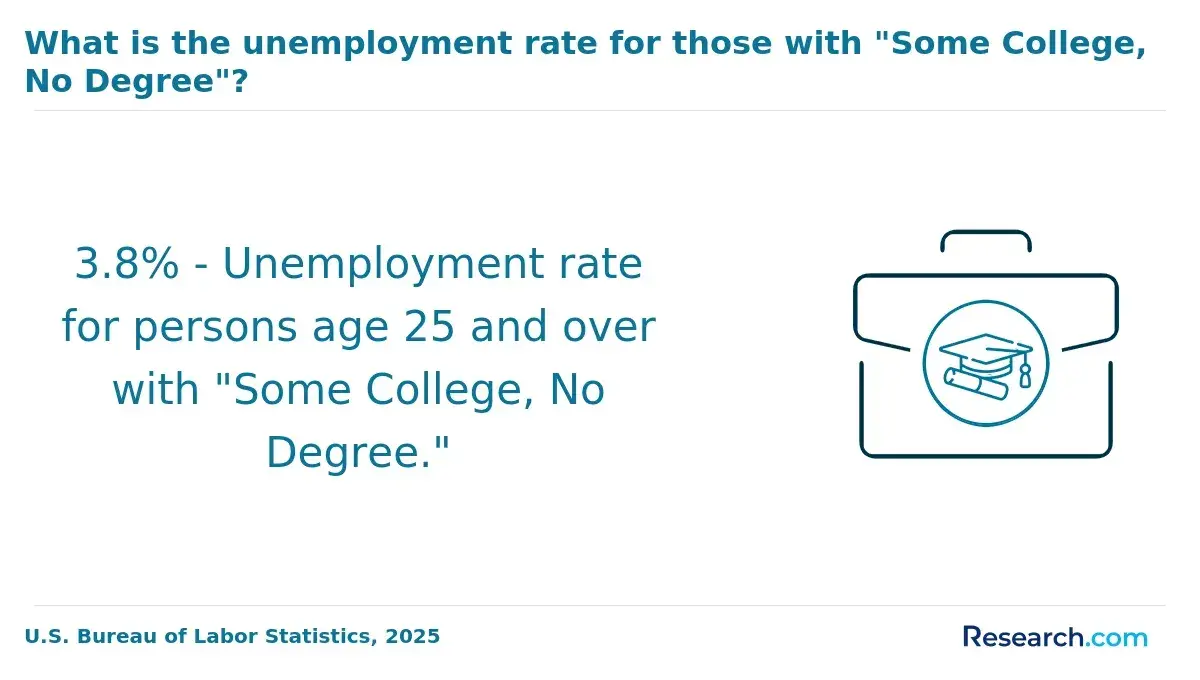
The labor market also shows mixed signals. BLS projections published for the 2023 to 2033 period show strong demand for postsecondary teachers overall, but adult basic and ESL teaching roles face more constrained growth in some settings.
That means students should not treat "ESL" as one labor market; higher education, K-12, adult education, and private language services behave differently.
These are the types of opportunities where a doctorate may make the most difference:
- Tenure-track or research faculty: Universities often expect doctoral preparation, research methods expertise, publication potential, and the ability to mentor graduate students.
- Teacher educator roles: Preparing future ESL teachers, supervising graduate research, and designing graduate-level TESOL coursework may favor doctorate holders.
- Language program leadership: A doctorate can support roles involving program evaluation, accreditation preparation, institutional assessment, and strategic planning.
- Policy and research organizations: Doctoral training can help with research design, data analysis, grant writing, and evidence-based language policy work.
- Advanced consulting: Specialized consulting in assessment, multilingual learner systems, curriculum evaluation, or professional development may benefit from doctoral credibility.
By contrast, a master's degree is often the practical choice for these outcomes:
- Classroom ESL instruction: A master's may provide the pedagogy and language-acquisition depth needed without the added doctoral commitment.
- Instructional coaching: Many coaching roles emphasize classroom experience, leadership skill, and state requirements more than doctoral research.
- Curriculum development: A master's can be sufficient when paired with strong portfolio evidence and assessment knowledge.
- Online ESL teaching and training: Employers often value teaching effectiveness, platform fluency, and learner outcomes more than a terminal degree.
The best career test is simple: if job postings for your desired role consistently list a doctorate as required or strongly preferred, the doctoral path may be reasonable. If postings usually ask for a master's plus experience, the master's may offer better speed, flexibility, and ROI.
For many ESL and TESOL professionals, the master's degree has the better near-term ROI because it costs less, takes less time, and often satisfies the credential requirement for advancement. The doctorate can have better long-term ROI only when it unlocks a role, salary band, professional authority, or leadership pathway that the master's cannot.
ROI should include more than salary. It should account for total program cost, funding, time to completion, debt, career mobility, job security, and whether the credential helps you reach the work you actually want to do.
This table frames the ROI decision using realistic comparison questions:
| ROI question | Master's degree advantage | Doctorate advantage |
| How quickly can I finish? | Usually faster, which can support earlier promotion or salary-lane movement | Longer timeline may be acceptable if the target role requires doctoral preparation |
| How much will I borrow? | Typically lower borrowing exposure because the program is shorter | Borrowing risk rises unless funding, employer support, or assistantships reduce cost |
| Will the degree change my job options? | Strong when the goal is teaching, curriculum, or practitioner advancement | Strong when the goal is faculty, research, senior leadership, or doctoral-level consulting |
| Will the salary premium be enough? | Often better if a defined pay scale rewards a master's credential | Better only if the doctorate moves the graduate into a higher-paying role or leadership track |
| What is the risk? | Risk is usually lower because completion is more predictable | Risk is higher if dissertation delays, weak advising, or limited job openings reduce payoff |
A practical ROI calculation does not need to be complicated. Start with the difference in total cost between the doctorate and master's, then divide that amount by the realistic annual salary increase you expect from the doctorate. The result is your rough break-even period.
For example, if the doctorate costs substantially more but only leads to a small salary increase in your current district or institution, the payback period may be too long. If it qualifies you for a faculty or senior leadership role you could not otherwise pursue, the longer payback may be acceptable.
Decision rule: Choose the master's when it meets the credential requirement for your target job. Choose the doctorate when the doctorate itself is a gatekeeper for the role, research agenda, or leadership level you want.
Opportunity cost is the value of what you give up while pursuing a degree. For ESL and TESOL students, that may include salary, promotions, classroom experience, leadership opportunities, family time, or the ability to take on consulting work.
This factor often changes the doctorate-versus-master's decision more than tuition does. A doctorate that looks affordable on paper may become expensive if it requires several years of reduced work, unpaid research time, or delayed advancement.
Consider these opportunity-cost categories before choosing a degree level:
- Delayed earnings: If a master's could qualify you for a raise or new role sooner, postponing that benefit for doctoral study has a real cost.
- Reduced workload: Cutting hours to complete doctoral research can reduce income, retirement contributions, and employer benefits.
- Career timing: Waiting several years to enter higher education or leadership hiring cycles may matter in competitive markets.
- Professional experience: Time spent in doctoral coursework may compete with classroom leadership, curriculum portfolio development, or administrative experience.
- Personal capacity: Doctoral programs require sustained writing, research, and revision; burnout can extend completion time and reduce ROI.
The master's degree often wins when the reader's main goal is near-term advancement. The doctorate is more defensible when the student already has professional momentum and needs doctoral preparation to reach a clearly defined next level.
Avoid the common mistake of comparing only tuition. A self-funded doctorate that adds years of enrollment and slows career progress can be less valuable than a master's that quickly increases employability, even if the doctorate sounds more prestigious.
Funding can completely change the ROI comparison. A lower-cost master's paid out of pocket may be financially safer than a doctorate financed mostly with loans. But a funded or employer-supported doctorate can become much more attractive, especially for students pursuing academic or leadership careers.
Federal Student Aid rules for the 2024-25 award year allow graduate and professional students to borrow up to $20,500 per year in Direct Unsubsidized Loans, with Grad PLUS Loans potentially covering remaining eligible costs after other aid. This matters because a longer doctorate can create multiple years of borrowing exposure if funding is limited.
Compare funding sources carefully because not all aid lowers cost in the same way:
- Scholarships and grants: These reduce direct cost and generally improve ROI because they do not require repayment.
- Assistantships or fellowships: More common in research-oriented doctoral programs, they may provide tuition support, stipends, or teaching experience, but availability varies widely for online students.
- Employer tuition assistance: This can make either degree more attractive, but policies may cap annual reimbursement or exclude dissertation credits.
- Federal loans: Loans can improve access but reduce ROI through interest, repayment obligations, and long-term debt burden.
- Pay-as-you-go enrollment: Part-time study can reduce borrowing, but it may lengthen time to completion and delay career benefits.
Before enrolling, ask financial aid and admissions staff direct questions:
- What is the total estimated cost to graduate, including fees and continuation enrollment?
- What funding is available specifically to online master's or doctoral students?
- How many students receive institutional scholarships, assistantships, or employer-funded placements?
- What happens financially if the dissertation or capstone takes longer than planned?
- Can students pause enrollment without losing standing, funding, or access to advisors?
Debt is not automatically bad, but it should match the career outcome. Borrowing for a doctorate is riskier when the target job does not require the credential or when the expected salary increase is uncertain.
Not all doctorates serve the same purpose. In ESL and TESOL, the most important distinction is often between a professional doctorate, such as an EdD, and a research doctorate, such as a PhD. Both can be valuable, but they point toward different outcomes.
A master's degree is usually designed to strengthen professional practice. A professional doctorate goes further by preparing experienced educators to solve complex problems in schools, colleges, agencies, or language programs. A research doctorate usually emphasizes theory, methodology, publication, and original scholarship.
This table compares the three paths at a high level:
| Degree path | Primary focus | Best fit | Main caution |
| Master's in ESL, TESOL, or applied linguistics | Teaching, curriculum, assessment, and applied language learning practice | Teachers, curriculum designers, adult educators, and practitioners seeking advancement | May not qualify for tenure-track university roles or senior research positions |
| Professional doctorate, such as EdD | Applied leadership, program improvement, practitioner research, and organizational change | Program directors, school leaders, teacher educators, and experienced practitioners | May be less research-intensive than a PhD for some university research roles |
| Research doctorate, such as PhD | Original research, theory, methods, publication, and academic scholarship | Aspiring professors, researchers, and scholars in TESOL, applied linguistics, or language education | May take longer and may not produce a direct salary increase outside research or faculty tracks |
Choose a professional doctorate if you want to lead systems, evaluate programs, train educators, or solve applied language-education problems. Choose a research doctorate if you want to publish, conduct original studies, teach at the graduate level, or compete for research-focused faculty positions.
Choose the master's if your desired work is mainly teaching, curriculum implementation, coaching, or classroom-level leadership. In those cases, doctoral research training may be intellectually valuable but financially unnecessary.
When Is a ESL & TESOL Doctorate Worth It Instead of a Master's Degree?
An ESL and TESOL doctorate is worth considering when it directly supports a career outcome that a master's is unlikely to provide. The clearest examples are tenure-track faculty roles, doctoral-level research, senior program leadership, policy work, and specialized consulting that depends on advanced expertise.
The doctorate is less likely to be worth it if your goal is a role that already accepts or prefers a master's degree. In that case, the additional years and costs may reduce ROI, especially if you self-fund the degree with loans.
Use the following signs to decide whether the doctorate path is justified:
- The doctorate is required or strongly preferred: Job postings for your target roles consistently list doctoral preparation.
- You want research to be central to your work: You are interested in methods, publications, data, theory, and long-form scholarly writing.
- You already have practitioner experience: A doctorate is more useful when it builds on a strong teaching, curriculum, or leadership record.
- You have a funding strategy: Employer support, scholarships, assistantships, or savings reduce the risk of long-term debt.
- You understand the academic job market: You are prepared for competitive hiring, relocation possibilities, and the difference between adjunct and tenure-track work.
There are also clear warning signs that a master's may be the better choice:
- You mainly want to become an ESL teacher: A master's plus required state credentials may be the more direct route.
- You are choosing the doctorate for prestige alone: Prestige does not pay back tuition unless it changes your career options.
- You have not checked salary schedules: Some employers provide little or no extra pay for a doctorate.
- You cannot explain the target role: "More opportunities" is too vague to justify a doctoral investment.
- The program offers weak dissertation support: Poor advising can extend completion time and increase cost.
The best next step is to compare three real programs: one master's, one professional doctorate, and one research doctorate. For each, calculate total cost, time to completion, funding, target jobs, and likely salary change. The right choice should become much clearer when the comparison is tied to actual career outcomes instead of degree prestige.
Other Things You Should Know About ESL & TESOL
Usually, no. Many online ESL teaching roles prioritize teaching experience, a bachelor's or master's degree, platform skills, and sometimes a TESOL certificate. A doctorate may help with university-level online teaching or teacher education, but it is not typically necessary for entry-level or practitioner online ESL roles.
It can be, especially when the school is institutionally accredited and the program has strong faculty, fieldwork, research support, and clear outcomes. Employers usually care more about accreditation, relevance, teaching experience, and demonstrated skills than whether coursework was completed online.
Yes. A relevant master's can be a strong foundation for a TESOL, applied linguistics, language education, or education doctorate. Students who may pursue a doctorate later should consider a program with research methods, thesis or capstone options, academic writing, and faculty mentorship.
Not always. Licensure requirements vary by state and role. Some programs are designed for licensed teachers seeking an ESL endorsement, while others are academic or international in focus and do not lead to state certification. Always verify licensure alignment with the state education agency before enrolling.
- What Can You Do with a PhD in Education https://aituedu.org/what-can-you-do-with-a-phd-in-education/
- Online Master of Arts in Teaching TESOL Degree Programs https://teach.com/online-ed/education-degrees/online-mat-tesol-programs/
- Average Cost of a Master's Degree: 2025 Analysis https://educationdata.org/average-cost-of-a-masters-degree
- 2025 Most Affordable Online Master's Programs https://www.onlineu.com/most-affordable-colleges/masters-degrees
- Unlocking Your Career Potential: Top Jobs For Master's Degree Holders In TESOL https://www.teacherstrainingsingapore.com/blog/129-Unlocking-Your-Career-Potential-Top-Jobs-For-Masters-Degree-Holders-In-TESOL-blog.php
- Academic and non-academic career paths of international and domestic PhD holders https://tuningjournal.org/article/view/3126
- Master vs. PhD: Salary, Jobs & Time, The Big Differences https://www.applykite.com/blog/phd-guide-master-vs-phd
- Teach English as a Second Language Job and Salary Outlook | CUNE https://www.cune.edu/news/teach-english-second-language-salary
- Is Grad School Worth It? A Comprehensive Return on Investment Analysis - FREOPP https://freopp.org/whitepapers/is-grad-school-worth-it-a-comprehensive-return-on-investment-analysis/
- ESL Teaching Opportunities Explained: Global Paths | TEFL Institute https://teflinstitute.com/blog/esl-teaching-opportunities-explained/