2027 Online Energy Policy Degree Programs With University Scholarships: Awards, Eligibility, and Net Cost

Co-Founder and Chief Data Scientist
An online energy policy degree can look affordable until fees, residency rules, enrollment requirements, and limited online-student scholarship access change the final bill. College Board reported average published 2024-25 tuition and fees of $11,610 at public four-year in-state colleges and $43,350 at private nonprofit four-year colleges.
This guide helps prospective undergraduate and graduate students compare institutional awards, confirm eligibility and renewal terms, and calculate a realistic net cost rather than choosing based on tuition or a headline scholarship alone.
Key Things You Should Know
- Online energy policy programs may provide institutional scholarships, but eligibility can differ for fully online, part-time, graduate, transfer, and nondegree students; confirm that the specific online program is included before applying.
- A scholarship reduces charges but does not automatically cover fees, books, technology, living expenses, or lost income; use total annual cost minus grants and scholarships to estimate net cost.
- The published 2024-25 average tuition and fees were $11,610 at public four-year in-state colleges and $43,350 at private nonprofit four-year colleges, so a smaller award at a lower-priced school can produce a better value than a larger award elsewhere.
Which Online Energy Policy Degree Programs Offer University Scholarships?
University scholarships are institution-funded awards, distinct from federal grants, loans, employer tuition assistance, and private scholarships. They may be awarded for academic achievement, financial need, leadership, military affiliation, transfer status, or a specific academic department. For online energy policy students, availability is highly program-specific: some schools include online learners in general university scholarships, while others restrict awards to campus-based or full-time students.
Energy policy is often offered as an online bachelor's degree, a sustainability or environmental policy concentration, or a graduate certificate and master's program. Because the title varies, search both the degree page and the university financial-aid page using terms such as "online student scholarship," "distance learner," "sustainability," "public policy," and "energy." Students comparing adjacent career paths may also find context in degrees that pay well, but should evaluate energy policy based on their own policy, regulatory, utility, nonprofit, or sustainability-career goals.
The following comparison identifies the questions that determine whether a university scholarship is genuinely available to an online energy policy applicant. A school should provide the answers in writing through its scholarship portal, financial-aid office, or official award notice.
| Program format to investigate | Likely institutional-aid pathway | Key restriction to verify | Best fit |
| Online bachelor's in energy, sustainability, or public policy | First-year, transfer, merit, and need-based university awards | Whether online enrollment and part-time study qualify | Students seeking a full undergraduate credential |
| Online master's in energy policy or environmental policy | Graduate admissions scholarships, departmental awards, and fellowships | Whether awards apply to professional online programs | Working professionals with a bachelor's degree |
| Online graduate certificate | Limited school or department scholarships; employer support may be more common | Minimum credit load and degree-seeking status | Students building targeted policy expertise |
| Online completion program | Transfer and adult-learner scholarships | Transfer-credit minimums and prior-institution GPA | Students finishing a bachelor's degree |
Do not assume a university with a scholarship search tool offers an award for every online program. Ask whether the award is available to your exact degree code, academic level, start term, and enrollment pattern.
How Much Scholarship Money Can Online Energy Policy Degree Students Receive?
There is no universal scholarship amount for online energy policy degrees. Awards can range from small one-time departmental grants to renewable tuition awards, and graduate awards may be more limited than undergraduate awards. A published maximum is not an expected award: it may be reserved for a narrow applicant group, require full-time study, or exclude online cohorts.
Instead of comparing promotional amounts alone, translate each offer into a share of the charges it can actually reduce. The table shows the cost categories that should be included before calling an award "full tuition" or estimating what remains to pay.
| Cost or award item | Include in net-cost comparison? | Why it matters |
| Tuition by credit or term | Yes | Online programs may charge a separate rate from campus programs. |
| Required university and technology fees | Yes | Scholarships may apply only to tuition, leaving mandatory fees unpaid. |
| Institutional scholarship | Yes, if shown in writing | Verify the annual amount, duration, disbursement schedule, and restrictions. |
| Federal and state grants | Yes, when eligible | These can lower out-of-pocket cost without requiring repayment. |
| Federal loans | No, as a discount | Loans can cover a bill but increase repayment obligations. |
| Books, software, travel, and living costs | Yes | They affect affordability even when tuition is discounted. |
A useful calculation is: estimated annual cost of attendance − grants − scholarships − employer benefits = estimated amount still to fund. Keep loans separate from scholarships in this calculation. If a university quotes only a per-credit scholarship, request an estimate based on the number of credits you expect to take during the academic year.
Faster formats can reduce the number of terms in which some expenses occur, but they are not automatically cheaper. Compare course sequencing, transfer-credit policies, and aid eligibility alongside options described in the quickest online degrees.
What Are the Eligibility Requirements for Online Energy Policy Degree Scholarships?
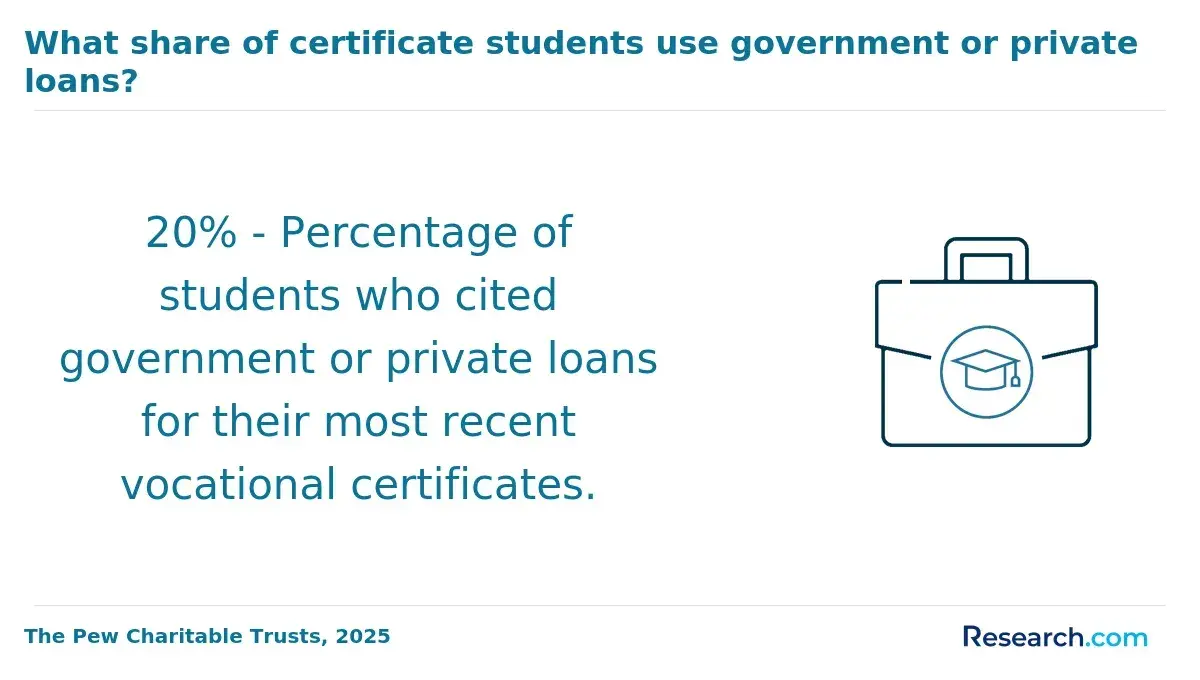
Eligibility requirements are the conditions a student must meet to receive an award. They commonly include admissions status, academic record, financial need, citizenship or residency requirements for certain aid, enrollment intensity, and a completed scholarship application. An institutional scholarship may require much more than admission to the university.
Review these conditions before treating an award as part of your budget. They are common screening points that can change for each scholarship and academic year.
- Program eligibility: Confirm that your specific online energy policy degree, concentration, and start term are included.
- Degree-seeking status: Certificate, nondegree, and visiting students may be excluded even when degree students qualify.
- Academic record: Merit awards may use high school GPA, transfer GPA, undergraduate GPA, test scores where considered, or a holistic admissions review.
- Financial need: Need-based institutional aid usually requires the FAFSA or a university financial-aid application and may require annual renewal.
- Enrollment level: Some awards require full-time enrollment; others are prorated or unavailable below a stated credit load.
- Residency and location: State-funded awards may have residency rules, while institutional awards may not.
- Deadline and documentation: A separate scholarship deadline, essay, recommendation, résumé, or verification document can be required.
The online format does not necessarily make a student ineligible, but it is a frequent exception. Get clarification if the school describes an award as available to "all students" without explicitly addressing online or distance learners.
How Do You Apply for University Scholarships for an Online Energy Policy Degree?
Start early because admissions, FAFSA, and scholarship deadlines may be separate. Some universities automatically review admitted applicants for merit awards; others require a scholarship-portal profile, a departmental application, or an application after enrollment. Automatic consideration reduces paperwork, but it does not mean an award is guaranteed.
Use this sequence to avoid missing an award that could materially change your enrollment decision:
- Identify the exact online energy policy degree and ask admissions whether online students are eligible for institutional scholarships.
- Apply for admission by the scholarship-priority deadline, not merely the final admissions deadline.
- Submit the FAFSA when eligible and when the university requests it, even if you expect a merit award.
- Complete the university scholarship application and any energy, sustainability, public-policy, transfer, or military-specific applications.
- Upload requested records, such as transcripts, résumés, essays, recommendations, proof of service, or employer information.
- Save copies of submissions and record the award-notification date, appeal process, and deposit deadline.
- Compare written award notices using the same academic year and expected credit load before accepting an offer.
For graduate applicants, ask whether an admissions scholarship requires a separate request and whether it can be used with assistantships or employer tuition reimbursement. Applicants exploring education leadership in addition to policy work can compare funding structures in EdD programs online, though eligibility rules will remain school-specific.
Are Scholarships for Online Energy Policy Degree Programs Renewable Every Year?
Some institutional scholarships are renewable, meaning the university can continue the award for later years if the student meets stated conditions. Others are one-time awards, limited to a fixed number of terms, or reviewed annually based on available funding. "Renewable" does not mean unconditional or permanent.
Before enrolling, ask for the renewal terms in the award letter or scholarship agreement. The following distinctions determine whether the first-year offer remains meaningful over the full degree timeline:
| Renewal term | What it usually means | Question to ask |
| Minimum GPA | You must maintain a stated cumulative or term GPA. | Is the GPA measured after every term, annually, or after probation? |
| Enrollment requirement | The award may require full-time enrollment or a minimum number of credits. | Is the award reduced if I take fewer credits while working? |
| Maximum terms or credits | The award ends after a stated period or once a credit limit is reached. | How many online terms are covered based on my planned pace? |
| Satisfactory academic progress | You must complete enough attempted credits and remain in good academic standing. | How do withdrawals, incompletes, or repeated courses affect eligibility? |
| Annual financial review | Need-based aid may be recalculated each year. | Can a change in income, assets, or household size alter the award? |
Build a multi-year estimate, not only a first-term budget. A student who needs part-time enrollment for work or caregiving should give special weight to awards that explicitly allow that pace, even if the stated annual amount is lower.
Can You Combine an Online Energy Policy Scholarship With FAFSA and Other Financial Aid?
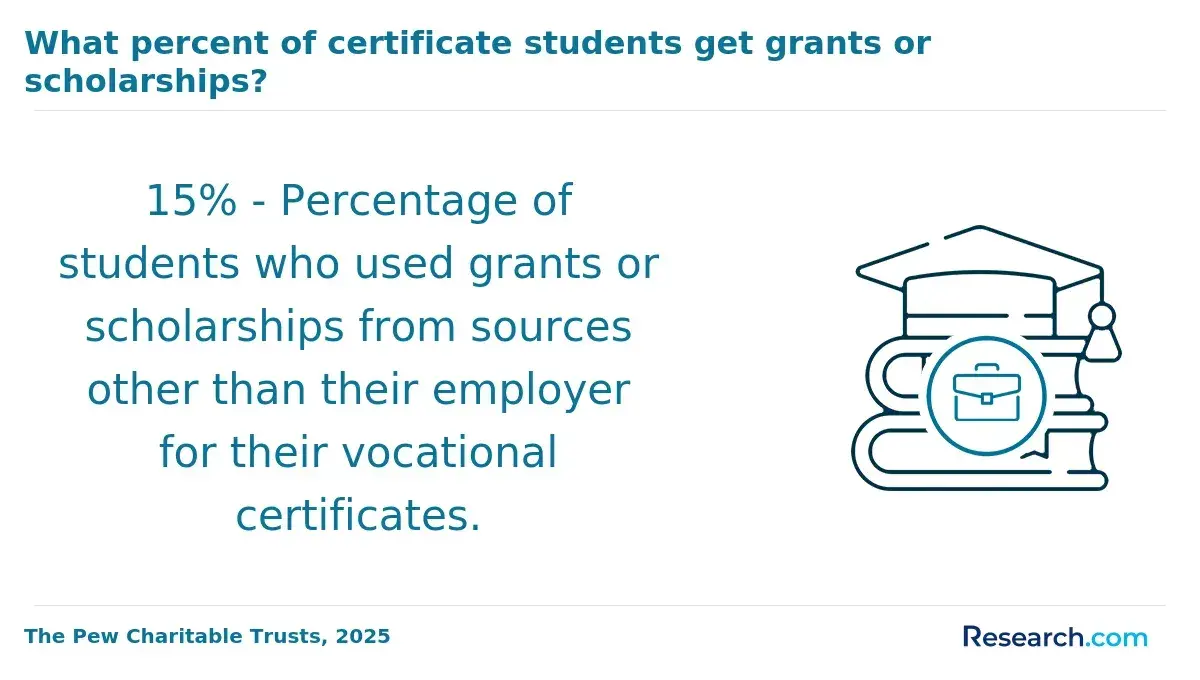
Often, yes. A university scholarship can generally be combined with FAFSA-based federal aid, state grants, outside scholarships, veterans' education benefits, and employer assistance, subject to the school's packaging policy and the student's cost of attendance. The FAFSA is an application for federal student aid; it is not itself a scholarship, and filing it does not guarantee a grant.
Aid stacking can change the final package. If total aid exceeds allowable educational costs, a school may reduce an award, commonly loans or work-study first but sometimes institutional aid depending on its policy. Tell the financial-aid office about outside awards and employer benefits rather than waiting for a later adjustment.
Use this checklist when reviewing whether awards can be combined:
- Ask whether the institutional scholarship is reduced when you receive an outside scholarship, state grant, or employer tuition benefit.
- Confirm whether military and veterans' education benefits affect institutional-award eligibility or billing timing.
- Check whether the scholarship can be used alongside federal Pell Grant eligibility, Direct Loans, and work-study where applicable.
- Request a revised written estimate after every new award is added to the package.
- Verify whether aid covers only tuition or can also be applied to mandatory fees, books, and other eligible charges.
Loans may make enrollment possible, but they are not net-price reductions. Compare the amount of gift aid first, then decide whether remaining costs justify borrowing based on your budget and expected career path.
How Much Does an Online Energy Policy Degree Cost After Scholarships and Financial Aid?
Net cost is the amount left after grants and scholarships are applied to the full cost of attendance. It is more decision-useful than sticker tuition because online students may face required fees, course materials, proctoring costs, residency differences, and living expenses that a tuition-only comparison misses. Federal Student Aid's College Scorecard and each university's net price calculator can provide useful context, but online-program pricing and eligibility may require a direct confirmation from the school.
This hypothetical example illustrates the method; it is not a quote or a typical award. Use the same approach with each official financial aid offer.
| Example annual calculation | Option A | Option B |
| Tuition and required fees | $18,000 | $25,000 |
| Institutional scholarship | -$4,000 | -$8,000 |
| Federal or state grants | -$3,000 | -$3,000 |
| Estimated net direct charges | $11,000 | $14,000 |
| Interpretation | Smaller scholarship, lower remaining direct cost | Larger scholarship, higher remaining direct cost |
A larger scholarship in Option B does not create the lower net cost because the starting price is higher. Also compare the number of credits required, the likelihood of summer enrollment, and whether awards renew. Students considering a different online graduate format can see how program length affects affordability in one year online master's in communication.
Common mistakes include comparing one school's annual award with another school's per-term award, subtracting loans as though they were grants, and ignoring a scholarship that ends after the first year. Request an itemized estimate of tuition, required fees, gift aid, loans, and remaining balance for your planned enrollment level.
Are There Scholarships for Transfer, Adult, Military, and Other Online Energy Policy Students?
Yes, but the strongest opportunity depends on student status. Transfer students may qualify for awards based on transferable credits or prior-college GPA. Adult learners may find completion scholarships or employer partnerships. Active-duty service members, veterans, and eligible family members may have institutional military discounts, dedicated scholarships, or education benefits, each governed by separate rules.
These applicant groups should look beyond broad first-year merit scholarships. The categories below identify where to focus the search and what to verify before relying on aid:
| Student group | Potential aid route | Important verification point |
| Transfer student | Transfer merit awards, Phi Theta Kappa-related awards, completion scholarships | Minimum transferable credits, GPA calculation, and whether online degree seekers qualify |
| Adult or returning learner | Adult-learner, reentry, completion, or employer-partner awards | Age, enrollment history, degree-completion status, and part-time eligibility |
| Military-connected student | Military tuition rates, institutional scholarships, veterans' benefits, and service-related aid | Documentation, program approval, benefit coordination, and residency treatment |
| Working professional | Employer reimbursement and professional-association scholarships | Whether reimbursement is paid upfront or after grades are posted |
| Student with a disability or caregiving obligations | University access, retention, and flexible-enrollment support funds where available | Whether reduced course loads affect scholarship renewal |
Transfer credit evaluation is especially important in online programs. More accepted credits can reduce the number of courses you must pay for, sometimes improving affordability more than a modest scholarship. Do not choose a program until the school has explained how prior coursework will transfer.
What Is the Difference Between Merit-Based and Need-Based Scholarships for Online Energy Policy Degrees?
Merit-based scholarships are generally awarded for academic achievement, leadership, professional experience, service, or other accomplishments. Need-based scholarships consider financial circumstances, often through FAFSA information or university documentation. Some awards use both merit and need, so the label alone does not reveal your odds or the amount.
The distinction matters because the application evidence, renewal rules, and predictability can differ. This comparison helps applicants decide which materials to prioritize:
| Feature | Merit-based scholarship | Need-based scholarship |
| Main basis | Academic record, achievements, leadership, or experience | Demonstrated financial need under school rules |
| Common application evidence | Transcript, résumé, essay, recommendation, portfolio of accomplishments | FAFSA, financial-aid application, verification documents, sometimes an essay |
| Annual stability | May be stable if GPA and enrollment rules are met | May change when financial circumstances or available funding change |
| Common renewal factor | GPA, credit completion, satisfactory academic progress | Continued need plus satisfactory academic progress |
| Online-student issue to check | Whether distance learners are in the eligible admissions pool | Whether online program type and enrollment level are eligible for institutional need aid |
Apply for both types whenever the university permits it. A high GPA does not rule out need-based aid, and a student with financial need may still be competitive for merit awards. Applicants changing fields should ensure that the degree's policy and analytical focus fit their goals; unrelated professional programs such as the best art therapy programs have different training, admissions, and funding considerations.
How Should You Compare Scholarship Offers From Online Energy Policy Degree Programs?
The best scholarship value is the offer that produces the most manageable, reliable cost for a program that fits your academic and career objectives. It is not necessarily the highest award. Compare only official written offers for the same start date and expected enrollment pattern.
Use the following decision process after receiving offers. It turns award letters into a consistent, side-by-side comparison:
- List total tuition, mandatory fees, books, software, and expected living or travel costs for one academic year.
- Separate gift aid into institutional scholarships, federal grants, state grants, and outside scholarships.
- Subtract only grants and scholarships to calculate the estimated net cost; record loans separately.
- Determine whether every award is annual, per term, one-time, prorated, or renewable.
- Read GPA, credit load, satisfactory academic progress, and maximum-term requirements for each renewable award.
- Confirm whether your online status, transfer status, residency, military benefits, or part-time schedule changes eligibility.
- Compare program quality factors, including institutional accreditation, curriculum, faculty access, advising, internship or practicum expectations, and career alignment.
- Ask each financial-aid office to explain unclear terms before paying a deposit or declining another offer.
Red flags include an award letter that does not state duration, a scholarship advertised without online eligibility language, estimates that combine loans with grants, and a program that will not provide its full required-fee schedule. Keep copies of every written response.
If two offers are close, a school may clarify whether it can reconsider aid based on a competing written offer, although additional funding is never assured.
Other Things You Should Know About Energy Policy
Energy Policy study can support work in government agencies, utilities, consulting firms, environmental organizations, clean-energy companies, research organizations, and corporate sustainability teams. Roles may involve policy analysis, regulatory research, stakeholder engagement, program evaluation, energy-market research, or climate and sustainability planning. Requirements vary by employer; some analytical or leadership roles prefer a graduate degree or specialized experience.
Employers typically focus on the institution, accreditation, curriculum, applicable skills, and your experience rather than delivery format alone. Look for coursework in policy analysis, economics, energy systems, data analysis, environmental law or regulation, and communication, plus opportunities to complete applied projects or internships where available.
Timing depends on degree level, transfer credits, course availability, and whether you study full time or part time. A bachelor's degree usually requires substantially more credits than a graduate certificate or master's program. Ask the school for a term-by-term plan, especially if required courses are offered only once per year.
Choose Energy Policy if you want a stronger focus on regulation, public decision-making, energy markets, and policy design. A broader sustainability degree may fit students seeking interdisciplinary work across environmental management, business, climate strategy, and social systems. Compare course lists and intended career outcomes rather than relying on the program title.
References
- Different types of scholarship opportunities https://www.citizensbank.com/student/articles/different-types-scholarship-opportunities.aspx
- DOE-Scholars-2026-Gen https://www.zintellect.com/Opportunity/Details/DOE-Scholars-2026-Gen
- Scholarships - Solar Energy International https://www.solarenergy.org/scholarship-funds/
- Energy Scholarship Fund | CEWD https://cewd.org/community-engagement/scholarship-fund/
- Scholarships for Online Grad School | OEDb.org https://www.oedb.org/graduate-scholarship/
- Scholarships and Grants for College | DeVry University https://www.devry.edu/tuition-financial-aid/financial-aid/scholarships-grants.html
- Financial Aid For Online Colleges https://www.affordablecollegesonline.org/financial-aid/financial-aid-for-online-colleges/
- Online PhD in Global Climate and Energy Policy https://euler.euclid.int/programs/online-phd-global-climate-change-energy-policy/
- Scholarships | The Foundation for Natural Resources and Energy Law https://www.fnrel.org/professors-and-students/scholarships
- Policy master's: Cost and funding (Part 4) - Emerging Technology Policy Careers https://emergingtechpolicy.org/pathways/graduate-school/policy-masters/4-cost-and-funding/