2027 Online Cybercrime Master's Programs With University Scholarships: Awards, Eligibility & Tuition After Aid

Co-Founder and Chief Data Scientist
An online cybercrime master's can be affordable only if you compare tuition, scholarship terms, and borrowing limits before enrolling. University awards may be merit-based, need-based, employer-supported, or tied to professional background, but online eligibility varies by school. Federal Direct Unsubsidized Loans have an annual graduate borrowing limit of $20,500, making scholarships especially important when tuition exceeds that amount.
This guide helps prospective students identify fundable programs, estimate costs after aid, prepare stronger applications, and avoid scholarship terms that can increase debt.
Key Things to Know About Cybercrime Master's Programs with Scholarships
- Online cybercrime and closely related cybersecurity master's programs may offer university-wide scholarships, but an award is not automatically available to every online student; confirm campus, enrollment, residency, and program restrictions in writing.
- NCES-reported graduate tuition and fees vary substantially by institution type, with average published charges historically much lower at public institutions than private nonprofit institutions; program-level tuition and mandatory fees are the figures that matter for your budget.
- A $20,500 annual federal Direct Unsubsidized Loan limit means students in higher-priced programs may need a combination of university scholarships, employer tuition assistance, savings, and carefully evaluated private financing.
What online Cybercrime master's programs offer university scholarships?
Few universities label scholarships exclusively for a "cybercrime" master's program. More commonly, an online program in cybercrime, digital forensics, cybersecurity, information assurance, criminal justice, or cyber investigation is eligible for a university-wide graduate scholarship pool. That distinction matters: a school may advertise scholarships broadly while excluding fully online students, students enrolled below half-time, or students receiving employer sponsorship.
Start with institutions that publish both an online curriculum relevant to cybercrime and a formal university financial-aid or scholarship process. The examples below are useful starting points, not guarantees of current eligibility or award availability. Ask each financial-aid office whether the specific online degree and your planned enrollment term qualify.
| University option to investigate | Relevant online graduate study | University funding route to ask about | Decision point |
| University of South Florida | Cybercrime or related criminal justice and cybersecurity study, subject to current online availability | Graduate school and foundation scholarship opportunities | Confirm whether the award accepts online graduate applicants and whether Florida residency affects eligibility. |
| University of Maryland Global Campus | Cybersecurity Technology and related technology master's programs | Institutional scholarships and military-affiliated education benefits | Request the current scholarship catalog and determine whether an award can be used with military or employer funding. |
| University of Cincinnati | Online criminal justice, cybersecurity, or digital-investigation-related graduate options, subject to current catalog | Graduate college, foundation, and department awards | Verify that distance learners may apply and whether an application is separate from admission. |
| Western Governors University | Online cybersecurity master's study | University scholarship programs for eligible incoming or continuing students | Compare the scholarship amount against the institution's flat-rate term tuition and renewal requirements. |
Do not choose a program based on a scholarship webpage alone. A stronger comparison combines institutional accreditation, curriculum fit, total credits, technology fees, schedule, and the written net-price estimate. Students considering a concentrated format can also compare one year masters programs online, but should confirm that accelerated pacing does not reduce eligibility for term-based awards.
Prioritize universities that answer these questions clearly: Is the award available to online students? Is it renewable? Does it apply to tuition only? Is a separate application required? Can it be combined with employer reimbursement? If a school cannot provide a written answer, treat the scholarship as uncertain rather than as part of your affordability calculation.
What is the average tuition for Cybercrime master's programs before aid?
There is no single national tuition average for cybercrime master's programs because the field is offered under different academic names and delivery formats. A practical benchmark is the institution's published graduate tuition and fees, followed by the program's credit count and online charges. NCES data published in recent Digest of Education Statistics releases show that average graduate tuition and fees are materially lower at public institutions than at private nonprofit institutions, but individual online programs can sit far above or below those averages.
The table shows how to turn a tuition quote into a pre-aid comparison. Use the school's current rate sheet, not a general graduate-school average, because cyber-focused programs may have differential tuition, course fees, proctoring costs, or required software.
| Cost item | How to calculate it | Why it affects the decision |
| Tuition | Per-credit tuition multiplied by required credits, or published flat-rate tuition multiplied by required terms | This is usually the largest direct charge and the amount most scholarships reduce. |
| Mandatory fees | Technology, distance-learning, student-service, graduation, and course-specific fees | Many tuition-only scholarships do not cover these charges. |
| Books, labs, and software | Program estimate plus costs for forensic tools, virtual labs, or certification preparation when required | These expenses can change the real out-of-pocket cost even when tuition is discounted. |
| Lost income or reduced work hours | Expected change in earnings during study | An accelerated program can lower total tuition time but may require a heavier workload. |
For example, a 30-credit program priced at $800 per credit has $24,000 in tuition before fees. A $5,000 scholarship lowers tuition to $19,000, but it does not necessarily cover a technology fee, books, or living expenses. Compare the resulting amount with your annual borrowing capacity, employer benefit, and savings - not with the scholarship's headline value alone.
Applicants who need the lowest possible total education cost should compare undergraduate preparation separately from graduate pricing. This overview of affordable online bachelor degree programs may be useful for career changers who first need a qualifying bachelor's degree or technical prerequisites.
What types of financial aid and scholarships are available for Cybercrime master's programs?
Cybercrime master's students commonly finance their education through a funding stack rather than one full award. University scholarships are gift aid that generally does not require repayment, while grants, loans, assistantships, veterans' benefits, and employer assistance each have different eligibility and tax consequences.
The funding categories below help applicants target the options that fit their circumstances instead of applying only for a general scholarship.
| Funding type | Typical basis | Best fit | Important limitation |
| University merit scholarship | Academic record, technical experience, leadership, essays, or admissions profile | Applicants with strong grades, certifications, cyber work, law enforcement, military, or digital-forensics experience | Often competitive and may require full-time enrollment or a minimum GPA for renewal. |
| Need-based institutional grant | Financial need determined from FAFSA or institution-specific review | Eligible U.S. citizens and qualifying noncitizens with documented need | Graduate need-based institutional aid is limited at many schools and may not cover online students. |
| Department or foundation scholarship | Field of study, career goals, donor criteria, identity, service, or geography | Students whose cybercrime goals align with criminal justice, public safety, technology, or community-service criteria | Deadlines can be earlier than admission deadlines and requirements can be highly specific. |
| Graduate assistantship or fellowship | Research, teaching, or institutional work | Students able to meet campus, residency, or work-hour requirements | Many are unavailable or limited for fully online students. |
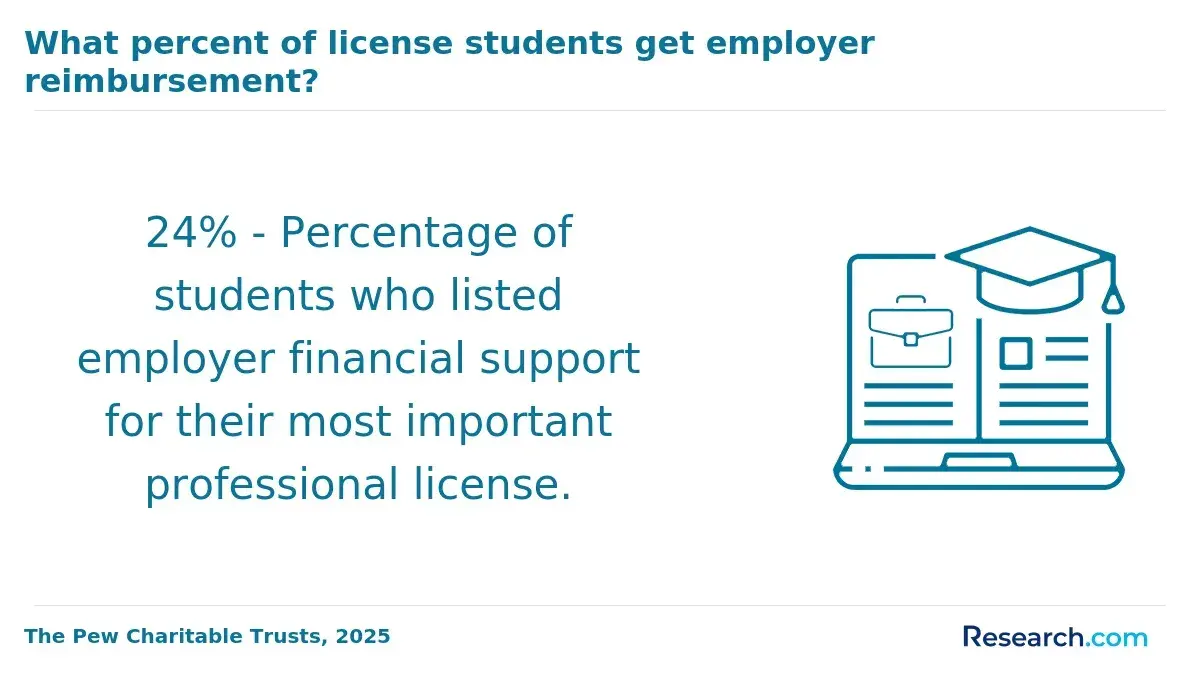
| Employer tuition assistance | Employment status and employer policy | Working professionals in security, IT, law enforcement, compliance, or government roles | May require continued employment, grade minimums, advance approval, or repayment if you leave. |
| Federal loans and veterans' education benefits | FAFSA eligibility or qualifying military service | Students needing predictable baseline financing after gift aid | Loans must be repaid; benefit eligibility and covered charges vary. |
Merit aid is usually the best first target for applicants with a competitive profile, while need-based aid requires early FAFSA completion and careful documentation. Working professionals should ask about employer reimbursement before accepting loans; an employer benefit may be more valuable than a small scholarship, although it can come with retention obligations.
Students whose interests overlap with analytics or security intelligence may also find relevant curriculum comparisons in online data science masters. A related degree is not automatically a substitute for cybercrime study, but it can be a useful cost-and-career comparison when evaluating employer support.
How much do Cybercrime master's scholarships typically cover?
Most university scholarships for online cybercrime-related master's programs are partial awards, not full tuition packages. Coverage may be a fixed amount, a per-credit discount, a percentage reduction, or a limited number of funded terms. Because schools change award amounts and availability by cycle, use the official offer letter - not a promotional page - as the final figure.
The comparison below explains how common award structures affect your expected tuition after aid.
| Award structure | How it changes your bill | When it is most valuable | Watch for |
| Fixed one-time award | Reduces one term or the first year by a stated amount | Students who need help with enrollment costs or have a short program | Whether the amount renews and whether it is split across terms. |
| Per-credit award or tuition discount | Reduces cost for each eligible credit | Students completing all required credits at the institution | Exclusions for transfer credits, repeated courses, or reduced enrollment. |
| Percentage tuition scholarship | Reduces a stated share of eligible tuition charges | Students in high-tuition programs when fees are modest | Whether "tuition" excludes fees, course materials, and future rate increases. |
| Full tuition fellowship | Can cover all eligible tuition, sometimes with a stipend | Applicants able to meet highly selective academic or service conditions | Campus residency, work obligations, tax treatment, and loss of funding if enrollment changes. |
To estimate net tuition, subtract confirmed gift aid from tuition, then add fees and other costs not covered by the award. A partial scholarship can still be the better choice when a lower-cost public program leaves less to finance than a larger award at a higher-priced institution.
Do not assume a full-time online program is the least expensive route. A focused program may reduce time in school, while a longer part-time plan can make employer reimbursement easier to use. For a broader comparison of compressed graduate formats, review one year masters programs online only if it aligns with your workload, prerequisite, and scholarship-renewal needs.
Who is eligible for Cybercrime master's scholarships?
Eligibility depends on the scholarship rather than the degree title. Online cybercrime master's applicants may qualify through academic achievement, financial need, professional background, military service, public-sector employment, membership in an eligible group, or a demonstrated commitment to cybercrime prevention and digital investigation.
Before investing time in essays, check the criteria that most often determine whether an application will be considered.
- Admission status: Some awards require full admission, while others allow applicants to apply before an admission decision.
- Program and modality: Confirm that your exact online master's program, not merely the university, is eligible.
- Enrollment intensity: Awards may require full-time, half-time, or continuous enrollment and can be reduced for fewer credits.
- Academic standing: Merit awards commonly set a minimum undergraduate GPA, graduate GPA, or satisfactory academic progress standard.
- Citizenship or residency: Federal aid has citizenship requirements, and institutional awards may have separate state-residency or donor restrictions.
- Professional qualifications: Cybersecurity certifications, IT work, law enforcement experience, military service, and public-service goals can be relevant where stated.
- Financial documentation: Need-based awards may require a FAFSA, tax information, or an institution-specific financial statement.
Applicants with a strong technical or investigative profile should actively seek merit and department awards. Students who do not meet merit thresholds, are ineligible for federal aid, or cannot maintain required enrollment should plan for alternatives such as employer assistance, payment plans, veterans' benefits where eligible, or lower-cost public options. Never treat a scholarship as assured until it appears in a written award notice.
What is the application process for Cybercrime master's scholarships?
The best scholarship strategy begins before you submit the program application. Some institutions automatically consider admitted students for merit aid, while others require a separate scholarship portal, FAFSA, recommendation letters, and a personal statement. Missing a priority deadline can remove you from consideration even if you are admitted later.
Use this sequence to create an auditable application process and reduce deadline mistakes.
- Create a school-by-school tracker with the program deadline, scholarship deadline, FAFSA requirement, online-student restriction, award amount, and renewal terms.
- Apply for admission early enough to receive a student ID and access any separate scholarship portal before its deadline.
- Submit the FAFSA when you may be eligible for federal or need-based aid, even if you expect a merit scholarship or employer support.
- Prepare a focused statement connecting your experience with cybercrime investigation, security operations, digital forensics, public safety, compliance, or another stated scholarship priority.
- Request transcripts, recommendations, certification records, military documentation, and employer verification well before deadlines.
- Compare written offers by total net cost, covered charges, conditions, and renewal rules before paying an enrollment deposit.
- Ask for reconsideration if a competing offer, a material financial change, or newly documented achievement supports a review under the school's policy.
A concise scholarship essay is stronger when it provides evidence: a technical project, incident-response work, investigative experience, volunteer service, certification progress, or a realistic career plan. Do not submit the same generic statement to every school if the award has donor-specific criteria.
Applicants exploring adjacent legal-support careers can compare educational pathways through degrees for paralegals. That comparison is useful for career planning, but it does not replace reviewing cybercrime program-specific admissions and scholarship rules.
Do online Cybercrime students qualify for the same aid as on-campus students?
Online students can often qualify for federal student aid and many institutional scholarships when they enroll in an eligible program at an eligible school, but they should not assume identical access to every campus-based award. Federal eligibility is generally tied to the institution, program, enrollment status, satisfactory academic progress, and student eligibility - not to whether coursework is delivered online.
University-controlled aid is more variable. A scholarship may be open to all graduate students, limited to a campus, tied to a research assistantship, or restricted to students paying a particular tuition rate. Online students are also less likely to access assistantships that require in-person teaching, lab work, or residency.
Ask financial-aid staff for confirmation of four items: whether online enrollment qualifies, the minimum credits required, whether the award is renewable, and whether it can be used with other aid. Get the answer by email or in the award terms. This avoids the common mistake of calculating a program's net cost with an award designed only for residential students.
Can Cybercrime master's students combine multiple scholarships and grants?
Usually, yes. Students may combine university scholarships with external scholarships, employer assistance, veterans' benefits, and federal aid when each source permits it. However, the financial-aid office may need to revise a package if total assistance exceeds the school's cost of attendance or if a scholarship's terms prohibit stacking with certain institutional discounts.
Combining smaller awards is often more practical than waiting for one rare full scholarship. The trade-off is administrative complexity: every award can have a different deadline, disbursement schedule, enrollment rule, and tax treatment.
| Combination | Potential advantage | Potential concern | What to confirm |
| University merit scholarship plus external scholarship | Can reduce tuition without changing employer obligations | External funds may trigger an aid-package adjustment | Whether the university reduces grants, loans, or work-study first. |
| University scholarship plus employer reimbursement | Can significantly reduce borrowing for working professionals | Employer may reimburse only grades, tuition, or approved courses | Preapproval rules, annual cap, repayment clause, and whether reimbursement follows payment. |
| Scholarship plus federal loans | Loans can cover remaining eligible costs after gift aid | Borrowing can obscure the program's true affordability | Remaining balance, interest, origination fees, and projected repayment. |
| Scholarship plus veterans' benefits | May cover a substantial share of education costs for eligible students | Coordination rules vary by benefit and institution | Certification process, covered fees, enrollment changes, and timing of payments. |
Report every outside award to the financial-aid office promptly. Keep copies of award letters and ask which portion of your package would change if additional funding arrives. That is particularly important when a university has already included need-based grant aid in its offer.
What are the requirements to maintain scholarship status in Cybercrime master's programs?
Scholarship renewal is conditional, not automatic. The award letter controls, but common requirements include maintaining a stated graduate GPA, completing a minimum number of credits, remaining continuously enrolled, meeting satisfactory academic progress standards, and avoiding conduct or academic-integrity violations.
Renewal terms should influence program choice. A larger scholarship with a full-time enrollment requirement may be a poor fit for a working professional who needs to take one course at a time. Likewise, an award that lasts only one term may provide less value than a smaller renewable award.
Review these terms before accepting funding:
- The minimum cumulative GPA and whether grades are reviewed each term or annually.
- The minimum and maximum credit load, including whether summer enrollment counts.
- The number of funded terms or total credits and whether an extension is possible.
- The treatment of withdrawals, incomplete grades, repeated courses, leave of absence, and program changes.
- Whether an appeal is available after illness, job disruption, military activation, or another documented circumstance.
Track grades and completed credits from the first term rather than waiting for a renewal notice. If a problem arises, contact the scholarship administrator and academic advisor before dropping a course; a withdrawal can affect both scholarship eligibility and federal-aid status.
What tips can help Cybercrime master's students secure more scholarship funding?
Students improve their odds by matching applications to eligibility criteria and presenting evidence that supports a credible cybercrime career goal. The strongest approach is systematic: apply broadly to realistic university, department, employer, and external opportunities while comparing the final net cost rather than award headlines.
These practices can make a scholarship search more effective.
- Apply early, because many university scholarship pools are allocated using priority deadlines rather than the final admission deadline.
- Request a complete cost breakdown that separates tuition, mandatory fees, books, software, and any charges the scholarship will not cover.
- Build an evidence file with transcripts, résumé, certifications, technical projects, service records, recommendation contacts, and work accomplishments.
- Tailor each statement to the award's stated purpose, especially when it values public safety, digital forensics, military service, diversity, community service, or cybersecurity leadership.
- Ask your employer about reimbursement before enrollment and obtain written preapproval for the program and courses.
- Apply for several compatible smaller awards instead of relying on a single highly selective scholarship.
- Compare renewable aid over the entire program length, not merely the first-term discount.
- Appeal professionally when you have new information, such as a competing offer or a documented change in financial circumstances, and the institution permits review.
Common mistakes include assuming all online students qualify, overlooking fees, missing separate scholarship deadlines, and accepting an award without reading renewal conditions. Career changers who are still evaluating whether another information profession fits their goals may also find it useful to review do you need a masters to be a librarian; however, cybercrime funding decisions should remain based on the specific program's cost, curriculum, and scholarship terms.
Other Things You Should Know About Cybercrime
Scholarship funds used for qualified tuition and required course materials are often treated differently from funds used for living expenses, travel, or stipends. Tax treatment depends on your circumstances and the award terms, so retain documentation and consult a qualified tax professional when needed.
Read the deposit deadline and scholarship acceptance deadline carefully. If another decision is pending, ask whether the school can extend the deadline. Compare written net-cost offers, renewal conditions, and program fit before making a nonrefundable commitment.
Some universities offer institutional merit scholarships to international students, but federal student aid is generally unavailable to students who do not meet federal citizenship or eligible noncitizen requirements. Online enrollment from another country can also create institution-specific restrictions, so confirm eligibility directly with the university.
Review the award terms and the reason for loss, then ask promptly about an appeal, probation period, reinstatement process, or alternative institutional aid. If the loss is connected to a withdrawal or academic issue, speak with both financial aid and your academic advisor before changing enrollment again.
References
- Policy master's: Cost and funding (Part 4) - Emerging Technology Policy Careers https://emergingtechpolicy.org/pathways/graduate-school/policy-masters/4-cost-and-funding/
- Mastering College Tuition: Your Guide to Costs, Aid, and Choosing the Right School https://www.road2college.com/understanding-college-tuition-and-fees/
- Scholarships & Resources for Criminal Justice Master's Students https://www.onlinemastersdegrees.org/student-resources/criminal-justice/
- How are college scholarships and grants different? | University of Phoenix https://www.phoenix.edu/blog/grants-vs-scholarships.html
- How to Pay for a Degree in Cybersecurity | CyberDegrees.org https://www.cyberdegrees.org/resources/how-to-pay-for-a-degree/
- Best Cybersecurity Schools for Earning a Master's Degree https://www.computerscience.org/degrees/masters/cybersecurity/
- Frequently Asked Questions https://www.acsac.org/acsa/swsis/faq.html
- Comparing aid offers- College Ready AZ https://collegereadyaz.com/comparing-aid-offers/
- Take the lead: Find online cybersecurity master's programs https://cybersecurityguide.org/online/masters-in-cybersecurity/
- Online Cybersecurity Technology Master's Degree | UMGC https://www.umgc.edu/online-degrees/masters/cybersecurity-technology