2027 Music Education Degree Master's Programs Accepting Students Now

Co-Founder and Chief Data Scientist
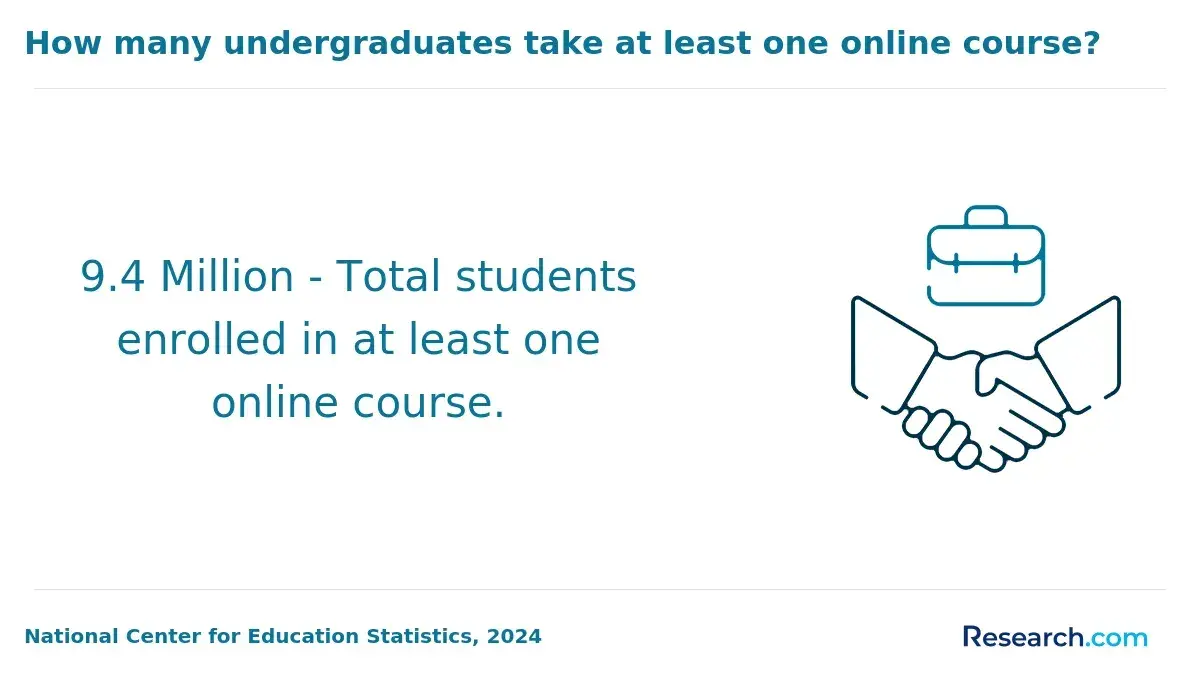
Recent graduates and career changers often face limited options when seeking master's programs that accommodate their unique needs in music education. Many programs require extensive prior experience, creating barriers for those switching fields. Career changers represent a growing demographic, with over 30% pursuing graduate degrees in arts education to enhance employability and meet increasing demand in schools. This trend reflects a shift toward valuing diverse professional backgrounds for teaching music. This article explores current master's programs accepting students now, focusing on flexibility and accessibility to help aspiring educators transition smoothly into the music education profession.
Key Things to Know About Music Education Degree Master's Program Accepting Students Now
- Many programs offer flexible schedules and online options, enabling working professionals to balance graduate study with career and personal commitments effectively.
- Accelerated tracks promote rapid skill development, with some programs allowing completion within 12-18 months, supporting quicker entry into advanced music education roles.
- Students gain access to global networking through virtual collaborations, conferences, and alumni, enhancing professional connections in diverse educational and cultural settings.
What Are Music Education Master's Programs, and Who Are They Designed For?
Music education master's programs accepting students now typically span one to two years and offer flexible formats, including both on-campus and online options, to accommodate diverse student needs. These graduate programs mainly appeal to three groups: recent bachelor's graduates aiming to specialize, working professionals looking to advance their careers, and career changers interested in transitioning into music education. Unlike bachelor's programs, which provide foundational training, master's degrees emphasize advanced critical thinking and practical teaching experience. They differ from doctoral programs by focusing more on professional practice rather than research.
- Comprehensive Curriculum: These programs cover advanced topics such as music technology, educational psychology, and varied teaching methods to equip students for modern classrooms.
- Flexible Learning Formats: Many institutions offer full-time, part-time, and online courses designed specifically for working adults and international students.
- Targeted Student Groups: Ideal for recent graduates, experienced educators seeking updated skills, and professionals shifting careers to music education.
- Enhanced Career Prospects: Graduates qualify for leadership roles, specialized teaching positions, and often attain higher salaries compared to those with bachelor's degrees.
- Certification and Licensure Support: Programs frequently provide assistance in meeting state-specific certification requirements, essential for employment in public schools.
Prospective students searching for music education master's programs accepting students will find growing opportunities due to increased demand for advanced credentials nationwide. Employment of postsecondary music teachers is projected to grow 7% over a decade, underscoring the value schools place on highly qualified educators. For working professionals exploring graduate programs in music education for working professionals, many institutions offer online options, including a notable 1 year masters program to expedite credentialing.
Which Music Education Master's Programs Are Currently Accepting Applications?
The availability of music education master's programs currently accepting applications shifts every semester, so it is crucial for prospective students to verify statuses directly with universities or through accredited program portals. The phrase "accepting students now" may indicate different intake windows depending on whether schools use rolling admissions or fixed deadlines. For the most current updates, consulting recognized accrediting bodies alongside university admissions offices is advised. This approach ensures applicants are aware of open periods and admission specifics related to top master's programs in music education open for enrollment.
Applicants can find diverse program types aligned with different career aims, from scholarly research to practical teaching. Some emphasize thesis-based study, others focus on professional preparation, while accelerated options offer fast-tracked paths into the workforce. Below are examples of representative programs that reflect this variety:
- University of Northern Arts - Professional Track: This program provides a practical curriculum ideal for those targeting immediate music teaching careers. It offers flexible online coursework with multiple start dates, supporting rolling admissions.
- Midwest State University - Thesis-Based Option: Designed for students pursuing deep academic inquiry, this program features biannual fixed deadlines for fall and spring enrollments.
- Coastal City College - Accelerated Format: Tailored for career changers, this intensive 12-month program combines teaching practica with advanced music theory. Applications open in late spring with some off-cycle flexibility.
- Great Lakes Conservatory - Hybrid Curriculum: Combining online and in-person classes, this rolling admissions program emphasizes technology integration, appealing to innovative educators.
- Southern University - Online Cohort Model: A fully online master's with an early summer fixed application deadline, offering foundational coursework alongside electives in music technology and community outreach.
In navigating options, prospective students should also consider tuition costs, GPA thresholds, financial aid opportunities, and how programs accommodate full-time work alongside study. For those exploring advanced degrees with affordability in mind, reviewing rankings such as the cheapest PhD programs online may provide helpful context, even though they focus on doctorates rather than master's level study.
What Are the Admission Requirements for a Music Education Master's Program?
Admission to a master's program in music education generally involves submitting several foundational documents. Applicants must provide undergraduate transcripts verifying the completion of a bachelor's degree, frequently emphasizing relevant coursework in music or education. Letters of recommendation are vital, usually written by professors or supervisors familiar with the candidate's academic or professional abilities. A statement of purpose offers insight into the applicant's motivations, career objectives, and how the program aligns with their future plans. Additionally, a resume or curriculum vitae highlights experience in teaching, performing, or related music fields.
Standardized test scores such as the GRE or GMAT may be required by some schools; however, many have temporarily dropped this rule following the COVID-19 pandemic to broaden accessibility. It's important for applicants to confirm if these tests remain necessary based on the latest from each institution.
Beyond these, specific prerequisites often vary. Some programs ask for portfolios showcasing musical performance or instructional materials, while others may require particular prerequisite courses or certifications in music or education. These elements serve to assess practical expertise alongside academic credentials.
Because requirements differ significantly from one university to another, prospective students should thoroughly examine each program's admissions page to prepare the accurate materials and meet all criteria.
- Undergraduate Transcripts: Proof of a completed bachelor's degree, ideally with coursework supporting music or education knowledge.
- Letters of Recommendation: Endorsements from academic or professional contacts familiar with the applicant's abilities and readiness for graduate study.
- Statement of Purpose: A written explanation of the applicant's reasons for seeking the degree and how it fits with their career goals.
- Resume or CV: A summary of relevant professional or academic experiences related to music education or performance.
- Discipline-Specific Requirements: May include portfolios, prerequisite courses, or certifications to verify practical skills and specialized knowledge.
A professional who enrolled in an online music education master's program, aiming to pivot careers, shared the personal and logistical challenges faced during admissions. He mentioned how gathering recommendation letters from former supervisors required careful timing and communication, noting, "Coordinating with my mentors while managing a full-time job was stressful but rewarding." Navigating whether to submit standardized test scores was confusing at first, especially with changing policies; he appreciated that the program provided clear guidance. Preparing a portfolio demonstrated a steep learning curve, but it ultimately highlighted his dedication. Reflecting on the process, he remarked, "The thorough application helped me clarify my goals and strengthened my commitment to teaching music on a new level."
The typical minimum GPA requirement for music education master's programs is around 3.0 on a 4.0 scale, though many leading programs prefer applicants with GPAs closer to 3.5 or higher. Admissions committees often evaluate more than just the cumulative GPA, placing importance on an upward academic trend or significant professional experience in the field. Candidates with GPAs below the usual cutoff might still gain entry through conditional admission options that allow them to demonstrate their abilities during initial coursework. Prospective students with borderline GPAs should reach out directly to admissions offices to explore flexible admission pathways and discuss individual qualifications.
- Minimum GPA Thresholds: Most music education master's programs require at least a 3.0 GPA, but more competitive programs expect stronger academic records.
- Upward Grade Trends: An improving GPA over time can offset a lower overall average, indicating growing academic strength.
- Professional Experience Considered: Relevant teaching or music-related work can supplement lower GPAs in the admissions process.
- Conditional Admission Possibilities: Some schools offer provisional acceptance contingent on satisfactory performance in early graduate courses.
- Direct Contact Encouraged: Reaching out to admissions can clarify options and potential flexibility for applicants near the GPA cutoff.
Recent data suggest that more than 40% of programs now emphasize holistic admissions, balancing academic metrics with practical experience. For aspiring students interested in flexible financial routes, an online business degree with financial aid could be a complementary option to consider alongside music education pathways.
Master's programs in music education typically require one to two years for full-time students, while part-time options extend from two up to four years, accommodating those balancing other commitments. Some schools provide accelerated tracks, such as intensive 12-month programs, allowing highly dedicated students to finish more quickly. Combined bachelor's/master's (4+1) programs also exist, enabling students to complete both degrees in about five years altogether, streamlining the total study time.
The duration varies based on several factors. Choosing a thesis track often adds time due to the in-depth research and writing involved, whereas non-thesis options may be faster. The number of credits taken each term can either shorten or lengthen the path, and transfer credits might reduce the required coursework. Practical components like internships or field experiences, while enriching, can add extra months to the program length.
Prospective students should carefully evaluate how program length fits with their career goals, ensuring that expedited options do not compromise the quality of education or professional preparation.
- Program Duration Flexibility: Full-time master's degrees usually take one to two years, while part-time study can extend from two to four years, depending on course load and availability.
- Accelerated and Combined Pathways: Twelve-month intensive tracks and 4+1 bachelor's/master's programs enable faster degree completion for motivated students.
- Track Selection and Coursework Load: Thesis requirements typically increase duration, while heavier course loads and transfer credits may shorten it.
- Internships and Practical Experience: Required fieldwork enhances skills but might prolong the program's timeline.
One professional who completed an online music education master's program recalled the balancing act required between full-time work and coursework. She described the experience as "challenging but rewarding," noting that managing deadlines for both assignments and internships demanded careful planning. The flexibility of the online format allowed her to maintain employment while gradually progressing through her studies. Reflecting on the process, she emphasized how staying organized and motivated was critical, and, though the timeline occasionally stretched due to unexpected work demands, completing the program provided a strong foundation that directly benefited her career advancement.
Tuition for a music education master's program often depends on factors like type of institution, residency, and delivery mode. Public universities generally offer lower tuition rates to in-state students, while out-of-state learners can face fees two to three times higher. Online programs tend to have flat tuition rates that don't vary by residency, which can benefit students living outside the institution's state or internationally. Typically, programs require between 30 and 45 credit hours.
Beyond tuition, several mandatory fees contribute to the overall cost. These may include program fees for instrument rentals, ensemble participation, or specialized workshops designed for music education students. Additionally, technology or lab fees cover access to music software, recording studios, and equipment essential to coursework.
For students attending classes on campus, living costs such as housing, meals, transportation, and personal expenses are significant additions. National data show that the aggregate cost of completing a music education master's generally ranges from $20,000 to $50,000 for in-state public university students, but can exceed $60,000 for out-of-state or private university attendees. It's important to note that these figures usually reflect tuition and fees only, excluding living expenses.
The stated prices often do not reflect the net cost because scholarships, grants, and assistantships can substantially reduce the actual financial burden for many students. This aspect leads naturally into exploring various financial aid options available to prospective master's candidates.
- Tuition Per Credit Hour: Costs vary by school and residency, with public institutions charging less for in-state students. Online programs often provide uniform rates regardless of location.
- Additional Program Fees: Mandatory fees may cover access to instruments, ensembles, or specialized instruction integral to music education.
- Technology and Lab Costs: Expenses related to software licenses, recording facilities, and use of technical equipment are common in music education curricula.
- Living Expenses: Housing, meals, transportation, and personal costs add considerably to expenses for on-campus students.
- Net Cost After Aid: Financial aid through scholarships, grants, and assistantships greatly reduces the actual amount students pay beyond the sticker price.
Graduate students pursuing a music education degree often encounter limited grant options compared to undergraduates, making it essential to explore all available financial aid. Starting with the Free Application for Federal Student Aid (FAFSA) unlocks access to federal loans, which typically offer competitive interest rates and flexible repayment plans tailored to graduate borrowers.
Many universities provide institutional grants and fellowships specifically for master's students in music education. These awards are usually merit-based and do not require repayment, helping to offset tuition fees. Additionally, graduate assistantships serve as a valuable source of funding; they offer stipends or tuition waivers in exchange for teaching or research duties within the department.
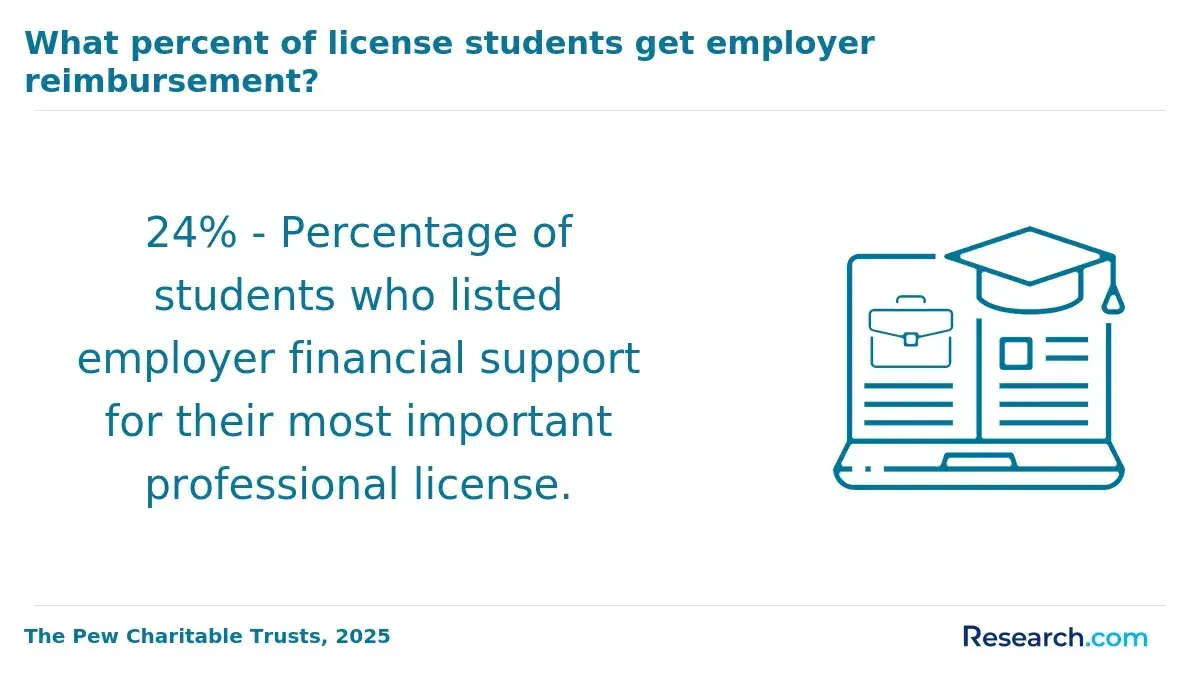
Working professionals can also benefit from employer tuition reimbursement programs, which ease the financial burden while advancing their careers. Finally, students should actively seek out private scholarships targeted at music education candidates and investigate state-funded aid programs that may provide additional support depending on residency and eligibility.
- Federal Loans and FAFSA: Completing the FAFSA remains the critical first step to qualify for federal loans designed for graduate students, offering low interest and manageable repayment terms.
- Institutional Grants and Fellowships: Merit-based awards from universities reduce costs without repayment obligations, particularly benefiting music education master's students.
- Graduate Assistantships: Teaching or research roles provide financial support through stipends or tuition coverage while gaining professional experience.
- Employer Tuition Benefits: Reimbursement programs from employers support working students pursuing advanced degrees in music education.
- Private Scholarships and State Aid: Discipline-specific scholarships and state-funded programs offer additional avenues for financial assistance, which applicants should explore thoroughly.
Scholarships for music education master's scholarships and financial aid options typically fall into two categories: institutional scholarships and external scholarships. Institutional scholarships are offered by universities, often contingent on auditions, academic merit, or portfolio reviews. These awards usually recognize exceptional talent or scholarly achievement and may be renewable for several years, helping to reduce the overall cost of graduate studies.
External scholarships come from professional associations, foundations, and government agencies that support graduate scholarships for music education students in the United States. These awards vary widely in eligibility and amounts and frequently encourage diversity, leadership, or research within the field. Locating these scholarships involves searching through specialized databases, scholarship aggregator platforms, and federal scholarship search tools. For example, prospective students can consult websites of major organizations such as the National Association for Music Education (NAfME) or the American Musicological Society (AMS).
Nearly 40% of graduate students in arts and humanities fields receive some form of financial aid, underscoring the availability of support for qualified applicants. When exploring funding, it is crucial to carefully note each scholarship's eligibility criteria, award amounts, and deadlines to optimize application success. Many scholarships offer renewable awards, providing funding throughout a student's master's program.
Students interested in balancing graduate study with financial responsibility can also consider a range of online affordable master's programs, which may offer flexible and cost-effective paths to degree completion.
- Institutional Scholarships: Offered by universities based on merit, auditions, or portfolios, these scholarships are often renewable and help reduce costs over multiple years.
- External Scholarships: Funded by professional organizations and agencies, these awards vary in criteria and often promote leadership and research in music education.
- Research Resources: Major association websites, scholarship aggregators, and federal tools are essential for comprehensive scholarship searches.
- Eligibility and Deadlines: Careful review of each scholarship's rules and deadlines is vital to maximize funding chances.
- Renewable Awards: Many scholarships provide annual renewal, sustaining students financially through the length of their master's studies.
Choosing the best online music education master's programs involves more than just looking at rankings. While top-ranked accredited online music education graduate degrees can be a helpful starting point, students should prioritize programs with recognized regional or programmatic accreditation. This ensures the degree meets rigorous academic and professional standards. Equally important are faculty credentials; instructors with extensive teaching and performance backgrounds enrich the learning experience and contribute to professional recognition.
Online formats offer significant flexibility, ideal for working adults balancing full-time jobs or family commitments. Students can engage with coursework asynchronously and from any location, which supports diverse schedules. However, this convenience may limit opportunities for networking and ensemble experiences, which are integral to comprehensive music education.
- Accreditation and Faculty Credentials: Reputable programs hold valid accreditation and employ instructors with strong academic and professional qualifications, ensuring program quality and industry recognition.
- Student Support Services: Robust academic advising, technical support, and career counseling services facilitate smooth navigation of the online learning environment and prepare students for post-graduate success.
- Program Flexibility: Asynchronous coursework and flexible scheduling accommodate the needs of working professionals pursuing advanced degrees in music education.
- Career Placement and Outcomes: Effective programs monitor graduate employment rates in teaching or performance roles, reflecting the program's ability to prepare students for the workforce.
- Verification of Accreditation: Prospective students should independently confirm current accreditation status to avoid unrecognized degrees that may hinder licensure and job prospects.
Financial considerations, admission requirements, and GPA thresholds also vary across programs, so researching each carefully is essential. International applicants will find that the best online music education master's programs in the US often provide resources tailored to their needs. For those exploring related advanced degrees, programs covering topics like psychology also offer valuable perspectives, such as in the PsyD psychology online category.
Regional accreditation assesses the overall quality of a college or university, ensuring the entire institution meets established academic standards. In contrast, programmatic accreditation targets specific fields, like music education, to confirm they fulfill specialized industry criteria. For music education, the National Association of Schools of Music (NASM) serves as the key programmatic accrediting agency. Enrolling in an accredited program is essential because many states mandate graduation from such programs to obtain teaching licensure. Additionally, employers tend to favor candidates holding degrees from accredited institutions, viewing it as a marker of rigorous training. Accreditation also determines eligibility for federal financial aid, which can substantially reduce educational expenses. Prospective students should independently verify both regional and programmatic accreditation through the U.S. Department of Education's Database of Accredited Postsecondary Institutions and Programs to ensure transparency and avoid misinformation.
- Regional vs. Programmatic Accreditation: Regional accreditation covers the entire institution's academic standards, while programmatic accreditation focuses on the specific discipline of music education to meet industry expectations.
- Licensure Requirements: State teaching credentials often require degrees from accredited programs, making this a critical factor for careers in music education.
- Employer Preference: Accredited degrees are widely recognized as evidence of quality education, influencing hiring decisions in schools and educational organizations.
- Financial Aid Eligibility: Federal loans and grants are typically limited to students attending accredited institutions, affecting affordability.
- Accreditation Verification: The U.S. Department of Education's database offers an official resource to confirm the accreditation status of institutions and programs before enrollment.
Graduates holding a master's degree in music education often pursue a variety of roles in public schools, private studios, higher education, and community arts organizations. According to the U.S. Bureau of Labor Statistics, postsecondary music teachers earn a median annual salary near $70,000, while secondary school music teachers average about $62,000. These positions are expected to experience moderate job growth, reflecting ongoing demand for skilled educators and program leaders. Compared to bachelor's degree holders, master's graduates generally receive higher salary offers and gain access to leadership roles, such as department chairs or district coordinators. Additionally, they frequently find opportunities in specialized areas like curriculum development and arts integration consulting. Many programs enhance career prospects through strong alumni networks and dedicated career services, including internships, job placement assistance, and professional development resources, which help candidates thrive in competitive job markets.
- Diverse Employment Sectors: Graduates work in multiple settings including public education, private instruction, and arts organizations, allowing for broad career flexibility.
- Competitive Salaries: Master's degree holders typically command higher wages than those with a bachelor's degree due to advanced skills and qualifications.
- Steady Job Growth: Employment opportunities remain stable with ongoing demand for proficient music educators across educational levels.
- Leadership Roles: An advanced degree opens doors to supervisory and administrative positions within educational and arts institutions.
- Career Support: Alumni connections and career services provide valuable assistance in securing employment and advancing professionally.
What Graduates Say About Their Music Education Degree Master's Program
- Alfonso: "I chose the music education master's degree because I wanted a program that truly balanced theory with hands-on experience, which was essential for my career as a band director. The cost was reasonable compared to other programs, making it easier for me to invest without overwhelming financial stress. This degree opened doors to leadership roles in schools and helped me build confidence in my teaching methods."
- Eduardo: "Reflecting on my journey, pursuing a music education master's was a strategic move to deepen my knowledge and advance professionally. Despite the costs, the quality of instruction and networking opportunities made the investment worthwhile. It significantly boosted my career trajectory, allowing me to mentor students more effectively and contribute to curriculum development."
- Thiago: "From a professional standpoint, the music education master's degree was an invaluable asset that strengthened my credibility in the field. I appreciated that the tuition fees aligned with the program's comprehensive curriculum and practical applications. This degree was pivotal in transitioning from performer to educator, ultimately enriching my impact on young musicians."
Other Things You Should Know About Music Education Degrees
Most programs require a bachelor’s degree in music education, music performance, or a related field, plus 24 to 30 undergraduate music credits in theory, history, aural skills, and applied study. Applicants often must submit transcripts, letters of recommendation, and a teaching résumé.
Many music education master's programs accommodate working professionals by offering part-time, evening, or fully online courses. This flexibility allows students to balance full-time employment and graduate studies. It is important to confirm the program's delivery format and time commitments before enrolling to ensure they match your work schedule.
Students in music education master's programs often have access to academic advising, tutoring, and career services geared toward education professionals. Many programs provide mentorship from faculty experienced in public school teaching and music instruction. Additionally, online learners typically have technical support and virtual libraries to assist with course materials.
- Music Education MA https://www.ucl.ac.uk/prospective-students/graduate/taught-degrees/music-education-ma
- Funding for Music Students | Grants & Scholarships | ISM https://www.ism.org/advice/funding-for-students/
- 1868+ Masters Scholarships in Music globally 2026-27 [Updated] https://www.wemakescholars.com/masters-scholarships-in-music-to-study-abroad
- Master of Music Education Admission Requirements | Lebanon Valley College https://www.lvc.edu/programs/master-music-education/admission-requirements/
- Scholarships for Music Majors https://majoringinmusic.com/scholarships-for-music-majors/
- ACCREDITATION OF MASTER'S DEGREE PROGRAMS AND ITS CONTRIBUTION TO IMPROVING THE QUALITY OF EDUCATION: A SYSTEMATIC REVIEW http://ve.scielo.org/scielo.php
- Music Education: Graduate Programs - Graduate Programs for Educators https://www.graduateprogram.org/blog/music-education-graduate-programs/
- Music Education, M.M. https://www.ftc.edu/academics/graduate-programs/music-education-degree-graduate/
- Scholarships https://nafme.org/student-opportunities/scholarships/
- Graduate Cost and Financial Aid https://music.rice.edu/admissions/graduate/graduate-cost-and-financial-aid