
2027 MLIS Programs for Archival Records Appraisal Decisions

Co-Founder and Chief Data Scientist
Choosing what an archive should keep - and what it can responsibly let go - requires more than an interest in historical records. Prospective students need to find an MLIS program that teaches defensible appraisal decisions and offers opportunities to practice them. The U.S. Bureau of Labor Statistics reports a May 2025 median annual wage of $64,550 for archivists, but that occupation-wide figure cannot predict a graduate's earnings. This guide helps aspiring archivists and records professionals assess accreditation, coursework, field experience, costs, and career fit before choosing a program.
Key Things You Should Know
- Look for documented instruction in archival appraisal, records retention, ethics, and digital records; a relevant elective is not necessarily a formal specialization.
- Prioritize a supervised project that produces an appraisal rationale, retention recommendation, or documented selection decision - not just experience processing collections.
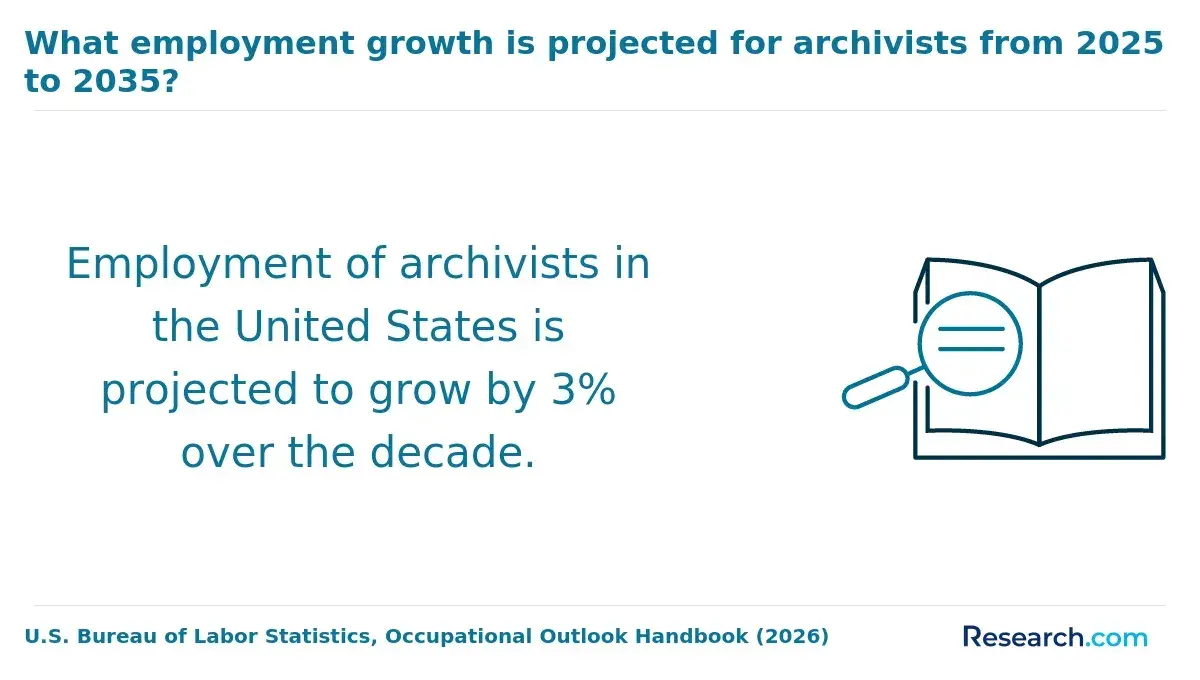
- BLS projects 3.4% growth in archivist employment from 2025 to 2035; compare that broad outlook with local openings and each program's full cost.
What are MLIS programs for archival records appraisal decisions?
These are library and information science master's programs whose courses and applied work can prepare students to decide which records merit continuing preservation. Archival appraisal evaluates records' enduring value in light of an organization's collecting mission, the records' context and evidential value, the communities they document, and the resources needed to preserve and provide access to them. It is not simply choosing the oldest or most interesting items.
Few applicants need a degree formally titled "archival records appraisal." More often, they should look for an MLIS, MLS, Master of Information, or similarly named LIS degree with an archives pathway. A school may offer a named concentration, a set of relevant electives, or an individually designed project; those are different levels of commitment. Before applying, check the catalog and ask when appraisal-related courses last ran and whether students can complete an appraisal-focused field project.
The work also crosses professional boundaries. Archivists may appraise donated collections, while records managers develop retention schedules for organizational records. Both need to document decisions, but retention and disposal can involve legal, regulatory, privacy, and institutional obligations that require consultation with the appropriate specialists.
Which accreditation should archival studies MLIS programs have?
For a U.S. LIS master's degree, check whether the specific master's program appears in the American Library Association's current directory of accredited programs. Institutional accreditation applies to the university; it does not establish ALA accreditation for its MLIS. Conversely, ALA accreditation evaluates the degree program, not whether it offers an appraisal concentration, a particular elective, or an internship placement.
ALA accreditation can matter for employers that specify an ALA-accredited LIS degree. Archives jobs may also accept graduate education in history, public history, archival studies, or another relevant field, so read actual job requirements in the setting where you hope to work. If you are comparing an affordable accredited MLIS degree with a non-MLIS archival degree, weigh both the employer requirements and the verified appraisal training - not the credential label alone.
What education and training prepare students for archival appraisal careers?
A strong preparation combines archival theory with supervised decisions about real or realistically simulated records. Students should learn to define a collecting scope, investigate how records were created, identify gaps or duplication, assess preservation and access implications, and explain a recommendation in writing. Work with born-digital records matters because files can carry dependencies, sensitive information, and preservation needs that are not evident from their names.
Before enrollment, ask a program whether students can work with an archives, records office, community organization, or special collection on an appraisal-related assignment. A useful portfolio artifact is a redacted appraisal report that states the collecting mandate, selection criteria, consultation undertaken, disposition recommendation, and unresolved risks. Respect confidentiality and obtain permission before sharing any work based on real records.
Students deciding between archives, digital preservation, and information governance can compare the best library science specializations for career growth, then test those broader options against the work they want to do. An archival certificate or relevant work experience may be a better next step than a second master's degree for someone who already meets target employers' education requirements.
What coursework do MLIS archival appraisal programs typically include?
Course titles differ, so compare learning outcomes and assignments rather than searching only for "appraisal" in a catalog. The following areas show how coursework can contribute to selection decisions; confirm which courses are required, which are electives, and how often electives are offered.
| Course area | Contribution to appraisal work | What to verify |
| Archival principles and practice | Connects appraisal to provenance, collecting policies, arrangement, and description. | Whether students write an appraisal rationale, rather than only describe an existing collection. |
| Records and information management | Introduces records lifecycles, retention schedules, and documented disposition. | Whether assignments address legal holds and consultation with policy or legal staff. |
| Digital archives and preservation | Explores selecting and maintaining born-digital material. | Whether students assess formats, context, privacy, and preservation capacity. |
| Ethics and community archives | Examines whose experiences are documented and who participates in selection. | Whether students engage with donor terms and community perspectives. |
Description standards and metadata skills help students understand what selected records contain and how people will find them, but description is not a substitute for appraisal. A catalog listing is likewise not proof that an elective will run during your enrollment. Request a likely course sequence and ask what alternative is available if a needed course is not offered.
How do online and campus-based archival studies MLIS programs compare?
Either format can teach appraisal concepts. The consequential difference is often access to supervised records work, not where lectures occur. An online student may be able to arrange a local placement, while a campus student may have nearby collections and staff mentors; neither opportunity should be assumed without confirmation.
Ask whether courses are asynchronous or require live attendance, whether archival electives are available in your chosen format, and who approves field placements. Also check whether a placement involves physical records, digital records, or both, and whether travel or campus visits are required. If geography shapes your search, lists of library science graduate schools South can help identify options to investigate; verify each program's current delivery rules and placement arrangements directly.
What are the admission requirements for archival studies MLIS programs?
Applicants generally need to document a completed bachelor's degree and meet each university's published graduate admission requirements. Programs may request transcripts, recommendations, a statement of purpose, a résumé, or writing samples; requirements and policies on tests or prior experience vary. An archives job is valuable context for an application but should not be assumed to replace a stated academic requirement.
Use the statement of purpose to name the appraisal problem you want to study - for example, selecting organizational digital records or documenting an underrepresented community - without claiming you have already solved it. Applicants changing careers can also investigate online librarian degree scholarship options, then confirm eligibility, deadlines, and award terms with each institution. Admission and funding are separate decisions.
How long do archival studies MLIS programs take and cost?
Time to completion depends on required credits, enrollment pace, course sequencing, and any practicum or capstone. Published tuition alone does not establish the price of the degree. For each program, multiply its current per-credit tuition by the credits you would need, then add mandatory fees and likely expenses for materials, placement travel, and any campus visits. Confirm whether your residency and online status affect the rate.
An accelerated one year library graduate program may appeal to a student able to carry a heavy course load. Before relying on that timeline, ask whether the archival electives and a suitable field project fit within it. A longer schedule may be more practical if you need to keep working or wait for a specialized course.
Compare total program cost, expected out-of-pocket payments, and any amount you would borrow as separate figures. Scholarships, assistantships, and employer reimbursement can change your personal cost but are not assured. Ask the financial aid office which aid rules apply to your enrollment period, and avoid estimating a precise financial return from an occupational median wage.
What careers can an MLIS degree in archival appraisal lead to?
Potential roles include archivist, processing archivist, digital archivist, collection development archivist, records manager, and information governance specialist. An archivist may assess donations against a collecting policy; a records manager may help determine how long organizational records are retained and document authorized disposition. Employers include universities, governments, museums, historical organizations, corporations, and community archives.
An MLIS can meet or strengthen qualifications for some roles, but it is not the only route. Archives employers may consider relevant graduate degrees and experience, while information governance positions may prioritize records systems, policy, or regulatory experience. Entry-level processing or records work can help a career changer learn how collections are created and used before taking responsibility for appraisal decisions.
When comparing job postings, separate duties you could perform with supervised training from requirements for independent judgment or specialized subject knowledge. A portfolio showing a clearly reasoned selection recommendation may demonstrate fit more directly than a transcript listing only general archives courses.
What salary and job outlook can archival professionals expect?
BLS occupation-wide figures provide context, not MLIS graduate outcomes or starting salaries. The table compares U.S. occupations that may appear in an archival career search; their duties and qualification requirements differ.
| BLS occupation | Median annual salary, May 2025 | Projected job growth, 2025-2035 |
| Archivists | $64,550 | +3.4% |
| Curators | $63,420 | +4.9% |
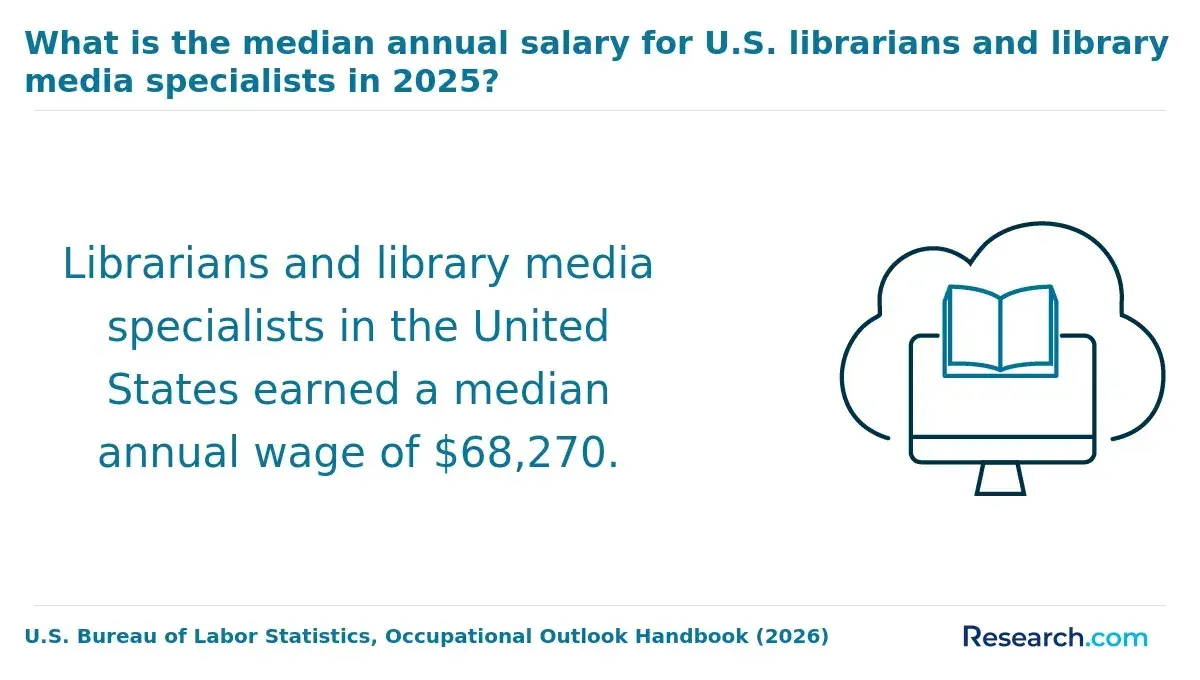
| Librarians and media collections specialists | $68,270 | +2.6% |
The archivist growth projection indicates a modestly expanding occupation, not a guarantee that appraisal-focused positions will be available in a particular location. Curatorial and librarian figures should not be treated as alternate salaries for the same job. For a personal decision, compare local vacancies, their stated qualifications and pay, and your likely education costs.
Which certifications and professional standards support archival appraisal careers?
Professional guidance can help an appraiser make decisions that are consistent, ethical, and reviewable. The Society of American Archivists' professional ethics guidance and its guidance on reappraisal and deaccessioning are relevant when collections or prior decisions need reconsideration. Records-management policies and applicable legal requirements also matter when determining whether organizational records can be disposed of.
The Academy of Certified Archivists' Certified Archivist credential is an optional professional certification, not a universal license to practice archival appraisal. Check its current eligibility rules before planning around it. In hiring, a credential may complement - but does not replace - evidence that you can apply a collecting policy, consult stakeholders, and document why records were retained or declined.
Other Things You Should Know About Library Science
No. Archival appraisal concerns whether records warrant retention under an archive's mission and policies. Monetary valuation is a different task and may call for a qualified specialist.
No. Digitization alone does not authorize disposal. Check retention obligations, donor agreements, institutional policy, and whether the digital copy adequately preserves the information and context before considering disposition.
Ask an instructor or placement supervisor for a public, donated, or simulated records set. Document the collecting scope and selection rationale, and get permission before putting the resulting work in a portfolio.
Automated tools may help sort or identify records for review, but their outputs require human assessment. Appraisal also involves context, privacy, collecting commitments, and accountability for the final decision.
References
- Appraisal Policy of the National Archives https://www.archives.gov/records-mgmt/scheduling/appraisal
- Appraisal and Selection for Digital Curation | usf.edu https://digitalcommons.usf.edu/cgi/viewcontent.cgi
- Archival Studies (MLIS) | missouri.edu https://cehd.missouri.edu/degree/archival-studies-mlis/
- Library and Information Science, MLIS: Archival Studies | UW-Milwaukee Academic Catalog https://catalog.uwm.edu/community-engagement-professions/information-studies/library-information-science-archival-studies-mlis/
- Master of Library and Information Science (MS) | Simmons University https://www.simmons.edu/academics/programs/library-and-information-science-ms
- Special Collections & University Archives Best Practices Manual | jhu.edu https://guides.library.jhu.edu/c.php
- MLIS - Archival Studies Online - The University of Alabama https://online.ua.edu/degrees/mlis-master-of-library-and-information-studies-concentration-in-archival-studies/
- Library and Information Science: Archives Concentration, Online - School of Information Studies | Academic Affairs https://uwm.edu/informationstudies/academics/library-and-information-science-archives-concentration-online/
- ALA-Accredited Programs https://www.ala.org/educationcareers/accreditedprograms/directory


